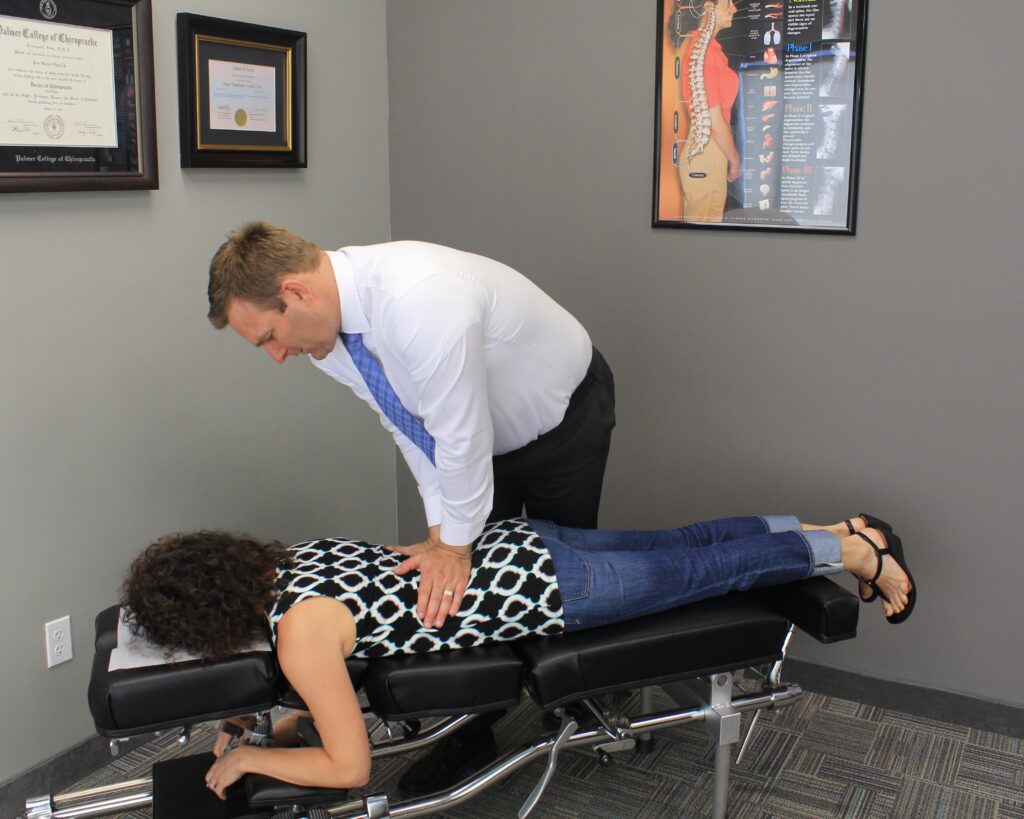
If you've been dealing with ongoing back pain, you may feel like you've tried everything without success. As a local chiropractor, I want to share that there are often overlooked solutions that can truly shift your journey toward relief. By incorporating mindfulness practices, targeted exercises, and even making some dietary adjustments, we can develop a holistic approach that addresses the underlying issues contributing to your discomfort. Are you curious about how simple modifications in your daily routine can lead to meaningful improvements? Together, we can explore various strategies, and I believe you might discover the right combination that finally brings you the relief you've been seeking.
Understanding Back Pain Causes
As a local chiropractor dedicated to helping you understand your back pain, it's important to recognize the various factors that could be affecting your well-being.
One common issue we often see in our practice is poor posture. Many of us spend long hours sitting at desks or hunching over our smartphones, which can inadvertently strain the back. This habitual slouching leads to muscle imbalances and tension, resulting in discomfort that can be easily overlooked.
Another factor that can contribute to back pain is muscle or ligament strain. Whether you've lifted something heavy, twisted awkwardly, or engaged in a new exercise routine, these activities can lead to injuries that may cause immediate pain. If left unaddressed, these strains can develop into chronic issues.
Degenerative conditions like arthritis also play a significant role in back pain, especially as we age. The cartilage between our joints can wear down over time, leading to stiffness and pain that radiates through the back.
Additionally, conditions such as herniated discs, where the cushioning between vertebrae bulges out and presses on nearby nerves, can cause significant discomfort.
It's also essential to recognize the connection between emotional stress and physical pain. Feelings of overwhelm, anxiety, or depression can manifest as muscle tension in the back, contributing to discomfort.
Understanding these causes is crucial for finding effective relief. By identifying the source of your pain, we can work together to develop a personalized treatment plan that addresses your specific needs.
At our chiropractic clinic, we focus on natural healing methods that promote overall well-being. It's time to listen to your body and discover the underlying reasons for your back pain.
Together, we can take proactive steps toward your recovery and a healthier, pain-free life.
Mindfulness and Meditation Techniques
As a chiropractor, I want to share how mindfulness and meditation can be beneficial for managing back pain.
Many of my patients are surprised to learn that these practices can complement chiropractic care effectively. By engaging in breathing exercises, you can significantly reduce muscle tension and promote relaxation throughout your body, which is essential for healing.
Additionally, guided meditation can help you focus your mind, offering relief and a sense of calm even when you're experiencing discomfort.
Incorporating these techniques into your wellness routine can enhance your overall treatment and support your journey towards a pain-free life.
Breathing Exercises Benefits
As a local chiropractor, I often see patients who are struggling with back pain, and one common factor that amplifies this discomfort is stress. I want to share with you how breathing exercises can serve as a natural and effective solution to help alleviate both stress and pain.
When you take the time to focus on your breathing, you activate your body's relaxation response. This process can significantly reduce tension, which not only helps your overall well-being but also plays a crucial role in managing back pain. By regaining control over your breath, you're also taking charge of your body and mind, which can lead to relief from both physical and emotional distress.
Incorporating deep, intentional breathing techniques into your daily routine can be incredibly beneficial. For instance, deep breathing can lower cortisol levels—hormones that often spike during stressful moments. Techniques like diaphragmatic breathing, where you allow your abdomen to expand fully as you inhale, promote better oxygen exchange and enhance lung capacity. This improved oxygen flow can help reduce muscle spasms and alleviate pain in the long run.
Additionally, breathing exercises can be a quick and effective reset during moments when your back pain flares up. I encourage you to take a few minutes to breathe deeply whenever you feel discomfort. Try inhaling for a count of four, holding your breath for four, and exhaling for another four counts. This simple practice not only calms your nervous system but also empowers you to manage pain more efficiently.
Guided Meditation Practices
Finding peace amidst the chaos of daily life can be a real struggle, especially for those grappling with back pain. As a chiropractor, I want to share how guided meditation practices can serve as a powerful ally in managing both stress and discomfort. By centering your mind and calming your body, you can create an environment conducive to healing and relaxation.
To begin, it's essential to choose a quiet space where you can be free from interruptions. Whether you prefer sitting or lying down, find a position that feels comfortable for you. Consider using a guided meditation app or video to help you navigate this process. Focus on your breath; with each inhale and exhale, allow yourself to sink deeper into relaxation.
As you do this, visualize warmth and light surrounding your back, gently alleviating any pain you may be experiencing.
By practicing guided meditation regularly, you can cultivate mindfulness, which is valuable in responding to pain with greater resilience. Instead of instinctively tensing up, you'll develop the ability to observe your discomfort without judgment. This shift in perspective can lead to a reduced perception of pain and an improvement in your overall well-being.
Incorporating guided meditation into your daily routine could be a significant step toward the relief you're seeking. Even just a few minutes each day can make a profound difference in how you feel, both physically and emotionally.
Targeted Stretching Exercises
As a local chiropractor, I want to share with you how targeted stretching exercises can significantly improve your back pain relief.
Many of my patients aren't familiar with the powerful benefits of stretching, which can enhance flexibility and alleviate discomfort.
By incorporating effective stretching techniques into your daily routine, you can support your body's natural healing process and experience lasting results.
Let's delve into how you can seamlessly integrate these exercises into your life for optimal health and well-being.
Benefits of Stretching
As a local chiropractor, I want to emphasize the importance of incorporating targeted stretching exercises into your daily routine. These exercises can significantly enhance your back health and overall well-being. Stretching is crucial for increasing flexibility, which plays a key role in maintaining a healthy spine. When you stretch, you're not just loosening tight muscles; you're also alleviating tension that could lead to discomfort or pain.
Many of my patients have found that stretching boosts blood flow to their muscles, which aids in healing and reduces inflammation. Improved circulation can help alleviate discomfort and expedite recovery from strains or injuries.
Furthermore, regular stretching can greatly enhance your posture. Good posture supports the spine and helps prevent future back pain. By focusing on specific stretches for your back, hips, and legs, you'll develop a greater awareness of your body alignment throughout the day.
It's also important to note that stretching serves as a wonderful stress reliever. When you engage in stretching, your body releases endorphins, which can elevate your mood and bring a sense of relaxation. This mental aspect of stretching is just as vital as the physical benefits, as stress often manifests in our bodies as tension or pain.
As you explore the benefits of stretching, remember that it's a natural and effective way to support your chiropractic care and enhance your overall health.
Effective Stretching Techniques
As a local chiropractor dedicated to helping you understand the importance of natural healing and maintaining a healthy back, I want to share some effective stretching techniques that can relieve tension and promote overall wellness.
Let's begin with a foundational exercise known as the cat-cow stretch. Position yourself on all fours, and gently alternate between arching your back upwards and rounding it downwards. This movement helps to mobilize your spine, and I recommend holding each position for a few seconds to fully experience the benefits of the stretch.
Next, consider incorporating the seated forward bend into your routine. Sit comfortably on the floor with your legs extended in front of you. Inhale deeply, raising your arms overhead, and as you exhale, lean forward to reach toward your toes. This stretch is fantastic for relieving tightness in your lower back and hamstrings.
Another wonderful option is the child's pose, which can be incredibly soothing for your back. Start by kneeling on the floor and sitting back on your heels. Stretch your arms forward and lower your forehead to the ground, allowing your back to fully relax. This position provides gentle support and can help alleviate stress in your spine.
Lastly, I'd like to introduce the spine twist. Lie down on your back with your knees bent. Let your knees gently fall to one side while keeping your shoulders flat on the ground. This movement not only stretches your lower back but also enhances spinal flexibility, which is essential for overall health.
Incorporating these targeted stretches into your daily routine can significantly reduce tension and support a healthier back.
Always remember to breathe deeply and pay attention to your body's signals as you perform each exercise. By embracing these practices, you take a proactive step towards better spinal health and overall well-being.
Incorporating Stretching Into Routine
As a chiropractor, I want to emphasize the importance of integrating stretching into your daily routine to support your back health and overall well-being. Even dedicating just five to ten minutes each morning or evening to targeted stretching exercises can make a significant difference. Simple movements such as cat-cow stretches and seated forward bends are excellent for relieving tightness and enhancing flexibility.
You can easily weave stretching into your existing activities. For example, while watching your favorite show, take a moment to perform gentle twists or reach for your toes during commercial breaks. If you spend a significant amount of time at a desk, remember to stand up every hour and do a quick back stretch by interlocking your fingers and reaching overhead.
It's also vital to consider your muscles' needs after workouts. Engaging in post-exercise stretching can help enhance recovery and prevent stiffness. I recommend adding stretches like child's pose or the standing hamstring stretch to your cool-down routine.
Always listen to your body. If you find that a specific stretch provides relief or feels particularly beneficial, incorporate it regularly into your day.
Strengthening Core Muscles
As a local chiropractor, I want to emphasize the importance of a strong core for your overall body stability and well-being. Many people experience back pain, and one of the most effective ways to alleviate this discomfort is by strengthening your core muscles. A robust core not only improves your balance but also provides crucial support to your spine, reducing the strain on your back and allowing for easier, pain-free movement.
To begin your journey toward a stronger core, I recommend focusing on exercises that engage the major muscle groups in your core, such as your abdominal muscles, obliques, and lower back. Simple yet effective exercises like planks, bridges, and bird-dogs can be easily incorporated into your routine.
For example, during a plank, ensure that your body forms a straight line from head to heels, actively engaging your core throughout. Start by holding this position for 20 to 30 seconds, gradually increasing the duration as your strength builds.
You don't need to dedicate hours in the gym to see results; even short, focused sessions a few times a week can lead to noticeable improvements. It's essential to listen to your body and progress at your own pace to avoid injury.
As you develop your core strength, you may notice that everyday activities become easier and less painful. This foundational strength will also prepare you for more advanced exercises in the future.
Dietary Changes for Pain Relief
As a local chiropractor, I want to share how making certain dietary changes can significantly enhance your journey towards relief from back pain. The foods you consume can greatly influence inflammation, which is often a major factor contributing to discomfort. By incorporating anti-inflammatory foods into your diet, you may find a reduction in pain levels.
Start by focusing on a variety of fruits and vegetables—particularly berries, leafy greens, and cruciferous vegetables like broccoli and kale. These foods are rich in antioxidants that help combat inflammation in the body.
Don't overlook the importance of healthy fats! Omega-3 fatty acids, which are abundant in fish like salmon, as well as walnuts and flaxseeds, can help lower inflammation significantly. Additionally, consider adding olive oil to your meals; it contains beneficial compounds that mimic the effects of some anti-inflammatory medications.
On the other hand, it's wise to avoid processed foods, sugar, and refined carbohydrates. These can provoke inflammation and worsen your pain. Instead of reaching for snacks like chips or cookies, choose healthier options such as nuts, seeds, or yogurt. These alternatives will nourish your body and keep you feeling full.
Hydration is another crucial element. Staying well-hydrated helps maintain the elasticity of your spinal discs and keeps your joints well-lubricated. I recommend aiming for at least eight glasses of water a day, but feel free to adjust this based on your activity level and the climate.
Lastly, don't forget about protein! A balanced intake of lean meats, legumes, and dairy products is essential for supporting your muscle health, which is vital for a strong and stable back.
Alternative Therapies to Consider
As a local chiropractor, I want to share with you some valuable alternative therapies that can complement the dietary changes you've made and further assist in relieving your back pain. These holistic approaches target the root causes of discomfort, helping you achieve lasting relief.
First and foremost, let's talk about chiropractic care. This hands-on treatment involves the manipulation of the spine and other joints to restore mobility and alleviate tension. By realigning your body, we can help reduce pain and improve overall function.
Regular visits to a chiropractor can't only relieve current discomfort but may also prevent future episodes of pain.
Another popular option is acupuncture. This ancient practice entails the insertion of thin needles into specific points on your body, which can stimulate the release of endorphins—your body's natural painkillers—to help reduce inflammation and provide significant relief.
Massage therapy is also an excellent choice for back pain relief. Techniques such as deep tissue, Swedish, or trigger point therapy can help release tight muscles and improve circulation, promoting relaxation and a greater sense of well-being.
Incorporating yoga or Pilates into your routine can be incredibly beneficial as well. These practices focus on strengthening your core and enhancing flexibility, which not only eases pain but also promotes body awareness.
This awareness is crucial for preventing further injuries and maintaining a healthy back.
Finally, consider mindfulness-based therapies like meditation and guided imagery. These techniques can help you manage pain perception and reduce stress, both of which can contribute to your back pain.
As your chiropractor, I'm here to guide you through these options and help you find the best combination of therapies to support your journey toward better health and pain-free living.
Ergonomics and Posture Adjustments
As your local chiropractor, I want to emphasize the importance of proper ergonomics and posture adjustments in preventing and alleviating back pain. Many of you may not realize how significantly your daily habits—such as sitting, standing, and moving—can affect your back health, especially if you spend long hours at a desk or engage in repetitive tasks.
Let's start with your workspace. It's crucial to assess your chair and ensure it offers adequate lumbar support. Your chair height should be adjusted so that your feet rest flat on the floor, with your knees positioned at or slightly below hip level. This alignment helps maintain a neutral spine, which is vital for preventing discomfort.
Next, let's talk about your computer setup. Ideally, your monitor should be at eye level; this positioning allows you to keep your neck aligned without straining. When using your keyboard and mouse, ensure they're close enough for you to keep your elbows near your body and your wrists in a straight position. This minimizes strain on your upper body.
When you're standing, remember to distribute your weight evenly across both feet and avoid locking your knees. Engaging your core muscles can provide additional support for your spine.
I also recommend incorporating short breaks into your routine. Simple movements, like standing up or walking around for a few minutes, can significantly reduce stiffness and enhance circulation.
Finally, be conscious of your posture throughout the day. Strive to keep your shoulders back, your chest open, and your head aligned over your spine. These small adjustments can have a remarkable impact on your journey toward relieving back pain.
Lifestyle Changes for Long-term Relief
As a local chiropractor, I often emphasize the importance of making holistic lifestyle changes to achieve lasting relief from back pain. While chiropractic care plays a crucial role in alleviating discomfort, incorporating these adjustments into your daily life enhances your overall well-being and supports your spine's health.
First and foremost, I encourage you to engage in regular physical activity. Aim for at least 30 minutes of moderate exercise—activities like walking or swimming are excellent choices—on most days. This not only strengthens the muscles that support your back but also enhances flexibility, which can significantly reduce tension and discomfort.
Next, let's talk about body weight. Maintaining a healthy weight is vital because excess weight can increase strain on your spine. If you find yourself carrying extra pounds, consider a balanced diet filled with whole foods, fruits, and vegetables. This not only aids in weight management but also contributes to your overall health.
Sleep is another critical factor that's often overlooked. It's essential to ensure you're getting restorative sleep. Invest in a supportive mattress and pillow, and try to adopt a sleep position that maintains your spine's natural alignment—like lying on your side with a pillow between your knees.
Managing stress is equally important. High levels of stress can lead to muscle tension, which can worsen back pain. I recommend exploring relaxation techniques such as yoga, meditation, or deep breathing exercises to help alleviate tension and promote relaxation.
Lastly, don't forget about hydration! Staying well-hydrated is essential for maintaining the elasticity of your soft tissues and lubricating your joints, both of which are crucial for spinal health.
By embracing these lifestyle changes alongside chiropractic care, you can cultivate a stronger, more resilient body that's better equipped to handle daily challenges, ultimately leading to long-term relief from back pain.
Conclusion
As your local chiropractor, I want to guide you towards a holistic approach to relieving your back pain that truly works for you. Integrating mindfulness techniques into your daily routine can help you become more aware of your body and its needs. I also recommend targeted stretching and core strengthening exercises, as these can significantly improve your spinal health and alleviate discomfort.
In addition to physical activities, consider making dietary changes that support your overall health. Exploring alternative therapies, such as acupuncture or massage, can complement your chiropractic care and enhance your recovery.
It's also crucial to prioritize ergonomics in your workspace and everyday activities. Making simple lifestyle adjustments, like improving your posture and using proper lifting techniques, can lead to long-term relief. Remember, every small step you take towards a healthier lifestyle can result in significant improvements in your well-being. I'm here to help you every step of the way on your journey to pain-free living.