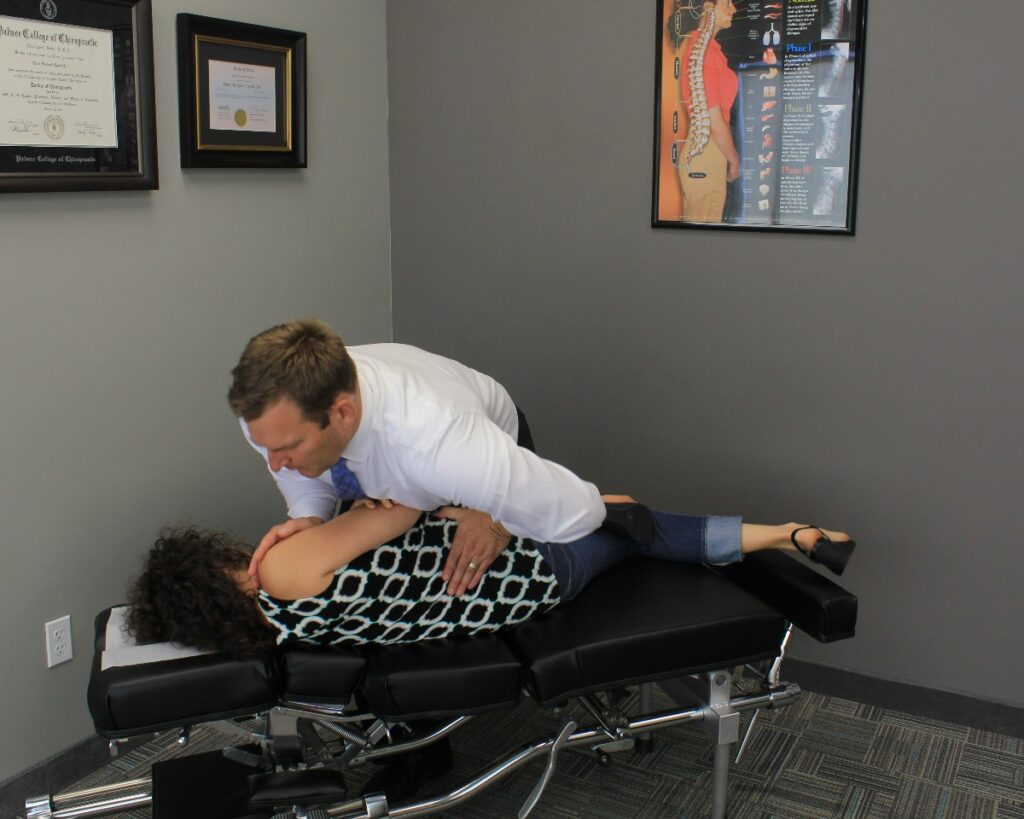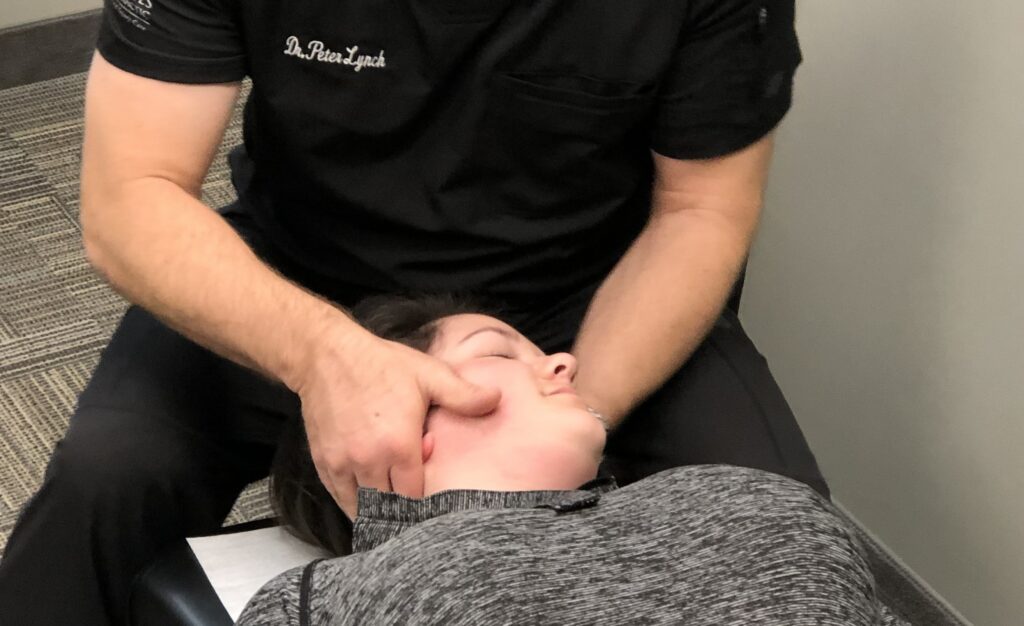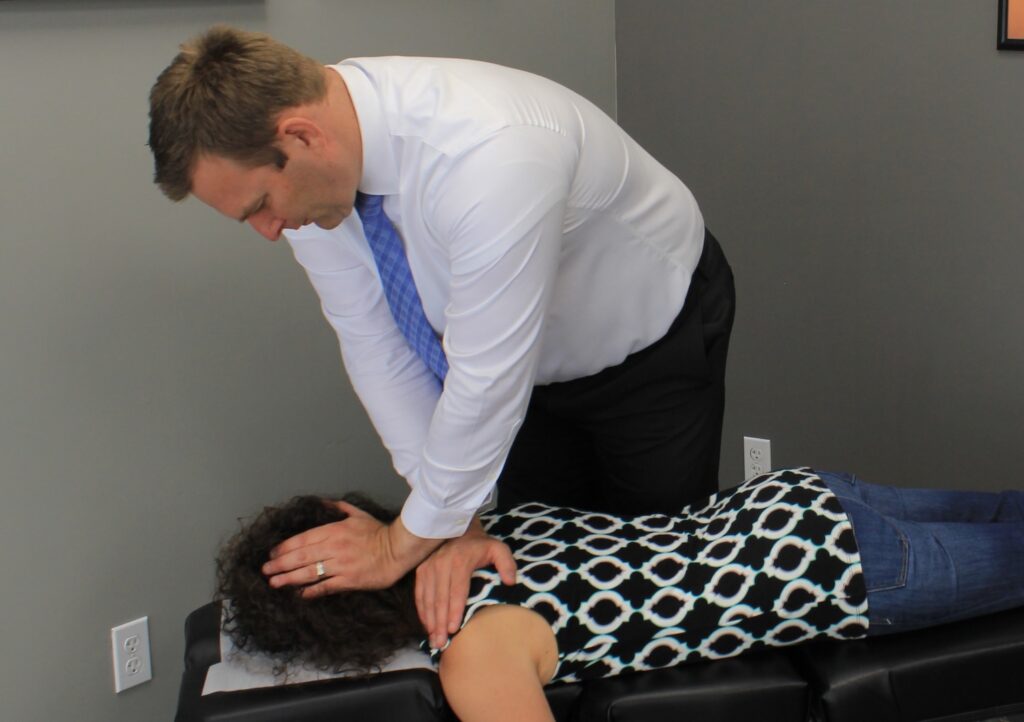
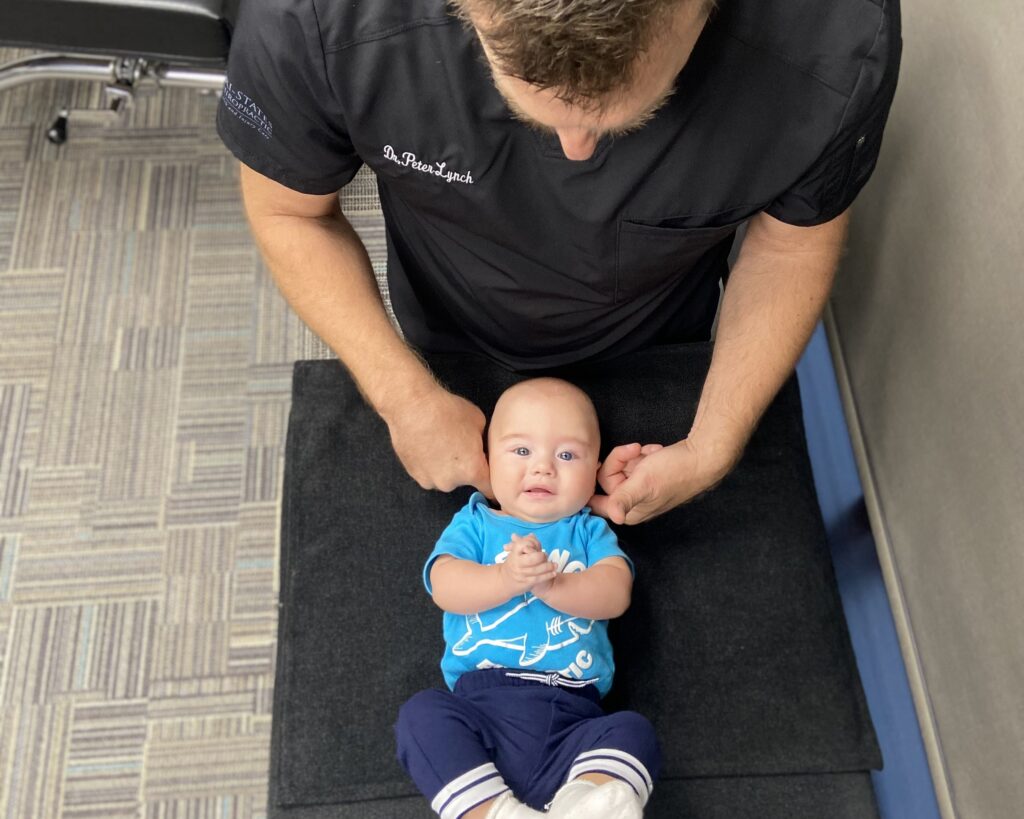
Many parents are surprised to learn that chiropractic care isn’t just for adults with back pain. In fact, children of all ages—from newborns to teenagers—can benefit from gentle, specialized chiropractic adjustments tailored to their growing bodies. Here in Dubuque, IA, families at Tri-States Chiropractic often ask about pediatric chiropractic care, wondering if it’s safe, what conditions it helps, and how it differs from adult care. This article will walk you through everything you need to know about the benefits of chiropractic care for children, helping you make informed decisions about your child’s health and wellness.
What is pediatric chiropractic care? Pediatric chiropractic care involves gentle, age-appropriate adjustments and techniques specifically designed for infants, children, and adolescents. The pressure used is significantly lighter than adult adjustments—often no more than the pressure you’d use to test the ripeness of a tomato—and focuses on supporting healthy growth, development, and nervous system function during critical developmental stages.
Table of Contents
- Why Children Might Need Chiropractic Care
- Common Childhood Conditions That May Benefit
- Safety and Gentle Techniques for Young Bodies
- Supporting Healthy Growth and Development
- What Pediatric Chiropractic Care Looks Like
- Supporting Your Child’s Spinal Health at Home
- When to Bring Your Child to a Chiropractor
- Pediatric vs. Adult Chiropractic Care Comparison
- Myths vs. Facts About Pediatric Chiropractic
- Final Thoughts from Tri-States Chiropractic
Why Children Might Need Chiropractic Care
Childhood is filled with physical milestones and activities that can impact the spine and nervous system. From the moment of birth through adolescence, children’s bodies undergo tremendous growth and change. During this time, various factors can create stress on their developing musculoskeletal systems.
The birth process itself, even uncomplicated deliveries, can place significant strain on a newborn’s spine and neck. Research suggests that birth interventions such as forceps, vacuum extraction, or even prolonged labor may contribute to spinal misalignments in infants. These early structural imbalances, while often subtle, can affect how an infant feeds, sleeps, and develops motor skills.
As children grow, they experience countless falls, tumbles, and impacts. Toddlers learning to walk fall dozens of times per day. School-age children engage in playground activities, sports, and rough play that can jar the spine. Add to this the modern challenges of heavy backpacks, poor posture from electronic devices, and sedentary lifestyles, and it becomes clear why spinal health matters for kids.
Here at Tri-States Chiropractic in Dubuque, we see children whose parents notice patterns like recurring ear infections, difficulty sleeping, behavioral challenges, or coordination issues. While chiropractic care doesn’t treat these conditions directly, addressing spinal alignment and nervous system function can support the body’s natural ability to heal and function optimally.
Common Childhood Conditions That May Benefit
Parents often bring their children to chiropractors for a variety of reasons. While chiropractic care focuses on the relationship between the spine, nervous system, and overall health rather than treating specific diseases, many families report improvements in several areas when spinal function is optimized.
Colic and Digestive Discomfort
Colic affects up to 25% of infants, causing prolonged crying and apparent discomfort. Some research suggests that gentle chiropractic adjustments may help reduce colic symptoms, possibly by addressing nerve interference that affects digestive function. Parents frequently report calmer, more settled babies following adjustments, though individual results vary.
Ear Infections and Fluid Buildup
Recurring ear infections are among the most common childhood health complaints. While chiropractic doesn’t treat infections themselves, adjustments to the upper cervical spine may improve drainage of the Eustachian tubes, potentially reducing fluid buildup. Evidence indicates this approach may be a valuable component of conservative care for children experiencing frequent ear issues.
Sleep Challenges
Quality sleep is essential for childhood development, yet many children struggle with falling asleep, staying asleep, or achieving restful sleep. Spinal misalignments can create discomfort that disrupts sleep patterns. Many families in the Dubuque area have shared that their children sleep more soundly after beginning chiropractic care.
Growing Pains and Postural Issues
Children experience rapid growth spurts that can strain muscles and joints. Additionally, poor posture from desk work, electronics, and heavy backpacks can create muscular imbalances and spinal stress. Chiropractic care helps maintain proper alignment during these critical growth periods, potentially reducing discomfort and supporting healthy posture development.
Sports-Related Concerns
Active children involved in athletics experience repetitive motions, impacts, and occasional injuries. Chiropractic care can be part of a comprehensive approach to keeping young athletes performing well and recovering from the physical demands of their sports. Many youth sports programs now recognize the value of chiropractic as part of injury prevention and performance optimization.
Focus and Behavioral Support
The nervous system controls every function in the body, including concentration, mood regulation, and behavior. While chiropractic care is not a treatment for behavioral conditions, some parents report improvements in focus and temperament when spinal health is optimized. This may relate to reduced physical discomfort and improved nervous system communication.
Safety and Gentle Techniques for Young Bodies
Parent concern about safety is completely understandable and welcomed. The truth is, pediatric chiropractic adjustments are extremely gentle and specifically adapted for children’s smaller, more flexible bodies. The techniques used bear little resemblance to adjustments performed on adults.
For infants, chiropractors typically use fingertip pressure comparable to what you’d use to check if a piece of fruit is ripe. There are no forceful movements or “cracking” sounds. Instead, gentle sustained contact or light impulse techniques help restore proper motion and alignment to tiny spinal segments.
As children grow, techniques are progressively adapted to their size, age, and developmental stage. Toddlers and young children might receive slightly more pressure than infants, but still far less than adult adjustments. Many pediatric chiropractors use specialized instruments that deliver precise, controlled impulses without manual manipulation.
Research supports the safety of pediatric chiropractic care when performed by trained professionals. Serious adverse events are extraordinarily rare—far less common than reactions to common over-the-counter medications. The International Chiropractic Pediatric Association provides specialized training for chiropractors working with children, ensuring they understand developmental stages and appropriate techniques.
At Tri-States Chiropractic, we take extra time with pediatric patients to ensure both child and parent feel completely comfortable. We explain everything before we do it, work at the child’s pace, and create a welcoming environment that helps even nervous children feel at ease.
Supporting Healthy Growth and Development
The childhood years represent the most rapid period of physical and neurological development in human life. The spine and nervous system play central roles in this development, making their optimal function especially important during these formative years.
Neurological Development
The nervous system develops in stages throughout childhood. Early intervention to ensure proper spinal alignment can support healthy neurological development by maintaining clear communication pathways between the brain and body. This is particularly important during critical windows of brain development in infancy and early childhood.
Postural Foundation
Habits formed in childhood often persist into adulthood. Addressing postural issues early helps children develop healthy movement patterns and body awareness that serve them throughout life. With so many children spending hours hunched over devices, establishing good postural habits has never been more important.
Immune Function Support
The nervous system and immune system are intimately connected. While chiropractic care doesn’t boost immunity directly, maintaining proper spinal function supports the body’s natural defense mechanisms. Some research suggests children under regular chiropractic care may experience fewer sick days, though more investigation is needed.
Motor Skill Development
Proper spinal alignment and nervous system function contribute to coordination, balance, and motor skill acquisition. Children working through developmental milestones like crawling, walking, and running benefit from bodies that move freely without restriction or compensation patterns.
What Pediatric Chiropractic Care Looks Like
Understanding what happens during a pediatric chiropractic visit helps families feel more comfortable. At Tri-States Chiropractic in Dubuque, we’ve designed our approach specifically with children in mind.
The first visit begins with a thorough consultation where we discuss your child’s health history, any concerns you have, and what you hope to achieve through care. We ask about pregnancy and birth, developmental milestones, any injuries or falls, and current symptoms or challenges.
The examination is age-appropriate and non-invasive. For infants, we observe how they move, feed, and hold their bodies. We gently palpate the spine to identify areas of restriction or misalignment. For older children, we may include postural analysis, range of motion assessment, and functional movement evaluation.
If we determine chiropractic care is appropriate, we explain our findings and recommendations in clear language. Parents are always present and involved. For very young children, adjustments might even be performed while the child is held by a parent or while nursing.
The adjustment itself typically takes only minutes. Many babies sleep through their adjustments. Older children often find the experience relaxing and enjoyable once they realize there’s nothing to fear. We use distraction techniques, gentle communication, and patience to ensure positive experiences.
Follow-up care depends on individual needs. Some families seek periodic wellness checks to support ongoing development, while others pursue more intensive care for specific concerns. We work with you to develop a care plan that makes sense for your family’s goals and schedule.
Supporting Your Child’s Spinal Health at Home
Between chiropractic visits, parents can take several steps to support their children’s spinal health and overall wellness. These practical tips are safe, simple, and based on sound biomechanical principles.
Choose appropriate backpacks. Heavy or poorly fitted backpacks strain developing spines. Select bags with padded, adjustable straps and ensure your child uses both straps. The backpack should weigh no more than 10-15% of your child’s body weight and sit evenly across the mid-back.
Monitor screen time and positioning. When children use tablets, phones, or computers, encourage eye-level positioning rather than looking down. Frequent breaks and posture checks help prevent the forward head posture that’s becoming increasingly common in young people.
Encourage active play. Movement is medicine for growing bodies. Unstructured outdoor play, climbing, running, and varied physical activities help children develop strong, flexible spines and good body awareness. The Dubuque area offers wonderful parks and outdoor spaces perfect for active kids.
Support proper sleeping positions. Children should sleep on supportive mattresses with pillows appropriate for their size. Side or back sleeping generally supports better spinal alignment than stomach sleeping, which can strain the neck.
Promote good sitting habits. For school-age children, proper desk ergonomics matter. Feet should touch the floor, hips and knees at 90-degree angles, and screens at eye level. Encourage movement breaks every 30-40 minutes.
Model healthy habits. Children learn by watching. When you prioritize your own spinal health, maintain good posture, and stay active, you teach your children that these things matter.
Address injuries promptly. Even minor falls and impacts can create spinal misalignments. Having your child checked after significant tumbles, sports injuries, or accidents helps address issues before they become ingrained patterns.
When to Bring Your Child to a Chiropractor
Many parents wonder whether their child actually needs chiropractic care or if they should wait until a problem develops. The answer depends on your philosophy and your child’s individual circumstances.
Some families choose wellness-focused care, bringing children in for periodic check-ups even without obvious symptoms. This preventive approach aims to maintain optimal function and catch small issues before they become larger concerns. Think of it like dental check-ups for the spine.
Other families seek chiropractic care when specific concerns arise. Consider scheduling an evaluation if you notice your infant consistently turns their head to one side, has difficulty nursing on one side, experiences colic that doesn’t improve with other interventions, or seems uncomfortable when lying down. These may indicate spinal restrictions that gentle adjustments could address.
For older children, signs that might warrant evaluation include persistent headaches, neck or back discomfort, obvious postural problems like rounded shoulders or forward head position, complaints of pain after carrying their backpack, difficulties with coordination or balance, or changes in gait or movement patterns.
After falls, accidents, or sports injuries, a chiropractic evaluation can identify any spinal misalignments resulting from the impact. Even when children seem fine initially, structural issues can develop that affect function over time.
Some children experience what parents describe as “growing pains”—unexplained leg or joint discomfort, typically at night. While true growing pains are benign, chiropractic evaluation can determine whether biomechanical factors are contributing to the discomfort.
It’s important to note when chiropractic care may not be appropriate or when medical evaluation should come first. Seek immediate medical attention for severe trauma, signs of infection like high fever, neurological symptoms like loss of sensation or weakness, or any concerning symptoms your parental instinct tells you need urgent evaluation. Chiropractors are trained to recognize when referral or co-management with other healthcare providers is appropriate.
At Tri-States Chiropractic, we’re always happy to discuss whether your child might benefit from chiropractic care. We provide honest assessments and never recommend care that isn’t truly needed.
Pediatric vs. Adult Chiropractic Care Comparison
| Aspect | Pediatric Chiropractic | Adult Chiropractic |
|---|---|---|
| Adjustment Pressure | Very light, comparable to testing fruit ripeness (for infants) to moderate pressure (older children) | Moderate to firm pressure appropriate for mature skeletal system |
| Technique Style | Fingertip pressure, sustained contact, instrument-assisted, extremely gentle | Manual manipulation, mobilization, variety of techniques including dynamic thrusts |
| Common Focus Areas | Supporting development, addressing birth trauma, postural development, growing pains | Pain relief, injury recovery, chronic condition management, workplace ergonomics |
| Visit Duration | Often shorter, 10-15 minutes including exam and adjustment | Typically 15-30 minutes for adjustment and any therapies |
| Frequency | Often less frequent, wellness checks or brief intensive periods | Variable based on condition, may be more frequent initially |
| Parent/Guardian Role | Always present, actively involved in care and decision-making | Patient makes independent decisions about care |
Myths vs. Facts About Pediatric Chiropractic
Myth: Chiropractic adjustments are too forceful for children’s delicate spines
Fact: Pediatric chiropractic techniques are specifically adapted for children’s bodies and use extremely gentle pressure. The force applied to an infant’s spine is often less than what you’d use to gently touch your own eyelid. Chiropractors who work with children receive specialized training in age-appropriate techniques that are completely safe and comfortable for developing bodies.
Myth: Children don’t develop back problems, so they don’t need chiropractic care
Fact: While children may not experience back pain as frequently as adults, spinal misalignments can develop at any age and impact overall function. Birth trauma, learning to walk, playground falls, sports, heavy backpacks, and device usage all create stress on young spines. Research indicates that spinal issues in adults often have roots in childhood patterns that went unaddressed.
Myth: There’s no scientific evidence supporting pediatric chiropractic care
Fact: While more research is always beneficial, existing evidence supports the safety and potential benefits of pediatric chiropractic care for various conditions. Studies published in peer-reviewed journals have examined chiropractic care for childhood issues like colic, ear infections, and musculoskeletal complaints, with many showing positive outcomes. Organizations like the International Chiropractic Pediatric Association promote ongoing research in this field.
Myth: Once you start chiropractic care for your child, they’ll need it forever
Fact: Chiropractic care is not addictive, nor does it create dependence. Some families choose ongoing wellness care because they value the preventive benefits, similar to regular dental check-ups. Others seek care only when specific concerns arise. The decision about frequency and duration is always up to the family, and ethical chiropractors respect that choice without pressure tactics.
Myth: Pediatric chiropractic is just a trend without real benefits
Fact: Chiropractors have safely treated children for over a century, though awareness has grown in recent years as more families seek drug-free, non-invasive care options. The principles underlying chiropractic care—that the nervous system controls body function and that spinal health impacts overall wellness—apply to all ages. Families continue choosing chiropractic for their children because they observe real benefits in their own kids.
Final Thoughts from Tri-States Chiropractic
Children’s bodies are incredibly resilient, yet they also deserve the same attention to spinal health and nervous system function that we give adults. At Tri-States Chiropractic, we’ve had the privilege of caring for countless Dubuque families and witnessing the positive impact that gentle, appropriate chiropractic care can have on children’s health and development.
Whether you’re considering a wellness check for your newborn, seeking support for a specific concern, or simply curious about how chiropractic might benefit your child, we’re here to answer questions and provide honest, evidence-based guidance. Our approach is always conservative, gentle, and tailored to your child’s unique needs and your family’s goals.
Childhood is a time of incredible growth and possibility. Supporting optimal spinal health during these formative years gives children the strong foundation they need to thrive. If you’re in the Dubuque, IA area and would like to learn more about pediatric chiropractic care, we welcome you to reach out to Tri-States Chiropractic. We’d be honored to be part of your family’s health journey.
Frequently Asked Questions
At what age can children start receiving chiropractic care?
Children can receive chiropractic care from birth onward. Many chiropractors check newborns within days of delivery to address any spinal stress from the birth process. The techniques used are specifically adapted to each developmental stage, ensuring safety and comfort regardless of age.
Does pediatric chiropractic adjustment hurt?
No, pediatric adjustments should not hurt. Most children find adjustments relaxing and comfortable. Infants often sleep through their adjustments, and older children frequently look forward to visits once they realize how gentle the process is.
How long does it take to see results from pediatric chiropractic care?
Response times vary depending on the concern being addressed and the individual child. Some parents notice immediate improvements in symptoms like fussiness or sleep difficulties, while other changes develop gradually over weeks. Your chiropractor can provide realistic expectations based on your child’s specific situation.
Is pediatric chiropractic care covered by insurance?
Coverage varies significantly by insurance plan. Many plans that cover chiropractic care for adults also cover care for children, though some have age restrictions or require specific diagnoses. Contact your insurance provider or ask your chiropractor’s office about coverage specifics for your plan.
Can chiropractic care replace my child’s pediatrician?
No, chiropractic care complements but does not replace traditional pediatric medical care. Chiropractors focus on spinal health and nervous system function, while pediatricians provide comprehensive medical care including vaccinations, illness treatment, and developmental monitoring. Many families find that integrating both approaches provides comprehensive support for their children’s health.
What should I look for when choosing a chiropractor for my child?
Seek a chiropractor with experience treating children and ideally additional training in pediatric techniques. Ask about their approach, techniques used, and experience with your child’s age group. A good pediatric chiropractor will welcome questions, explain everything clearly, make both you and your child comfortable, and work collaboratively with your family’s other healthcare providers.
TL;DR – Key Takeaways
- Pediatric chiropractic care uses extremely gentle, age-appropriate techniques specifically designed for children’s developing bodies, with pressure far lighter than adult adjustments.
- Children can benefit from chiropractic care at any age, from newborns to teenagers, for concerns ranging from colic and ear infections to posture problems and sports injuries.
- Research supports the safety of pediatric chiropractic care when performed by trained professionals, with serious adverse events being extraordinarily rare.
- Chiropractic care supports healthy development by maintaining proper spinal alignment and nervous system function during critical growth periods.
- Families in Dubuque can consult with Tri-States Chiropractic to determine whether their child might benefit from gentle, conservative chiropractic care as part of a comprehensive wellness approach.