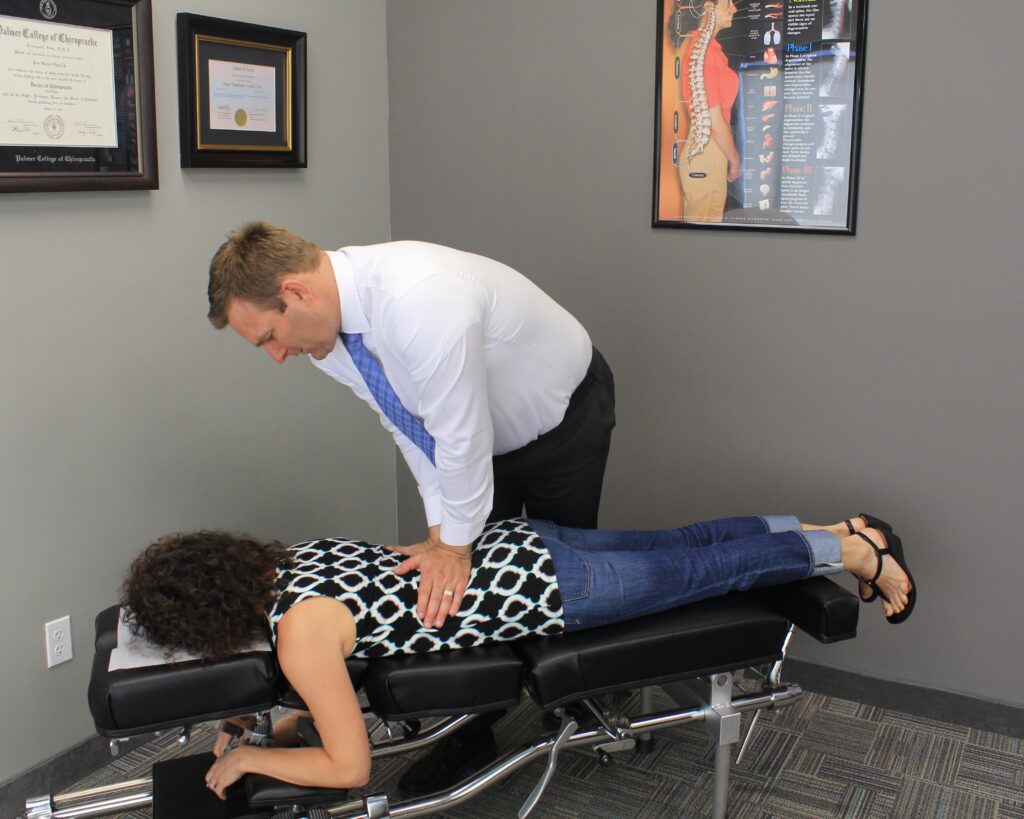
As a local chiropractor, I understand that dealing with back pain can be a daunting experience, especially if you're not familiar with chiropractic care and natural healing methods. However, I want to share with you three simple yet effective steps that can lead to lasting relief from your discomfort: improving your posture, engaging in regular movement, and strengthening your core.
First, let's talk about posture. Many of us spend long hours sitting, often leading to poor alignment that exacerbates back pain. By making small adjustments to how you sit, stand, and move, you can significantly alleviate strain on your back.
Next is the importance of regular movement. Staying active is crucial for maintaining the health of your spine and reducing pain. Simple activities, like walking or stretching, can make a world of difference. I often recommend incorporating gentle exercises into your daily routine to keep your body mobile and flexible.
Lastly, strengthening your core plays a vital role in supporting your back. A strong core helps stabilize your spine and distributes weight more evenly, reducing the risk of injury and discomfort. There are specific exercises I can guide you through that target these muscle groups effectively.
Understanding how these three steps work together is key to achieving long-term relief. As your chiropractor, I'm here to help you explore how each of these elements can positively impact your overall well-being. Together, we can create a personalized plan that addresses your unique needs and helps you regain a pain-free life.
Understanding Back Pain
As a local chiropractor, I want to help you understand back pain better, especially if you're unfamiliar with chiropractic care and natural healing. Back pain can emerge suddenly, leaving you with discomfort that can really interfere with your daily activities. It can arise from various factors, such as poor posture, muscle strain, or even underlying health issues. Gaining insight into your back pain is crucial for pinpointing its cause and finding effective relief.
Back pain can present itself in different forms. You might experience a dull ache, a sharp stabbing feeling, or even pain that radiates down into your legs. Being aware of how your pain manifests is important, as it can facilitate better communication with healthcare providers, including your chiropractor.
Pay close attention to when the pain occurs — whether it's during specific activities, after long hours of sitting, or standing. This information can be valuable for your treatment plan.
Also, take a moment to reflect on your daily habits and lifestyle choices. Are you lifting heavy items improperly? Do you find yourself hunched over a computer for extended periods? These common behaviors can significantly contribute to back pain. By recognizing these triggers, you can make necessary adjustments to reduce your discomfort.
While back pain can feel daunting, understanding its nature is empowering and allows you to take charge of your health. It's important to distinguish between acute pain, which often resolves on its own, and chronic pain, which may need professional attention.
As a chiropractor, I'm here to provide guidance and clarity regarding your specific situation, helping you explore natural healing options that can support your recovery and enhance your overall well-being.
The Importance of Movement
As a local chiropractor, I want to emphasize the crucial role that movement plays in managing and alleviating back pain. It's a common misconception that resting is the best remedy for discomfort. However, prolonged inactivity can actually exacerbate your pain and weaken the muscles that support your spine. Instead, staying active is vital for promoting blood flow to your muscles and joints, facilitating healing, and reducing stiffness.
Incorporating regular movement into your daily routine can make a remarkable difference in your overall well-being. Low-impact activities such as walking, biking, or swimming are excellent choices, as they allow you to stay active without placing excessive strain on your back. These activities not only help in strengthening your core muscles—crucial for providing support to your spine—but also enhance your mobility, which can alleviate existing pain and prevent future issues.
You don't need to engage in intense workouts to reap the benefits. Even short, frequent bursts of movement can be incredibly effective. I recommend aiming for at least 30 minutes of activity each day, which can easily be broken down into smaller, manageable segments. It's important to listen to your body and modify your movements to avoid discomfort.
Additionally, I can't stress enough the importance of maintaining good posture while you move. Be mindful of how you sit, stand, and walk. Keeping your spine aligned and your muscles engaged can significantly reduce the risk of aggravating your back pain.
Stretching for Relief
As a local chiropractor, I want to emphasize the transformative power of stretching in managing and relieving back pain.
Many of my patients have found that integrating specific stretching techniques into their daily routines can significantly enhance their comfort and overall well-being.
It's essential to focus not only on the types of stretches you do but also on the timing and frequency of these exercises.
By understanding how to effectively incorporate stretching into your life, you can take an active role in your healing process.
Let's delve into how stretching can benefit you and support your journey towards better spinal health.
Key Stretching Techniques
As a local chiropractor, I want to share some key stretching techniques that can significantly help alleviate back pain and enhance your overall mobility. These exercises are simple to incorporate into your daily routine and can be beneficial even if you aren't familiar with chiropractic care.
Let's start with the cat-cow stretch. This is a fantastic way to warm up your spine and increase flexibility. To perform this stretch, get down on all fours. As you inhale, arch your back, lifting your head and tailbone towards the ceiling. Then, while exhaling, round your back and tuck your chin to your chest. This gentle movement not only helps relieve tension but also promotes spinal health.
Next, consider the child's pose. This restorative stretch is great for easing tightness in the lower back. To do this, kneel on the floor and sit back on your heels. Then, extend your arms forward and rest your forehead on the ground. Hold this position for about 30 seconds. It's a wonderful way to calm the nervous system and promote relaxation after a long day.
Another effective stretch is the seated forward bend. For this, sit with your legs extended straight in front of you. Hinge at the hips and reach towards your toes. This not only helps to elongate your spine but also stretches your hamstrings, which can often contribute to back pain.
Lastly, I encourage you to incorporate the standing quadriceps stretch into your routine. Stand tall and grab one ankle, pulling it gently towards your glutes. This stretch targets the front of your thighs and can aid in achieving better posture and spinal alignment.
By regularly practicing these stretches, you may find significant relief from discomfort and an improvement in your mobility. Remember, taking care of your body is a vital part of maintaining your overall health, and these techniques can play an important role in your wellness journey.
If you have any questions about incorporating these or other techniques into your routine, feel free to reach out!
Timing and Frequency
As a local chiropractor, I want to emphasize the importance of timing and frequency in your stretching routine for managing back pain. Consistency is crucial for achieving relief and enhancing your overall well-being.
It's essential to weave stretching into your daily life, focusing on those tight areas that often contribute to discomfort.
Here are some practical suggestions to help you stay committed:
- Start your day with stretching: Engaging in stretches first thing in the morning can help loosen your muscles and prepare your body for the challenges of the day.
- Take stretch breaks: If you're sitting for extended periods, it's vital to take brief moments to stretch. This practice not only alleviates tension but also helps prevent stiffness that can lead to pain.
- Incorporate evening stretches: Stretching before bedtime is an excellent way to relax your muscles and can enhance your sleep quality, which is crucial for healing.
Always listen to your body during and after your stretching sessions. If you experience relief, consider increasing the frequency or duration of your stretches.
Remember, finding a routine that suits you is key. With time and commitment, you can expect to see positive changes in your back pain and overall flexibility.
Stick with it, and you'll discover the benefits of a regular stretching routine!
Strengthening Core Muscles
Are you struggling with persistent back pain? Strengthening your core muscles can be a vital part of your healing journey. As a chiropractor, I want to help you understand how your core plays a significant role in your overall spinal health. Your core includes the muscles in your abdomen, back, and pelvis, all of which work together to stabilize your spine and maintain good posture. When these muscles are weak, your back can endure unnecessary stress, leading to pain and discomfort.
By focusing on strengthening your core, you create a strong foundation that aids in evenly distributing your body weight, minimizing strain on your spine, and improving your overall body mechanics. This approach not only alleviates existing pain but can also prevent future issues.
To begin this process, I recommend incorporating exercises like planks, bridges, and pelvic tilts into your routine. These exercises not only engage your abdominal muscles but also target the deep stabilizers that support your spine. Aim to perform these exercises at least two to three times a week, gradually increasing the intensity as your strength develops.
Remember, consistency is crucial. As you build your core strength, you'll likely notice enhanced balance and stability, which can significantly lower your risk of injury. A strong core will also make daily activities, from lifting objects to sitting at your desk, more manageable and pain-free.
Additionally, I encourage you to engage your core throughout your daily life. Whether you're walking, standing, or sitting, consciously activating those muscles can provide your back with extra support.
Prioritizing core strength is an essential step toward not only alleviating your current pain but also safeguarding against future episodes. Together, we can work toward a healthier, more active lifestyle through natural healing and chiropractic care.
Posture and Ergonomics
As a local chiropractor, I want to emphasize the importance of maintaining good posture and ergonomics to help prevent back pain and promote overall health.
It's crucial to focus on correct sitting techniques—ensure your chair supports your lower back, and your feet are flat on the floor. Additionally, setting up your desk properly can make a significant difference; your computer screen should be at eye level, and your keyboard should be positioned to allow your elbows to remain close to your body.
But don't forget about movement! Regularly getting up to stretch or walk around can greatly enhance your comfort throughout the day.
Correct Sitting Techniques
As your local chiropractor, I want to share some insights on proper sitting techniques, which are crucial for preventing and alleviating back pain. Many people may not realize how much their sitting posture can affect their overall spinal health.
By adopting the right practices, you can significantly reduce strain on your spine and muscles. Here are some important tips to keep in mind:
- Keep your feet flat: It's vital that your feet rest flat on the floor while sitting. If your feet don't quite reach the ground, using a footrest can help relieve pressure on your legs and improve circulation.
- Support your lower back: A chair with good lumbar support is essential for maintaining the natural curve of your lower back. If your chair lacks this support, consider adding a cushion or a rolled towel. This simple adjustment can provide much-needed relief and help prevent discomfort.
- Align your screen: Positioning your computer screen at eye level is key. This helps you maintain a neutral neck position and avoids leaning forward, which can lead to neck and upper back strain.
By keeping your screen aligned, you can promote better posture and overall comfort.
Desk Setup Essentials
As a chiropractor, I'm here to help you understand the importance of a well-organized desk setup for maintaining good posture and overall comfort while you work. Many of my patients are surprised to learn how their workspace can significantly impact their spinal health.
First, let's talk about your chair. It's crucial to adjust its height so that your feet rest flat on the floor. If your feet don't reach the ground comfortably, a footrest can be a simple solution. Your knees should be bent at a 90-degree angle, in line with your hips. This positioning helps prevent strain on your lower back.
Next, consider the placement of your monitor. Ideally, it should be at eye level and about an arm's length away. This helps avoid unnecessary neck strain and eye fatigue. If you're working on a laptop, I recommend using a stand to elevate the screen, along with an external keyboard and mouse. This adjustment can make a significant difference in your posture.
Your keyboard and mouse should be within easy reach to prevent overextending your arms. Keep your elbows close to your sides, also at a 90-degree angle. This setup helps reduce tension in your shoulders and wrists, which is often a source of discomfort for many people.
It's also beneficial to keep items you use frequently within arm's reach. This minimizes awkward movements that can lead to strain.
Lastly, don't forget about lumbar support! Adjust your chair to fit the natural curve of your lower back. This support is essential for maintaining spinal alignment and can help alleviate back pain.
By following these desk setup essentials, you can create a workspace that supports your body's natural alignment. This not only promotes better posture but can also enhance your overall work experience and well-being.
Importance of Movement
As your local chiropractor, I want to emphasize the vital role movement plays in maintaining your overall health, particularly when it comes to your posture and ergonomics.
Many of us spend long hours sitting or standing, which can lead to tight muscles and poor posture. By integrating regular movement into your daily routine, you can relieve tension, promote better alignment, and ultimately reduce discomfort, especially in your back.
Let me share some key reasons why movement is so important:
- Increased Blood Flow: When you move regularly, you enhance your circulation. This improved blood flow delivers essential nutrients to your muscles, aiding in recovery from strain and helping to keep discomfort at bay.
- Improved Flexibility: Engaging in regular stretching and movement keeps your joints flexible. This flexibility is crucial for maintaining good posture throughout the day, allowing your body to function optimally.
- Enhanced Strength: Incorporating activities that strengthen your core is essential for supporting your spine. A strong core plays a significant role in helping you maintain a healthy posture, which is vital for your overall well-being.
As your chiropractor, I encourage you to make movement a priority in your life.
It's not just about alleviating pain; it's about fostering a healthier, more balanced lifestyle.
Mindfulness and Relaxation Techniques
As a local chiropractor, I want to share how incorporating mindfulness and relaxation techniques can be invaluable for those dealing with persistent back pain. These practices not only help you manage discomfort but also play a vital role in reducing stress and fostering a sense of tranquility. By focusing on the present moment, you can often diminish those negative thoughts that can worsen your pain experience.
Let's start with deep breathing, a foundational technique that can be easily integrated into your daily routine. Find a comfortable position, close your eyes if you feel comfortable, and take slow, deep breaths. Inhale through your nose, allowing your abdomen to expand fully, and then exhale gently through your mouth. Aim for a natural rhythm that feels good to you, sustaining this for several minutes. This simple yet effective technique can help lower your heart rate and alleviate muscle tension, which is crucial for your back health.
Another beneficial practice is progressive muscle relaxation. This method involves systematically tensing and then relaxing each muscle group in your body. Start from your toes and work your way up to your head, holding the tension for a few seconds before releasing it. This exercise not only enhances your body awareness but also encourages relaxation, helping to relieve some of the tightness you may feel in your back.
Mindfulness meditation is another powerful strategy to consider. Dedicate a few minutes each day to sit quietly and focus either on your breath or a specific mantra that resonates with you. If your mind starts to wander, gently steer it back without any self-judgment. This practice can greatly enhance your emotional resilience and help you perceive pain differently.
Nutrition for Back Health
As a local chiropractor, I want to emphasize how crucial your diet is for maintaining a healthy back.
What you eat can significantly impact your recovery and pain levels. By incorporating anti-inflammatory foods and essential nutrients into your meals, you can support your body's healing process and alleviate discomfort.
Additionally, don't overlook the importance of staying hydrated; proper hydration is key to ensuring your back heals effectively.
Anti-inflammatory Foods Selection
As a local chiropractor, I want to share with you the importance of nutrition in supporting your back health and alleviating persistent pain. Many people are unaware that what we eat can significantly influence inflammation in our bodies, which can lead to discomfort and various health issues.
By incorporating anti-inflammatory foods into your diet, you can enhance your body's natural healing processes and promote overall wellness.
Let me highlight some key anti-inflammatory foods that can be beneficial for you:
- Fatty Fish: Options like salmon, mackerel, and sardines are loaded with omega-3 fatty acids. These healthy fats are well-known for their powerful anti-inflammatory effects, making them a fantastic addition to your meals.
- Leafy Greens: Vegetables such as spinach, kale, and Swiss chard are rich in antioxidants and essential vitamins. These nutrients work to combat inflammation and support overall health, which is crucial for maintaining a healthy spine.
- Berries: Blueberries, strawberries, and blackberries aren't just delicious; they're also packed with antioxidants that can help reduce inflammatory markers in your body, providing another layer of support for your back health.
Incorporating these foods into your daily routine can truly make a difference in how you feel. Not only are you nourishing your body with essential nutrients, but you're also taking proactive steps toward managing your back pain.
Consistency is vital, so I encourage you to make these anti-inflammatory choices a regular part of your diet. Together with chiropractic care, this holistic approach can lead to improved health and well-being.
Essential Nutrients for Recovery
As your local chiropractor, I want to emphasize the importance of three essential nutrients that can significantly aid your recovery from back pain: protein, calcium, and vitamin D.
First off, let's talk about protein. It's not just for bodybuilders! Protein plays a crucial role in repairing tissues and supporting muscle growth, which is vital for maintaining a strong and healthy back. To meet your protein needs, I recommend incorporating lean meats, fish, beans, and nuts into your daily diet.
Next, we can't overlook calcium. This nutrient is essential for bone health. Strong bones are your first line of defense against injuries and play a key role in supporting your spine. You can find calcium in dairy products, leafy greens, and various fortified foods. Ensuring you have enough calcium in your diet will help keep your bones robust and resilient.
Lastly, let's discuss vitamin D. This vitamin is critical for the absorption of calcium and overall bone health. Without sufficient vitamin D, your body may not fully utilize the calcium you consume. The sun is a fantastic source of vitamin D, but you can also find it in fatty fish, egg yolks, and fortified foods.
Hydration's Role in Healing
As a local chiropractor, I want to emphasize how vital hydration is for your recovery, especially when it comes to healing your back. Many patients focus solely on nutrients, but water is equally crucial in the healing process.
Proper hydration helps maintain the elasticity of your spinal discs, supports the transportation of essential nutrients, and aids in flushing out toxins that could impede your progress. When you're well-hydrated, you may notice reduced inflammation and improved mobility—both essential aspects of your recovery journey.
Here are some key reasons why staying hydrated is fundamental:
- Supports Joint Health: Water acts as a lubricant for your joints, facilitating smoother and less painful movement, which is particularly important when you're dealing with back issues.
- Enhances Nutrient Absorption: Staying hydrated allows your body to absorb vital nutrients more effectively, which can significantly boost your healing process.
- Reduces Muscle Cramping: Adequate hydration can help lessen cramps and spasms, which can be quite bothersome during your recovery.
I recommend aiming for at least eight glasses of water a day, or even more if you lead an active lifestyle.
Remember, your needs may vary based on personal factors or climate, so it's important to listen to your body. Don't overlook signs of dehydration, as they can hinder your recovery.
Seeking Professional Help
When back pain becomes a constant companion in your daily life, it's essential to consider seeking professional help, particularly from a chiropractor. As a chiropractor, I specialize in addressing back pain through natural healing methods that focus on the body's ability to heal itself.
It's important to have an open dialogue about your symptoms. Be sure to share details such as when the pain began, its intensity, and what activities might worsen or relieve it. This information is crucial for me to understand the underlying issues contributing to your discomfort.
Depending on your situation, I may suggest specific assessments to pinpoint the root cause of your pain.
In addition to hands-on adjustments and manipulations, I can guide you through safe exercises and stretches tailored to strengthen your back and enhance your flexibility. These customized routines can significantly alleviate pain and improve your overall mobility.
Should you need additional support, I can also discuss natural remedies and lifestyle changes that can complement your healing process without the reliance on medication.
Chiropractic care is about more than just treating symptoms; it's about fostering long-term wellness. Together, we can work towards restoring your back health and enhancing your quality of life.
Tracking Progress and Adjusting
As your local chiropractor, I want to emphasize the importance of tracking your progress when it comes to managing back pain effectively. Staying vigilant about your symptoms, the outcomes of your treatments, and your daily activities will provide you with valuable insights into what helps you feel better.
This awareness is crucial for making informed adjustments to your routine, paving the way to relief and improved well-being.
Here are some strategies to help you effectively track your progress:
- Maintain a Pain Journal: I encourage you to document your pain levels, the activities you engage in, and any specific triggers you notice. This practice can unveil patterns and help you connect certain activities or treatments with fluctuations in your pain levels.
- Establish Clear Goals: Let's break down your overall pain management objectives into smaller, more manageable targets. For instance, you might aim to reduce your pain levels by a specific percentage or gradually increase your physical activity. Setting these goals can motivate you and provide a clear direction for your healing journey.
- Regular Progress Reviews: I recommend that you set aside time each week or month to review your journal and your goals. This reflection won't only highlight improvements but also help you recognize any setbacks. By doing so, we can collectively adjust your treatment plan and lifestyle choices to better suit your needs.
By being proactive about tracking your progress, you empower yourself in your journey toward pain relief and optimal health.
Building a Sustainable Routine
As your local chiropractor, I want to share some essential strategies for managing back pain effectively through a sustainable routine. It's crucial to understand that not only does this approach promote healing, but it also helps prevent future issues.
First and foremost, consider incorporating daily stretches and exercises that cater to your specific needs. I often recommend low-impact activities such as walking, swimming, or yoga. These activities can significantly enhance your flexibility and strengthen your core muscles, which are vital for supporting your spine. Aim for at least 30 minutes of activity most days of the week—consistency is key in this journey.
Next, let's talk about posture and ergonomics. Many people overlook how their daily habits can contribute to back pain. Whether you're sitting at a desk, cooking, or lifting objects, being mindful of your posture is essential. I encourage you to use supportive chairs, adjust your workstation to fit your body, and practice proper lifting techniques. These adjustments can dramatically reduce strain on your back.
Rest and recovery are also incredibly important. Make sure you're getting sufficient sleep each night, as restorative sleep plays a crucial role in the healing process. Establishing a calming bedtime routine and maintaining a consistent sleep schedule can greatly improve your sleep quality, allowing your body to recover more effectively.
Additionally, I recommend integrating mindfulness practices into your routine, such as meditation or deep breathing exercises. These techniques can help manage stress, which is often a significant factor in exacerbating pain. By combining physical activity, proper posture, restorative sleep, and mindfulness, you'll create a holistic routine that supports not just your back health but your overall well-being.
Remember, your journey doesn't end here. It's important to regularly revisit and adjust your routine based on your progress and any changes in your condition. This proactive approach will empower you to take control of your back pain and enhance your quality of life.
If you have any questions or need further guidance, don't hesitate to reach out—I'm here to help you on your path to better health!
Conclusion
As a local chiropractor, I want to share with you three essential steps that can lead to lasting relief from back pain. By focusing on improving your posture, maintaining an active lifestyle, and strengthening your core muscles, you can alleviate discomfort and enhance your overall well-being. It's important to listen to your body and make adjustments as necessary. If you ever feel unsure, don't hesitate to seek professional guidance. With dedication and consistency, we can work together to create a sustainable routine that supports a healthier, pain-free back for many years to come. Chiropractic care can be a vital part of this journey, helping you understand your body better and promoting natural healing.