As a local chiropractor, I understand that facing a sports injury can be daunting, and the recovery process might seem overwhelming. However, I want to share with you some natural ways to support your healing journey that go beyond conventional methods.
Many people overlook the crucial role that nutrition, hydration, and mental focus play in getting back to peak performance. By making intentional choices in these areas, you can significantly enhance your body's natural ability to heal.
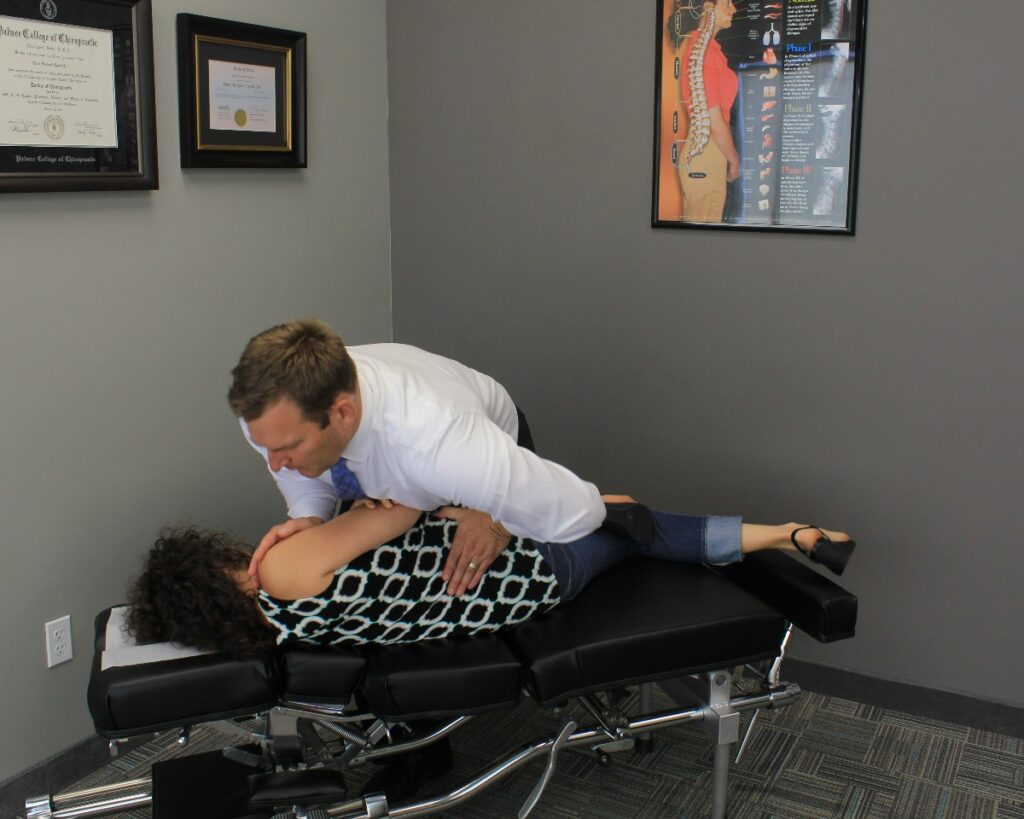
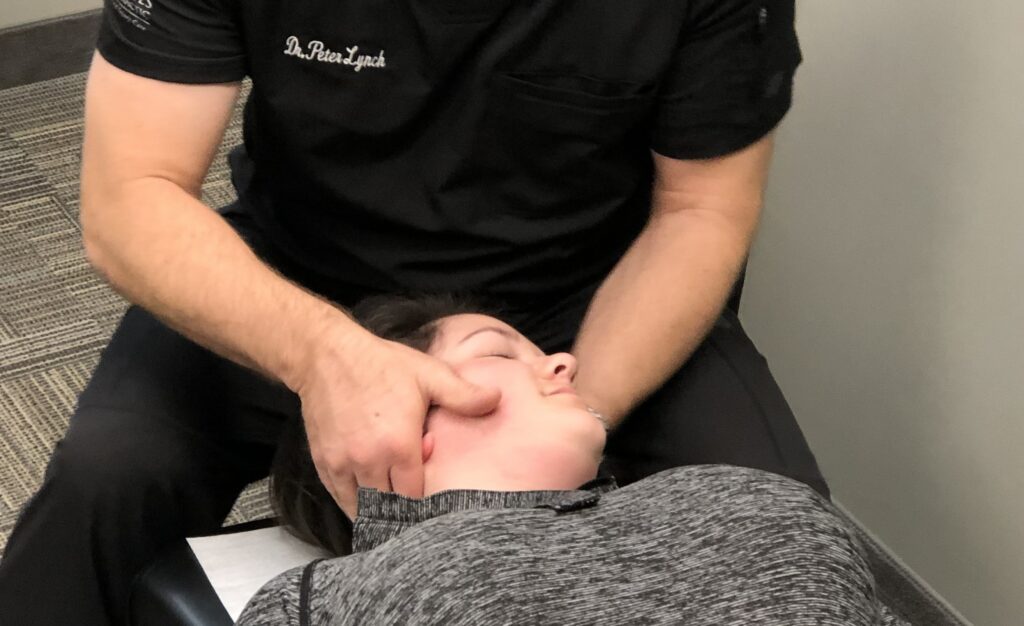
You might be surprised to learn how alternative therapies and holistic practices can complement traditional treatment methods. Chiropractic care, for instance, focuses on optimizing your body's alignment and function, which can greatly aid in your recovery.
Incorporating chiropractic adjustments can help relieve pain, improve mobility, and restore balance, allowing your body to heal more effectively.
As you explore these options, I encourage you to consider a holistic approach to your recovery. Together, we can create a personalized plan that not only addresses your injury but also supports your overall well-being.
You may discover a pathway to recovery that is more effective than you ever anticipated. Remember, healing is a journey, and I'm here to guide you every step of the way.
Understanding Sports Injuries
As a local chiropractor, I understand that sports injuries can be both frustrating and overwhelming. However, gaining a clear understanding of these injuries is the first step toward effective recovery. When you experience an injury, it's crucial to identify the specific type you've sustained. Common injuries include sprains, strains, fractures, and tendinitis, each with its own characteristics and treatment needs.
A sprain involves damage to the ligaments, while a strain affects the muscles or tendons. Recognizing the difference can help you identify symptoms such as swelling, pain, bruising, or limited range of motion. Always pay attention to your body; it's a vital indicator of what may be wrong.
Next, let's explore the causes of these injuries. Many often result from overuse, improper technique, or insufficient warm-up. Pushing your body beyond its limits without adequate preparation can significantly increase your risk of injury. I encourage you to evaluate your training regimen to ensure it includes proper warm-ups and cool-downs, which are essential components of injury prevention.
Rest is also a key factor in the healing process. Your body requires time to recover, so it's important not to rush back into activity. Ignoring your injury can lead to chronic issues that may keep you sidelined for a longer period.
Additionally, I want to emphasize the significance of your mental well-being during this time. Coping with an injury can be challenging, and understanding your emotional responses is just as crucial as focusing on your physical recovery. By gaining insight into the nature of your injury and how it affects you, you empower yourself to take the right steps toward healing. This proactive approach not only aids in your recovery but also prepares you to return to your favorite activities with renewed strength and vitality.
If you're interested in a natural healing approach to your recovery, consider chiropractic care, which can help optimize your body's function and enhance your healing process. Together, we can create a personalized plan to get you back to your active lifestyle as quickly and safely as possible.
The Role of Nutrition
As a local chiropractor, I want to emphasize the vital role that nutrition plays in your recovery from a sports injury. Many people underestimate how much our diet can influence the healing process. By focusing on essential nutrients, incorporating anti-inflammatory foods, and ensuring proper hydration, you can significantly enhance your recovery.
Let's break it down:
- Vital Nutrients: Your body needs specific nutrients to repair tissues and reduce pain. Consuming enough protein, vitamins, and minerals is crucial for effective healing.
- Anti-Inflammatory Foods: Certain foods can help reduce inflammation, which is key in recovery. Incorporating foods like berries, fatty fish, nuts, and leafy greens can make a real difference in how quickly you bounce back.
- Hydration: Staying hydrated is often overlooked but is essential for maintaining proper bodily functions and aiding in the healing process. Water helps transport nutrients and flush out toxins, so make sure you're drinking enough throughout the day.
Essential Nutrients for Healing
As a local chiropractor, I want to emphasize the critical role nutrition plays in your healing process, especially when recovering from sports injuries. Your body requires essential nutrients to recover effectively, and understanding these can significantly enhance your healing journey.
First and foremost, let's talk about protein. This nutrient is vital for tissue repair and muscle recovery. To ensure you're getting enough protein, consider incorporating lean meats, fish, beans, and legumes into your meals. These options not only provide the necessary building blocks for your muscles but also support overall recovery.
Equally important are vitamins and minerals. For instance, Vitamin C, which you can find in citrus fruits and leafy greens, is instrumental in boosting collagen production. This is crucial for healing wounds effectively. Additionally, zinc, found in nuts and seeds, plays a significant role in supporting your immune function and promoting tissue growth.
Don't overlook omega-3 fatty acids, which are essential for reducing inflammation and promoting healing. These healthy fats can be found in fatty fish, walnuts, and flaxseeds. Incorporating these into your diet can have a profound impact on your recovery.
Lastly, let's not forget about hydration. Staying properly hydrated is essential for nutrient transport and maintaining optimal bodily functions. I encourage you to drink plenty of water throughout the day, particularly after workouts, to support your body's healing processes.
Anti-Inflammatory Foods Choices
As a local chiropractor dedicated to promoting holistic health and natural healing, I want to share how incorporating anti-inflammatory foods into your diet can significantly enhance your recovery from sports injuries. These foods are essential not only for reducing swelling but also for promoting overall healing and alleviating pain. By making informed nutritional choices, you can create a supportive environment for a quicker recovery.
Here are three anti-inflammatory food options I recommend for my patients:
- Berries: Rich in antioxidants, berries such as blueberries and strawberries play a crucial role in lowering inflammation and boosting your immune system. Adding them to your morning smoothie or yogurt can provide a delicious and nutritious start to your day.
- Fatty Fish: Varieties like salmon, mackerel, and sardines are excellent sources of omega-3 fatty acids, which are well-known for their anti-inflammatory benefits. When you grill or bake these fish, not only do you enhance their flavor, but you also help your body effectively combat inflammation.
- Leafy Greens: Foods like spinach, kale, and Swiss chard are packed with vitamins and minerals that can significantly reduce inflammation. Try incorporating these greens into salads, smoothies, or stir-fries to fully harness their healing properties.
Hydration's Impact on Recovery
As a local chiropractor, I want to emphasize the vital role that hydration plays in your recovery from sports injuries. Proper hydration is key to various bodily functions, including muscle repair and joint health. When you're adequately hydrated, your body can transport essential nutrients more effectively, which significantly speeds up the healing process. Water not only helps flush out toxins but also promotes optimal circulation, ensuring that injured tissues receive the oxygen and nutrients they need to recover.
Many people may not realize that dehydration can lead to increased muscle soreness and stiffness. These issues can impede your ability to perform rehabilitation exercises, which are crucial for your recovery. By making sure you drink enough fluids, you can minimize these negative effects, allowing you to adhere to your recovery plan more effectively.
As a general guideline, aim to drink at least half your body weight in ounces of water each day, adjusting this amount based on your activity level and the climate you're in. It's also important to consider electrolytes. Replenishing lost minerals with sports drinks or natural options like coconut water can be essential for maintaining your hydration balance.
In addition to drinking water, incorporating hydrating foods such as fruits and vegetables into your diet can further enhance your recovery process. Remember, staying hydrated isn't solely about drinking water—it's about ensuring your body has all the resources it needs to heal and strengthen effectively. If you have questions about hydration and how it relates to your recovery, don't hesitate to ask during your next visit!
Herbal Remedies for Healing
As a local chiropractor, I want to introduce you to the world of herbal remedies for healing, especially if you're an athlete seeking a natural approach to recovery from sports injuries. Many herbs have been utilized for centuries to help reduce inflammation, promote healing, and ease discomfort. By integrating these remedies into your recovery plan, you can support your body's innate healing abilities without solely depending on pharmaceuticals.
Here are three effective herbal remedies that I recommend considering:
- Turmeric: This vibrant yellow spice is well-known for its powerful anti-inflammatory properties, thanks to its active compound, curcumin. Turmeric can help reduce swelling and pain. You might consider adding it to your meals, taking it as a supplement, or enjoying it in a warm milk drink for a comforting effect.
- Arnica: Commonly found in topical treatments, arnica is effective for alleviating bruising, swelling, and pain. You can apply arnica gel or cream directly to the affected area, which can help speed up the healing process and diminish discomfort.
- Ginger: In addition to its digestive benefits, ginger possesses anti-inflammatory qualities that can be beneficial for recovery. Drinking ginger tea or incorporating fresh ginger into your meals can help alleviate pain and enhance circulation, which is crucial for healing.
Mindfulness and Mental Recovery
Recovering from a sports injury involves more than just addressing the physical aspects; your mental resilience is equally important. As a local chiropractor, I want to emphasize the significance of incorporating mindfulness techniques into your recovery process. These practices not only support your mental well-being but also enhance your overall healing journey. By focusing on both your body and mind, you can empower yourself to achieve a more complete recovery. Let's delve into how integrating mindfulness can be beneficial as you work towards healing and regaining your strength.
Importance of Mental Resilience
As a local chiropractor, I want to emphasize that while physical rehabilitation is a vital part of recovering from injuries, mental resilience is equally important in your healing journey. Your mindset can significantly affect how you navigate your recovery, influencing your motivation and your ability to handle the obstacles that may arise. By cultivating mental resilience, you can improve your overall recovery experience and outcomes.
Here are three essential aspects of mental resilience that I encourage you to focus on during your rehabilitation:
- Positive Self-Talk: It's important to challenge any negative thoughts that may creep in. By replacing them with positive affirmations, you can foster a proactive mindset. This shift in attitude reinforces your belief in your ability to recover and thrive.
- Goal Setting: Break your recovery into smaller, achievable milestones. Setting realistic goals not only keeps you motivated but also allows you to celebrate those small victories along the way. Each step forward is a testament to your strength and determination.
- Emotional Regulation: Managing stress and anxiety is crucial for your recovery. Techniques such as deep breathing or visualization can help you stay calm and focused, enabling you to respond more effectively to any setbacks you may encounter.
Techniques for Mindful Healing
As a local chiropractor, I want to share with you the powerful role that mindfulness can play in your recovery from sports injuries. Many patients are unaware of how much our mental state impacts our physical healing, and practicing mindfulness can truly be a transformative tool in your journey toward recovery.
One of the simplest yet most effective techniques is focused breathing. I encourage you to take a few moments each day to close your eyes and breathe deeply. Focus solely on your breath. This practice can help ground you in the present moment, easing stress and shifting your attention away from any pain or frustration you might be experiencing.
Another valuable technique is body scanning. Find a comfortable position, either lying down or seated, and mentally scan your body from head to toe. Pay attention to any sensations without judgment. This practice will help you develop a deeper connection with your body, allowing you to identify areas of tension and consciously release them, which is essential for healing.
Visualization is another effective method that can aid in your recovery. Picture yourself actively participating in your sport, feeling strong and thriving. This positive imagery not only motivates you but also reinforces your goals, aligning your mental and physical states for better healing outcomes.
Finally, I recommend journaling your thoughts and feelings throughout your recovery process. Writing can help clarify your emotions and encourage reflection, allowing you to gain insights into your healing journey. By embracing these mindful practices, you'll nurture a healthier mindset, promote healing, and regain confidence in your physical abilities.
Physical Therapy Alternatives
If you're seeking alternatives to traditional physical therapy for your sports injury recovery, I'd like to introduce you to some effective methods that can enhance your healing journey—methods that prioritize your body's natural ability to recover.
- Chiropractic Care: As a chiropractor, my focus is on aligning your spine and joints, which is crucial for alleviating pain and improving mobility. By receiving regular adjustments, you can enhance your body's self-healing capabilities, providing a solid foundation to rebuild your strength. Chiropractic care isn't just about addressing pain; it's about fostering overall wellness and function in your body.
- Massage Therapy: Incorporating massage therapy into your recovery plan can significantly relieve muscle tension and improve circulation. Specifically, sports massage targets the areas affected by your injury, promoting relaxation and accelerating recovery. This hands-on approach is an excellent way to address soft tissue issues that may be contributing to your discomfort.
- Acupuncture: This ancient technique involves the insertion of thin needles into specific points on your body to facilitate healing and reduce pain. Many athletes have found acupuncture to be a beneficial addition to their recovery regimen, helping to manage chronic pain and speed up healing after injuries. Additionally, it can help balance your body's energy, supporting overall health and well-being.
Importance of Sleep
As a local chiropractor, I want to emphasize the vital role that sleep plays in your recovery from sports injuries. Quality sleep is crucial for helping your body heal and regain strength. When you sleep, your body goes through essential healing processes. For instance, during deep sleep, there's a peak in growth hormone production, which is key for tissue regeneration and muscle repair. Without adequate sleep, these healing functions can be hampered, ultimately prolonging your recovery time.
If you're dealing with an injury, you may find that physical pain or emotional stress disrupts your sleep patterns. That's why it's so important to prioritize restorative sleep during this time. Aim for 7-9 hours of quality sleep each night to give your body the necessary time to recover. Establishing a calming bedtime routine can help signal to your body that it's time to relax and prepare for rest. Activities such as reading, gentle stretching, or practicing meditation can be beneficial in promoting relaxation.
Additionally, maintaining a consistent sleep schedule is vital for improving your overall sleep quality. Try to go to bed and wake up at the same time every day, even on weekends. This kind of consistency helps regulate your internal clock, making it easier for you to fall asleep and wake up feeling refreshed. Remember, as you work towards recovery, nurturing your sleep is a natural and essential part of the healing journey.
Staying Motivated During Recovery
Staying motivated during your recovery from a sports injury is crucial, and as a local chiropractor, I understand how vital it is to maintain a positive mindset throughout this process. It's common to feel discouraged when progress isn't as swift as you'd like, but embracing a constructive attitude can significantly impact your healing journey. Here are three strategies that can help you stay focused and motivated during your recovery:
- Set Small, Achievable Goals: It's important to break down your recovery into smaller, attainable milestones. Rather than fixating solely on returning to your sport, consider setting daily or weekly targets, such as improving your range of motion or strengthening specific muscle groups. Each small victory, whether it's regaining flexibility or reducing pain, is worth celebrating and can greatly enhance your motivation.
- Visualize Your Success: Dedicate a few moments each day to visualize your successful return to your sport. Imagine yourself not only performing well but also enjoying the activity you love. This practice of mental imagery can be a powerful tool to reinforce your commitment to recovery and enhance your motivation.
- Surround Yourself with Support: It's essential to connect with friends, family, or teammates who can provide encouragement and accountability. Share your recovery goals and progress with them; their support can be invaluable, especially during challenging times. When you feel their belief in your ability to recover, it can empower your healing journey.
As you work through your recovery, remember that chiropractic care can play a significant role in helping you achieve your goals. By addressing the underlying issues, we can enhance your body's natural healing process and support your overall wellness. Together, we can make this journey not only effective but also inspiring.
Conclusion
As a local chiropractor, I want to share how incorporating natural strategies into your recovery journey can significantly enhance your healing process. By prioritizing nutrition, hydration, and mindfulness, you not only support your physical health but also strengthen your mental resilience. Chiropractic care, along with massage therapy, can be excellent complementary treatments that help alleviate pain and improve mobility, setting you on the right path to recovery.
It's also crucial to recognize the importance of quality sleep and maintaining motivation throughout your healing journey. Embracing this holistic approach will empower you to revitalize your sports injury recovery and get back to enjoying the activities you love. I'm here to guide you through this process and educate you on the benefits of chiropractic care as a natural healing option. Let's work together to optimize your recovery!