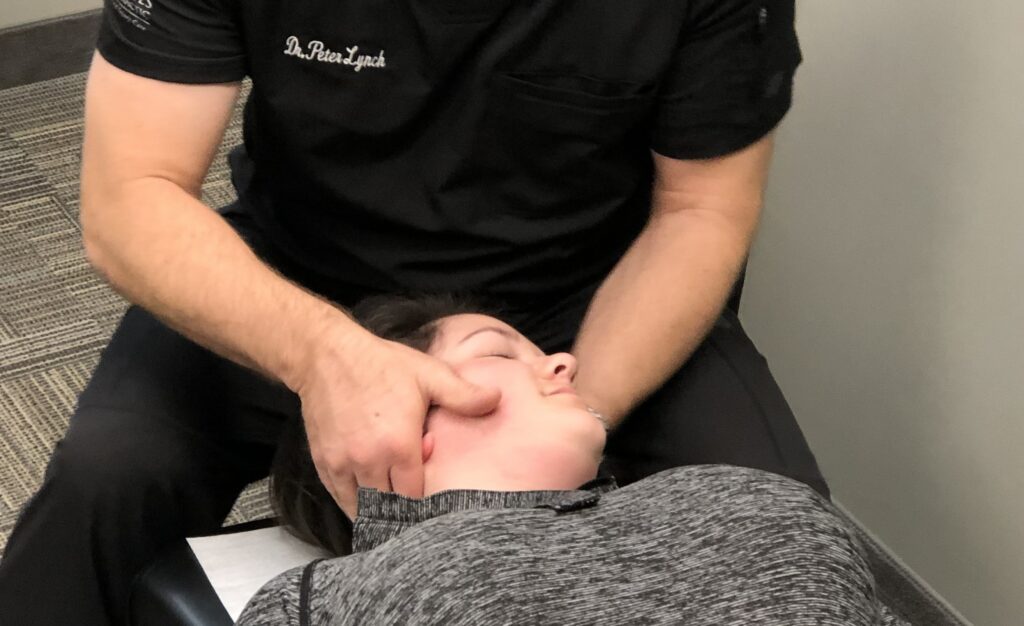
As your local chiropractor, I want to emphasize how much your everyday choices can affect your risk of chronic pain. Many people may not realize the significant links between diet, exercise, and mental health, but understanding these connections is essential for safeguarding your overall well-being.
It's not just about addressing pain once it occurs; it's about implementing preventive strategies to avoid it in the first place.
As you explore these recommendations, you might be curious about which specific changes will be most beneficial for you. The path to preventing pain can begin with simple lifestyle adjustments.
I am here to guide you through practical insights that can lead you to a healthier, more comfortable life. Embracing natural healing methods, including chiropractic care, can play a vital role in this journey.
Let's work together to enhance your quality of life and keep chronic pain at bay.
Understanding Chronic Pain
Chronic pain can often feel like an unwelcome visitor that refuses to leave, significantly impacting your daily life and overall well-being. As a chiropractor, I want to emphasize the importance of understanding chronic pain in order to manage it effectively. This isn't merely a symptom; it's a complex condition that can linger for months or even years. You might describe it as a constant ache, sharp stabbing, or burning sensation, and it can have various origins, from injuries and medical conditions to emotional stress.
Many of my patients find that chronic pain interferes with their ability to engage in everyday activities. Simple tasks like walking, sitting, or even sleeping can become daunting challenges. It's crucial to recognize that chronic pain can create a cycle of frustration, anxiety, and depression, which can further intensify your discomfort.
Additionally, chronic pain doesn't just manifest physically; it can also affect your mood, relationships, and overall quality of life. You may notice that the intensity of your pain fluctuates, sometimes flaring up unexpectedly, leaving you feeling helpless and caught in a relentless cycle of discomfort.
To effectively address chronic pain, it's essential to understand its nature and triggers. Identifying what exacerbates your pain can empower you to take proactive measures, such as avoiding specific activities or situations and developing coping strategies. Prioritizing self-care, seeking support, and staying informed about your condition are critical steps.
As your chiropractor, I am here to guide you through this journey. By gaining a deeper understanding of your chronic pain, you can reclaim control over your life and work towards healthier, more fulfilling days ahead. Together, we can explore natural healing methods and chiropractic care that may help alleviate your pain and improve your overall well-being.
Importance of a Healthy Diet
As your local chiropractor, I want to emphasize the significant role that a healthy diet plays in managing and preventing chronic pain. By choosing nutrient-rich foods and integrating anti-inflammatory ingredients into your meals, you can help reduce inflammation throughout your body, which is crucial for alleviating pain. Additionally, maintaining proper hydration is essential—not just for your overall health, but also for enhancing your pain relief efforts. By nourishing your body with the right foods and staying hydrated, you are supporting your overall well-being and complementing the natural healing processes we promote in chiropractic care.
Nutrient-Rich Foods
As a chiropractor, I often emphasize the importance of a well-balanced diet filled with nutrient-rich foods in our efforts to prevent chronic pain. Understanding how what you eat impacts your body is vital for overall health and wellness. When you focus on whole foods, you're providing your body with essential vitamins, minerals, and antioxidants that can significantly contribute to your well-being.
Incorporating a diverse range of fruits and vegetables in your meals is crucial. Foods like leafy greens, berries, and citrus fruits are particularly beneficial and can help ensure that you're receiving a wide array of nutrients. These foods not only support your immune system but also play a key role in reducing inflammation, which is often a contributor to pain.
Don't overlook the importance of lean proteins, such as chicken, fish, and legumes. These foods are essential for muscle repair and maintenance, helping you stay active and potentially reducing the risk of pain. Whole grains, like quinoa and brown rice, offer vital energy and are packed with fiber, which supports gut health and further aids in combating inflammation.
Healthy fats, found in avocados, nuts, and olive oil, are also integral to your diet. They play a crucial role in supporting brain health and can improve how your body responds to pain. By consciously choosing to include these nutrient-dense foods in your diet, you're not just nourishing your body; you're actively taking steps to prevent chronic pain and enhance your quality of life.
Anti-Inflammatory Ingredients
As a local chiropractor, I want to share with you the importance of managing inflammation for overall health and wellness. Many people don't realize that inflammation can quietly contribute to chronic pain, so incorporating anti-inflammatory ingredients into your diet can be a game changer in your journey toward healing.
One of the best ways to combat inflammation is through what you eat. For instance, adding fatty fish to your meals—like salmon, mackerel, or sardines—can make a significant difference. These fish are rich in omega-3 fatty acids, which are well-known for their anti-inflammatory properties.
Nuts and seeds, particularly walnuts and flaxseeds, are also beneficial. Not only do they add healthy fats to your diet, but they work similarly to omega-3s in helping to reduce inflammation.
Don't overlook the power of fruits and vegetables! Incorporating antioxidant-rich options like berries, cherries, and leafy greens can help fight inflammation at the cellular level. Additionally, spices such as turmeric and ginger can be incredibly effective. They contain natural compounds that have been shown to lower inflammatory markers in the body.
And let's not forget about olive oil! This healthy fat is packed with oleocanthal, a compound that can mimic the effects of certain anti-inflammatory medications.
Hydration and Pain Relief
As a local chiropractor, I want to share an important aspect of pain management that often gets overlooked: hydration. Staying well-hydrated is crucial for not only alleviating pain but also for supporting your overall health and well-being.
When you drink enough water, it enables your body to function optimally. Proper hydration helps cushion your joints and reduce inflammation, which can be particularly beneficial if you're experiencing pain. On the flip side, dehydration can heighten pain sensitivity and discomfort, making it essential to meet your daily hydration needs.
A good rule of thumb is to aim for at least eight 8-ounce glasses of water each day. However, you should adjust this based on your activity levels and the environment you're in. It's also important to remember that hydration isn't solely about drinking water; many fruits and vegetables are excellent sources of water, too. Incorporating water-rich foods like cucumbers, watermelons, and oranges into your diet can significantly boost your hydration levels while providing essential nutrients.
Additionally, beverages such as herbal teas and wholesome broths can contribute to your fluid intake. Be cautious with excessive caffeine and alcohol, as these can lead to dehydration and may exacerbate pain symptoms.
If you are dealing with chronic pain, I encourage you to pay close attention to your hydration habits. Keeping a water bottle handy and setting reminders to sip throughout the day can make a significant difference. By prioritizing hydration, you may notice improvements in both your pain levels and overall well-being. As your chiropractor, I'm here to help guide you on your journey to better health through natural healing methods.
Regular Exercise and Movement
As a local chiropractor, I want to emphasize the significant role that regular exercise and movement play in maintaining your well-being and preventing chronic pain. Engaging in consistent physical activity not only strengthens your muscles but also enhances your flexibility and improves your overall physical condition, which can greatly reduce your risk of experiencing pain.
When you move your body, you promote increased blood flow to your muscles and joints, which aids in healing and alleviates stiffness. This is particularly important for maintaining a healthy musculoskeletal system.
I recommend incorporating a variety of exercises into your routine. A combination of aerobic activities, strength training, and flexibility workouts can help keep your body balanced. Strive for at least 150 minutes of moderate-intensity aerobic activity each week—activities like brisk walking or cycling are ideal. Additionally, including strength training exercises twice a week will help you build muscle and support your joints, which is crucial for preventing pain.
Don't underestimate the importance of stretching and flexibility exercises either. Practices such as yoga or Pilates can significantly enhance your range of motion and help prevent injuries. Even making it a habit to stand up and stretch every hour can positively impact how you feel throughout your day.
It's also essential to listen to your body. If you encounter pain during your exercise routine, consider adjusting your approach or seeking guidance from a healthcare professional. Remember, the objective is not to push through the pain but to create a sustainable movement habit that keeps you feeling good.
Lastly, I encourage you to find activities that you genuinely enjoy. When you engage in fun and enjoyable movement—whether it's dancing, swimming, or hiking—you're more likely to remain committed to your exercise routine. This enjoyment can be a powerful ally in preventing chronic pain and fostering a healthier lifestyle.
Stress Management Techniques
As a local chiropractor, I want to share with you how important it is to manage stress, especially if you're dealing with chronic pain. Implementing stress management techniques into your daily routine can create a more supportive environment for your body to heal and function optimally.
One technique I often recommend is deep breathing exercises. Taking just a few minutes each day to focus on your breath can significantly calm your mind and ease tension in your body. Try inhaling deeply through your nose, holding for a few moments, and then exhaling slowly through your mouth. Doing this several times can help you feel much more relaxed.
Another effective method is progressive muscle relaxation. This practice involves systematically tensing and then relaxing different muscle groups in your body, starting from your toes and working your way up to your head. It's a great way to let go of accumulated stress and tension.
Incorporating regular physical activity, such as walking or yoga, into your routine can also be incredibly beneficial. These activities keep your body engaged and promote the release of endorphins—your body's natural painkillers and mood enhancers.
Additionally, I encourage you to set aside time for hobbies or activities that you genuinely enjoy. Engaging in activities that bring you joy can help distract you from pain and lower your stress levels.
Lastly, I want to emphasize the value of support. Don't hesitate to reach out to friends, family, or support groups. Connecting with others can provide emotional relief and practical advice. By adopting these stress management techniques, you're taking a proactive step toward alleviating chronic pain and improving your overall well-being. Remember, chiropractic care is here to support you on this journey to natural healing.
Mindfulness and Mental Health
As a local Chiropractor, I want to share how mindfulness practices can significantly benefit your mental health and overall well-being. Incorporating relaxation techniques into your daily routine not only helps reduce stress but also enhances your ability to manage emotions effectively. By focusing on mindfulness, you can support your body's natural healing processes, which is essential for preventing chronic pain.
Understanding the connection between your mind and body is crucial in fostering a healthier mindset. Chiropractic care, combined with mindfulness strategies, can help you achieve a more balanced state. Let's explore how these practices can work together to improve your health and prevent discomfort, paving the way for a more vibrant life.
Benefits of Mindfulness Practices
As a local chiropractor, I want to share with you the incredible benefits of mindfulness practices for your mental health and overall well-being. By focusing on the present moment, mindfulness allows you to develop a deeper awareness of your thoughts and feelings. This awareness empowers you to respond thoughtfully to your emotions rather than reacting impulsively, which can significantly reduce anxiety and improve emotional regulation, contributing to a more balanced mood.
Incorporating mindfulness practices, such as meditation and deep breathing, into your routine can help you cultivate a sense of calm and clarity. These activities enhance your self-awareness, helping you recognize your mental triggers and patterns. As you become more in tune with your inner experiences, you'll find it easier to manage stress and navigate the challenges life throws your way.
Moreover, mindfulness has a positive impact on your sleep quality. By calming your mind and letting go of the worries from the day, you create a peaceful environment that promotes restful sleep. This restorative process is crucial for your mental health, as it allows both your mind and body to rejuvenate.
You might be surprised to learn that incorporating mindfulness into your daily routine doesn't have to be a time-consuming endeavor. Even dedicating just a few minutes each day can yield significant benefits, enhancing your resilience and overall mental wellness. As your chiropractor, I encourage you to explore these practices, as they complement our work in promoting your natural healing and overall health.
Stress Reduction Techniques
As a local chiropractor, I often see patients who struggle with stress, which can stem from various sources in our daily lives. It's essential to adopt effective techniques for managing stress, as it can significantly impact your overall well-being. One of the best ways to start is through mindfulness practices, such as meditation and deep breathing. I encourage you to set aside just a few minutes each day to focus on your breath. Inhale deeply, hold it for a moment, and then exhale slowly. This simple exercise can help ground you and clear your mind, creating a sense of calm.
Another valuable technique is progressive muscle relaxation. This involves tensing each muscle group in your body for a few seconds and then releasing the tension. This practice not only alleviates physical tension but also enhances your awareness of bodily sensations, fostering a stronger mind-body connection, which is something we emphasize in chiropractic care.
Incorporating regular physical activity into your routine is also crucial for stress reduction. Whether you enjoy a brisk walk, yoga, or dancing, find an activity that resonates with you and make it a regular part of your life. Physical movement not only keeps your body healthy but also helps in releasing endorphins, which can elevate your mood and reduce stress.
Lastly, don't overlook the importance of social support. Engaging with friends and family, sharing your thoughts, and participating in enjoyable activities can significantly boost your mental health. Remember, by actively implementing these stress reduction techniques, you not only enhance your mental well-being but also support your overall health, potentially preventing issues like chronic pain. As your chiropractor, I'm here to help you on this journey toward better health and well-being.
Emotional Regulation Strategies
As a chiropractor, I want to emphasize the importance of emotional regulation for your overall health and well-being, especially in our fast-paced lives. Managing your emotions effectively can play a crucial role in reducing the risk of chronic pain often linked to stress and anxiety. One powerful strategy I recommend is mindfulness. By practicing mindfulness, you can become more aware of your thoughts and feelings without judgment, allowing you to respond to stressors in a calm manner instead of reacting impulsively.
I encourage you to incorporate short mindfulness exercises into your daily routine. For example, take a few moments each day to focus on your breathing or try guided meditation. These practices can help you center yourself, which in turn can improve your emotional resilience and support your physical health.
Another beneficial strategy is cognitive reframing. When you challenge negative thoughts and replace them with more balanced, positive perspectives, you can lighten your emotional load and enhance your overall mental state. This mental shift has the potential to positively impact your physical health as well.
Lastly, don't overlook the power of self-compassion. It's important to treat yourself with kindness and understanding during difficult times. Recognizing that everyone faces challenges can help you feel less isolated and more grounded. By employing these emotional regulation strategies, you not only enhance your mental health but also reduce your chances of experiencing chronic pain, which is vital for your recovery and overall wellness. As your chiropractor, I'm here to support you on this journey toward better emotional and physical health.
Seeking Professional Guidance
Navigating the complex landscape of chronic pain management can be daunting, especially without professional guidance. As a local chiropractor, I want to emphasize the importance of seeking expert help to effectively manage your pain and improve your overall health. Chiropractic care offers a holistic approach to wellness, and here are four key reasons to consider consulting with a chiropractor:
- Accurate Assessment: A chiropractor specializes in understanding the musculoskeletal system and can help identify the underlying causes of your pain. This ensures you receive targeted treatment rather than relying on guesswork or temporary fixes.
- Personalized Care Plans: Every individual is unique, and so are their pain management needs. As your chiropractor, I will work with you to create a customized treatment plan that may include spinal adjustments, physical therapy exercises, and lifestyle recommendations, all tailored to your specific condition.
- Continuous Support: Managing chronic pain is an ongoing journey. Regular visits allow us to monitor your progress and make necessary adjustments to your treatment plan, ensuring you stay on the path to recovery.
- Connection to a Network of Resources: Chiropractors often collaborate with a variety of healthcare professionals, including physical therapists and nutritionists. I can connect you to additional resources and support groups that provide further assistance in your healing journey.
Conclusion
As a local chiropractor, I want to emphasize the importance of a proactive approach to preventing chronic pain. This involves not just chiropractic care, but also adopting a healthy diet, engaging in regular exercise, and effectively managing stress. By integrating these strategies into your daily routine, you can significantly enhance your overall well-being and lower your chances of experiencing pain.
Mindfulness practices are also crucial in this journey, and I encourage you to explore techniques that resonate with you. Additionally, don't hesitate to seek professional guidance—whether it's from me or another health professional—when needed. Embracing these lifestyle changes can empower you to take control of your body and mind, setting the foundation for a healthier, pain-free life. Start making these adjustments today, and together we can work towards a better you!