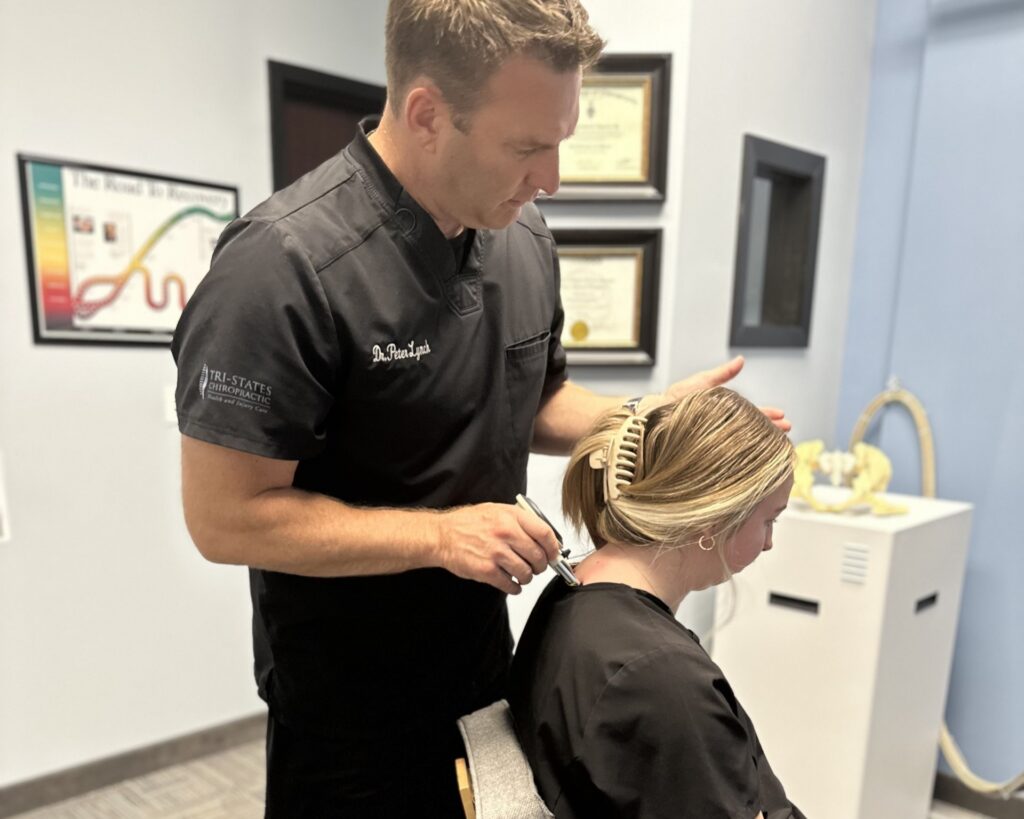
If you’re dealing with low back pain, it’s important to recognize how much your posture impacts your recovery process. Poor posture can create extra strain on your spine and surrounding muscles, making it more difficult to heal effectively. You might catch yourself slumping at your desk or hunching over your phone, but these everyday habits can exacerbate your discomfort.
So, what can you do to support your recovery? One of the best steps you can take is to focus on improving your posture. Here are a few practical tips:
- Sit Up Straight: When sitting, keep your back straight and shoulders relaxed. Consider using a chair that supports your lower back.
- Limit Screen Time: If you spend a lot of time on your phone or computer, make sure your screen is at eye level to avoid leaning forward.
- Take Breaks: Stand up, stretch, and walk around regularly throughout the day to keep your muscles engaged and prevent stiffness.
- Strengthen Core Muscles: Engage in exercises that strengthen your core, as a strong core supports your spine and can alleviate pressure on your back.
- Chiropractic Care: Regular visits to a chiropractor can help align your spine, relieve tension, and support your body’s natural healing processes. Chiropractors are trained to identify and correct posture-related issues, allowing you to recover more effectively and maintain wellness.
By making these simple adjustments and considering chiropractic care, you can promote better posture and create a healthier environment for your spine, aiding your recovery from low back pain. Remember, your posture matters, and taking steps to improve it is a significant part of your healing journey.
Key Takeaways
Posture and Low Back Pain Recovery: A Chiropractic Perspective
As a local chiropractor, I want to share with you how posture plays a significant role in your recovery from low back pain. Poor posture can put extra stress on your spine, making it harder for your body to heal and even leading to chronic pain issues down the line.
Common postural mistakes like slouching, leaning forward with your head, or using improper lifting techniques can strain your muscles and prolong your discomfort. This is where chiropractic care comes in! By focusing on your spine’s alignment, we can help alleviate pain and support your healing process.
One of the best ways to aid your recovery is by engaging your core muscles and keeping a neutral spine. This posture not only supports your lower back but also helps you recover more effectively. Remember, regular chiropractic adjustments can help reinforce good posture and promote overall spinal health.
In today’s world, extended screen time is a common culprit for developing poor posture, which can worsen back pain and slow down your recovery. To counter this, take regular breaks to stand up, stretch, and reset your posture. Consider making ergonomic adjustments to your workspace to help maintain better alignment.
Incorporating targeted exercises recommended by your chiropractor can also make a significant difference. These exercises not only strengthen your core but also improve your posture, supporting your journey to recovery.
In summary, maintaining good posture is crucial for healing from low back pain. Regular chiropractic care, along with simple lifestyle changes, can pave the way to a healthier, pain-free life. If you’re struggling with back pain, don’t hesitate to reach out to your local chiropractor for support and guidance on your path to wellness!
Understanding the Connection Between Posture and Low Back Pain
Your posture is crucial for the health of your lower back, often more than you might realize.
When you sit, stand, or move with improper alignment, it puts extra stress on your spine and the surrounding muscles.
This unnecessary strain can lead to discomfort and pain that disrupts your daily life.
On the flip side, maintaining proper posture helps evenly distribute your body weight, reducing the risk of injury and supporting a healthier spine.
To support your lower back effectively, aim for a neutral spine—where your ears, shoulders, and hips align.
Engaging your core muscles and being conscious of your movements can further enhance this support.
Simple adjustments in your daily activities, like sitting correctly at your desk or lifting objects with care, can make a big difference in your comfort and recovery.
As a chiropractor, I emphasize the importance of good posture not just for pain relief but for long-term wellness.
Regular chiropractic adjustments can help align your spine and improve your posture, making it easier to maintain a healthy alignment throughout your daily activities.
Here are some tips to help you improve your posture and support your lower back:
- Check Your Sitting Position: When sitting, keep your feet flat on the floor, your knees at hip level, and your back supported. Consider using a lumbar roll or cushion to support the natural curve of your lower back.
- Stand Tall: When standing, distribute your weight evenly on both feet, keep your shoulders back, and avoid locking your knees.
- Lift Wisely: Bend at your knees, not your waist, when lifting heavy objects. Keep the object close to your body to reduce strain on your lower back.
- Stay Active: Regular physical activity strengthens your core muscles, which can help support your spine. Activities like walking, swimming, or yoga can be very beneficial.
- Mind Your Movements: Be mindful of your posture during all activities, from working at your desk to exercising. Small adjustments can lead to significant improvements in your comfort level.
Remember, prioritizing good posture is essential for alleviating low back pain and enhancing your overall health.
If you’re experiencing discomfort, consider visiting a chiropractor who can guide you on the best path to recovery and wellness through natural healing methods.
Your spine will thank you!
Common Postural Mistakes That Worsen Back Pain
As a local chiropractor, I want to share some important insights about how your posture can significantly impact your back health. You may not be aware, but slouching while sitting can greatly increase your discomfort and lead to more serious back pain over time. Additionally, using improper lifting techniques can make matters worse. Let’s take a closer look at these common postural mistakes and how you can easily correct them to enhance your well-being.
First and foremost, it’s essential to maintain a proper sitting posture. Make sure your feet are flat on the floor, your back is straight, and your shoulders are relaxed but not slouched. Consider using a chair that supports your lower back, which can help you maintain good posture throughout the day.
Remember, a supportive chair can make a world of difference!
When it comes to lifting heavy objects, always bend at your knees instead of your waist. Keep the object close to your body and use your legs to lift, not your back. This technique not only protects your back but also helps you avoid unnecessary strain.
Incorporating regular chiropractic care into your routine can also be a game-changer for managing back pain and improving your overall spinal health. Chiropractic adjustments help align your spine, reduce tension, and promote natural healing, allowing your body to function at its best.
In addition to these tips, consider taking frequent breaks to stretch and move throughout the day. Gentle stretches can relieve tension and help maintain flexibility in your spine. Simple activities like walking or practicing yoga can also support better posture and overall health.
Slouching While Sitting
Slouching while sitting can seriously worsen low back pain. When you hunch over your desk or sink into your chair, you’re putting unnecessary pressure on your spine and the muscles that support it. This poor posture can tighten your hip flexors and weaken your core, leading to discomfort that you mightn’t even be aware of. Your everyday sitting habits play a crucial role in how your back feels.
Instead of slouching, aim to sit up straight. Keep your shoulders back and your feet flat on the ground. A chair that provides good support for your lower back can make a significant difference. Remember to take short breaks throughout the day—stand up, stretch, and take a little walk. These simple actions can help relieve pressure on your spine and promote better posture.
Improper Lifting Techniques
Many individuals underestimate the importance of using proper lifting techniques, which can significantly contribute to back pain. When you bend at the waist, twist your body, or lift heavy objects without considering your posture, you place unnecessary stress on your spine. Instead, it’s crucial to engage your legs and maintain a straight back while lifting to protect your spine and overall health.
Here’s a helpful guide on common lifting mistakes and how you can avoid them:
| Mistake | Effect on Back | Proper Technique |
|---|---|---|
| Bending at the waist | Strain on lower back | Bend your knees, keep your back straight |
| Twisting while lifting | Spinal stress | Pivot your feet instead of your torso |
| Lifting overhead | Compression injuries | Use a step stool or ask for assistance |
| Carrying too much | Overexertion | Break loads into smaller, manageable parts |
| Ignoring posture | Long-term pain | Maintain a neutral spine position |
The Role of Ergonomics in Posture Correction
While improving your posture is vital for alleviating low back pain, understanding how ergonomics plays a role in your recovery can make a world of difference. Ergonomics is all about designing your workspace and daily activities to fit your body, which helps you maintain better posture and overall health.
Start by taking a good look at your workstation. Make sure your chair provides solid support for your lower back. Your desk should be at a height that allows your elbows to rest comfortably at a 90-degree angle while typing or using your mouse. It’s also important to keep your monitor at eye level to avoid straining your neck. This simple adjustment can go a long way in preventing discomfort.
When you’re sitting, remember to keep your feet flat on the floor and avoid crossing your legs. This position encourages proper spinal alignment, making it easier for your body to stay in a healthy posture.
Incorporating these ergonomic principles into your daily routine not only enhances your comfort but also helps reinforce good posture habits. By making these adjustments, you create a supportive environment that aids your recovery and reduces the risk of future low back pain.
As a chiropractor, I encourage you to consider the benefits of chiropractic care in your journey toward optimal health. Regular chiropractic adjustments can help align your spine, reduce pain, and enhance your overall well-being. By combining these ergonomic tips with chiropractic care, you’re setting yourself up for a healthier, pain-free life. Remember, taking small steps today can lead to significant improvements in your health tomorrow!
How to Assess Your Posture at Home
To effectively assess your posture at home, begin by observing yourself in a mirror or using a camera. Stand straight with your back against a wall and check your alignment. Pay attention to the position of your head, shoulders, and hips. This simple self-assessment can help you identify areas that may benefit from chiropractic care. Below is a helpful table that outlines ideal postural positions and common issues:
| Body Part | Ideal Position | Common Issues |
|---|---|---|
| Head | Aligned over shoulders | Forward head posture |
| Shoulders | Relaxed and level | Rounded or elevated shoulders |
| Hips | Level and aligned | Asymmetrical hip positioning |
| Feet | Parallel and shoulder-width | Overpronation or supination |
Take a moment to compare your observations with these ideal positions. If you notice any discrepancies, it could be a sign that your spine and overall health could use some attention. Regular chiropractic adjustments can help correct these postural issues, alleviate pain, and promote natural wellness.
Here are a few general tips to improve your posture:
- Practice Good Ergonomics: Ensure your workspace is set up to support good posture. Your computer screen should be at eye level, and your chair should support your lower back.
- Strengthen Your Core: Engaging in exercises that strengthen your core can provide support to your spine and improve overall posture.
- Stay Active: Regular physical activity keeps your muscles and joints healthy, which is essential for maintaining good posture.
- Mind Your Posture: Throughout the day, remind yourself to check in on your posture. Small adjustments can make a big difference over time.
Exercises to Improve Posture and Relieve Back Pain
Improving your posture and relieving back pain often go hand in hand, and specific exercises can significantly contribute to your overall wellness. As a chiropractor, I believe that strengthening key muscle groups is essential for maintaining spinal health.
Start with core exercises like planks and bridges; these are fantastic for stabilizing your spine. Strong core muscles support your back, helping to prevent discomfort. Don’t forget about back extensions—they’re crucial for enhancing the strength of your lower back while ensuring you maintain proper alignment.
Stretching is just as vital for your spinal health. Incorporate chest openers into your routine to combat tightness in your upper body, which can often lead to slouching. Remember to pay attention to your hips as well; hip flexor stretches can relieve tension that contributes to poor posture and discomfort.
Additionally, shoulder blade squeezes are an excellent exercise to promote better alignment. They strengthen the muscles that support your upper back, helping you stand taller and feel better.
To achieve the best results, consistency is key. Aim for a balanced routine that targets these areas at least three times a week. Over time, you’ll not only see improvements in your posture but also experience relief from back pain.
Chiropractic care plays a crucial role in this journey. Regular adjustments can help align your spine, enhance your overall mobility, and support your exercise efforts. By combining chiropractic care with these exercises, you can achieve optimal health and a pain-free lifestyle. Remember, making small changes to your daily routine can lead to significant improvements in your well-being.
Tips for Maintaining Good Posture Throughout the Day
After engaging in exercises that strengthen your core and stretch essential muscle groups, it’s vital to carry those benefits into your everyday life. Being mindful of your posture throughout the day is a key step toward maintaining a healthy spine and preventing discomfort.
When sitting, ensure your back remains straight, shoulders are relaxed, and feet are flat on the floor. A chair that provides support for your lower back is beneficial; consider using a cushion if you need extra comfort. Remember, a well-aligned spine starts with proper seating!
When standing, distribute your weight evenly on both feet and engage your core muscles to keep your spine aligned. This simple adjustment can make a significant difference in how your body feels throughout the day. If you’re walking, keep your head up and gaze forward to promote a natural alignment of the spine.
For tasks like using your phone or working at a desk, take frequent breaks to reset your posture. Adjust your workspace so that your screen is at eye level—this can help prevent slouching and promote a more ergonomic position.
Don’t forget to practice good posture while driving! Adjust your seat to ensure you can sit upright comfortably while easily reaching the pedals. Remember, consistency is key!
By making these small changes and being conscious of your posture, you can enhance your overall well-being. Chiropractic care is an excellent way to support your journey to optimal health, helping to align your spine and reduce discomfort naturally.
If you’re experiencing pain or discomfort, consider visiting a chiropractor for personalized guidance and care. Your spine will thank you!
The Impact of Technology on Postural Health
As a local chiropractor, I understand that many of you spend a significant amount of time in front of screens, which can seriously impact your posture and overall spinal health.
Whether you’re working at a desk or using your mobile device, poor positioning can lead to discomfort, pain, and even long-term issues.
Let’s discuss some simple strategies to create an ergonomic workspace and improve your posture while using technology—because taking care of your spine is essential for your well-being!
1. Ergonomic Workspace Setup: Ensure that your desk and chair are set up to support your spine. Your chair should provide lumbar support, and your feet should rest flat on the floor.
The top of your computer screen should be at eye level, so you don’t have to hunch over to see it clearly.
2. Take Breaks: Remember to take regular breaks from your screen. Stand up, stretch, and walk around to relieve tension in your back and neck.
This simple practice can significantly help in preventing stiffness and discomfort.
3. Mind Your Posture: Keep your shoulders relaxed and your back straight while sitting.
Avoid slouching or leaning forward. By being mindful of your posture, you can prevent unnecessary strain on your spine.
4. Use Your Technology Wisely: If you’re using a mobile device, try to hold it at eye level rather than looking down.
This adjustment can reduce neck strain, commonly referred to as “tech neck.”
5. Chiropractic Care: If you’re experiencing pain or discomfort, consider chiropractic care. Chiropractors specialize in spinal health and can help alleviate pain through natural, non-invasive techniques.
Regular adjustments can improve your posture, enhance your mobility, and contribute to your overall wellness.
Incorporating these tips into your daily routine can lead to a healthier, more comfortable lifestyle.
Remember, your spine is the foundation of your overall health, and taking proactive steps can lead to lasting benefits.
If you have any questions or need personalized advice, don’t hesitate to reach out for a consultation!
Your journey to optimal health starts with a healthy spine.
Screen Time Effects
In today’s digital world, we often find ourselves glued to our screens for extended periods, which can take a toll on our spinal health. When we hunch over our devices, our spines bend in ways that aren’t natural, putting unnecessary strain on our muscles and ligaments. This poor posture can lead to discomfort and tension, especially in the neck and lower back, making it more challenging for your body to heal and recover.
Many of us spend hours on our phones or computers without realizing how this sedentary behavior affects our well-being. Over time, these habits can lead to chronic pain that may hinder your daily activities and overall quality of life.
As a chiropractor, I want to emphasize the importance of caring for your spine to promote natural healing and pain relief. Here are some simple tips to help you maintain better spinal health while using technology:
- Take Regular Breaks: Set a timer to remind yourself to take breaks every 30-60 minutes. Stand up, walk around, and give your body a chance to reset.
- Practice Good Posture: Sit up straight with your shoulders back and your feet flat on the floor. When using a device, try to keep the screen at eye level to avoid bending your neck forward.
- Incorporate Stretching: Perform gentle stretches for your neck, shoulders, and back throughout the day. Simple movements can relieve tension and improve flexibility.
- Stay Active: Engage in regular physical activity that strengthens your core and back muscles. Activities like walking, swimming, or yoga can significantly benefit your spinal health.
- Consider Chiropractic Care: Regular visits to a chiropractor can help align your spine, alleviate pain, and enhance your overall wellness. Chiropractic care focuses on natural healing and can be an effective way to manage discomfort and improve your quality of life.
Ergonomic Workspace Solutions
As screen time increases, the necessity of cultivating an ergonomic workspace becomes increasingly vital for your overall health and wellness. Many of us experience the negative effects of poor posture when we spend long hours at a desk, leading to discomfort and pain, especially in the spine. That’s where chiropractic care comes in, offering a natural approach to pain relief and optimal health.
Start by adjusting your chair so your feet rest flat on the floor and your knees align with your hips. This simple adjustment can help maintain a neutral spine, reducing the risk of low back pain. Position your monitor at eye level to minimize neck strain—keeping your screen about an arm’s length away is ideal.
Choose a keyboard and mouse that promote a relaxed wrist position, as this helps prevent strain and discomfort. A few more tips to keep in mind: remember to take regular breaks! Standing up and stretching every hour can work wonders for your spine and overall well-being.
Mobile Device Posture
Using mobile devices is a common part of our daily lives, but did you know that it can lead to poor posture, particularly affecting your neck and shoulders? When you hunch over your phone or tablet, it puts unnecessary strain on your spine and muscles, which can lead to discomfort and pain over time.
Initially, you mightn’t even notice the impact, but that forward head position can create tension that affects your entire body.
As a chiropractor, I want to help you find ways to alleviate this strain and improve your overall health. Here are some simple tips to consider:
- Hold Your Device at Eye Level: Instead of looking down at your screen, try to bring it up to eye level. This helps keep your spine in a more natural position and reduces the strain on your neck.
- Take Regular Breaks: Make it a habit to take breaks every 20-30 minutes. Stand up, stretch, and realign your posture. Simple neck stretches can help relieve tension and promote better alignment.
- Use Voice Commands: Consider using voice commands or hands-free options to reduce the amount of time you spend looking down at your device. This can significantly lessen the strain on your neck and shoulders.
- Mind Your Posture: Be mindful of how you sit or stand while using your mobile device. Keep your back straight, shoulders relaxed, and feet flat on the ground. This will help maintain a healthy posture.
- Chiropractic Care: Regular chiropractic adjustments can help keep your spine aligned and relieve tension caused by poor posture. Chiropractic care is a natural and effective way to promote overall wellness and prevent pain associated with mobile device use.
By being mindful of your mobile device posture and incorporating these tips into your routine, you can protect your back and neck while promoting better health.
If you’re experiencing discomfort or want to optimize your wellness, consider scheduling a visit to your chiropractor for personalized guidance. Together, we can work towards a healthier, pain-free lifestyle as you navigate your digital world.
Seeking Professional Help for Posture-Related Issues
When you experience ongoing discomfort in your lower back caused by poor posture, reaching out for professional help is a vital step towards feeling better. As a local chiropractor, I want to emphasize the importance of chiropractic care in addressing posture-related issues. Chiropractors specialize in diagnosing and treating problems related to the spine and posture, and we’re here to help you achieve optimal wellness.
During your visit, I’ll assess your posture and identify any underlying factors contributing to your discomfort. Together, we’ll create a personalized plan tailored to your specific needs, focusing on natural healing techniques that enhance your overall health.
One of the benefits of chiropractic care is that I can teach you effective exercises and stretches to strengthen your core and improve your flexibility. These practices not only relieve pain but also help prevent future issues. I may also provide recommendations for making ergonomic adjustments in your workspace or daily activities, supporting better posture and enhancing your comfort.
Don’t hesitate to reach out for chiropractic care; addressing your posture-related issues early on can significantly improve your recovery process. With the right guidance and support, you can take control of your posture and reduce your lower back pain. Remember, you don’t have to navigate this journey alone—chiropractic care can make a meaningful difference in your path to wellness.
Here are a few simple tips to help you maintain better posture throughout your day:
- Mind Your Sitting Position: Keep your feet flat on the ground, and use a chair that supports your lower back. Consider a lumbar roll to help maintain the natural curve of your spine.
- Take Frequent Breaks: If you sit for long periods, stand up and stretch every 30 minutes. This can help alleviate tension in your back and improve circulation.
- Strengthen Your Core: Incorporate exercises like planks and bridges into your routine. A strong core supports your spine and can help reduce back pain.
- Be Mindful of Your Phone: When using your phone, hold it at eye level to avoid straining your neck and back.