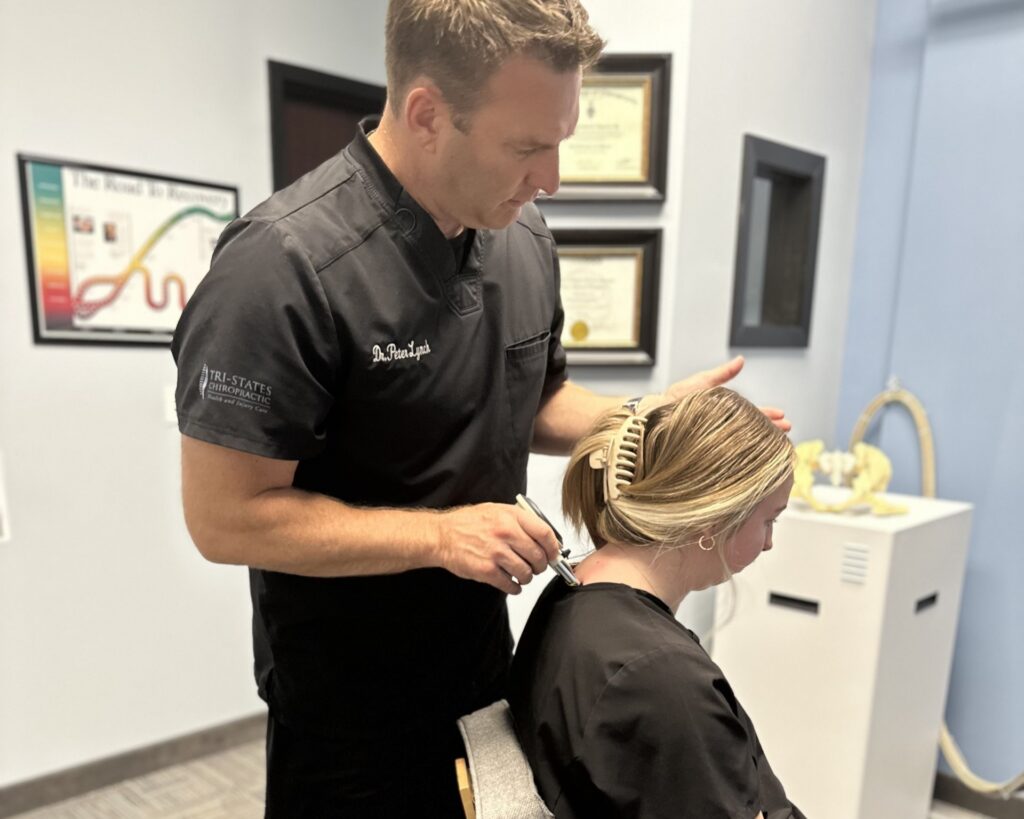
You may not realize just how significantly your posture impacts your low back pain. When your spine is misaligned, it can lead to increased strain and discomfort over time. Understanding the connection between posture and pain can empower you to make positive changes.
Chiropractic care is a natural and effective way to address these issues. By visiting a chiropractor, you can receive personalized adjustments that help realign your spine and improve your posture. This can lead to a reduction in pain and a better overall sense of well-being.
In addition to chiropractic adjustments, there are simple changes and exercises you can start incorporating into your daily routine to alleviate back pain. Here are a few tips to get you started:
- Mind Your Posture: Be conscious of your posture throughout the day. Whether sitting, standing, or walking, try to keep your spine aligned and your shoulders back.
- Take Breaks: If you sit for long periods, take regular breaks to stretch and move around. This helps reduce tension in your back muscles.
- Strengthen Core Muscles: Engaging in exercises that strengthen your core can provide better support for your spine. Simple activities like planks or gentle yoga can make a difference.
- Use Supportive Furniture: Invest in chairs and mattresses that support good posture. Ergonomic furniture can help maintain spinal alignment.
- Stay Active: Regular physical activity promotes overall health and can help prevent back pain. Aim for at least 30 minutes of moderate exercise most days.
By applying these strategies and considering chiropractic care, you can take proactive steps towards relieving your low back pain and enhancing your overall health. Remember, a well-aligned spine is key to a pain-free life. What will you do today to start your journey towards better health?
Key Takeaways
- Maintaining good posture is crucial for spinal alignment, which can significantly reduce strain on the lumbar spine and help alleviate low back pain. As a chiropractor, I often emphasize how proper posture can be a simple yet effective way to support your overall health and wellness.
- On the other hand, poor posture can lead to muscle imbalances that make discomfort and low back pain worse. By becoming more aware of your posture, you can take proactive steps to improve it and, in turn, enhance your comfort.
- Setting up an ergonomic workspace is another great way to promote proper posture. This means arranging your desk, chair, and computer in a way that minimizes stress on your spine during daily activities. Small changes, like adjusting your chair height or using a supportive cushion, can make a big difference.
- Additionally, regular posture resets and movement breaks are essential for relieving stiffness and keeping your spine healthy. I recommend standing up, stretching, or even taking a short walk every hour to keep your body moving and your spine happy.
- Incorporating core-strengthening exercises into your routine can also provide excellent support for your spine. Strong core muscles improve your posture and decrease your chances of experiencing low back pain. Simple exercises like planks and bridges can be done at home without any special equipment.
Remember, chiropractic care is a natural and effective way to address low back pain and improve your overall health. If you’re struggling with discomfort, consider visiting a chiropractor who can provide personalized care and guidance to help you achieve optimal wellness. Taking these steps can lead you on a path to a healthier, pain-free life!
Understanding the Anatomy of the Spine
Understanding the anatomy of the spine is key to managing and preventing low back pain effectively, and as a chiropractor, I want to help you achieve a pain-free life through natural methods.
Your spine is made up of 33 vertebrae that form a flexible column, including the cervical (neck), thoracic (mid-back), and lumbar (lower back) regions.
The lumbar spine, located in your lower back, carries much of your body’s weight and is especially susceptible to strain.
Intervertebral discs serve as shock absorbers, cushioning the vertebrae during movement.
Strong ligaments and muscles support the spine, providing both stability and mobility.
Understanding how these components work together is vital for maintaining a healthy spine.
By focusing on spinal health, you can make lifestyle choices that support your back.
For instance, strengthening your core muscles helps alleviate pressure on your lumbar region, making you less prone to discomfort.
Here are some simple tips you can incorporate into your daily routine:
- Stay Active: Regular, low-impact exercises like walking, swimming, or yoga can promote flexibility and strengthen the muscles supporting your spine.
- Practice Good Posture: Whether sitting or standing, maintaining proper posture reduces strain on your spine. Keep your shoulders back and your feet flat on the ground when sitting.
- Listen to Your Body: Pay attention to any signs of discomfort. Early recognition of pain allows for quicker intervention, often through gentle chiropractic adjustments that can restore balance and alignment.
- Incorporate Stretching: Daily stretching helps maintain flexibility in your spine and can alleviate tension in the muscles surrounding it.
- Seek Chiropractic Care: Regular visits to your chiropractor can help keep your spine aligned, improve your overall well-being, and provide natural pain relief without the need for medications or invasive procedures.
By staying informed and taking proactive steps toward a healthier spine, you’re well on your way to reducing pain and enhancing your quality of life.
The Impact of Poor Posture on Low Back Pain
Poor posture can lead to serious spinal alignment issues, which can significantly contribute to low back pain. When your muscles become imbalanced from daily habits, it can worsen discomfort and slow down your recovery process. As a chiropractor, I want to help you understand how these factors play a role in your overall health and well-being.
By focusing on proper posture and spinal alignment, you can take proactive steps toward alleviating your pain. Here are some simple tips to help you improve your posture and support your spine:
- Be Mindful of Your Sitting Position: When sitting, make sure your back is straight, shoulders relaxed, and feet flat on the floor. Consider using a chair that supports your lower back.
- Take Breaks and Move: If you sit for long periods, remember to take regular breaks to stand up, stretch, and walk around. This helps relieve tension in the back and promotes better blood circulation.
- Strengthen Your Core: A strong core supports your spine and can help maintain proper posture. Incorporate exercises like planks and bridges into your routine to build core strength.
- Lift with Care: When lifting heavy objects, always bend at the hips and knees, not at the waist. This technique helps protect your back from injury.
- Consider Chiropractic Care: Regular chiropractic adjustments can help realign your spine, improve posture, and alleviate pain. A chiropractor can assess your specific needs and create a personalized plan to support your recovery and overall wellness.
Spinal Alignment Issues
When you slouch or sit for long hours without the right support, your spinal alignment can really take a hit, leading to discomfort in your lower back.
Poor posture forces your spine into unnatural positions, which puts extra strain on your discs and joints. This misalignment can cause tension in nearby muscles, contributing to pain and stiffness.
If you’ve noticed that your lower back feels worse after extended periods at your desk or lounging on the couch, you’re not alone.
Maintaining good posture is essential. It helps distribute your weight evenly along your spine, reducing pressure points and promoting better alignment.
One of the best ways to support your spinal health is through chiropractic care. A chiropractor can help realign your spine, relieve pain, and guide you in maintaining proper posture.
Here are some simple tips to improve your spinal alignment and overall well-being:
- Ergonomic Set-Up: Invest in an ergonomic chair that supports your lower back. Your feet should rest flat on the floor, and your knees should be at a 90-degree angle.
- Mindful Sitting: Be aware of your posture throughout the day. Keep your shoulders back, and your head aligned over your spine.
- Take Breaks: Stand up, stretch, and walk around every 30-60 minutes. This helps relieve tension and promotes better circulation.
- Strengthen Core Muscles: Engage in exercises that strengthen your core. A strong core supports your spine and improves your posture.
- Regular Chiropractic Visits: Consider scheduling regular visits with a chiropractor. They can provide adjustments that help keep your spine aligned and teach you exercises to improve your posture.
By prioritizing spinal alignment and incorporating these practices into your daily routine, you can alleviate discomfort and enhance your overall health naturally.
Muscle Imbalance Consequences
Inadequate spinal alignment can lead to more than just discomfort in your back; it can also create muscle imbalances that worsen low back pain. When your posture is misaligned, some muscles may become overly tight while others weaken. This imbalance puts extra strain on your spine, pulling it into positions that can cause pain and discomfort. For example, tight hip flexors may cause your pelvis to tilt forward, which increases stress on your lower back. At the same time, weakened abdominal muscles fail to provide the necessary support for your spine, leaving it vulnerable.
These imbalances can create a vicious cycle of pain and dysfunction, making it increasingly difficult to find relief. The good news is that chiropractic care can help address these issues effectively. By focusing on restoring proper spinal alignment, chiropractic adjustments can help balance the muscles around your spine, alleviating pressure and discomfort.
In addition to chiropractic adjustments, there are some simple steps you can take to promote better posture and muscle balance in your daily life. Incorporate stretching exercises to loosen tight muscles, particularly in the hips and lower back. Strengthening your core can also provide better support for your spine. Remember to be mindful of your posture throughout the day, especially if you spend long hours sitting.
Daily Habits Impact
Daily habits play a significant role in your low back pain, particularly when they lead to poor posture. For instance, when you slouch in your chair or hunch over your phone, you’re putting unnecessary strain on your spine and the muscles surrounding it. Over time, this can result in discomfort and chronic pain.
Additionally, frequently lifting heavy objects without the right technique can worsen the situation, along with long periods spent in front of a computer without taking breaks.
To help alleviate low back pain and improve your overall well-being, consider these practical tips:
- Ergonomic Workspace: Set up your workspace to promote good posture. Your chair should support your lower back, and your computer screen should be at eye level to avoid hunching.
- Take Stretch Breaks: Make it a point to take regular breaks throughout the day. Stand up, stretch, and walk around every 30 to 60 minutes. This helps reduce muscle tension and improves circulation.
- Practice Proper Lifting Techniques: When picking up heavy items, bend at your knees and keep your back straight. This technique helps protect your spine and prevents injury.
- Mind Your Posture: Throughout the day, be conscious of your posture. Try to sit and stand tall, keeping your shoulders back and your spine aligned.
By incorporating these habits into your daily routine, you can significantly reduce low back pain and enhance your overall health. Remember, chiropractic care is an excellent option for addressing pain naturally. A chiropractor can provide tailored adjustments and advice to help you maintain a healthy spine, allowing you to enjoy a pain-free, active life.
Prioritize your health with chiropractic care for lasting relief and wellness!
Identifying Common Postural Mistakes
You mightn’t realize it, but slouching while seated can seriously impact your back health. This common postural mistake puts unnecessary pressure on your spine and can lead to discomfort over time. Additionally, using improper lifting techniques can strain your muscles and joints, resulting in injury.
As a chiropractor, I want to help you understand the importance of maintaining good posture and using proper body mechanics for your overall well-being.
Here are some tips to correct these common postural mistakes:
- Sit Up Straight: When you’re seated, ensure that your back is straight, shoulders are relaxed, and feet are flat on the floor. Consider using a chair that provides good lumbar support to keep your spine aligned.
- Stand Tall: When standing, distribute your weight evenly on both feet. Keep your head level, shoulders back, and avoid locking your knees. This posture helps reduce strain on your spine.
- Lift with Care: Always bend at your knees, not your waist, when lifting heavy objects. Hold the object close to your body and use your legs to lift, not your back. This technique helps prevent injuries and promotes spinal health.
- Take Breaks: If you sit for long periods, take regular breaks to stretch and walk around. This simple practice can relieve tension in your back and improve circulation.
- Stay Active: Regular exercise can strengthen your back and core muscles, supporting your spine better. Consider activities like yoga or Pilates, which focus on flexibility and strength.
By making these small adjustments to your daily habits, you can greatly improve your posture and overall spinal health.
Slouching While Seated
Slouching while seated is a common issue many people face during long hours spent at desks or in front of screens. When you slouch, your back rounds, and your shoulders hunch forward, which can place unnecessary strain on your spine and muscles. This poor posture not only leads to discomfort but can also worsen low back pain.
As a chiropractor, I want to emphasize the importance of maintaining good posture for your overall health and wellness. To combat slouching, here are some simple tips to help you improve your sitting position:
- Foot Placement: Keep your feet flat on the floor and your knees at a right angle. This helps distribute your weight evenly and supports your spine.
- Lower Back Support: Consider using a cushion or an ergonomic chair that provides support for your lower back. This can help you maintain the natural curve of your spine.
- Regular Breaks: It’s essential to take regular breaks. Stand up, stretch, and reset your posture throughout the day. This not only relieves tension but also promotes better circulation.
- Mind Your Posture: Pay attention to how you sit. Imagine a string pulling the top of your head towards the ceiling, which can help you align your spine properly.
By incorporating these habits into your daily routine, you can significantly reduce the risk of pain and support a healthier spine. Remember, chiropractic care is an excellent choice for addressing posture-related issues. Regular adjustments can help align your spine and improve your overall well-being, allowing you to live a more active and pain-free life.
Embrace these changes, and consider visiting your chiropractor to discuss how they can assist you on your journey to optimal health!
Improper Lifting Techniques
When lifting heavy objects, it’s essential to be mindful of your posture to prevent injury, particularly to your lower back. Many people often make common mistakes that can lead to discomfort. One significant error is bending at the waist instead of squatting down. Bending over can put unnecessary strain on your spine. Instead, remember to keep your back straight, hinge at your hips, and bend your knees. This technique not only protects your back but also makes the lift easier.
Another common mistake is twisting your body while lifting. It’s crucial to always face the object you’re lifting. If you need to turn, make sure to move your feet instead of twisting your torso. This simple adjustment can help to maintain spinal alignment and reduce the risk of injury.
Additionally, don’t rely solely on your arms when lifting. Engage your legs and core muscles to help distribute the weight evenly throughout your body. By incorporating these techniques, you can significantly lower your risk of lower back pain and injury.
As a chiropractor, I want to emphasize the importance of proper lifting techniques as a way to promote a healthier lifestyle and optimal spinal health. If you do experience pain, remember that chiropractic care is a natural and effective solution for pain relief and overall wellness. Regular adjustments and a focus on proper body mechanics can help keep your spine healthy and functioning at its best.
Prioritizing your body’s alignment and movement patterns can lead to long-term health benefits.
Benefits of Maintaining Proper Posture
Maintaining proper posture is essential for overall wellness, and it can significantly impact your daily life. As a local chiropractor, I want to emphasize that good posture isn’t just about looking good; it’s about feeling good, too.
Here are some key benefits of maintaining proper posture and how chiropractic care can help you achieve it:
- Reduced Pain: When you practice good posture, you help reduce strain on your back and joints. This can lead to significant relief from discomfort. Regular chiropractic adjustments can also help keep your spine aligned, further minimizing pain and preventing future issues.
- Improved Breathing: Proper posture allows your chest to open up, which facilitates deeper, more efficient breathing. This can enhance your oxygen intake, supporting overall health and vitality. A chiropractor can provide guidance on exercises and stretches that promote good alignment for better breathing.
- Enhanced Mood: Standing tall not only boosts your confidence but can also lift your spirits. Improved posture increases blood flow, which can help elevate your mood. Chiropractic care can play a vital role in this, as it helps to align your spine and release tension, allowing you to feel more energized and positive.
- Better Focus: When your body is aligned, your mind can concentrate better. Good posture enhances blood circulation and oxygen flow to your brain, improving productivity and clarity. Chiropractic adjustments can also help relieve tension that might distract you, enabling you to stay focused on your tasks.
Tips for Maintaining Proper Posture:
- Keep your shoulders back and relaxed, and your head aligned over your spine.
- When sitting, ensure your feet are flat on the floor and your knees are at a right angle.
- Take regular breaks to stand and stretch, especially if you sit for long periods.
- Incorporate exercises that strengthen your core and back muscles, as they support good posture.
Practical Tips for Improving Posture
As a chiropractor, I understand how crucial good posture is for your overall health and well-being. Many people often overlook simple adjustments that can significantly enhance their posture throughout the day. Let’s dive into some easy tips to help you maintain a healthy spine and prevent discomfort.
First, pay attention to your sitting position. Keep your back straight and your shoulders relaxed. Make sure both feet are flat on the ground. When working at a desk, it’s important to adjust your chair height so that your elbows are at a 90-degree angle. This simple adjustment can make a big difference in how your spine feels.
Another key tip is to take regular breaks, especially if you’re sitting for long periods. Stand up, stretch, and move around every hour. This helps reset your posture and gives your muscles a chance to relax. Remember, your spine needs movement to stay healthy!
Here’s a quick reference table for you:
| Tip | Description |
|---|---|
| Sit Straight | Keep back straight, shoulders relaxed. |
| Desk Setup | Adjust chair height for 90-degree elbow angle. |
| Take Breaks | Stand and stretch every hour to reset posture. |
Incorporating these habits into your daily routine can greatly improve your posture and reduce discomfort in your back. However, if you’re experiencing persistent pain, consider visiting your chiropractor. Chiropractic care is a natural and effective way to address pain and promote overall wellness. Together, we can work towards achieving optimal health and a pain-free life!
Exercises to Strengthen Core Muscles
Maintaining good posture is just the starting point for supporting your back health; strengthening your core muscles plays a crucial role as well. A strong core helps stabilize your spine, reduces strain on your back, and enhances overall posture. Incorporating core-strengthening exercises into your routine can be a natural way to promote wellness and prevent discomfort.
As a chiropractor, I believe that strengthening your core can complement your chiropractic care, leading to optimal health and pain relief. Here are four effective exercises that can easily fit into your daily life:
- Plank: Begin by holding a plank position for 30 seconds to a minute. Keep your body straight from head to heels, engaging your core throughout. This exercise helps improve stability and support for your spine.
- Bird-Dog: Start in a tabletop position on your hands and knees. Extend one arm and the opposite leg while maintaining a straight back. Hold for a few seconds, then switch sides. This exercise enhances coordination and balance, which are vital for spinal health.
- Bridge: Lie on your back with your knees bent and feet flat on the ground. Lift your hips towards the ceiling while squeezing your glutes at the top. This movement strengthens your lower back, glutes, and core, providing essential support for your spine.
- Russian Twists: Sit on the floor with your knees bent. Lean back slightly and twist your torso side to side, engaging your core. This exercise not only strengthens your abdominal muscles but also improves your rotational stability, which is important for everyday movements.
Incorporate these exercises into your routine regularly, and you’ll likely notice improved strength and support for your lower back. Remember, chiropractic care is a fantastic complement to these exercises, as it addresses misalignments and promotes overall wellness. Prioritize your spinal health and enjoy a more active, pain-free life!
Creating a Posture-Friendly Environment
Creating a posture-friendly environment is key to reducing strain on your back and enhancing your overall well-being. As a chiropractor, I want to emphasize how important it’s to support your spine in your daily life. Here are some simple steps you can take to create a healthy workspace and home environment.
Start with your workspace. Ensure your chair provides support for your lower back and that your feet can rest flat on the floor. Position your computer screen at eye level to keep your neck in a natural, relaxed position. If you find yourself at a desk for long hours, consider a standing desk to give your body a break from sitting.
At home, arrange your furniture to encourage movement and good posture. Place frequently used items within easy reach to avoid unnecessary bending and twisting, which can lead to discomfort. Incorporate ergonomic tools, such as supportive pillows for sitting or sleeping, to help maintain proper spinal alignment.
Don’t forget the importance of regular breaks. Stand up, stretch, and walk around every hour. This simple practice keeps your muscles engaged and helps prevent stiffness. By making these adjustments, you can create an environment that promotes good posture and contributes to lasting relief from low back pain.