If you’re experiencing low back pain, improving your posture could be the essential step toward finding relief. As a chiropractor, I often see how small adjustments in the way we sit, stand, and move can lead to significant improvements in comfort and health. By focusing on your body’s alignment and applying a few simple techniques, you can relieve strain on your spine and enhance your overall well-being.
Understanding the connection between posture and pain is crucial. Poor posture can lead to increased pressure on your spine, contributing to discomfort. Here are a few effective strategies you can incorporate into your daily routine to enhance your posture and reduce pain:
- Mind Your Sitting Position: When sitting, ensure your feet are flat on the floor, your knees are at a right angle, and your back is supported. Consider using a lumbar roll or cushion to maintain the natural curve of your lower back.
- Stand Tall: When standing, distribute your weight evenly on both feet. Engage your core muscles and keep your shoulders back and relaxed. This will help maintain a neutral spine position.
- Strengthen Your Core: A strong core supports your spine and improves posture. Incorporate exercises like planks, bridges, and pelvic tilts into your routine to build core strength.
- Take Breaks: If you sit for prolonged periods, take regular breaks to stretch and move around. This helps to relieve tension and encourages better posture.
- Mindful Movement: Pay attention to how you move. When lifting objects, bend at your knees, not your waist, and keep the object close to your body to prevent strain on your back.
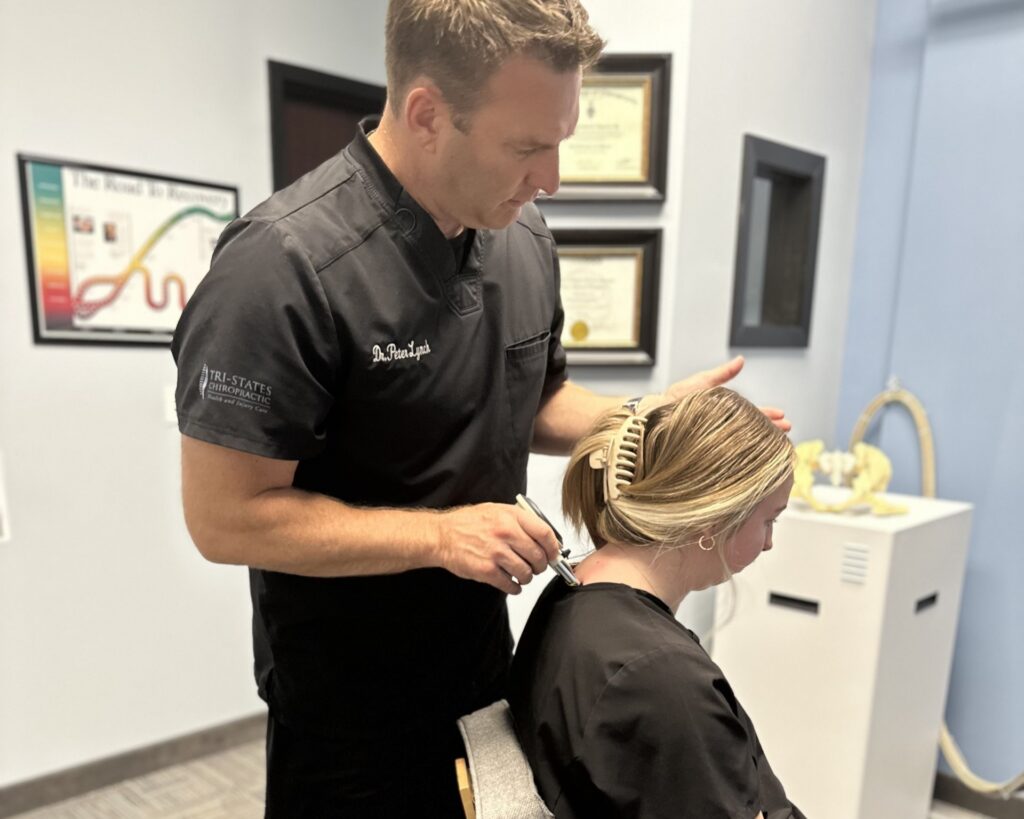
Chiropractic care is an excellent way to address posture-related issues and promote natural healing. Regular adjustments can help align your spine, alleviate pain, and improve your overall function. By working with a chiropractor, you can develop a personalized plan that focuses on your unique needs and goals for health and wellness.
Remember, improving your posture is a journey, and with consistent effort, you can experience relief from low back pain and enjoy a healthier, more active lifestyle. If you’re looking for a natural approach to pain relief and optimal health, consider scheduling a visit to discuss how chiropractic care can benefit you.
Key Takeaways
- To support a healthy spine and relieve low back pain, it’s important to maintain an upright posture. Keep your feet flat on the ground, your back straight, and your shoulders relaxed. This simple adjustment can significantly reduce strain on your lower back.
- Remember to take regular breaks every hour. Stand up, stretch, and reset your posture. This not only alleviates tension but also promotes overall spinal health. A few minutes of stretching can make a world of difference!
- Engaging your core muscles while sitting or standing is crucial. Strong core muscles provide extra support and stability for your spine, helping to prevent discomfort and pain.
- Consider using ergonomic furniture. A chair with lumbar support and a desk at the right height can help you maintain proper alignment throughout your day. This small change can lead to big improvements in how you feel.
- Incorporate core-strengthening exercises like planks and bridges into your routine. These exercises enhance spinal support and can significantly alleviate low back pain. They’re a great way to invest in your health naturally!
By emphasizing good posture and core strength, alongside regular chiropractic adjustments, you can achieve optimal health and wellness. Chiropractic care focuses on the body’s natural ability to heal and function properly, making it a fantastic choice for pain relief and overall well-being.
Understanding the Connection Between Posture and Low Back Pain
When you slouch or sit for extended periods, you mightn’t realize how much your posture affects your low back pain. Poor posture can create muscle imbalances that put extra strain on your spine and the muscles surrounding it. As you lean forward or hunch over, your lower back has to compensate for this misalignment, which can lead to discomfort and tension over time.
Sitting without proper back support can worsen your pain. By adopting a more upright position, you help your spine maintain its natural curves, which reduces pressure on your lower back. Simple adjustments, such as keeping your feet flat on the floor or using lumbar support, can make a significant difference in your comfort.
As a chiropractor, I encourage you to be mindful of your posture throughout your daily activities. This awareness can help alleviate existing pain and prevent future issues. Here are a few tips you can incorporate into your routine:
- Check Your Sitting Position: Ensure your chair supports your lower back. If necessary, use a cushion or rolled towel for added support.
- Stand Tall: When standing, keep your shoulders back, and distribute your weight evenly on both feet. This helps maintain proper spinal alignment.
- Take Frequent Breaks: If you sit for long periods, stand up, stretch, and walk around every 30-60 minutes to relieve tension.
- Practice Core Strengthening: Engaging in exercises that strengthen your core muscles can provide better support for your spine.
- Visit Your Chiropractor: Regular chiropractic adjustments can help maintain spinal alignment, improving your posture and relieving pain naturally.
The Importance of Ergonomics in Daily Activities
When considering your daily activities, it’s crucial to understand the role of ergonomics in preventing low back pain. As a chiropractor, I want to emphasize that simple adjustments can make a big difference in your comfort and overall health.
Start by setting up your workspace correctly. Ensure your desk and chair are at the right height so that your feet are flat on the ground and your knees are at a 90-degree angle. It’s also important to use proper sitting techniques—sit back in your chair with good posture, keeping your shoulders relaxed and your back supported.
When lifting objects, remember to bend at your knees and keep the weight close to your body. This technique reduces strain on your back and helps you avoid injury.
Desk Setup Guidelines
A well-designed desk setup is crucial for maintaining your spinal health and can significantly reduce low back pain. As a chiropractor, I want to emphasize the importance of ergonomics in your daily activities to promote natural healing and overall wellness.
Start by adjusting your chair so that your feet are flat on the floor and your knees are at a 90-degree angle. This position helps to support your spine and maintain proper posture. Your desk should be at elbow height, allowing your arms to rest comfortably while you type. This alignment helps prevent unnecessary strain on your back and neck.
Position your monitor at eye level to avoid straining your neck; it should be about an arm’s length away. Keeping your monitor at this distance can help reduce tension in your shoulders and neck, which is essential for overall spinal health.
A chair with lumbar support is vital. It helps maintain the natural curve of your spine, encouraging good posture throughout your workday. Additionally, keep frequently used items within arm’s reach to minimize stretching, which can lead to discomfort and misalignment.
If your chair is too high, consider using a footrest to keep your posture aligned. This simple adjustment can make a significant difference in how your body feels at the end of the day.
Remember, chiropractic care can play a key role in achieving optimal health. Regular adjustments can help ensure your spine stays aligned, reducing pain and promoting natural healing.
Proper Sitting Techniques
Incorporating proper sitting techniques into your daily routine is essential for maintaining good posture and preventing low back pain, which is where chiropractic care can play a significant role. As a chiropractor, I emphasize the importance of sitting correctly to support your spine and overall health.
Start by ensuring your feet are flat on the floor with your knees at a right angle. This foundational position helps distribute your weight evenly and reduces strain on your back. Adjust your chair height so that your thighs are parallel to the ground—this simple change can make a big difference in your comfort.
When sitting, make sure to sit back in your chair and utilize the backrest for support. Avoid slouching, as this can lead to tension in your spine and surrounding muscles. Keep your shoulders relaxed and your elbows close to your body, ideally forming a 90-degree angle. This posture not only feels better but also promotes spinal alignment.
If you spend a lot of time at a desk, it’s crucial to position your computer screen at eye level. This helps prevent neck strain, allowing for a more comfortable work environment. Remember, your spinal health is a vital part of your overall wellness, and maintaining good posture can significantly impact how you feel.
Make it a habit to take regular breaks—stand, stretch, and move around to keep your body engaged and reduce stiffness. Movement is essential for spinal health, and chiropractic adjustments can further enhance your body’s natural ability to heal and function optimally.
Lifting Techniques Awareness
Understanding proper lifting techniques is essential in preventing low back pain during daily activities, and as your local chiropractor, I want to share some valuable insights. When lifting, always remember to bend your knees and keep your back straight. This approach helps distribute the weight evenly and minimizes strain on your spine, promoting better alignment and overall spinal health.
It’s crucial to hold the object close to your body. The farther away it is, the more stress you place on your back, which can lead to discomfort or injury. Make it a habit to use your legs to lift rather than your back, and always avoid twisting your body while carrying heavy items. If you find an object too heavy, don’t hesitate to ask for help. There’s no shame in seeking assistance—it’s a smart choice for your well-being!
Being mindful of your lifting techniques can significantly lower your risk of injury and contribute to a healthier, pain-free lifestyle. Remember, chiropractic care offers a natural approach to pain relief and supports your body’s ability to heal itself. By prioritizing ergonomic practices in everything you do, you can enhance your overall wellness and maintain a strong, resilient spine.
Embrace these tips, and consider regular chiropractic adjustments to support your journey toward optimal health!
Tips for Maintaining Proper Sitting Posture
Maintaining proper sitting posture is crucial for relieving low back pain and enhancing your overall comfort. As a chiropractor, I want to share some simple tips to help you achieve and sustain good posture while sitting, which can complement your chiropractic care for optimal health and natural wellness.
| Tip | Description | Benefits |
|---|---|---|
| Adjust Your Chair | Ensure your chair offers adequate support for your lower back. | Helps reduce strain on your spine, promoting better spinal health. |
| Foot Position | Keep your feet flat on the floor or on a footrest. | Encourages balanced weight distribution, which is vital for good posture. |
| Screen Height | Position your computer screen at eye level. | Prevents unnecessary strain on your neck and back, allowing for a more comfortable working environment. |
| Arm Support | Utilize armrests to support your arms comfortably. | Diminishes shoulder tension, which can contribute to discomfort and misalignment. |
| Take Breaks | Stand and stretch every hour to break prolonged sitting. | Enhances circulation and mobility, supporting overall wellness and vitality. |
Techniques for Standing With Better Posture
To improve your posture and enhance your overall well-being, start by aligning your ears with your shoulders. This simple adjustment can significantly contribute to spinal health. Engage your core muscles to provide extra support for your spine, and ensure that your weight is evenly distributed across both feet. These foundational techniques not only promote better posture but also play a vital role in reducing low back pain.
As a chiropractor, I emphasize that maintaining proper posture is crucial for optimal health. By incorporating these tips into your daily routine, you can prevent discomfort and improve your quality of life. Remember, chiropractic care is a natural and effective way to address postural issues and support your body’s healing processes.
Whether you’re at home, at work, or on the go, these small adjustments can lead to significant improvements in your health and wellness. Always be mindful of your posture, and consider regular chiropractic check-ups to ensure your spine remains aligned and healthy.
Align Your Ears, Shoulders
When you’re standing, aligning your ears and shoulders can greatly enhance your posture and overall comfort. As a local chiropractor, I want to share how this simple adjustment can make a world of difference for your health.
Start by gently pulling your shoulders back and down, ensuring you do so without any tension. Visualize a straight line extending from your ears down to your shoulders. You can achieve this alignment by slightly tucking your chin, which helps keep your head in line with your spine.
Stand with your feet hip-width apart, and distribute your weight evenly between them. It’s important to maintain a relaxed stance; avoid locking your knees, as this can lead to discomfort.
This alignment not only promotes better posture but also alleviates strain on your back, which is essential for long-term wellness.
Regularly checking in on your posture throughout the day can reinforce these adjustments, leading to lasting relief from low back pain. Remember, chiropractic care focuses on natural healing and optimizing your body’s function.
Engage Core Muscles
Engage Your Core for Better Posture and Health
As a chiropractor, I want to emphasize that achieving proper posture isn’t just about aligning your ears and shoulders; it also involves actively engaging your core muscles. When you engage your core, you help stabilize your spine and provide much-needed support to your lower back. This is crucial for maintaining a healthy spine and preventing discomfort. Here are some simple techniques to help you activate your core while standing, contributing to your overall wellness:
| Technique | Description | Benefits |
|---|---|---|
| Bracing | Imagine you’re about to be gently punched and tighten your abdominal muscles. | Offers immediate support for your spine. |
| Pelvic Tilt | Slightly tuck your pelvis under as if you’re trying to flatten your lower back. | Promotes proper spinal alignment. |
| Deep Breathing | Take a deep breath, allowing your diaphragm to expand fully. | Naturally engages your core and calms your mind. |
| Shoulder Relaxation | Keep your shoulders relaxed, down, and back. | Improves overall posture and reduces tension. |
Distribute Weight Evenly
Even a slight adjustment in how you distribute your weight can have a profound impact on your posture and overall comfort. To start, stand with your feet hip-width apart and feel the ground beneath you. Gently shift your weight from one foot to the other, and take a moment to notice how this affects your spinal alignment. It’s important to strive for balance between both feet, as this can help alleviate unnecessary strain on your back.
Engaging your core muscles is crucial for supporting your lower back, and remember to keep your knees slightly bent rather than locking them. If you find yourself standing for extended periods, consider using a footrest or alternating your weight from one foot to the other. This simple change can significantly reduce strain on your back and promote better posture.
Your body is designed for movement, so don’t hesitate to shift your position regularly. This helps keep you comfortable and aligned. By incorporating these tips into your daily routine, you’re not just enhancing your comfort; you’re also taking proactive steps toward maintaining your spinal health. Remember, chiropractic care is an excellent choice for achieving optimal wellness and pain relief, ensuring your body stays in balance and functions at its best.
Exercises to Strengthen Core Muscles and Support the Spine
Strengthening your core muscles is vital for supporting your spine and alleviating low back pain. A strong core helps stabilize your body, which in turn reduces strain on your lower back. As a chiropractor, I often recommend exercises that can easily be incorporated into your daily routine to promote natural healing and enhance overall wellness.
Let’s start with planks. This exercise engages multiple core muscles, providing an excellent foundation for core strength. Begin by holding a plank position for 20 to 30 seconds. As you build strength and endurance, gradually increase the duration. Remember to keep your body straight and avoid letting your hips sag.
Next, consider adding bridges to your routine. Lie on your back with your knees bent and feet flat on the floor. Lift your hips toward the ceiling, squeezing your glutes at the top. This exercise not only strengthens your core but also engages your lower back and glutes, which are crucial for spinal support. Aim for three sets of 10 to 15 repetitions.
Don’t overlook the bird-dog exercise either. Start in a tabletop position on your hands and knees. Extend one arm forward while simultaneously extending the opposite leg straight back, keeping your back flat. Hold this position for a few seconds before switching sides. This exercise promotes balance and coordination, which are essential for a healthy spine.
Incorporating these exercises into your routine can significantly enhance your core strength, leading to better posture and reduced low back pain. Remember, consistency is essential; aim to perform these exercises several times a week for optimal results.
As you work on strengthening your core, consider regular chiropractic care. Chiropractic adjustments can help ensure that your spine is properly aligned, enhancing the benefits of your core-strengthening exercises. By combining exercise with chiropractic care, you can achieve better pain relief and support your journey toward a healthier, more active life. Always listen to your body and consult with a chiropractor if you have any questions or concerns about starting a new exercise program. Your spine will thank you for it!
The Role of Stretching in Posture Improvement
Incorporating stretching into your daily routine can significantly improve your posture and relieve muscle tension. As a chiropractor, I want to emphasize how important it’s to keep your body flexible and aligned. Regular stretching enhances joint flexibility and reduces tightness in crucial areas such as the hips, chest, and shoulders. By doing so, you can counteract the negative effects of prolonged sitting and poor posture, helping your body align more naturally.
Focus on stretches that open up the chest and strengthen the back. These types of stretches can help pull your shoulders back, which is essential for proper spinal alignment. Simple movements like the cat-cow stretch or chest openers can make a noticeable difference over time.
Making stretching a daily habit is crucial. Just a few minutes each day can improve your posture, reduce discomfort, and enhance your overall well-being. Remember, consistency is key! Find stretches that you enjoy and incorporate them into your routine.
In addition to stretching, consider visiting a chiropractor for personalized care. Chiropractic adjustments can complement your stretching routine by ensuring your spine is aligned and functioning optimally. This holistic approach to health can help you achieve better posture and overall wellness naturally, without the need for medications or invasive procedures. Take charge of your health today!
Implementing Postural Awareness in Everyday Life
Practicing postural awareness every day can profoundly enhance your comfort and overall health, and as a chiropractor, I can’t emphasize enough how critical this is for your spine. By being conscious of your posture, whether you’re sitting, standing, or walking, you can significantly reduce discomfort and support your body’s natural alignment.
When sitting, aim to keep your feet flat on the ground, your back straight, and your shoulders relaxed. It’s essential to choose a chair that offers support for your lower back. Remember to take breaks every hour to stretch and reset your posture. Simple stretches can make a world of difference in maintaining spinal health.
When standing, engage your core muscles and distribute your weight evenly across both feet. Avoid locking your knees as this can lead to unnecessary strain on your spine.
And while walking, focus on maintaining a straight line from your head to your heels, which promotes better alignment and reduces the risk of injury.
To help you remember to check in on your posture throughout the day, consider setting alarms on your phone or using sticky notes as gentle reminders. Incorporating deep breathing exercises can also be beneficial; they not only help you stay present but also encourage relaxation and awareness of your body.
These small adjustments in your daily routine can lead to significant improvements in your posture, comfort, and overall well-being. And remember, regular chiropractic care can further enhance your efforts to maintain healthy posture and alleviate any discomfort you may be experiencing.
Seeking Professional Help for Persistent Low Back Pain
If you’re dealing with persistent low back pain and haven’t found relief through improved posture or lifestyle changes, it may be time to explore chiropractic care. A chiropractor specializes in diagnosing and treating musculoskeletal issues, and can provide a thorough evaluation to identify the root cause of your discomfort.
During your visit, it’s important to share details about your symptoms, daily routines, and any self-care strategies you’ve tried. This will help your chiropractor develop a personalized treatment plan that addresses your specific needs. Don’t hesitate to ask questions about their techniques and what you can expect during your care.
Chiropractic adjustments can help realign your spine, relieve pressure on nerves, and improve your overall function. In addition to adjustments, your chiropractor may offer advice on exercises, stretches, and ergonomic tips to support a healthier lifestyle and prevent future pain.