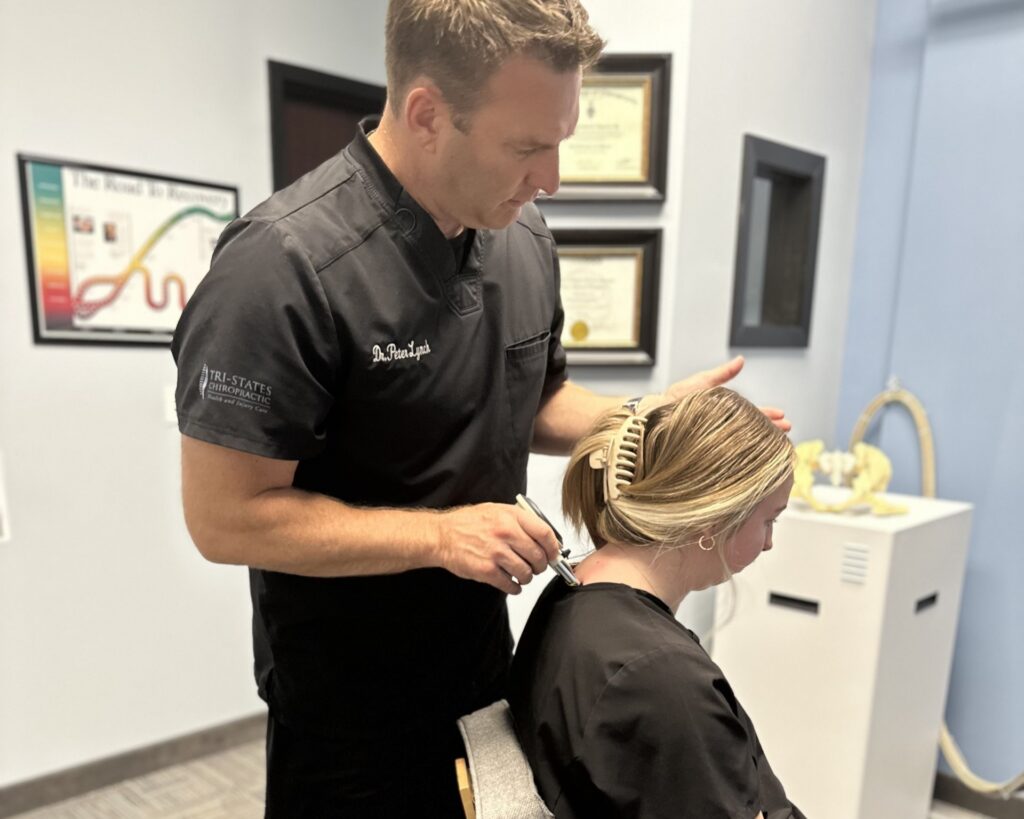
If you’re experiencing low back pain, have you thought about how your posture might be playing a role in your discomfort? Keeping a neutral spine and maintaining proper alignment is crucial for your overall well-being. Many individuals tend to overlook the significance of everyday postural habits, which can lead to muscle imbalances and increased strain on your back.
As a chiropractor, I want to emphasize that understanding these factors is key to finding relief. By addressing your posture, you can potentially reduce discomfort and enhance your quality of life. Here are some simple tips to help you improve your posture and support your spine:
- Sit Smart: When sitting, ensure your back is straight and shoulders are relaxed. Use a chair that supports your lower back, and keep your feet flat on the ground.
- Stand Tall: While standing, distribute your weight evenly on both feet, and keep your shoulders back and relaxed. Imagine a string pulling you gently upwards from the crown of your head.
- Move Often: If you have a job that requires long periods of sitting or standing, take breaks to stretch and move around. This helps relieve tension and keeps your muscles engaged.
- Strengthen Your Core: A strong core supports your spine. Incorporate exercises that target your abdominal and back muscles to help improve your posture.
- Mind Your Tech: When using devices, hold them at eye level to avoid hunching over. This helps maintain a natural neck position and reduces strain.
By making these small adjustments, you can help alleviate your low back pain and support your spinal health. Remember, chiropractic care is a fantastic option to explore for natural pain relief and overall wellness. A chiropractor can provide personalized guidance, adjustments, and exercises tailored to your needs, helping you achieve optimal health. If you’re ready to take the next step, consider scheduling a visit to see how chiropractic care can benefit you!
Key Takeaways
Posture plays a crucial role in relieving low back pain, and maintaining good posture is one of the simplest yet most effective ways to support your spine’s health. When you sit or stand with proper alignment, your body weight is distributed evenly. This reduces strain on your spine and muscles, making it easier to alleviate discomfort and pain.
Good posture also supports the natural curves of your spine, which is essential for minimizing pressure on spinal discs. When the spine is aligned properly, you’re less likely to experience discomfort. On the other hand, slouching or adopting poor posture can create muscle imbalances. This increases the risk of low back pain and can lead to injuries over time.
As a chiropractor, I recommend incorporating regular posture checks into your daily routine. Simple adjustments can significantly enhance your comfort levels and help prevent pain from becoming a chronic issue. For instance, when sitting at your desk, ensure your feet are flat on the ground, your back is straight, and your shoulders are relaxed.
Additionally, strengthening your postural muscles through targeted exercises can greatly enhance spinal stability. Incorporating stretches and strengthening exercises into your routine not only supports your back but also contributes to long-term relief from low back pain.
Remember, chiropractic care is a natural and effective way to address low back pain. Regular chiropractic adjustments can help improve your posture, enhance spinal health, and promote overall well-being. By focusing on your posture and seeking chiropractic support, you can take proactive steps towards a healthier, pain-free life.
Understanding Low Back Pain
When you experience low back pain, it’s crucial to understand what might be causing it and how it can impact your everyday life.
Many factors can lead to this discomfort, such as muscle strain, herniated discs, or even conditions like arthritis. You may notice that your pain worsens after sitting or standing for long periods, which can affect your productivity and overall mood.
Identifying specific triggers is key to managing your pain. Poor lifting techniques, sudden movements, or even stress can make your condition worse.
Additionally, you might feel pain radiating to other areas, such as your legs or hips, which can make it difficult to carry out daily activities.
As a chiropractor, I encourage you to seek natural, holistic approaches to address low back pain. Chiropractic care focuses on realigning the spine and improving overall function, which can help relieve pain and enhance your quality of life.
Regular visits may provide you with the relief and support you need.
To support your journey towards better health, consider these general tips:
- Practice Good Posture: Whether sitting or standing, maintaining a neutral spine position can help prevent strain on your back.
- Stay Active: Gentle exercises, such as walking or stretching, can strengthen your back muscles and improve flexibility.
- Use Proper Lifting Techniques: Bend at the knees and keep your back straight when lifting heavy objects to minimize the risk of injury.
- Manage Stress: Techniques such as deep breathing, meditation, or yoga can help reduce tension that may contribute to back pain.
- Listen to Your Body: If something feels off, don’t push through the pain. Take breaks and give your body the rest it needs.
Understanding low back pain empowers you to take proactive steps toward relief.
The Impact of Posture on Spinal Health
Maintaining good posture is crucial for your spinal health and can greatly impact the comfort you feel in your lower back. When you sit or stand with proper alignment, you help distribute your body weight evenly, which reduces unnecessary strain on your spine and the surrounding muscles. This balanced position supports the natural curvature of your spine, which is vital for its overall function.
On the flip side, poor posture can lead to muscle imbalances and increased pressure on your spinal discs, resulting in pain and discomfort. You may notice that slouching or leaning forward adds extra stress to your lower back, making it more prone to injury. By consciously aligning your body and engaging your core, you can provide the support your spine needs and encourage healthier movement patterns.
As a chiropractor, I want to emphasize that prioritizing good posture isn’t just about alleviating discomfort; it’s about enhancing your overall well-being and physical performance.
Here are some simple tips you can incorporate into your daily routine:
- Mind Your Posture: Be aware of your body alignment when sitting, standing, or walking. Keep your shoulders back, and your head aligned over your spine.
- Adjust Your Workspace: If you spend long hours at a desk, make sure your chair supports your lower back, and your computer screen is at eye level to avoid leaning forward.
- Take Breaks: Stand up and stretch every 30 minutes. This helps relieve tension and promotes better posture throughout the day.
- Engage Your Core: Strengthening your core muscles can provide better support for your spine. Consider exercises like planks or gentle yoga to build core strength.
- Visit Your Chiropractor: Regular chiropractic adjustments can help maintain proper alignment and address any issues before they become more serious.
Common Postural Mistakes
Many people often overlook common postural mistakes that can lead to discomfort and pain, and as a chiropractor, I want to help you understand how to improve your posture for better overall health.
One of the most common errors is slouching while sitting, which places significant strain on your lower back. Instead of maintaining an upright position, it’s easy to find yourself leaning forward or hunching your shoulders. This habit not only impacts your spine but can also hinder your breathing.
Another frequent mistake is crossing your legs while sitting, which can create uneven pressure on your hips and lower back.
When standing, shifting your weight onto one leg might feel comfortable at first, but over time, it can cause muscular imbalances that lead to pain.
Using your phone or laptop at an awkward angle can also contribute to poor posture. This often results in neck strain and back pain, which can be avoided with simple adjustments.
Here are some tips to help you improve your posture and promote spinal health:
- Sit Up Straight: Maintain a neutral spine while sitting. Use a chair that supports your lower back, and keep your feet flat on the ground.
- Limit Crossing Your Legs: Try to keep your feet flat on the floor or use a footrest to ensure even weight distribution.
- Adjust Your Screen Height: Position your computer screen at eye level to avoid bending your neck. You can use a stand or stack books to achieve the right height.
- Take Breaks: If you sit for long periods, take short breaks every 30 minutes to stretch and move around. This can help relieve tension and reset your posture.
- Be Mindful of Your Phone Use: When using your phone, hold it at eye level to prevent hunching over.
By being mindful of these habits and making small adjustments to your daily routine, you can significantly alleviate discomfort and promote better spinal health.
Chiropractic care can further enhance your posture and overall well-being, helping you achieve optimal health naturally. If you’re experiencing pain or discomfort, consider visiting a chiropractor to explore how spinal adjustments can support your journey toward a healthier lifestyle.
The Connection Between Posture and Muscle Imbalance
Posture plays a vital role in how your muscles perform, and maintaining proper alignment is key to preventing muscle imbalances that can lead to pain and discomfort. When we slouch or spend excessive time sitting, certain muscles can become tight, while others weaken, creating a muscle imbalance. This misalignment can often lead to chronic pain, especially in the lower back.
As a local chiropractor, I want to share some common postural issues and the muscle imbalances associated with them. Understanding these can help you take steps toward better posture and overall wellness:
| Postural Issue | Tight Muscles | Weak Muscles |
|---|---|---|
| Slouching | Chest, hip flexors | Upper back, glutes |
| Forward head posture | Neck, shoulders | Deep neck flexors |
| Overarching back | Lower back | Abdominals, glutes |
| Excessive sitting | Hip flexors | Hamstrings, glutes |
Here are some practical tips you can incorporate into your daily routine to improve your posture and alleviate discomfort:
- Be Mindful of Your Posture: Throughout the day, check in with your posture. When sitting, keep your back straight, shoulders relaxed, and feet flat on the floor.
- Take Breaks: If you sit for long periods, set a timer to remind yourself to stand up and stretch every 30-60 minutes. Simple stretches can help release tight muscles and engage weaker ones.
- Strengthening Exercises: Incorporate exercises that strengthen your upper back and core, such as rows, planks, and glute bridges. These will help balance out tight and weak muscles.
- Chiropractic Care: Regular chiropractic adjustments can help correct misalignments and improve your posture, which in turn can alleviate pain and discomfort. A chiropractor can guide you on exercises and stretches specific to your needs.
- Ergonomic Setup: If you work at a desk, ensure your workspace is ergonomically friendly. Your computer screen should be at eye level, and your chair should support your lower back.
Benefits of Good Posture
Good posture not only enhances your appearance but also provides numerous health benefits that can significantly improve your quality of life. When you maintain proper alignment while standing or sitting, you minimize strain on your muscles and joints, which can lead to less discomfort and a lower risk of injuries. This alignment allows your body to function more efficiently, promoting better circulation and enhanced lung capacity.
By practicing good posture, you may notice a boost in your confidence. Standing tall and sitting straight can make you feel more self-assured in social settings or at work. Moreover, good posture can enhance your focus and productivity, as discomfort becomes less of a distraction.
As a chiropractor, I emphasize the importance of maintaining a healthy spine, which is vital for long-term mobility and reducing the risk of chronic pain. One effective way to promote good posture is through regular chiropractic care, which can help align your spine and improve your overall well-being.
Here are some simple tips you can incorporate into your daily routine to support good posture:
- Be Mindful of Your Alignment: Whether sitting or standing, keep your shoulders back, head up, and spine straight.
- Take Breaks: If you sit for long periods, take breaks to stretch and change positions. This helps relieve tension and keeps your body engaged.
- Strengthen Core Muscles: Engage in exercises that strengthen your core, as this provides the support your spine needs.
- Use Ergonomic Furniture: Invest in chairs and desks that promote good posture, especially if you work at a desk for long hours.
- Practice Deep Breathing: This can help improve your lung capacity and encourage proper alignment of your spine.
Incorporating these habits into your daily life can lead to significant improvements in both your physical health and mental well-being. Remember, chiropractic care is a natural and effective way to achieve optimal health, relieve pain, and promote a healthier lifestyle.
Tips for Improving Posture
Maintaining proper alignment is essential for your overall health, and improving your posture is a journey that requires attention and practice. As a chiropractor, I can assure you that there are plenty of effective strategies to enhance your posture and well-being day by day.
First, pay close attention to your sitting position. Ensure that your feet are flat on the floor and your back is well-supported by your chair. It’s crucial to take breaks every hour to stand and stretch, as this helps relieve tension and can prevent discomfort. When standing, try to distribute your weight evenly on both feet, keeping your shoulders back and your head aligned with your spine to promote a natural posture.
Incorporating ergonomic tools into your workspace can also make a significant difference. Consider using a standing desk or a supportive chair to encourage better posture while you work. Adjust your computer screen to eye level to avoid straining your neck, allowing your spine to maintain its natural curvature.
Additionally, practicing deep breathing can be incredibly beneficial. This simple technique not only promotes relaxation but also reinforces an upright position. Remember, with consistent effort and these practical tips, you’ll gradually notice a remarkable improvement in your posture and overall spinal health.
Chiropractic care is a fantastic way to support your journey to better posture. Regular adjustments can help realign your spine, alleviate discomfort, and enhance your body’s natural healing abilities. By prioritizing chiropractic care, you’re making a commitment to achieving optimal health and natural wellness. Take these steps today, and let your body feel the difference!
Exercises to Strengthen Postural Muscles
To improve your posture and alleviate low back pain, it’s important to focus on exercises that strengthen your postural muscles. Incorporating core stability exercises, back extensions, and shoulder strengthening techniques into your daily routine can work wonders. These targeted workouts not only enhance your posture but also promote overall spinal health.
As a chiropractor, I recommend prioritizing these exercises, as they align with the principles of natural healing and wellness. Strengthening your core helps support your spine, reduces strain on your back, and can significantly improve your overall posture.
Here are some simple tips you can incorporate into your daily routine:
- Engage Your Core: Whenever you’re sitting or standing, try to engage your core muscles. This means pulling your belly button in towards your spine. It not only helps with posture but also stabilizes your back.
- Back Extensions: Start with gentle back extensions by lying face down and gently lifting your upper body off the ground. This strengthens the muscles along your spine.
- Shoulder Blade Squeezes: While sitting or standing, squeeze your shoulder blades together as if you’re trying to hold a pencil between them. This helps counteract the slouching we often do while sitting, especially if you work at a desk.
- Stretch Regularly: Make it a habit to stretch your back and shoulders throughout the day. Simple stretches can relieve tension and improve flexibility.
- Consider Chiropractic Care: Regular chiropractic adjustments can optimize your spinal health, enhance your posture, and relieve any discomfort. Your chiropractor can guide you on the best exercises tailored to your specific needs.
Core Stability Exercises
Strengthening your core is vital for enhancing your posture and easing low back pain. Your core muscles play a crucial role in supporting your spine, allowing you to maintain a stable and upright position during daily activities. By incorporating core stability exercises into your routine, you can improve muscle function and overall stability, which aligns perfectly with the principles of chiropractic care.
Start with planks, which engage various muscle groups, including your abdominals and back. These exercises not only help build strength but also support spinal alignment, a key focus in chiropractic health. Side planks are excellent for strengthening your obliques, while bridges effectively target your glutes and lower back, promoting better posture and stability.
Don’t overlook pelvic tilts; these can enhance flexibility and strength in your lower back, contributing to a healthier spine. To get the most benefit, aim to practice these exercises several times a week. As you develop core strength, you’re likely to notice improved posture and reduced discomfort in your lower back. This can lead to greater mobility and a more active lifestyle.
Back Extension Movements
Building on core stability exercises, back extension movements are vital for strengthening the postural muscles that support your spine. These exercises specifically target the muscles in your lower back, which helps improve your overall posture and can significantly reduce the risk of pain. A simple yet effective starting point is the Superman exercise: lie face down and lift your arms and legs off the ground. This movement not only engages your back but also promotes stability throughout your core.
As you become more comfortable, you can gradually progress to more challenging variations, such as back extensions on a stability ball or using a Roman chair. These exercises can be seamlessly integrated into your routine two to three times a week, enhancing your back strength and stability over time.
It’s crucial to maintain proper form during these exercises to maximize benefits and prevent injury. If you’re ever unsure about your technique, consulting with a chiropractor can provide you with personalized guidance. Chiropractic care focuses on optimizing your spinal health, which is fundamental for overall wellness and pain relief. Incorporating these back extension movements alongside regular chiropractic adjustments can greatly enhance your journey toward a pain-free and healthier life.
Shoulder Strengthening Techniques
Strengthening your shoulders is crucial for maintaining good posture and preventing discomfort in your upper back. As a chiropractor, I emphasize that a strong shoulder girdle not only supports your spine but also enhances your overall well-being. Incorporating simple exercises into your routine can make a significant difference.
For shoulder shrugs, whether you’re standing or sitting, maintain a tall posture. Gently lift your shoulders toward your ears, hold for a moment, and then lower them back down. Aim for 10-15 repetitions. This exercise can help relieve tension and improve circulation in the shoulder area.
Another excellent exercise is external rotations, which can be done with a resistance band. Keep your elbow close to your side and gently rotate your forearm outward. This movement strengthens the rotator cuff, which is essential for shoulder stability. Again, aim for 10-15 repetitions on each side.
While performing these exercises, remember to engage your core. This not only helps stabilize your spine but also enhances the effectiveness of your shoulder exercises. Incorporating these movements into your routine two to three times a week can lead to significant improvements in your shoulder strength and overall posture.
Lastly, consider visiting a chiropractor for personalized guidance and adjustments that can further support your shoulder health. Chiropractic care is a natural and effective way to alleviate pain and promote wellness, helping you achieve optimal health without the need for medications or surgeries. Prioritize your shoulder strength and overall health by making these exercises a regular part of your life!
Ergonomic Adjustments for Daily Activities
When it comes to reducing low back pain, making ergonomic adjustments in your workspace is essential for your overall wellness. As a chiropractor, I emphasize that the alignment of your body plays a crucial role in your health. Choosing the right office chair that supports your spine, setting your desk at the correct height to encourage good posture, and positioning your screen at eye level can significantly enhance your comfort and prevent strain.
Here are some simple tips to help you create a more ergonomic workspace:
- Chair Support: Select an office chair that supports the natural curve of your spine. Look for adjustable features that allow you to find the most comfortable position.
- Desk Height: Your desk should be at a height that allows your elbows to rest comfortably at a 90-degree angle. This promotes better posture and reduces the risk of developing tension in your back.
- Screen Position: Position your computer screen about an arm’s length away, with the top of the screen at or slightly below eye level. This helps prevent unnecessary strain on your neck and back.
- Take Breaks: Remember to take regular breaks to stand, stretch, and move around. This helps improve circulation and can alleviate tension that builds up from prolonged sitting.
- Mind Your Posture: Pay attention to your posture throughout the day. Keep your feet flat on the ground, your shoulders relaxed, and avoid slumping.
By implementing these ergonomic adjustments, you can support your body’s natural alignment and reduce discomfort.
However, if you’re still experiencing pain, I encourage you to consider chiropractic care. Chiropractic adjustments can help restore balance to your spine, alleviate pain, and promote natural healing. Your journey to optimal health can start today with small changes and the support of chiropractic care.
Office Chair Selection
Selecting the right office chair is crucial for your comfort and overall spinal health, which can significantly enhance your productivity. As a chiropractor, I recommend looking for a chair that provides adjustable height, lumbar support, and a well-padded seat cushion. When seated, your feet should rest flat on the floor, and your knees should be at a right angle. This positioning not only promotes comfort but also supports a healthy spine.
A backrest that conforms to the natural curve of your spine is essential for reducing strain on your lower back. Proper support can alleviate discomfort and prevent future pain. Additionally, armrests should allow your shoulders to relax while you type or use the mouse, helping to maintain good posture.
Don’t hesitate to try out different chairs, as comfort can vary greatly from person to person. Remember, investing in an ergonomic chair is a step toward maintaining proper posture and minimizing the risk of low back pain. Alongside selecting the right chair, regular chiropractic care can play a vital role in achieving optimal health and wellness. Chiropractic adjustments help keep your spine aligned and functioning properly, supporting your overall body mechanics.
To further enhance your well-being, consider taking short breaks to stretch and move throughout your day. Simple exercises like neck rolls, shoulder shrugs, and gentle back stretches can greatly benefit your spinal health. Prioritizing your comfort and care will keep you focused on your work and support a healthier lifestyle.
Desk Height Considerations
After selecting the right office chair, it’s crucial to pay attention to your desk height for optimal spinal health.
Ideally, your desk should be at a height that allows your elbows to rest comfortably at a 90-degree angle while typing. If your desk is too high, you might find yourself shrugging your shoulders, which can lead to tension in your neck and shoulders. On the other hand, if your desk is too low, you may end up slouching, putting unnecessary strain on your spine and lower back.
To determine the perfect desk height for you, simply sit up straight and measure from the floor to your elbows; your desk should align with this measurement. If adjustments to your desk aren’t possible, consider using a keyboard tray or a desk riser to accommodate your needs.
Remember, maintaining a well-adjusted workspace is key to reducing the risk of low back pain and enhancing your overall comfort and productivity throughout the day. By prioritizing your desk setup and incorporating regular chiropractic care into your routine, you can promote natural healing and achieve optimal health.
Simple adjustments like these can make a significant difference in your well-being, allowing you to work more comfortably and efficiently.
Proper Screen Positioning
Proper screen positioning is crucial for maintaining your overall health and well-being, particularly for reducing strain on your eyes and neck during long hours at your desk. As a chiropractor, I understand how vital it’s to take care of your spine and posture to prevent discomfort and promote natural healing.
Begin by positioning your monitor at eye level. This way, you can look straight ahead without craning your neck, which can lead to unnecessary strain. Ideally, the top of your screen should be about an arm’s length away, allowing your eyes to focus comfortably without fatigue or discomfort.
To further reduce strain, tilt your screen slightly back to minimize glare, and be mindful not to lean forward. Adjusting your chair height is equally important; aim for a position that supports a neutral spine, with your feet flat on the ground. This alignment can help alleviate low back pain and promote better posture.
If you work with multiple monitors, ensure they’re at the same height and distance to prevent awkward movements that can lead to discomfort. These simple adjustments can have a profound impact on your comfort levels throughout the day.
Remember, chiropractic care is a natural and effective way to address pain and promote wellness. By optimizing your workspace and taking care of your body, you can enhance your health and overall quality of life.
Prioritize your spinal health, and consider regular chiropractic check-ups to keep your body in alignment and functioning at its best.
When to Seek Professional Help
If your low back pain persists despite trying self-care measures, it’s time to think about seeking professional help, specifically from a chiropractor.
Ignoring ongoing pain can lead to more serious issues down the line. Pay attention if your discomfort lasts more than a few weeks, worsens with movement, or disrupts your daily activities.
You should also seek guidance if you experience numbness, tingling, or weakness in your legs, as these could indicate nerve involvement.
A chiropractor can assess your condition and recommend natural, non-invasive treatments, such as spinal adjustments, to help alleviate your pain and improve your overall function.
Chiropractic care focuses on addressing the root cause of your discomfort and promoting natural healing in your body.
Additionally, it’s important to listen to your body. If you notice any unusual symptoms like fever, unexplained weight loss, or changes in bowel or bladder function, don’t hesitate to reach out to a healthcare professional.
Taking action now can prevent complications and help you regain your quality of life.
In the meantime, here are some general tips to support your back health:
- Maintain good posture while sitting and standing.
- Incorporate gentle stretching and strengthening exercises into your daily routine.
- Use heat or cold packs to alleviate discomfort.
- Stay active and engage in low-impact activities like walking or swimming.