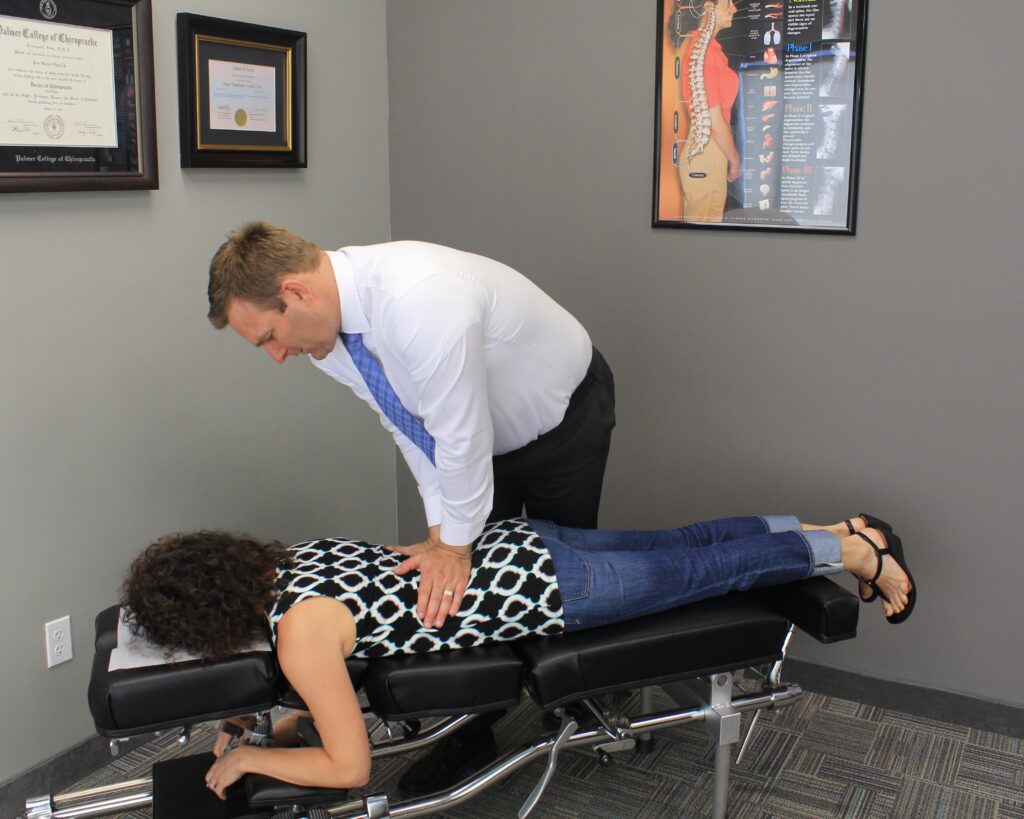
As a local chiropractor, I want to share with you some effective natural methods for relieving back pain that can show results in just 30 days. Many people are surprised to discover that simple practices like heat therapy, daily stretching, and core strengthening exercises can significantly alleviate discomfort and enhance your overall back health. It's not just about the physical techniques; your mindset and the support of your community are vital components of the healing process.
If you're curious about how to create a personalized plan that meets your unique needs, I'm here to help. The journey to a pain-free back begins with understanding a few essential principles of chiropractic care and natural healing. Together, we can work towards restoring your well-being and improving your quality of life.
Understanding Back Pain
As a local chiropractor, I want to help you understand back pain and how we can work together towards relief. Back pain can often feel like a heavy burden, but recognizing its various causes and types is essential for finding the right solutions.
It's important to know that back pain isn't just a singular issue; it can arise from multiple factors, such as muscle strains, herniated discs, or even conditions like arthritis. Identifying the source of your discomfort allows us to address it more effectively.
Acute back pain typically strikes suddenly, often as a result of an injury or a specific incident. This type of pain can be sharp and intense, but it usually resolves within a few days to weeks.
In contrast, chronic back pain persists for longer than three months and may be linked to ongoing issues like degenerative disc disease or spinal stenosis. Understanding whether your pain is acute or chronic is crucial in determining the most appropriate treatment plan.
Next, let's talk about the location of your pain. Are you feeling it in your lower back, upper back, or perhaps radiating down your legs? Each area can indicate different underlying conditions, and recognizing where you experience pain helps us, as your healthcare providers, to pinpoint the cause more accurately.
Finally, it's important to be aware of any additional symptoms you might be experiencing. Numbness, tingling, or weakness in your legs could suggest nerve involvement, which requires immediate attention.
Importance of Posture
As a local Chiropractor, I want to emphasize the vital role that posture plays in your overall back health. Many people may not realize that poor alignment can lead to significant pain and discomfort, making even simple daily activities a challenge.
By prioritizing proper alignment, you can enhance your well-being and alleviate back pain.
In my practice, I often see patients who are unaware of how their posture affects their body. By implementing some straightforward tips for maintaining correct posture, you can actively contribute to your health and reduce discomfort.
Remember, good posture isn't just about standing tall; it's about aligning your body in a way that supports your spine and overall health.
If you have questions or need guidance, I'm here to help you understand how chiropractic care can assist in achieving better posture and improving your quality of life.
Effects of Poor Posture
As a local chiropractor, I often see patients who underestimate the significant impact that poor posture can have on their overall health.
It's surprising how much the way you sit, stand, and move can influence your body. Poor posture can lead to chronic back pain, neck strain, and even persistent headaches. When you slouch or hunch over, you place unnecessary pressure on your spine, which can result in discomfort and misalignment over time.
Additionally, I want to highlight how poor posture can affect your breathing. Slouching can compress your lungs, making it difficult to take deep breaths and limiting your oxygen intake. This can lead to feelings of fatigue, decreased energy, and a sense of sluggishness throughout your day.
Your mood and confidence are also closely tied to your posture. Adopting a closed-off posture can increase feelings of anxiety and stress, while an open and upright posture has the potential to elevate your mood and enhance your self-esteem.
Moreover, it's important to note that poor posture can disrupt digestion. Sitting improperly can compress your organs, leading to uncomfortable issues such as bloating or heartburn.
Recognizing the effects of poor posture is the first step toward making positive changes. By addressing your posture, you can significantly enhance your overall well-being.
As your chiropractor, I'm here to help you understand these concepts and guide you toward a healthier posture and lifestyle.
Tips for Correct Alignment
As a local chiropractor, I want to emphasize the importance of maintaining proper alignment for a healthy spine and overall well-being.
Let's start with your posture, particularly when you're sitting. It's crucial to keep your feet flat on the floor, your knees bent at a right angle, and your back straight against the chair. If you find it difficult to maintain this position, consider using a lumbar support pillow for added comfort and support.
When you're standing, remember to distribute your weight evenly on both feet and avoid locking your knees, as this can lead to misalignment over time.
Now, let's talk about your computer screen. Positioning it at eye level is vital to prevent unnecessary strain on your neck. If you spend long hours at a desk, I encourage you to take regular breaks to stretch and move around. This simple practice can make a significant difference in your spinal health.
If you need to lift heavy objects, always bend at your knees instead of your waist, and keep the object close to your body. This technique helps protect your spine and reduce the risk of injury.
Your sleep environment also plays a key role in spinal health. Choose a mattress that supports your spine's natural curve and opt for a pillow that keeps your neck aligned with your spine. If you're a side sleeper, a thicker pillow may be beneficial, while back sleepers might find a flatter pillow more comfortable.
Lastly, engaging in exercises that strengthen your core muscles is essential, as a strong core supports proper alignment.
Daily Stretching Routine
As your local chiropractor, I want to emphasize the importance of incorporating a daily stretching routine into your life to enhance your back health.
Starting your day with morning stretches can effectively wake up your muscles and prepare your body for the challenges ahead. On the other hand, engaging in evening relaxation techniques can help ease the tension built up throughout the day, promoting a more restful sleep.
By embracing these simple yet powerful practices, you may experience a significant reduction in back pain and an improvement in your overall flexibility.
Morning Stretching Benefits
As a chiropractor, I'm here to share the importance of starting your day with a morning stretching routine, which can significantly enhance your overall well-being. By taking just a few minutes to stretch, you can effectively wake up your muscles and stimulate blood circulation. This simple yet powerful practice not only improves your flexibility, helping to prevent injuries throughout your day, but also supports your body's natural alignment.
Stretching in the morning offers a wonderful opportunity to release tension that may have built up overnight. Many of us may wake up feeling stiff due to sleeping in an awkward position or experiencing a restless night. Engaging in a morning stretch can help alleviate that stiffness, particularly in your back, preparing your body for movement and activity. This not only promotes better posture but also significantly reduces the risk of back pain, which is something we often see in our practice.
Additionally, morning stretching can have a positive impact on your mood and mental clarity. As you incorporate deep breathing into your stretches, you're not only enhancing your physical health but also calming your mind. This mindfulness can lead to increased focus and productivity as you approach your daily responsibilities.
To maximize these benefits, I encourage you to incorporate a variety of stretches that target different muscle groups. Focus on stretches for your back, legs, and arms, and you'll discover that a consistent morning stretching routine sets a positive tone for the rest of your day.
This practice can leave you feeling energized and ready to take on whatever challenges come your way, aligning perfectly with the principles of natural healing that we advocate in chiropractic care.
Evening Relaxation Techniques
As your day comes to a close, I'd like to share some evening relaxation techniques that can work wonders alongside your morning stretching routine, ultimately enhancing your well-being.
These practices not only aid in alleviating back pain but also foster better sleep and relaxation, which are essential for your overall health.
Here's a straightforward evening routine you can try:
- Gentle Yoga: Dedicate 10-15 minutes to gentle yoga stretches. Focus on poses that help relax your spine and hips, such as Child's Pose or Cat-Cow. These movements can promote flexibility and relieve tension in your back.
- Deep Breathing: Spend a few minutes on deep breathing exercises. Inhale deeply through your nose, hold for a few seconds, and then exhale slowly through your mouth. This practice can lower stress levels and prepare your body for restful sleep.
- Foam Rolling: Consider using a foam roller on your back and legs for 5-10 minutes. This technique helps release muscle tension and improve circulation, which can be particularly beneficial if you experience discomfort from daily activities.
- Warm Bath: If your schedule allows, indulge in a warm bath. Adding Epsom salts can enhance the experience, helping to soothe sore muscles and alleviate stress, making it a perfect way to wind down.
Incorporating these simple practices into your evening routine can significantly improve your physical comfort and emotional state, paving the way for a more restorative night's sleep.
I encourage you to give them a try and observe how they complement your chiropractic care.
Strengthening Core Muscles
As a local chiropractor, I want to emphasize the importance of building a strong core for alleviating back pain and enhancing overall stability. Your core muscles, which encompass the abdominals, obliques, and lower back muscles, are fundamental in supporting your spine. Strengthening these muscles can significantly reduce strain on your back and improve your posture, which is vital for your overall health.
To get started, I recommend simple exercises that specifically target your core. Planks are an excellent option because they engage multiple muscle groups simultaneously. For beginners, try a forearm plank and hold it for 20 to 30 seconds. As you become stronger, gradually increase the duration of your hold.
I also suggest incorporating side planks into your routine to effectively work your obliques, which play a crucial role in stabilizing your spine during daily activities.
Another great exercise is the bridge. To perform this, lie on your back with your knees bent and feet flat on the floor. Lift your hips towards the ceiling while squeezing your glutes and engaging your core. Hold this position for a few seconds before lowering back down. Aim for 10 to 15 repetitions to start.
It's also important to focus on your stabilizing muscles. Exercises like bird-dogs, where you extend one arm and the opposite leg while balancing on all fours, can greatly improve your coordination and balance, further supporting your back health.
Consistency is key in this journey. I recommend incorporating core-strengthening exercises into your routine at least three times a week. As you strengthen your core, you may notice a reduction in back pain and an improvement in your overall stability.
Yoga for Back Health
As a local chiropractor, I want to share with you how yoga can be an incredible ally in maintaining and improving your back health. Many people are unaware that incorporating specific yoga poses and breathing techniques into your daily routine can greatly enhance flexibility and alleviate tension in your spine.
By practicing these movements mindfully, you can't only support your back but also promote overall well-being. The gentle stretching and strengthening that yoga offers can complement the adjustments and care you receive in chiropractic treatment, creating a holistic approach to your health.
Let's delve into how these practices can work hand-in-hand with chiropractic care to help you achieve a healthier, pain-free back.
Essential Yoga Poses
As a local chiropractor dedicated to helping you achieve optimal back health, I want to emphasize the importance of incorporating essential yoga poses into your daily routine. These poses aren't only beneficial for promoting flexibility and strength, but they can also significantly alleviate tension in your back.
Here are four key poses I recommend for your practice:
- Cat-Cow Stretch: This gentle, flowing movement is excellent for warming up your spine. It enhances flexibility and helps to relieve stiffness, setting a positive tone for your body's alignment.
- Child's Pose: A restorative stretch, Child's Pose gently relaxes your back and hips. It's a wonderful way to cultivate a sense of calm and release tension after a long day.
- Downward-Facing Dog: This full-body stretch not only strengthens your back and hamstrings but also decompresses the spine. It's a fantastic way to engage multiple muscle groups while promoting overall spinal health.
- Cobra Pose: By opening up your chest and stretching your abdominal muscles, Cobra Pose effectively counters slouching. This is particularly important, as poor posture can contribute to chronic back pain.
I encourage you to integrate these poses into your daily routine, holding each for 30 seconds to a minute. This practice won't only provide immediate relief but will also help build strength over time.
Always listen to your body and feel free to modify the poses as needed. Remember to focus on your breath throughout your practice.
With consistent effort, you'll likely notice a marked improvement in your back health, empowering you to lead a more active and pain-free life. If you have any questions or need further guidance, don't hesitate to reach out. Your journey to better health is important, and I'm here to support you!
Breathing Techniques Benefits
As a chiropractor, I want to share with you the significant benefits of breathing techniques, particularly in relation to your back health. Many people are unaware of how vital our breath is to our overall well-being, especially when it comes to alleviating tension and discomfort in the back.
When you focus on your breath, you create a stronger connection between your mind and body. This connection promotes relaxation, which can help ease tension in your back muscles. Practicing controlled breathing allows for increased oxygen flow to your spine, nourishing the surrounding tissues and helping them recover from strain.
Techniques like diaphragmatic breathing are particularly beneficial. This method engages your core, providing enhanced stability and support for your back. With better stability, you can reduce strain not only during your yoga practice but also in your daily activities.
Additionally, mindful breathing encourages you to remain present in the moment, which can significantly lower stress and anxiety—two common contributors to back pain.
As you develop the habit of deep breathing, you'll likely notice improvements in your posture. Good posture is essential for maintaining back health, and being aware of your breath can help you stay aligned during various activities.
By consistently incorporating breathing techniques into your routine, you not only elevate your yoga experience but also equip yourself with valuable tools to manage and prevent back pain in everyday life.
Mindfulness and Relaxation
As your local chiropractor, I understand that many of you may be unfamiliar with the ways in which natural healing practices can help alleviate back pain. One effective approach is incorporating mindfulness and relaxation techniques into your daily routine. These methods can significantly alleviate stress and tension, which are often key contributors to back discomfort.
When your mind is calm and focused, your muscles can relax, ultimately reducing strain on your back. Here are four practical techniques that I recommend:
- Meditation: I encourage you to dedicate a few minutes each day to focus on your breath. This simple practice can help center your thoughts and diminish anxiety, which often leads to muscle tightness. Consider starting with just a few minutes and gradually increasing the time as you become more comfortable.
- Progressive Muscle Relaxation: This technique involves systematically tensing and then relaxing each muscle group in your body. Begin at your toes and progressively work your way up to your head. This method not only helps you identify areas of tension but also provides a hands-on opportunity to release that tension effectively.
- Mindful Walking: Incorporating mindful walking into your routine can be incredibly beneficial. As you walk, focus on the sensations of your feet making contact with the ground and the rhythm of your breath. This practice fosters body awareness and encourages gentle movement, both of which can alleviate discomfort in your back.
- Visual Imagery: I encourage you to visualize a serene place where you feel safe and at ease. Imagine the sights, sounds, and smells associated with this calming environment. Engaging your imagination in this way can serve as a mental escape, helping to reduce stress and promote a sense of overall well-being.
By integrating these mindfulness and relaxation techniques into your life, you can create a powerful tool for managing back pain and enhancing your overall health.
As your chiropractor, I'm here to support you on your journey to wellness through natural healing methods.
Heat Therapy Benefits
As a local chiropractor, I want to share with you the benefits of heat therapy for relieving back pain, especially if you're new to chiropractic care and natural healing.
Heat therapy is a simple yet powerful technique that can significantly improve your comfort and mobility. By applying heat to the affected area, you enhance blood flow, which helps relax tight muscles and reduce discomfort. This increased circulation brings essential nutrients and oxygen, promoting healing and alleviating stiffness.
There are several effective methods for applying heat. You might consider using a heating pad or a warm towel to target specific areas of pain. For a more holistic approach, a hot bath or shower can provide overall relaxation. Just be cautious with the temperature; it's important to avoid burns by ensuring the heat is comfortable. Aim to apply heat for about 15 to 20 minutes at a time, a few times a day, for optimal results.
One of the most remarkable benefits of heat therapy is its ability to decrease muscle tension. When muscles become tight, they can lead to pain and restrict your movement. Heat therapy works to soften and relax these muscles, improving flexibility and making it easier for you to move. This is especially beneficial after a long day at work or after engaging in physical activity.
Additionally, heat therapy has a calming psychological effect. The warmth creates a soothing sensation that can help to reduce stress and anxiety, both of which are often connected to chronic pain.
Cold Therapy Techniques
As a local chiropractor, I want to share some valuable insights into managing back pain through natural methods, particularly cold therapy.
While many people might be more familiar with heat therapy, cold therapy can be just as effective in alleviating discomfort and promoting healing. It works by reducing inflammation, numbing sore tissues, and ultimately helping to relieve pain. Best of all, it's a straightforward approach that can easily be integrated into your daily routine.
Here are four effective cold therapy techniques I recommend for my patients:
- Ice Packs: One of the simplest methods is using ice packs. Just wrap ice or a cold pack in a thin cloth and apply it to the affected area for about 15-20 minutes. This technique helps diminish swelling and numbs sharp pain, providing much-needed relief.
- Cold Compresses: Another effective method is using cold compresses. Soak a clean cloth in cold water, wring it out, and apply it directly to your back. This method delivers consistent cold without the mess that ice can create, making it a convenient option.
- Gel Packs: For those who prefer a reusable option, gel packs are an excellent choice. You can purchase gel packs that can be heated or cooled, and keeping them in your freezer ensures that you have them on hand when back pain strikes unexpectedly.
- Cold Baths or Showers: If you're up for it, consider taking a cold bath or shower. This can provide relief for your entire body; however, be sure to limit your exposure to cold water to prevent shock.
Incorporating these cold therapy techniques into your pain relief routine can significantly help in managing your discomfort and restoring your mobility.
Remember to always listen to your body and, if your pain persists or worsens, don't hesitate to reach out for professional guidance. Your wellness is my priority, and together we can explore the best natural healing methods for you.
Herbal Remedies
As a chiropractor, I often see patients seeking relief from back pain, and I'm here to share some insights about natural healing options. Herbal remedies can be a beneficial complement to chiropractic care, providing a holistic approach to managing discomfort.
For instance, turmeric and ginger are two well-known herbs that possess anti-inflammatory properties, making them popular choices for pain relief.
It's important, however, to approach these remedies with care. Ensuring you know how to prepare them safely is crucial, as is being aware of any potential interactions with medications you may already be taking.
Before incorporating any herbal remedies into your routine, I recommend discussing them with your healthcare provider or a qualified herbalist. This way, we can work together to create a comprehensive plan that supports your healing journey.
Popular Herbal Options
As a chiropractor, I often emphasize the importance of natural healing methods to support overall well-being, especially when it comes to managing back pain.
Many of my patients are curious about herbal remedies that can complement their chiropractic care. Here are some popular herbal options that may help alleviate your discomfort:
- Turmeric: This vibrant yellow spice is renowned for its anti-inflammatory benefits. The active compound, curcumin, can help reduce pain and inflammation in the back, making it a great addition to your diet.
- Willow Bark: Sometimes called "nature's aspirin," willow bark has been utilized for centuries for its pain-relieving properties. It contains compounds that can help alleviate various types of pain, including back pain.
- Ginger: Known for its digestive benefits, ginger also boasts anti-inflammatory effects. Incorporating ginger into your meals or sipping ginger tea can be an effective way to find relief.
- Devil's Claw: While it may not be as well-known, this herb has shown promising results in reducing back pain and enhancing mobility. It's typically available in supplement form.
Integrating these herbs into your routine may enhance your back pain management alongside chiropractic adjustments.
However, it's crucial to consult with a healthcare professional—like myself—before trying new remedies, especially if you're currently taking other medications.
Preparing Herbal Remedies
As a local chiropractor, I want to share with you the benefits of creating herbal remedies at home, which can complement your chiropractic care and enhance your overall well-being. Understanding these natural healing options can be both simple and rewarding.
To get started, consider incorporating herbs known for their anti-inflammatory properties, such as turmeric, ginger, or willow bark. Ensure you have either fresh or dried herbs, a clean workspace, and the necessary tools, which may include a mortar and pestle, jars, or a saucepan.
One of the easiest ways to utilize these herbs is by making herbal teas. By steeping your chosen herbs in hot water for 10-15 minutes, you can effectively extract their healing properties. Strain the mixture, and you have a soothing drink that may help alleviate discomfort.
Another method is creating tinctures by soaking herbs in alcohol or vinegar for several weeks. This allows you to capture the essence of the herbs, resulting in a potent remedy that can support your healing journey.
For those dealing with muscle or joint pain, infused oils can be effective. Combine your herbs with a carrier oil, such as olive or coconut oil, and gently heat them over low heat for a few hours. Once strained, you'll have an oil that can be applied topically to soothe sore areas.
Remember to store your herbal remedies in dark glass containers to preserve their potency. By preparing these remedies at home, you're taking a proactive approach to your health and exploring natural options that can work alongside chiropractic treatment for back pain relief.
Embracing these methods can empower you in your journey toward healing and wellness.
Safety Considerations
As your chiropractor, your safety is our top priority when it comes to exploring herbal remedies for your health. While these natural options can be beneficial, it's essential to approach them with caution, especially since some herbs may interact with medications or lead to unintended side effects.
Here are some guidelines to help you use herbal treatments safely:
- Consult with Us: Before incorporating any herbal remedies into your wellness routine, please have a conversation with me or your primary healthcare provider. This is especially important if you're currently taking medications or have existing health concerns.
- Educate Yourself: Take the time to learn about the specific herbs you're interested in. For instance, some common herbs like St. John's Wort can affect the effectiveness of certain medications, including antidepressants and birth control pills.
- Start with Caution: If you decide to try a new herbal remedy, begin with a small dose. This allows you to gauge how your body responds. If you experience any negative reactions, such as discomfort or unusual symptoms, discontinue use right away.
- Watch for Interactions: Be mindful of how herbal remedies interact with your overall health regimen. If you're combining herbs with other treatments, pay close attention to how you feel. Symptoms like dizziness, nausea, or signs of an allergic reaction shouldn't be ignored.
By following these guidelines, we can work together to enhance your health and well-being in a safe and informed manner.
Always feel free to ask questions or share any concerns you may have during your visits.
Essential Oils for Relief
As a chiropractor, I often see patients seeking relief from back pain, and I want to share with you how essential oils can be a valuable addition to your pain management strategy. These concentrated plant extracts possess remarkable therapeutic properties that can help alleviate discomfort and promote relaxation.
When considering essential oils for pain relief, I recommend focusing on oils like peppermint, lavender, eucalyptus, and rosemary. Each of these oils has unique qualities that can target pain in different ways.
To incorporate essential oils into your daily routine, start by using them topically. It's important to dilute a few drops of your chosen oil with a carrier oil, such as coconut or jojoba oil. Gently massage this mixture into the areas where you feel pain. Not only will this soothing application help ease tension, but it can also enhance circulation, which is vital for healing.
Another effective method is to use essential oils in a diffuser. Aromatherapy can create a calming atmosphere, which is essential for reducing stress that may contribute to your back pain. Simply add a few drops of your preferred oil to water in the diffuser and allow the gentle mist to fill your space.
If you're looking for a more immersive experience, consider adding essential oils to your bath. A warm soak infused with oils like chamomile or marjoram can provide significant relief, allowing your muscles to unwind and relax as you soak away the tension.
By integrating essential oils into your wellness routine, you can complement the benefits of chiropractic care and enhance your overall approach to managing back pain naturally.
Always consult with a healthcare professional before starting any new treatment to ensure it's appropriate for your individual situation.
Acupuncture Insights
As a local chiropractor, I often encounter patients seeking relief from back pain through conventional methods. However, I want to introduce you to a complementary approach that can effectively address not just the symptoms, but the underlying issues: acupuncture.
This ancient practice involves the insertion of thin needles at specific points throughout the body, promoting healing and balance. If you're curious about how acupuncture can help with your back pain, here are four key insights:
- Holistic Approach: Acupuncture goes beyond simply alleviating pain; it aims to uncover and treat the root causes. By focusing on the body's energy flow, it helps restore balance, which can lead to lasting relief from discomfort.
- Pain Reduction: Many patients report notable pain relief after just a few acupuncture sessions. The process stimulates the release of endorphins, which are your body's natural painkillers, providing a safe and effective way to manage pain.
- Personalized Treatment: Each acupuncture session is customized to meet your individual needs. Your acupuncturist will conduct a thorough assessment of your condition, tailoring the treatment to target your specific symptoms for optimal results.
- Minimal Side Effects: In comparison to traditional medications, acupuncture generally has fewer side effects. Most individuals experience little to no discomfort during the procedure, making it a safe and appealing alternative for pain management.
By incorporating acupuncture into your wellness routine, you may find an effective way to address back pain while also promoting overall health.
It's a natural healing method worth considering on your journey to recovery.
Chiropractic Adjustments
As a local chiropractor, I want to share how chiropractic adjustments can provide substantial relief for your back pain by enhancing your alignment and mobility.
We utilize a variety of techniques during these adjustments, each customized to meet your individual needs.
It's important to understand the numerous benefits of chiropractic care, as this knowledge can empower you to make informed decisions about your healing journey.
By addressing the root causes of discomfort, we focus on promoting natural healing and improving your overall well-being.
If you're curious about how chiropractic care can help you, I'm here to guide you through the process and answer any questions you may have.
Benefits of Chiropractic Care
As a local chiropractor dedicated to helping our community, I want to share the many benefits of chiropractic care, especially for those seeking relief from back pain.
Chiropractic adjustments are a natural and effective way to enhance your well-being and regain your quality of life. Here are four key advantages that you may find helpful:
- Pain Relief: Many of our patients experience significant reductions in pain levels after chiropractic adjustments. This allows for increased mobility and comfort in everyday activities.
- Improved Mobility: Regular chiropractic adjustments can enhance your range of motion. This improvement makes daily tasks easier and more enjoyable, whether it's playing with your kids or simply getting out of bed in the morning.
- Increased Functionality: By focusing on aligning your spine and joints, chiropractic care can boost your overall body function. This means you can perform better at work, enjoy your hobbies more, and engage in physical activities without discomfort.
- Holistic Approach: At our practice, we emphasize treating the underlying causes of pain rather than just alleviating symptoms. This holistic approach promotes long-term health and wellness, helping you achieve a balanced state of body and mind.
Incorporating chiropractic care into your routine can lead to lasting relief from back pain and a more vibrant lifestyle.
If you're exploring natural ways to alleviate your discomfort, I invite you to consider chiropractic adjustments as a viable option. Let's work together towards a healthier, pain-free future!
Techniques Used in Adjustments
As a local chiropractor, my goal is to help you understand the various techniques we use in adjustments so that you feel empowered to make informed decisions about your back pain relief. Each method is specifically designed to address the unique issues you may be experiencing.
One of the most common techniques we employ is the Diversified Technique. This method involves high-velocity thrusts aimed at quickly realigning your joints. Many of my patients report feeling a popping sensation during this process, which is simply the release of gas from your joints.
If you prefer a gentler approach, the Activator Technique may be more suitable for you. This technique uses a small handheld device to deliver gentle impulses to your spine, making it an excellent option for those who may be apprehensive about more forceful adjustments.
For patients dealing with chronic pain, I often recommend the Gonstead Technique. This method involves a detailed analysis of your spine, ensuring that adjustments are precise and effective. It places a strong emphasis on proper posture and biomechanics, which can be crucial for long-term relief.
Another technique I use is the Thompson Technique, which features a specialized table that drops slightly when a thrust is applied. This design enhances the effectiveness of the adjustment while minimizing the need for excessive force.
It's important to note that these techniques aren't one-size-fits-all. During your initial consultation, I'll assess your condition thoroughly and recommend the approach that best suits your needs.
Massage Therapy Options
As a local chiropractor, I want to share some valuable insights about how massage therapy can complement your journey towards alleviating back pain. Many people may not be familiar with the various techniques available, but understanding these options can empower you to make informed decisions about your care.
Here are four popular massage therapy methods that I often recommend to my patients:
- Swedish Massage: This technique is ideal for those who seek relaxation. It involves long, flowing strokes, kneading, and circular motions that can help reduce tension in your back and promote an overall sense of well-being. It's a great starting point for anyone new to massage therapy.
- Deep Tissue Massage: If you're experiencing chronic pain or muscle tightness, deep tissue massage may be more beneficial for you. This method dives deeper into the layers of muscles and connective tissues, which can help release long-standing tension and improve blood flow, facilitating healing and recovery.
- Trigger Point Therapy: For localized pain, trigger point therapy is an effective approach. It focuses on specific areas known as trigger points, where tightness can cause discomfort. By applying targeted pressure, this technique can relieve pain quickly, often providing immediate relief from discomfort.
- Myofascial Release: This gentle approach targets the fascia, the connective tissue surrounding your muscles. Myofascial release uses sustained pressure to alleviate tension in this tissue, which can lead to a significant reduction in pain and tightness throughout your back.
I encourage my patients to explore these massage techniques, as each one can be customized to meet your specific needs.
By integrating regular massage therapy into your routine, you may experience lasting improvements in your back pain and an enhanced quality of life.
Foam Rolling Techniques
As a local chiropractor, I want to share with you the incredible benefits of foam rolling, especially for alleviating back pain and enhancing your mobility.
Foam rolling can truly be a game changer in your recovery journey. By utilizing various techniques, you can specifically target different areas of tension in your body, helping to release tightness and promote overall recovery.
However, it's important to approach foam rolling with care. I always emphasize the importance of following safety tips and precautions to ensure that you roll effectively without risking injury.
If you're new to this practice, I encourage you to ask questions and seek guidance. Together, we can incorporate foam rolling into your wellness routine to support your body's natural healing process.
Benefits of Foam Rolling
Have you ever experienced muscle tightness after a long day? As a local chiropractor, I want to introduce you to the benefits of foam rolling, a simple yet effective technique that can significantly improve your well-being. Many of my patients have found it helpful for relieving muscle tension.
Here are some key advantages you'll likely experience:
- Increased Blood Flow: Foam rolling is excellent at promoting circulation, which means more oxygen and nutrients are delivered to your muscles. This enhanced blood flow can speed up recovery and boost your performance, making it a valuable addition to your routine.
- Reduced Muscle Soreness: If you're someone who often feels sore after workouts, regular foam rolling can help alleviate that discomfort. This means you'll be able to stay active and committed to your fitness goals without the hindrance of post-exercise soreness.
- Improved Flexibility: Foam rolling works to break down knots and adhesions in your muscles. This can lead to increased flexibility and a greater range of motion, making daily activities and exercise much easier to perform.
- Stress Relief: Taking just a few minutes to foam roll can serve as a wonderful form of self-care. It helps relieve stress and promote relaxation, both of which are essential for overall health and wellness.
Incorporating foam rolling into your daily routine isn't just about alleviating pain; it's about enhancing your overall quality of life and ensuring your body functions at its best.
If you haven't tried it yet, I encourage you to give foam rolling a chance—you might be surprised by how much better you feel!
Techniques for Target Areas
As a local chiropractor dedicated to your health and well-being, I want to share some valuable techniques for using foam rolling to target specific areas of tension in your body. Understanding these methods can greatly enhance your overall wellness and aid in natural healing.
Let's start with your lower back. Begin by sitting on the floor and placing the foam roller under your lower back. Gently roll side to side and up and down, taking your time to focus on any tight spots you may encounter. This motion can help alleviate discomfort and improve mobility.
Next, let's address your upper back. Lie on the roller horizontally, allowing it to support your shoulder blades. Lift your hips and roll slowly from your upper back to your mid-back, pausing on any tender areas. This technique can provide significant relief and promote better posture.
Now, we'll target your glutes. Sit on the roller and cross one ankle over the opposite knee. Lean slightly toward the crossed leg and roll over the glute muscle. After about a minute or two, switch sides. This can help release tension in the gluteal region, which is often overlooked.
Don't forget about your hamstrings! Sit with your legs extended in front of you and place the roller under your thighs. Lift your hips and roll from your knees to your glutes, stopping on any tight areas that you find. This practice can enhance flexibility and support your lower body strength.
Finally, let's focus on your calves. Sit with your legs extended again and place the roller under one calf. Lift your hips and roll from your ankle to your knee. This is a great way to relieve tightness and improve circulation in your lower legs.
Incorporating these foam rolling techniques into your routine can be an excellent complement to your chiropractic care. They help relieve tension, improve circulation, and contribute to your overall health.
If you have any questions or need further guidance, feel free to reach out during your next visit!
Safety Tips and Precautions
As a local chiropractor, I often encourage my patients to incorporate foam rolling into their wellness routines. Foam rolling can provide remarkable benefits for muscle recovery and overall mobility.
However, it's crucial to prioritize safety to avoid injury and ensure you get the most out of this technique. Here are some important safety tips to keep in mind:
- Start Slow: If you're new to foam rolling, it's best to ease into it. Begin with gentle pressure and gradually increase the intensity as your muscles adapt. This helps prevent unnecessary strain or discomfort.
- Avoid Bony Areas: Focus your rolling on muscle tissue instead of bony areas and joints. Rolling over bones can cause discomfort and may lead to injury. Your goal is to target the soft tissues that need attention.
- Use Proper Technique: When foam rolling, maintain a controlled and steady movement. Avoid bouncing or rushing through the process; instead, take your time to slowly roll over each muscle group. This approach will yield better results and enhance your recovery.
- Listen to Your Body: It's essential to tune into how your body responds during and after foam rolling. If you encounter sharp pain or significant discomfort, it's a sign to stop and reassess your technique.
Don't hesitate to reach out to me or another professional for guidance if you're unsure.
By following these tips, you can safely enjoy the benefits of foam rolling as part of your journey towards better health and wellness.
Walking for Wellness
As a local chiropractor, I want to share with you the incredible benefits of walking for wellness, especially when it comes to alleviating back pain. Many people underestimate the power of this simple activity, but when you incorporate regular walking into your daily routine, you engage your muscles and improve your posture—two crucial factors in reducing discomfort.
To get started, it's important to set realistic goals for yourself. Aim for a brisk 10 to 15-minute walk each day, and as your body adjusts, gradually increase the duration.
While walking, focus on maintaining good posture; keep your head up, shoulders back, and engage your core. This proper alignment supports your spine and can help prevent further strain, which is essential for your overall spinal health.
Choosing the right footwear can't be overlooked. Investing in supportive shoes that offer cushioning and stability is vital. Wearing poor footwear can lead to additional pain in your back or joints, so make sure to select shoes that promote proper alignment and comfort.
I also encourage you to explore varied terrain. Start on flat, even surfaces, and as you feel more comfortable, incorporate gentle slopes or trails into your walks. This variation helps strengthen different muscle groups and keeps your walking routine engaging.
As you walk, listen to your body. If you experience any discomfort, don't hesitate to slow down or take a break.
Remember, consistency is key. By making walking a regular part of your life, you'll not only enhance your physical health but also boost your mental well-being. This holistic approach can be a natural way to manage your back pain effectively.
If you have any questions or would like more personalized advice, feel free to reach out. Embracing walking as a part of your wellness journey can make a significant difference in your overall health!
Swimming and Water Therapy
As a local chiropractor, I want to share with you the remarkable benefits of swimming and water therapy for alleviating back pain. Engaging in water-based exercises can significantly aid in strengthening your muscles while offering gentle support that minimizes strain on your spine.
The natural resistance of water allows for effective workouts that can enhance your overall strength and stability.
Additionally, stretching in water can greatly improve your flexibility and promote relaxation, making it an excellent choice for managing discomfort.
By incorporating swimming and water therapy into your routine, you can take a proactive approach to your back health and overall well-being.
Benefits of Swimming
As a local chiropractor, I want to share with you the amazing benefits of swimming, especially if you're experiencing back pain or discomfort. Swimming is a fantastic low-impact exercise that can help alleviate tension in your muscles and joints while promoting overall physical health.
Here are some key benefits you can enjoy from incorporating swimming into your routine:
- Improved Flexibility: The buoyancy of water allows your body to move freely, which can enhance your flexibility and range of motion. This is particularly beneficial for those with back pain, as it helps you stretch and strengthen muscles without putting undue stress on your spine.
- Strength Building: When you swim, you're engaging various muscle groups. This not only helps to build overall strength but particularly enhances the strength of your core muscles, which play a crucial role in supporting your spine and maintaining proper posture.
- Stress Reduction: The rhythmic movements and the calming environment of the water can significantly lower stress levels. Reducing stress is important because tension and anxiety can often exacerbate pain, including back discomfort.
- Joint Relief: One of the greatest advantages of swimming is its low impact on your joints. The buoyancy of water minimizes the stress placed on your joints, allowing you to exercise and strengthen your body without worsening your back pain.
Incorporating swimming into your exercise routine can be a wonderful complement to chiropractic care, helping you achieve a healthier, pain-free lifestyle.
If you have any questions or need personalized advice, feel free to reach out for a consultation.
Water Resistance Therapy
As a local chiropractor, I want to introduce you to the incredible benefits of water resistance therapy, especially if you're struggling with back pain. When you immerse yourself in water, the buoyancy helps to alleviate pressure on your spine, allowing you to move more freely without the discomfort that often accompanies back pain.
The gentle resistance of the water is excellent for strengthening your core and back muscles, which play a crucial role in supporting your spine.
You don't need to be a proficient swimmer to take advantage of this therapy. Simple activities such as walking or jogging in the water can effectively engage your muscles while keeping impact to a minimum.
Even activities like treading water can boost your endurance and flexibility—two key factors in preventing future pain.
I highly recommend considering a water aerobics class or reserving time at a local pool. Many of these settings offer structured activities aimed specifically at enhancing back health.
You can also adjust your routine to your comfort level; start gently and gradually increase the intensity as you build strength.
Regularly participating in water resistance therapy not only helps alleviate physical discomfort but also contributes positively to your mood, addressing the emotional challenges that often accompany chronic pain.
I encourage you to dive into water resistance therapy—it could become a vital component of your back pain relief strategy.
Stretching in Water
As a chiropractor dedicated to promoting natural healing, I want to share how stretching in water can be an incredibly effective method for relieving back pain.
The buoyancy of water provides support to your body, allowing for free movement without the stress typically placed on your spine. By integrating water-based stretching into your routine, you can experience significant relief and enhanced flexibility.
Here are four valuable stretches to consider while in the water:
- Torso Twist: Position yourself in waist-deep water and gently twist your torso from side to side. This movement can help release tension in your lower back and improve mobility.
- Child's Pose: Kneel in the water and extend your arms forward as you sit back on your heels. This position not only helps to elongate your spine but also relaxes tight muscles, promoting a sense of calm.
- Seated Forward Bend: Find a spot in the shallow end, sit with your legs extended, and lean forward slowly. You'll feel a soothing stretch in your hamstrings and lower back, which can alleviate discomfort.
- Knee-to-Chest: While floating on your back, bring one knee to your chest at a time. This gentle motion stretches your lower back and encourages relaxation, helping to ease tension.
Incorporating these stretches into your water therapy routine can significantly support your journey toward relieving back pain and enhancing overall well-being.
Ergonomic Workspaces
As a local chiropractor dedicated to your health and well-being, I want to emphasize the importance of creating an ergonomic workspace to significantly reduce back pain and enhance your overall comfort while you work.
By making a few adjustments to your environment, you can promote better posture and decrease the strain on your back, which is essential for maintaining your spinal health.
Let's start with your chair. It's crucial to choose one that provides adequate support for your lower back and allows your feet to rest flat on the floor. If your chair isn't adjustable, a simple lumbar cushion can make a world of difference in providing the support you need.
The height of your desk is equally important; it should allow your elbows to remain at a 90-degree angle while typing. If your desk is too high or low, you may find yourself leaning or slouching, which can lead to discomfort and exacerbate any existing back issues.
Next, let's talk about your computer screen. Positioning it at eye level is key to preventing neck strain and shoulder tension. The top of the monitor should ideally be at or just below eye level, with the screen about an arm's length away.
If you find it difficult to achieve this position, consider investing in a monitor stand.
Now, let's discuss your keyboard and mouse. These should be positioned close together and at the same height as your elbows. This minimizes excessive reaching and encourages a more relaxed posture, which is vital for preventing injuries.
Lastly, remember to take regular breaks to stand up, move around, and stretch. Standing up every hour can help reset your posture and alleviate tension throughout your body.
By creating an ergonomic workspace tailored to your needs, you'll not only reduce back pain but also boost your productivity and overall well-being.
As your chiropractor, I'm here to support you on this journey to a healthier, pain-free lifestyle.
Sleep Position Adjustments
As a local chiropractor, I want to share with you how adjusting your sleep position can significantly impact your back health.
It's essential to consider the best sleep positions, utilize proper pillow support, and choose the right mattress to provide the necessary support for your spine.
Making these adjustments can help alleviate back pain and enhance your overall sleep quality.
Remember, a good night's sleep is crucial for your body to heal and rejuvenate, and taking these steps can lead to a healthier, happier you.
If you have any questions or need guidance on these changes, feel free to reach out for more information!
Ideal Sleep Positions
As a local chiropractor, I often see patients struggling with back pain, and one of the key factors that can greatly influence your comfort is your sleep position.
By adjusting how you sleep, you can significantly reduce pressure on your spine and enhance your overall well-being. Here are four ideal sleep positions I recommend for better spinal health:
- Sleeping on Your Back: This position is excellent for maintaining the natural curve of your spine. I suggest placing a pillow under your knees. This simple adjustment provides added support and can minimize strain on your lower back, making it a great choice for many.
- Side Sleeping: If you're more comfortable sleeping on your side, consider tucking your knees slightly toward your chest. This position can help keep your spine aligned and prevent any unnecessary twisting, which is crucial for alleviating discomfort.
- Fetal Position: Many find relief by curling up in a fetal position, especially those dealing with herniated discs. However, be mindful not to curl too tightly, as this can lead to additional strain on your back. A gentle curl is usually best.
- Using a Body Pillow: If you opt to sleep on your side, incorporating a body pillow can be beneficial. It helps maintain better spinal alignment and offers comfort throughout the night, allowing you to wake up feeling more refreshed.
I encourage you to experiment with these positions to discover what works best for you.
With consistent practice, you may notice a gradual improvement in your back pain over time.
Pillow Support Techniques
When it comes to enhancing your sleep position, the right pillow support can greatly impact your comfort and spinal alignment. As a chiropractor, I emphasize that selecting the right pillow goes beyond just how fluffy it feels; it's crucial for promoting proper neck and spine alignment based on how you sleep.
For those of you who sleep on your back, I recommend a medium-thick pillow. This type of pillow supports the natural curve of your neck and helps maintain the proper alignment of your spine.
If you're a side sleeper, a firmer and thicker pillow is essential. It fills the gap between your head and the mattress, ensuring that your neck stays aligned with your spine.
If you find yourself sleeping on your stomach, it's best to choose a thin, soft pillow or even forgo a pillow altogether to avoid straining your neck. An additional tip is to place a pillow under your pelvis; this can alleviate pressure on your lower back and promote better alignment.
I encourage you to experiment with different pillows to discover what works best for you. Your pillow should provide adequate support while keeping your spine in a neutral position.
Mattress Selection Tips
As a local chiropractor, I want to emphasize how crucial a good mattress is for your overall health and well-being, especially when it comes to sleep quality and back pain management.
Many of my patients often overlook the importance of selecting the right mattress, which can significantly impact their spinal health. Here are some tailored recommendations based on your sleeping position:
- Back Sleepers: If you tend to sleep on your back, I recommend a medium-firm mattress. This type provides adequate support for your spine while allowing for some contouring to accommodate its natural curve. This balance can help alleviate tension and improve alignment, leading to a more restful sleep.
- Side Sleepers: For those who prefer sleeping on their side, a softer mattress is ideal. This type will cushion your shoulders and hips, reducing pressure points and ensuring that your spine remains aligned. Proper alignment is crucial for reducing discomfort and promoting healing.
- Stomach Sleepers: If you sleep on your stomach, it's essential to choose a firmer mattress. A firmer surface helps to keep your hips from sinking too low, which can cause misalignment of the spine. Maintaining proper alignment is key to preventing pain and discomfort in the morning.
- Combination Sleepers: If you find yourself changing positions throughout the night, a medium-firm mattress could be the best fit for you. This type strikes a balance between support and comfort, allowing your body to adapt to various positions without compromising spinal alignment.
Remember, the right mattress can play a significant role in your overall health, helping to support your chiropractic care and natural healing journey.
If you're unsure about what to choose, feel free to ask for more personalized advice during your next visit!
Nutrition for Bone Health
As a local chiropractor, I want to emphasize the vital role that strong bones play in your overall health and well-being. Proper nutrition is essential for maintaining bone strength and resilience, and I encourage you to focus on key nutrients that support your bone health.
Calcium and vitamin D are two of the most important nutrients for building and maintaining strong bones. You can find calcium in foods like dairy products—such as milk, cheese, and yogurt—as well as in leafy greens, almonds, and fortified options. Aim for a daily intake of at least 1,000 mg of calcium, increasing to 1,200 mg after age 50 to ensure your bones stay strong as you age.
Vitamin D is crucial because it helps your body absorb calcium effectively. While sunlight is an excellent natural source of vitamin D, you can also obtain it from fatty fish, egg yolks, and fortified foods. If you find it challenging to get enough vitamin D through diet and sun exposure, consider discussing a supplement with me during your next visit.
Another essential nutrient for bone health is protein. It not only aids in calcium absorption but also helps maintain bone density. Incorporate sources of protein into your diet, such as lean meats, poultry, fish, legumes, and nuts, to support your bone structure.
Additionally, don't overlook the importance of magnesium and potassium. These minerals also contribute to bone health. Foods like bananas, sweet potatoes, and whole grains can help you meet your daily requirements.
As you focus on nourishing your body with these critical nutrients, it's equally important to limit processed foods, excessive salt, and high-sugar snacks, as they can negatively affect your bone health.
By adopting a balanced diet rich in these essential nutrients, you not only strengthen your bones but also enhance your overall well-being.
Let's work together on making these dietary changes, and your bones will thank you for it in the long run. If you have any questions about how nutrition interacts with chiropractic care and natural healing, feel free to ask during your next appointment!
Hydration and Back Pain
As your local chiropractor, I want to emphasize the crucial role that proper hydration plays in both preventing and alleviating back pain. When you stay well-hydrated, your body operates more efficiently, which is vital for your muscles and joints that provide essential support to your spine.
On the flip side, not drinking enough water can lead to muscle cramps and stiffness, which can make back pain worse. Here are some important points to consider:
- Joint Lubrication: Water is essential for maintaining synovial fluid in your joints, acting as a natural lubricant. This helps to reduce friction and can prevent pain when you move.
- Transporting Nutrients: Staying hydrated ensures that your muscles and spinal discs receive the essential nutrients they need, which promotes healing and helps to reduce inflammation.
- Muscle Function: Dehydration can cause muscle fatigue and even spasms. By keeping your body hydrated, you support muscle elasticity, enabling them to effectively support your back.
- Disc Health: The intervertebral discs in your spine are primarily made up of water. Adequate hydration is key to maintaining their structure and function, which lowers the risk of injury.
I encourage you to make it a habit to drink water throughout the day, aiming for at least eight 8-ounce glasses. Incorporating hydrating foods like fruits and vegetables can also boost your overall fluid intake.
By prioritizing hydration, you're taking an important step toward managing and preventing back pain. So, grab your water bottle and keep sipping—your back will thank you for it!
Limit Stress Factors
As a chiropractor, I want to emphasize how stress factors can significantly affect your back health, leading to tension and discomfort. When you're under pressure, your muscles often tighten, which can worsen any existing pain. It's crucial to identify and limit these stress factors in your life to help alleviate back pain.
Begin by evaluating your daily routine. Take a moment to reflect on whether there are specific situations or individuals that consistently elevate your stress levels. By identifying these triggers, you can take proactive steps to minimize their influence. For example, if your work environment is a major source of stress, consider setting clear boundaries. Communicate your needs to your colleagues and supervisors to avoid becoming overwhelmed.
Next, let's talk about time management. Are you taking on too much? Remember, saying "no" is a powerful tool that can help you regain control. Prioritize your responsibilities and focus on what truly matters to you. This approach will help reduce the chaos in your life that contributes to stress.
It's also important to make time for activities that bring you joy and relaxation. Whether it's reading, gardening, or spending quality time with friends, engaging in enjoyable pursuits can help counterbalance stress. Even taking short breaks throughout your day can recharge your mind and body.
Lastly, consider your environment. A cluttered space can contribute to feelings of unease and increase stress levels. Taking the time to organize your surroundings can create a more calming atmosphere, which is beneficial for stress reduction and overall well-being.
Breathing Exercises
As a local chiropractor, I want to share with you some effective breathing exercises that can be instrumental in managing back pain and alleviating tension throughout your body.
When you pay attention to your breath, not only do you promote relaxation, but you also enhance the flow of oxygen in your body, which can significantly help in reducing pain.
Here's how you can easily integrate these breathing techniques into your daily routine:
- Diaphragmatic Breathing: Find a comfortable position, whether sitting or lying down. Place one hand on your chest and the other on your belly. Breathe deeply through your nose, allowing your belly to rise while keeping your chest relatively still. Slowly exhale through your mouth. Aim to repeat this for 5-10 minutes to help ease tension in your back.
- 4-7-8 Breathing: This method involves inhaling through your nose for a count of 4, holding your breath for a count of 7, and then exhaling through your mouth for a count of 8. This technique not only encourages relaxation but also helps to reduce stress, which can often be a contributing factor to back pain.
- Box Breathing: In this structured exercise, you inhale for a count of 4, hold your breath for another count of 4, exhale for a count of 4, and then hold again for 4. This rhythmic cycle can help you regain focus and calm your mind, which in turn aids in alleviating tension in your back muscles.
- Extended Exhalation: Start by inhaling through your nose for a count of 4. Then, exhale slowly through pursed lips for a count of 6 or even longer. This technique is particularly effective in activating your relaxation response and can help relieve accumulated pressure in your body.
By incorporating these breathing exercises into your daily life, you can support your healing process and enhance your overall well-being.
Daily Activity Modifications
As a local chiropractor, I want to share some simple modifications you can make to your daily activities that can significantly reduce back pain and enhance your overall comfort. One of the first steps is to pay close attention to your posture throughout the day. Whether you're sitting, standing, or walking, maintaining a neutral spine is crucial for your spine's health.
When you're sitting, opt for a chair that offers adequate support for your lower back. Ensure your feet are flat on the floor. If your work involves long hours at a desk, I recommend considering a standing desk or taking regular breaks to stretch your muscles and relieve tension.
When lifting objects, remember to bend at your knees instead of your waist. Keep the item close to your body and engage your core muscles to provide support for your back. Avoid twisting your torso while lifting; instead, pivot your feet to turn your body in a safe manner.
If your routine keeps you on your feet, it's essential to wear supportive footwear. Steer clear of high heels or flip-flops that offer little stability. This practice not only helps your back but contributes positively to your overall health as well.
Incorporating gentle movements into your daily routine can also be beneficial. Activities like walking or swimming are excellent low-impact options that keep you active without putting strain on your back. Gentle stretching or yoga can also help improve your flexibility and strength, which are vital for a healthy spine.
Lastly, consider how you engage in leisure activities. If you enjoy gardening or sports, take regular breaks and use proper techniques to minimize any potential strain.
By implementing these modifications, you'll likely find that your daily life becomes more comfortable, enabling you to enjoy your favorite activities without the persistent discomfort of back pain.
Tracking Pain Triggers
As a local chiropractor, I want to emphasize the importance of identifying pain triggers as a crucial step in effectively managing your back pain. Understanding what worsens your discomfort allows you to take proactive measures to avoid these triggers, ultimately leading to a better quality of life.
One of the most effective ways to do this is by keeping a detailed pain journal, which can provide valuable insights into the patterns and potential causes of your pain.
Here are four straightforward steps to help you track your pain triggers:
- Record Your Daily Activities: Start by documenting everything you do throughout the day. Make a note of the time you spend on various activities, such as sitting, standing, or lifting objects. This will help us understand how your daily routines may contribute to your discomfort.
- Rate Your Pain: After each activity, take a moment to rate your pain on a scale from 1 to 10. This quantification will allow you to identify which activities correlate with higher levels of discomfort, providing us with valuable information for your treatment plan.
- Monitor Your Posture: It's important to pay attention to your posture during daily tasks. Poor posture can lead to increased strain on your back. Make a note of any positions that cause discomfort, as this can help us identify areas where adjustments or corrective exercises may be beneficial.
- Identify Emotional Factors: Your emotional well-being can significantly impact your pain levels. Keep track of any stressful events or emotional states that coincide with increased pain. Understanding the connection between stress and physical discomfort can be an important part of your healing journey.
By following these steps, you'll be better equipped to communicate your experiences with me, allowing us to work together towards a natural and effective approach to managing your back pain.
Supportive Footwear
As a local chiropractor, I want to emphasize the significant role that supportive footwear plays in managing and alleviating back pain. It's something that many people tend to overlook, but the right shoes can make a world of difference in how your body feels. Proper footwear provides essential support for your feet, which in turn supports your entire body, including your spine.
When you wear shoes that lack adequate arch support or cushioning, it can lead to strain in your back muscles, resulting in discomfort and pain. This is why choosing the right footwear is crucial. Look for shoes that prioritize comfort and stability. Features to look for include good arch support, cushioned insoles, and a firm heel counter. These elements help distribute your weight evenly, alleviating pressure on your spine and reducing the risk of pain.
If you have specific foot issues like flat feet or high arches, I recommend considering custom orthotics. These can provide enhanced support and alignment, tailored to your unique needs.
Heel height is another important factor to consider. High-heeled shoes can disrupt your body's alignment and worsen back pain, so it's best to opt for low-heeled or flat shoes that keep your feet and spine in proper alignment. When you walk, aim for a stable and supported step.
Lastly, don't forget about your daily activities. If you're exercising or spending long hours on your feet, it's vital to choose athletic shoes that are specifically designed for your activity. These shoes typically offer extra support and cushioning, which can have a significant impact on your comfort and overall wellbeing.
Avoiding Heavy Lifting
As a local chiropractor, I often see the effects of heavy lifting on patients' backs. It can lead to pain and discomfort that may persist long after the task is finished. Understanding how to avoid heavy lifting is crucial for maintaining a healthy spine.
Here are some practical tips I recommend to help you minimize strain on your back:
- Assess the Load: Before you lift anything, take a moment to evaluate its weight. If it feels heavy or awkward, don't hesitate to ask for assistance or utilize tools like dollies or carts. This proactive approach can save you from unnecessary strain.
- Use Proper Techniques: If lifting is unavoidable, remember to bend your knees, keep your back straight, and lift with your legs rather than your back. This technique helps distribute the weight more evenly, which can significantly reduce the stress on your spine.
- Break It Down: One effective strategy is to break larger items into smaller, more manageable pieces. Not only does this make lifting easier, but it also lowers the risk of injury, allowing you to protect your back better.
- Listen to Your Body: Your body communicates with you, especially when it comes to lifting. If you start to feel any discomfort in your back while lifting, it's crucial to stop immediately and reassess your technique or seek help.
By following these tips, you can help safeguard your back from the potential injuries associated with heavy lifting.
Mindful Movement Practices
Incorporating mindful movement practices into your daily routine can significantly improve your overall well-being and help alleviate back pain. As your local chiropractor, I want to emphasize how these practices focus on awareness of your body and its movements, allowing you to connect more deeply with how you feel.
By concentrating on the present moment, you can reduce tension and improve your posture, which is crucial for maintaining a healthy back.
I recommend starting with gentle activities like yoga or tai chi. These practices promote slow, deliberate movements that enhance flexibility and strength while encouraging relaxation. As you flow through each pose or movement, pay close attention to your breath. This not only calms your mind but also helps you to identify any tightness or discomfort in your back.
When you notice these sensations, it's important to adjust your movements to avoid strain.
Walking is another excellent way to practice mindful movement. I encourage you to take a few moments each day to walk slowly, focusing on each step. Feel the ground beneath your feet, notice your body's alignment, and engage your core muscles.
This simple practice can improve your balance and stability, which may reduce the risk of back pain.
Incorporating mindful movement also means listening to your body. If something doesn't feel right, please don't push through it. Take a moment to assess and modify your approach.
Regularly practicing these movements can increase your awareness of your body, helping you manage stress and tension while promoting a healthier back. Embrace these practices as part of your journey toward pain relief and overall wellness, and remember that I'm here to support you in navigating these natural healing approaches.
Setting Realistic Goals
As a local chiropractor, I want to emphasize the importance of setting realistic goals when managing back pain. It can often feel daunting as you navigate your healing journey, but breaking it down into achievable milestones can significantly enhance your motivation and progress.
Here are some strategies I recommend for success:
- Define Your Goals Clearly: Instead of a general wish like "I want to feel better," try to articulate a specific target, such as "I aim to lower my pain level by 50% within four weeks." This clarity will help you track your improvements effectively.
- Establish a Timeline: It's crucial to set a timeline for each of your goals. For example, if you're looking to integrate daily stretching into your routine, you might start with just 5 minutes a day for the first week and then gradually increase that duration. A well-structured timeline allows you to progress at a comfortable pace without unnecessary pressure.
- Stay Adaptable: Understand that life can be unpredictable, and so can the nature of your pain. If you find that a particular goal isn't working out as planned, it's perfectly okay to adjust it. Being flexible in your approach helps you stay focused on your overall healing journey while accommodating any changes along the way.
- Celebrate Your Progress: Take the time to recognize and celebrate every achievement, no matter how small it may seem. Whether it's completing a week of daily exercises or managing to sit comfortably for an hour, these small victories are vital in keeping your motivation high.
As your chiropractor, I'm here to support you in this process, guiding you toward a healthier, pain-free life through natural healing methods.
Let's work together to create a plan that suits your individual needs and helps you achieve your goals.
Community Support Resources
As a local chiropractor, I understand that managing back pain can be a daunting journey, but I want to assure you that support networks are here to help you every step of the way. Connecting with others who share similar experiences can provide not just emotional relief, but also practical advice that can complement your chiropractic care.
One of the best starting points is to explore local support groups in our community. Many of these groups offer meetings where individuals can come together to share concerns, learn from one another, and exchange effective coping strategies. These gatherings create a sense of belonging and help alleviate feelings of isolation.
I encourage you to check with community centers, hospitals, or even online platforms to find a group that resonates with you.
In addition to in-person support, online forums and social media groups can be invaluable resources. These platforms allow you to connect with individuals facing similar challenges, regardless of their location. You can ask questions, share your journey, and receive encouragement from others who truly understand what you're experiencing.
Just be sure to engage with reputable sites to ensure you're receiving accurate and reliable information.
Moreover, I encourage you to consider professional resources as part of your support network. As a chiropractor, I can provide you with guidance on managing your pain effectively through natural healing techniques.
I often have connections to local support groups and can recommend online resources that align with your needs. My goal is to not only help you with your physical pain but also to introduce you to others who are on similar paths to healing.
Engaging with community support resources can enhance your understanding of back pain and foster a supportive environment.
Celebrating Progress
As a local chiropractor, I want to emphasize the importance of celebrating your progress on your journey to managing back pain. Understanding and acknowledging each step you take can be vital in maintaining your motivation and cultivating a positive mindset.
Every small victory is worth celebrating, as it not only enhances your morale but also encourages you to continue striving for improvement. Here are four effective ways to appreciate your milestones:
- Monitor Your Improvements: I encourage you to keep a journal where you can record changes in your pain levels and daily activities. Documenting your progress can provide clear evidence of how far you've come and can be incredibly motivating as you see tangible results.
- Establish Mini-Goals: Consider breaking your overarching goal into smaller, more manageable targets. For instance, aim to walk for a few extra minutes each day or incorporate a new exercise into your routine. Celebrate each time you reach one of these mini-goals; it could be a significant boost to your healing process.
- Reward Yourself: Make it a point to treat yourself when you achieve a goal. This could range from enjoying a soothing bath to savoring a favorite meal. Such rewards reinforce the effort you've put into your recovery and keep you committed to your healing journey.
- Share Your Journey: Don't hesitate to talk about your progress with friends, family, or support groups. Sharing your successes can be uplifting and can also inspire others who are navigating similar challenges. Your story might provide the encouragement someone else needs to seek help.
Recognizing your progress isn't solely about reaching your final destination; it's about valuing each step along the way. Embrace your healing journey, and celebrate every bit of progress you make.
Each moment of joy strengthens your resolve and lays the groundwork for a healthier, pain-free future. Remember, in chiropractic care and natural healing, every small victory counts!
Conclusion
As a local chiropractor dedicated to your well-being, I want to share some effective natural methods to help relieve your back pain over the next 30 days. By integrating heat and cold therapy, daily stretching routines, and core-strengthening exercises into your life, you can experience substantial relief while also taking charge of your long-term back health.
It's important to set achievable goals during this process and to lean on your community for support. Whether it's friends, family, or a local wellness group, having encouragement can make a significant difference. As you progress, celebrate every improvement, no matter how small. This journey towards optimal back health is one of empowerment and resilience, and I'm here to guide you every step of the way. Together, we can work towards a healthier, pain-free back!