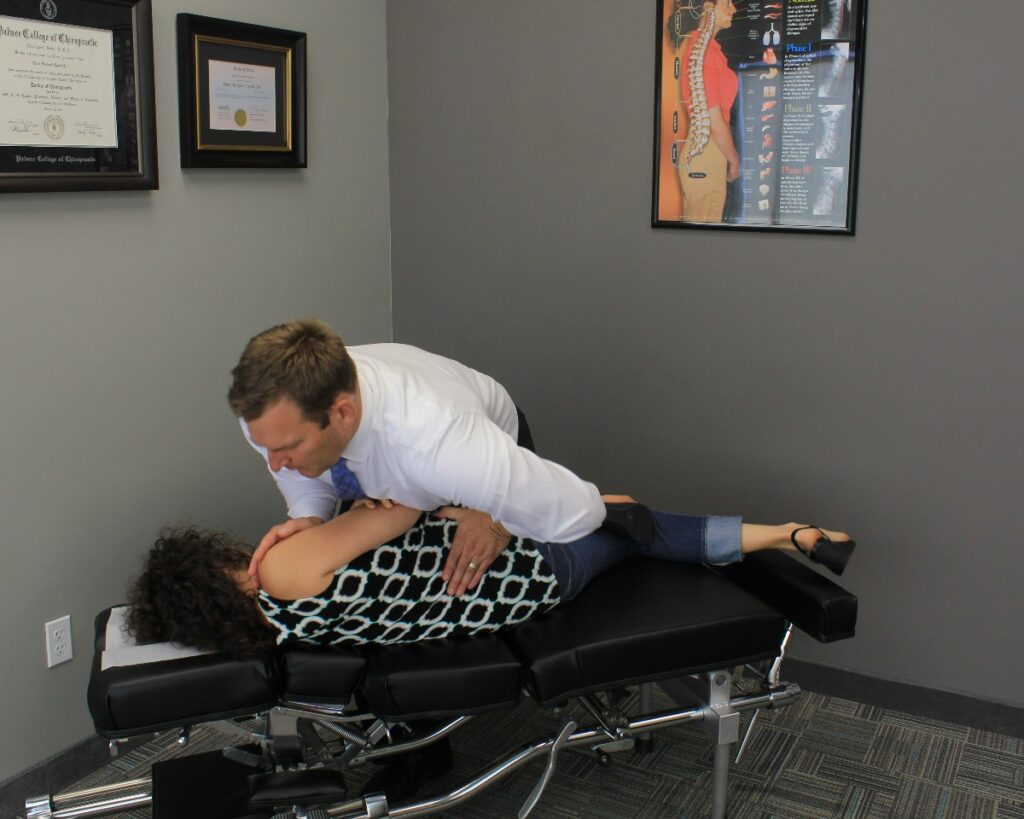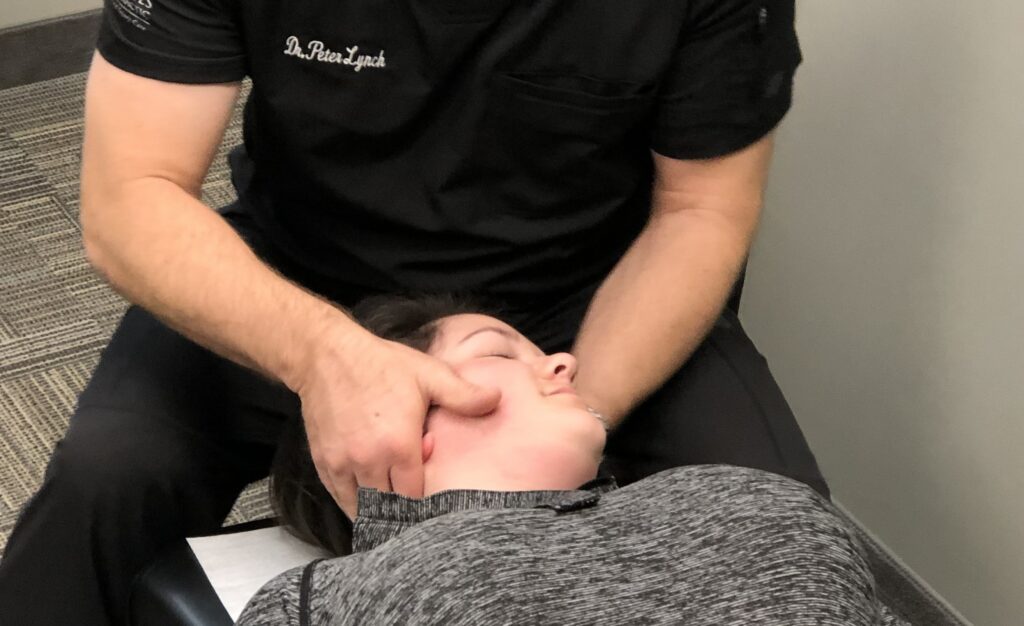
As a local chiropractor, I want you to understand how your upper back health can significantly influence your daily life, often in ways you may not even notice.
Issues such as poor posture, muscle strain, and stress can lead to persistent discomfort that makes even the simplest tasks feel daunting. The good news is that there are natural and effective strategies you can adopt to ease this pain and improve your overall well-being.
In my practice, I often emphasize the importance of stretching techniques, ergonomic adjustments, and mindful lifestyle changes. These methods can lead to meaningful improvements in your comfort and functionality.
However, before diving into these solutions, it's crucial to identify the root causes of your discomfort. By understanding what might be holding you back, we can work together to develop a comprehensive plan tailored to your needs.
Your journey toward relief starts here, and I'm here to guide you every step of the way.
Understanding Upper Back Pain
As a local chiropractor, I want to help you understand upper back pain, which can often strike unexpectedly and leave you puzzled about its origins. This discomfort can manifest in various ways, from sharp and intense sensations to a dull ache or the feeling of a tight band around your torso. The upper back, known as the thoracic region, is a complex area comprised of muscles, ligaments, and vertebrae. Recognizing the structure of this region is crucial in understanding why you might be experiencing pain.
When you experience discomfort in your upper back, it may stem from several factors, including muscle strain, poor posture, or repetitive movements. Take a moment to consider your sitting habits at your desk or your posture when using your phone. These daily habits can lead to muscle fatigue and tension. Additionally, stress can play a significant role, often manifesting physically by causing your upper back muscles to tighten, which may further contribute to your discomfort.
It's essential to remember that your upper back serves a vital role in supporting both your neck and upper body. If there's any imbalance or weakness in this area, it can result in pain not just in your back but also radiate to your neck and shoulders. As your chiropractor, I am here to help you identify and address these issues through natural healing methods that promote overall wellness and alleviate pain. Together, we can work toward restoring balance and function to your upper back, improving your quality of life.
Common Causes of Discomfort
As a local chiropractor, I'd like to take a moment to discuss upper back discomfort—something many of my patients experience. Often, this pain can be attributed to poor posture habits and muscle strain injuries. It's surprising how much our daily activities can contribute to your discomfort, and many people don't even realize it until they take a closer look at their routines.
For instance, slouching while sitting at a desk or hunching over your phone can put unnecessary strain on your upper back muscles. Additionally, repetitive motions or lifting heavy objects without proper technique can lead to muscle strain injuries. Understanding these common causes is the first step towards improving your well-being.
As we explore these issues together, I encourage you to consider how making small adjustments to your posture and daily habits can lead to significant improvements in your comfort and overall health. Chiropractic care focuses on addressing these underlying issues naturally, helping to restore balance and function to your body. Let's work together to find solutions that will enhance your quality of life!
Poor Posture Habits
As a local chiropractor, I want to shed light on how poor posture can subtly infiltrate your daily life and contribute to discomfort in your upper back. Many individuals are unaware of the impact their posture has, whether it's from hunching over a computer, slouching on the couch, or leaning forward while using their phones. These habits can lead to significant pain and discomfort.
When you sit for prolonged periods without the right support, your spine may lose its natural curvature. This misalignment can place excessive strain on the muscles and ligaments in your upper back. Even minor adjustments—like repositioning your computer monitor or how you hold your devices—can significantly alleviate discomfort.
I encourage you to practice keeping your shoulders back and aligning your head with your spine. If you spend a lot of time at a desk, consider investing in an ergonomic chair that encourages proper posture. Additionally, remember to take regular breaks to stand up and stretch; this simple practice can counteract the negative effects of extended sitting.
Also, be conscious of how you carry your bags or purses. A heavy load on one shoulder can disrupt your spinal alignment. By making these small yet impactful changes, you can substantially reduce upper back discomfort and foster a healthier posture. Remember, your spine is a vital part of your overall health, and I'm here to help you maintain it!
Muscle Strain Injuries
As a local chiropractor, I want to help you understand how muscle strain injuries can affect your upper back and how we can work together to prevent and treat them naturally. Many people experience discomfort in this area without realizing it often stems from everyday activities. You might find yourself straining those muscles while lifting heavy objects, reaching for items on a high shelf, or even sitting for extended periods of time. These routine tasks can lead to muscle tears or overstretched ligaments, resulting in pain and stiffness.
Improper lifting techniques, such as bending at the waist instead of using your legs, can worsen these issues. Additionally, if you tend to hunch over your computer or phone for long periods, your upper back muscles may be at risk. Even sudden movements, like twisting your torso while lifting, can result in strains that leave you feeling sore and fatigued.
To prevent these injuries, it's essential to be mindful of your body mechanics. Always lift with your legs, maintain a neutral spine, and take regular breaks to stretch. If you do experience upper back pain, I recommend applying ice to reduce inflammation, and gentle stretches may offer some relief. Remember, listening to your body and practicing proper ergonomics can significantly contribute to keeping your upper back healthy and pain-free. As your chiropractor, I'm here to guide you through natural healing practices that can enhance your overall well-being.
Impact of Poor Posture
As your local chiropractor, I want to emphasize the significant role posture plays in your comfort and overall health. Many people may not realize that poor posture can lead to persistent pain and even long-term health issues if left unaddressed. It's crucial to become aware of how your daily habits impact your body. By making simple adjustments to your posture, you can alleviate discomfort and improve your well-being. I encourage you to take steps towards better posture, as it can greatly enhance your quality of life and support your body's natural healing processes. Let's work together to create a healthier you!
Posture and Pain Connection
As a local chiropractor, I want to emphasize the vital connection between good posture and your overall health. Many people overlook this aspect, but poor posture can lead to significant discomfort, particularly in the upper back. When you find yourself slouching or hunching over, you're inadvertently putting extra strain on your muscles and spine. This can result in muscle fatigue, soreness, and even tension headaches—issues that I frequently see in my practice.
Everyday habits, such as sitting for long periods at your desk, constantly looking down at your phone, or carrying heavy bags, can severely impact your posture. These habits contribute to pain and discomfort that may become chronic if not addressed.
By focusing on maintaining proper posture, you can support your spine's natural alignment. This alignment helps evenly distribute weight across your back, reducing the risk of muscle imbalances and overuse injuries. And it's not just about looking confident; correct posture also enhances your breathing and circulation, both of which are crucial for alleviating pain.
If you're experiencing discomfort, I encourage you to take a moment to evaluate your posture. Simple adjustments to your workstation, taking regular breaks, and incorporating exercises that strengthen your back and core can make a world of difference. Remember, small changes can lead to significant improvements in your comfort and mobility, helping you avoid that nagging upper back pain that can interfere with daily life. As your chiropractor, I am here to guide you in making these changes and support your journey to better health through natural healing.
Long-Term Health Consequences
As your local chiropractor, I want to take a moment to shed light on the importance of maintaining proper posture and the long-term health consequences that can arise from neglecting it. Many people are unaware that the way we hold our bodies, especially if we're slouching or hunching over consistently, can lead to serious health issues down the line.
When you disregard good posture, you're not just inviting temporary discomfort; you're also paving the way for chronic problems. Over time, poor posture places strain on your spine and surrounding muscles, which can result in conditions such as herniated discs, osteoarthritis, and even spinal degeneration. These are not just buzzwords; they are real issues that can affect your mobility and overall well-being.
Moreover, your respiratory system takes a hit as well. Slouching compresses your lungs, limiting your oxygen intake, which can lead to decreased energy levels. You may find yourself feeling more fatigued or struggling to maintain focus throughout the day. Additionally, poor posture can interfere with your digestive health by applying pressure to your abdominal organs, potentially causing problems like acid reflux or constipation.
The long-term implications of these issues can significantly impact your quality of life. You may notice a decline in your ability to engage in physical activities or even perform daily tasks comfortably. Many people end up relying on pain relief measures or treatments that only mask the symptoms rather than addressing the root cause.
Effective Stretching Techniques
As a local chiropractor, I often see patients who underestimate the power of effective stretching techniques in relieving upper back tension. While stretching may seem straightforward, utilizing specific approaches can significantly enhance your flexibility, improve your posture, and alleviate discomfort in your back. Let me share some key techniques that I recommend:
- Cat-Cow Stretch: This dynamic movement is fantastic for increasing spinal flexibility and releasing tension in the upper back. It helps you connect your breath with your movement, promoting overall relaxation.
- Child's Pose: Known for its restorative qualities, this pose gently stretches the spine, shoulders, and neck, making it an excellent way to unwind and ease tension.
- Thoracic Spine Rotation: This stretch specifically targets the mid-back, improving mobility and reducing stiffness—something many people experience due to prolonged sitting or poor posture.
- Wall Angels: Practicing wall angels can significantly enhance your posture by opening up the chest and stretching the shoulders. It's a great exercise to counteract the effects of slouching.
- Chest Opener Stretch: By focusing on stretching your chest, you can counteract the rounded shoulders that often accompany upper back pain, helping to align your spine more naturally.
Incorporating these stretches into your daily routine can yield remarkable benefits. I recommend holding each position for 15-30 seconds while focusing on deep breathing. For optimal results, aim to repeat each stretch two to three times. Remember, consistency is essential. Whether you're at your desk or relaxing after a long day, taking just a few minutes to stretch can help keep your upper back feeling more relaxed and tension-free. Don't hesitate to embrace these techniques; they are simple yet powerful tools on your journey to a healthier back. If you have any questions or need guidance on how to perform these stretches correctly, feel free to ask during your next visit!
Strengthening Your Upper Back
As a local chiropractor, I want to emphasize the importance of strengthening your upper back for maintaining good posture and avoiding discomfort. A robust upper back plays a crucial role in supporting your shoulders and neck, helping to mitigate the negative effects of slouching and extended periods of sitting.
Incorporating specific exercises into your weekly routine can significantly enhance your upper back strength. One of the most effective exercises is the row. This movement engages multiple muscles in your upper back, and you can use resistance bands or dumbbells to perform it. Stand with your feet shoulder-width apart, grasp the weights or bands, and pull them toward your torso while squeezing your shoulder blades together. I recommend aiming for three sets of 10 to 15 repetitions to reap the benefits.
Another excellent exercise to consider is the reverse fly. Start by bending slightly at your hips, keeping a gentle bend in your knees, and holding weights in each hand. With your arms hanging straight down, lift them out to the sides until they are parallel to the floor. This exercise effectively targets your rear deltoids and upper back muscles, so again, strive for three sets of 10 to 15 repetitions.
Let's not overlook the plank, an exercise often associated with core strength but also vital for engaging your upper back. Ensure your shoulders are positioned directly above your wrists and hold the plank for 20 to 60 seconds. Aim for three sets to achieve optimal results.
Ergonomic Workspace Tips
As a local chiropractor, I want to emphasize how crucial it is to create an ergonomic workspace, not just for your comfort, but also for your overall spinal health. A well-designed workspace can significantly impact your posture and help prevent discomfort, especially in your back and neck. Here are some essential tips to enhance the ergonomics of your workspace:
- Chair Height: Ensure your chair is adjusted so that your feet are flat on the floor, with your knees forming a 90-degree angle. This position supports proper alignment of your spine.
- Monitor Position: Your monitor should be at eye level, positioned about an arm's length away. This setup minimizes neck strain and helps maintain a neutral posture while you work.
- Keyboard and Mouse: Keep your keyboard and mouse at elbow height. This alignment lets your arms hang comfortably by your sides, reducing tension in your shoulders and upper back.
- Wrist Support: Consider using a wrist rest while typing to keep your wrists straight. This simple addition can prevent strain and discomfort during long periods of typing.
- Breaks and Movement: Remember to schedule regular breaks to stand, stretch, and move around. This practice is vital for reducing stiffness and promoting better circulation, which can greatly benefit your overall well-being.
Lifestyle Changes for Relief
As a local chiropractor, I want to emphasize how making lifestyle changes can be transformative in alleviating upper back pain. Many people think they just have to live with discomfort, but I assure you that even small adjustments can lead to significant relief.
First and foremost, incorporating regular physical activity into your daily routine is crucial. Aim for at least 30 minutes of moderate exercise most days of the week. Activities such as swimming, walking, or yoga can help strengthen your back muscles and improve flexibility, which in turn reduces the strain on your upper back.
It's also essential to be mindful of your posture throughout the day. Whether you're sitting at your desk, standing, or walking, maintaining proper alignment is key. Keep your shoulders back and your spine straight. If you find it difficult to remember, consider setting reminders or using apps designed to promote good posture, especially during those long hours at your computer.
Let's not overlook the importance of your sleep habits. A supportive mattress and pillow can greatly impact how you feel. I often recommend sleeping on your side with a pillow between your knees or on your back with a pillow under your knees to help maintain proper spinal alignment during the night.
Hydration and nutrition play a vital role in your overall health and recovery. Ensure you're drinking enough water and eating a balanced diet full of anti-inflammatory foods. This not only aids in recovery but also keeps your muscles functioning optimally.
Lastly, managing your stress levels is crucial. Techniques such as mindfulness, meditation, or deep-breathing exercises can help alleviate muscle tension that often exacerbates upper back pain. By adopting these lifestyle changes, you're creating a supportive environment for healing and ultimately paving the way for a more comfortable, pain-free life. If you have any questions about how chiropractic care can complement these changes, I'm here to help you on your journey to wellness!
When to Seek Professional Help
As a local chiropractor, I want to help you understand when it's crucial to seek professional help for persistent upper back pain. While some discomfort can often be managed at home through simple remedies and lifestyle adjustments, it's essential to recognize specific signs that indicate a visit to a healthcare provider, like a chiropractor, is necessary. Ignoring these symptoms might lead to more significant issues in the future.
Here are some important signs to look out for:
- Pain lasting longer than a week: If your upper back pain persists despite rest and self-care efforts, it's time to consult with a chiropractor who can assess your condition and provide tailored treatment options.
- Radiating pain: If you notice that the pain extends into your arms, neck, or legs, this could be an indication of nerve involvement, which is something we can address through chiropractic care.
- Numbness or tingling: Unusual sensations in your upper body may suggest nerve compression or other serious concerns. A chiropractor can help identify the underlying cause and work towards alleviating these symptoms.
- Difficulty breathing: If you're having trouble taking deep breaths or experience chest pain along with your back pain, it's crucial to seek immediate medical attention. This could be a sign of a more serious condition that requires prompt care.
- Injury or trauma: If your upper back pain occurs after an injury, it's vital to get evaluated. A chiropractor can perform a thorough examination to rule out fractures or other damage and create a safe and effective treatment plan to support your recovery.
Conclusion
As your local chiropractor, I want to emphasize that addressing your upper back discomfort is crucial for your overall well-being. It's essential to first recognize the underlying causes of your pain. Many times, poor posture, muscle imbalances, or even stress can contribute to these issues.
Incorporating effective stretches and strengthening exercises into your routine can significantly alleviate discomfort. I recommend focusing on exercises that target your upper back and shoulders to promote balance and flexibility. Additionally, creating an ergonomic workspace is vital; proper alignment while sitting or working can make a huge difference in preventing future pain.
Lifestyle habits also play a significant role in supporting your back health. Simple changes, such as staying active, maintaining a healthy weight, and managing stress, can have a positive impact on your spine.
If you find that your discomfort persists, I encourage you to seek professional guidance. Chiropractic care can provide you with personalized treatment options that focus on natural healing methods to relieve pain and restore function. By taking proactive steps today, you can pave the way for a more comfortable and healthier life. Remember, your well-being is worth the effort!