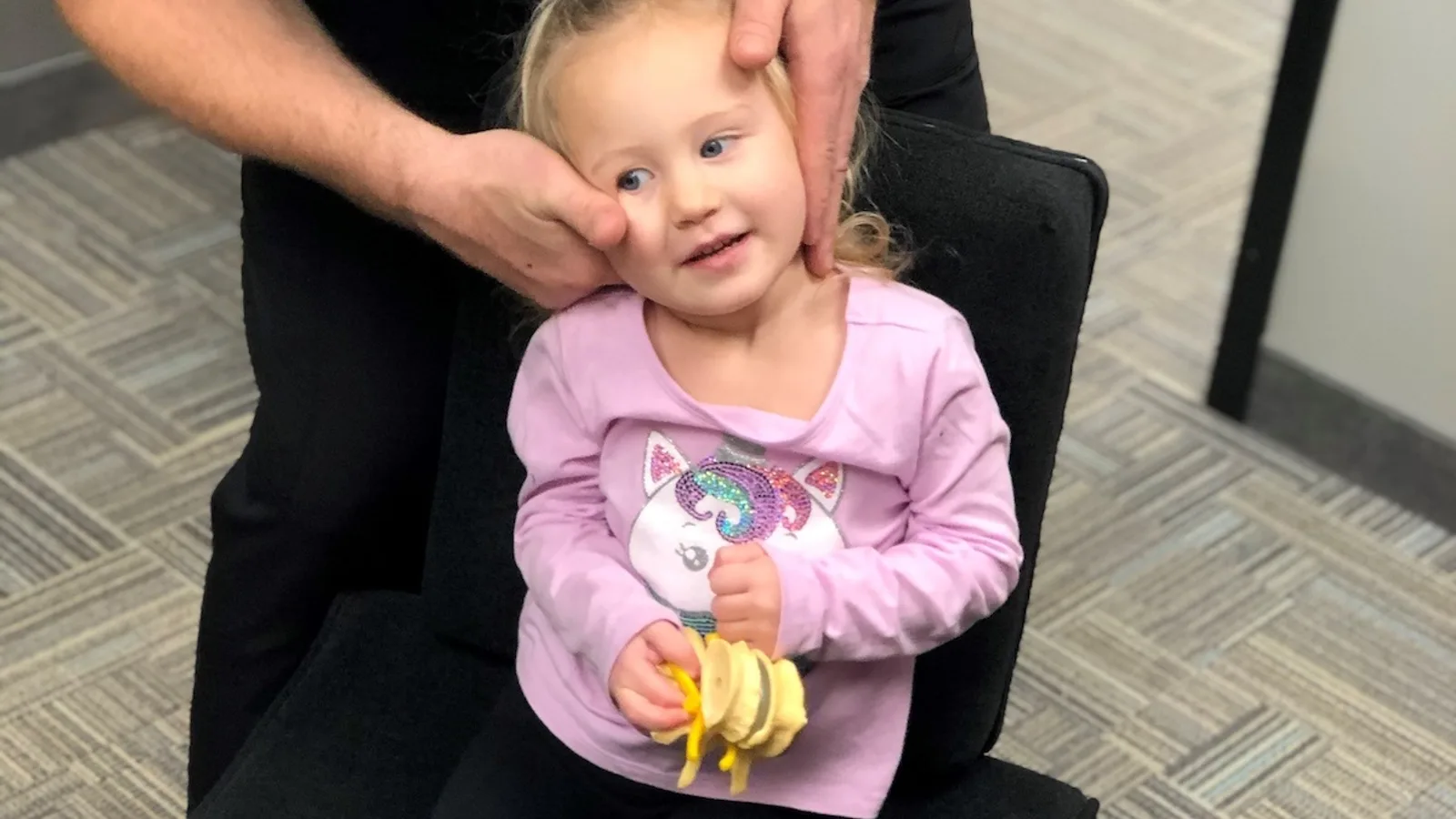
As a parent, you want the absolute best for your child — and that often means asking questions that other parents might not think to ask. One question we hear quite often here at Tri-States Chiropractic in Dubuque, IA is this: "Is chiropractic care actually safe for my young child, and what would it even involve?" It's a fair and important question. Pediatric chiropractic care is a topic that carries a lot of curiosity, and sometimes a little apprehension. The goal of this article is to walk you through exactly what chiropractors do for young children, why some parents seek care, and what you can realistically expect from a gentle, conservative approach to your child's musculoskeletal health.
What do chiropractors do for young children?
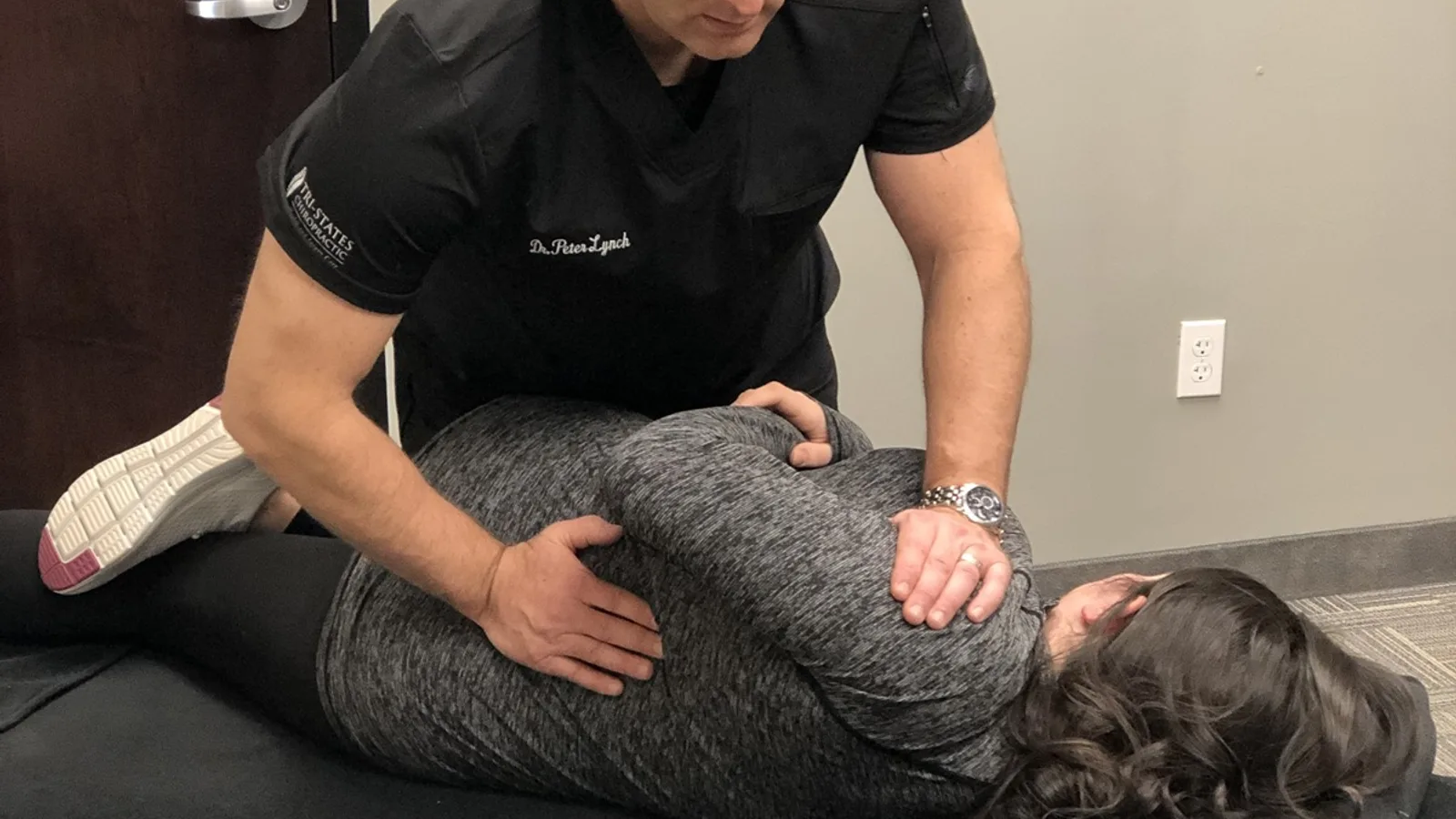
Chiropractors who work with young children focus on assessing and gently addressing spinal alignment, joint function, and nervous system support. Rather than the firm adjustments often associated with adult chiropractic care, pediatric techniques are modified to be extremely light and age-appropriate — using gentle, controlled pressure to encourage proper movement and alignment in developing bodies.
- What Is Pediatric Chiropractic Care?
- Why Do Parents Bring Young Children to a Chiropractor?
- What to Expect During a Pediatric Chiropractic Visit
- How Chiropractic Care Fits Into Your Child's Overall Wellness
- Practical Tips for Supporting Your Child's Spinal Health at Home
- When to See a Chiropractor for Your Child
- Pediatric vs. Adult Chiropractic Care: Key Differences
- Myths vs. Facts About Chiropractic Care for Children
- Final Thoughts from Tri-States Chiropractic
What Is Pediatric Chiropractic Care?
Pediatric chiropractic care refers to chiropractic evaluation and gentle treatment specifically adapted for infants, toddlers, and young children. The focus is on the spine, pelvis, and musculoskeletal system — all of which go through rapid development in the early years of life. Chiropractors who work with children are trained to recognize developmental patterns, postural changes, and areas of restricted joint movement that could affect how a child grows and functions.
It's worth noting that chiropractic care for children is not about treating disease or replacing your pediatrician. It sits comfortably within the realm of conservative, supportive care — much like physical therapy or occupational therapy. The intent is to support the body's natural ability to function well, particularly during stages of rapid growth when the musculoskeletal system is especially adaptable.
Dr. Peter Lynch and the team at Tri-States Chiropractic in Dubuque, IA approach pediatric care with the same thorough, compassionate philosophy they apply to every patient — but with techniques specifically calibrated for smaller, still-developing bodies. No two children are alike, and no two visits are the same.
Why Do Parents Bring Young Children to a Chiropractor?
Parents in Dubuque and throughout the Tri-States area come to us for a variety of reasons. Some are simply proactive about their child's wellness. Others notice specific concerns — things like postural changes, uneven movement patterns, neck stiffness, or complaints of back or neck discomfort after a fall or sports activity.
Some of the most common reasons families bring children in for evaluation include:
- Postural concerns noticed by a parent, teacher, or pediatrician
- Restricted neck movement or head tilting
- Discomfort following a fall, sports injury, or minor accident
- Concerns related to carrying heavy backpacks or prolonged screen time
It's important to emphasize what chiropractic care does not claim to do for children. We are not in the business of making promises about treating colic, ear infections, ADHD, or other systemic conditions. While some parents report positive changes after their child receives chiropractic care for musculoskeletal issues, we always encourage you to work closely with your child's pediatrician for diagnosis and management of medical conditions. Our role is specifically focused on the spine, joints, and musculoskeletal system.
Children's bodies are resilient, but they are also under constant physical demand — from learning to crawl and walk, to tumbles on the playground, to sitting for extended periods in school. These everyday realities can sometimes create patterns of tension or restricted movement that a chiropractor is well-positioned to evaluate.
What to Expect During a Pediatric Chiropractic Visit
If you've never brought a child to a chiropractor before, it's completely natural to wonder what the visit will look like. At Tri-States Chiropractic in Dubuque, IA, Dr. Peter Lynch begins every pediatric visit with a thorough consultation and health history. Understanding how the child sleeps, plays, sits, and moves gives a much clearer picture of what might be going on with their spine and posture.
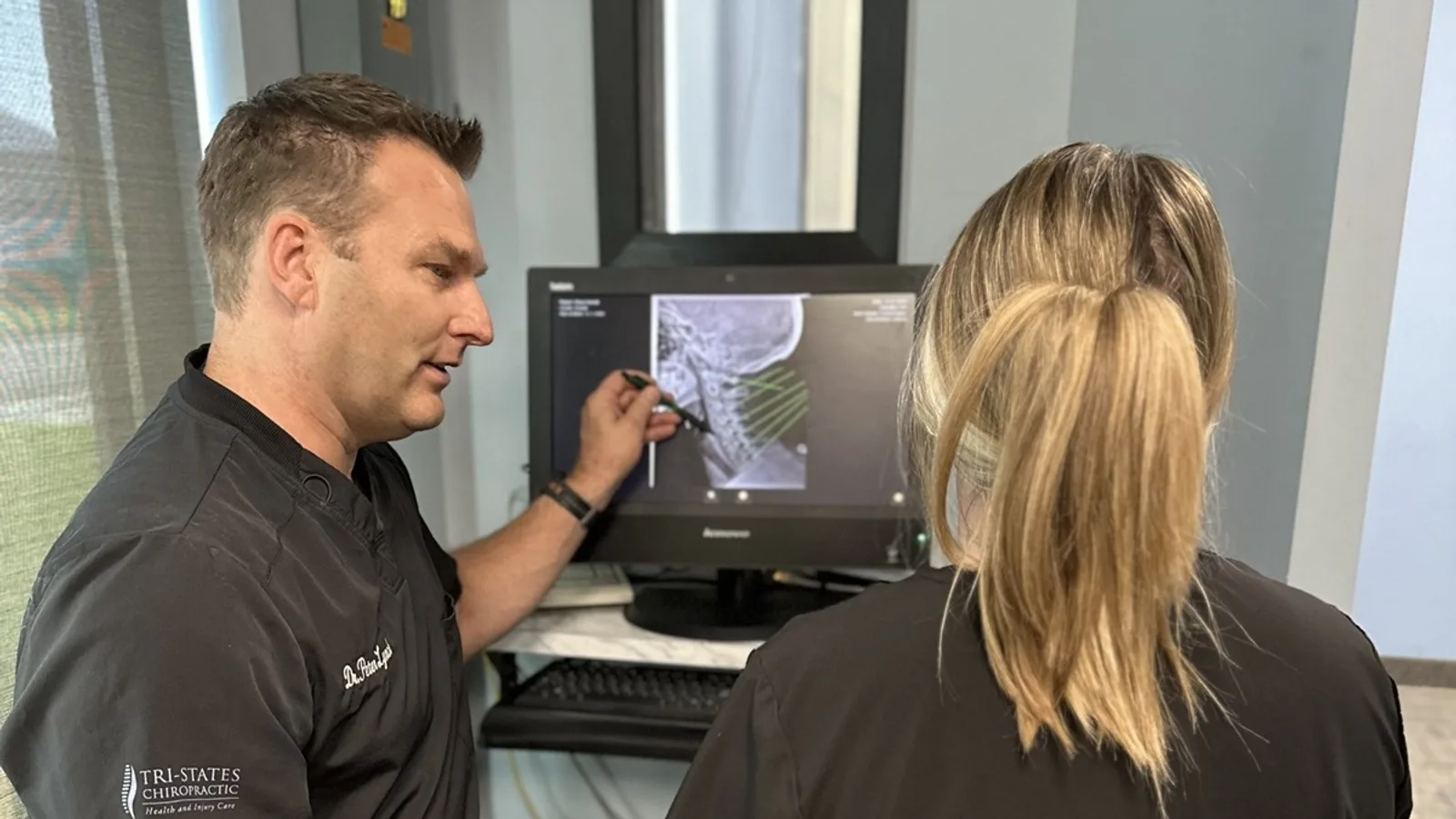
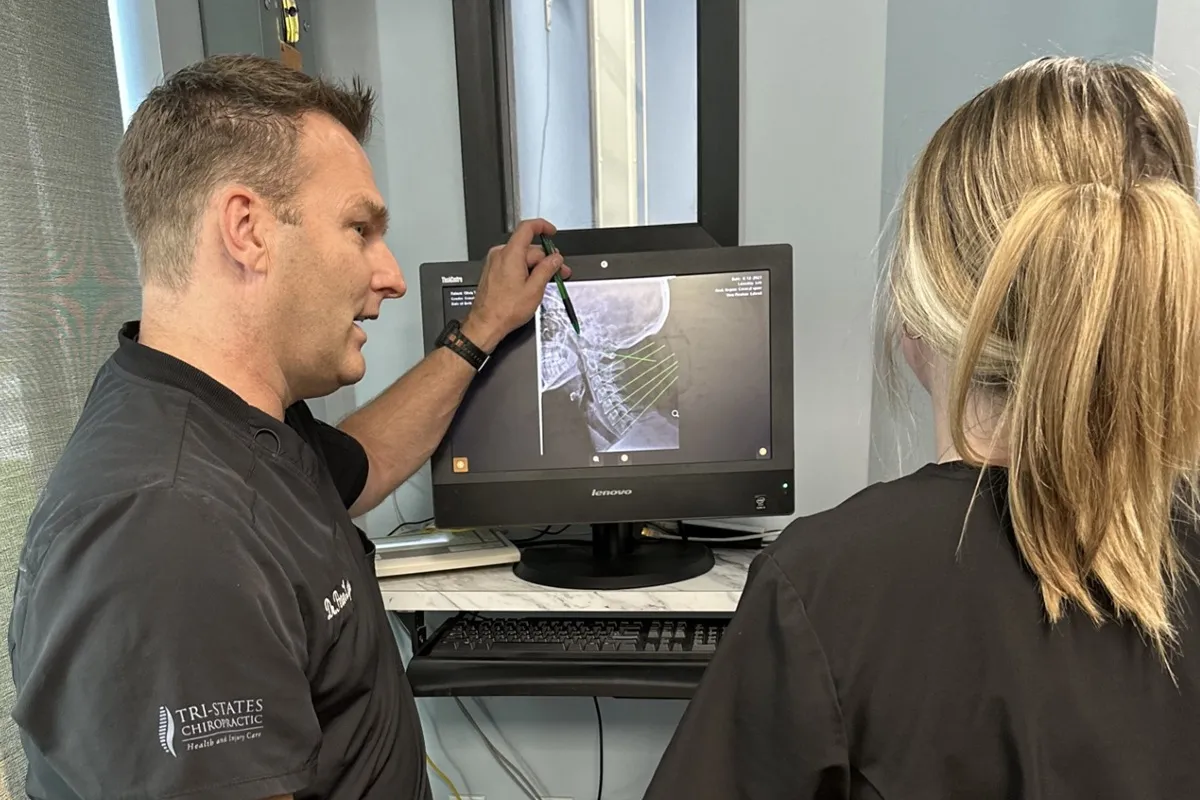
The physical examination for a young child is gentle and observational. Dr. Lynch will look at posture, range of motion in the neck and spine, the symmetry of movement, and areas of muscle tension or joint restriction. This is typically very comfortable for children — there are no scary machines or invasive procedures involved.
When chiropractic adjustments are indicated for a young child, the technique is quite different from what adults typically experience. For infants and very young toddlers, the pressure used is often described as similar to the gentle touch you'd use to test the ripeness of a tomato — extremely light and carefully controlled. For older children, techniques are scaled appropriately but still significantly lighter and softer than adult care. Many children find these visits calming and completely non-threatening.
Dr. Peter Lynch also takes time to talk with parents about what they can do at home to support their child's musculoskeletal health. Education is a core part of what we do — because an informed parent is a child's best health advocate.
How Chiropractic Care Fits Into Your Child's Overall Wellness
Think of pediatric chiropractic care as one piece of a broader wellness picture. It works best when combined with regular pediatric checkups, appropriate physical activity, good nutrition, and plenty of sleep. Chiropractic care doesn't compete with conventional medicine — it complements it. Here in Dubuque, we work collaboratively and always encourage open communication between families, their pediatricians, and our office.
The spine houses the spinal cord, which is part of the central nervous system — the communication network that helps coordinate virtually everything the body does. When joints in the spine are restricted or misaligned, it can create local tension or discomfort. Chiropractic care aims to restore normal movement and reduce that tension, helping the body function as it was designed to. In growing children, addressing these issues early may help support healthier movement patterns as they develop.
Research on pediatric chiropractic care is still evolving, and evidence is more established for some conditions than others. For musculoskeletal complaints specifically — like neck pain or back pain related to posture or minor injury — there is a reasonable body of evidence suggesting chiropractic care may be a helpful, conservative option. The American Chiropractic Association and other professional organizations support the appropriateness of chiropractic care for children when performed by trained professionals using age-appropriate techniques.
At Tri-States Chiropractic, we always take the time to explain our findings to parents clearly, make recommendations based on what we genuinely believe is in the child's best interest, and refer out when a child's needs fall outside our scope of care.
Practical Tips for Supporting Your Child's Spinal Health at Home
You don't have to wait for a problem to arise before thinking about your child's spinal health. There are simple, meaningful things you can do every day to support healthy development and reduce unnecessary strain on your child's growing body.
First, pay attention to backpack habits. A heavy backpack worn incorrectly — especially slung over one shoulder — creates asymmetrical loading on the spine over time. Encourage your child to wear both shoulder straps and to carry only what's necessary. The American Chiropractic Association generally recommends that a backpack should not exceed about ten percent of a child's body weight.
Second, be mindful of screen time posture. Children today spend more time looking at tablets, phones, and laptops than any previous generation. Prolonged forward head posture while staring at screens puts significant strain on the cervical spine and upper back. Encourage regular breaks, proper device positioning, and outdoor play that keeps the whole body moving.
Third, encourage varied, active movement. Kids are built to move — to run, jump, climb, and explore. Regular physical activity that promotes strength and flexibility is one of the best things you can do for your child's musculoskeletal health. If your child plays sports, make sure they're learning proper technique early, as poor mechanics can lead to overuse injuries.
Finally, pay attention to how your child sleeps. A supportive mattress and appropriate pillow for their age and size matters more than many parents realize. Chronic poor sleep positioning can contribute to morning stiffness and long-term postural patterns.
When to See a Chiropractor for Your Child
Deciding when to bring your child in for a chiropractic evaluation doesn't have to be complicated. Generally speaking, if your child has had a significant fall, sports injury, or collision — even if they seem fine immediately after — it's worth having their spine evaluated. Children are remarkably good at compensating, which sometimes means underlying musculoskeletal tension isn't immediately obvious.
You might also consider a chiropractic evaluation if you notice your child frequently tilting their head to one side, complaining of recurring neck or back pain, developing noticeably uneven posture, or seeming stiff or uncomfortable after long periods of sitting. These are all things that deserve a professional look.
It's equally important to know when chiropractic care is not the right first step. If your child is experiencing neurological symptoms such as numbness, weakness, loss of coordination, bowel or bladder changes, or severe unexplained pain, please seek medical attention promptly. These are red flags that warrant evaluation by a physician before any other intervention is considered. At Tri-States Chiropractic, Dr. Peter Lynch takes this responsibility seriously and will always refer a family to the appropriate provider when needed.
Pediatric vs. Adult Chiropractic Care: Key Differences
| Feature | Adult Chiropractic Care | Pediatric Chiropractic Care |
|---|---|---|
| Adjustment Force | Moderate to firm, joint-specific pressure | Very light, gentle fingertip pressure appropriate for developing tissues |
| Techniques Used | Diversified, Gonstead, activator, flexion-distraction, etc. | Modified low-force techniques scaled to age and size |
| Common Concerns Addressed | Back pain, neck pain, disc issues, postural strain, headaches | Postural imbalances, restricted movement, sports injuries, backpack strain |
| Examination Process | Detailed orthopedic and neurological testing | Gentle, observational assessment with age-appropriate movement testing |
| Parental Involvement | Not typically required | Parents are present and actively involved throughout the visit |
| Care Goals | Pain relief, functional restoration, long-term wellness | Support healthy development, correct movement patterns, reduce musculoskeletal tension |
Myths vs. Facts About Chiropractic Care for Children
Myth: Chiropractic adjustments for children are the same as for adults — just smaller.
Fact: Pediatric chiropractic techniques are fundamentally different from adult adjustments. The force used for infants and young children is extremely gentle — often just light fingertip pressure. Chiropractors trained in pediatric care use specialized, age-appropriate methods that bear little resemblance to what you might see in a typical adult treatment session.
Myth: Children don't need chiropractic care because they're young and resilient.
Fact: While children do recover well from many things, their musculoskeletal systems are under real physical demands every day — from active play and sports to prolonged sitting and heavy backpacks. Addressing joint restrictions or postural imbalances during development can support healthier patterns as they grow. Resilience doesn't mean immune to strain.
Myth: Chiropractic care can cure childhood illnesses like ear infections or colic.
Fact: Chiropractic care is not a treatment for ear infections, colic, or other systemic or medical conditions in children. Our scope of practice is focused on the musculoskeletal system — the spine, joints, and surrounding tissues. Any practitioner who claims to cure medical diseases through chiropractic adjustments is making claims that are not supported by established evidence.
Myth: It's not safe to adjust a child's spine.
Fact: When performed by a trained, licensed chiropractor using appropriate pediatric techniques, chiropractic care for children is considered to have a very low risk profile. As with any form of healthcare, the key is proper training, thorough assessment, and individualized care — all of which are central to what Dr. Peter Lynch practices at Tri-States Chiropractic.
Myth: You should wait until a child is older before seeing a chiropractor.
Fact: There is no universal age requirement for chiropractic evaluation. Chiropractors can appropriately assess and work with patients of virtually any age, including infants, using techniques that match the developmental stage of the patient. Earlier identification of musculoskeletal concerns can sometimes make a meaningful difference in how they progress.
Final Thoughts from Tri-States Chiropractic
Here in Dubuque, IA, we are fortunate to serve a community of families who care deeply about their children's health and wellbeing. At Tri-States Chiropractic, Dr. Peter Lynch and our team genuinely enjoy working with young patients. Children bring an energy and openness to their care that makes the work deeply rewarding — and helping a child move more freely, stand taller, or simply feel more comfortable is one of the most meaningful things we can do in this practice.
If you've been wondering whether chiropractic care might be appropriate for your son or daughter, the best first step is simply a conversation. You'll never be pressured into anything at our office — our goal is always to give you honest, clear information so that you can make the best decision for your family. We work alongside your pediatrician and other healthcare providers to ensure your child gets comprehensive, well-rounded care.
Thank you for trusting us with your family's health. If you're in the Dubuque area and have questions about what chiropractic care might look like for your child, don't hesitate to reach out to Tri-States Chiropractic. We're here to help — no pressure, no jargon, just honest care from people who genuinely want your family to thrive.
Frequently Asked Questions
Is chiropractic care safe for infants and very young children?
When performed by a trained, licensed chiropractor using age-appropriate techniques, chiropractic care for young children is considered to have a low risk profile. The techniques used for infants involve very gentle, light pressure — nothing like the adjustments used for adults. Always ensure the chiropractor you choose has experience with pediatric patients.
At what age can a child first see a chiropractor?
There is no specific minimum age for a chiropractic evaluation. Techniques are adapted to suit each patient's size, age, and developmental stage. Some parents bring infants in for evaluation after birth-related physical stress, while others wait until their child is older and more active. Dr. Peter Lynch can help determine what, if anything, is appropriate for your child.
How is a child's chiropractic adjustment different from an adult's?
The force used for children — especially infants and toddlers — is significantly lighter than what adults receive. Many pediatric adjustments involve nothing more than gentle, sustained fingertip pressure on specific areas of the spine or joints. The experience is typically very comfortable and non-threatening for children.
Will my child need to keep coming back indefinitely?
Not necessarily. The frequency and duration of care depends entirely on the child's individual situation. Some children benefit from a short course of care to address a specific concern, while others may benefit from periodic wellness checkups. Dr. Peter Lynch will discuss realistic expectations with you based on what he finds during the evaluation.
Should I tell my pediatrician if my child is seeing a chiropractor?
Absolutely, and we encourage it. Open communication between all of your child's healthcare providers leads to the best outcomes. Chiropractic care works best as part of a collaborative approach to your child's overall health, and your pediatrician should be aware of any additional care your child is receiving.
What conditions or concerns are best suited for pediatric chiropractic care?
Pediatric chiropractic care is most appropriate for musculoskeletal concerns — things like postural imbalances, restricted spinal movement, neck stiffness, mild back discomfort, and recovery from minor sports injuries or falls. It is not a treatment for medical conditions, infections, or neurological disorders, which require evaluation by a physician.
TL;DR Summary
- Chiropractic care for young children focuses on gentle assessment and treatment of the spine, joints, and musculoskeletal system — using techniques specifically adapted for developing bodies.
- Pediatric adjustments are very different from adult adjustments — the force is extremely light and carefully controlled, making visits comfortable and non-threatening for children.
- Common reasons parents seek pediatric chiropractic care include postural concerns, restricted neck movement, sports injuries, and discomfort related to heavy backpacks or prolonged screen time.
- Chiropractic care is not a treatment for childhood illnesses or medical conditions — it focuses specifically on the musculoskeletal system and works best alongside your child's regular pediatric care.
- At Tri-States Chiropractic in Dubuque, IA, Dr. Peter Lynch provides thorough, compassionate, age-appropriate care for children and encourages families to ask questions every step of the way.