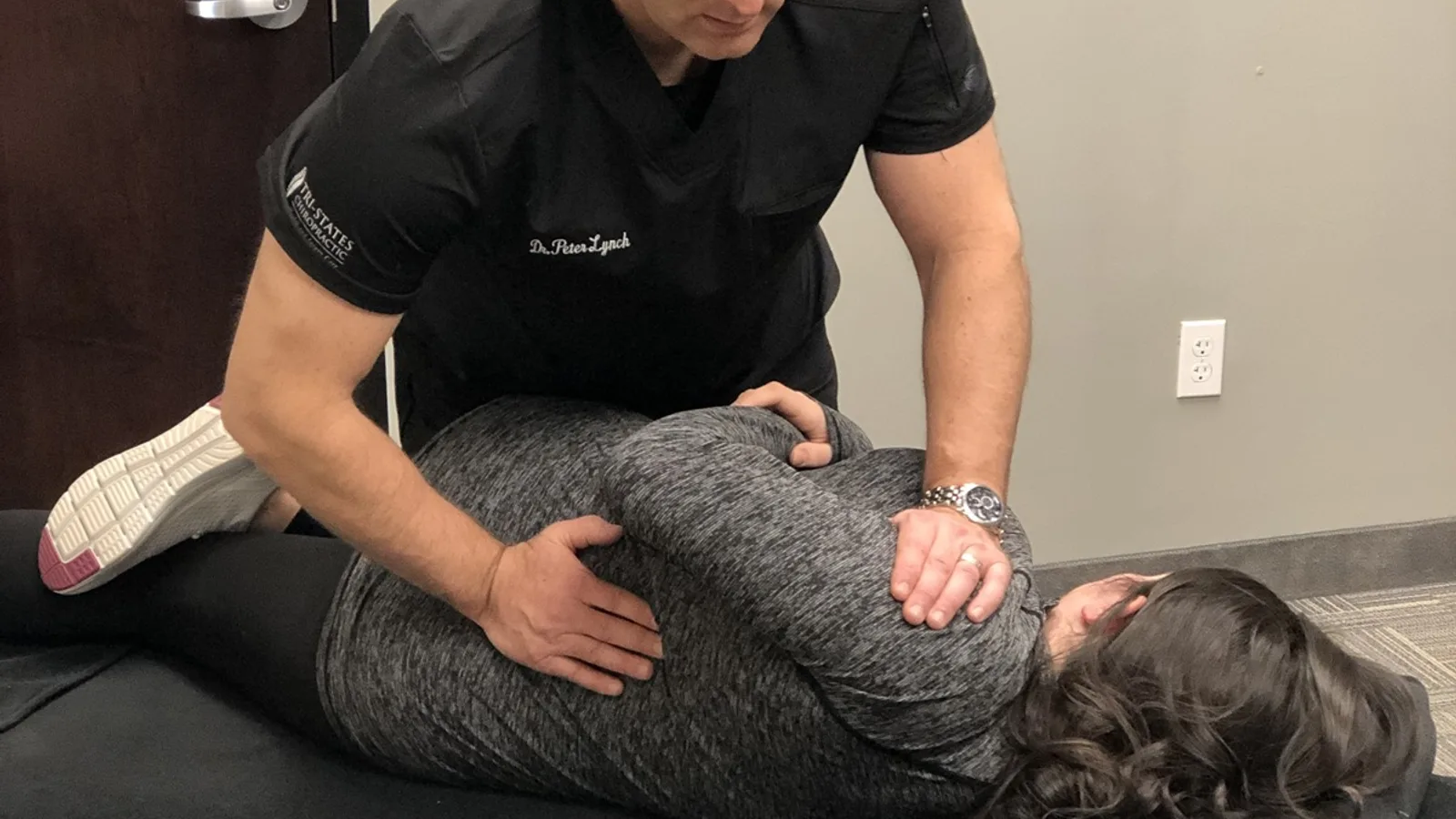
If you or someone you love has been diagnosed with scoliosis, it's natural to have a lot of questions — and maybe a little anxiety. What does this mean for daily life? Will it get worse? What can be done about it? Here in Dubuque, IA, many patients come through our doors at Tri-States Chiropractic after receiving a scoliosis diagnosis feeling uncertain about their next steps. The good news is that scoliosis doesn't have to control your life. With the right conservative care approach, many people with scoliosis go on to live active, comfortable, fulfilling lives — and chiropractic care plays a meaningful role in that journey.
What Is Scoliosis?
Scoliosis is an abnormal lateral curvature of the spine that causes the spine to curve sideways, often in an "S" or "C" shape. Instead of running in a relatively straight vertical line, the spine bends to one side — sometimes accompanied by rotation of the vertebrae themselves. It can affect people of all ages, though it most commonly appears during the adolescent growth spurt. Scoliosis ranges from mild to severe and affects how the spine supports the body, how muscles are distributed, and how the nervous system functions.
- What Is Scoliosis?
- Common Causes and Types of Scoliosis
- Signs and Symptoms to Watch For
- How Chiropractic Care Fits In
- Practical Tips for Living With Scoliosis
- When to See a Chiropractor
- Chiropractic vs. Other Approaches
- Myths vs. Facts About Scoliosis and Chiropractic
- Final Thoughts
- Frequently Asked Questions
- TL;DR Summary
Common Causes and Types of Scoliosis
When most people hear "scoliosis," they picture a teenager being checked by a school nurse. And while adolescent idiopathic scoliosis is indeed the most common form, it's far from the only one. The word "idiopathic" simply means the cause isn't fully understood — which is true for the majority of scoliosis cases. That said, researchers believe genetics, asymmetrical muscle development, and certain neurological factors may all play contributing roles.
Beyond idiopathic scoliosis, there are other recognized forms. Congenital scoliosis develops before birth when vertebrae form incompletely or abnormally. Neuromuscular scoliosis develops as a secondary condition in people with conditions like cerebral palsy or muscular dystrophy, where muscles don't support the spine evenly. And then there's degenerative scoliosis — also called adult-onset or de novo scoliosis — which develops later in life as spinal discs and joints wear down, allowing the spine to shift out of alignment. Dr. Peter Lynch sees patients across this full spectrum here at Tri-States Chiropractic, and each type requires its own thoughtful, individualized approach to care.
It's also worth noting that scoliosis exists on a spectrum of severity. Curves are measured in degrees using what's called the Cobb angle. Mild curves are typically under 20 degrees, moderate curves fall between 20 and 40 degrees, and severe curves exceed 40 degrees. This measurement helps guide treatment decisions and monitoring strategies.
Signs and Symptoms to Watch For
Scoliosis can be subtle at first — especially in milder cases. Many people are surprised to learn they have it at all. That said, there are common physical signs that may indicate the spine is curving abnormally. One shoulder or shoulder blade that sits higher than the other is one of the most noticeable signs. An uneven waistline, one hip appearing higher than the other, or the head appearing off-center relative to the hips are also common indicators. If you look at someone from behind and notice the rib cage seems to protrude more on one side, that rotational component of scoliosis may be at work.
Beyond the visual changes, scoliosis can contribute to physical discomfort. Back pain, muscle fatigue, stiffness, and tension are frequently reported — particularly in the muscles running along the spine. Because the spine supports the entire upper body and houses the spinal cord, an abnormal curve can place uneven stress on vertebral joints, discs, and the surrounding soft tissue. Over time, this uneven loading can accelerate wear on certain parts of the spine. In more significant cases, some people notice reduced flexibility or difficulty standing upright for long periods.
It's important to remember that having scoliosis does not automatically mean you're in constant pain or headed toward disability. Many people with mild to moderate scoliosis live very normal, active lives — especially when they receive appropriate support and monitoring.
How Chiropractic Care Fits In
This is one of the most common questions Dr. Peter Lynch hears from patients at Tri-States Chiropractic: "Can a chiropractor really help with scoliosis?" The answer requires some nuance. Chiropractic care is not a cure for scoliosis, and it won't straighten the spine to the degree that bracing or surgery might in severe cases. What chiropractic care can do is make a meaningful difference in quality of life, function, and comfort — and for many people, that's enormously valuable.
Chiropractic adjustments work by addressing spinal joint dysfunction — areas where vertebrae aren't moving as they should. When the spine curves abnormally, some vertebral joints become compressed or restricted while others are overstretched. These patterns of dysfunction contribute to muscle imbalance, inflammation, and discomfort. Gentle, targeted adjustments can help restore better motion to those restricted segments, reduce nerve irritation, and ease the muscular tension that builds up as your body compensates for the curve.
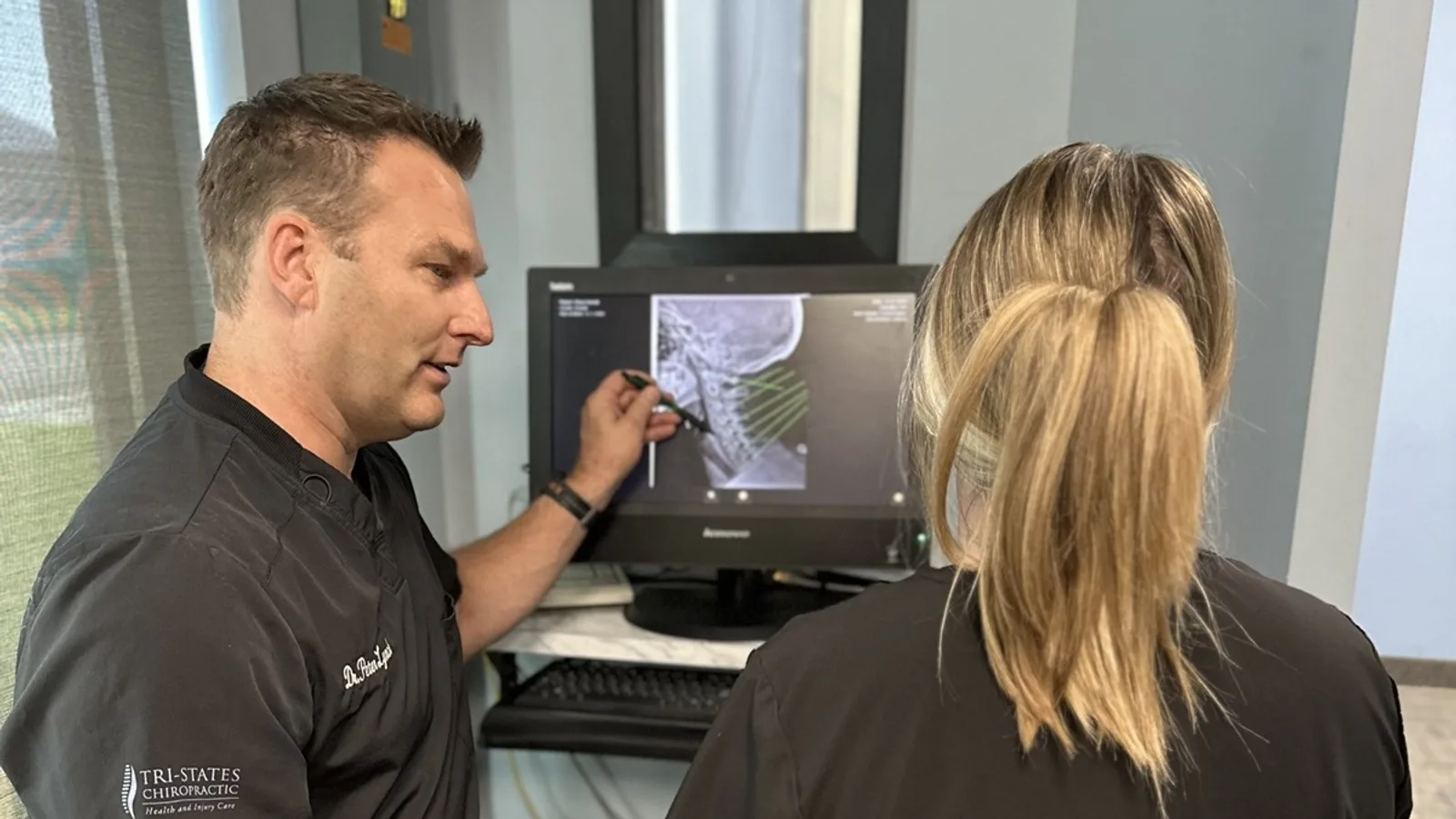
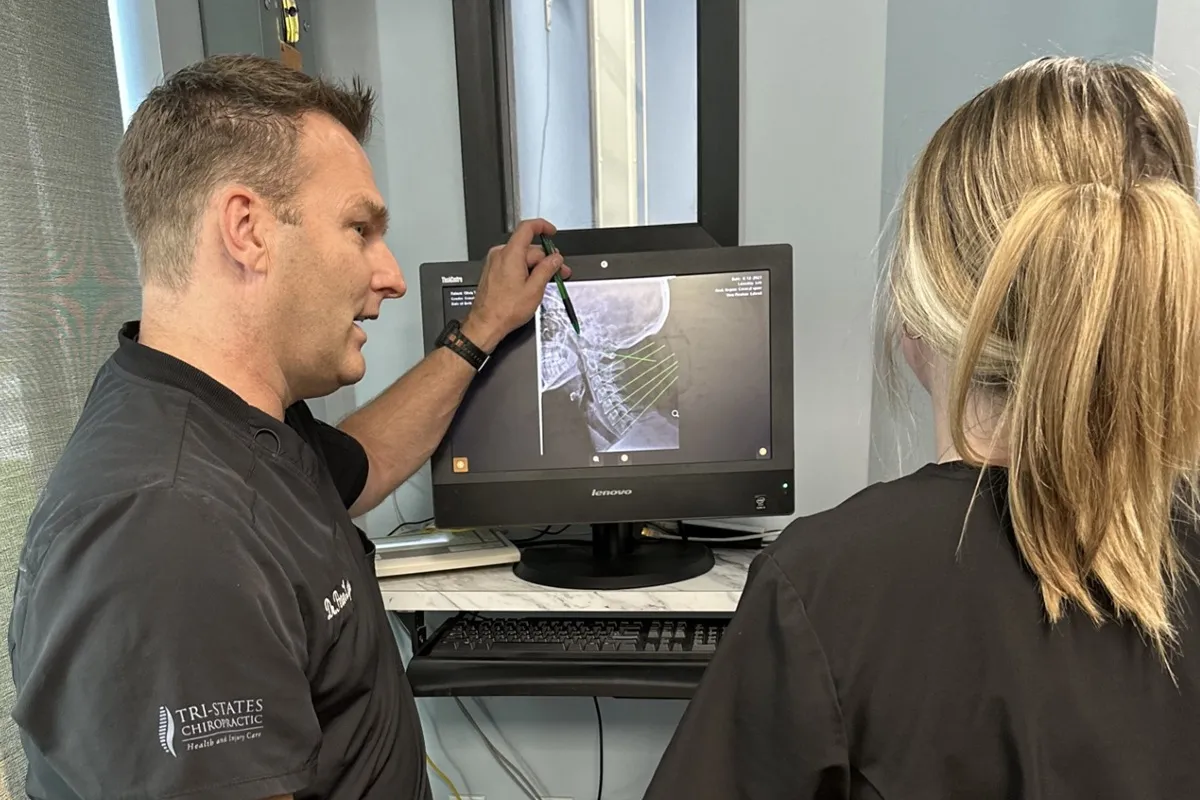
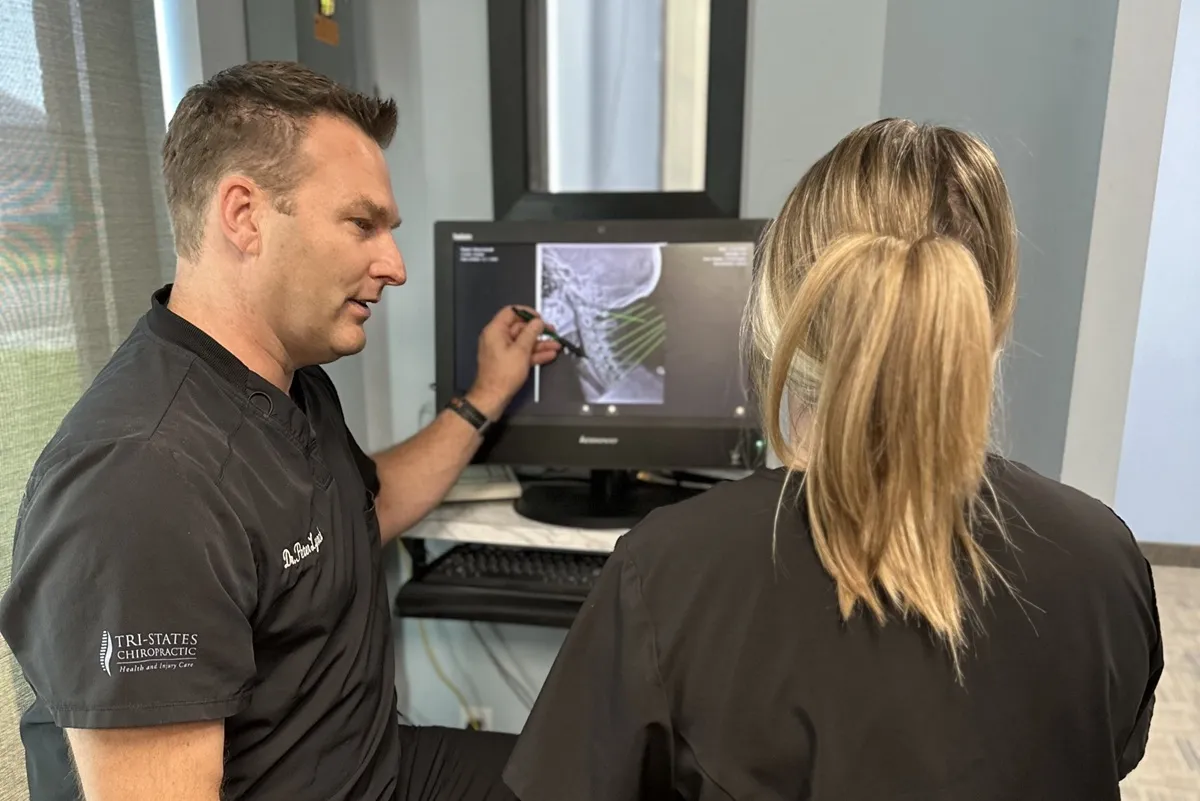
At Tri-States Chiropractic, care for scoliosis patients is never one-size-fits-all. Dr. Peter Lynch begins with a thorough evaluation — reviewing your health history, assessing your posture and movement patterns, and carefully examining the spine. This helps determine what type of curve is present, where the greatest areas of restriction and tension are, and what approach is most appropriate. For scoliosis patients, chiropractic techniques are often gentler and more targeted than standard adjustments — always matched to the individual's curve pattern and overall health.
Beyond adjustments, chiropractic care for scoliosis may also include soft tissue work to ease chronically tight muscles, therapeutic exercises to build support around the spine, and postural education to help you move in ways that reduce strain. Research published in peer-reviewed chiropractic and rehabilitation literature suggests that conservative care — including chiropractic — may help reduce pain and improve function in scoliosis patients, particularly those with mild to moderate curves. While evidence supporting curve reduction through chiropractic alone is more limited, the evidence for symptom management and quality-of-life improvement is more encouraging.
Practical Tips for Living With Scoliosis
Whether you're under chiropractic care or not, there are habits and lifestyle choices that can make a real difference in how you feel and function with scoliosis. These aren't complicated — they're small, consistent choices that add up over time.
First and foremost, movement is your friend. Staying sedentary for long periods allows tight muscles to become tighter and restricted joints to stiffen further. Regular, low-impact movement — think walking, swimming, or gentle yoga — helps keep the spine mobile and the surrounding muscles active. Swimming is particularly well-regarded for spinal conditions because the water provides buoyancy that reduces load on the spine while still allowing a full range of movement.
Ergonomics matter enormously. If you spend hours at a desk, make sure your screen is at eye level, your chair supports the natural curves of your spine, and your feet are flat on the floor. Poor desk posture compounds spinal stress — something that affects a lot of patients we see here in Dubuque who work in office environments. When lifting, always bend at the knees and keep the load close to your body to avoid adding rotational stress to an already asymmetric spine.
Sleep position can also play a role. Sleeping on your side with a pillow between your knees often reduces spinal stress better than stomach sleeping, which can increase lumbar and cervical strain. A mattress that's supportive without being overly firm is usually a reasonable goal. If you're unsure what position or setup works best for your specific curve, it's worth asking Dr. Peter Lynch during a visit to Tri-States Chiropractic — recommendations can and should be personalized.
When to See a Chiropractor
If you've received a scoliosis diagnosis and are experiencing back pain, muscle tension, stiffness, or reduced range of motion, chiropractic care is worth exploring. Even if you're not experiencing significant pain right now, proactive chiropractic care can help you monitor spinal health and address small dysfunction patterns before they become bigger problems. Many patients who come to Tri-States Chiropractic come not in crisis, but because they want to stay ahead of their condition.
Children and teenagers with scoliosis are good candidates for chiropractic evaluation as well, since the spine is still developing and conservative intervention during growth years may be particularly beneficial. Adults with degenerative scoliosis who are dealing with the compounding effects of arthritis, disc degeneration, and spinal shift can also benefit significantly from the kind of individualized, gentle care that chiropractic offers.
However, there are situations where chiropractic care alone isn't the right path — and knowing those red flags is important. If you're experiencing numbness, tingling, or weakness in the arms or legs, significant difficulty breathing, or if a curve is progressing rapidly, those symptoms need prompt medical evaluation. Dr. Peter Lynch takes a collaborative approach and will always refer out when a situation falls beyond the scope of conservative chiropractic care. Your health and safety come first — always.
Chiropractic vs. Other Approaches for Scoliosis
| Approach | Best For | Key Benefits | Limitations |
|---|---|---|---|
| Chiropractic Care | Mild to moderate curves; pain management; function improvement | Non-invasive, drug-free, individualized; improves joint mobility and reduces muscle tension | Not a structural cure; not appropriate as a sole treatment for severe curves |
| Bracing | Adolescents with moderate curves (25–45°) still growing | May prevent progression during growth years | Doesn't reduce existing curvature; requires compliance and monitoring |
| Physical Therapy | Muscle strengthening and postural support | Builds muscular support around the spine; complements other care | May not address joint-level dysfunction directly |
| Surgery (Spinal Fusion) | Severe curves (typically 45°+) or rapidly progressing cases | Can significantly reduce curve magnitude and prevent further progression | Invasive; long recovery; permanently reduces spinal mobility |
| Observation / Monitoring | Mild curves under 20° with no symptoms | Non-interventional; appropriate when risk of progression is low | Passive; doesn't address pain or dysfunction |
Myths vs. Facts About Scoliosis and Chiropractic
Myth: Scoliosis always gets worse over time.
Fact: Many cases of mild scoliosis — particularly those identified after skeletal maturity — remain stable throughout a person's life. Progression is more of a concern during periods of rapid growth in adolescence. Adults with mild curves who maintain good spinal health through movement, posture, and conservative care often see very little change over the years.
Myth: Chiropractic adjustments are unsafe for scoliosis patients.
Fact: When performed by an experienced, qualified chiropractor who understands scoliosis, chiropractic care is considered a safe and appropriate conservative option. Techniques are adapted to match the individual's curve pattern, age, and overall health. Dr. Peter Lynch at Tri-States Chiropractic performs a thorough evaluation before any care begins to ensure the approach is appropriate and safe.
Myth: Chiropractic can cure or fully correct scoliosis.
Fact: Chiropractic care does not permanently straighten or cure scoliosis. Its value lies in managing pain, improving spinal mobility, reducing muscle tension, and supporting overall function. It's an important part of a conservative, non-invasive care plan — not a structural correction tool.
Myth: You should avoid exercise if you have scoliosis.
Fact: In most cases, the opposite is true. Appropriate exercise is one of the best things you can do for a scoliotic spine. Movement helps maintain flexibility, strengthens the muscles that support the spine, and can reduce pain. The key word is "appropriate" — not all exercises are equally beneficial, and guidance from your chiropractor or healthcare provider is valuable here.
Myth: Only children get scoliosis.
Fact: While adolescent idiopathic scoliosis is the most discussed form, adults can and do develop scoliosis — particularly degenerative scoliosis, which develops as spinal structures age and change. At Tri-States Chiropractic in Dubuque, IA, we work with patients of all ages who are navigating scoliosis at different life stages.
Final Thoughts
Living with scoliosis can feel overwhelming at first — but it doesn't have to stay that way. With the right information, the right team, and a proactive approach to spinal health, most people with scoliosis can live full, active, comfortable lives. Chiropractic care isn't a magic fix, and it won't work the same way for every person. But as part of a thoughtful, conservative care plan, it offers real value: reduced pain, better movement, and a stronger foundation for overall wellness.
At Tri-States Chiropractic in Dubuque, IA, Dr. Peter Lynch is committed to giving every scoliosis patient honest, individualized care that's grounded in what actually helps. If you've been diagnosed with scoliosis — or you suspect something may be off with your spinal alignment — we'd encourage you to come in for an evaluation. You deserve answers, support, and a path forward that's right for you.
Frequently Asked Questions
Can a chiropractor help reduce the degree of my scoliosis curve?
Chiropractic care is not typically used as a primary tool for reducing the structural degree of a scoliosis curve. Its primary benefits are in improving joint mobility, reducing muscular tension and pain, and supporting overall function. Any claims of significant curve reduction through chiropractic alone should be viewed with healthy skepticism.
How often should someone with scoliosis see a chiropractor?
The frequency of care depends on the severity of the curve, the symptoms present, and the individual's overall health and goals. Dr. Peter Lynch will develop a personalized care plan after a thorough evaluation, which may include an initial phase of more frequent visits followed by a maintenance schedule.
Is chiropractic care safe for children with scoliosis?
Yes, when performed by a qualified chiropractor familiar with pediatric spinal health, chiropractic care can be a safe option for children and adolescents with scoliosis. Techniques are always adapted to be gentle and age-appropriate. A thorough assessment is conducted before any care begins.
Can scoliosis cause back pain?
Yes, scoliosis can contribute to back pain — particularly through the uneven muscle loading, joint stress, and postural compensations that come with an abnormal spinal curve. Not everyone with scoliosis experiences pain, but it is a common complaint, especially in adults with degenerative scoliosis.
What's the difference between scoliosis and poor posture?
Poor posture involves habitual positioning that can often be corrected through awareness and muscle retraining. Scoliosis is a structural abnormality of the spine itself — the curve is present in the vertebrae and doesn't simply disappear when you try to "stand up straight." A proper evaluation, including imaging, is needed to distinguish between the two.
Should I get an X-ray before seeing a chiropractor for scoliosis?
If you've already had spinal imaging that confirmed your scoliosis, bring those records to your first visit — they're extremely helpful. If you haven't had imaging, Dr. Peter Lynch at Tri-States Chiropractic will determine during your evaluation whether X-rays or a referral for imaging is appropriate before care begins.
TL;DR Summary
- Scoliosis is an abnormal lateral curvature of the spine that can affect people of all ages, ranging from mild to severe.
- Chiropractic care doesn't cure scoliosis, but it can meaningfully improve pain, joint mobility, and quality of life — especially for those with mild to moderate curves.
- Dr. Peter Lynch at Tri-States Chiropractic in Dubuque, IA provides individualized, thorough evaluations and gentle, targeted care for scoliosis patients.
- Staying active, maintaining good ergonomics, and getting regular chiropractic check-ins are practical steps anyone with scoliosis can take.
- Red flags like numbness, leg weakness, or breathing difficulty require prompt medical evaluation beyond chiropractic care.