Whiplash is one of those injuries that people tend to brush off — at least at first. Maybe you were in a minor fender-bender, or you took a hard hit during a recreational sport. In the moment, you might feel okay. But within a day or two, your neck is stiff, your head is pounding, and turning to check your blind spot feels nearly impossible. Here in Dubuque, IA, many patients come through the doors of Tri-States Chiropractic with exactly this experience. Whiplash can be sneaky, and understanding why chiropractic care is such a valuable tool for recovery can make all the difference in how well — and how quickly — you heal.
What Is Whiplash?
Whiplash is a soft tissue injury to the neck caused by a rapid, forceful back-and-forth motion of the head — similar to the cracking of a whip. It most commonly occurs during rear-end car accidents but can also result from sports collisions, falls, or other sudden impacts. The injury affects the muscles, ligaments, discs, and joints of the cervical spine, and symptoms can range from mild stiffness to debilitating pain and neurological symptoms.
What Actually Happens to Your Neck During Whiplash
To really understand why chiropractic care helps, it’s worth taking a moment to understand what’s happening inside your neck when a whiplash injury occurs. The cervical spine — the seven vertebrae that make up your neck — is designed for remarkable mobility. That mobility, however, also makes it vulnerable to sudden, uncontrolled forces.
When your head snaps forward and then backward (or vice versa) beyond its normal range of motion, the soft tissues surrounding the cervical spine stretch and tear. This includes muscles, tendons, and ligaments. At the same time, the vertebrae themselves can shift slightly out of their ideal alignment. These misalignments are called vertebral subluxations, and they can compress nerves, restrict movement, and trigger the inflammation and pain you feel in the days following an accident.
What makes whiplash particularly tricky is the delayed onset of symptoms. The rush of adrenaline after an accident can mask pain initially. Inflammation builds over the next 24 to 72 hours, which is why so many people feel worse the second or third day after an injury. Ignoring those symptoms — or simply relying on pain medication to get through — doesn’t address the underlying structural damage. That’s precisely where chiropractic care becomes essential.
Recognizing Whiplash Symptoms
Not all whiplash injuries look the same, and the severity can vary quite a bit depending on the force of impact, the position of your head at the time, and your overall health and history. That said, there are several hallmark signs that often point to a whiplash injury.
Neck pain and stiffness are the most common complaints — often described as a deep, aching soreness that worsens with movement. Headaches, particularly those starting at the base of the skull, are also extremely common. Some people experience dizziness, blurred vision, difficulty concentrating, or a foggy feeling sometimes called “brain fog.” Shoulder pain, upper back tension, jaw pain, and even tingling or numbness down the arms can also develop if nerve involvement is present.
It’s important to note that whiplash doesn’t only come from high-speed crashes. Even low-speed collisions — sometimes as slow as 5 to 10 mph — can generate enough force to cause cervical soft tissue injury. At Tri-States Chiropractic, Dr. Peter Lynch sees patients from all kinds of scenarios: everyday auto accidents, sports injuries, and even slip-and-fall incidents here in the Dubuque area. The key is getting evaluated promptly, regardless of how minor the event may have seemed.
Why Chiropractic Care Is a Smart Choice for Whiplash
When it comes to whiplash, chiropractic care stands out as a drug-free, non-invasive, and highly targeted approach to recovery. Rather than simply managing symptoms, chiropractic treatment addresses the root cause of your pain — the misalignment and dysfunction in the spine that resulted from the injury.
Chiropractic adjustments work by gently restoring proper alignment to the vertebrae of the cervical spine. When joints that have been jammed or shifted out of place are carefully mobilized, several things happen: nerve pressure is reduced, circulation to the injured area improves, and the body’s natural healing mechanisms are able to function more efficiently. Research published in journals like the Spine Journal and referenced by organizations such as the National Institutes of Health has suggested that spinal manipulation can be effective for managing acute and chronic neck pain, including pain resulting from whiplash-type injuries.
Beyond spinal adjustments, chiropractors are trained to assess and treat the full picture of a whiplash injury. Soft tissue therapies, therapeutic exercises, and lifestyle guidance all play a role. The goal isn’t just to get you out of pain — it’s to restore normal function, prevent the injury from becoming a chronic problem, and help you get back to doing the things you love without relying on medication long-term.
One of the most important reasons to see a chiropractor after whiplash is timeliness. Early intervention matters. The sooner the cervical spine is assessed and any misalignments are corrected, the less likely it is that scar tissue will form around injured structures or that the injury will evolve into a chronic condition. Waiting too long — or masking the pain with medications — can allow the injury to set in and become far harder to treat.
What to Expect at Tri-States Chiropractic
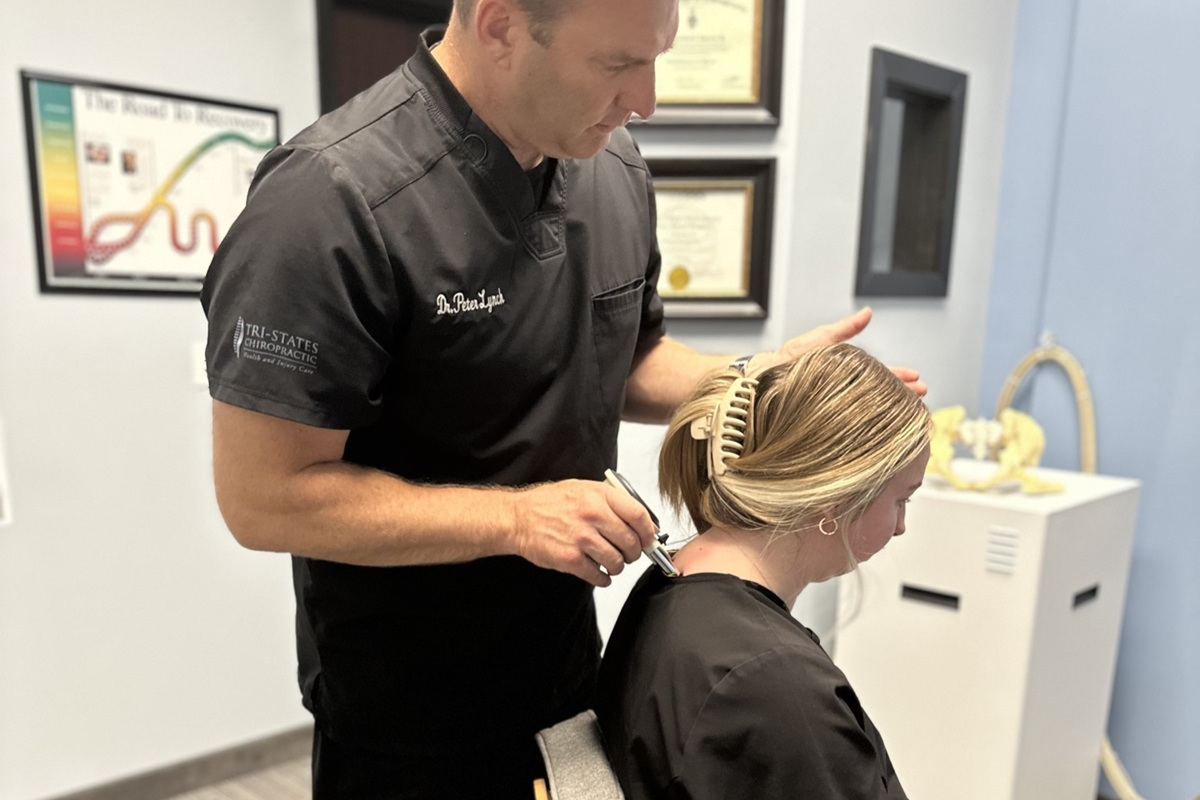
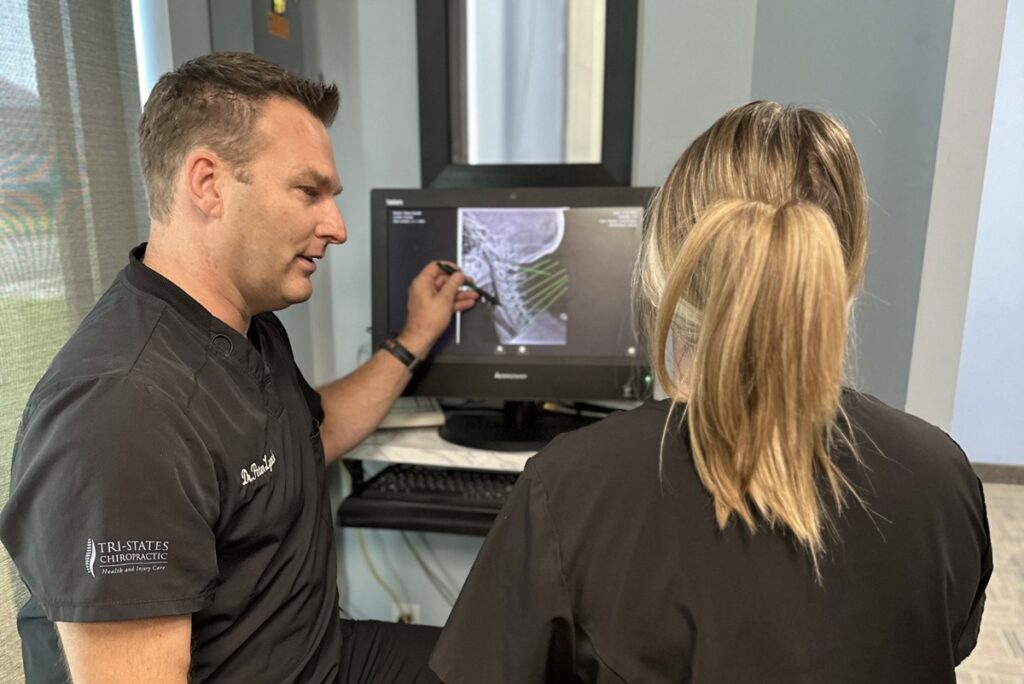
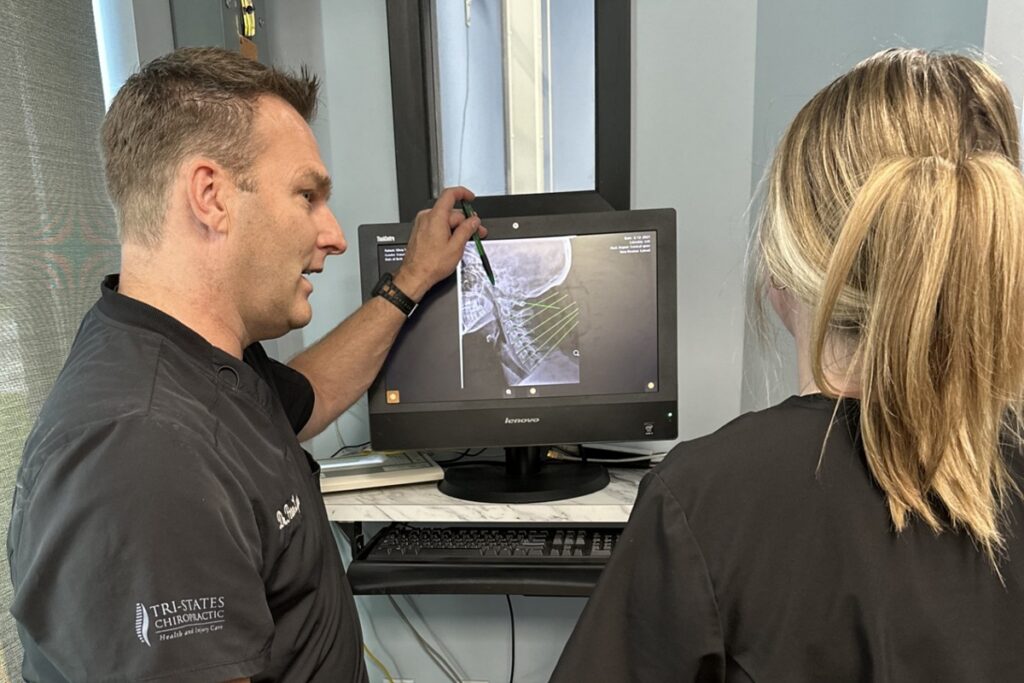
If you come into Tri-States Chiropractic in Dubuque, IA following a whiplash injury, your first visit will focus on a thorough evaluation. Dr. Peter Lynch takes the time to understand exactly what happened, how you’re feeling, and where your pain is located. A detailed physical examination of the neck and spine is performed, and if needed, imaging may be recommended to get a clearer picture of any structural changes.
From there, Dr. Peter Lynch develops an individualized care plan based on your specific injury, symptoms, and goals. No two whiplash cases are identical, and a one-size-fits-all approach simply doesn’t work well with this type of injury. Your plan may include gentle cervical adjustments to restore joint mobility, soft tissue work to address muscular tension and spasm, and guided recommendations for what you should and shouldn’t be doing at home during your recovery.
Many patients at Tri-States Chiropractic are surprised by how gentle and comfortable chiropractic care for whiplash can be. There’s a common misconception that adjustments involve forceful cracking or twisting of an already painful neck — but in the acute phase of a whiplash injury, care is typically quite gentle and progressive. The body is respected at every stage of healing.
Practical Tips for Recovery at Home
Chiropractic care works best when it’s supported by good habits at home. During your recovery from whiplash, there are several things you can do to support the healing process and avoid making things worse.
In the first few days after your injury, applying ice to the neck for 15 to 20 minutes at a time can help manage inflammation. Avoid activities that require you to strain or overextend your neck, including heavy lifting or prolonged screen time with your head tilted forward. Sleep positioning matters too — sleeping on your back with a supportive pillow that keeps your head in a neutral alignment is generally recommended.
Gentle movement is typically better than complete rest. While you shouldn’t push through sharp pain, staying completely still for extended periods can cause muscles to tighten further and slow the healing process. Dr. Peter Lynch and the team at Tri-States Chiropractic can provide you with specific guidance on which movements are safe and beneficial during each phase of your recovery. Staying hydrated, eating an anti-inflammatory diet rich in whole foods, and getting adequate sleep are all lifestyle factors that support tissue repair as well.
When to See a Chiropractor for Whiplash
Ideally, you should seek a chiropractic evaluation as soon as possible after a whiplash-type injury — even if your symptoms feel minor. The earlier the spine is assessed and treated, the better the long-term outcome tends to be. Waiting weeks or months can allow compensatory patterns to develop, where other muscles and joints start working overtime to make up for the injured area, creating a cascade of secondary problems.
You should seek chiropractic care if you experience neck pain or stiffness, headaches following an accident or impact, shoulder or upper back tension, arm numbness or tingling, dizziness, or difficulty with concentration or memory after a head or neck injury. These are all signs that the cervical spine and surrounding structures deserve a professional evaluation.
There are also red flag symptoms that warrant immediate medical attention rather than — or in addition to — chiropractic care. These include loss of consciousness, severe neurological symptoms such as sudden weakness or loss of sensation in the limbs, extreme difficulty swallowing or breathing, or intense pain that worsens rapidly. In those situations, please seek emergency care right away. A good chiropractor will always refer you to the appropriate provider if your condition falls outside the scope of conservative chiropractic care.
Whiplash Treatment Approaches Compared
Treatment Approach |
Primary Goal |
Addresses Root Cause? |
Drug-Free? |
Non-Invasive? |
|---|---|---|---|---|
|
Chiropractic Care |
Restore spinal alignment, reduce nerve irritation, improve mobility |
Yes |
Yes |
Yes |
|
Pain Medication |
Manage pain and inflammation symptoms |
No |
No |
Yes |
|
Physical Therapy |
Strengthen supporting muscles, restore range of motion |
Partially |
Yes |
Yes |
|
Surgery |
Correct structural damage in severe cases |
Yes (in select cases) |
No |
No |
|
Rest Only |
Allow passive healing |
No |
Yes |
Yes |
Common Myths About Whiplash
Myth: If You Don’t Feel Pain Right Away, You Weren’t Seriously Injured
Fact: Whiplash symptoms are frequently delayed by 24 to 72 hours. Adrenaline and the body’s initial stress response can temporarily mask pain. The absence of immediate symptoms does not mean the injury is minor or that no structural damage has occurred. Always get evaluated after any accident involving head or neck movement.
Myth: Whiplash Only Happens in High-Speed Accidents
Fact: Some of the most common whiplash injuries occur in low-speed collisions. The cervical spine is vulnerable even when vehicle damage appears minimal. The biomechanics of a whiplash injury depend on many factors beyond vehicle speed, including head position, seat angle, and whether or not the occupant was braced for impact.
Myth: Chiropractic Adjustments Are Dangerous for a Neck Injury
Fact: Chiropractic care for whiplash is generally considered safe and gentle, particularly when delivered by a trained, licensed chiropractor. Care in the acute phase is typically conservative and adapted to the patient’s current level of pain and inflammation. Dr. Peter Lynch tailors each treatment approach to the individual’s specific presentation and tolerance.
Myth: Whiplash Will Just Heal on Its Own with Rest
Fact: While mild whiplash can sometimes resolve on its own, many cases left untreated develop into chronic neck pain or recurring headaches. Research indicates that early, active intervention tends to lead to better outcomes than passive rest alone. Getting assessed early gives you the best chance at full recovery.
Myth: Chiropractic Care Is Only About Cracking Backs
Fact: Chiropractic care encompasses a wide range of therapies and techniques. For whiplash specifically, treatment may include gentle spinal mobilization, soft tissue therapy, rehabilitative exercises, and lifestyle coaching — not just spinal adjustments. The approach is always individualized based on what each patient needs at each stage of healing.
Final Thoughts
Whiplash is a real, sometimes serious injury that deserves prompt attention and proper care. If you’ve been in an accident — whether it was a fender-bender on Highway 20 or a collision on the sports field — don’t wait for the pain to become unbearable before seeking help. The sooner you get evaluated, the better your chances of a smooth, complete recovery.
At Tri-States Chiropractic in Dubuque, IA, Dr. Peter Lynch is committed to helping members of our community recover from whiplash injuries with compassionate, evidence-informed chiropractic care. The approach here is never rushed or cookie-cutter. Every patient receives a thorough assessment and a care plan built around their individual needs and health goals.
If you or someone you know is dealing with neck pain, headaches, or other symptoms following an accident, know that help is available right here in the Dubuque community. You don’t have to simply push through the pain or rely on medication indefinitely. There’s a natural, non-invasive path to recovery — and it starts with a conversation.
Frequently Asked Questions
How soon after a car accident should I see a chiropractor for whiplash?
Ideally, you should seek an evaluation within the first few days following any accident that involved a sudden jolt to your head or neck. Early assessment helps identify any spinal misalignments before inflammation peaks and before compensatory patterns have a chance to develop. Even if you feel okay initially, it’s worth getting checked out.
How many chiropractic visits does it typically take to recover from whiplash?
The number of visits varies depending on the severity of the injury, your overall health, and how quickly your body responds to care. Mild cases may resolve relatively quickly, while more complex injuries can require a longer course of treatment. Dr. Peter Lynch will assess your progress regularly and adjust your care plan accordingly.
Is chiropractic care safe for whiplash during the acute (early) phase?
Yes, chiropractic care can be delivered safely during the acute phase of a whiplash injury when the approach is adapted to the patient’s current condition. Gentle mobilization techniques are often used in the early stages rather than more forceful adjustments. Your comfort and safety are always the priority.
Can whiplash cause long-term problems if left untreated?
Yes, it can. Untreated whiplash can develop into chronic neck pain, persistent headaches, reduced range of motion, and even degenerative changes to the cervical spine over time. Seeking timely, appropriate care significantly reduces the risk of these long-term complications.
Does chiropractic care for whiplash hurt?
Most patients find chiropractic care for whiplash to be comfortable and even relieving, especially as treatment progresses. In the earliest stages, some mild soreness after an adjustment can occur as the body adapts, but this is typically brief. Dr. Peter Lynch works at a pace that respects your current pain level and healing stage.
Can I see a chiropractor for whiplash even if I also have medical care?
Absolutely. Chiropractic care works well alongside medical treatment and is often part of a coordinated, multidisciplinary approach to whiplash recovery. Chiropractors and medical providers can complement each other’s care, and a good chiropractor will communicate with other providers when appropriate to ensure you’re receiving comprehensive support.
TL;DR
-
Whiplash is a soft tissue and joint injury to the cervical spine caused by rapid head movement — symptoms often appear 24 to 72 hours after the incident.
-
Chiropractic care addresses the structural root cause of whiplash rather than just masking symptoms with medication.
-
Early intervention leads to better outcomes — don’t wait for symptoms to worsen before seeking care.
-
At Tri-States Chiropractic in Dubuque, IA, Dr. Peter Lynch provides individualized, gentle, evidence-informed whiplash care tailored to each patient’s needs.
-
Red flag symptoms like sudden limb weakness, loss of consciousness, or difficulty breathing require emergency medical attention before or alongside chiropractic care.