If you’re experiencing low back pain, finding effective relief is crucial for your overall well-being. Chiropractic care stands out as a natural and effective approach to restoring mobility and alleviating discomfort. With a variety of techniques tailored to meet individual needs, chiropractic care empowers you to take control of your health without the need for surgeries or medications.
From spinal manipulation, which helps align your spine and improve function, to targeted rehabilitation exercises designed to strengthen your back, each method offers unique benefits that contribute to your recovery journey. By understanding these chiropractic techniques, you can make informed decisions about your care and embrace a healthier lifestyle.
Here are ten of the best chiropractic techniques that can help ease your low back pain and promote wellness:
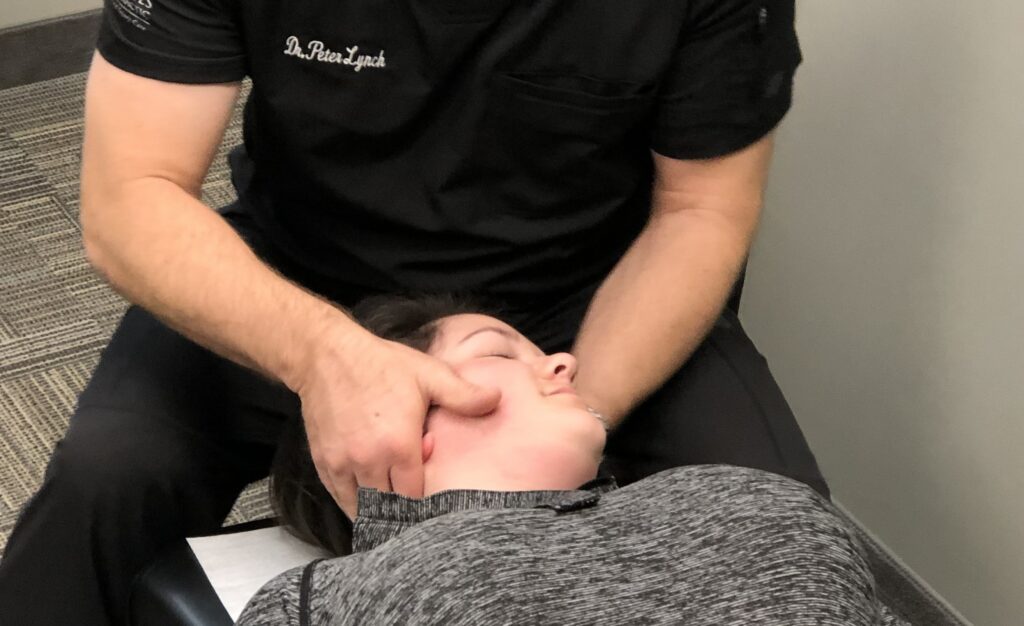
- Spinal Manipulation: This hands-on technique involves adjusting the spinal joints to improve alignment and relieve pressure on nerves, which can significantly reduce pain.
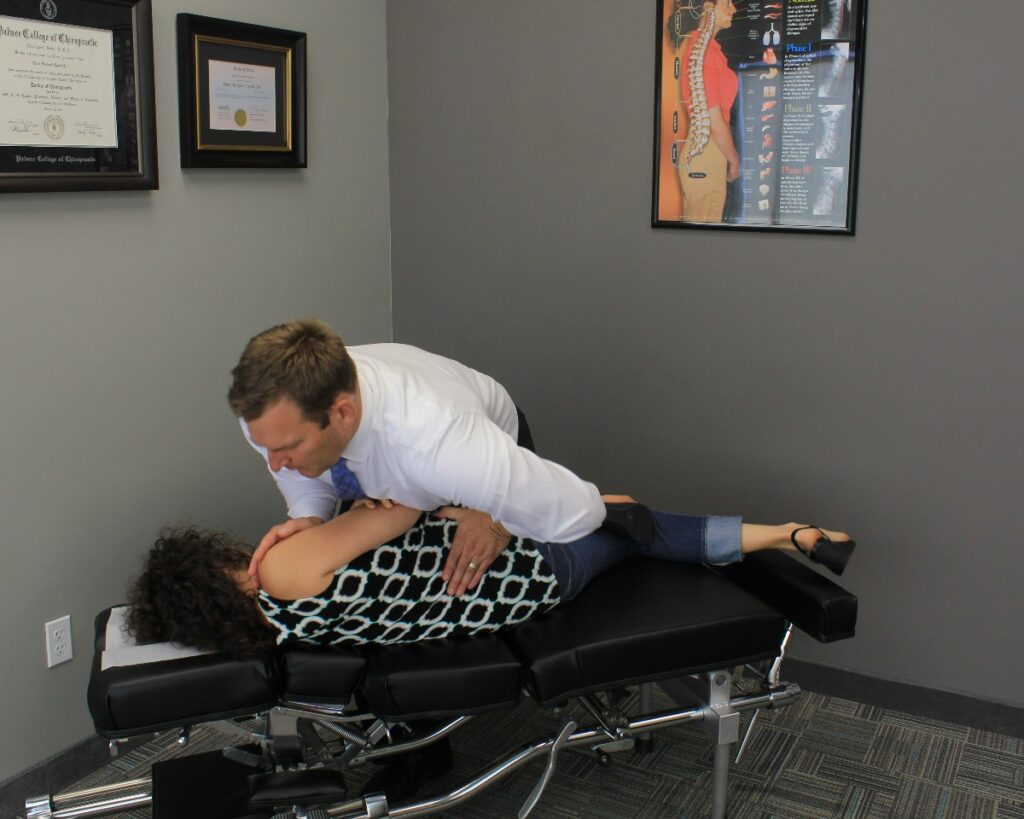
- Flexion-Distraction: This gentle technique involves stretching the spine while applying a distraction force, which can help relieve pressure on spinal discs and alleviate pain.
- Soft Tissue Therapy: Techniques such as massage and myofascial release help release muscle tension and improve circulation, promoting healing and reducing discomfort.
- Rehabilitative Exercises: Tailored exercises can help strengthen the muscles supporting your back, enhance flexibility, and prevent future injuries.
- Postural Training: Learning how to maintain proper posture during daily activities can reduce strain on your back and prevent pain from recurring.
- Lifestyle and Nutritional Counseling: Embracing a balanced diet and healthy lifestyle choices can support your body’s natural healing processes and enhance your overall well-being.
- Heat and Cold Therapy: Applying heat or cold packs can provide immediate relief from pain and inflammation, helping you feel better faster.
- Electrical Stimulation: This non-invasive technique uses electrical impulses to reduce pain and promote healing in injured tissues.
- Kinesiology Taping: This method involves applying specialized tape to support muscles and joints, helping to alleviate pain and improve mobility.
- Patient Education: Understanding your body and how it works can empower you to take charge of your health. Your chiropractor can provide valuable insights and tips on maintaining a healthy spine.
Chiropractic care is not just about treating pain; it’s about fostering a holistic approach to health and wellness. By incorporating these techniques into your care plan, you can pave the way for a healthier, pain-free life. Remember, prioritizing your spinal health is key to achieving optimal wellness. If you’re ready to take the next step, consider visiting your local chiropractor for personalized care tailored to your needs.
Key Takeaways
- Spinal Manipulation: This gentle, controlled technique applies targeted force to specific spinal joints. It’s designed to relieve low back pain, restore proper alignment, and enhance mobility. By incorporating spinal manipulation into your routine, you can experience lasting benefits that promote a healthier spine.
- Flexion-Distraction Technique: A gentle and effective method, this technique helps decompress the spine, providing immediate relief and improving your range of motion. It’s especially beneficial for those dealing with herniated discs. Think of it as giving your spine a little extra space to breathe, leading to better comfort and movement.
- Active Release Technique (ART): ART focuses on releasing tightness in soft tissues, which can significantly enhance muscle function. Through targeted movements and pressure, this technique promotes faster recovery and helps you regain your strength. It’s a wonderful way to support your body’s natural healing process.
- Electrical Stimulation: Using low-voltage currents, this technique disrupts pain pathways and encourages your body to release its natural pain relievers, endorphins. Regular sessions can help manage pain effectively and aid in recovery, making it a great addition to your chiropractic care.
- Rehabilitation Exercises: Incorporating regular exercises into your routine is crucial for strengthening your core muscles and improving flexibility. This not only helps prevent future low back injuries but also enhances your overall spinal health. Simple stretches and strengthening exercises can make a big difference in how you feel day-to-day.
General Tips for a Healthier Back:
- Maintain good posture, especially when sitting for long periods.
- Stay active with regular physical activity to keep your spine and muscles engaged.
- Listen to your body and take breaks when needed to avoid strain.
- Stay hydrated and nourish your body with a balanced diet to support overall health.
By embracing these chiropractic techniques and tips, you can take charge of your spinal health and enjoy a more active, pain-free life!
Spinal Manipulation
Spinal manipulation is a highly effective method for relieving low back pain naturally. As a chiropractor, I use this technique to apply controlled force to specific joints in your spine, which can lead to immediate relief. This manipulation helps to restore proper alignment and mobility, reducing tension on the muscles and nerves surrounding your spine.
During your visit, I’ll evaluate your condition and tailor the treatment specifically to your needs. You can expect a blend of adjustments, stretches, and exercises aimed at improving your overall spinal health. Many of my patients notice enhanced range of motion and a significant reduction in pain after just a few sessions.
It’s crucial to communicate openly about any discomfort you may experience during treatment, as your comfort is essential for achieving the best results. Regular spinal manipulation not only helps alleviate current pain but also plays a key role in preventing future episodes of low back pain. By promoting better posture and optimal spine function, chiropractic care allows you to lead a more active, pain-free life.
Here are some simple tips to help you maintain your spinal health between visits:
- Practice Good Posture: Sit and stand with your shoulders back and your spine straight to minimize strain on your back.
- Stay Active: Engage in regular physical activity, such as walking or gentle stretching, to keep your muscles strong and flexible.
- Listen to Your Body: Pay attention to any signs of discomfort and address them early, either through chiropractic care or adjustments in your daily activities.
- Use Proper Lifting Techniques: Bend at your knees and keep your back straight when lifting heavy objects to avoid injury.
With consistent chiropractic care, you can enjoy a healthier, pain-free lifestyle. Remember, your spine is the foundation of your overall health, and taking care of it’s one of the best decisions you can make for your well-being!
Flexion-Distraction Technique
When it comes to finding relief from low back pain, the Flexion-Distraction Technique is one of the most effective and natural methods available. This gentle, non-invasive approach utilizes a specially designed table that allows your chiropractor to flex and decompress your spine. As you relax on the table, your chiropractor carefully pulls and stretches your spine, which helps to alleviate pressure on the intervertebral discs and reduce nerve irritation.
Many patients experience immediate relief as tension melts away and their range of motion improves. This technique not only focuses on the low back but also benefits the surrounding muscles and tissues, promoting better blood flow and healing. It’s particularly beneficial for conditions such as herniated discs, sciatica, and spinal stenosis.
One of the great advantages of the Flexion-Distraction Technique is that it’s a comfortable and calming experience. Regular sessions can support your recovery and lead to long-term improvements in managing low back pain.
To enhance your wellness journey, consider incorporating some simple tips into your daily routine. Make sure to maintain good posture when sitting or standing, take regular breaks to stretch throughout the day, and engage in gentle exercises that strengthen your core and back muscles. Additionally, staying hydrated and ensuring you have a supportive mattress can contribute to your overall spinal health.
If you’re experiencing low back pain, don’t hesitate to discuss the Flexion-Distraction Technique with your chiropractor. Embrace the natural path to healing and enjoy a healthier, pain-free life!
Active Release Technique
Building on the benefits of the Flexion-Distraction Technique, the Active Release Technique (ART) is another powerful approach that can help you tackle low back pain. ART is all about releasing tightness and breaking up adhesions in your soft tissues, which can lead to improved muscle function and better range of motion. By using specific movements and applying targeted pressure, you can effectively ease discomfort and regain your mobility.
Here’s a simple overview of how ART can benefit you:
| Benefit | Process | Outcome |
|---|---|---|
| Pain Relief | Gentle muscle manipulation | Less discomfort |
| Increased Mobility | Stretching and tension release | Improved flexibility |
| Faster Recovery | Engaging actively in your therapy | Quick return to daily activities |
| Customized Treatment | Tailored to your specific needs | Personal care that fits you |
Incorporating ART into your chiropractic care can lead to meaningful improvements in how you manage low back pain. This proactive approach not only helps in alleviating pain but also empowers you to take charge of your health and well-being.
Here are a few tips to consider for better spinal health and wellness:
- Stay Active: Regular gentle movement, like walking or stretching, can keep your back healthy.
- Posture Matters: Pay attention to your sitting and standing posture. Good alignment can prevent unnecessary strain on your back.
- Listen to Your Body: If you feel discomfort, don’t ignore it. Early intervention is key in preventing more serious issues.
- Hydrate and Nourish: Drink plenty of water and eat a balanced diet rich in anti-inflammatory foods to support your body’s healing processes.
- Regular Chiropractic Visits: Keep up with your chiropractic appointments to maintain your progress and overall health.
Chiropractic care, including techniques like ART, is a natural and effective way to achieve optimal health and relieve pain without the need for medications or surgeries. Embrace this holistic approach to your well-being!
Myofascial Release
Releasing tension in your muscles and connective tissues is essential for alleviating low back pain, and that’s where Myofascial Release (MFR) shines. As a chiropractor, I believe that this hands-on technique is one of the best ways to support your body’s natural healing process. MFR targets the fascia, the connective tissue that surrounds your muscles, and helps to alleviate restrictions that can limit your movement.
During an MFR session, I’ll work with you to pinpoint areas of tightness and discomfort. Using gentle, sustained pressure, I’ll stretch and manipulate the fascia, promoting better blood flow and reducing pain. While you may feel some initial discomfort, the relief that follows can be significant and transformative.
MFR isn’t just about providing immediate pain relief; it also improves your flexibility and overall function. By addressing chronic tension in your body, you can help prevent future flare-ups of pain. Incorporating MFR into your chiropractic care can lead to lasting improvements in your low back pain, allowing you to enjoy a more active and vibrant lifestyle.
Here are a few tips you can incorporate into your daily routine to further support your back health:
- Stay Active: Engage in regular, low-impact exercises such as walking, swimming, or yoga to keep your muscles strong and flexible.
- Practice Good Posture: Be mindful of your posture while sitting, standing, or lifting. Proper alignment can prevent unnecessary strain on your back.
- Stretch Regularly: Incorporate gentle stretching into your daily routine to release tension and improve flexibility.
- Stay Hydrated: Drinking plenty of water helps maintain the elasticity of your fascia and keeps your muscles functioning optimally.
Electrical Stimulation
Electrical stimulation is an innovative technique that can be an excellent addition to your chiropractic care plan for relieving low back pain. By directly targeting the nerves and muscles, this method helps interrupt pain signals and promotes healing in a natural way. It’s essential to discuss the ideal treatment duration with your chiropractor to ensure you get the maximum benefits from this therapy.
Incorporating electrical stimulation into your routine can provide significant relief, but it’s important to remember that chiropractic care is the cornerstone of achieving optimal health and wellness. Regular chiropractic adjustments can help align your spine, improve your overall function, and support your body’s natural healing abilities.
Aside from electrical stimulation, here are a few tips to enhance your recovery and maintain a healthy back:
- Stay Active: Engage in gentle exercises and stretches that strengthen your core and back muscles. Activities like walking, swimming, or yoga can be beneficial.
- Practice Good Posture: Pay attention to your posture throughout the day, whether sitting at a desk or lifting objects. Proper alignment can prevent strain on your back.
- Use Heat or Cold Therapy: Applying heat or cold packs can help alleviate discomfort and reduce inflammation.
- Stay Hydrated: Drinking plenty of water is crucial for maintaining the elasticity of your spinal discs and overall spinal health.
- Follow a Balanced Diet: Eating a nutritious diet rich in vitamins and minerals supports your body’s healing processes and helps you maintain a healthy weight.
Pain Relief Mechanism
When dealing with low back pain, one of the most effective and natural methods for relief is through chiropractic care. As a chiropractor, I want to emphasize the importance of addressing the root cause of your discomfort rather than just masking the symptoms.
Chiropractic adjustments can help realign your spine, which is essential for optimal nerve function. When your spine is in proper alignment, it can significantly reduce pain signals sent to your brain. This can provide immediate relief and help you regain your mobility.
In addition to spinal adjustments, there are other techniques we often use in practice, such as electrical stimulation therapy. This method involves applying low-voltage electrical currents to stimulate your nerves and muscles. These currents can disrupt pain pathways, helping to alleviate discomfort. Not only does this therapy provide relief, but it also encourages your body to release endorphins—your natural painkillers—which can enhance your overall sense of well-being.
Moreover, regular chiropractic care can improve blood circulation, which is crucial for healing. Enhanced blood flow brings essential nutrients to the affected areas, expediting recovery and reducing muscle tension.
Here are a few additional tips to manage low back pain naturally:
- Stay Active: Gentle exercises and stretches can strengthen your back and improve flexibility. Activities like walking or yoga are great options.
- Practice Good Posture: Be mindful of your posture when sitting, standing, and lifting objects. Good posture can prevent unnecessary strain on your back.
- Use Heat or Ice: Applying heat or ice packs can help reduce inflammation and soothe sore muscles.
- Stay Hydrated: Drinking plenty of water supports spinal health by keeping the discs in your spine hydrated.
Treatment Duration Recommendations
To get the most benefit from electrical stimulation therapy for low back pain, it’s important to stick to the recommended treatment durations. Typically, sessions are around 20 to 30 minutes long, and depending on your individual condition, you may need to come in for treatment two to three times a week. As your local chiropractor, I’ll continuously assess your progress and may adjust the frequency of your sessions to ensure you’re getting the best care possible.
Generally, a complete course of treatment lasts several weeks, giving your body the time it needs to respond positively to the therapy. Consistency is key here; if you skip sessions, it could slow down your recovery. It’s also crucial to keep the lines of communication open. If you experience any discomfort or notice changes in your condition, please let me know. This way, I can tailor your treatment plan to meet your specific needs.
In addition to your therapy sessions, consider incorporating some simple lifestyle tips to support your healing process. Staying active with gentle exercises, maintaining good posture, and practicing relaxation techniques can all help.
Ultrasound Therapy
Ultrasound therapy is an effective method to help manage low back pain, and when combined with chiropractic care, it can enhance your healing journey. This treatment utilizes sound waves to stimulate healing and reduce inflammation, bringing a range of benefits to your overall wellness.
During your sessions, a trained chiropractor will use a device that emits ultrasound waves directly onto the affected area. These sound waves penetrate deep into the tissue, promoting circulation and encouraging your body’s natural healing processes. This can help alleviate pain and improve mobility, making it an excellent complement to your chiropractic adjustments.
As you explore the benefits of ultrasound therapy, here are some general tips for maintaining a healthy back:
- Stay Active: Engage in regular physical activity, focusing on exercises that strengthen your core and back muscles. Activities like walking, swimming, or yoga can be particularly beneficial.
- Maintain Good Posture: Be mindful of your posture, especially when sitting for extended periods. Use ergonomic furniture and take breaks to stretch and move around.
- Practice Stress Relief: Stress can contribute to tension in your back. Consider relaxation techniques such as deep breathing, meditation, or gentle stretching.
- Stay Hydrated: Drinking plenty of water can help keep your discs hydrated and functioning properly.
- Consider Regular Chiropractic Care: Routine visits to your chiropractor can help maintain spinal health, prevent future issues, and support your overall wellness.
Benefits of Ultrasound Therapy
Often overlooked, ultrasound therapy can be a valuable tool for those experiencing low back pain. This gentle, non-invasive treatment uses sound waves to reach deep into the tissues, promoting healing and reducing inflammation in a natural way. One of the great benefits of ultrasound therapy is that it enhances blood circulation, which can lead to quicker recovery times and help your body heal itself more effectively.
Additionally, ultrasound therapy is known to relieve muscle spasms and stiffness, making it easier for you to move comfortably throughout your day. Many patients find that they experience a significant reduction in pain, allowing them to engage more fully in their daily activities without the limitations of discomfort.
What’s more, since ultrasound therapy is typically painless, you can undergo treatment without the worry of experiencing discomfort. By integrating ultrasound therapy into your chiropractic care plan, you may discover a more holistic and effective approach to managing your low back pain, leading to an improved overall quality of life.
As a chiropractor, I encourage you to consider some additional tips for managing your low back pain at home. Practicing good posture, staying active with gentle exercises, and incorporating stretches can make a big difference in your comfort levels. Remember, chiropractic care is a natural and effective way to achieve optimal health and wellness, helping you to live your best life without the need for invasive procedures or medications.
Treatment Procedure Overview
Understanding the treatment procedure for ultrasound therapy is essential for anyone looking to enhance their chiropractic care plan.
During your session, your chiropractor will apply a soothing gel to the targeted area on your lower back. This gel not only helps the ultrasound wand glide smoothly over your skin but also aids in the overall effectiveness of the treatment.
As the wand emits gentle sound waves, many patients report feeling a comforting warmth that encourages healing and alleviates pain.
Typically, this relaxing treatment lasts about 5 to 10 minutes.
After your session, you may experience improved mobility and a noticeable reduction in discomfort.
It’s important to follow your chiropractor’s recommendations to achieve the best results. Regular ultrasound therapy can significantly improve your low back pain and enhance your overall function.
Beyond ultrasound therapy, here are some additional tips for maintaining a healthy spine and promoting natural healing:
- Stay Active: Engage in regular physical activity that strengthens your core and back muscles. Simple exercises like walking, swimming, or yoga can work wonders.
- Maintain Good Posture: Pay attention to your posture while sitting, standing, and lifting. Good posture reduces strain on your spine and helps prevent future discomfort.
- Stay Hydrated: Drinking plenty of water aids in maintaining the elasticity of your spinal discs and overall spinal health.
- Get Enough Rest: Quality sleep is crucial for recovery. Make sure your sleeping environment supports good spinal alignment.
- Incorporate Stretching: Regular stretching can help improve flexibility and reduce muscle tension.
Remember, chiropractic care is a holistic approach to achieving optimal health and well-being.
Trigger Point Therapy
Trigger point therapy is an essential technique that can help you manage low back pain effectively by focusing on specific muscle knots that contribute to discomfort and tension. This natural approach not only alleviates pain but also promotes overall wellness. Here’s what you can expect during a session and how it can benefit you:
- Assessment: During your visit, I’ll carefully evaluate your pain and pinpoint the trigger points in your muscles. Understanding the source of your discomfort is the first step towards effective relief.
- Pressure Application: I’ll apply targeted pressure to the identified knots. While this may feel a bit uncomfortable at times, it’s a crucial part of releasing the tightness that’s holding you back from feeling your best.
- Stretching: Once we’ve released the knots, I’ll guide you through gentle stretching exercises. This helps to restore flexibility and prevents further tightness, allowing your body to move more freely.
- Follow-Up: To ensure lasting benefits, I may suggest follow-up sessions and practical self-care techniques that you can incorporate into your daily routine. These tips will help you maintain the improvements and prevent future discomfort.
In addition to trigger point therapy, here are some general tips to support your back health:
- Stay Active: Engage in regular physical activity to strengthen your back and core muscles.
- Practice Good Posture: Be mindful of your posture when sitting, standing, or lifting to reduce strain on your back.
- Stay Hydrated: Drinking plenty of water supports muscle health and overall body function.
- Incorporate Stretching: Regular stretching can keep your muscles flexible and reduce tension.
Postural Correction
After addressing muscle knots with trigger point therapy, focusing on your posture can significantly enhance your recovery from low back pain. Good posture isn’t just about standing tall; it’s about aligning your body in a way that minimizes strain on your spine and muscles. When you slouch or lean forward, you increase pressure on your lower back, which can worsen your discomfort.
To correct your posture, start by being mindful of how you sit, stand, and move throughout the day. Keep your shoulders back, your spine straight, and your feet flat on the floor when sitting. Investing in ergonomic furniture can also support your natural alignment, making a positive difference in your daily comfort.
It’s important to regularly check in with your posture during everyday activities. If you find yourself drifting into poor posture, make small adjustments. Simple reminders, like setting a timer to check your posture every hour or using sticky notes as prompts, can help you stay aware.
Rehabilitation Exercises
Incorporating rehabilitation exercises into your daily routine can significantly aid in your recovery from low back pain. Not only do these exercises strengthen your back, but they also enhance flexibility and help prevent future injuries. As a chiropractor, I believe that these natural methods, alongside chiropractic care, can lead to optimal health and wellness.
Here are four effective rehabilitation exercises to consider:
- Pelvic Tilts: Start by lying on your back with your knees bent. Engage your abdominal muscles and gently press your lower back into the floor. Hold this position for a few seconds, then relax. This exercise helps to strengthen your core and alleviate pressure on your spine.
- Knee-to-Chest Stretch: While lying on your back, gently pull one knee toward your chest and hold it for 15-30 seconds. Switch legs and repeat. This stretch helps to relieve tension in your lower back and improve flexibility.
- Bird Dog: Begin on all fours, keeping your back straight. Extend one arm forward and the opposite leg back, engaging your core. Hold this position for a few seconds, then switch sides. This exercise is fantastic for improving balance and strengthening your back.
- Bridges: Lie on your back with your knees bent and feet flat on the floor. Lift your hips off the ground while squeezing your glutes. Hold for a few seconds before lowering back down. Bridges strengthen your lower back, glutes, and core, which are essential for spinal support.
Remember, practicing these exercises regularly, combined with chiropractic care, can effectively alleviate pain and enhance your overall well-being. Always listen to your body, and if you experience any discomfort, consult your chiropractor for personalized guidance.
Embracing these natural healing methods can lead to a healthier, pain-free life!
Lifestyle and Ergonomic Counseling
Managing low back pain effectively involves a strong focus on lifestyle changes and ergonomic adjustments, and this is where chiropractic care shines. As your local chiropractor, I want to guide you in identifying habits and routines that might be contributing to your discomfort.
Start by taking a close look at your daily activities. Pay attention to how you sit, stand, and lift objects. If you find yourself spending long hours at a desk, it’s time to make some adjustments. Consider elevating your chair to the right height, using lumbar support for your lower back, and remembering to take regular breaks to stretch and move around. These simple changes can make a significant difference in your comfort levels.
Maintaining a healthy weight is also essential for reducing strain on your back. Focus on a balanced diet filled with whole foods, and incorporate regular physical activity into your routine. Not only will this help your back, but it will also boost your overall health and wellness.
At home, be mindful of your posture while watching TV or using your phone. Avoid slouching or leaning forward, as this can put extra pressure on your spine. Instead, sit up straight and support your lower back.
Finally, I encourage you to consult with me to create a personalized chiropractic plan that incorporates these lifestyle changes. Together, we can work towards promoting a healthier back and enhancing your overall well-being through natural methods. Remember, small adjustments in your daily routine can lead to significant improvements in your comfort and health. Embrace chiropractic care as a holistic approach to achieving optimal health and wellness!