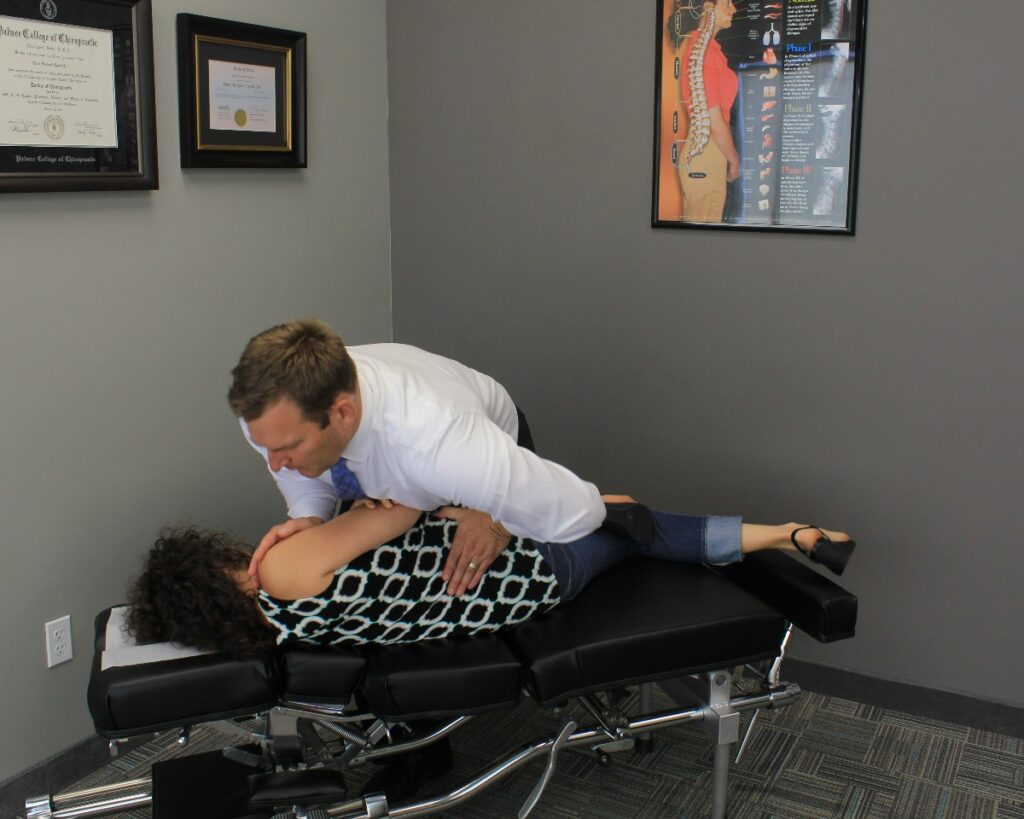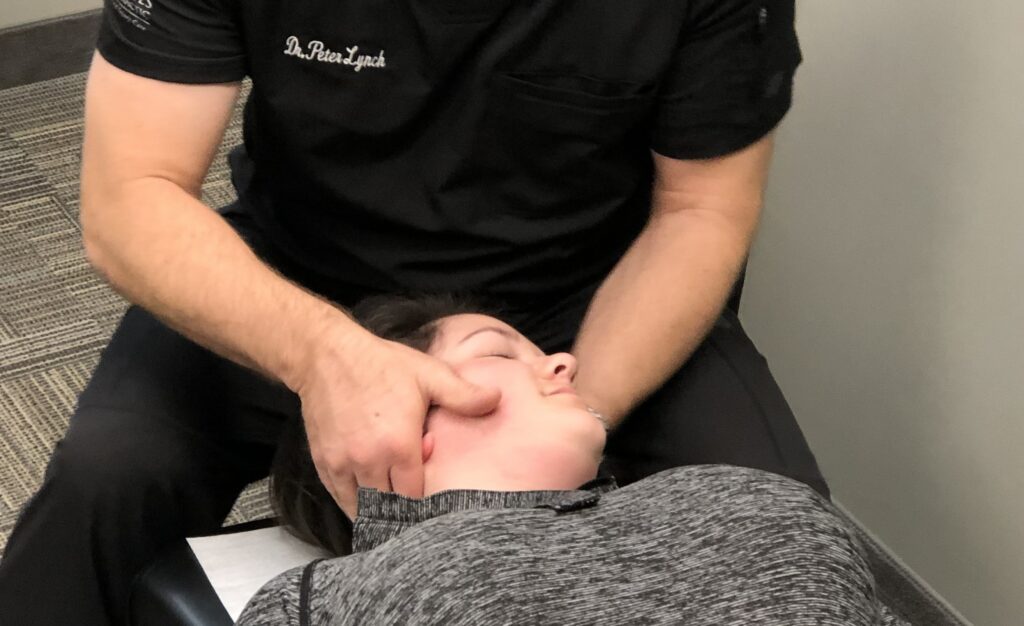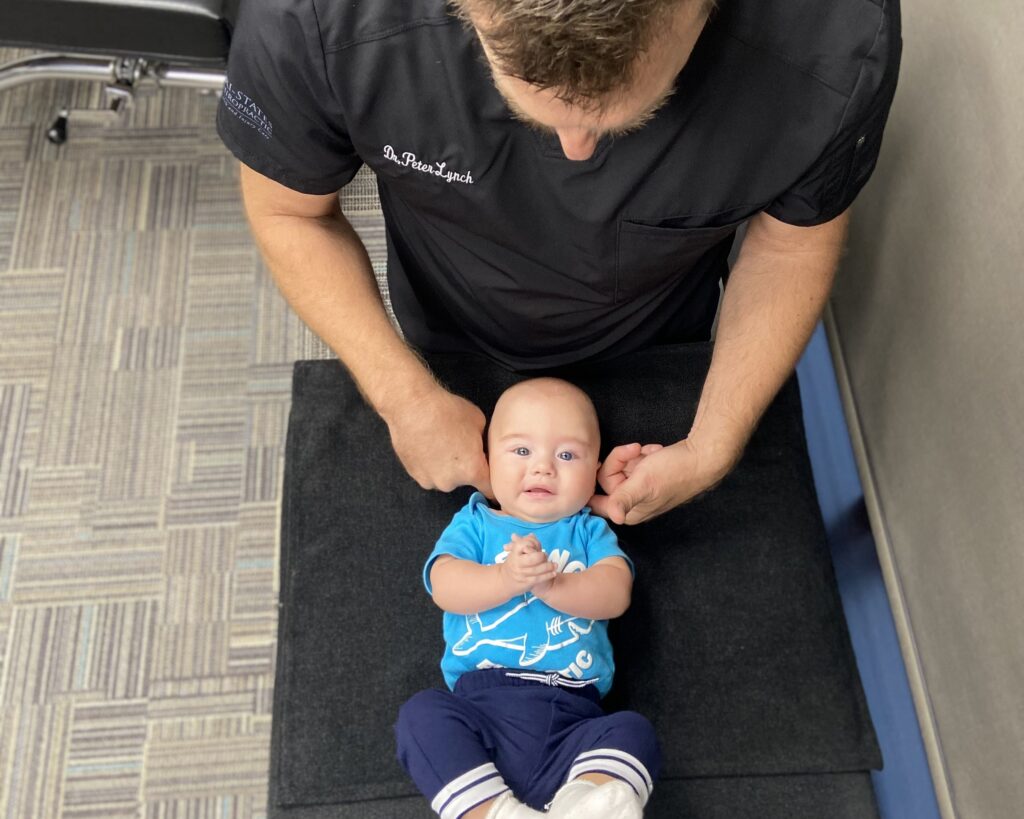
As a local chiropractor, I want to reassure you that if you're experiencing sports-related back pain, you're not alone. Many individuals face similar challenges, and the good news is that there are numerous natural solutions available to help alleviate your discomfort. The first step in your journey to relief is understanding the underlying causes of your pain.
From there, we can explore a variety of effective strategies, including targeted stretches that can enhance mobility, core-strengthening exercises to support your spine, and even dietary adjustments that may aid in your recovery. My approach focuses on a holistic understanding of your body, considering both physical and lifestyle factors that contribute to your pain.
By implementing these strategies, you can take proactive steps toward managing your pain naturally. If you're curious about where to begin or how chiropractic care can fit into your recovery plan, I'm here to guide you on this journey. Together, we can identify the most effective methods to help you regain your comfort and enjoy your favorite activities again.
Understanding Sports Back Pain
As a local chiropractor, I want to help you understand the common issue of sports back pain and how it relates to your overall health. Many athletes, whether amateur or professional, often face physical demands that can lead to discomfort in their backs. Activities that involve high-impact movements, repetitive motions, or sudden shifts can place significant strain on your spine.
When you engage in sports like weightlifting, running, or contact games, it's essential to perform each action with proper technique. Failing to do so can result in muscle strains, ligament sprains, or even serious conditions such as herniated discs. You may find yourself experiencing pain that radiates from your lower back down to your legs or stiffness that restricts your movement. Understanding how your body functions during these activities is key to recognizing the causes of your pain.
Common issues we see in our practice include poor posture, incorrect techniques, and insufficient warm-up routines—all of which can contribute to back pain. Your core strength is particularly important; strong core muscles support your spine and help maintain balance. If your core isn't strong enough, it may lead to instability in your back during physical activities, increasing the risk of injury.
Additionally, tight muscles in your hips, hamstrings, or lower back can aggravate these problems. Recognizing these factors is the first step towards alleviating your sports back pain. It's crucial to listen to your body and pay attention to any discomfort.
Effective Stretches for Relief
As a local chiropractor dedicated to your well-being, I understand how sports-related back pain can significantly impact your daily life. One of the most effective ways to alleviate this discomfort and enhance your flexibility is by incorporating specific stretches into your routine. By targeting key muscle groups, you not only relieve existing tension but also create a foundation for preventing future issues. Here are some stretches I recommend for your back health.
Let's start with the cat-cow stretch. Begin on all fours, ensuring your hands are directly under your shoulders and your knees under your hips. Arch your back upward by tucking your chin to your chest (this is the cat position), then gently drop your belly while lifting your head and tailbone (the cow position). Repeat this flow for 5-10 breaths. This dynamic movement helps mobilize your spine, promoting flexibility and reducing stiffness.
Next, I suggest trying the child's pose. Kneel on the floor, sitting back on your heels, and extend your arms forward on the ground, allowing your forehead to rest on the floor. Breathe deeply and hold this position for 30 seconds to a minute. This stretch is fantastic for gently elongating your spine and releasing built-up tension in your back.
Another valuable stretch is the seated forward bend. Sit with your legs extended in front of you, take a deep breath in, and as you exhale, hinge at your hips to reach towards your toes. This stretch effectively targets your lower back and hamstrings, helping to ease tightness and improve overall mobility.
Finally, consider incorporating the figure-four stretch into your regimen. Lie on your back and cross your right ankle over your left knee. Gently pull your left thigh towards your chest. This movement opens up your hips and lower back, providing relief and enhancing flexibility.
I encourage you to integrate these stretches into your daily routine. With consistency, you may notice significant improvements in both your back pain and overall flexibility.
Strengthening Exercises to Consider
To effectively manage sports-related back pain, it's vital to focus on strengthening exercises that improve your core stability and bolster your lower back strength.
As a chiropractor, I emphasize the importance of incorporating flexibility and stretching routines into your regimen, as they play a significant role in your overall recovery and well-being.
Let's look at some key exercises that can help you build resilience and provide support for your back.
These practices not only aid in pain relief but also enhance your overall physical health, promoting a natural healing process that aligns with the principles of chiropractic care.
Core Stability Exercises
As a local chiropractor, I want to share how incorporating core stability exercises into your routine can significantly help alleviate sports-related back pain. A strong core is essential for supporting your spine, enhancing balance, and improving overall athletic performance. By focusing on exercises that engage your abdominal muscles, lower back, and pelvic region, you can build a solid foundation that helps prevent injuries and promotes natural healing.
Let's start with planks. This simple yet effective exercise engages multiple muscle groups, boosting your stability. Aim to hold a plank position for 20 to 30 seconds, and as your strength improves, gradually increase the duration. Additionally, side planks are fantastic for targeting the obliques and enhancing lateral stability, which is crucial for injury prevention.
Next, I recommend trying bridges. To perform this exercise, lie on your back with your knees bent and lift your hips while engaging your glutes and core. Hold the position for a few seconds before lowering your hips back down. This movement not only strengthens your core but also helps to relieve tension in your lower back.
Another excellent exercise is the bird-dog. Start on all fours and extend one arm and the opposite leg while keeping your core tight. This exercise enhances coordination and stability, which are vital for maintaining a healthy spine.
I encourage you to include these exercises in your routine at least three times a week. Consistency is essential; you'll likely notice a significant reduction in back pain as your core strength improves.
Remember to listen to your body, and if you ever feel unsure about any movements or if you're experiencing persistent pain, don't hesitate to reach out for professional guidance. Natural healing through chiropractic care, paired with core stability exercises, can make a remarkable difference in your overall well-being.
Flexibility and Stretching
As a local chiropractor, I want to emphasize the importance of flexibility and stretching in managing sports-related back pain. These practices aren't just beneficial; they're essential components of a holistic approach to your overall health and wellness. By incorporating flexibility and stretching into your routine, you can alleviate tension, enhance your range of motion, and significantly reduce the risk of future injuries.
I recommend starting with gentle stretches that focus on your back, hips, and hamstrings. These areas are commonly affected by tension and can contribute to discomfort if not addressed. Dynamic stretches, such as leg swings and torso twists, are excellent for warming up your muscles before engaging in physical activity. This preparation helps to prevent strains and injuries.
After your workouts, it's crucial to incorporate static stretches. Hold each position for 15 to 30 seconds, focusing on stretches like the cat-cow stretch, child's pose, or standing forward bends. Deep breathing during these stretches is vital; it allows your muscles to relax and lengthen, maximizing the benefits of each stretch.
Additionally, I encourage you to explore yoga as a valuable addition to your routine. Not only does it enhance flexibility, but it also promotes mindfulness and body awareness. Poses like downward dog and pigeon can be particularly effective in providing relief from back pain.
Always remember to listen to your body; if any stretch causes pain, ease off and modify it to suit your comfort level.
Lower Back Strengthening
As a local chiropractor, I want to emphasize the importance of strengthening your lower back for both injury prevention and pain relief. A strong lower back is crucial for supporting your spine and can greatly enhance your overall athletic performance.
Here are some effective exercises that I recommend incorporating into your routine:
- Bird-Dog: Begin on your hands and knees. Extend one arm forward while simultaneously extending the opposite leg back. Hold for a moment, then switch sides. This exercise promotes stability and coordination.
- Bridge: Lie on your back with your knees bent. Lift your hips off the ground while squeezing your glutes at the top. This exercise not only strengthens your lower back but also engages your core.
- Plank: Position yourself on your forearms and toes, maintaining a straight line from your head to your heels. Engaging your core and glutes is key to reaping the benefits of this exercise.
- Superman: Lie face down with your arms extended in front of you. Lift both your arms and legs off the ground simultaneously, holding for a few seconds. This is a great way to strengthen your back muscles.
- Deadlift: If you're comfortable with weights, use a barbell or dumbbells to perform a deadlift. Make sure to use proper form—keeping your back straight and engaging your legs—as you lift the weight from the ground.
I encourage you to incorporate these exercises into your weekly routine, aiming for two to three sessions.
Always prioritize proper form to avoid any potential injuries. With consistent effort, you can strengthen your lower back and improve your overall athletic performance, contributing to your overall well-being.
If you have any questions or need guidance, don't hesitate to reach out. Your health is important, and I'm here to help you on your journey to natural healing.
The Role of Yoga
As a local chiropractor, I want to share with you the significant benefits of incorporating yoga into your routine, especially when it comes to alleviating sports-related back pain. Yoga isn't just about stretching; it's a holistic practice that promotes flexibility, strength, and mindfulness—all essential components for a healthy spine.
When you engage in yoga, you're actively working to strengthen your core and back muscles. Poses such as Downward Dog, Cat-Cow, and Child's Pose are particularly effective at lengthening tight muscles and enhancing your spinal alignment. This improved alignment can lead to a notable reduction in tension and discomfort in your back, which is particularly beneficial for athletes.
Furthermore, yoga encourages controlled movements, helping you develop better body awareness. This means paying attention to how you move and recognizing any patterns that may contribute to your pain. Understanding your body mechanics is crucial, as it allows you to adjust your training to prevent further injuries.
In addition to pain relief, yoga plays a vital role in recovery. After an intense workout, the gentle stretches and breathing techniques practiced in yoga help your muscles relax and heal. This restorative aspect perfectly balances the high-impact activities that athletes often engage in, promoting overall well-being.
By incorporating regular yoga sessions, you may find not only relief from existing pain but also a decrease in the likelihood of future injuries, enhancing your body's resilience.
Lastly, I'd like to highlight the community aspect of yoga. Whether you choose to attend a class or practice at home, connecting with others can provide the support and encouragement you need to stay committed to your routine. Sharing experiences with fellow practitioners can be incredibly motivating.
Mindfulness and Pain Management
As a local chiropractor, I want to share how mindfulness can be a valuable addition to your approach to managing sports-related back pain.
By directing your focus and being present in the moment, you can effectively reduce stress and improve your pain relief strategies. Incorporating mindfulness practices into your daily routine can empower you to take control of your body and your pain levels.
Let's delve into how these techniques can complement the chiropractic care you receive, enhancing your overall well-being and promoting natural healing.
Benefits of Mindfulness Practice
As a local chiropractor, I've seen firsthand how mindfulness practices can significantly help in managing back pain. Many of my patients have reported that by incorporating mindfulness into their daily routine, they experience relief from discomfort and a better quality of life.
Mindfulness is about focusing your attention and being present in the moment, which can serve as a powerful tool for alleviating pain.
Here are some key benefits of mindfulness practice that can aid in managing back pain:
- Reduced stress levels: Mindfulness can decrease the production of cortisol, the stress hormone that often leads to muscle tension and exacerbates pain.
- Improved concentration: By training your mind to focus, you can shift your attention away from pain and enhance your performance in daily activities.
- Enhanced emotional regulation: Mindfulness encourages a calmer response to pain, helping you manage feelings of frustration or anxiety that might arise.
- Increased body awareness: Developing a deeper understanding of your body's signals allows you to identify pain triggers and make necessary adjustments to your activities.
- Better sleep quality: Mindfulness promotes relaxation, which can lead to more restorative sleep—a crucial element for recovery and healing.
Incorporating mindfulness practices alongside chiropractic care can create a comprehensive approach to managing back pain naturally.
If you're curious about how to integrate these practices into your routine, I'd be happy to guide you on this journey to better health and well-being.
Techniques for Pain Relief
As a local chiropractor, I want to share with you some effective strategies for finding relief from back pain that extend beyond conventional treatments. One powerful method is incorporating mindfulness techniques into your pain management plan.
Begin with deep breathing exercises. By focusing on your breath, you can redirect your attention away from the pain, allowing your body to relax and reduce tension. This simple practice can make a significant difference in how you perceive discomfort.
Another technique I recommend is body scanning. This involves mentally checking in with each part of your body, which can help you identify areas of tension. By becoming more aware of where you hold stress, you can take proactive steps to address discomfort before it intensifies.
Guided imagery is also a valuable tool. Visualizing peaceful and pain-free scenarios can help distract your mind from pain and create a sense of calm. This mental shift can enhance your overall sense of well-being.
Furthermore, consider incorporating gentle exercises like yoga or tai chi into your routine. These practices not only promote flexibility and strength but also encourage mindfulness, which can be incredibly beneficial in alleviating back pain over time.
Lastly, I encourage you to be patient with yourself during this process. Healing takes time, and consistent practice is essential. By integrating these mindfulness techniques into your daily life, you aren't just managing pain; you're nurturing a healthier mindset and body.
Dietary Considerations for Recovery
As your local chiropractor, I want to emphasize the importance of nutrition when it comes to recovering from sports-related back pain. The foods you choose can play a crucial role in reducing inflammation, promoting healing, and supporting your overall recovery process.
Here are some dietary recommendations to consider:
- Incorporate Omega-3 Fatty Acids: Foods like salmon and walnuts are rich in omega-3 fatty acids, which are known for their ability to reduce inflammation in the body. Adding these to your diet can be beneficial as you heal.
- Focus on Antioxidant-Rich Foods: Fruits and vegetables, particularly berries, spinach, and kale, are loaded with antioxidants. These nutrients help combat oxidative stress and support muscle recovery, making them an excellent addition to your meals.
- Opt for Lean Proteins: Including sources of lean protein such as chicken, turkey, beans, and legumes in your diet provides essential amino acids that are necessary for tissue repair and muscle rebuilding.
- Choose Whole Grains: Whole grains, including brown rice, quinoa, and whole grain bread, are excellent sources of fiber and essential nutrients. They help maintain your energy levels and stabilize blood sugar, which is important for overall health during recovery.
- Stay Hydrated: Never underestimate the importance of hydration! Drinking plenty of water is vital for maintaining joint lubrication and ensuring your body functions optimally.
By paying attention to these dietary considerations, you can support your body's natural healing processes and enhance your recovery from back pain.
When to Seek Professional Help
As a local chiropractor, I want to help you understand when it's essential to seek professional help for sports-related back pain. Recognizing the right moment to consult a healthcare provider can be vital for your recovery process.
If you've been experiencing persistent back pain that doesn't seem to improve with home treatments—such as rest, ice, or over-the-counter medications—it's time to consider a visit to my office. Ignoring ongoing discomfort can potentially lead to more serious complications in the future.
It's particularly important to seek assistance if you're experiencing symptoms like numbness, tingling, or weakness in your legs. These sensations may indicate nerve involvement or other serious issues that require prompt evaluation.
Additionally, if your pain radiates down your legs or is accompanied by changes in bowel or bladder function, please don't wait—reach out for professional advice immediately.
If your back pain is linked to a specific injury, such as a fall or collision, it's crucial to have a comprehensive assessment. In these cases, a chiropractor can help rule out fractures or other significant injuries while providing a tailored treatment plan to address your pain.
Furthermore, if you find that your mobility is significantly reduced or daily activities become difficult due to your pain, consulting with a specialist like myself can help identify the underlying problems and develop an effective approach to recovery.
Lastly, I want to emphasize the importance of your emotional well-being. If your back pain is leading to feelings of anxiety or depression, please don't hesitate to seek support.
Addressing both the physical and emotional components of pain can greatly enhance your overall recovery experience. Remember, your health and well-being are my top priorities, and I'm here to help you on your journey to feeling better.
Conclusion
As a local chiropractor, I want to share with you an effective way to address sports-related back pain naturally. It's essential to adopt a holistic approach to healing. This means focusing on strengthening your core muscles, which provide support to your spine. Incorporating stretching and yoga into your routine can significantly enhance your flexibility, reducing the risk of injury and discomfort.
Nutrition plays a vital role in your overall health, so maintaining a balanced diet is key to supporting your body's healing process. Additionally, I encourage you to practice mindfulness techniques to manage stress and emotional challenges, as these can contribute to physical tension.
If you find that your pain continues or worsens, seeking professional help is important. As a chiropractor, I can guide you through personalized treatment options that align with natural healing principles. Remember, taking proactive steps today can pave the way for a stronger, healthier back in the future. Let's work together towards your wellness journey!