If you've been dealing with persistent back pain, you're not alone, and I understand how it can disrupt your daily life.
As a local chiropractor, I want to share some effective strategies that can help you find relief quickly. Chiropractic care focuses on natural healing and alignment, and there are several techniques we can use together to alleviate discomfort.
From specific stretching exercises tailored to your needs to adjustments that restore proper alignment, these seven secrets can significantly improve how you feel.
You might be surprised at the simple changes you can incorporate into your daily routine that lead to lasting comfort and enhanced mobility.
So, what are these secrets, and how can they revolutionize your approach to managing back pain?
Let's dive into these options and work together to help you achieve the relief you truly deserve.
Stretching Techniques
As a local chiropractor, I want to share with you the transformative power of stretching techniques for alleviating back pain. Incorporating regular stretching into your wellness routine can significantly enhance flexibility, alleviate muscle tension, and encourage improved blood circulation to the areas that need it most. You may be surprised at how much a few simple stretches can elevate your comfort levels throughout the day.
I recommend starting with gentle stretches that specifically target your lower back. One of my favorites is the cat-cow stretch, which you can perform by positioning yourself on all fours. Arch your back upward like a cat, and then gently lower it downward like a cow. This motion is excellent for mobilizing your spine and relieving built-up tension. Another beneficial stretch is the child's pose. Kneel on the floor, sit back on your heels, and extend your arms forward while gently lowering your torso. Hold this position for 20-30 seconds, allowing you to feel a soothing stretch along your spine.
Don't overlook the standing forward bend as part of your stretching regimen. Stand tall, hinge at your hips, and lower your upper body toward the floor, which will provide a beautiful stretch for your hamstrings and lower back. Remember to breathe deeply while holding these stretches; deep breathing enhances relaxation and facilitates the release of tightness.
I recommend aiming to stretch at least three times a week, and if your back pain lingers, consider making it a daily habit. Always listen to your body and avoid overexerting yourself. With consistent practice, you're likely to experience a decrease in discomfort and an improvement in your overall mobility. Embracing these stretching techniques is a proactive step towards achieving a pain-free back, and as your chiropractor, I'm here to support you on this journey to natural healing.
Proper Posture Practices
As a local chiropractor, I want to emphasize the critical role that proper posture plays in maintaining a healthy back and preventing pain. Many people may not realize that the way you sit, stand, or move can significantly impact your spinal health. It's essential to be mindful of your posture throughout the day, especially if you find yourself spending long hours at a desk.
To start, ensure that your chair provides adequate support for your lower back. Keeping your feet flat on the floor and positioning your knees at a right angle can help maintain proper alignment. It's also important that your computer screen is at eye level to prevent unnecessary strain on your neck.
When standing, aim to distribute your weight evenly across both feet. Keep your shoulders back and relaxed, and align your head over your spine. Avoid locking your knees, and remember to engage your core muscles for additional stability.
If you need to lift something heavy, practice proper lifting techniques by bending at your hips and knees rather than your back. Holding the object close to your body can significantly reduce strain on your spine, helping to prevent injuries.
As you walk, try to keep your head up and shoulders back. This simple adjustment can make a noticeable difference in how your back feels throughout the day.
Finally, don't forget about your posture when you're relaxing. Using supportive cushions while sitting on the couch and maintaining a neutral spine position is important for your overall spinal health.
Hot and Cold Therapy
As a local chiropractor, I want to share with you how hot and cold therapy can significantly alleviate back pain. Many of my patients find that applying heat helps to relax tight muscles, providing a soothing relief. On the other hand, using cold therapy can effectively reduce inflammation and numb soreness, which is especially beneficial after any physical activity. It's important to understand when to use each method for optimal relief. By incorporating these techniques into your pain management strategy, you can enhance your overall recovery and well-being in a natural way.
Benefits of Heat Application
As a local chiropractor, I want to share the incredible benefits of heat application for relieving back pain, a common issue many of my patients experience. Using heat can provide soothing comfort to tense muscles and promote relaxation, which is essential for healing.
When you apply heat—whether through a heating pad, warm towel, or a hot bath—you are enhancing blood flow to the affected area. This increase in circulation helps deliver vital nutrients and oxygen, which can significantly speed up your body's healing process.
Heat therapy is also effective in alleviating stiffness, especially if you've been sitting for long periods or engaging in activities that put strain on your back. By loosening tight muscles, heat makes it easier for you to move and feel more comfortable. I often recommend applying heat for about 15-20 minutes, as many patients find immediate relief during this time.
In addition to physical benefits, heat has the ability to reduce pain signals sent to your brain. After just a short session, you may notice your discomfort diminishing considerably. Furthermore, the comforting warmth can have a positive impact on your mental state, reducing stress and promoting an overall sense of well-being.
Incorporating heat therapy into your routine can be a valuable tool in your journey towards better spinal health and pain relief. If you have any questions about how to effectively use heat in your self-care regimen, feel free to ask during your next visit!
Cold Therapy Techniques
As a local chiropractor, I want to share with you the benefits of incorporating cold therapy into your pain management routine, especially for back pain relief. Many of my patients have found that cold therapy can be just as effective as heat application when it comes to alleviating discomfort. It works by numbing the affected area, reducing inflammation, and slowing down nerve signals that transmit pain to your brain.
To use cold therapy effectively at home, begin by applying a cold pack or ice wrapped in a cloth to your lower back for about 15-20 minutes. It's crucial to allow breaks between applications to protect your skin from damage. If you don't have a cold pack handy, a bag of frozen vegetables can serve as an excellent substitute.
Another effective method is taking a cold shower or bath, letting the cold water cascade over your back. This technique can provide broader coverage and a refreshing sensation. For those of you who are always on the go, consider keeping cold gel packs in your freezer for easy access whenever you need relief.
Always remember to listen to your body. If the cold feels too intense or uncomfortable at any point, remove it immediately. By integrating cold therapy into your routine, you'll equip yourself with a valuable tool for quick relief from back pain, complementing the chiropractic care I provide. Together, we can work towards your overall well-being and pain management.
When to Alternate Methods
As a local chiropractor, I often see patients struggling with back pain, and an important aspect of relief involves knowing when to use hot and cold therapy. Each method plays a unique role in your healing process.
Hot therapy—think heating pads or warm baths—helps increase blood flow and relaxes tight muscles, making it an excellent choice for certain situations. On the other hand, cold therapy, like ice packs, numbs sharp pain and reduces inflammation, which is crucial for acute injuries.
Here's a simple guide to help you decide when to alternate these therapies:
- Acute Pain: If you've recently injured your back, I recommend starting with cold therapy for the first 48 hours. This approach helps minimize swelling and can ease your initial discomfort.
- Muscle Spasms: If you find yourself dealing with muscle tightness or spasms, heat therapy is your best friend. It can effectively relax those tense muscles and promote better flexibility.
- Chronic Pain: For those of you living with ongoing discomfort, alternating between hot and cold therapies can provide significant relief. Use heat to soothe your back and cold to tackle any inflammation.
When applying these methods, aim for about 15-20 minutes each time. Remember to wrap ice packs in a towel to protect your skin. Always listen to your body; if one method feels better than the other, trust your instincts.
Strengthening Exercises
As your local chiropractor, I want to emphasize the importance of incorporating strengthening exercises into your daily routine to effectively address back pain. It's crucial to focus on core stability workouts, flexibility and mobility drills, and resistance band exercises. These targeted movements not only help build strength but also provide vital support for your spine. By integrating these exercises into your life, you can significantly improve your overall back health and comfort. Remember, taking proactive steps towards strengthening your back is a natural and effective way to enhance your well-being.
Core Stability Workouts
As a local chiropractor, I want to emphasize the importance of core stability workouts for anyone looking to alleviate back pain and enhance overall physical strength. Focusing on your core muscles not only supports your spine but also improves your posture and balance, reducing strain on your back—an essential factor for pain relief.
Here are three effective core stability exercises that I recommend to my patients:
- Planks: Begin by holding a plank position on your forearms and toes, ensuring that your body remains straight. Start with 30 seconds and gradually increase your duration as you build strength. This exercise significantly engages your core and helps stabilize your spine.
- Bridges: Lie flat on your back with your knees bent. Gently lift your hips toward the ceiling while squeezing your glutes at the top. Hold this position for a few seconds before lowering your hips back down. This movement strengthens the lower back and gluteal muscles, providing essential support to your spine.
- Bird-Dogs: Start in an all-fours position, then extend one arm forward while simultaneously extending the opposite leg back. Hold this position for a moment, then switch sides. This exercise promotes balance and coordination while activating multiple core muscles.
Incorporating these exercises into your routine can lead to improved stability and a reduction in back pain. Consistency is crucial; aim to practice at least three times a week. By strengthening your core, you're taking significant steps toward better back health and overall well-being. Remember, a strong core is the foundation for a healthy spine!
Flexibility and Mobility Drills
As a local chiropractor, I want to emphasize the importance of enhancing flexibility and mobility for maintaining a healthy spine and preventing back pain. By incorporating targeted drills into your routine, you can effectively stretch and strengthen your muscles, leading to improved movement and reduced tension in your back.
Let's start with the cat-cow stretch, a simple yet effective exercise. Begin by getting on all fours. As you arch your back upwards like a cat, focus on the gentle stretching of your spine. Then, lower your back while lifting your head and tailbone, mimicking the position of a cow. Perform this stretch for 10-15 reps to warm up your spine and increase mobility.
Next, I recommend the seated forward fold. Sit with your legs extended straight out in front of you. From this position, gently bend forward from your hips, reaching your hands towards your toes. Hold this stretch for 20-30 seconds to effectively target your hamstrings and lower back, promoting flexibility in these areas.
Don't overlook your hip flexors! A lunge stretch can be incredibly beneficial. Step one foot forward into a lunge position, keeping the back knee resting on the floor. As you push your hips forward, hold the stretch for 20-30 seconds. This helps open up your hip joints and relieves tightness that can contribute to back pain.
Lastly, incorporate gentle torso twists while seated. This movement not only improves spinal flexibility but also helps relieve any built-up tension in your back. Aim to perform these drills consistently for the best results. You'll likely notice a significant difference in your back pain and overall movement as you incorporate these exercises into your routine. Remember, a healthy spine is key to your overall well-being!
Resistance Band Exercises
As a local chiropractor, I want to introduce you to the benefits of resistance band exercises, particularly for strengthening your back and core muscles. These exercises can play a significant role in preventing pain and enhancing your posture, which is vital for overall spinal health. One of the best aspects of resistance bands is their versatility; you can use them at home or in the gym, making them an accessible option for everyone, regardless of fitness level.
Incorporating resistance band exercises into your routine not only targets your muscles but also improves your stability and mobility, which can greatly contribute to your overall well-being. Here are three effective exercises I recommend:
- Seated Rows: Find a comfortable spot on the floor and extend your legs in front of you. Wrap the resistance band around your feet and grasp the ends. Pull the band towards your torso, focusing on engaging your upper back muscles. This exercise is excellent for improving your posture and maintaining spinal alignment.
- Standing Back Extensions: Stand tall with the band positioned under your feet, holding the ends at shoulder height. Lean slightly forward and then pull your arms back while squeezing your shoulder blades together. This movement is beneficial for strengthening your lower back, which is essential for supporting your spine during daily activities.
- Lateral Band Walks: Place the band around your thighs and take sideways steps. This exercise activates your hip and core muscles, which are integral to supporting your lower back and preventing discomfort.
Mindfulness and Relaxation
As a chiropractor dedicated to helping you achieve optimal health, I want to share how mindfulness and relaxation techniques can significantly alleviate back pain and enhance your overall well-being. When you learn to focus on the present moment, you not only calm your mind but also release tension that may be contributing to your discomfort.
One effective way to start is by incorporating deep breathing exercises into your daily routine. Find a comfortable spot, close your eyes, and take long, slow breaths. Inhale deeply through your nose, allowing your abdomen to expand, and then exhale slowly through your mouth. This simple practice can help lower stress levels and promote relaxation, which is essential for easing tension in your back.
Another powerful tool is meditation. I recommend setting aside a few minutes each day to sit quietly and concentrate on your breath or a soothing mantra. If your thoughts begin to drift, gently guide your attention back to your breathing. Over time, this practice not only aids in pain relief but also cultivates a greater sense of peace and well-being.
You may also want to explore progressive muscle relaxation. This technique involves tensing and then relaxing each muscle group in your body, starting from your toes and moving up to your head. By doing so, you can identify areas of tightness and consciously release that tension, leading to significant relief in your back.
Integrating these mindfulness and relaxation techniques into your daily life can be incredibly beneficial in managing and reducing back pain. It's important to be patient with yourself as you practice these methods, and I believe you'll notice positive changes over time. If you have any questions about how chiropractic care can complement these techniques or help you on your journey to better health, please don't hesitate to ask during your visit.
Ergonomic Adjustments
As a chiropractor focused on promoting natural healing and overall well-being, I want to emphasize the importance of making ergonomic adjustments in your workspace or home to help manage and alleviate back pain. By optimizing your environment, you can significantly reduce strain on your back and encourage better posture, which is crucial for your health. Here are some essential adjustments I recommend:
- Chair Height: It's vital to ensure that your chair is at the right height. Your feet should rest flat on the floor, and your knees should be at or slightly below hip level. This position not only supports your lower back but also decreases pressure, promoting comfort throughout the day.
- Monitor Position: Pay attention to the height of your computer screen. Ideally, your monitor should be at eye level. If it's too low or too high, you may find yourself hunching or straining your neck, which can lead to discomfort and exacerbate any existing pain.
- Keyboard and Mouse Placement: Keep your keyboard and mouse within arm's reach so that your elbows can maintain a 90-degree angle. This positioning helps to minimize strain on your shoulders and wrists, which can indirectly impact your back health.
You don't need to completely redesign your workspace to make a difference. Even small adjustments can lead to significant improvements in your posture and comfort levels. I encourage you to pay close attention to how these changes affect your body and make further adjustments as necessary. Remember, the ultimate goal is to create a supportive environment for your back health. By taking a proactive approach to your workspace setup, you can make important strides toward alleviating your back pain and enhancing your overall well-being.
Professional Treatments
As a local chiropractor, I want to share with you how our professional treatments can make a significant difference in alleviating back pain and improving your overall well-being. If you're struggling with discomfort, it's important to know that you don't have to endure it alone. Many individuals find relief through chiropractic care, which focuses on the spine and its alignment, addressing the root causes of pain rather than just masking symptoms.
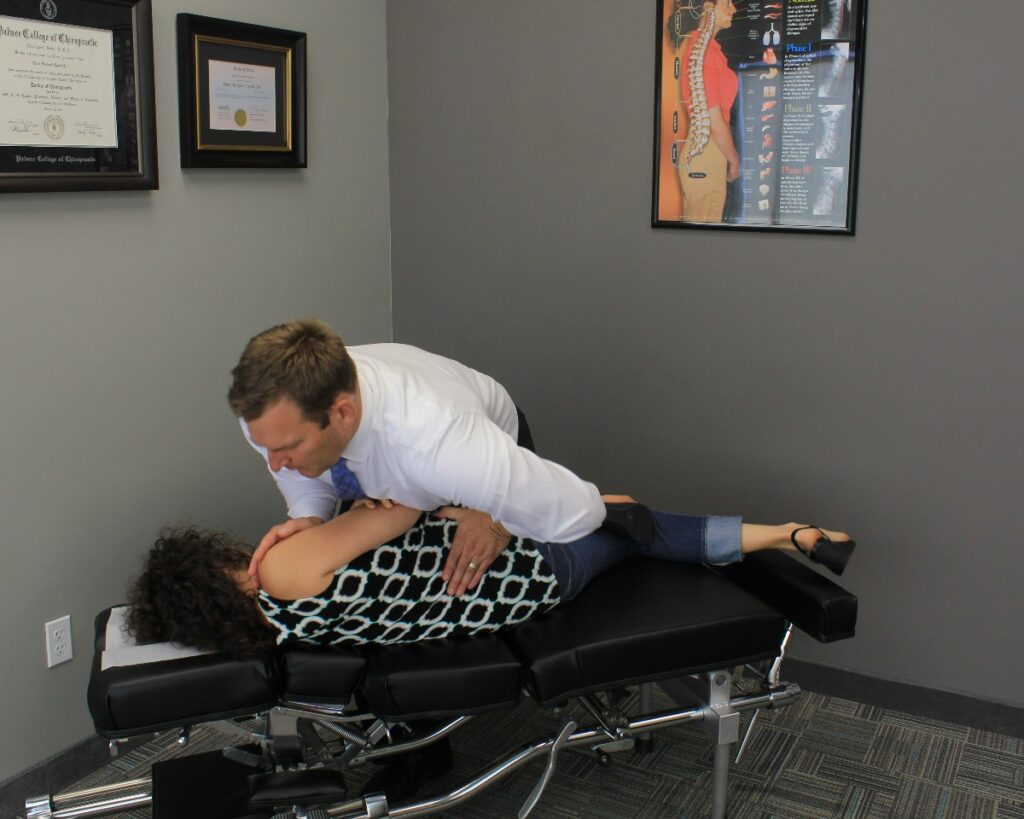
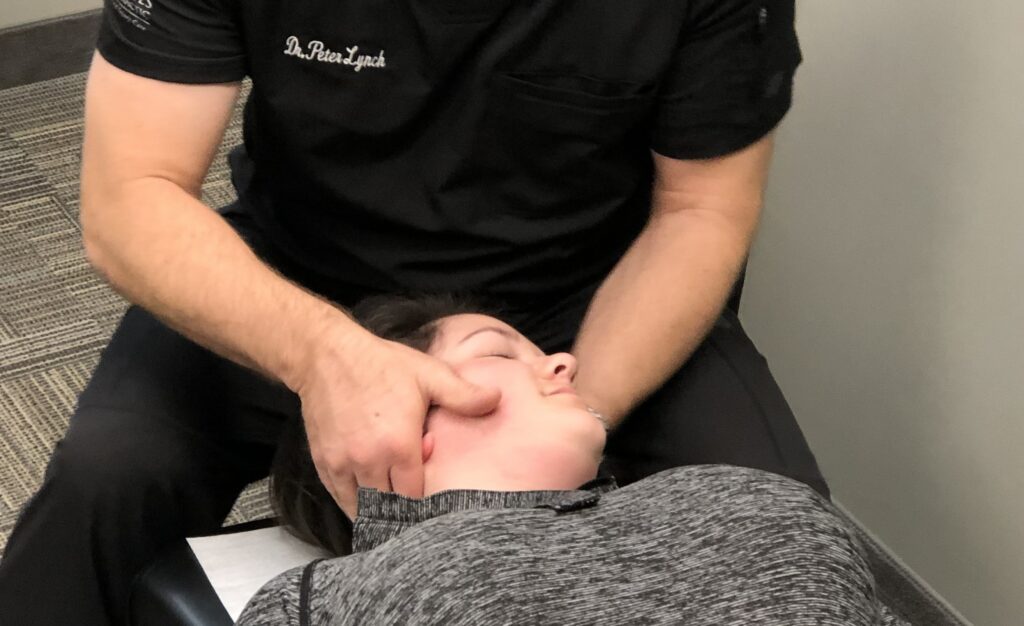
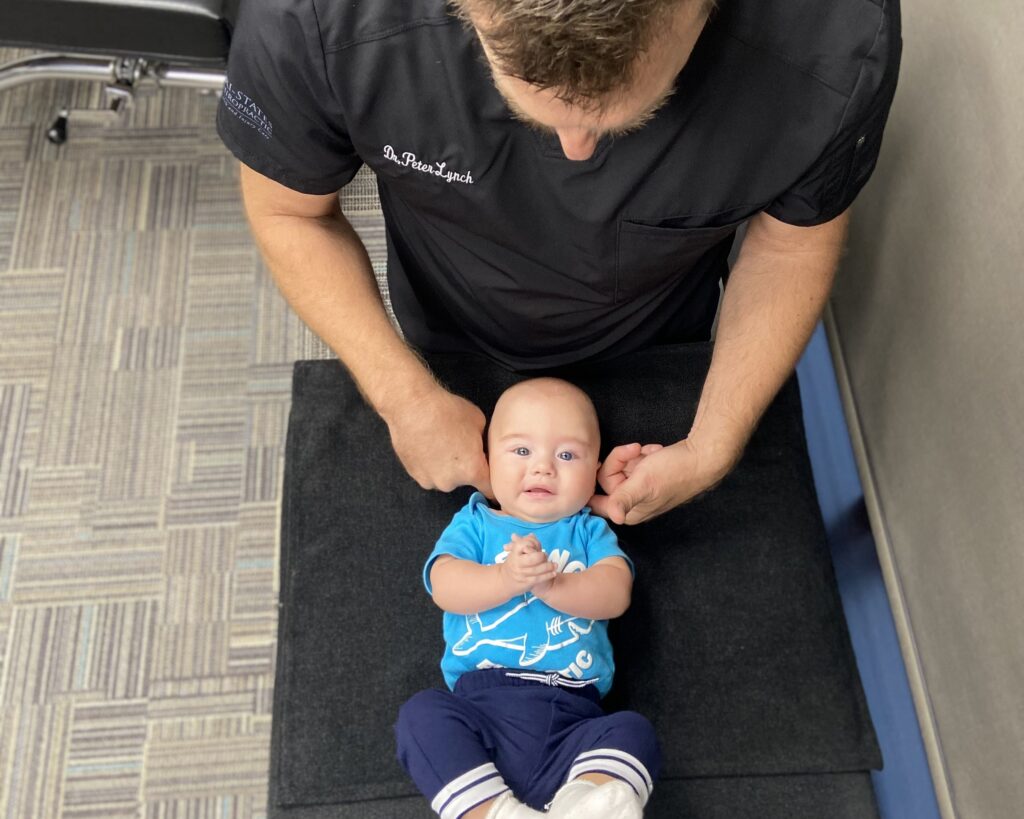
Chiropractic adjustments are a cornerstone of our practice. By gently realigning your spine, we can relieve pressure on nerves, which often results in immediate pain relief and enhanced mobility. This hands-on approach is tailored specifically to your body's needs, and many of our patients report feeling more at ease and able to move freely after just a few sessions.
In addition to adjustments, we also emphasize the importance of strengthening your back and improving flexibility. This is where physical therapy techniques come into play. We can create a customized exercise program designed to target your specific areas of concern and teach you proper body mechanics to help prevent future injuries. Think of this as an investment in your long-term health and mobility.
Another valuable aspect of our care is incorporating massage therapy. Our skilled therapists use various techniques to alleviate muscle tension, improve circulation, and promote natural healing. The relaxation that accompanies massage not only helps your body recover but also reduces stress, which can often exacerbate pain.
In some situations, we may recommend medical interventions in collaboration with your healthcare provider. This might include medications or injections to help manage inflammation and pain. If conservative treatments are not effective, we can discuss the possibility of exploring surgical options with your doctor.
At our chiropractic clinic, we are dedicated to guiding you on your journey to recovery and wellness. We believe in the power of natural healing and are here to support you in achieving a pain-free life. Don't hesitate to reach out and learn more about how we can help you!
Conclusion
As a local chiropractor, I want to share with you seven effective strategies that can help relieve your back pain quickly while enhancing your overall back health. One of the first steps you can take is to incorporate regular stretching into your daily routine. This simple practice can improve flexibility and reduce tension in your muscles.
Maintaining proper posture is crucial as well; it can significantly alleviate strain on your spine. I also recommend targeted exercises that strengthen your back and core muscles, which are essential for supporting your spine.
In addition, utilizing heat and cold therapy can provide immediate relief. Heat can soothe tight muscles, while cold packs can reduce inflammation. Don't overlook the importance of ergonomic adjustments in your workspace or home environment—these can prevent further discomfort.
If your pain persists, seeking professional treatments, such as chiropractic adjustments, can provide significant benefits. Lastly, I encourage you to prioritize mindfulness and relaxation techniques; managing stress is vital for your recovery process.
Take an active role in your back health today, and you may be amazed at the improvements you experience!