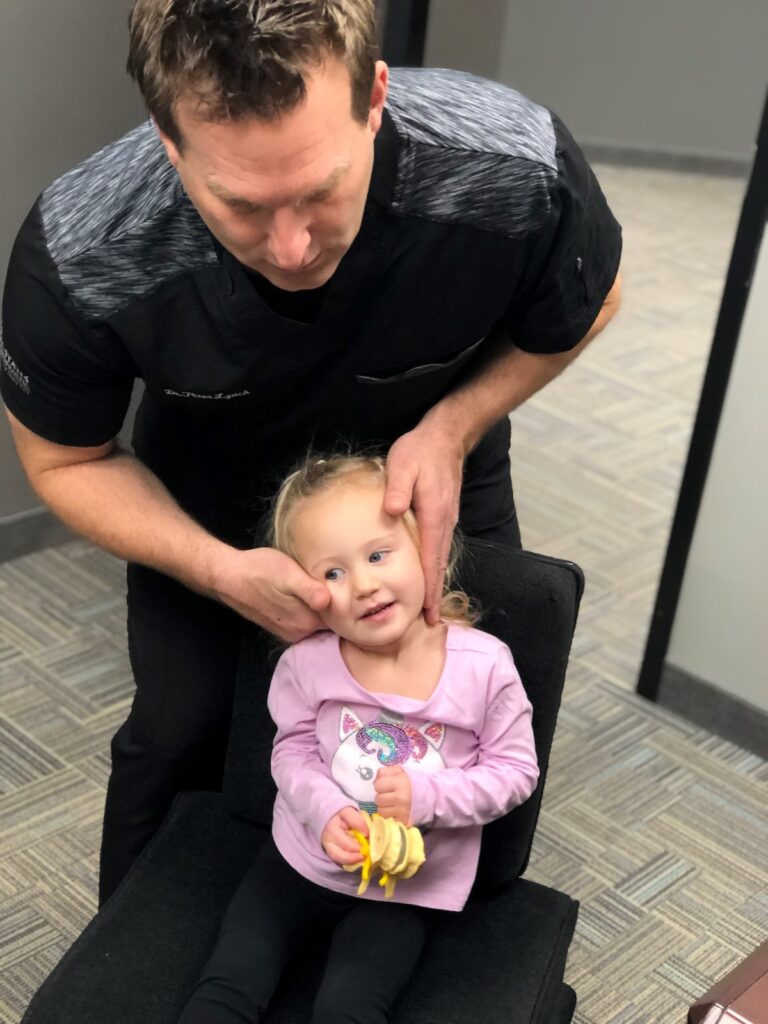
If you're dealing with ongoing back pain, it's essential to consider effective techniques that can offer you lasting relief.
As a local chiropractor, I often see how a holistic approach can make a significant difference in my patients' comfort levels. A combination of heat and cold therapy, adjustments in posture, and targeted exercises can be incredibly beneficial.
However, it's crucial to understand how to implement these strategies correctly to ensure they are effective for you.
The path to relief isn't just about quick fixes; it often involves making adjustments to your daily habits, which can play a significant role in your recovery.
So, what's the first step you should take? Begin by scheduling a consultation with a chiropractor who can guide you in creating a personalized plan tailored to your needs.
Together, we can explore natural healing methods that not only alleviate pain but also support your overall well-being.
Understanding Back Pain
As your local chiropractor, I understand that back pain can be a frustrating and debilitating experience for many. It often arises from various sources such as poor posture, injuries, or underlying health conditions. You might notice that your back pain strikes suddenly—perhaps after lifting a heavy object or twisting in an awkward way. This acute pain can feel sharp and intense, making everyday movements uncomfortable. Alternatively, you may be experiencing chronic back pain, which lingers for weeks or even months. This dull ache can significantly impact your daily activities and overall quality of life.
It's crucial to understand the nature of your back pain as this knowledge can guide you towards effective relief. Pay close attention to the location of your discomfort—whether it's in your lower back, mid-back, or upper back—because this can offer insights into its origin. Additionally, if you notice the pain radiating to other areas, such as your legs or arms, this may suggest nerve involvement, which is essential information for us to consider.
Several factors can influence your back pain, including age, lifestyle, and overall physical condition. If you've been living a sedentary lifestyle, your muscles may be weaker, increasing your risk of injury. Conversely, if you're very active, overuse or improper techniques during exercise can also lead to pain.
Recognizing these aspects of your back pain empowers you to take the right steps towards relief. Whether it involves seeking chiropractic care, modifying your activities, or incorporating preventive measures, understanding your pain is the first pivotal step towards a healthier back. As your chiropractor, I am here to help you navigate this journey and explore natural healing options that can alleviate your discomfort and enhance your quality of life.
Importance of Posture
As your local chiropractor, I want to emphasize the importance of maintaining good posture for a healthy back, as it can significantly reduce your risk of experiencing pain. When you sit, stand, or move with proper alignment, you distribute your body weight evenly. This minimizes strain on your spine and the surrounding muscles, leading to a more comfortable day-to-day experience.
Many people underestimate how much posture can influence overall health. Slouching or hunching can create muscle imbalances, increase pressure on your spinal discs, and even lead to nerve compression. Over time, these issues can contribute to chronic back pain. By consciously working on your posture, you can take proactive steps to prevent these problems from developing.
To improve your posture, start by becoming aware of how you position your body in different situations. Whether you're sitting at your desk, walking, or lifting objects, focus on keeping your shoulders back, your spine straight, and your head aligned with your neck. It's also important to take breaks and change positions regularly, especially if you find yourself in a static position for long stretches.
Additionally, consider the ergonomics of your workspace. Adjust your chair height, monitor position, and keyboard placement to support a more natural alignment. Investing in supportive furniture can be a game changer for maintaining good posture. Remember, your back deserves the best care possible. By prioritizing posture, you are taking a significant step toward achieving lasting relief from pain and enhancing your overall well-being. If you have any questions or need personalized advice, don't hesitate to reach out to me—I'm here to help you on your journey to better health.
Effective Stretching Techniques
As a local chiropractor, I often emphasize the importance of stretching as a fundamental practice for relieving tension and enhancing flexibility in your back. By integrating effective stretching techniques into your daily routine, you can alleviate discomfort and significantly improve your overall mobility. Let me share some key stretches that can be incredibly beneficial for your back health.
First, I recommend starting with the child's pose. To perform this stretch, kneel on the floor, sit back on your heels, and extend your arms forward on the ground. Hold this position for 20-30 seconds. This gentle stretch targets the lower back and helps to release built-up tension.
Next, consider the cat-cow stretch. Begin on all fours, positioning your wrists directly under your shoulders and your knees under your hips. Inhale deeply as you arch your back, lifting your gaze (the cow position) and then exhale while rounding your spine, tucking your chin to your chest (the cat position). Repeat this sequence for 5-10 cycles to promote spinal flexibility and movement.
Another beneficial stretch is the standing forward bend. Stand with your feet hip-width apart, and slowly hinge at your hips, reaching toward the floor. Allow your head and neck to relax, and hold this position for 15-30 seconds. This stretch is particularly effective for targeting the hamstrings and alleviating tension in the lower back.
Finally, I encourage you to try the seated spinal twist. Sit on the floor with your legs extended in front of you. Bend your right knee and place your right foot outside your left thigh. Gently twist your torso to the right, using your left elbow against your knee for leverage. Hold this position for 15-30 seconds before switching sides. This twist can help improve spinal mobility and relieve discomfort.
Incorporating these stretches into your routine can significantly enhance your back health and reduce pain. Remember to breathe deeply and pay attention to your body's signals as you stretch. If you have any questions or need further guidance, don't hesitate to reach out during your next visit. Your well-being is my priority!
Core Strengthening Exercises
As a chiropractor dedicated to your well-being, I want to emphasize the importance of core strengthening exercises for maintaining a healthy back and preventing discomfort. A strong core plays a crucial role in stabilizing your spine, enhancing your posture, and alleviating stress on your back during everyday activities. The best part is that you don't need any fancy gym equipment; many effective exercises can be performed right in the comfort of your home.
Let's start with planks. To do a plank, position yourself face down on the floor, resting on your forearms and toes. It's vital to keep your body in a straight line from your head to your heels. Aim to hold this position for 20-30 seconds, gradually increasing the duration as your strength improves.
Next, I recommend trying bridges. Lie on your back with your knees bent and feet flat on the ground. Push your feet into the floor and lift your hips toward the ceiling, squeezing your glutes as you do so. Hold this position for a few seconds before gently lowering back down. This exercise is excellent for engaging your core and lower back muscles.
Another beneficial exercise is the bird-dog. Start on all fours with your hands positioned under your shoulders and your knees under your hips. Extend your right arm forward while extending your left leg back, ensuring your hips remain level. Hold this position for a moment, then switch to the opposite side. This exercise not only strengthens your core but also enhances your balance and coordination, which are essential for overall stability.
Lastly, don't overlook abdominal crunches. Lie on your back with your knees bent and feet flat on the floor. Gently lift your upper body towards your knees while being mindful not to pull on your neck. This movement effectively targets your abdominal muscles.
I encourage you to incorporate these exercises into your routine three times a week. Consistency is vital, and as you strengthen your core, you may notice a decrease in back pain and an improvement in your overall stability. Remember, a robust core serves as your best defense against potential back issues. If you have any questions or need guidance on these exercises, feel free to reach out. Your health is my priority!
Heat and Cold Therapy
As a local chiropractor, I want to share with you some valuable insights on how heat and cold therapy can complement your core strengthening exercises and enhance your relief from back pain. Many of my patients find these methods to be effective tools in their journey towards better spinal health and overall well-being.
Let's start with heat therapy. This approach is fantastic for relaxing and soothing stiff muscles. When you apply heat to an affected area, it boosts blood circulation, which promotes healing and eases tension. You can use a heating pad, a warm towel, or even indulge in a hot shower. Just remember to keep the heat at a comfortable level to avoid any burns. Applying heat for about 15-20 minutes, especially after your workouts, can significantly alleviate discomfort.
On the flip side, cold therapy plays a crucial role in reducing inflammation and numbing painful areas. Techniques such as ice packs or cold compresses work by constricting blood vessels, which helps to minimize swelling and discomfort. I often recommend applying cold therapy immediately after activities that may worsen your pain. Limit the application to 15-20 minutes and always place a barrier, like a cloth, between the ice and your skin to avoid frostbite.
Combining heat and cold therapies can be particularly effective. For example, you might start with cold therapy to address acute pain and swelling, then switch to heat to help loosen tight muscles afterward. It's essential to listen to your body throughout this process; if one method doesn't seem to provide relief, switching to the other might be just what you need.
With consistent use, heat and cold therapy can become invaluable allies in your quest for lasting back pain relief. If you have any questions about how to incorporate these therapies into your routine, please feel free to reach out during your next visit. Together, we can explore the best strategies for your unique healing journey.
Mindfulness and Relaxation
As a local chiropractor, I understand that finding balance in your life can significantly impact your journey toward relieving back pain. One of the most effective tools we have at our disposal is mindfulness practices. By engaging in mindfulness, you can cultivate the ability to focus on the present moment, which helps to detach from the stress and tension that often worsen back pain. It's important to recognize that when you practice mindfulness, you're not just observing your thoughts; you're also learning how to respond to them without judgment, which can be incredibly empowering.
A powerful method I recommend is meditation. I encourage you to set aside a few minutes each day to sit quietly, close your eyes, and concentrate on your breath. As you breathe in and out, visualize the tension melting away from your body. This straightforward practice can significantly reduce stress and enhance your overall well-being, creating a more favorable environment for healing.
In addition to meditation, incorporating deep breathing exercises into your daily routine can be very beneficial. When you take the time to breathe deeply and consciously, you activate your body's natural relaxation response, which can help alleviate muscle tension in your back. A simple technique is to inhale deeply for a count of four, hold your breath for four counts, and then exhale for a count of six. Repeating this several times can help calm your mind and body, contributing to your recovery.
Lastly, I encourage you not to overlook the benefits of progressive muscle relaxation. This technique involves tensing and then relaxing each muscle group, starting from your feet and working your way up to your head. By intentionally relaxing your muscles, you can significantly reduce physical discomfort, including back pain. By embracing these mindfulness practices, you can create a more balanced and pain-free life, which complements the chiropractic care I provide to help you achieve optimal health.
Ergonomic Workspaces
As a local chiropractor, I want to emphasize the importance of creating an ergonomic workspace to help prevent back pain and promote overall well-being while you work. Many people are not aware that simple adjustments in your work environment can lead to significant improvements in comfort and productivity.
First, let's talk about your chair. Ensure that it is at the right height so that your feet can rest flat on the floor and your knees are at a 90-degree angle. This will help support your spine's natural curvature.
Next, pay attention to your desk arrangement. Keep frequently used items within easy reach to avoid straining your back as you stretch or twist.
Finally, position your monitor at eye level. This will help reduce neck strain and encourage better posture.
Chair Height Adjustment
As a chiropractor, I often emphasize the importance of proper chair height adjustment to help alleviate back strain, especially for those who spend long hours working at a desk. When you sit correctly in your chair, you can significantly reduce the risk of discomfort and promote better spinal health.
Start by positioning yourself deep in your chair with your feet flat on the floor. Ideally, your knees should be at a 90-degree angle or slightly lower than your hips. If your feet do not reach the ground, don't hesitate to use a footrest for adequate support.
Next, ensure that your thighs are parallel to the floor. This alignment is crucial for maintaining good posture and preventing strain on your back. If your chair is too high, your legs may dangle uncomfortably, which can impede circulation. On the other hand, if the chair is too low, you may be tempted to slouch, placing undue pressure on your spine.
It's also vital to pay attention to your arm positioning. Your elbows should rest comfortably at a 90-degree angle while your hands are on the desk. This setup allows your upper body to stay relaxed, minimizing tension in your back and shoulders.
Finally, I cannot stress enough the importance of taking regular breaks. Even with the right chair height, sitting for extended periods can lead to stiffness and discomfort. I recommend standing up, stretching, and moving around every hour to keep your back healthy and pain-free. Remember, taking care of your body is essential for long-term wellness!
Desk Arrangement Tips
As a chiropractor, I want to emphasize the importance of an ergonomic workspace for your overall health and well-being. A well-designed desk setup can significantly reduce the risk of back pain and enhance your productivity. To start, it's crucial that your desk is at a height that feels comfortable for you. If it's too high or low, you may end up straining your back and neck, which can lead to discomfort over time. Ideally, when typing, your elbows should be at a 90-degree angle, and your wrists should remain straight with your hands slightly elevated.
Next, let's talk about the arrangement of your workspace. It's beneficial to keep items you use frequently, such as your keyboard, mouse, and important documents, within easy reach. This minimizes unnecessary twisting or stretching, which can contribute to strain. If you often refer to materials while working, position them close to your monitor to reduce excessive head turning.
Your chair also plays a vital role in your posture. It should provide support for your lower back to help maintain the natural curve of your spine. If your feet don't comfortably touch the floor, consider using a footrest to promote better alignment and posture throughout the day.
Lastly, I cannot stress enough the importance of taking regular breaks. Stand up, stretch, and move around periodically. This practice helps alleviate any tension building up in your back and promotes better circulation. By creating an ergonomically sound workspace and integrating movement into your daily routine, you can foster an environment that supports both comfort and productivity, ultimately leading to a healthier you. If you have any further questions about how your workspace can affect your spinal health, feel free to reach out to me.
Monitor Positioning Guidelines
As a chiropractor dedicated to your overall well-being, I want to emphasize the importance of properly positioning your monitor to support good posture and reduce the risk of neck and back pain. One of the first steps you can take is to ensure your monitor is at eye level. Aim for the top of the screen to be at or just below your eye line. This way, you won't have to strain your neck by looking up or down.
Next, consider the distance between you and your monitor. Ideally, it should be about an arm's length away. This distance helps minimize eye strain and encourages a comfortable viewing angle. If you find yourself leaning forward, it might be a sign that your monitor is too far away.
Additionally, tilt your screen slightly back, around 10 to 20 degrees. This adjustment promotes a more natural head position, which is essential for reducing tension in your neck. Don't forget to adjust the brightness and contrast settings to avoid squinting, as this can lead to unnecessary strain and discomfort.
For those of you using multiple monitors, it's important to position them side by side at the same height. This will prevent excessive twisting of your neck and help maintain a neutral posture, which is crucial for your spinal health.
Lastly, I encourage you to take regular breaks. Stand up, stretch, and adjust your posture throughout the day. By following these guidelines, you can create an ergonomic workspace that not only enhances your productivity but also keeps your back and neck pain-free. Remember, investing in your posture is an investment in your health!
Nutrition for Back Health
As a local chiropractor, I want to emphasize the vital role your diet plays in maintaining back health and alleviating pain. Many patients may not realize that the foods you consume can significantly impact inflammation levels, bone strength, and overall wellness—all of which directly affect your back. By incorporating a variety of nutrients into your diet, you can support your healing process and enhance your overall health.
Start by loading up on fruits and vegetables in your meals. These foods are packed with antioxidants and anti-inflammatory properties that are crucial for fighting inflammation. Leafy greens like spinach and kale, along with vibrant fruits such as berries and oranges, are excellent choices. They are rich in essential vitamins and minerals vital for bone health, including calcium, vitamin D, and magnesium.
Healthy fats are also important. Foods like avocados, nuts, and fatty fish, such as salmon, are rich in omega-3 fatty acids, which can help reduce inflammation and improve joint health. When it comes to grains, opt for whole grains over refined grains; they offer more fiber and nutrients that support digestion and overall well-being.
Don't forget the importance of hydration. Drinking enough water is crucial for maintaining the health of your spinal discs, which rely on proper hydration for optimal function. Aim for at least eight glasses of water a day, and adjust this based on your activity levels.
Finally, I encourage you to limit your intake of processed foods, sugar, and excessive salt. These can contribute to inflammation and may exacerbate back pain. By focusing on a balanced, nutrient-rich diet, you're taking significant steps toward alleviating back pain and enhancing your overall health. Prioritizing your nutrition is an essential part of the care I provide, and your back will thank you for it!
Physical Therapy Options
As a local chiropractor, I want to share with you the effective options available for managing and alleviating back pain through natural healing methods. Whether you're experiencing chronic discomfort or are recovering from an injury, a variety of chiropractic techniques can help you regain strength and mobility. Here are four key approaches to consider:
- Spinal Manipulation: One of the cornerstone techniques in chiropractic care, spinal manipulation involves gently adjusting the spine to improve alignment and relieve pressure on nerves. This hands-on method can significantly reduce pain and enhance overall function.
- Rehabilitative Exercises: We create personalized exercise programs that focus on strengthening your back and core muscles. These specific exercises are designed to improve flexibility, enhance posture, and help prevent future injuries.
- Therapeutic Modalities: In addition to adjustments, we may utilize therapeutic modalities such as heat, ice, or ultrasound therapy. These treatments can aid in reducing inflammation and alleviating pain as part of your healing process.
- Patient Education and Self-Care: A vital part of chiropractic care is empowering you with knowledge about your condition. We will help you understand how to manage your pain effectively, teaching you proper posture, body mechanics, and strategies to avoid aggravating your back pain.
Each of these options can be tailored to fit your specific needs. By working closely with a licensed chiropractor, you can develop a comprehensive treatment plan that addresses your unique back pain concerns. Remember, our goal is to equip you with the tools and understanding needed to take control of your back health, ultimately leading to a more active and pain-free life through natural healing.
When to Seek Professional Help
As a local chiropractor, I want to emphasize the importance of seeking professional help if your back pain persists for more than a few weeks. It's crucial to listen to your body; if you experience any neurological symptoms such as tingling or weakness, these could be signs of a more serious condition that requires attention. Additionally, if your pain is interfering with your daily activities, I encourage you to reach out to a healthcare provider. Chiropractic care offers a natural approach to healing and can help restore balance and function to your body. Don't hesitate to explore this option for relief and recovery. Your well-being is our priority!
Persistent Pain Duration
As a local chiropractor, I often encounter patients who experience back pain at some point in their lives. It's important to understand when to seek professional help, as early intervention can lead to more effective recovery. If your back pain has been lingering for more than a few weeks, it's time to consider consulting with a healthcare provider like myself. Here are four key indicators that should prompt you to reach out for professional assistance:
- Duration: If your back pain lasts longer than three to four weeks without any signs of improvement, don't delay in seeking help. Prolonged pain can signal underlying issues that may benefit from chiropractic care.
- Intensity: When the pain becomes severe enough to disrupt your daily activities or interfere with your sleep, it's a clear indication that your body is in need of evaluation. Chiropractic adjustments and natural healing techniques can often provide relief.
- Worsening Symptoms: If you notice that your pain is intensifying over time, it's crucial to seek help promptly. This could indicate a more serious condition that requires professional assessment and treatment.
- Impact on Mobility: If you're struggling to stand, walk, or perform basic movements due to back pain, don't hesitate to contact a chiropractor. Our goal is to help restore your mobility and overall well-being through safe and effective methods.
Neurological Symptoms Present
As a local chiropractor, I want to emphasize the importance of addressing back pain, especially when it comes with neurological symptoms. If you're experiencing sensations like numbness, tingling, or weakness in your legs or feet, it's crucial to seek professional help right away. These symptoms can indicate that your nerves may be involved, and if left untreated, the situation could worsen.
Additionally, if you're having trouble controlling your bladder or bowels, that's a serious sign that should not be overlooked. These are red flags, and it's essential to take them seriously.
If you notice any of these signs, don't hesitate to reach out for help. Waiting too long can lead to more severe complications, including permanent nerve damage. When you come in for a consultation, be sure to communicate all your symptoms clearly. This information is vital for me to help determine the underlying cause of your discomfort.
Sometimes, neurological symptoms may point to conditions such as a herniated disc or spinal stenosis, and in rare cases, something more serious like cauda equina syndrome. These issues often need immediate attention, and early diagnosis can significantly improve your recovery.
Trust your instincts — if something doesn't feel right, it's always better to be cautious. Your health and well-being are my top priorities, and I'm here to provide a natural approach to healing. Together, we can work towards finding the right treatment for your back pain and any accompanying neurological symptoms.
Impact on Daily Activities
Living with back pain can significantly affect your daily life, making even the simplest tasks feel daunting. As a local chiropractor, I understand how these challenges can lead you to avoid chores, social gatherings, or even work. It's important to recognize when your discomfort is becoming overwhelming and to consider seeking professional help. Here are some signs that it might be time to visit a chiropractor:
- Persistent Pain: If your back pain lingers for more than a few weeks, this could indicate an underlying issue that we can address together.
- Radiating Symptoms: If you experience pain that travels down your legs or into your arms, this may suggest nerve involvement, which is important to evaluate promptly.
- Difficulty with Daily Tasks: If you find yourself struggling with basic activities—like getting dressed, bathing, or lifting everyday objects—this may be a clear sign that you would benefit from chiropractic care to help manage and alleviate your pain.
- Changes in Bladder or Bowel Function: Noticing any changes in these functions can be a sign of a serious condition that requires immediate attention, and it's crucial to seek professional evaluation.
Ignoring these signs can lead to more serious complications down the road. By seeking help early, we can work together to enhance your quality of life and help you regain control over your daily activities. Remember, it's perfectly okay to reach out for support when you need it—I'm here to help you find the natural healing solutions you deserve!
Conclusion
As a local chiropractor, I want to share some effective techniques that can help you achieve lasting relief from back pain. It's essential to start by paying attention to your posture throughout the day. Maintaining a proper alignment can significantly reduce discomfort. Additionally, engaging in core strengthening exercises is crucial; a strong core supports your spine and helps prevent pain.
I also recommend utilizing heat and cold therapy at home—these simple methods can soothe inflammation and promote healing. Creating an ergonomic workspace is another vital aspect; ensuring that your desk and chair support good posture can make a world of difference.
Don't overlook the role of proper nutrition in your back health. A balanced diet supports your body's healing processes and overall well-being. If you find that your pain continues despite these efforts, I encourage you to seek professional help, such as chiropractic care. Remember, taking proactive steps today can lead to a healthier, more comfortable tomorrow. Your journey to relief starts with understanding and incorporating these practices into your daily life!