As a local chiropractor, I understand that if you're experiencing sports-related back pain, it can significantly affect both your athletic performance and your daily life.
It's crucial to be aware of the various treatment options available that can aid in your recovery. Chiropractic care, for instance, focuses on spinal alignment and overall body function, which can be incredibly beneficial for managing back pain.
In addition to chiropractic adjustments, I also recommend exploring complementary treatments such as targeted massage therapy, which can help relieve muscle tension and improve circulation.
Many patients find that a holistic approach, combining different therapies, yields the best results.
If you're curious about which treatment methods might suit your particular needs, I encourage you to consider the top ten strategies that I often recommend to help alleviate discomfort.
Understanding these options will empower you to take the first steps toward a healthier, pain-free lifestyle.
Physical Therapy
Chiropractic care is a vital component in addressing sports-related back pain. If you're experiencing discomfort, a customized chiropractic program can help you regain strength, flexibility, and mobility without the need for invasive procedures. As a licensed chiropractor, I will evaluate your condition and identify the specific areas that require attention. Together, we'll create an individualized treatment plan that addresses your unique needs, allowing you to safely and effectively return to your favorite activities.
During your chiropractic sessions, you will participate in targeted adjustments and exercises that strengthen the muscles supporting your spine. These adjustments not only help alleviate pain but also play a crucial role in preventing future injuries. We will focus on enhancing your core stability, which is essential for maintaining proper posture and reducing strain on your back while engaging in sports. Additionally, stretching and mobility exercises are critical components of your recovery, as they improve flexibility and increase your range of motion.
I may also incorporate techniques such as manual therapy, which involves hands-on manipulation of your muscles and joints to relieve tension and enhance movement. I will educate you on proper body mechanics to ensure that you perform movements safely, minimizing the risk of injury.
As you progress through your chiropractic care, you will likely notice an increase in your confidence and abilities, allowing you to engage in sports with greater ease. Consistency is key, so it's important to adhere to your exercise routine and communicate openly with me about any concerns. By committing to chiropractic care, you are investing in your overall health and performance, paving the way for a stronger, pain-free future in sports.
Chiropractic Adjustments
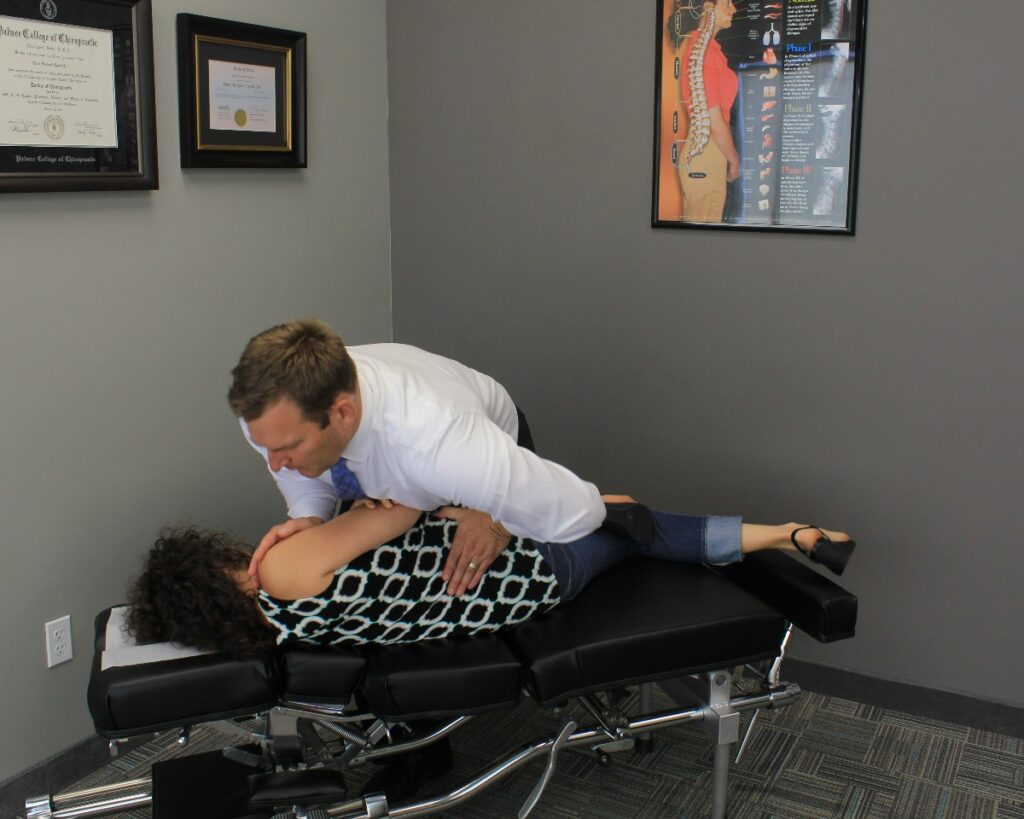
As your local chiropractor, I want to take a moment to explain how chiropractic adjustments can significantly impact your experience with sports-related back pain. When you participate in sports, your body is subjected to various stresses that can lead to misalignments in your spine. These misalignments can result in discomfort, reduced mobility, and can even hinder your athletic performance. By seeking chiropractic care, you can effectively address these issues and enhance your overall well-being.
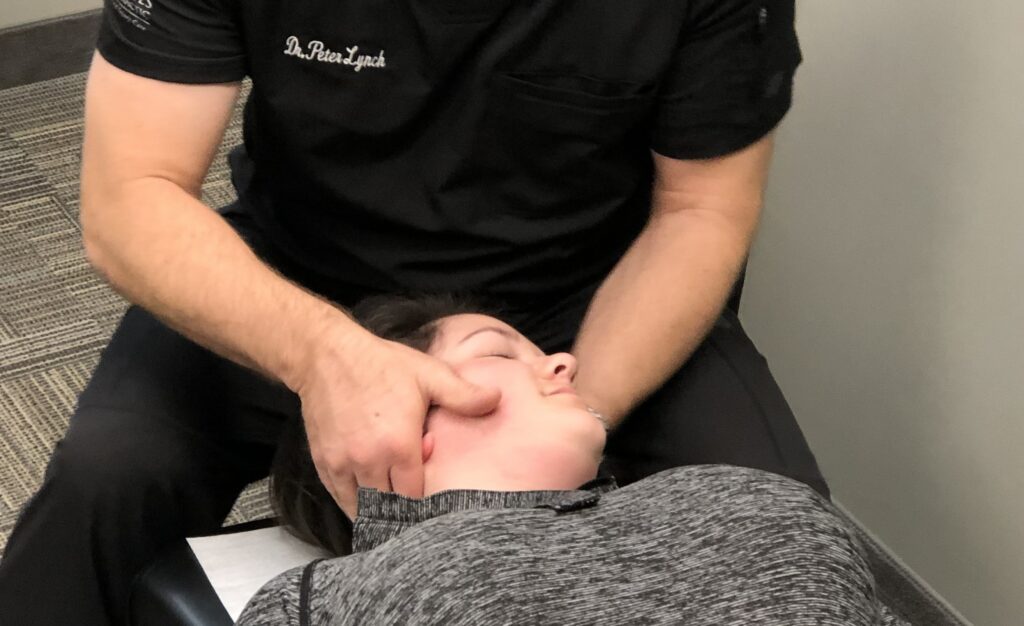
During your initial chiropractic visit, I will assess your posture, range of motion, and any specific areas of pain. Utilizing hands-on techniques, I will perform targeted adjustments to your spine, working to restore proper alignment. This adjustment process not only helps alleviate pain but also supports your body's natural ability to heal itself. Many athletes report experiencing immediate relief following an adjustment, along with improvements in flexibility and strength.
Incorporating regular chiropractic care into your routine can also serve as a preventative measure against future injuries, particularly if you are involved in high-impact sports. By maintaining proper spinal alignment, you can significantly reduce the risk of common strains and sprains, which can lead to more serious issues over time. Furthermore, chiropractic adjustments can enhance your athletic performance by promoting improved nerve function and circulation throughout your body.
It's crucial to collaborate closely with me to create a personalized treatment plan that caters to your unique needs and goals. I can also provide valuable guidance on specific exercises and stretches that complement your adjustments, helping you to maximize the benefits of your chiropractic care. By embracing chiropractic as a vital part of your wellness routine, you can manage sports-related back pain more effectively and elevate your overall athletic experience.
Massage Therapy
As a local chiropractor, I want to share how massage therapy can play a crucial role in alleviating sports-related back pain. Whether you're recovering from an injury or simply managing muscle tightness, targeted massage techniques can effectively address those discomforting areas. By enhancing blood flow, reducing muscle tension, and promoting relaxation, massage therapy is essential for your body's natural healing process.
One technique that many of my patients find particularly beneficial is deep tissue massage. This approach delves into the deeper layers of muscle and connective tissue, helping to release chronic tension and alleviate pain. If your back pain is associated with specific sports activities, a skilled massage therapist can customize the treatment to target those areas, ultimately enhancing both your performance and recovery.
Incorporating regular massage sessions into your routine can also help prevent future injuries. By maintaining muscle flexibility and minimizing the risk of strain, you'll become more resilient during your training and competition. Furthermore, the mental relaxation that accompanies massage can significantly improve your overall well-being, allowing you to concentrate better on your sport.
I encourage you to communicate openly with your massage therapist about your pain levels and any specific concerns you may have. This dialogue ensures that the techniques used are tailored to your needs. It's important to remember that while massage therapy can be incredibly effective, it should be integrated into a comprehensive treatment plan that may include chiropractic adjustments, exercises, and other natural healing methods.
Consider adding massage therapy to your wellness routine and discover the fantastic relief it can provide for your sports-related back pain. Together, we can work towards a healthier, pain-free lifestyle.
Acupuncture
As a local chiropractor, I want to share valuable insights about an ancient healing technique that's gaining traction in the realm of natural healing—acupuncture. This practice involves stimulating specific points on the body, which can be particularly effective for alleviating sports-related back pain. While chiropractic care focuses on spinal alignment and overall body mechanics, acupuncture offers an alternative approach that complements our methods. If you're exploring options for pain relief and promoting healing without relying solely on medication, acupuncture is definitely worth considering. Together with chiropractic adjustments, it can enhance your recovery and overall well-being.
Ancient Healing Technique
As a local chiropractor, I want to introduce you to the benefits of ancient healing techniques, such as acupuncture, which can provide a unique approach to managing sports-related back pain. This practice, deeply rooted in Traditional Chinese Medicine, involves the gentle insertion of thin needles into specific points on the body. The goal is to restore balance and promote healing, which may not only help with pain relief but also enhance your overall well-being.
During your acupuncture session, a qualified acupuncturist will evaluate your condition and focus on areas that align with your pain. Many athletes have shared their experiences of significant relief after just a few sessions. While you may feel a slight prick as the needles are placed, most patients report feeling a sense of relaxation during the treatment process.
Acupuncture can be a valuable addition to your existing treatment plan, as it addresses underlying issues such as muscle tension and inflammation. It's a non-invasive option that can be particularly helpful if you're seeking alternatives to medication. This technique is versatile and can effectively target various types of back pain, whether it's acute or chronic.
If you're interested in exploring acupuncture as part of your recovery journey, I encourage you to consult with a qualified practitioner. They can guide you in determining if this ancient technique is suitable for your specific needs and how it can complement your chiropractic care for optimal results.
Pain Relief Mechanism
As a local chiropractor, I want to share the benefits of acupuncture as a natural pain relief option, especially for athletes. This ancient technique can play a significant role in your recovery and performance enhancement. Acupuncture works by stimulating specific points on your body, which can trigger the release of endorphins—your body's natural painkillers.
When fine needles are gently inserted into these acupuncture points, they activate your nervous system. This process helps to reduce inflammation and improve blood circulation, ultimately promoting faster healing. You may find that after an acupuncture session, you experience immediate pain relief, allowing you to get back to your training routine more quickly.
Acupuncture also aids in balancing your body's energy, often referred to as "Qi." By restoring this balance, you can better manage the physical stress that comes with athletic activities, leading to a reduction in pain and discomfort.
Furthermore, if you struggle with muscle tension, acupuncture can be particularly beneficial. By relaxing tight muscles, it enhances your flexibility and range of motion, which are crucial for achieving peak performance in your sport. Many practitioners, including chiropractors, often incorporate acupuncture into a broader treatment plan to enhance overall effectiveness.
If you're dealing with sports-related back pain or any other discomfort, I encourage you to consider acupuncture as part of your healing journey. It targets pain at its source and fosters natural recovery, which might be just what you need to continue pushing your limits and excelling in your athletic pursuits.
Medications
When addressing sports-related back pain, it's important to understand that while medications can provide temporary relief, there are more holistic and natural approaches to managing discomfort and promoting recovery. As a chiropractor, I believe in supporting your body's innate healing abilities without relying solely on pharmaceuticals.
For mild to moderate pain, I often recommend starting with natural pain relief techniques. This can include gentle stretching, heat therapy, or even ice packs, which can help reduce inflammation and ease muscle tension. These methods can allow you to return to your activities with less discomfort and a greater sense of well-being.
If pain persists or becomes more severe, it's crucial to explore other options that don't involve stronger medications. Chiropractic adjustments can be incredibly effective in relieving back pain by improving spinal alignment and function. This not only helps alleviate pain but also addresses the root cause of discomfort, encouraging your body to heal itself naturally.
In cases where muscle spasms or intense discomfort occur, I may suggest complementary therapies such as massage, physical therapy, or specific exercises tailored to your needs. These can provide relief without the side effects associated with prescription medications.
While corticosteroids and NSAIDs may have their place in certain situations, I encourage patients to consider them as a last resort. The potential side effects can sometimes outweigh the benefits, especially with long-term use. Instead, focusing on a comprehensive treatment plan that includes chiropractic care, lifestyle adjustments, and proper body mechanics can lead to lasting improvements in your back health.
Always feel free to communicate any existing conditions or concerns with me. Together, we can create a personalized approach that prioritizes your overall health and wellness. Remember, managing sports-related back pain is about more than just medication; it's about empowering your body to heal naturally.
Heat and Cold Therapy
As a local chiropractor, I want to share the benefits of incorporating heat and cold therapy into your recovery routine, especially if you're dealing with sports-related back pain. These natural methods can provide effective pain relief and help reduce inflammation, allowing you to return to your favorite activities more quickly and comfortably.
Heat therapy is a fantastic way to increase blood flow to the affected area. This increased circulation helps to relax tense muscles and alleviate stiffness, promoting healing. You can easily use a heating pad, a hot water bottle, or even warm towels. I recommend applying heat for about 15 to 20 minutes at a time, ensuring that the temperature feels comfortable and isn't too hot. This approach is particularly helpful before engaging in physical activity, as it prepares your muscles for movement and can enhance your performance.
On the flip side, cold therapy is effective for reducing swelling and numbing sharp pain, especially after activities that may aggravate your back discomfort. Ice packs or cold compresses are excellent tools for this method. When using cold therapy, aim for 15 to 20 minutes of application, and always make sure to place a cloth between the ice and your skin to prevent frostbite. You can alternate between heat and cold therapy based on what feels best for your body.
Listening to your body is crucial. If one method seems to exacerbate your pain, I encourage you to switch to the other. Establishing a consistent routine with heat and cold therapy can significantly alleviate discomfort and support faster healing. This practice not only helps you manage pain but also allows you to maintain an active lifestyle, which is essential for overall well-being. Remember, I'm here to support you on your journey to better health!
Stretching and Strengthening
As a local chiropractor, I want to emphasize the importance of stretching and strengthening exercises in managing sports-related back pain. These practices are not only effective in alleviating discomfort but also play a crucial role in enhancing your flexibility and stability, which can help prevent future injuries. By integrating specific exercises into your routine, you can significantly improve your overall back health.
Here are three key exercises I recommend:
- Cat-Cow Stretch: This dynamic stretch is excellent for enhancing spinal flexibility. To perform it, start on all fours. Arch your back and lift your head into the Cow position, then round your spine and tuck your chin into the Cat position. Repeat this sequence for 10-15 repetitions. This exercise helps mobilize your spine and relieve tension.
- Plank: A strong core is essential for supporting your back. To do a plank, get into a push-up position, ensuring your body forms a straight line from head to heels. Hold this position for 20-30 seconds, and as you build strength, gradually increase the duration. This exercise strengthens the muscles that support your spine.
- Hamstring Stretch: Tight hamstrings can often contribute to back pain. To stretch them, sit on the floor with one leg extended and the other bent. Reach toward your toes on the extended leg, and you should feel a gentle stretch in your hamstring. Hold this stretch for 15-30 seconds on each side. This exercise helps release tension in your legs, which can positively impact your back.
I encourage you to perform these exercises consistently, ideally several times a week. Pay attention to how your body responds, and if you experience increased pain during any activity, please consult with me or another healthcare provider. By prioritizing stretching and strengthening, you'll lay a solid foundation for a healthier back and can enjoy a more active lifestyle. Remember, chiropractic care complements these exercises by aligning your spine and enhancing your body's natural healing abilities.
Ergonomic Modifications
As your local chiropractor, I want to emphasize the importance of making ergonomic modifications to alleviate sports-related back pain. It's essential to assess your environment and ensure that your equipment is set up correctly to support your body. An adjustable workspace can greatly enhance your comfort and help prevent strain during activities.
Additionally, incorporating active posture techniques into your routine can make a world of difference in how you feel during and after sports. By focusing on these adjustments, we can work together to promote better spinal health and overall well-being. Remember, proper ergonomics is a key component in your journey towards natural healing and pain relief.
Proper Equipment Setup
As a local Chiropractor, I want to emphasize the importance of proper equipment setup in preventing sports-related back pain. Many individuals may not realize how much their gear can impact their spinal health during physical activities. By ensuring that your equipment is appropriately adjusted, you can significantly alleviate strain on your back. Here are three key points to keep in mind:
- Adjust Your Gear: It's crucial to customize your sports equipment to fit your unique body size and shape. Whether you're riding a bike, skiing, or using gym machines, adjusting seat height, handlebar position, and foot placement can create a more comfortable and safe experience, reducing the likelihood of back pain.
- Use Supportive Accessories: Consider investing in supportive items like quality athletic shoes, back braces, or ergonomic grips. These tools can provide the necessary support and help distribute your body weight evenly, minimizing the risk of injury and promoting better alignment.
- Maintain Good Posture: Pay attention to your posture while using any sports equipment. Engaging your core muscles, keeping your spine aligned, and avoiding slouching can make a significant difference in how your back feels during and after your activities. Good posture not only enhances your performance but also protects your spine.
Adjustable Workspace Design
As your local chiropractor, I want to emphasize the crucial role that proper setup of your workspace plays in maintaining your spinal health. Many people overlook the importance of ergonomics, thinking it's only relevant to athletes or those who are active in sports. However, if you spend a significant amount of time at a desk, an adjustable workspace design is essential for your overall comfort and well-being.
Let's start with your chair. It's important to adjust its height so that your feet are flat on the ground and your knees form a 90-degree angle. This positioning not only supports your back but also helps keep your shoulders relaxed while typing. If your desk is too high or too low for your body, it can lead to slumping and strain on your spine.
Next, consider the placement of your monitor. A monitor stand can help position your screen at eye level, which will reduce neck strain and promote better posture. If you're using a laptop, I recommend investing in an external keyboard and mouse to ensure your arms and wrists are aligned correctly.
Movement is another key factor in maintaining spinal health. An adjustable standing desk allows you to alternate between sitting and standing, which can significantly improve your posture and reduce discomfort throughout the day. I also encourage you to incorporate stretches into your daily routine to counteract the effects of prolonged sitting.
Active Posture Techniques
As a chiropractor dedicated to your spinal health, I want to share the importance of adopting active posture techniques in our modern work environment. Many of my patients come to me with concerns about back pain, often linked to poor posture and prolonged sitting. By integrating a few simple techniques into your daily routine, you can improve your comfort and help prevent long-term issues related to back pain.
Here are three effective active posture techniques that I recommend for my patients:
- Engage Your Core: It's essential to strengthen your core muscles, as they support your spine. While sitting or standing, try to consciously tighten your abdominal muscles. This simple action helps maintain an upright posture and takes some strain off your back.
- Frequent Movement: Sitting still for extended periods can lead to stiffness and discomfort. I suggest setting reminders to get up, stretch, or walk every 30 minutes. Movement is crucial for keeping your muscles engaged and alleviating tension in your back.
- Mindful Sitting: The right chair can make a world of difference. I recommend using ergonomic chairs that offer proper lumbar support. Adjust your seat height so that your feet rest flat on the floor and your knees form a 90-degree angle. This promotes healthy spinal alignment and reduces the risk of discomfort.
Mindfulness and Relaxation Techniques
As a local chiropractor, I want to share with you how mindfulness and relaxation techniques can play a significant role in alleviating sports-related back pain. These practices not only help reduce pain but also enhance your overall well-being. By focusing on your breath and being present in the moment, you can effectively lower stress and tension in your body—two factors that often contribute to discomfort in the back.
When you're relaxed, your muscles are less likely to tighten up, which can lead to increased flexibility and reduced pain. This is especially important for athletes who rely on their bodies to perform at optimal levels. Incorporating mindfulness into your daily routine can significantly enhance your awareness of your body. You'll become more attuned to your posture and movement patterns, allowing you to recognize habits that may be exacerbating your back pain.
One simple practice I encourage is the body scan, where you mentally check in with different areas of your body. This technique helps you identify areas of tension and consciously release them, promoting a sense of relaxation and ease.
Additionally, relaxation techniques like deep breathing, progressive muscle relaxation, and guided imagery can further aid in your recovery. These methods calm your nervous system and instill a sense of tranquility, which can be particularly beneficial after intense training sessions or competitions. By dedicating just a few minutes each day to these practices, you may find it much easier to manage both pain and stress, paving the way for a healthier, more active lifestyle.
Surgical Options
When conservative treatments such as chiropractic care, physical therapy, and lifestyle modifications haven't provided the relief you seek for your sports-related back pain, you may start considering surgical options. While surgery can be effective for certain conditions that don't respond to non-invasive treatments, it's essential to carefully evaluate the risks and benefits before proceeding.
As a local chiropractor, I want to share some common surgical procedures that are sometimes considered:
- Discectomy: This procedure is often recommended when a herniated disc is pressing on a nerve and causing significant discomfort. A discectomy involves removing the part of the disc that is causing the nerve compression, which can result in quick relief from pain. However, it's important to explore chiropractic adjustments and other non-invasive therapies that may alleviate the pressure before opting for surgery.
- Spinal Fusion: For individuals dealing with severe spinal instability or degenerative disc disease, spinal fusion is a surgical option that aims to stabilize the spine. This involves fusing two or more vertebrae together to prevent painful movement between them. While this can provide pain relief, it may limit spinal flexibility. I encourage my patients to consider chiropractic approaches that strengthen and stabilize the spine naturally before resorting to fusion.
- Laminectomy: If spinal stenosis is causing pressure on your spinal cord or nerves, a laminectomy might be suggested. This surgery entails removing a portion of the vertebra known as the lamina. Before considering this option, many patients find relief through targeted chiropractic adjustments and other holistic treatments that decompress the spine.
Before making any decisions about surgical intervention, I urge you to consult with a healthcare provider who understands both surgical and non-surgical options. Your specific condition and personal goals should guide your choice. Remember, surgery is typically viewed as a last resort after you have explored all other avenues, including the natural healing benefits of chiropractic care. Together, we can work towards finding the best solution for your back pain.
Conclusion
As a local chiropractor, I want to share with you some effective treatments that can greatly enhance your recovery from sports-related back pain. It's important to understand that options like chiropractic adjustments, massage therapy, and acupuncture each come with their own unique benefits that can help alleviate your discomfort.
In addition to these therapies, incorporating stretching and strengthening exercises into your daily routine is crucial. This not only aids in recovery but also helps prevent future injuries. I also encourage you to consider making ergonomic modifications to your workspace, as these changes can significantly impact your back health.
Lastly, practicing mindfulness techniques can play a pivotal role in enhancing your overall well-being. By adopting a holistic approach to your care, you can not only relieve pain but also elevate your performance and maintain a healthier back. Remember, I'm here to guide you on your journey to better health through natural healing methods.