As a local chiropractor, I understand that many of you may be struggling with upper back pain, and it's important to know that you're not alone.
Finding effective relief can often feel daunting, especially if you've tried various remedies without success. However, I want to share with you some specific techniques that have proven to make a significant difference for many of my patients.
From gentle stretching exercises to mindful practices, each of these methods offers unique benefits that can help restore your comfort and mobility.
What's even better is the potential for combining these approaches to enhance their effectiveness.
Let's delve into the ten best techniques that I believe could truly transform your experience and help you feel more at ease.
Embracing these natural healing practices, alongside chiropractic care, can lead to a more holistic approach to managing and alleviating your upper back pain.
Stretching Exercises
As a chiropractor, I often see patients struggling with upper back pain, and I want to share how incorporating stretching exercises into your daily routine can significantly improve your condition. These stretches not only alleviate tension but also enhance flexibility and increase blood flow to the affected areas, contributing to your overall well-being.
Let's start with some simple neck stretches. Begin by gently tilting your head to one side, bringing your ear toward your shoulder. Hold this position for 15-30 seconds, and you should feel a gentle stretch along the side of your neck. Afterward, switch sides and repeat the process. This is a great way to relieve tension in the neck, which often contributes to upper back discomfort.
Next, I recommend trying a seated twist. Find a comfortable chair, place your right hand on the backrest, and gently twist your torso to the right. Hold for 15-30 seconds before switching to the left side. This stretch can help loosen the muscles in your upper back and improve spinal mobility.
Another excellent stretch is the cat-cow stretch. To do this, get on your hands and knees, ensuring your wrists are aligned under your shoulders and your knees under your hips. Inhale as you arch your back and lift your head (this is the cow position). Then, exhale and round your spine while tucking your chin (the cat position). Repeat this sequence 5-10 times. This dynamic movement is fantastic for releasing tension in your upper back and promoting spinal flexibility.
Lastly, don't overlook the importance of shoulder rolls. Whether you're sitting or standing, lift your shoulders toward your ears, then roll them back and down. Aim for 10 repetitions of this movement.
Posture Correction
As a local chiropractor, I often see patients who underestimate the significant role that good posture plays in alleviating upper back pain. Many of you might not be aware that slouching or hunching over can create unnecessary tension on your back muscles and spine. By making a conscious effort to correct your posture, you can alleviate discomfort and prevent future issues.
Let's start with some basic posture habits. Whether you're sitting or standing, being mindful of your body position is essential. While seated, ensure that your back is straight, your shoulders are relaxed, and your feet are flat on the floor. If you spend long hours at a desk, consider investing in an ergonomic chair that supports your spine's natural curve. It's also crucial to adjust your computer screen to eye level to prevent leaning forward, which can contribute to upper back pain.
When it comes to standing, distribute your weight evenly on both feet and avoid locking your knees. Picture a string gently pulling you upward from the top of your head—this visualization can help you maintain an upright posture effortlessly.
Incorporating regular posture checks into your daily routine can make a world of difference. Set reminders on your phone or place sticky notes around your workspace to remind you to adjust your posture throughout the day. Even brief moments of awareness can lead to significant improvements.
Lastly, I encourage you to engage in exercises that strengthen your core and back muscles. A robust core is vital for proper alignment and makes it easier to maintain good posture. By focusing on these techniques, you'll not only find relief from upper back pain but also promote long-term spinal health.
Heat Therapy
As a local chiropractor, I often emphasize the benefits of heat therapy for those struggling with upper back pain. This natural healing method can truly transform your recovery process. By increasing blood flow and relaxing tight muscles, heat therapy serves as a straightforward yet powerful tool for alleviating discomfort.
Let me guide you through how to effectively apply heat therapy and the numerous advantages it can offer on your journey to wellness. Whether it's a warm compress, heating pad, or a hot bath, incorporating heat into your routine can significantly enhance your healing experience. Understanding these methods can empower you to take charge of your health and find relief in a natural way.
Benefits of Heat Therapy
As a local chiropractor dedicated to your health and well-being, I want to share the benefits of heat therapy for relieving upper back pain and promoting relaxation. Many of my patients find that applying heat to their upper back can be an effective way to alleviate discomfort. When you introduce heat to this area, it increases blood flow, which helps reduce stiffness and enhance flexibility. This improved circulation brings essential nutrients to your muscles, aiding in the healing process.
Moreover, heat therapy is particularly beneficial for those experiencing tense muscles, often a result of stress or poor posture. When you apply heat, it encourages those tight muscles to relax, easing discomfort and allowing for greater mobility. The warmth also stimulates the release of endorphins, which are your body's natural painkillers, thereby enhancing your overall sense of well-being.
Beyond physical relief, heat can create a soothing and comforting effect that calms the mind. Taking the time to indulge in warmth can serve as a much-needed mental break from daily stresses, making it easier for you to unwind. Whether you choose a heating pad, hot water bottle, or a warm towel, incorporating heat therapy into your routine can greatly enhance your recovery process.
Application Techniques Explained
As a local chiropractor, I want to share some valuable insights on using heat therapy for alleviating upper back pain. Understanding the proper application techniques can significantly enhance your comfort and recovery process.
First, let's talk about choosing your heat source. You can opt for a heating pad, a warm towel, or even a hot water bottle. If you decide to use a heating pad, make sure to set it to a comfortable low or medium setting to prevent any risk of burns.
Once you have your heat source ready, apply it to the affected area for about 15 to 20 minutes. It's important to keep the heat source moving slightly to avoid concentrating heat on one spot for too long. If you're using a towel, soak it in hot water, wring it out, and lay it gently on your back. You can also wrap it around your shoulders for more targeted relief.
For those of you looking for a longer-lasting effect, consider using a heat wrap that adheres to your skin. However, be cautious—never fall asleep with the heat on, as this can lead to burns or discomfort. You can repeat this process several times throughout the day, but be sure to allow your skin to cool down in between applications.
Lastly, always pay attention to how your body feels. If the heat becomes uncomfortable or painful, remove it immediately. By following these techniques, you can find relief and comfort from your upper back pain, and I encourage you to explore these natural healing methods as part of your overall wellness journey.
Cold Therapy
As a local chiropractor, I want to introduce you to a powerful method for alleviating upper back pain: cold therapy, commonly known as cryotherapy. This technique is highly effective in reducing inflammation, numbing sharp pain, and promoting the healing process in your body. It is particularly beneficial following a strain or injury, as it helps to minimize swelling and discomfort.
To incorporate cold therapy into your routine, start by using an ice pack or even a bag of frozen vegetables. Just be sure to wrap it in a thin towel to protect your skin from frostbite. Apply the cold pack to the affected area on your upper back for about 15-20 minutes. You can repeat this process every hour, especially during the crucial first 48 hours following an injury or flare-up. It's important to avoid placing ice directly on your skin, as this can lead to damage.
You may also want to consider using a cold compress or a gel pack stored in your freezer. These options can easily conform to the contours of your back, offering more effective relief. For those who are often on the go, a cold therapy wrap that fits snugly around your upper back can be a convenient solution.
While cold therapy is a fantastic tool for managing pain, it's essential to listen to your body. If you experience increased pain or discomfort during treatment, please discontinue use immediately. And remember, if your pain persists or worsens, I encourage you to consult with me or another healthcare professional. We can provide tailored guidance specific to your needs. Cold therapy can be a simple yet impactful addition to your pain relief toolkit, and I'm here to help you navigate your journey to better health.
Massage Techniques
As a local chiropractor, I want to share how effective massage techniques can be in alleviating upper back pain. Many of my patients have found great relief through various methods, and I encourage you to consider both self-massage options at home and professional treatments tailored to your specific needs.
One particularly beneficial approach is trigger point therapy. This technique focuses on identifying and releasing specific muscle knots that can contribute to discomfort. By addressing these problem areas, we can help restore balance and ease tension in your upper back. Remember, chiropractic care and natural healing methods can work hand-in-hand, so don't hesitate to explore your options for a more pain-free life.
Self-Massage Techniques
As a local chiropractor, I often see patients struggling with upper back pain, and I'm here to share some self-massage techniques that can be incredibly effective in easing discomfort. The great news is that you don't need any fancy tools or a lot of time to start feeling relief.
One simple technique involves using your fingers to apply pressure directly to the knots and tense areas in your upper back. I recommend using your thumb to target those areas that feel especially tight, holding the pressure for about 15 to 30 seconds. This can help release tension and promote relaxation.
Another method I find very beneficial is utilizing a tennis ball. You can place it between your upper back and a wall, then gently roll it over any tight spots. This technique not only helps to relieve muscle tension but also enhances blood circulation in the area. Remember to breathe deeply during this process; deep breathing can significantly enhance your relaxation experience.
Additionally, I suggest trying the palm technique: place one hand over the other and use the heel of your palm to massage the area just below your neck. Applying firm, circular motions here can help alleviate stiffness and discomfort.
Lastly, incorporating some gentle stretches alongside your self-massage can greatly enhance the benefits. Focus on neck and shoulder stretches to complement your massage efforts. By making these self-massage techniques a regular part of your routine, you can significantly reduce upper back pain and improve your overall comfort. If you have any questions or need further guidance, don't hesitate to reach out!
Professional Massage Options
As a local chiropractor dedicated to educating my patients about natural healing, I want to emphasize the importance of professional massage therapy in conjunction with chiropractic care for managing upper back pain. While self-massage techniques can offer temporary relief, a skilled massage therapist can provide targeted treatment that enhances your recovery process. Here are four professional massage techniques that I often recommend to my patients:
- Swedish Massage: This technique employs long, flowing strokes that promote relaxation and improve blood circulation. It effectively eases tension in the upper back, helping you feel more at ease during your recovery.
- Deep Tissue Massage: By focusing on the deeper layers of muscle tissue, this method can address chronic pain. It works by breaking up knots and relieving tightness, which is crucial for restoring proper function to your back.
- Myofascial Release: This technique specifically targets the fascia, the connective tissue that surrounds your muscles. It helps alleviate tightness and enhances flexibility in your upper back, which is vital for overall mobility.
- Sports Massage: Tailored for athletes but beneficial for anyone experiencing muscle soreness, this type of massage combines various techniques to improve performance, prevent injuries, and alleviate discomfort in the upper back.
Incorporating these professional massage techniques into your treatment plan can significantly enhance your healing journey and complement the benefits of chiropractic adjustments. If you're interested in exploring these options, I would be happy to discuss how they can work alongside your chiropractic care.
Trigger Point Therapy
As a local chiropractor, I want to introduce you to a highly effective technique called trigger point therapy, which can significantly help with upper back pain. This method focuses on specific areas of muscle tightness known as trigger points. These points can create discomfort and contribute to pain in your upper back. By applying pressure to these areas, we can help release tension and improve blood circulation, ultimately leading to pain relief.
To start practicing trigger point therapy, you'll want to identify the tender spots in your upper back. These areas might feel tight or sore when you apply pressure. You can use your fingers, a massage ball, or even a foam roller to target these trigger points. Maintaining steady pressure on these areas for about 30 seconds to a minute while breathing deeply can help your muscles relax and release tension.
In addition to applying pressure, incorporating gentle stretching afterwards can be beneficial. Stretching your upper back and shoulders will enhance flexibility and further alleviate pain.
It's important to listen to your body throughout this process. If you experience any discomfort that feels too intense, ease off the pressure. Regularly practicing trigger point therapy can significantly reduce your upper back pain and enhance your overall well-being. I encourage you to take a few moments each day to focus on these trigger points; you may be surprised by the positive changes you notice. If you have any questions or need guidance, don't hesitate to reach out during your next visit. Your health is our priority!
Strengthening Workouts
As a chiropractor, I often see patients who struggle with upper back pain, and I believe that incorporating strengthening workouts into your routine can be a natural and effective way to alleviate discomfort. By focusing on building strength in your upper back, you not only relieve existing pain but also help prevent future issues. Here are four effective exercises that I recommend:
- Rows: Using dumbbells or resistance bands, perform bent-over rows. Stand with your feet shoulder-width apart, hinge at your hips, and pull the weights towards your waist. This exercise targets your rhomboids and traps, which are essential for maintaining upper back stability and health.
- Face Pulls: For this exercise, attach a resistance band at head height. Pull the band towards your face while keeping your elbows elevated. This strengthens the rear deltoids and upper traps, which can improve your posture and reduce strain on your upper back.
- Lat Pulldowns: If you have access to a gym, the lat pulldown machine is a fantastic tool for enhancing upper back strength. Sit down, grip the bar wider than shoulder-width, and pull it down towards your chest. This exercise helps develop your latissimus dorsi muscles and contributes to overall back strength.
- Plank Rows: Begin in a plank position with a dumbbell in each hand. While maintaining your plank, row one dumbbell towards your hip, then switch sides. This exercise engages your core while simultaneously strengthening your upper back, making it a great all-around workout.
Incorporating these exercises into your routine can lead to significant improvements in your upper back health, offering a natural approach to pain relief and prevention. If you're unsure about how to perform these exercises correctly or if you have existing back issues, feel free to reach out for guidance. Your journey to a healthier back can start today!
Ergonomic Adjustments
As your local chiropractor, I want to share some valuable insights on how implementing ergonomic adjustments in your workspace can significantly help alleviate upper back pain.
First and foremost, it's essential to ensure that your chair offers adequate lumbar support. Your lower back should maintain its natural curve, so opt for a chair that allows for adjustable height and backrest. When seated, your feet should rest flat on the floor, with your knees positioned at a right angle or slightly lower than your hips. This basic alignment can make a big difference in how your back feels.
Next, let's discuss your desk setup. Your monitor should be at eye level and about an arm's length away. This positioning is crucial because it helps prevent slouching or leaning forward, which can put undue strain on your upper back. If your monitor is too low, consider using a monitor stand or stacking some books to reach the correct height.
Your keyboard and mouse placement is also vital for maintaining upper back health. They should be positioned so that your elbows remain close to your body and form a 90-degree angle. It's important to keep your wrists straight and avoid reaching too far. A padded wrist rest can provide additional comfort and support, making your typing experience much better.
I cannot stress enough the importance of taking frequent breaks. I recommend setting a timer to remind yourself to stand up and stretch every 30 to 60 minutes. These brief interludes are essential for relieving tension in your back and encouraging better posture throughout your workday.
Lastly, if you often take phone calls, consider using a headset instead of cradling the phone between your shoulder and ear. This simple adjustment can prevent discomfort and strain in your neck and upper back.
Mindfulness and Relaxation
As a local chiropractor, I want to share with you some valuable techniques that can help manage upper back pain through mindfulness and relaxation. Many of my patients are surprised to learn how much focusing on mental and emotional well-being can aid in physical healing. By integrating these practices into your daily routine, you can alleviate muscle tension and create a more conducive environment for recovery. Here are some techniques I recommend:
- Deep Breathing: Take a few moments each day to practice deep breathing. Inhale deeply through your nose and exhale slowly through your mouth. This simple yet effective exercise can significantly reduce stress and promote relaxation in your back muscles.
- Progressive Muscle Relaxation: This technique involves tensing and then relaxing each muscle group in your body, starting from your toes and working your way up. By becoming more aware of the physical tension you carry, you can release it more effectively, promoting overall relaxation.
- Guided Imagery: Visualizing a serene scene or a calming experience can be a powerful tool. This practice helps distract your mind from pain and anxiety, allowing your body to relax and facilitating the healing process.
- Mindfulness Meditation: I encourage you to set aside quiet time to focus solely on your breath. When your thoughts drift, gently redirect them back to your breath. This practice of mindfulness helps you remain present and manage pain without becoming overwhelmed by it.
Incorporating these mindfulness and relaxation techniques into your daily routine can significantly enhance your overall well-being. Taking control of your mental and emotional state is a crucial step towards achieving physical relief from upper back pain. Over time, you may notice a reduction in your discomfort as you embrace these natural healing practices.
Hydration and Nutrition
As a local chiropractor, I often emphasize the importance of staying properly hydrated and maintaining a balanced diet, especially when it comes to managing upper back pain. Many people may not realize that dehydration can cause your muscles to tighten, leading to increased tension and discomfort. I recommend aiming for at least eight glasses of water each day, but you might need more depending on your activity level and the climate you live in. If you're active, keeping your muscles well-hydrated is essential for effective function.
In addition to hydration, nutrition plays a crucial role in managing pain. A diet rich in anti-inflammatory foods can significantly aid in reducing discomfort. Incorporate a variety of fruits, vegetables, lean proteins, and whole grains into your meals. Foods such as fatty fish, nuts, berries, and leafy greens are particularly beneficial, as they are packed with nutrients that support muscle health and help diminish inflammation. Omega-3 fatty acids found in fish and flaxseeds are especially effective in this regard.
It's also important to pay attention to your intake of calcium and vitamin D, as these nutrients are vital for bone health and can impact your posture, which in turn may contribute to upper back pain. Excellent sources include dairy products, fortified plant-based milk, and leafy greens. If you have dietary restrictions, I advise discussing potential supplements with a healthcare professional to ensure you're meeting your needs.
Lastly, I encourage you to limit processed foods and sugars, as these can exacerbate inflammation and slow down your recovery. Instead, focus on whole foods that nourish your body and support your overall health. By prioritizing hydration and nutrition, you are laying a solid foundation for alleviating upper back pain and enhancing your overall well-being. Remember, natural healing through lifestyle adjustments can be a powerful complement to chiropractic care!
Professional Treatments
As a local chiropractor, I want to share how professional treatments can greatly help when upper back pain becomes a persistent issue. Many people are not aware that chiropractic care focuses on the body's natural ability to heal itself. One effective approach we often recommend is physical therapy, which emphasizes specific exercises designed to strengthen and stretch the muscles in your back. This can significantly reduce discomfort over time.
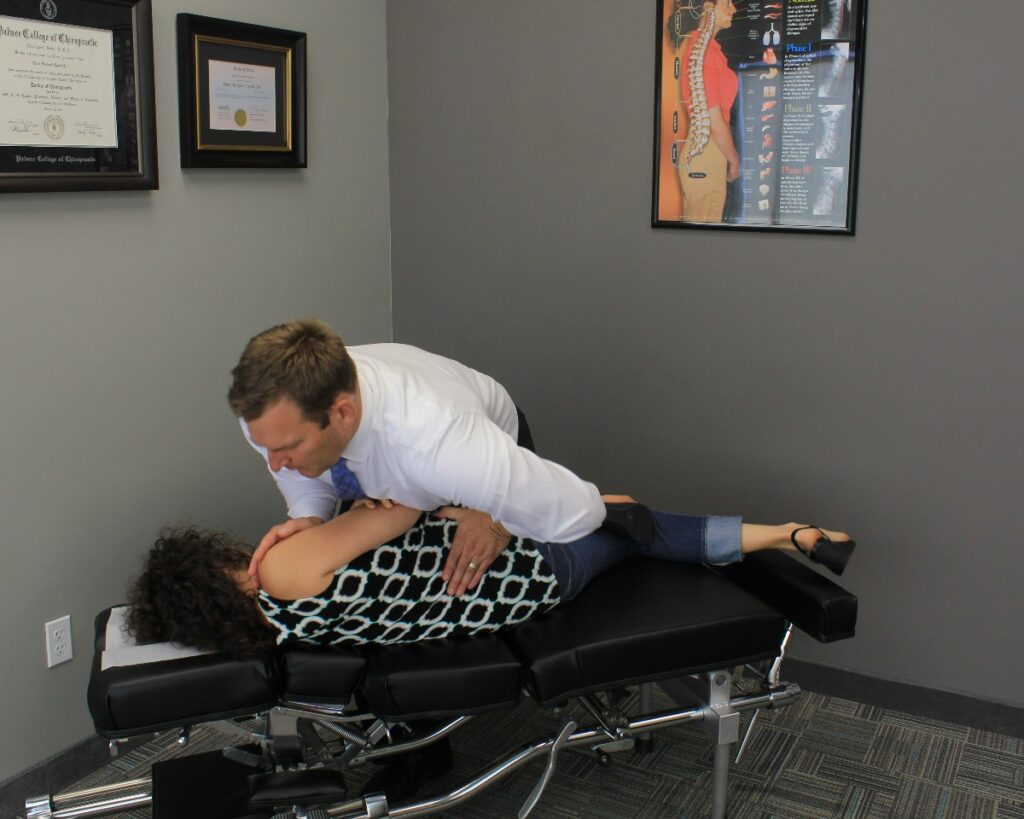
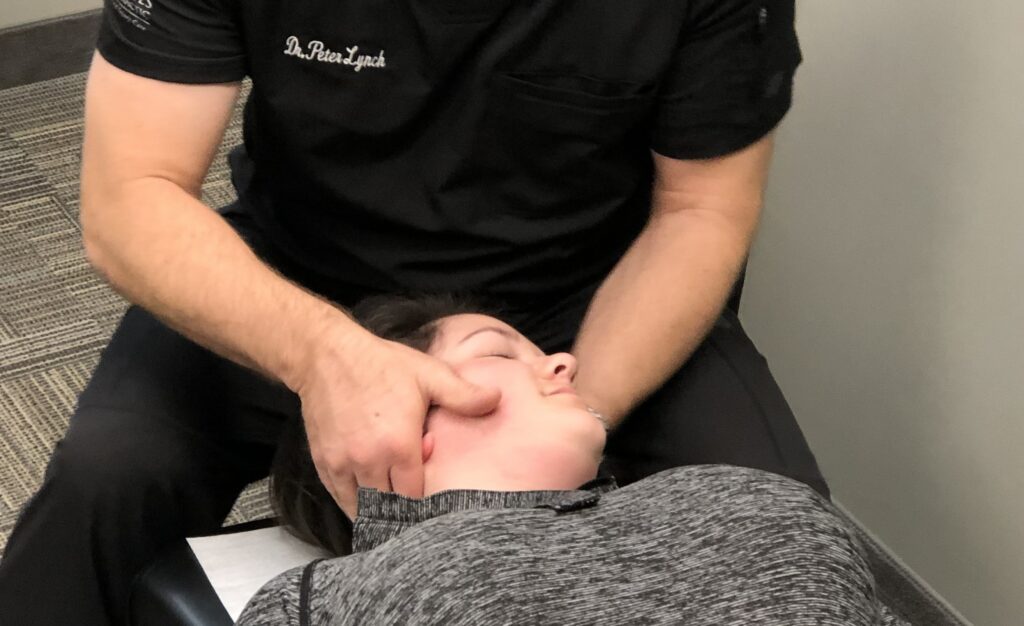
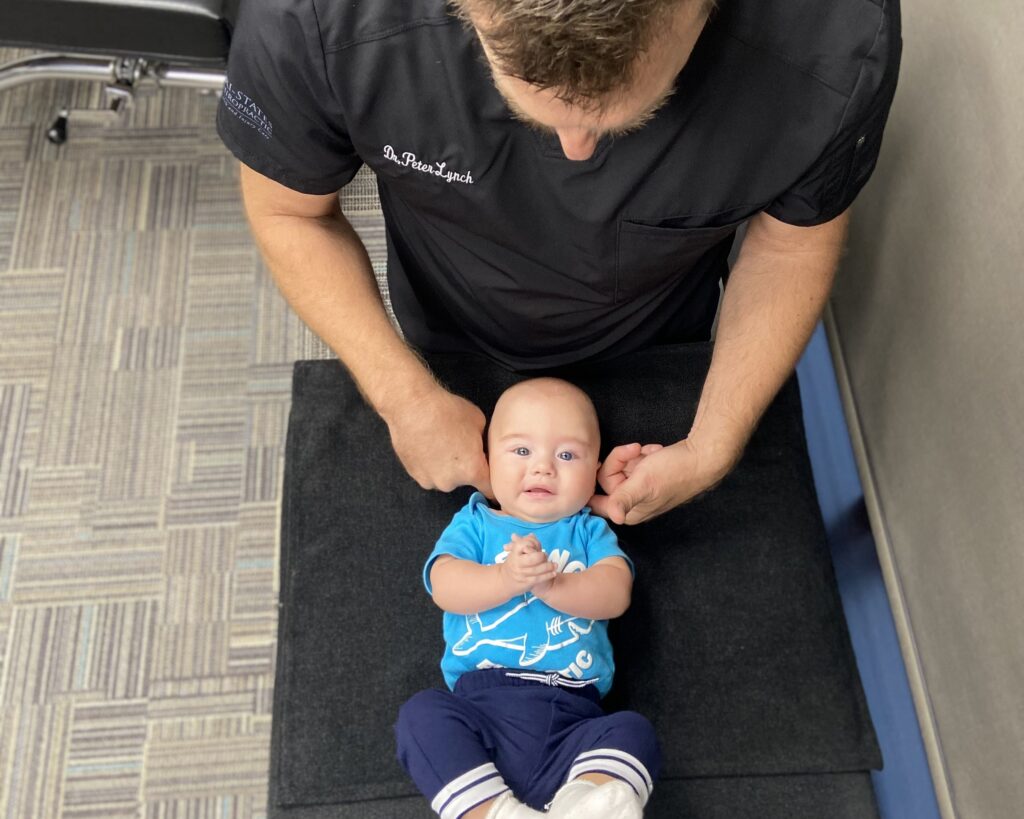
Additionally, chiropractic adjustments play a crucial role in your recovery. These adjustments help to realign the spine, enhancing mobility and relieving pressure on the nerves. Many patients experience immediate relief following these treatments, as they not only address the symptoms but also target the root cause of the pain. I encourage you to explore these natural healing options to help you regain your comfort and well-being.
Physical Therapy Options
As a local chiropractor, I want to share with you several effective approaches to alleviate upper back pain naturally. Understanding these options can empower you to make informed decisions about your health and wellness. Here are four popular methods we often utilize in chiropractic care:
- Manual Therapy: In our practice, we employ hands-on techniques to gently manipulate your spine and surrounding musculoskeletal structures. This helps improve mobility, alleviate tension, and restore proper alignment, which is crucial for overall back health.
- Therapeutic Exercises: We believe in the power of movement! Our team will work with you to develop a customized program of stretches and strengthening exercises that targets your upper back. These exercises aim to enhance flexibility and build strength, ultimately reducing pain and discomfort.
- Posture Training: Proper posture is a cornerstone of preventing and managing upper back pain. During your visits, we'll educate you on ergonomic practices and techniques to maintain good posture throughout your daily activities. This not only helps relieve current pain but also prevents future issues.
- Modalities: We often incorporate various modalities, such as heat therapy, cold packs, or electrical stimulation, to complement our chiropractic adjustments. These treatments can help reduce pain and inflammation, enhancing the effectiveness of your overall care plan.
Chiropractic Adjustments Benefits
As a local chiropractor dedicated to improving your health, I want to share how chiropractic adjustments can significantly enhance your overall well-being, particularly when it comes to addressing upper back pain. When you come to my office, I will conduct a thorough assessment of your spine to identify any misalignments that may be contributing to your discomfort. By realigning your spine through skilled adjustments, we can relieve pressure on nerves and enhance your body's overall function.
You may experience immediate relief following your first session; however, the advantages of chiropractic care go far beyond mere pain reduction. Engaging in regular chiropractic visits can lead to improved posture, greater range of motion, and better spinal health overall. This proactive approach not only alleviates existing pain but also helps prevent future complications.
In addition to adjustments, I often provide personalized exercise plans and lifestyle advice tailored to your needs. This empowers you to take charge of your health by learning how to strengthen your back and maintain proper posture in your daily activities.
Furthermore, chiropractic adjustments can support your body's natural healing processes, decrease inflammation, and enhance circulation. This holistic approach enables you to not only find relief from upper back pain but also cultivate a deeper sense of well-being. If you're experiencing discomfort or simply want to improve your quality of life, I encourage you to schedule an appointment with me to discover the valuable benefits chiropractic care can offer.
Conclusion
As your local chiropractor, I want to share some effective techniques for relieving upper back pain that you can easily incorporate into your daily life. By making regular stretching and strengthening exercises part of your routine, you can significantly improve your flexibility and support your spine.
It's also crucial to pay attention to your posture. Simple corrections throughout the day can help prevent future strain on your upper back. In addition, I recommend using heat and cold therapy, which can be beneficial in easing muscle tension and promoting relaxation.
Don't underestimate the power of massage techniques, either. These can help alleviate discomfort and improve circulation in the affected areas. Remember, staying hydrated and maintaining a balanced diet are essential for overall wellness and can contribute to a healthier back.
Lastly, if you're experiencing persistent pain, seeking professional treatments—like chiropractic adjustments—can provide targeted relief and help you achieve a pain-free lifestyle. Together, we can work towards your health and well-being!