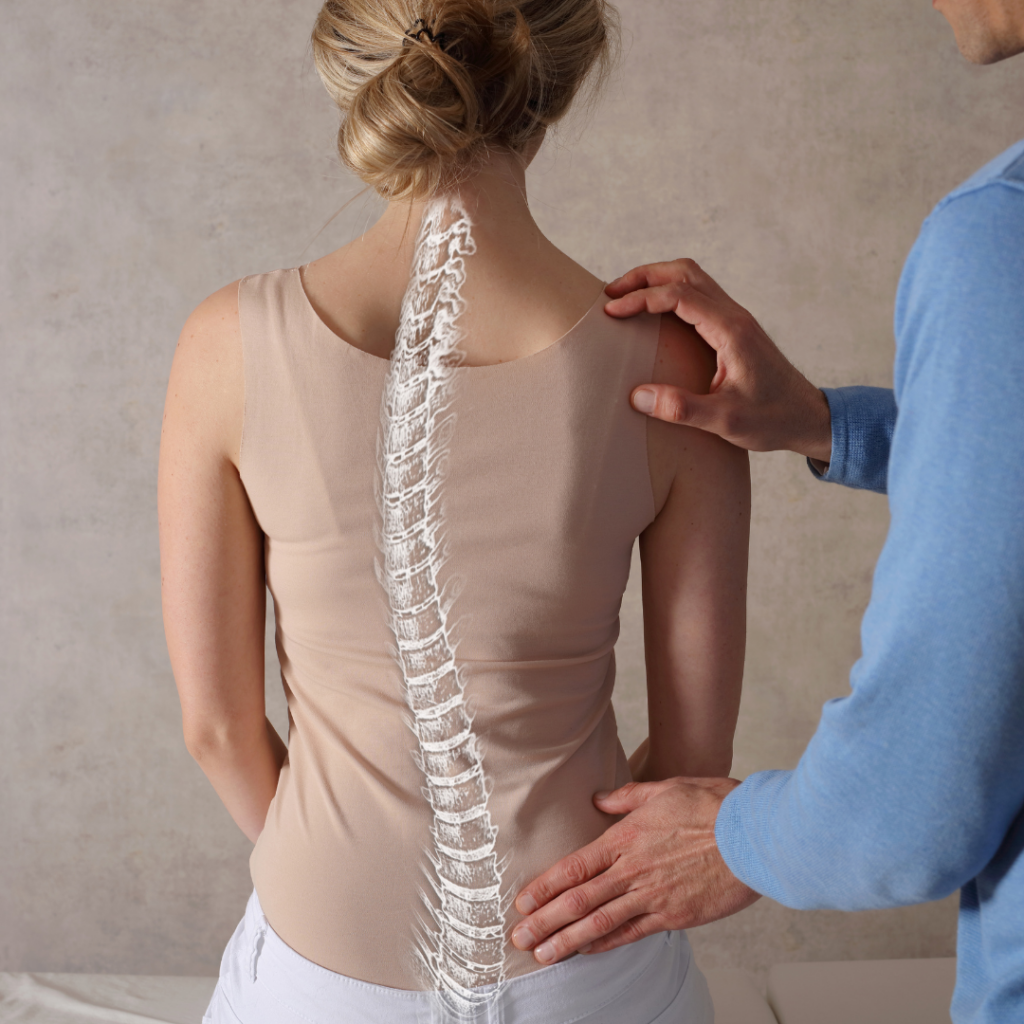
As a local chiropractor, I want to share with you how the exercises you choose can significantly influence your back health. It might surprise you, but incorporating trusted exercises into your routine is crucial for strengthening the essential muscle groups that support your spine. These exercises not only improve your flexibility and posture but also play a vital role in preventing back pain.
By focusing on strengthening these areas, you can effectively reduce strain on your back and lower the risk of injury. So, what specific exercises should you consider adding to your routine? It's important to choose movements that are safe and effective. I encourage you to consult with a chiropractic professional to ensure you're performing these exercises correctly and safely. Understanding the right approach is key to maintaining a healthy back and enjoying a pain-free life. Remember, your spine deserves the best care, and with the right knowledge and exercises, you can take proactive steps towards better back health.
Understanding Back Pain
As a local chiropractor, I often encounter patients who are experiencing back pain, a common issue that impacts many individuals at various stages of their lives. You may feel this discomfort in different ways—perhaps as a dull ache, a sharp twinge, or a persistent sensation that complicates your daily activities. Understanding the nature of your back pain is essential for effective treatment, and that's where chiropractic care can make a significant difference.
Back pain can arise from numerous causes, such as muscle strains, herniated discs, or poor posture. Identifying the root of your pain is crucial, as it helps us tailor a treatment plan that addresses your specific needs.
One common factor we see in our practice is lifestyle habits. For instance, spending long hours sitting without proper support can result in muscle tension and strain. Additionally, improper lifting techniques or repetitive movements may worsen your discomfort. By being mindful of your body mechanics and positions throughout the day, you can begin to alleviate some of this strain.
It's also important to recognize the emotional aspects connected to back pain. Stress and anxiety can physically manifest as muscle tension, which can amplify your pain perception. Incorporating relaxation techniques and mindfulness practices into your routine can be incredibly beneficial.
As a chiropractor, I can guide you in finding natural healing methods that support both your physical and emotional well-being.
Lastly, back pain can vary significantly in terms of intensity and duration. While some individuals may find quick relief from minor injuries, others may face chronic pain that requires ongoing management.
The Role of Exercise
As a chiropractor, I often emphasize the vital role that regular exercise plays in maintaining back health. By incorporating exercise into your daily routine, you can significantly lower your risk of developing back pain. When you engage in physical activity, you strengthen the muscles that support your spine, improve your flexibility, and enhance your overall posture—all of which are crucial for a healthy back.
Regular movement not only keeps your body fit but also promotes blood circulation to the muscles and tissues in your back. This enhanced blood flow aids in repairing and nourishing these areas, alleviating the stiffness and tension that can lead to discomfort. Exercise also triggers the release of endorphins, which are natural pain relievers that can elevate your mood and help manage pain.
Moreover, maintaining a healthy weight through regular exercise is essential. Excess body weight can place additional strain on your back, increasing the risk of pain and injury. By staying active, you can help keep your weight in check, thereby lightening the load on your spine.
It's important to select exercises that are both safe and effective for your body. Low-impact activities, such as swimming, walking, or cycling, are particularly beneficial as they minimize stress on your back while promoting strength and flexibility.
As you develop a consistent exercise routine, you may find that your core strength and stability improve, providing even greater support for your spine.
Ultimately, prioritizing exercise in your life isn't just about aesthetics; it's about protecting your back health and enhancing your overall quality of life. I encourage you to get moving and make exercise an integral part of your daily routine to help prevent back pain and support your well-being.
Key Muscle Groups to Target
As a local chiropractor dedicated to helping you achieve optimal health, it's important to understand how specific muscle groups play a vital role in preventing back pain.
Focusing on strengthening your core stability, hip flexors, and lower back can significantly enhance the support for your spine. When these areas are engaged through targeted exercises, you not only improve your overall stability but also lower your risk of injury.
By incorporating these practices into your daily routine, you can take significant steps toward maintaining a healthy spine and enjoying a pain-free life.
I encourage you to explore these options and consider how they can benefit your well-being.
Core Stability Exercises
As a local chiropractor, I want to emphasize the importance of core stability exercises for maintaining a strong and healthy spine. Many people may not realize that these exercises specifically target the key muscle groups that support your lower back, which is crucial for overall spinal health.
By focusing on strengthening your abdominal muscles, obliques, and lower back, you create a solid foundation that enhances your daily activities and overall well-being.
When you engage in core stability training, you're not just improving your posture; you're also enhancing your balance and significantly reducing the risk of injury. This is vital for anyone looking to maintain an active lifestyle and avoid discomfort in the future.
I encourage you to incorporate exercises such as planks, bridges, and bird-dogs into your routine. Planks are fantastic for engaging your entire core, while bridges specifically target your glutes and lower back. Bird-dogs are excellent for improving coordination and stability by challenging your balance.
Aim to perform these exercises several times a week to see the best results.
As you work on your core stability, it's crucial to maintain proper form. This means keeping your back straight and actively engaging your core muscles with every movement. By doing so, you'll not only strengthen your core but also promote better spinal alignment.
Taking the time to focus on core stability exercises can lead to a healthier back and a more active lifestyle. I urge you to prioritize these exercises in your fitness regimen, as they play a significant role in your overall health and natural healing process.
Hip Flexor Strengthening
As a chiropractor, I often emphasize the importance of strengthening your hip flexors to prevent back pain and improve your overall stability. The hip flexors, which include muscles like the iliopsoas and rectus femoris, are crucial for connecting your upper and lower body. When these muscles are weak, it can cause your pelvis to tilt, leading to misalignment in your spine and putting extra strain on your back.
To effectively target and strengthen your hip flexors, I recommend incorporating specific exercises into your routine. Start with lying leg raises: lie on your back and lift one leg while keeping the other flat on the ground, then switch sides. Lunges are another excellent option; step forward with one leg, lowering your hips until both knees are at a 90-degree angle. Bridges are also beneficial—lie on your back with your knees bent and lift your hips while squeezing your glutes.
I suggest performing 2-3 sets of 10-15 repetitions for each exercise, gradually increasing the intensity as you build strength.
It's important to remember that balance is essential in your fitness regimen. While you're working on strengthening your hip flexors, also focus on incorporating flexibility exercises to maintain an ideal range of motion.
Lower Back Conditioning
As your local chiropractor, I want to emphasize the importance of conditioning your lower back for a healthy spine and to prevent pain. Many people may not realize that focusing on specific muscle groups can significantly enhance your back strength and stability, ultimately supporting your entire spine.
Here are three key muscle groups I encourage you to pay attention to:
- Erector Spinae: These muscles run alongside your spine and play a crucial role in maintaining good posture and providing support during movement. By strengthening the erector spinae, you can help prevent slouching and reduce the strain on your lower back, which is vital for your overall well-being.
- Latissimus Dorsi: These large muscles in your back often get overlooked, but they're essential for stabilizing your torso. Strengthening your latissimus dorsi not only improves your overall back strength but also enhances your athletic performance. This is particularly important for those who lead active lifestyles or engage in sports.
- Abdominals: A strong core is fundamental for the health of your back. Your abdominal muscles work in harmony with your lower back muscles to provide essential support for your spine. Incorporating exercises that focus on your core, such as planks and leg raises, can help create a balance in strength between these muscle groups, leading to better spinal health.
By focusing on these key areas, you can take proactive steps toward maintaining a healthy spine and preventing discomfort.
If you have any questions or would like personalized guidance on exercises, feel free to reach out. Your journey to a stronger, healthier back starts here!
Benefits of Strengthening Exercises
As a local chiropractor, I want to emphasize the importance of incorporating strengthening exercises into your routine to help prevent back pain. These exercises play a crucial role in enhancing your core stability, which is vital for maintaining good posture. A strong core supports your spine, alleviating strain on your back and allowing for more efficient, pain-free movement.
Many times, back pain stems from weak or imbalanced muscles. Strengthening exercises target specific muscle groups, helping to create a more balanced and resilient body. This balance is essential for distributing forces evenly across your spine, which significantly reduces the risk of injury.
You may also notice that by strengthening your back and abdominal muscles, your functional movement improves. Everyday tasks like bending, lifting, and sitting can become easier and less taxing on your body. This enhancement in movement can lead to a notable decrease in episodes of back pain.
Additionally, engaging in regular strengthening exercises can boost your confidence. As you see improvements in your strength and stability, you'll likely feel more secure in your physical abilities. This newfound confidence can motivate you to stay active, which further decreases the likelihood of experiencing back pain.
Finally, committing to a consistent routine of strengthening exercises not only protects your back but also enhances your overall fitness and well-being. By prioritizing strength training, you're taking significant steps toward a healthier, pain-free life.
Importance of Flexibility
As a local chiropractor, I want to emphasize the vital role flexibility plays in preventing back pain and improving your overall mobility. Many people underestimate the impact that flexible muscles and joints can have on their daily lives. When your body is flexible, you're less likely to experience stiffness and discomfort, which is crucial for maintaining a healthy spine.
Let me share a few key reasons why flexibility is essential for preventing back pain:
- Improved Range of Motion: When you have greater flexibility, your body can move more freely. This means that everyday activities like bending, twisting, and lifting can be done with ease, without putting unnecessary strain on your back.
- Reduced Muscle Tension: Tight muscles can create tension that pulls on your spine, leading to discomfort and pain. By integrating stretching exercises into your routine, you can help alleviate this tension in your back and surrounding muscles, reducing the likelihood of pain developing.
- Enhanced Posture: Flexibility contributes to better posture, which is crucial for maintaining spinal health. When your muscles are flexible and your body is properly aligned, you reduce the risk of straining your back. This alignment promotes a more comfortable stance throughout your daily activities.
Incorporating flexibility exercises such as yoga, Pilates, or simple stretching into your weekly routine can yield lasting benefits.
I encourage you to dedicate time each week to improving your flexibility. Not only will this help prevent back pain, but it will also enhance your overall well-being and physical performance.
Exercises for Better Posture
As a chiropractor, I want to emphasize that good posture isn't only about exuding confidence; it's also crucial for preventing back pain and maintaining your spinal health. Many people are unaware that the way they position their bodies can significantly influence their overall well-being.
By integrating specific exercises into your daily routine, you can strengthen the muscles that support your spine and enhance your posture.
One effective exercise I recommend is the wall angel. To perform this, stand with your back against a wall, keeping your feet about six inches away. Make sure your head, shoulders, and lower back are in contact with the wall. Raise your arms to create a 'W' shape, then slowly slide them up to form a 'Y'. Repeat this sequence 10 times. This exercise activates your shoulder muscles and promotes proper alignment, which is essential for a healthy spine.
Another beneficial movement is the cat-cow stretch. Begin on your hands and knees, ensuring that your back remains flat. Inhale while arching your back and lifting your head (this is the cow position), then exhale as you round your spine and tuck your chin (the cat position). This dynamic stretch not only increases the flexibility of your spine but also encourages better posture.
Lastly, I can't stress enough the importance of core strengthening exercises. Incorporating planks and bridges into your routine can significantly bolster your core muscles, which play a vital role in supporting your spine. Aim to hold each plank for 20-30 seconds, and perform 10-15 bridges, making sure to engage your glutes at the top of each movement.
By taking these steps, you can improve your posture and contribute to your overall spinal health, fostering a healthier and more comfortable lifestyle.
If you have any questions or need further guidance, feel free to reach out!
Creating a Balanced Routine
As a local chiropractor, I want to emphasize the importance of a balanced exercise routine for preventing back pain and enhancing your overall health. Many patients are unaware of how the right combination of exercises can support your spine and promote natural healing.
Here's how you can create a well-rounded routine that benefits your body:
1. Strength Training: It's essential to focus on exercises that specifically target your back muscles, core, and legs. Incorporating movements like deadlifts, rows, and planks can significantly strengthen your back and support your spine, ultimately reducing the risk of injury.
Strengthening these areas is crucial for maintaining proper alignment and function.
2. Flexibility and Stretching: Flexibility plays a key role in preventing back pain. I recommend including stretches that target your back, hips, and legs in your routine. Simple exercises like the cat-cow stretch or hamstring stretches can improve your range of motion and alleviate tension.
Increased flexibility helps prevent stiffness, which can lead to discomfort.
3. Cardiovascular Activities: Engaging in low-impact aerobic exercises, such as walking, swimming, or cycling, can be incredibly beneficial. These activities improve blood flow to your muscles, helping to maintain a healthy weight, which is vital for reducing stress on your back and spine.
By combining these elements, you create a comprehensive routine that addresses all facets of fitness. It's important to start gradually and pay attention to how your body responds.
If you experience any discomfort, don't hesitate to adjust the intensity or switch exercises. Consistency is key; aim for at least 150 minutes of moderate exercise each week.
Safety Tips for Exercising
As a local chiropractor, I want to emphasize the importance of exercising safely to protect your body and promote natural healing. Understanding your body's signals is crucial; if you experience pain during exercise, it's essential to stop and reassess your movements. Ignoring pain can lead to serious injuries, particularly in areas like your back, where I often see patients struggling with the consequences of pushing too hard.
Before you begin any workout, take the time to warm up. This prepares your muscles and joints by increasing blood flow, which significantly reduces the risk of strains and injuries. Warm-ups aren't just a formality; they're a vital component of your workout routine.
Proper form and technique are equally important. Whether you're lifting weights or stretching, maintaining the correct posture helps prevent injuries. If you're unsure about your form, I encourage you to seek guidance from a qualified trainer. They can teach you the right movements tailored to your body, which aligns with the principles of chiropractic care.
Hydration is another key factor in your exercise routine. Staying hydrated helps prevent muscle cramping and fatigue, both of which can lead to poor performance and injury. Be sure to drink water before, during, and after your workouts to keep your body functioning effectively.
Choosing the right footwear is also crucial. Shoes that provide adequate support and cushioning can greatly enhance your workout experience. I advise avoiding hard surfaces when exercising, as they can increase impact on your joints, leading to discomfort and potential injury.
Finally, don't overlook the importance of cooling down after your exercise session. Gradually reducing your activity helps normalize your heart rate and aids in recovery. Incorporating stretching into your cool-down routine can improve flexibility and minimize muscle soreness, which aligns with the holistic approach of chiropractic care.
Long-Term Prevention Strategies
As your local chiropractor, I want to emphasize the importance of long-term prevention strategies to keep back pain at bay.
It's essential to focus on regular strength training and flexibility exercises, which play a vital role in maintaining a healthy spine and preventing injuries.
By incorporating these practices into your daily routine, you can significantly improve your back health over time.
Remember, taking proactive steps today can lead to a healthier, pain-free tomorrow.
If you have any questions about how to get started or what exercises are best for you, I'm here to help guide you on your journey to natural healing.
Regular Strength Training
As a local chiropractor, I want to emphasize the importance of incorporating regular strength training into your health and wellness routine. Not only does it significantly reduce the risk of back pain, but it also enhances overall spinal health.
Strength training is essential as it builds the muscles that support your spine, leading to improved stability and better posture. When your muscles are strong, they're more capable of handling daily activities, which helps prevent strain and injury.
To maximize the benefits of your strength training routine, I recommend focusing on these key areas:
- Core Muscles: Strengthening your abdominal and lower back muscles is crucial for providing the necessary support to your spine. Exercises such as planks and bridges are particularly effective in building a strong core.
- Legs and Hips: Strong legs and hips are vital for distributing weight evenly across your body, which helps alleviate pressure on your back. Incorporating squats and lunges into your routine can effectively target these areas.
- Upper Body: Developing strength in your upper body, especially around the shoulders and upper back, is essential for maintaining good posture. Exercises like rows and push-ups can help you build this strength.
By focusing on these areas, you can't only improve your strength but also take proactive steps toward maintaining a healthy spine and reducing the likelihood of back pain.
Flexibility and Mobility Exercises
As a local chiropractor, I want to emphasize the crucial role that flexibility and mobility exercises play in preventing back pain. While building strength through regular training is essential, it's equally important to incorporate flexibility and mobility work into your routine for long-term health.
These exercises help preserve the range of motion in your joints and enhance muscle elasticity, which is vital in reducing the risk of tight muscles that can lead to discomfort and injury. I recommend starting with dynamic stretches before your workouts, such as leg swings or arm circles, to effectively warm up your muscles.
After your sessions, focus on static stretching, specifically targeting areas like your hamstrings, hip flexors, and lower back. Holding each stretch for at least 20-30 seconds can significantly promote relaxation and flexibility.
I also encourage you to explore activities like yoga or Pilates. These practices not only improve core strength, balance, and flexibility but also increase your body awareness. This heightened awareness helps you move more efficiently and safely in your daily life, reducing the likelihood of strain or injury.
Incorporating these principles into your routine can create a strong foundation for your overall health and well-being, supporting a pain-free lifestyle. If you have any questions about how to integrate these exercises or if you need personalized guidance, don't hesitate to reach out during your next visit!
Conclusion
As a local chiropractor, I often emphasize the importance of incorporating trusted exercises into your daily routine to help prevent back pain. By focusing on strengthening key muscle groups, improving flexibility, and enhancing your posture, you can significantly alleviate strain on your spine. It's crucial to develop a balanced exercise regimen that combines strength training, flexibility work, and posture-focused activities.
When you invest consistent effort into these exercises and prioritize safety, you are not only supporting your spinal health but also paving the way for a more comfortable and active lifestyle. Don't wait for discomfort to arise; start today and take control of your back health. Remember, a proactive approach can make all the difference in your overall well-being!