
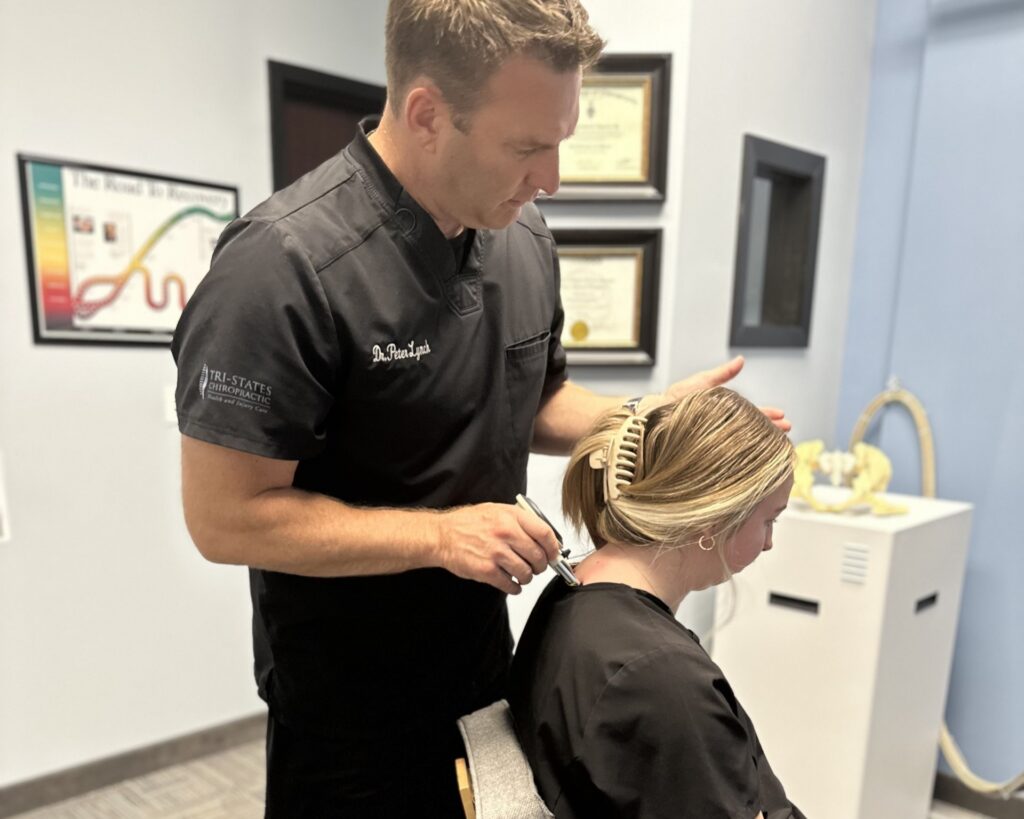
If you’ve ever felt that sharp, shooting pain running from your neck down into your shoulder or arm, you know how unsettling and disruptive a pinched nerve can be. Maybe you woke up one morning with numbness in your fingers, or perhaps you’ve noticed weakness when trying to lift everyday items. These symptoms can interfere with work, sleep, and quality of life—and they often leave people searching for answers. Here in Dubuque, IA, many patients walk into Tri-States Chiropractic asking this exact question: Can a chiropractor actually help fix a pinched nerve in the neck? The short answer is yes—chiropractic care can be highly effective for addressing the underlying causes of nerve compression and providing relief without surgery or prescription medications. In this article, we’ll explore what a pinched nerve really is, what causes it, how chiropractic care addresses the problem, and what you can expect from treatment.
What is a pinched nerve in the neck? A pinched nerve occurs when surrounding tissues—such as bones, cartilage, muscles, or tendons—apply excessive pressure to a nerve root as it exits the spinal column. In the neck (cervical spine), this compression often results in pain, tingling, numbness, or weakness that radiates down the shoulder, arm, or into the hand. The medical term for this condition is cervical radiculopathy.
Table of Contents
- What Causes a Pinched Nerve in the Neck?
- Common Signs and Symptoms
- How Chiropractic Care Addresses Pinched Nerves
- What to Expect During Chiropractic Treatment
- Practical Tips for Managing Neck Nerve Pain at Home
- When to See a Chiropractor for a Pinched Nerve
- Myths vs. Facts About Pinched Nerves and Chiropractic Care
- Final Thoughts from Tri-States Chiropractic
What Causes a Pinched Nerve in the Neck?
Understanding why nerve compression happens in the first place is essential to knowing how chiropractic care can help. The cervical spine is made up of seven vertebrae, with nerve roots branching out between each level. When the spaces where these nerves exit become narrowed or irritated, compression occurs.
Several factors contribute to pinched nerves in the neck. One of the most common culprits is a herniated or bulging disc. The discs between your vertebrae act as cushions, but over time—or due to injury—they can bulge outward and press against nearby nerve roots. This is especially common in the lower cervical spine (C5-C6 and C6-C7 levels).
Degenerative changes also play a significant role. As we age, the discs lose water content and height, and the joints in the spine can develop bone spurs (osteophytes). These changes, collectively known as cervical spondylosis, can narrow the space where nerves exit the spine, leading to irritation and inflammation.
Poor posture is another major contributor—one that has become increasingly prevalent in our modern, screen-heavy world. When you spend hours each day with your head tilted forward looking at a phone or computer, the weight and pressure on your cervical spine increase dramatically. This forward head posture can alter spinal alignment, increase muscle tension, and contribute to nerve compression over time.
Acute injuries, such as whiplash from a car accident or a sports-related impact, can also cause sudden nerve compression. Muscle spasms and inflammation following trauma can put pressure on nerve roots, leading to radiating pain and neurological symptoms.
Repetitive strain is another factor. Jobs that require prolonged positions—whether it’s overhead work, desk work, or driving—can create chronic stress on the cervical spine and surrounding soft tissues, eventually leading to nerve irritation.
Common Signs and Symptoms
Recognizing the symptoms of a pinched nerve in the neck is important for seeking timely care. The hallmark sign is radiating pain that travels from the neck down into the shoulder, arm, or hand. This pain often follows a specific nerve pathway, which helps chiropractors and other healthcare providers identify which nerve root is affected.
Numbness and tingling are also very common. You might feel a “pins and needles” sensation in your fingers or notice that certain areas of your arm or hand feel less sensitive to touch. These sensations occur because the compressed nerve is unable to transmit signals properly.
Weakness in the affected arm is another key symptom. You may find it difficult to grip objects, lift items, or perform fine motor tasks like buttoning a shirt. This weakness happens when the motor fibers of the nerve are compromised.
Sharp, shooting pain is often described as electric or stabbing. It may worsen with certain neck movements, such as turning your head, looking up, or extending your neck backward. Some people also experience relief when they place their hand on top of their head, which can temporarily reduce nerve compression.
Muscle tightness and spasm in the neck and shoulder region often accompany nerve compression. Your body may tighten surrounding muscles as a protective mechanism, which can further contribute to discomfort and restricted movement.
It’s worth noting that symptoms can vary depending on which nerve root is compressed. For example, compression at the C6 level often causes pain and tingling into the thumb and index finger, while C7 involvement typically affects the middle finger and the back of the arm.
How Chiropractic Care Addresses Pinched Nerves
So, can a chiropractor actually fix a pinched nerve in your neck? The answer lies in understanding what chiropractic care does and how it targets the root causes of nerve compression. Chiropractors focus on restoring proper alignment, reducing inflammation, improving mobility, and supporting the body’s natural healing processes—all without surgery or medication.
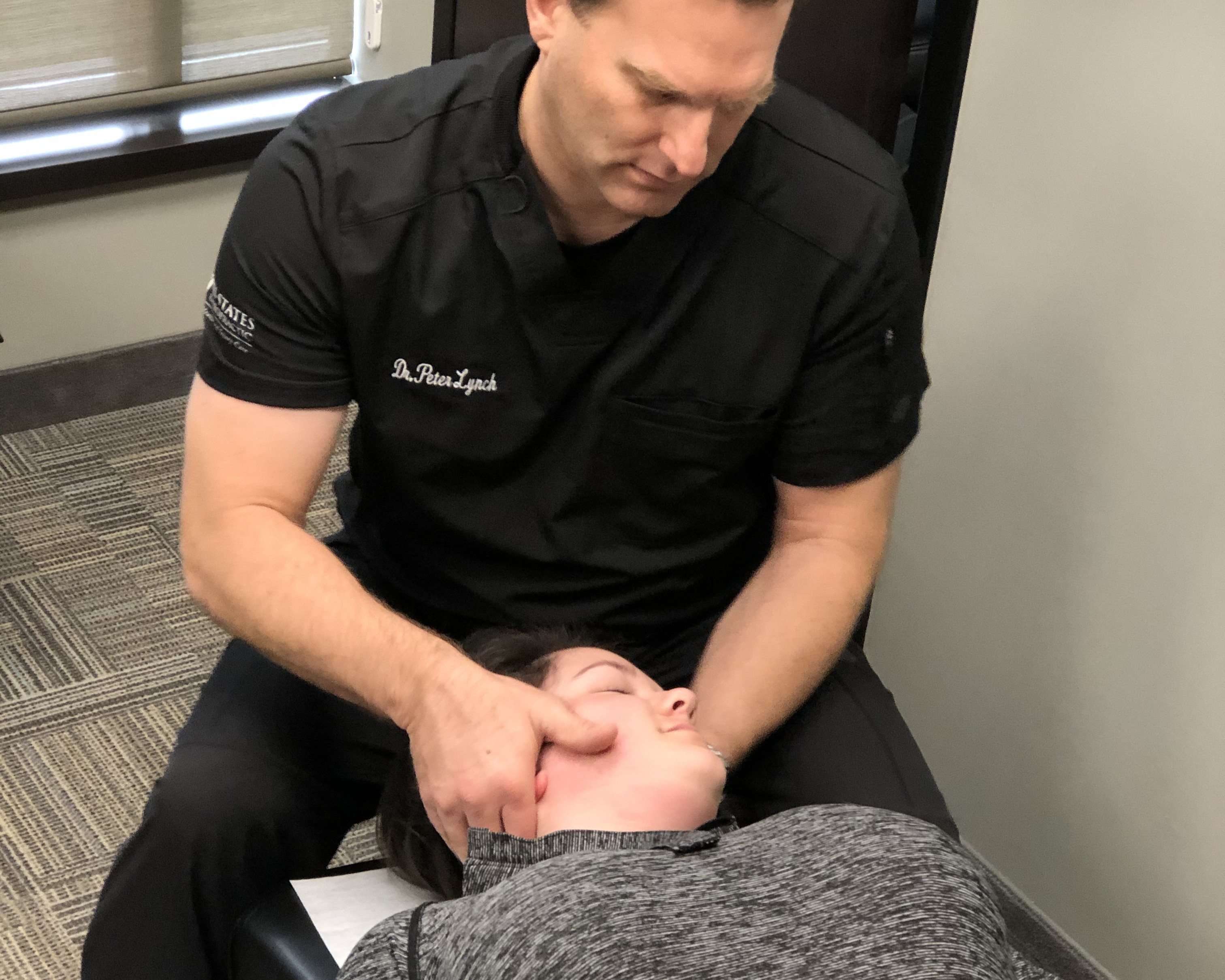
Chiropractic adjustments, also called spinal manipulations, are a cornerstone of treatment. These gentle, controlled movements help restore proper alignment and motion to the cervical vertebrae. When vertebrae are misaligned or restricted in movement, they can contribute to nerve irritation. By correcting these issues, adjustments can reduce pressure on the affected nerve root and improve overall spinal function.
Research suggests that chiropractic care can be effective for cervical radiculopathy. A systematic review published in the Journal of Manipulative and Physiological Therapeutics indicated that manual therapy, including spinal manipulation, can provide clinically meaningful improvements in pain and function for patients with neck-related arm pain.
At Tri-States Chiropractic here in Dubuque, IA, we carefully assess each patient’s condition before determining the most appropriate approach. Not all pinched nerves are the same, and treatment must be individualized. In some cases, gentle mobilization techniques or flexion-distraction methods may be used instead of traditional adjustments, especially if the nerve compression is severe or if the patient is in acute pain.
Soft tissue therapy is another important component. Tight, spasmed muscles can contribute to nerve compression and pain. Techniques such as myofascial release, trigger point therapy, and instrument-assisted soft tissue mobilization help relax muscles, improve circulation, and reduce inflammation around the affected nerve.
Traction therapy is sometimes incorporated to gently stretch the cervical spine and create space between the vertebrae. This decompression can reduce pressure on the nerve root and allow irritated tissues to heal. Traction can be performed manually or with specialized equipment.
Chiropractors also provide corrective exercises and stretches designed to strengthen the supporting muscles of the neck and shoulders, improve posture, and restore normal movement patterns. These exercises are essential for long-term recovery and preventing future episodes of nerve compression.
Importantly, chiropractic care addresses not just the symptoms but the underlying biomechanical issues that led to the pinched nerve in the first place. This comprehensive, conservative approach aligns with current clinical guidelines that recommend non-invasive care as a first-line treatment for most cases of cervical radiculopathy.
What to Expect During Chiropractic Treatment
If you’re considering chiropractic care for a pinched nerve, it’s helpful to know what the process looks like. Your first visit to Tri-States Chiropractic will include a thorough consultation and examination. We’ll ask about your symptoms, medical history, and any activities or injuries that may have contributed to your condition.
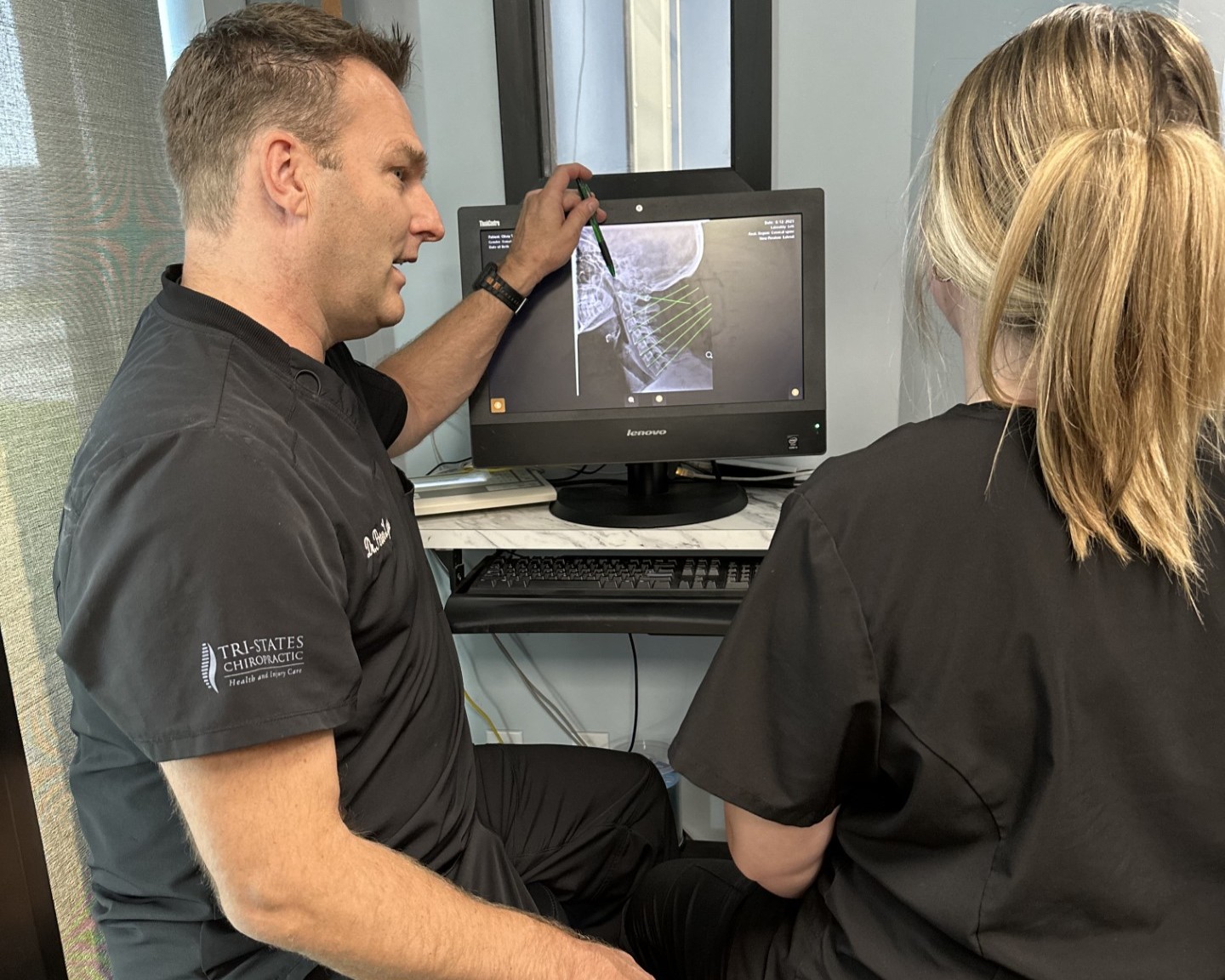
A physical and neurological exam is essential. This may include tests to assess your range of motion, muscle strength, reflexes, and sensation. Orthopedic tests like Spurling’s test can help identify nerve root compression. In some cases, imaging such as X-rays or MRI may be recommended to better visualize the structures of your cervical spine and confirm the diagnosis.
Once we have a clear understanding of your condition, we’ll develop a personalized treatment plan. This plan will outline the type and frequency of care recommended, as well as any complementary therapies or exercises.
Treatment sessions typically involve hands-on adjustments, soft tissue work, and patient education. You may also receive guidance on posture, ergonomics, and lifestyle modifications to support your recovery. Many patients begin to notice improvements within the first few weeks of care, though the timeline varies depending on the severity and duration of the condition.
It’s important to have realistic expectations. While chiropractic care can be highly effective, some cases of nerve compression may require a longer course of treatment or co-management with other healthcare providers. Severe cases involving significant disc herniation or progressive neurological deficits may need medical evaluation and, in rare instances, surgical intervention.
Practical Tips for Managing Neck Nerve Pain at Home
In addition to professional chiropractic care, there are several things you can do at home to support your recovery and reduce the risk of future nerve compression.
First, pay attention to your posture—especially if you work at a desk or spend a lot of time on your phone. Keep your screen at eye level so you’re not constantly looking down. Your ears should align over your shoulders, and your shoulders should be relaxed, not hunched forward. Consider using a lumbar support cushion and an ergonomic chair to promote better spinal alignment.
Take frequent breaks from static positions. If you sit for long periods, stand up and move every 30 to 45 minutes. Gentle neck stretches and shoulder rolls can help reduce tension and improve circulation.
Sleep position matters, too. Avoid sleeping on your stomach, which forces your neck into rotation and can aggravate nerve compression. Instead, sleep on your back or side with proper pillow support. Your pillow should keep your neck in a neutral position—not too high or too flat.
Apply ice or heat as appropriate. In the acute phase (first 48-72 hours), ice can help reduce inflammation and numb sharp pain. After that, gentle heat can relax tight muscles and improve blood flow. Always use a barrier between your skin and the ice or heat source, and limit application to 15-20 minutes at a time.
Stay active within your limits. Complete rest is rarely recommended for neck pain. Gentle movement helps maintain mobility and prevents stiffness. Walking, light stretching, and range-of-motion exercises can be beneficial, but avoid activities that worsen your symptoms.
Avoid heavy lifting and overhead activities until your symptoms improve. These movements can increase pressure on the cervical spine and aggravate nerve compression.
Practice stress management. Emotional stress often manifests as physical tension, particularly in the neck and shoulders. Deep breathing exercises, meditation, and relaxation techniques can help reduce muscle guarding and support healing.
When to See a Chiropractor for a Pinched Nerve
Knowing when to seek professional care is important. If you’re experiencing radiating pain, numbness, tingling, or weakness in your arm or hand, it’s a good idea to schedule an evaluation sooner rather than later. Early intervention can prevent the condition from worsening and often leads to faster recovery.
You should also seek care if neck pain persists for more than a few days without improvement, if symptoms interfere with daily activities or sleep, or if you notice a gradual increase in pain or neurological symptoms.
Chiropractors are well-trained to identify when a condition is appropriate for chiropractic care and when a referral or co-management with another provider is necessary. At Tri-States Chiropractic, we prioritize patient safety and will always recommend the most appropriate course of action based on your individual presentation.
There are certain red flags that warrant immediate medical attention. Seek emergency care if you experience sudden, severe neck pain following trauma, loss of bowel or bladder control, difficulty walking or coordinating movements, or progressive weakness in both arms or legs. These symptoms could indicate a more serious condition such as spinal cord compression or stroke.
If you have a history of cancer, unexplained weight loss, fever, or night sweats along with neck pain, a medical evaluation is warranted to rule out infection or malignancy.
Comparison Table: Conservative Care vs. Other Treatment Options
| Treatment Approach | Benefits | Considerations |
|---|---|---|
| Chiropractic Care | Non-invasive, drug-free, addresses underlying causes, improves mobility and function | Requires multiple visits, not suitable for severe cases with neurological emergency |
| Physical Therapy | Focused on exercise and rehabilitation, effective for strengthening and mobility | May not address spinal alignment issues, often combined with other treatments |
| Medication (NSAIDs, muscle relaxants) | Quick symptom relief, reduces inflammation and muscle spasm | Does not address root cause, potential side effects, temporary relief |
| Epidural Steroid Injections | Targeted pain relief, can reduce inflammation around nerve root | Invasive, temporary effect, potential risks and side effects |
| Surgery (e.g., discectomy, fusion) | May be necessary for severe cases, can relieve significant nerve compression | Invasive, longer recovery, risks of complications, typically last resort |
Myths vs. Facts About Pinched Nerves and Chiropractic Care
Myth: A pinched nerve will go away on its own
Fact: While some mild cases of nerve irritation may resolve with rest, many pinched nerves require active treatment to address the underlying cause. Without proper care, symptoms can persist or worsen, and chronic nerve compression can lead to long-term damage. Chiropractic care helps restore proper alignment and function, supporting natural healing.
Myth: Chiropractic adjustments are dangerous for neck problems
Fact: When performed by a licensed, trained chiropractor, cervical adjustments are safe and effective. Chiropractors complete extensive education in spinal anatomy, neurology, and technique. At Tri-States Chiropractic, we perform thorough assessments and use gentle, appropriate techniques tailored to each patient’s condition. Serious complications from chiropractic neck adjustments are exceedingly rare.
Myth: You need surgery to fix a pinched nerve
Fact: The majority of pinched nerves in the neck respond well to conservative care, including chiropractic treatment, physical therapy, and lifestyle modifications. Surgery is typically reserved for cases that do not improve with conservative care or involve severe neurological deficits. Research and clinical guidelines support trying non-invasive options first.
Myth: Once you start chiropractic care, you have to go forever
Fact: The goal of chiropractic care is to resolve your symptoms and restore function. Many patients experience significant relief within weeks and can transition to wellness or maintenance care if desired. The frequency and duration of care depend on your individual condition and goals. You are always in control of your treatment plan.
Myth: Pinched nerves only affect older adults
Fact: While degenerative changes are more common with age, pinched nerves can affect people of all ages. Young adults and even teenagers can experience nerve compression due to poor posture, repetitive strain, sports injuries, or acute trauma. Here in Dubuque, we see patients from all age groups dealing with cervical radiculopathy.
Final Thoughts from Tri-States Chiropractic
A pinched nerve in your neck can be a painful, frustrating condition—but it doesn’t have to control your life. Chiropractic care offers a safe, effective, and drug-free approach to addressing the root causes of nerve compression and helping your body heal naturally. By restoring proper alignment, reducing inflammation, and improving movement, chiropractic treatment can provide meaningful relief and long-term results.
At Tri-States Chiropractic here in Dubuque, IA, we’re committed to helping our community members find relief from neck pain, nerve symptoms, and musculoskeletal conditions. We take the time to listen, evaluate thoroughly, and create personalized care plans that meet your unique needs. Whether you’re dealing with a recent injury or chronic nerve pain, we’re here to support your journey to better health.
If you’re struggling with a pinched nerve in your neck, don’t wait for it to get worse. Reach out to our team at Tri-States Chiropractic and let us help you get back to doing the things you love—pain-free and with confidence.
Frequently Asked Questions
How long does it take for a chiropractor to fix a pinched nerve?
The timeline varies depending on the severity and duration of the condition. Many patients notice improvements within 2-4 weeks of consistent care, though some cases may take longer. Acute pinched nerves often respond more quickly than chronic, degenerative conditions.
Can a chiropractor make a pinched nerve worse?
When performed by a qualified chiropractor, adjustments are generally safe and beneficial. However, it’s essential to communicate openly about your symptoms and any changes you experience. At Tri-States Chiropractic, we adjust our techniques based on your response to care to ensure the best outcomes.
Will I need X-rays or an MRI before treatment?
Not always. A thorough history and physical exam are usually sufficient to diagnose a pinched nerve and begin conservative care. Imaging may be recommended if symptoms are severe, not improving, or if there are concerns about underlying structural issues.
Is chiropractic care covered by insurance for pinched nerves?
Many insurance plans cover chiropractic care for conditions like cervical radiculopathy. Coverage varies by plan, so it’s best to contact your insurance provider or our office at Tri-States Chiropractic to verify your benefits and out-of-pocket costs.
Can I combine chiropractic care with other treatments?
Absolutely. Chiropractic care often works well alongside physical therapy, massage therapy, acupuncture, and other conservative treatments. We believe in a team-based approach and can coordinate with other providers to ensure comprehensive care.
What’s the difference between a pinched nerve and a muscle strain?
A muscle strain typically causes localized pain and tenderness in the neck without radiating symptoms. A pinched nerve, on the other hand, often causes pain, numbness, tingling, or weakness that travels down the shoulder, arm, or hand. A chiropractor can help differentiate between the two and provide appropriate treatment.
TL;DR: Key Takeaways
- A pinched nerve in the neck (cervical radiculopathy) causes radiating pain, numbness, tingling, or weakness into the arm and hand due to compression of a nerve root.
- Common causes include herniated discs, degenerative changes, poor posture, trauma, and repetitive strain.
- Chiropractic care addresses pinched nerves through spinal adjustments, soft tissue therapy, traction, corrective exercises, and lifestyle education—all without surgery or medication.
- Most cases respond well to conservative chiropractic treatment, with many patients experiencing relief within a few weeks.
- At-home strategies like improving posture, taking breaks from static positions, using proper sleep support, and staying gently active can support recovery.
- Tri-States Chiropractic in Dubuque, IA, provides personalized, evidence-based care for patients dealing with pinched nerves and other neck conditions.