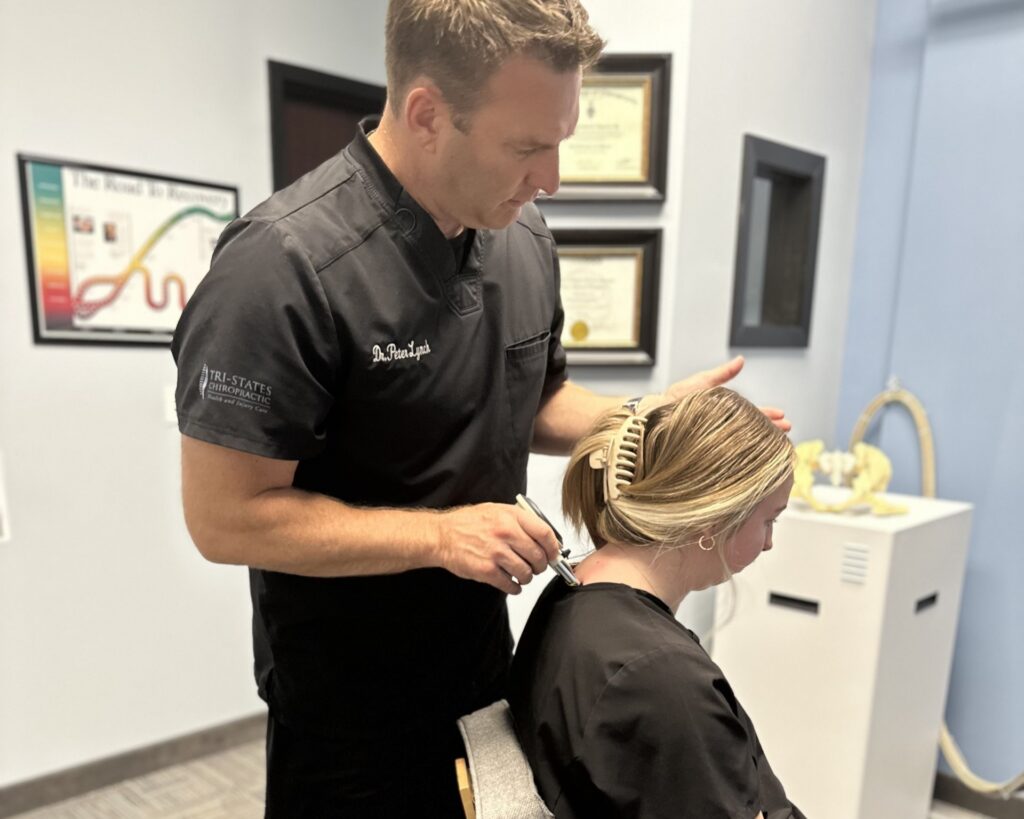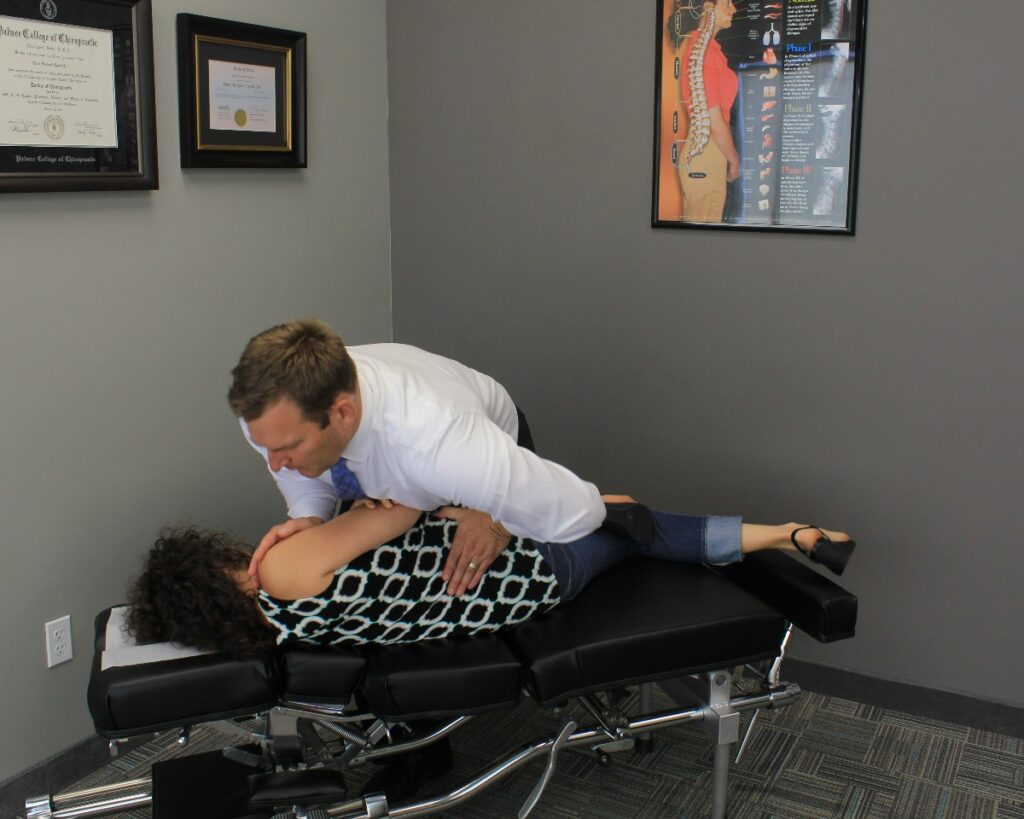
Did you know that your alignment can significantly influence your headache pain? Many people overlook the connection between posture and headaches, but it’s crucial for your overall health. When your posture is poor, it can lead to muscle tension and strain on your spine, which may cause discomfort that radiates to your head.
As a chiropractor, I want to emphasize how important it is to understand this relationship. By recognizing how your alignment affects your health, you can take steps towards finding relief. Here are a few tips to improve your posture and potentially reduce headache pain:
- Practice Good Posture: Make a conscious effort to sit and stand with your shoulders back and your spine straight. This can help reduce the strain on your neck and back.
- Take Frequent Breaks: If you work at a desk, make sure to take regular breaks to stretch and move around. This can help alleviate tension that builds up over time.
- Stay Hydrated: Sometimes, headaches can be exacerbated by dehydration. Make sure to drink plenty of water throughout the day.
- Consider Chiropractic Care: Regular chiropractic adjustments can help align your spine and improve your posture, which may lead to a reduction in headache frequency and intensity.
- Mind Your Ergonomics: Ensure that your workstation is set up to keep your body in a neutral position, reducing strain on your muscles and joints.
By focusing on these simple yet effective strategies, you can support your body’s alignment and potentially find relief from headache pain. Remember, chiropractic care is a natural and effective way to achieve optimal health and wellness, helping you live a pain-free life.
Key Takeaways
Poor alignment can significantly contribute to headache pain. When your spine is misaligned, it can lead to increased muscle tension, particularly in the neck and shoulders. This tension can create discomfort that radiates, ultimately resulting in headaches.
One common issue is slouching, which creates pressure on the nerves and blood vessels in your neck. This pressure can trigger headache symptoms and make you feel uncomfortable throughout the day. Additionally, forward head posture puts extra strain on your neck muscles, which is often linked to tension headaches.
The good news is that proper spinal alignment can enhance nerve function, helping to reduce pain sensations and lessen the frequency of headaches. When your spine is aligned, it allows for better blood flow and nerve communication, which can lead to an overall decrease in headache occurrences.
To promote better alignment and help prevent headaches, consider the following tips:
- Maintain a neutral posture while sitting and standing, keeping your head aligned with your spine.
- Take regular breaks from prolonged sitting to stretch your neck and shoulder muscles.
- Be mindful of your ergonomics, especially if you work at a desk. Ensure your chair and computer setup supports good posture.
- Incorporate gentle exercises to strengthen your core and neck muscles, which can provide better support for your spine.
By focusing on your spinal health and practicing good posture, you can take proactive steps towards reducing headache pain. Chiropractic care is an excellent choice for achieving optimal alignment and overall wellness. Regular visits to your chiropractor can help keep your spine in check, alleviate tension, and promote a healthier lifestyle, free from the burden of headaches.
The Anatomy of Headaches: Understanding the Types
When it comes to headaches, understanding the different types can significantly enhance your ability to manage your pain naturally. As a chiropractor, I want to shed light on the common types of headaches you might encounter—tension, migraine, and cluster headaches—and how chiropractic care can help alleviate them.
Tension headaches often feel like a tight band around your head and are usually triggered by stress, poor posture, or muscle tension in the neck and shoulders. Regular chiropractic adjustments can help relieve this tension by improving spinal alignment and reducing muscle strain, thus relieving headache symptoms.
Migraines, on the other hand, can cause debilitating throbbing pain, often accompanied by nausea and heightened sensitivity to light or sound. While these can last for hours or even days, chiropractic care has been shown to help minimize the frequency and intensity of migraines. Techniques such as spinal manipulation and lifestyle advice can play a crucial role in reducing triggers and managing symptoms.
Cluster headaches are known for their intense pain and cyclical nature, often affecting just one side of your head. Although these can be particularly difficult to endure, chiropractic adjustments can help with the surrounding muscle tension and may provide relief from the pain.
By identifying the specific characteristics of your headache, you can make informed decisions about your treatment options. Chiropractic care not only addresses the immediate symptoms but also focuses on the underlying causes, promoting overall wellness in your body.
To take control of your headaches, consider integrating regular chiropractic visits into your health routine. Additionally, practicing good posture, managing stress through relaxation techniques, staying hydrated, and maintaining a balanced diet can all contribute to reducing headache occurrences.
The Role of Posture in Headache Development
Your posture plays a crucial role in the development of headaches, and as a chiropractor, I want to emphasize how maintaining proper alignment can significantly improve your well-being.
When you slouch or sit incorrectly, the strain on your neck and shoulders intensifies, often leading to discomfort and pain.
By understanding how your posture impacts your overall alignment, you can take proactive steps to alleviate headache symptoms. Here are a few simple tips to help you maintain good posture and support your spinal health:
- Be Mindful of Your Sitting Position: When sitting at a desk, ensure your feet are flat on the floor, and your back is straight against the chair. Use a chair that supports your lower back to prevent slouching.
- Take Regular Breaks: If you’re working for long periods, make it a habit to stand up, stretch, and walk around every 30 minutes. This helps relieve tension in your muscles and promotes better circulation.
- Strengthen Your Core: Engaging in exercises that strengthen your core muscles can improve your posture and reduce the strain on your spine. Consider simple activities like planks or yoga to enhance your stability.
- Stay Hydrated: Proper hydration helps keep your muscles functioning optimally. Dehydration can lead to muscle cramps and tension, which can contribute to headaches.
- Chiropractic Care: Regular visits to your chiropractor can help you achieve optimal spinal alignment. Chiropractic adjustments can relieve muscle tension, improve posture, and ultimately reduce the frequency and intensity of headaches.
By incorporating these practices into your daily routine and seeking chiropractic care, you can manage and reduce headache symptoms effectively.
Poor Posture Effects
Many people may not realize that poor posture can significantly contribute to headache pain. When you slouch or hunch over, you’re putting unnecessary strain on your neck and spine. This misalignment can cause increased pressure on nerves and blood vessels, which may trigger headaches. If you often spend long hours at a desk or frequently look down at your phone, you might find that your headaches worsen.
Your body tries to compensate for this poor alignment, leading to discomfort and tension. The good news is that by being mindful of your posture and making simple adjustments, you can help alleviate these issues. For example, sitting up straight, using ergonomic furniture, and taking regular breaks to stretch can create a more supportive environment for your spine.
Chiropractic care is a fantastic way to address these posture-related problems and promote overall wellness. Regular chiropractic adjustments can help realign your spine, reduce tension, and improve your body’s function. This natural approach not only helps relieve headaches but also enhances your quality of life.
Muscle Tension Contribution
Muscle tension is a significant contributor to headaches, particularly when poor posture comes into play. When you find yourself slouching or holding your neck in an awkward position, the muscles around your neck and shoulders can become tight and tense. This tension can lead to discomfort and pain that often radiates to your head, making it hard to focus or enjoy your day.
As a chiropractor, I want you to understand that these issues often stem from daily habits that you may not even be aware of. For instance, spending long hours hunched over a computer or looking down at your phone can lead to muscle tightness. This is where chiropractic care shines; by addressing the root cause of the tension, we can help restore balance and alignment to your spine, which can alleviate the pain and discomfort associated with headaches.
Here are a few simple tips to help you manage muscle tension and potentially reduce headache occurrences:
- Mind Your Posture: Make a conscious effort to sit up straight and keep your shoulders back. Consider using ergonomic furniture that supports a healthy posture.
- Take Breaks: If you’re working at a desk or using your phone for extended periods, take regular breaks. Stand up, stretch, and move around to relieve muscle tension.
- Stay Hydrated: Dehydration can contribute to muscle cramps and tension, so make sure you’re drinking plenty of water throughout the day.
- Incorporate Stretching: Gentle neck and shoulder stretches can help relieve tension. Try tilting your head side to side or rolling your shoulders to release tightness.
- Consider Chiropractic Adjustments: Regular visits to your chiropractor can help maintain proper alignment and reduce muscle tension, leading to fewer headaches and improved overall health.
By being mindful of your posture and taking proactive steps, you can significantly impact your well-being.
Alignment and Pain
Understanding Posture and Headaches: The Chiropractic Perspective
As a chiropractor, I want to share how poor posture can significantly affect your health, particularly when it comes to headaches. When we slouch or hunch over our devices, it can lead to muscle tension in the neck and back. This tension not only causes discomfort but can also trigger headaches, specifically tension-type headaches.
Here’s how different postures impact headache development:
| Posture Type | Headache Impact |
|---|---|
| Slouched | Increases muscle tension, leading to discomfort and headaches. |
| Neutral | Reduces strain and promotes better overall health. |
| Forward Head Posture | Heightens pain and discomfort, increasing the likelihood of headaches. |
To combat these issues, it’s essential to maintain a neutral posture throughout your day. This means sitting up straight with your shoulders back and your head aligned over your spine. Here are some simple tips to help you improve your posture and potentially reduce headache occurrences:
- Be Mindful of Your Posture: Regularly check in with your body throughout the day. Are you slouching? Adjust yourself to sit or stand tall.
- Take Breaks: If you work at a desk or spend a lot of time on your devices, make sure to take short breaks every 30 minutes. Stand up, stretch, and walk around to relieve tension.
- Set Up an Ergonomic Workspace: Ensure your desk and chair are set up to support good posture. Your computer screen should be at eye level, and your chair should support your lower back.
- Stay Active: Regular exercise can strengthen your muscles and improve your posture. Incorporate activities like yoga or stretching into your routine to promote flexibility and balance.
- Consider Chiropractic Care: Regular chiropractic adjustments can help align your spine, alleviate tension, and improve your overall posture, leading to fewer headaches and enhanced well-being.
How Spinal Alignment Affects Nerve Function
When your spine is properly aligned, it not only feels good but also supports your overall health by promoting optimal nerve function throughout your body. This alignment ensures your nervous system can communicate effectively, allowing you to live life to the fullest.
On the other hand, misalignments can lead to nerve compression, disrupting signals and potentially causing discomfort, such as headaches.
Here’s how spinal alignment positively impacts your nerve function and overall well-being:
- Improved Communication: When your spine is aligned, it creates clear pathways for your brain to send and receive signals without interference. This means better coordination and function throughout your body.
- Reduced Pain: A properly aligned spine alleviates pressure on your nerves, which can significantly reduce pain sensations you may be experiencing. This natural approach to pain relief is what chiropractic care is all about.
- Enhanced Mobility: Keeping your spine aligned promotes better movement, making it easier for you to engage in daily activities. This not only supports your physical health but also enhances your quality of life.
To maintain spinal alignment and support your nerve function, consider these simple tips:
- Practice Good Posture: Whether sitting at a desk or standing in line, be mindful of your posture. Keep your shoulders back and your spine straight to reduce strain.
- Stay Active: Regular exercise strengthens the muscles around your spine, helping to maintain alignment. Activities like walking, stretching, and yoga can be particularly beneficial.
- Get Regular Chiropractic Care: Regular visits to a chiropractor can help keep your spine aligned and your nervous system functioning optimally. This natural approach is a great way to manage pain and enhance your overall wellness.
- Listen to Your Body: Pay attention to any signs of discomfort. If you notice persistent pain or stiffness, consider reaching out to a chiropractor for a check-up.
By prioritizing spinal health through chiropractic care, you can achieve not just pain relief but also a greater sense of well-being.
Embrace the natural healing process and enjoy the benefits of a well-aligned spine!
Muscle Tension and Its Connection to Alignment
Your body’s muscle tension plays a significant role in how well your spine aligns, which can lead to discomfort and even pain. When your muscles are tight, they can pull on your spine, causing misalignments that may worsen headaches and other issues. For example, tension in your neck and shoulders can misalign your cervical spine, potentially leading to pain.
Understanding how muscle tension affects alignment can help you take steps toward relief and better health. Here’s a simple overview:
| Muscle Group | Impact on Alignment |
|---|---|
| Neck Muscles | Can pull the cervical spine forward, increasing strain. |
| Shoulder Muscles | May limit mobility, causing upper back misalignment. |
| Upper Back Muscles | Creates uneven tension, which can lead to postural issues. |
| Jaw Muscles | Can contribute to tension headaches through clenching. |
| Core Muscles | Weakness here can destabilize spine alignment. |
Chiropractic care is a fantastic way to address these issues naturally. By ensuring your spine is properly aligned, we can help reduce muscle tension and alleviate pain. Here are some tips to consider for maintaining muscle balance and spinal alignment:
- Regular Stretching: Incorporate simple stretches for your neck, shoulders, and back into your daily routine to relieve tension.
- Posture Awareness: Be mindful of your posture, especially when sitting for long periods. Good posture can prevent unnecessary strain on your muscles.
- Strengthen Core Muscles: Engage in exercises that strengthen your core, as a strong core supports your spine and helps maintain proper alignment.
- Stay Hydrated: Drinking plenty of water can help keep your muscles hydrated and functioning well.
- Visit Your Chiropractor: Regular chiropractic check-ups can help ensure your spine stays aligned and reduce muscle tension, leading to better overall health.
Common Postural Issues That Contribute to Headaches
When you slouch or let your head jut forward, you mightn’t realize how much these common postural issues can contribute to headaches. Rounded shoulders and poor spinal alignment create tension in your neck and upper back, which can trigger discomfort and pain.
As a chiropractor, I want to help you understand how these issues can affect your overall comfort and well-being.
Maintaining good posture is essential for a healthy spine and can significantly reduce the risk of headaches. Here are some tips to improve your posture and promote natural healing:
- Be Mindful of Your Posture: Whether sitting at a desk or standing, try to keep your shoulders back and your head aligned over your spine. Imagine a string pulling the top of your head upward.
- Take Breaks: If you work at a desk, remember to take short breaks every hour. Stand up, stretch, and give your spine a chance to reset.
- Strengthen Your Core: A strong core supports your spine and helps you maintain good posture. Incorporate exercises that target your abdominal and back muscles.
- Adjust Your Workspace: Make sure your computer screen is at eye level, and your chair supports your lower back. This can help you avoid slouching.
- Consider Chiropractic Care: Regular chiropractic adjustments can help correct postural imbalances, alleviate tension, and promote overall wellness. A chiropractor can provide personalized advice and techniques to improve your posture and reduce headaches.
By being proactive about your posture and incorporating these tips into your daily routine, you can enhance your comfort and well-being.
Forward Head Posture
Forward head posture often creeps in unnoticed, yet it can greatly contribute to headache pain. You mightn’t realize it, but when your head juts forward, it places extra strain on your neck and spine.
This misalignment can lead to muscle tension and discomfort. Here are a few signs you might notice:
- Increased tension in your neck and shoulders
- Frequent headaches, especially at the temples or forehead
- Difficulty concentrating due to discomfort
As a chiropractor, I want to emphasize the importance of maintaining proper alignment to alleviate these issues. Here are some practical tips to help you combat forward head posture:
- Adjust Your Workspace: Ensure your computer screen is at eye level. This can help you keep your head in a more neutral position and reduce strain on your neck.
- Practice Good Posture: Be mindful of your posture throughout the day. Keep your shoulders back and down, and align your ears with your shoulders.
- Take Frequent Breaks: Give your neck a rest by standing up, stretching, and moving around every 30 minutes. Simple neck stretches can help relieve tension.
- Incorporate Chiropractic Care: Regular visits to a chiropractor can help correct spinal misalignments and relieve pain. Chiropractic adjustments can enhance your overall well-being and provide lasting relief from headache pain.
- Strengthen Your Neck Muscles: Gentle exercises to strengthen your neck and upper back can help support proper alignment and reduce discomfort.
Being proactive about your posture and spinal health can make a significant difference in alleviating headache pain and improving your overall well-being.
Rounded Shoulders Impact
Rounded shoulders can significantly affect your posture and lead to discomfort, including headaches. When your shoulders roll forward, it creates tension in your neck and upper back. This tension can strain your muscles as they work harder to support your head, increasing the chances of experiencing tension headaches.
Additionally, rounded shoulders may limit your ability to take deep breaths, which can reduce oxygen flow and heighten stress levels. This cycle of tension and stress not only worsens headaches but can also impact your daily activities.
As a local chiropractor, I want to emphasize the importance of addressing rounded shoulders to improve your overall well-being. By recognizing how your posture influences your health, you can take proactive steps to correct it.
Here are some tips to help you on your journey to better posture and reduced headache pain:
- Strengthen Your Upper Back: Incorporate exercises that target your upper back muscles, such as rows or shoulder blade squeezes. This will help pull your shoulders back and improve your posture over time.
- Practice Good Posture Habits: Be mindful of your posture throughout the day. Keep your shoulders back and down, and sit up straight, especially when working at a desk.
- Take Frequent Breaks: If you spend long hours sitting, be sure to take short breaks to stand, stretch, and reset your posture.
- Stay Hydrated: Keeping your body well-hydrated can help reduce muscle tension and promote overall health.
- Consider Chiropractic Care: Regular visits to a chiropractor can help you achieve optimal spinal alignment and relieve tension in your neck and back. Chiropractic care focuses on natural healing and can provide lasting relief from pain caused by rounded shoulders.
Spinal Alignment Issues
Poor spinal alignment can lead to a variety of issues, including frequent headaches. When your spine isn’t aligned properly, it can create tension in the muscles and nerves, resulting in pain.
As a chiropractor, I want to help you understand how certain postural issues may contribute to your headaches, and how chiropractic care can be an effective solution.
Here are some common postural issues that might be affecting your wellbeing:
- Forward Head Posture: This occurs when your head shifts forward, putting strain on your neck muscles and nerves. This can lead to discomfort and headaches.
- Swayback Posture: When there’s excessive arching in your lower back, it can create tension throughout your spine and contribute to pain.
- Uneven Shoulders: If one shoulder sits higher than the other, it can lead to muscle imbalances, which can also trigger headaches.
The good news is that these alignment issues can often be addressed through chiropractic care. By visiting a chiropractor, you can receive personalized adjustments that help realign your spine, relieve tension, and reduce headache pain.
In addition to professional care, here are some general tips to consider for maintaining good spinal health and preventing headaches:
- Practice Good Posture: Be mindful of your posture while sitting, standing, and walking. Keeping your head aligned over your spine can reduce strain.
- Take Breaks: If you work at a desk, take regular breaks to stretch and move around. This will help alleviate tension in your muscles.
- Stay Active: Regular physical activity can strengthen your muscles and improve your overall posture.
- Ergonomic Setup: Ensure your workspace is ergonomically friendly, with your computer screen at eye level and your chair providing proper support.
By focusing on these practices and considering chiropractic care, you can enhance your overall health and well-being while finding relief from headaches.
Techniques for Improving Alignment and Posture
To enhance your alignment and posture, integrating simple yet effective techniques into your daily routine can lead to significant improvements in your health and wellness. As a chiropractor, I believe that maintaining proper posture is essential for spinal health and overall well-being.
Start by being mindful of your posture while sitting and standing. Remember to keep your shoulders back, your chest open, and your spine straight. When sitting, choose a chair that offers support for your lower back, and make sure your computer screen is at eye level to prevent slouching. This simple adjustment can help you avoid unnecessary strain and discomfort.
In addition to posture awareness, consider incorporating stretching and strengthening exercises into your routine. Focus on building a strong core, as it plays a crucial role in supporting your spine. Gentle stretches for your neck, shoulders, and back can alleviate tension and improve flexibility, making it easier to maintain good posture throughout the day.
When walking, aim for a straight and upright posture, and engage your core muscles to support your spine. If you find yourself standing for extended periods, try shifting your weight between your legs to reduce strain on your back. These small adjustments can make a big difference in your comfort levels.
Finally, practice deep breathing exercises. Deep breathing encourages relaxation and a greater awareness of your body’s alignment. It can also help reduce stress, which is often a contributing factor to poor posture.
Seeking Professional Help: When to Consult a Specialist
When should you think about consulting a specialist for your headaches? If your headaches continue even after trying some self-care methods or if they’re getting in the way of your daily activities, it might be time to look for professional help. Here are some important signs that suggest you should see a specialist:
- Frequency and Duration: If your headaches happen more than twice a week or last for several days, it’s a good idea to get evaluated. Regular chiropractic adjustments can help manage headache frequency and intensity.
- Changing Patterns: Noticing a sudden change in your headache patterns, or experiencing a different type of headache than usual, is another reason to seek advice from a specialist. Chiropractic care can help identify underlying issues contributing to these changes.
- Accompanying Symptoms: If your headaches come with symptoms like vision changes, confusion, or severe nausea, it’s important to seek immediate medical attention. While these symptoms may need urgent care, chiropractic treatments can often help with tension-related headaches.
Getting the right diagnosis is key to effective treatment, and chiropractic care offers a natural, non-invasive approach to managing headaches. Don’t hesitate to reach out to a chiropractor who can provide personalized advice and strategies tailored to your needs.
In the meantime, here are some general tips to help you manage headaches naturally:
- Stay Hydrated: Dehydration can trigger headaches, so make sure you’re drinking enough water throughout the day.
- Practice Good Posture: Maintaining proper posture, especially while sitting at a desk, can help reduce tension in your neck and shoulders, which can contribute to headaches.
- Manage Stress: Incorporate relaxation techniques like deep breathing, yoga, or meditation into your daily routine to help keep stress levels in check.
- Get Regular Adjustments: Regular chiropractic visits can help maintain spinal health and relieve tension, which may help reduce the frequency and severity of headaches.
Your well-being matters, and embracing a holistic approach to health can lead to a happier, healthier life!