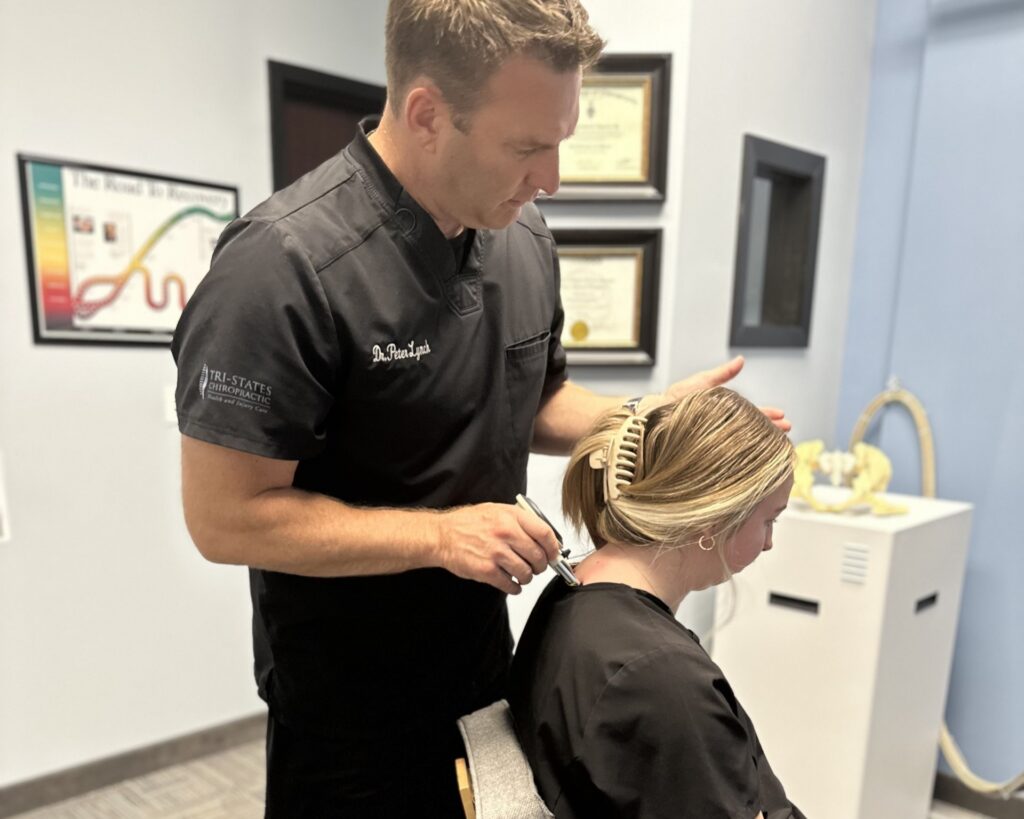
As a local chiropractor, I often encounter patients who are curious about why certain remedies are effective in alleviating back pain. It's important to understand that it's not just about relieving discomfort; these approaches address both the physical and emotional factors that contribute to your pain experience. For example, heat therapy works by increasing blood flow to the affected area, which helps to relax the muscles and reduce tension. Similarly, stretching exercises improve your flexibility and can help prevent future injuries.
But the benefits of these remedies go deeper than that. Many of them engage the intricate connections between your body and mind, promoting a holistic approach to healing. By understanding how these remedies work, you can make more informed choices in managing your back pain. So, let's delve deeper into what really happens when you incorporate these remedies into your wellness routine. This knowledge can empower you on your journey to better health and pain relief.
Understanding Back Pain
As a local chiropractor, I want to help you understand back pain and its impact on your life. It can feel like an unwanted burden, limiting your daily activities and even affecting your mood. To find effective relief, it's essential to recognize the underlying causes of your back pain. Common contributors include muscle strains, poor posture, and various medical conditions. You may have felt acute pain after lifting a heavy object or experienced a dull ache from sitting at your desk for prolonged periods.
By familiarizing yourself with the different types of back pain, you can take steps toward relief. Acute back pain typically lasts less than three months and is often triggered by injury or stress. In contrast, chronic back pain persists longer, sometimes due to underlying issues such as arthritis or herniated discs.
Pay attention to your symptoms, as this awareness can lead you to the appropriate treatment. Is your pain sharp or dull? Does it radiate down your legs? Keeping track of these details will facilitate meaningful conversations with healthcare providers, including chiropractors like myself.
It's also crucial to understand that emotional factors can play a significant role in back pain. Stress and anxiety can lead to muscle tension, worsening your discomfort. Therefore, when exploring remedies, it's important to consider both the physical and emotional dimensions of your pain.
At our practice, we focus on natural healing methods that aim to restore balance and alleviate pain. By addressing the root causes of your discomfort, we can work together to enhance your overall well-being and improve your quality of life.
Heat Therapy Benefits
As a local chiropractor, I want to share with you the incredible benefits of heat therapy for managing back pain.
When you apply heat to your back, it enhances blood circulation, which is crucial for delivering essential nutrients to your muscles. This process promotes relaxation and helps alleviate tension in those tight areas.
By utilizing heat therapy, we can effectively activate your body's natural pain relief mechanisms, allowing you to feel more comfortable and regain mobility.
It's a natural, non-invasive approach that complements chiropractic care beautifully. If you're unfamiliar with this method, don't hesitate to ask during your visits; I'm here to help you understand how it can work for you!
Enhanced Blood Circulation
As a local chiropractor, I often emphasize the incredible benefits of heat therapy for those dealing with sore muscles. When you apply heat to these areas, you're not just easing discomfort; you're also enhancing blood circulation, which is crucial for healing.
Improved circulation means that your muscles receive the oxygen and nutrients they need to recover effectively. Increased blood flow plays a significant role in removing waste products like lactic acid, which can lead to pain and stiffness. By using heat therapy, you help open up blood vessels, allowing more blood to flow through the affected areas. This can significantly reduce inflammation and swelling, making you feel much more comfortable.
Whether it's a heating pad, hot water bottle, or warm towels, the heat penetrates deeply into your tissues, promoting better circulation. You might find that the relief isn't just immediate; with regular applications of heat, your body can heal more efficiently over time.
Additionally, enhanced blood circulation can boost your energy levels, as your body is receiving the essential resources it needs. So, don't overlook the power of heat therapy. It's a straightforward yet effective way to support your back health and overall wellness.
As you explore natural healing options, remember that incorporating heat therapy can be a valuable part of your recovery journey.
Muscle Relaxation Effects
As a local chiropractor, I want to share the incredible benefits of heat therapy for promoting muscle relaxation, especially when it comes to alleviating back pain. When you apply heat to your back, it goes beyond just improving circulation; it actively helps to relax tense muscles. This is crucial for making movement easier and reducing discomfort. The warmth increases the elasticity of your muscle fibers, allowing them to stretch and release any built-up tension.
Incorporating heat therapy into your daily routine can be quite simple. It can be as easy as using a warm towel, a heating pad, or even enjoying a hot bath. When you take the time to engage in this soothing practice, you're not only addressing your back pain but also giving your body a chance to unwind.
The heat penetrates deep into your muscles, effectively soothing knots and tightness that contribute to your discomfort. For those of you experiencing chronic pain or occasional stiffness, I encourage you to consider adding heat therapy to your routine. Just a few minutes spent warming those tight muscles can make a significant difference in how you feel.
Pain Relief Mechanism
As a local chiropractor, I want to share with you the benefits of using heat therapy for back pain relief. When you apply heat to your back, it sets off a series of physiological responses that are crucial for alleviating discomfort. One of the primary effects of heat therapy is the increase in blood flow to the affected area. This boost in circulation means that oxygen and essential nutrients are delivered right where you need them, aiding in the healing process while also helping to flush out toxins that might be contributing to your pain.
Moreover, heat therapy is fantastic for muscle relaxation. When your muscles are warm, they're less tense, which allows for greater mobility and less stiffness. This is particularly useful if you've been sitting for extended periods or if your back pain stems from muscle strain. By loosening these muscles, you can experience improved flexibility and reduced tension, making daily activities much more manageable.
Another key benefit of heat is its ability to stimulate the nerve endings in your skin. This process can help to interrupt the pain signals sent to your brain, offering you immediate relief. It's a natural way to reduce pain, allowing you to navigate your day with greater ease.
Whether you choose a warm towel, a heating pad, or a hot water bottle, incorporating heat therapy into your routine can be a simple and effective way to manage back pain.
As your chiropractor, I encourage you to explore this natural healing method to enhance your overall well-being. If you have any questions or need further guidance, feel free to reach out—I'm here to help!
Stretching and Mobility
As a local chiropractor, I want to emphasize the importance of incorporating stretching and mobility exercises into your daily routine. Many of my patients come to me seeking relief from back pain, and I often find that these simple yet effective practices can significantly enhance your overall flexibility and well-being.
When you engage in stretching and mobility exercises, you're not merely loosening tight muscles; you're also improving blood circulation, which plays a crucial role in the healing process. Stretching helps to target specific areas of tension in your back, allowing you to release built-up stress and promote relaxation.
I recommend starting with gentle stretches that focus on the major muscle groups in your back, hips, and legs. Movements like the cat-cow stretch or child's pose are particularly beneficial for your spine. Aim to hold each stretch for at least 20-30 seconds, and remember to breathe deeply – this increases oxygen flow and enhances the effectiveness of the stretch.
Consistency is vital; I encourage you to stretch daily or at least several times a week.
In addition to stretching, mobility exercises are an excellent complement to your routine. These exercises help move your joints through their full range of motion, maintaining flexibility and preventing stiffness. Incorporating movements such as hip circles or thoracic rotations can keep your spine limber and support your overall functional movement.
Always listen to your body as you stretch and move. If you experience any pain, it's important to adjust your technique or ease off to avoid further discomfort. Regularly practicing these stretches and mobility exercises not only alleviates back pain but also strengthens the muscles that support your spine, making you less prone to future discomfort.
Making time for these essential exercises can lead to significant improvements in your back health. As your chiropractor, I'm here to guide you through this process and help you understand how these natural healing techniques can enhance your quality of life.
Herbal Supplements Explained
As a local chiropractor, I want to introduce you to the benefits of herbal supplements as part of your back pain management strategy. These natural remedies can offer significant support in reducing inflammation, alleviating pain, and promoting overall healing.
Some of the most well-researched options include turmeric, ginger, and devil's claw, each known for their unique pain-relieving properties.
Turmeric, for instance, contains curcumin, a powerful compound recognized for its anti-inflammatory effects. By adding turmeric to your diet—whether in capsule form or as a spice in your favorite dishes—you may find some relief from back discomfort.
Similarly, ginger is another effective anti-inflammatory that can ease muscle soreness and tension. You can enjoy ginger as a soothing tea or take it as a supplement.
Devil's claw is an emerging herb that's gaining recognition for its potential to relieve pain and enhance mobility. Studies indicate it may be beneficial for chronic pain conditions, making it a viable option for those dealing with back pain.
In addition to these herbs, consider boswellia, which has a long history in traditional medicine for its anti-inflammatory properties.
However, it's crucial to consult with a healthcare professional before starting any herbal regimen. This is especially important if you're currently taking other medications or have specific health concerns.
As your chiropractor, I believe in a holistic approach to healing, and incorporating these natural supplements can be a valuable part of your journey to better back health.
Acupuncture Mechanisms
As a local chiropractor, I want to share some insights about the fascinating world of acupuncture and how it relates to your body's pain management. One of the key concepts is the Pain Gate Control Theory, which suggests that acupuncture can effectively block pain signals from reaching your brain. This means that by stimulating certain points in your body, we can help alleviate your discomfort.
Moreover, acupuncture promotes the release of endorphins, which are your body's natural painkillers, providing you with relief without the need for medication.
It's not just about pain relief; acupuncture also aims to restore the flow of energy throughout your body, helping you achieve a sense of balance and comfort.
Pain Gate Control Theory
As a local chiropractor, I want to share some insights about how acupuncture can be a valuable ally in managing back pain, and how it aligns with what we understand about the Pain Gate Control Theory.
This theory provides a fascinating perspective on how our bodies handle pain, revealing that it's not just a simple signal traveling from your body to your brain; there's a complex interaction happening that can be influenced by treatments such as acupuncture.
When acupuncture is performed, the insertion of needles stimulates sensory nerves in your skin and muscles. These sensory signals travel through the spinal cord to the brain, and interestingly, they can compete with the pain signals originating from your back.
Essentially, acupuncture activates larger nerve fibers that can effectively "close the gate" on the pain signals, thereby reducing their intensity. So, when you experience the sensations from the acupuncture needles, it can help mask or lessen your back pain.
But it doesn't stop there. This process goes beyond simply blocking pain; it also alters the way your body interprets those pain signals. This means that acupuncture can help create a more balanced experience of discomfort, allowing you to find relief from the pain you're feeling.
Endorphin Release Effects
As a local chiropractor, I want to shed light on the incredible benefits of acupuncture, which is often used in conjunction with chiropractic care to enhance your overall well-being. Many people mightn't realize that acupuncture does more than just stimulate sensory nerves; it also activates the release of endorphins—your body's natural painkillers.
During an acupuncture session, fine needles are expertly placed at specific points throughout your body. This stimulation encourages an increase in endorphin production, helping to alleviate pain and promote a greater sense of well-being.
As these endorphins circulate in your body, you may find that your pain perception decreases, making conditions like back pain feel much more manageable. This natural response not only offers immediate relief but can also lead to longer-lasting benefits. You may notice that with regular acupuncture sessions, your body becomes more adept at responding to these treatments, further enhancing your recovery.
Moreover, the soothing effects of endorphins can improve your mood and help diminish feelings of stress or anxiety—common companions of chronic pain. By incorporating acupuncture into your chiropractic care, you're not just targeting the discomfort; you're also tapping into your body's innate ability to heal itself.
Embracing this holistic approach can be a powerful step toward regaining control over your pain and significantly improving your quality of life. As your chiropractor, I'm here to guide you on this journey of natural healing and support you in achieving optimal health.
Energy Flow Restoration
As a local chiropractor, I want to share some insights on how we can restore energy flow within your body, particularly through techniques that may be unfamiliar to you. One such method is acupuncture, which targets specific areas on your body known as acupoints. These points are connected to pathways that facilitate the flow of essential energy, or Qi.
When this energy becomes blocked or unbalanced, it can manifest as pain or discomfort, including issues like back pain.
You might be curious about how acupuncture works in conjunction with chiropractic care. Research indicates that acupuncture can have a positive influence on the nervous system by releasing neurotransmitters that alleviate pain. Furthermore, by stimulating these acupoints, we can improve blood circulation, which helps deliver oxygen and essential nutrients to the tissues that require healing.
When we successfully restore energy flow, you may not only experience relief from back pain but also notice an enhancement in your overall well-being. Regular sessions, whether through chiropractic adjustments or acupuncture, can maintain this balance and help prevent future discomfort.
If you're seeking a holistic approach to pain management and overall health, consider exploring acupuncture alongside chiropractic care. It's a natural way to tap into your body's inherent healing abilities, allowing you to feel more like yourself again.
Mind-Body Connection
Understanding the mind-body connection is crucial for effectively managing back pain, and as your local chiropractor, I want to help you grasp this concept. Your thoughts, emotions, and stress levels can significantly influence how you perceive and experience pain. When you're feeling anxious or stressed, your body tends to tense up, which can exacerbate any existing pain or even create new discomfort. By acknowledging this connection, you can take proactive steps towards alleviating your back pain.
Incorporating practices like mindfulness, meditation, and deep breathing exercises into your routine can enhance your awareness of how your body responds to stress. These techniques can help you relax your muscles, reduce tension, and shift your focus away from pain. This change in mindset can lead to a noticeable decrease in how much pain you feel.
Additionally, engaging in physical activities that promote relaxation—such as yoga or tai chi—can further strengthen the mind-body connection. These activities not only improve your flexibility and strength but also foster a sense of calm, which can significantly reduce pain. As you cultivate a more positive mental state, you may find that your back pain becomes more manageable.
I also encourage you to explore the power of visualization. By imagining yourself moving freely and without pain, you can create a positive feedback loop that reinforces your body's natural ability to heal. By nurturing both your mind and body together, you can break the cycle of pain and tension, leading to a more balanced and pain-free life.
As your chiropractor, I'm here to support you on this journey towards healing and wellness, guiding you through natural methods that empower both your mind and body. Together, we can work towards a healthier, more fulfilling life.
Conclusion
As your local chiropractor, I want to share how incorporating natural remedies into your daily routine can significantly help alleviate back pain. It's important to understand that back pain often stems from both physical and emotional factors. By embracing heat therapy, incorporating stretching and mobility exercises, exploring herbal supplements, and considering acupuncture, you can take charge of your discomfort.
One key aspect to remember is the mind-body connection. Practicing mindfulness techniques can reduce stress, which often exacerbates pain. By combining these holistic approaches, you're not just addressing the symptoms of back pain; you're fostering a pathway toward natural recovery and enhancing your overall well-being. I encourage you to explore these options and see how they can work for you.