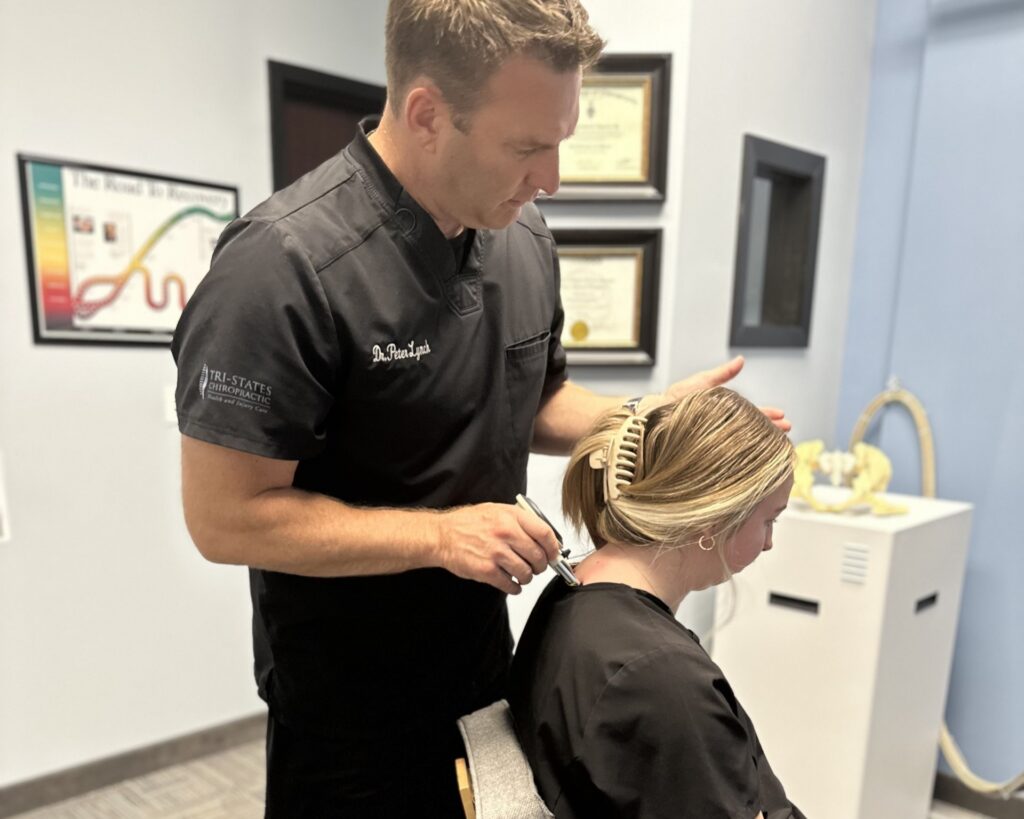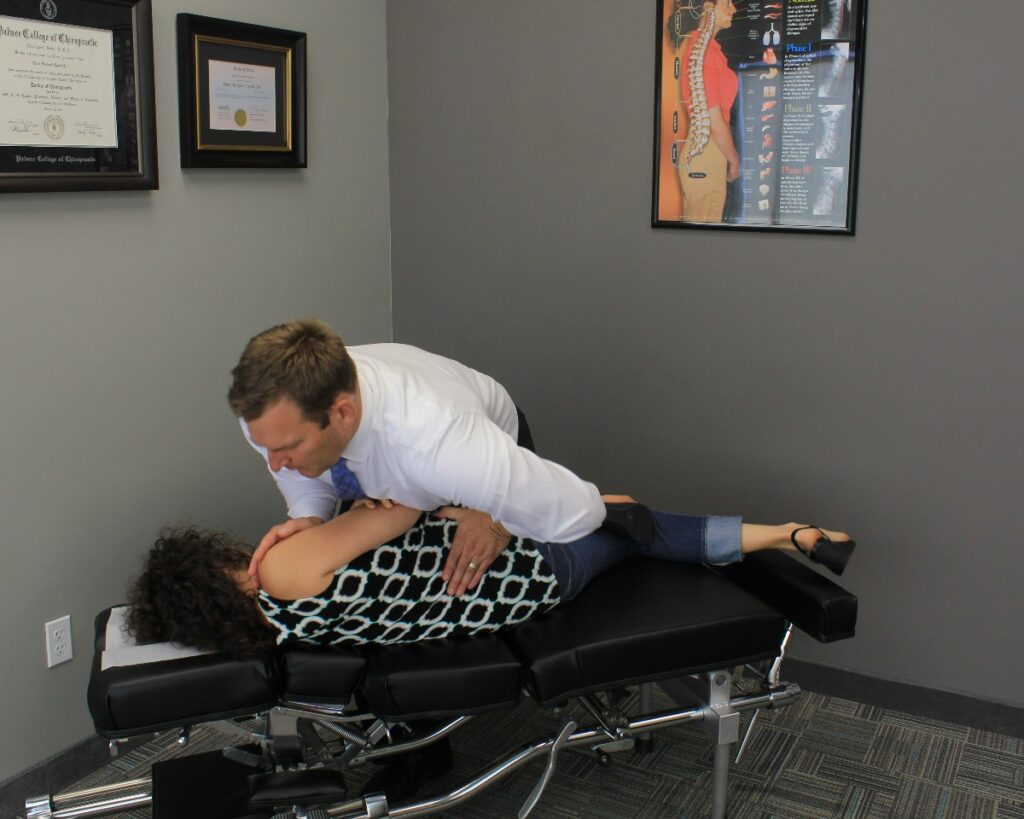
If you're dealing with back pain, know that you're not alone, and there are several natural methods we can explore together to help you find relief. As a local chiropractor, I often see how making simple adjustments to your posture and incorporating specific exercises can significantly improve comfort and mobility. You might be surprised at how these small changes can lead to substantial improvements in your daily life.
Are you curious about which techniques might be the most effective for you? Let's take a closer look at ten natural ways to alleviate back pain that can help you regain your quality of life. By combining chiropractic care with these strategies, we can work together to enhance your overall well-being.
Maintain Good Posture
As your local chiropractor, I want to emphasize the importance of maintaining good posture for your overall health, especially when it comes to preventing and alleviating back pain. Proper posture isn't just about how you look; it's about how your body functions. When you sit, stand, or move with the right alignment, you significantly reduce the strain on your spine and muscles, which allows your body to operate more efficiently and without discomfort.
Let's start with your daily habits. I encourage you to be mindful of your posture throughout the day. When sitting, ensure that your feet are flat on the floor and your knees are at a right angle. Your back should be straight, and your shoulders should be relaxed—avoid slouching.
If you spend a lot of time at a desk, consider investing in an ergonomic chair that provides support for your lower back. It's also essential to adjust your computer screen to eye level to prevent neck strain.
When you're standing, make sure to distribute your weight evenly across both feet. Keep your shoulders back and your head aligned over your spine. Avoid locking your knees, as this can create tension and discomfort.
If you have to stand for extended periods, try shifting your weight from one foot to the other or using a footrest to help alleviate strain.
Lifting objects properly is crucial as well. Always bend at your knees instead of your waist, and keep the item close to your body. Use your legs to lift, not your back. This technique is vital for protecting your spine and preventing injuries.
Regularly checking in with your posture can lead to significant improvements in your overall comfort. By committing to good posture, you're not only helping to alleviate any existing back pain but also taking proactive steps to prevent future issues.
Stretch Regularly
As your local chiropractor, I want to emphasize the importance of stretching regularly for your overall health. It plays a crucial role in maintaining flexibility and can significantly help in alleviating back pain.
By integrating specific stretching techniques into your daily routine, you can enhance your comfort and mobility.
Let's take a closer look at some effective stretches that not only relieve tension but also support your body's natural healing process. These techniques can be easily incorporated into your life, and I'm here to guide you every step of the way towards a more flexible and pain-free existence.
Importance of Flexibility
As your local chiropractor, I want to emphasize the importance of incorporating flexibility exercises into your daily routine. Many patients come to me seeking relief from back pain, and one effective way to alleviate discomfort and enhance mobility is through regular stretching.
When your muscles and joints are flexible, they perform better, allowing for an increased range of motion that can significantly reduce tension in your back and surrounding areas.
By committing to a consistent stretching routine, you can promote better blood flow to your muscles, which aids in faster recovery from everyday activities that may put strain on your back. Improved flexibility also plays a crucial role in maintaining proper posture, which can help prevent injuries during physical activities.
You don't need to dedicate hours to stretching; just a few minutes each day can yield remarkable results. Whether you're at home, at work, or even on the move, simple stretches can seamlessly fit into your lifestyle.
It's vital to listen to your body. If you experience tightness or discomfort, that's your body signaling that it needs some care and attention.
Flexibility is a fundamental component of overall health, and investing time in it can lead to lasting benefits, making daily tasks easier and more enjoyable. By prioritizing flexibility, you may notice a significant improvement in your back pain and overall well-being.
As your chiropractor, I encourage you to make flexibility a part of your health journey.
Recommended Stretching Techniques
As a local chiropractor dedicated to helping you manage and relieve back pain, I'd like to share some effective stretching techniques that can be easily incorporated into your daily routine. Understanding how to care for your body is essential in achieving long-term relief and maintaining a healthy spine.
First up is the cat-cow stretch, which is excellent for enhancing flexibility in your spine. To perform this stretch, start on your hands and knees in a tabletop position. As you inhale deeply, arch your back, allowing your belly to drop towards the floor (this is the cow position). Then, as you exhale, round your spine and tuck your chin towards your chest (the cat position). Repeat this movement for several breaths, focusing on the fluidity of the motion.
Next, I recommend trying the child's pose. This is a gentle stretch that can offer a soothing release for your lower back and hips. To do this, kneel on the floor, sit back on your heels, and stretch your arms forward on the ground, allowing your forehead to rest on the mat. This position encourages relaxation and can be a great way to decompress.
Lastly, don't forget about the seated forward bend. Sit with your legs extended in front of you, and slowly reach towards your toes while keeping your back straight. Focus on your breath as you stretch; this will help target your hamstrings and lower back, effectively relieving tension.
I suggest holding each stretch for 20-30 seconds and repeating them a few times. Consistent practice can significantly alleviate your current discomfort and help prevent future episodes of back pain.
Strengthen Core Muscles
As a local chiropractor, I want to take a moment to emphasize the critical role that strengthening your core muscles plays in alleviating back pain. Many people mistakenly believe that core strength is solely about having visible abs. However, your core encompasses all the muscles that stabilize your spine and pelvis, which are essential for maintaining overall spinal health.
A strong core allows for better weight distribution and provides essential support to your back during everyday activities. By focusing on core strength, you can significantly reduce the strain on your back, making it easier to move and perform tasks without discomfort.
To begin strengthening your core, I recommend incorporating exercises such as planks, bridges, and abdominal crunches into your fitness routine. Planks are particularly beneficial because they engage multiple muscle groups simultaneously. Start by holding a plank position for 20-30 seconds, and gradually increase your duration as your strength improves.
Bridges are another excellent exercise that targets your glutes and lower back. You can easily perform them on the floor: lie on your back with your knees bent, lift your hips off the ground, and hold for a few seconds before lowering.
Don't forget about your obliques, the muscles located on the sides of your abdomen. Side planks are an effective way to target these muscles. It's essential to maintain proper form throughout each exercise to prevent injury and maximize benefits.
I suggest aiming for at least two to three sessions per week dedicated to core strengthening. As you build strength in your core, you'll likely notice improvements in your posture and a reduction in back pain.
Strengthening your core is a vital step towards achieving a healthier, pain-free back, and I'm here to support you on your journey to better health through natural healing and chiropractic care.
Use Heat and Cold Therapy
As a local chiropractor, I want to share with you some valuable insights on managing back pain through natural methods, specifically heat and cold therapy. These techniques are simple yet effective in alleviating discomfort and supporting your body's healing process.
Let's start with cold therapy. If you're experiencing inflammation or acute pain, applying cold can be particularly beneficial. You can use an ice pack or even a bag of frozen vegetables wrapped in a towel to help numb the pain and reduce swelling. I recommend applying this for 15-20 minutes at a time.
Make sure to allow your skin to rest between applications, especially within the first 48 hours after an injury or flare-up. This approach can make a significant difference in managing your symptoms.
Once the initial inflammation has diminished, it's time to introduce heat therapy. Heat is great for relaxing tight muscles and enhancing blood flow, which promotes healing in the affected area. You might consider using a heating pad, a hot water bottle, or indulging in a warm bath.
Again, aim for 15-20 minutes of heat application, and listen to your body to avoid any risk of burns from prolonged exposure.
You may find that alternating between heat and cold therapy provides the best relief for your back pain. This combination effectively addresses both inflammation and muscle tightness, allowing you to manage your pain more holistically.
Remember, each person's experience with back pain is unique, so it's important to pay attention to what feels best for you and adjust your approach accordingly.
By incorporating these natural therapies into your routine, you can take an active role in managing your back pain and enhancing your overall comfort.
If you have any questions or need guidance on how to best utilize these techniques, feel free to reach out. Your journey to better health is important to us!
Practice Mindfulness and Relaxation
As a chiropractor, I want to share how practicing mindfulness and relaxation can significantly aid in managing your back pain. By directing your focus to the present moment, you can alleviate stress and tension, which often exacerbate discomfort in your back.
To get started, find a quiet spot where you can either sit or lie down comfortably. Close your eyes and take several deep breaths, letting your body unwind with each exhale.
While you breathe, tune into the sensations within your body. Be mindful of any areas of tension or pain in your back, acknowledging them without judgment. This heightened awareness can deepen your understanding of your body and may even highlight patterns that correlate with your pain.
When you engage in mindfulness, you're not merely observing; you're learning to respond to your body's signals with greater compassion and effectiveness.
I encourage you to incorporate relaxation techniques such as progressive muscle relaxation or guided imagery into your routine. With progressive muscle relaxation, you'll systematically tense and then relax different muscle groups, which can effectively release built-up tension in your back.
Guided imagery, on the other hand, involves visualizing a serene scene, providing your mind with a much-needed break from daily stressors.
I recommend setting aside time each day for mindfulness practice, even if it's just for a few minutes. Consistency is crucial.
Over time, you may notice that these practices not only help to ease your back pain but also improve your overall sense of well-being.
Incorporate Yoga or Pilates
As a local chiropractor, I'd like to share how incorporating yoga or Pilates into your routine can significantly enhance your management of back pain. These practices aren't just about fitness; they focus on improving flexibility, strength, and body awareness, all of which are vital for keeping your spine healthy. By embracing these mindful movements, you can promote better posture and alleviate discomfort.
Here are three key ways yoga or Pilates can aid in alleviating back pain:
- Strengthening Core Muscles: Both yoga and Pilates place a strong emphasis on developing core stability. A strong core supports your spine, which can significantly reduce the strain on your back. As you cultivate this strength, you may find that everyday activities become easier and less painful.
- Increasing Flexibility: Many of us experience back pain due to tight muscles. The stretches found in yoga and Pilates specifically target the back, hips, and legs. By regularly engaging in these stretches, you can enhance your overall flexibility, relieving tension and helping to prevent injuries.
- Promoting Mind-Body Connection: Practicing yoga or Pilates encourages a deep focus on breath and body alignment. This increased awareness enables you to identify when you're putting unnecessary strain on your back, allowing you to make proactive adjustments. By tuning into your body, you can prevent further discomfort and support your healing journey.
If you're new to yoga or Pilates, don't feel overwhelmed. Starting with a few beginner classes or exploring online tutorials can help you discover the style that resonates with you.
With consistent practice, you'll likely notice a significant improvement in your back pain and an overall enhancement in your well-being. As your chiropractor, I recommend integrating these practices into your daily routine for a holistic approach to your health.
Try Acupuncture
If you're dealing with back pain, I encourage you to explore the benefits of chiropractic care.
This holistic approach focuses on correcting misalignments in the spine, which can alleviate pain and promote overall healing.
Let's dive into how chiropractic adjustments work and how often you should consider visits for the best results.
Benefits of Acupuncture
As a local chiropractor, I want to share with you an alternative approach to alleviating back pain that has been gaining popularity: acupuncture. This ancient technique involves the insertion of fine needles into specific points on the body and has shown to be surprisingly effective for many individuals suffering from back pain.
- Pain Reduction: Numerous patients report significant relief from their back pain after undergoing acupuncture treatments. This method can effectively decrease both the intensity and frequency of discomfort, allowing you to participate in your daily activities with greater ease and comfort.
- Improved Mobility: Acupuncture can also enhance your range of motion. By addressing muscle tension and encouraging relaxation, it helps you move more freely, making everyday tasks less of a challenge and more enjoyable.
- Stress Relief: Chronic back pain often leads to increased stress and anxiety, which can further complicate your healing process. Acupuncture promotes relaxation and can help lower stress levels, supporting a more comprehensive approach to your well-being.
If you're seeking a natural and holistic way to manage your back pain, I encourage you to consider acupuncture as a valuable option. Many of my patients have experienced positive outcomes, and I believe it could be a beneficial addition to your wellness journey.
How It Works
How does chiropractic care work to relieve back pain? When you visit a chiropractor, they perform a thorough assessment of your posture, movement, and any areas of discomfort you may have. This personalized approach allows them to tailor the treatment to your specific needs, addressing not just the symptoms, but also the underlying causes of your back pain.
Chiropractors utilize various techniques, including spinal adjustments, to restore proper alignment and function to your spine. This process helps stimulate your nervous system, which can promote the release of natural pain-relieving chemicals, such as endorphins. While some patients may experience a slight sensation during adjustments, most find the experience to be comfortable and beneficial.
As chiropractic adjustments enhance your body's natural healing processes, they can also improve blood flow to the affected areas. This increased circulation can help alleviate muscle tension and promote faster recovery from injuries.
Furthermore, chiropractic care focuses on balancing your body's energy and overall well-being, which may lead to a significant reduction in pain and an improvement in your quality of life.
Many individuals report noticeable relief after just a few sessions of chiropractic treatment, making it a viable option for those seeking natural remedies. By incorporating chiropractic care into your wellness routine, you may experience not only relief from back pain but also a greater sense of overall health.
Treatment Frequency Recommendations
As a local chiropractor dedicated to helping you manage your pain, I want to emphasize the importance of a holistic approach to your health. Chiropractic care can play a vital role in your pain management strategy, and when combined with other treatments like acupuncture, we can often enhance your overall results.
If you're considering acupuncture for relief from back pain, understanding how often to schedule these treatments is key to maximizing their benefits.
Let's break down some frequency recommendations:
- Initial Phase: To kickstart your healing journey, I recommend starting with 1-2 acupuncture sessions per week for the first month. This initial frequency helps establish a baseline for your body and allows it to adapt to the treatment effectively.
- Maintenance Phase: Once we've navigated through the initial phase, we can transition to a maintenance schedule. This typically involves reducing your sessions to once a week or every other week. Maintaining this frequency can be crucial in preserving the progress you've made and preventing the return of pain.
- Reassess: I encourage you to reassess your pain levels and overall well-being every few months. If you notice any increase in discomfort or changes in how you feel, it may be beneficial to return to more frequent sessions.
Stay Hydrated
As a local chiropractor, I want to emphasize the importance of staying hydrated, especially when it comes to managing back pain. Many people overlook hydration, but it's a vital component of overall spinal health. When you maintain proper hydration, the discs in your spine are better able to cushion and protect your vertebrae, which can significantly reduce your risk of injury and discomfort.
Did you know that even mild dehydration can impact your well-being and worsen any existing pain? Water is essential for transporting nutrients to your muscles and joints, helping them function optimally. When your body doesn't receive enough fluids, your muscles may become tense, and this tension can contribute to back pain.
To ensure you're staying adequately hydrated, I recommend aiming for at least eight 8-ounce glasses of water each day—more if you're active. Keeping a water bottle with you can serve as a helpful reminder to drink throughout the day. If you find plain water unappealing, consider infusing it with fresh fruits or herbs for a refreshing change.
Listen to your body's signals. If you're feeling thirsty, that's your cue to hydrate. Also, pay attention to the color of your urine; a light yellow indicates good hydration, while dark yellow suggests it's time to drink more fluids.
Incorporating proper hydration into your daily routine can have a tremendous impact on how your back feels. By prioritizing your water intake, you're taking significant steps toward alleviating back pain naturally and supporting your overall health.
If you have any questions about hydration or how it relates to your chiropractic care, feel free to ask during your next visit!
Use Ergonomic Furniture
As a local chiropractor, I want to emphasize the significant role that ergonomic furniture can play in your overall comfort and well-being, especially if you're experiencing discomfort while working or relaxing.
By investing in furniture designed to enhance your posture and reduce physical strain, you're taking an important step to alleviate back pain and promote better health.
Let's explore three key benefits of incorporating ergonomic furniture into your daily routine:
- Improved Posture: Ergonomic chairs and desks are specifically designed to support the natural curvature of your spine. When you use a chair that promotes proper alignment, you're less likely to develop chronic back pain. This is crucial for maintaining spinal health and preventing future discomfort.
- Increased Comfort: Many ergonomic options feature adjustable components, allowing you to modify the height, lumbar support, and armrests to suit your individual needs. This customization is essential for creating a workspace that feels comfortable and supportive, helping to minimize discomfort during those long hours of sitting.
- Enhanced Productivity: Comfort is key to focus and productivity. When your body is well-supported, you're less likely to be distracted by aches and pains, allowing you to work more efficiently. Ergonomic furniture helps eliminate discomfort, enabling you to concentrate on your tasks without the nagging pain often associated with poorly designed furniture.
To fully experience these benefits, I encourage you to consider investing in an ergonomic chair, a height-adjustable desk, or even a supportive footrest.
These tools can significantly improve your workspace and positively affect your overall well-being. Remember, your environment plays a vital role in your health.
Making the switch to ergonomic furniture is a crucial step in your journey toward a pain-free life and better spinal health.
If you have any questions or need further guidance on how to enhance your workspace, feel free to reach out.
Get Adequate Sleep
As a chiropractor, I want to emphasize the critical role that adequate sleep plays in alleviating back pain. However, it's not just about the quantity of sleep; the way you sleep is equally important.
Your sleep position, the condition of your mattress, and maintaining a consistent bedtime routine can significantly affect your comfort and your body's ability to heal.
Let's delve into how these elements can contribute to you waking up feeling rejuvenated and free from discomfort. Proper alignment during sleep can help reduce strain on your back, while a supportive mattress can enhance your overall spinal health.
Additionally, establishing a regular sleep schedule can improve your sleep quality, allowing your body to recover and regenerate effectively.
Sleep Position Matters
As a local chiropractor, I want to emphasize the significance of your sleep position when it comes to managing back pain. Many people may not realize how much their sleeping habits can affect their comfort and overall healing. By choosing the right position, you can greatly alleviate discomfort and promote better spinal health.
Here are three effective sleep positions I recommend considering:
- Sleeping on your back: This position is one of the best for spinal alignment. It helps distribute your body weight evenly, reducing pressure points. To enhance this position, place a pillow under your knees. This simple adjustment maintains the natural curvature of your spine, which can lead to significant relief from discomfort.
- Sleeping on your side: If you find yourself gravitating toward side sleeping, consider placing a pillow between your knees. This small change helps keep your hips aligned, which reduces strain on your lower back and supports a more comfortable night's sleep.
- Fetal position: Curling up in a fetal position can be beneficial for those with back pain, as it relieves pressure on the spine. However, I encourage you to switch sides occasionally to maintain balance in your body.
I encourage you to experiment with these positions to discover what feels best for you. Additionally, incorporating good sleep hygiene—such as establishing a consistent sleep routine and creating a soothing sleep environment—can further enhance your rest and contribute to alleviating back pain.
Mattress Quality Importance
As a local chiropractor, I want to emphasize the significant impact that a high-quality mattress can have on your overall sleep quality and spinal health. Many of my patients come to me with complaints of aches and pains, and often, the root cause can be traced back to the mattress they're sleeping on. A poor-quality mattress may not provide the necessary support, leading to discomfort and restless nights.
It's crucial to understand that a supportive mattress helps maintain the natural curvature of your spine. This alignment is essential for ensuring that your back receives the restorative rest it needs. When selecting a mattress, pay close attention to the firmness level. A mattress that's too soft can lead to sagging, which puts undue pressure on your spine, while one that's excessively firm can create discomfort at pressure points. Finding a mattress that strikes the right balance between support and comfort is key, tailored to your specific sleep position.
Additionally, the materials used in your mattress play a vital role in its effectiveness. Options like memory foam, latex, and hybrid mattresses often provide exceptional support while contouring to your body's unique shape. It's also important to consider breathability and durability, as these factors contribute to the overall quality of your sleep environment.
Investing in a good mattress may seem like a significant expense initially, but the long-term benefits for your back health and sleep quality are invaluable. A quality mattress can reduce the risk of chronic back pain and enhance your overall well-being.
Establish a Routine
As a chiropractor dedicated to enhancing your overall well-being, I want to emphasize the importance of a consistent sleep routine in conjunction with your chiropractic care. A high-quality mattress is an essential investment, but establishing a regular sleep schedule is equally crucial for optimal health.
Here's how you can create an effective sleep routine to complement your chiropractic treatment:
1. Set a Sleep Schedule: Strive to go to bed and wake up at the same time every day, even on weekends. This consistency helps regulate your body's internal clock, making it easier to relax and rejuvenate, which is vital for your recovery and overall wellness.
2. Create a Relaxing Pre-Sleep Ritual: Incorporate calming activities into your evening routine, such as reading, meditating, or gentle stretching. These practices can help ease tension in your muscles and spine, promoting better sleep.
Additionally, it's wise to avoid screens before bedtime, as the blue light emitted can disrupt your natural sleep cycles.
3. Limit Caffeine and Heavy Meals: Be mindful of your caffeine intake in the afternoon and try to avoid heavy meals close to bedtime. Both can interfere with your ability to fall asleep and may lead to discomfort, which can hinder the healing process that your chiropractic care aims to facilitate.
By incorporating these habits into your daily life, you'll not only improve your sleep quality but also support your body's natural healing abilities and promote a healthier spine.
Conclusion
As a local chiropractor dedicated to your health, I want to share ten natural methods that can help alleviate back pain and enhance your overall well-being. It's essential to focus on maintaining good posture, which not only supports your spine but also promotes better breathing and circulation. Staying active is crucial as well; regular movement can strengthen your muscles and improve flexibility, both of which are vital for a healthy back.
Incorporating mindfulness practices into your daily routine can also make a significant difference. Mindfulness helps reduce stress, which can often manifest as tension in the back. Additionally, don't underestimate the importance of hydration and proper nutrition. These elements are fundamental in supporting your body's healing process and ensuring that your muscles and joints function optimally.
I encourage you to make these habits a consistent part of your life. By doing so, you can experience lasting relief from back pain and foster better spinal health. Remember, you deserve to feel your best, and I'm here to help you on your journey to wellness!