Your daily habits might be quietly contributing to that persistent low back pain you’ve been experiencing. Simple actions like sitting for extended periods, slouching in your chair, or skipping out on exercise can all put unnecessary strain on your spine and muscles. It’s easy to overlook how much your lifestyle plays a role in your discomfort, but understanding these connections can be the first step towards finding relief.
As a chiropractor, I encourage you to look at your daily routines and consider how they might be impacting your back health. For instance, try to take frequent breaks if you’re sitting for long stretches. Stand up, stretch, and move around to keep your spine flexible. Additionally, pay attention to your posture—sitting up straight can alleviate pressure on your back and help maintain proper spinal alignment.
Incorporating regular exercise into your routine, especially activities that promote core strength and flexibility, can also make a significant difference. Simple exercises like walking, yoga, or gentle stretching can help support your back and reduce pain.
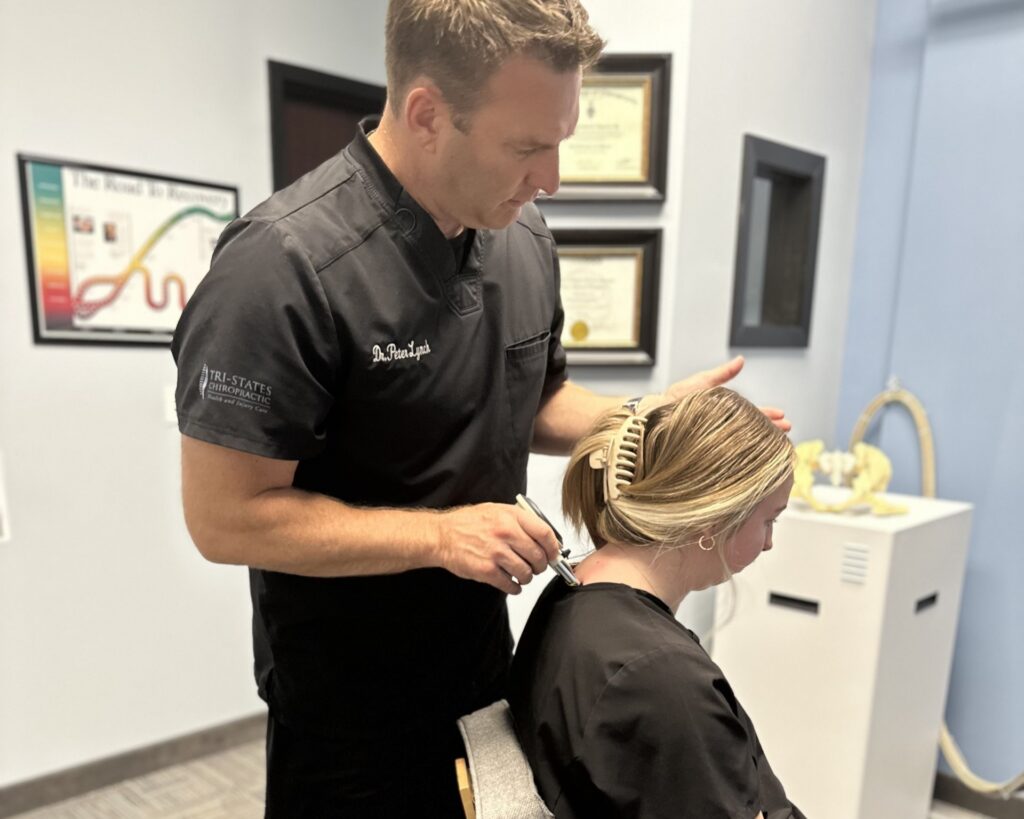
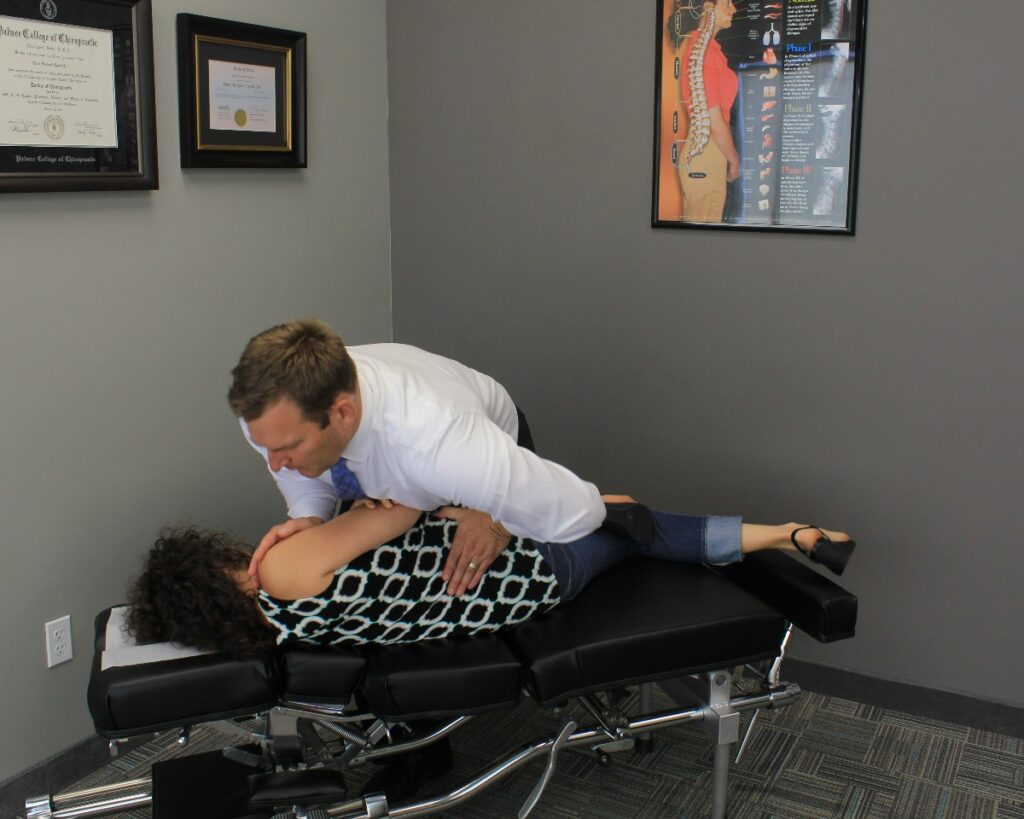
Remember, chiropractic care is an excellent choice for addressing low back pain naturally. By focusing on spinal health, we can help restore balance, improve mobility, and promote overall wellness. If you’re struggling with back pain, consider scheduling a visit to discuss how chiropractic adjustments can help you achieve a pain-free life. Together, we can work towards a healthier, more active you!
Key Takeaways
Prolonged sitting can really take a toll on your back. When we sit for long periods, the muscles that support our spine can become weak, putting extra strain on our lower back and spinal discs. This is why it’s important to take breaks and move around throughout the day.
Another common issue is poor posture. Slouching or sitting in awkward positions can lead to misalignment in the spine, which often results in tension and chronic pain. Maintaining good posture is key to preventing discomfort.
Inactivity and a lack of movement can also contribute to stiffness and discomfort. When we don’t move regularly, our circulation decreases, and our joints can become stiff. Try to incorporate small stretches or a quick walk every hour to keep your body moving and your blood flowing.
Additionally, many people struggle with core strength due to a sedentary lifestyle. A strong core is essential for good spinal support. Simple exercises, like planks or bridges, can help strengthen these muscles, reducing strain during daily activities.
Finally, creating an ergonomic workspace is vital for your back health. Ensuring that your chair and desk are at the correct height can significantly reduce lower back strain. Your chair should support your lower back, and your feet should rest flat on the floor.
Remember, chiropractic care is an excellent way to address these issues. A chiropractor can help realign your spine, improve your posture, and guide you through exercises tailored to strengthen your back. By taking these steps, you can work towards a healthier, pain-free life!
The Impact of Sedentary Behavior on Spinal Health
In today’s fast-paced world, many of us find ourselves sitting for hours at a time—whether we’re at work, commuting, or relaxing at home. This sedentary lifestyle can have a significant impact on your spinal health. Prolonged sitting can weaken the muscles that support your spine, and over time, your spinal discs may lose moisture, leading to decreased flexibility and increased pressure on your vertebrae. While you mightn’t notice immediate effects, this can eventually lead to discomfort and pain.
As a chiropractor, I want to emphasize the importance of maintaining an active routine to support your spine. Incorporating regular breaks into your day is essential. Try to stand up, stretch, or take a short walk every hour. Even simple movements like neck rotations and shoulder rolls can make a difference in keeping your spine healthy.
Ergonomic furniture can also play a key role in preserving your posture while seated. A well-designed chair can help support your spine and reduce strain during long periods of sitting. Additionally, being mindful of your posture can have a positive effect on your overall spinal health.
Chiropractic care is an excellent choice for pain relief and natural wellness. Regular chiropractic adjustments can help realign your spine, relieve tension, and enhance your body’s natural healing abilities. By working with a chiropractor, you can address the root causes of discomfort and develop a personalized plan for maintaining a healthy spine.
Poor Posture: A Silent Contributor to Low Back Pain
Sitting for long stretches can lead to poor posture, a silent contributor to low back pain that often goes unnoticed. When you find yourself slouching or hunching over, it places extra strain on your spine and the surrounding muscles. This misalignment can create tension and discomfort that gradually builds up, ultimately leading to chronic pain if left unaddressed.
As your local chiropractor, I want to emphasize the importance of being mindful of your posture throughout the day. Start by keeping your back straight, shoulders relaxed, and feet flat on the ground when you sit. Ergonomic chairs or cushions can be beneficial in maintaining proper alignment, but simple adjustments can also make a significant difference.
Incorporating regular breaks into your routine to stand, stretch, and move around is essential for spinal health. Not only does this help alleviate tension, but it also promotes blood flow and overall wellness. By being attentive to your posture and making these small changes, you can dramatically reduce your risk of low back pain.
The Role of Physical Activity in Preventing Discomfort
Regular physical activity is essential for maintaining a healthy back and preventing discomfort. As a local chiropractor, I want to emphasize that incorporating exercises that focus on stretching and strengthening your core can make a substantial difference in your overall well-being. Staying active not only enhances your fitness but also plays a crucial role in safeguarding your back against pain.
Chiropractic care is a natural and effective way to address back pain and promote healing. It’s all about aligning your spine and ensuring your body functions optimally.
Here are a few simple tips to integrate into your routine:
- Stay Active: Aim for at least 30 minutes of moderate exercise most days of the week. Activities like walking, swimming, or biking can be gentle yet effective for your back.
- Focus on Core Strength: Incorporate exercises that target your abdominal and lower back muscles. Strong core muscles support your spine and help prevent discomfort.
- Stretch Regularly: Make stretching part of your daily routine. Simple stretches can improve flexibility and reduce tension in your back.
- Listen to Your Body: If you start feeling discomfort, don’t ignore it. Pay attention to how your body feels during and after activities, and consider visiting a chiropractor for personalized care and advice.
- Maintain Good Posture: Whether you’re sitting at a desk or lifting something heavy, keeping good posture can make a world of difference. Remember to keep your back straight and your shoulders relaxed.
Importance of Regular Exercise
Exercise plays a crucial role in preventing low back pain and promoting overall wellness. As a chiropractor, I want to emphasize how regular physical activity can strengthen your core muscles, which are essential for supporting your spine. A strong core stabilizes your back and minimizes the risk of injury, helping you feel your best.
Moreover, staying active enhances your flexibility and posture—both of which are key in avoiding discomfort. You don’t have to dive into intense workouts; even simple activities like walking, swimming, or cycling can make a big difference. Incorporating these into your routine not only boosts your physical resilience against pain but also contributes to a healthier lifestyle.
To get started, here are a few tips to keep in mind:
- Consistency is Key: Aim for at least 30 minutes of moderate activity most days of the week.
- Focus on Core Strength: Activities like yoga or Pilates can specifically target core muscles, providing extra support for your spine.
- Listen to Your Body: If you feel discomfort, consult with your chiropractor to ensure your exercise routine aligns with your body’s needs.
- Stretch Regularly: Incorporating stretching into your daily routine can improve flexibility and posture, further protecting your back.
- Stay Hydrated: Proper hydration supports overall health and aids in muscle function.
Stretching for Flexibility
Regular stretching is a fantastic way to boost your flexibility, which is essential for keeping your back healthy and pain-free.
By making stretching a part of your daily routine, you can improve the range of motion in your joints and ease the tension in your muscles. This not only makes everyday activities easier but also helps lower your risk of injury.
As a chiropractor, I often see how tightness in the lower back, hips, and hamstrings can lead to discomfort.
That’s why I recommend focusing on stretches that target these areas. Incorporating dynamic stretches before your workouts can warm up your muscles, while static stretches afterward can help with recovery.
Here are some simple tips to help you get started:
- Daily Commitment: Even just a few minutes of stretching each day can lead to significant improvements in flexibility and overall comfort.
- Listen to Your Body: Pay attention to how your body feels during stretches. If something doesn’t feel right, back off and adjust your position.
- Stay Consistent: Consistency is crucial. Try to make stretching a regular part of your routine, like brushing your teeth!
- Breathe Deeply: Remember to breathe deeply while stretching. This can help you relax and get the most out of each stretch.
- Consult a Professional: If you’re unsure about the best stretches for your specific needs or if you’re experiencing pain, consider visiting a chiropractor. We can provide personalized advice and adjustments to help you on your journey to better health.
By prioritizing flexibility through stretching and seeking chiropractic care, you can significantly reduce discomfort and enhance your overall well-being.
Your back will thank you!
Strengthening Core Muscles
Strengthening your core muscles is essential not only for preventing low back pain but also for enhancing your overall stability and wellness. A strong core serves as a solid foundation that supports your spine, which can significantly reduce strain during everyday activities. As a chiropractor, I encourage you to focus on core strength as a natural way to improve your health and well-being.
Incorporating exercises such as planks, bridges, and abdominal crunches into your routine can effectively help you build a strong core. The key is consistency; regular physical activity keeps your muscles toned and resilient. This approach not only supports your back but also improves your posture and balance, allowing you to move more freely and comfortably.
Here are a few tips to help you strengthen your core effectively:
- Start Slowly: If you’re new to core exercises, begin with shorter durations and gradually increase your intensity as your strength improves.
- Focus on Form: Proper technique is crucial to avoid injury and maximize the benefits of each exercise. Consider consulting with a chiropractor or a fitness professional to ensure you’re performing the exercises correctly.
- Incorporate Variety: Mix different exercises into your routine to engage various muscle groups within your core. This will help you build strength more effectively.
- Stay Active Throughout the Day: Beyond structured workouts, look for ways to incorporate movement into your daily life, such as taking the stairs instead of the elevator or practicing good posture at your desk.
- Listen to Your Body: Pay attention to any discomfort while exercising. If you experience pain, stop and consult with your chiropractor for guidance on how to modify your routine safely.
Nutritional Choices and Their Effect on Musculoskeletal Health
How often do you think about how your nutritional choices influence your musculoskeletal health? The food you consume plays a crucial role in how your bones, muscles, and joints operate. A balanced diet can help reduce inflammation, support muscle recovery, and maintain bone density, all of which are essential for overall wellness and ease of movement.
Here are three key nutritional choices that can significantly enhance your musculoskeletal health, while also complementing the benefits of chiropractic care:
- Calcium-Rich Foods: Incorporate dairy products, leafy greens, and fortified foods into your meals. These foods are vital for strengthening your bones and preventing conditions like osteoporosis. Strong bones support proper alignment, which is crucial for spinal health.
- Omega-3 Fatty Acids: Foods such as fatty fish, flaxseeds, and walnuts are known for their anti-inflammatory properties. These nutrients can help reduce joint pain and stiffness, making it easier to engage in physical activities. This active lifestyle, in tandem with chiropractic adjustments, can lead to improved mobility and function.
- Protein Sources: Don’t forget to include lean meats, legumes, and nuts in your diet. Protein is essential for muscle repair and growth, helping to support your back and overall posture. A strong muscular system works hand in hand with chiropractic care to maintain a healthy spine.
Remember, your nutritional choices are an important part of your wellness journey. Alongside regular chiropractic adjustments, focusing on these healthy eating habits can help you achieve optimal health and pain relief naturally.
For more personalized advice, consider discussing your dietary habits with your chiropractor, who can guide you towards a balanced approach that supports your musculoskeletal health.
Stress and Its Connection to Muscle Tension
Stress can significantly impact muscle tension, which in turn influences your comfort and mobility. When you’re feeling stressed, your body naturally responds by tightening your muscles, particularly in areas like your back and neck. This muscle tension can lead to discomfort and pain, making it challenging to carry out everyday activities.
It’s not uncommon for stress and pain to feed off each other, creating a cycle that can affect your overall quality of life. As your discomfort grows, your stress levels can rise, making it even harder to relax and find relief.
To address this, it’s important to identify your stressors and incorporate effective coping strategies into your daily routine. Techniques such as deep breathing, meditation, and regular exercise can help alleviate tension and promote relaxation. These practices not only support your mental well-being but also enhance the function of your muscles.
Chiropractic care is an excellent choice for managing stress-related muscle tension. A chiropractor can help align your spine and relieve the pressure on your muscles, allowing them to relax and function optimally. By focusing on natural healing and wellness, chiropractic care empowers you to take control of your health and reduce the risk of conditions like low back pain.
Ergonomics: Creating a Back-Friendly Workspace
To prevent low back pain, it’s crucial to create an ergonomic workspace that supports your spine. As a chiropractor, I understand that the way you set up your work environment can have a profound impact on your overall health and well-being. By choosing the right chair and adjusting your desk to fit your body, you can significantly reduce discomfort and improve your posture throughout the day.
Here are some simple tips to help you create a back-friendly workspace:
- Choose the Right Chair: Look for an ergonomic chair that offers good lumbar support. Your lower back should be supported to maintain the natural curve of your spine. If your chair doesn’t offer lumbar support, consider using a small cushion or a rolled-up towel.
- Adjust Your Desk Height: Your desk should be at a height that allows your elbows to rest at a 90-degree angle when typing. This helps minimize strain on your back and shoulders.
- Monitor Position: Position your computer monitor at eye level, so you don’t have to tilt your head up or down. This will help keep your neck in a neutral position, reducing strain.
- Take Regular Breaks: Make it a habit to stand up, stretch, and walk around every 30 to 60 minutes. This helps reduce stiffness and promotes better circulation, which is essential for spinal health.
- Practice Good Posture: Sit back in your chair with your feet flat on the floor and your knees slightly lower than your hips. Engage your core muscles to help support your spine.
- Consider Chiropractic Care: Regular chiropractic adjustments can help maintain spinal alignment and alleviate discomfort caused by poor posture. Chiropractic care focuses on natural healing and can be an effective way to enhance your overall well-being.
Creating a back-friendly workspace doesn’t have to be complicated. By making these small adjustments, you can support your spine and promote better health. Remember, chiropractic care is a powerful tool for achieving optimal health and pain relief, so consider scheduling an appointment to discuss how it can benefit you. Your back will thank you!
Desk Setup Essentials
Transforming your workspace into a back-friendly environment is essential for maintaining a healthy spine and overall wellness.
As a chiropractor, I want to share some simple and effective tips to improve your desk setup and promote better posture, which can help prevent discomfort and pain:
- Monitor Height: It’s important to position your monitor so that the top of the screen is at or just below your eye level. This setup helps prevent neck strain and encourages you to maintain an upright posture, which is crucial for spinal health.
- Keyboard and Mouse Placement: Your keyboard and mouse should be at elbow height, allowing your arms to rest comfortably at your sides. Keeping your wrists straight while typing or using your mouse is vital to avoid unnecessary strain and discomfort.
- Desk Depth: Ensure that your desk is deep enough to position your monitor at least an arm’s length away. This distance not only helps reduce eye strain but also allows you to keep a relaxed posture, which is beneficial for your spine.
By creating an ergonomic workspace, you can significantly reduce the risk of pain and discomfort, making it easier to focus on your tasks.
Remember, regular chiropractic care can also support your spinal health and overall wellness, helping you achieve optimal health naturally.
Prioritize your comfort and well-being—your spine will thank you!
Chair Selection Tips
Choosing the right chair is essential for creating a workspace that supports your back and promotes overall health. Here are some important features to consider when selecting a chair that can help maintain a healthy spine and alleviate discomfort:
| Feature | Importance |
|---|---|
| Lumbar Support | Supports the natural curve of your spine, promoting proper alignment. |
| Adjustable Height | Ensures your feet rest flat on the floor, reducing strain on your lower back. |
| Seat Depth | Provides adequate thigh support, allowing for better circulation. |
| Armrests | Helps reduce shoulder strain, encouraging a relaxed posture. |
| Material | Affects comfort and breathability, contributing to a more pleasant sitting experience. |
Investing in an ergonomic chair can play a significant role in preventing low back pain and enhancing your comfort while working. Remember, a chair alone won’t solve all your back issues. Regular chiropractic care can help align your spine, relieve pain, and improve your overall well-being.
Take your time to find a chair that fits your needs, and don’t forget to adjust it to maximize its benefits. Additionally, consider incorporating regular breaks to stand, stretch, and move throughout your day. This can work wonders for your back health and overall vitality. By prioritizing your posture and making mindful choices, you’re on the path to a healthier, more comfortable life.