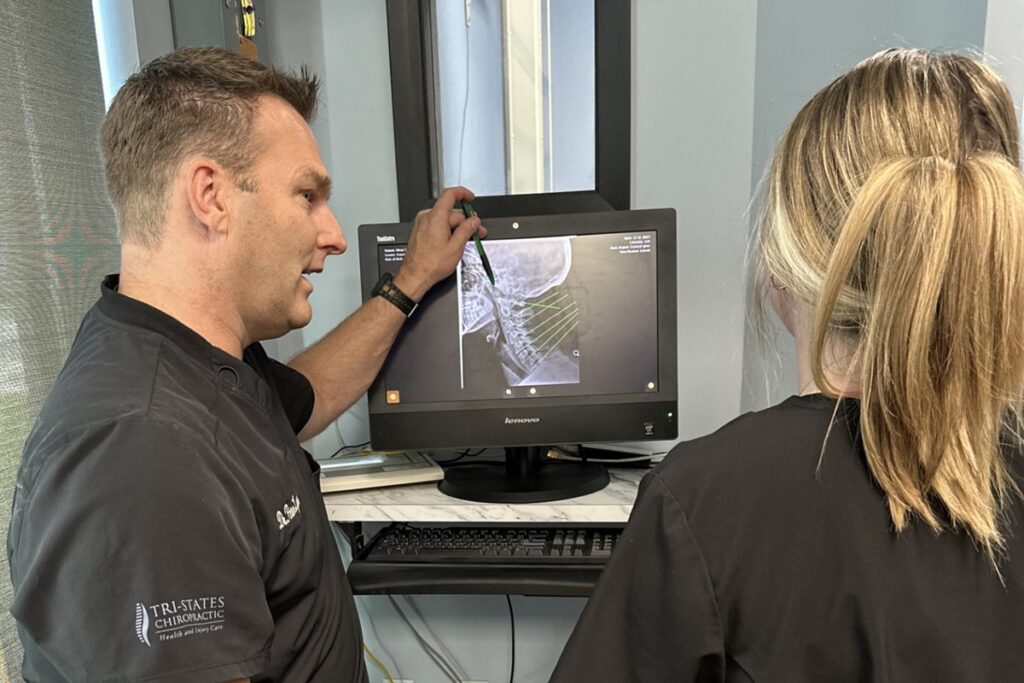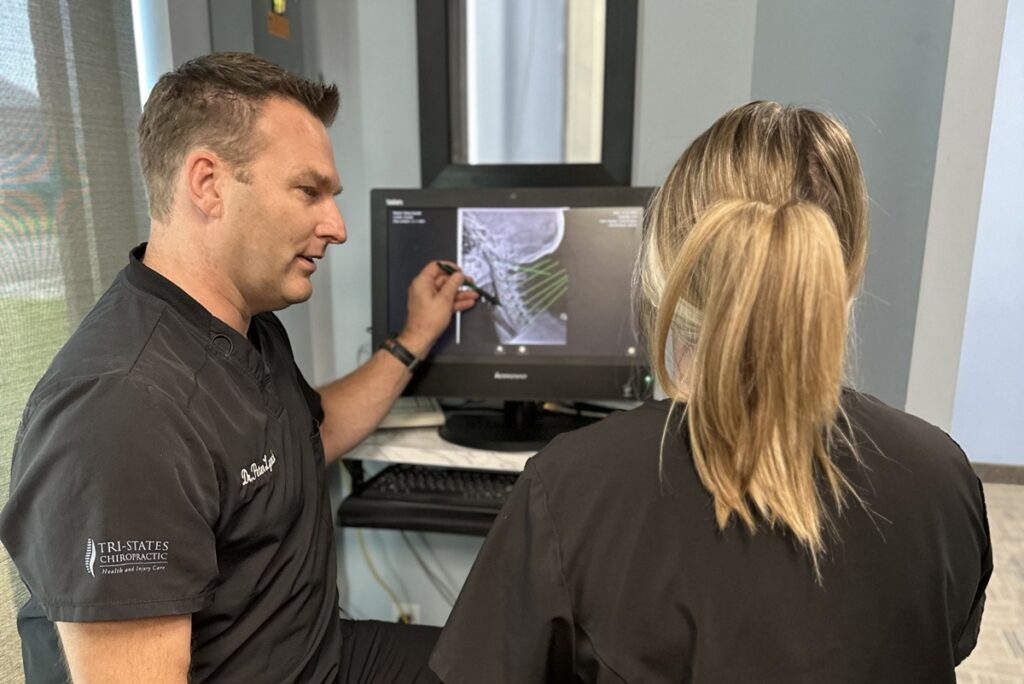
As a local chiropractor, I want to emphasize the critical role that adjustments can play in your recovery from a sports injury. Many people underestimate the benefits of chiropractic care during this time, but these adjustments are essential for managing pain, improving mobility, and accelerating the healing process. Not only do they address your immediate concerns, but they also help lay the groundwork for preventing future injuries, which is key in maintaining your active lifestyle.
By taking a holistic approach to your recovery, you can enhance your overall well-being and return to your sport with renewed confidence. So, what specific strategies can you incorporate to maximize these benefits? This is where chiropractic adjustments come in. They can help realign your spine and joints, reducing tension and improving function, allowing your body to heal more effectively. Integrating these adjustments into your recovery plan can make all the difference. Let's work together to explore how chiropractic care can support your healing journey.
Understanding Sports Injuries
As a local chiropractor, I want to shed some light on sports injuries and how understanding them can greatly benefit your health and performance.
Whether you're a dedicated athlete or someone who enjoys staying active, the reality is that sports injuries are common and can range from minor sprains and strains to more serious issues like fractures and torn ligaments. It's essential to grasp the nature of these injuries not only for prevention but also for effective recovery.
Sports injuries can be categorized into two types: acute and chronic. Acute injuries happen suddenly during physical activity, often as a result of a specific incident, such as a fall or collision. These injuries typically manifest as immediate pain and swelling, and they require prompt attention.
In contrast, chronic injuries develop gradually over time, often due to repetitive stress on muscles and joints. You may notice a persistent discomfort that intensifies with activity, indicating that it's time to rest and seek care.
Recognizing the signs of sports injuries is crucial for your well-being. If you experience sharp pain, swelling, or find it difficult to move a joint, it's wise to consult a healthcare professional like myself. Ignoring these symptoms could lead to long-term damage and hinder your athletic performance.
As we work together to understand these injuries, it's also important to consider the risk factors involved. Improper technique, inadequate warm-ups, and even the wrong footwear can all contribute to injury.
By becoming aware of how injuries occur and their underlying causes, you can take proactive steps to minimize your risk. Incorporating strength training, flexibility exercises, and truly listening to your body are all effective strategies that can enhance your performance and overall health.
Through chiropractic care and natural healing methods, I can assist you in addressing these injuries and preventing future ones.
Let's work together to keep you active and injury-free on your athletic journey!
Importance of Recovery Adjustments
Recovery adjustments are fundamental to your journey back to optimal performance after experiencing a sports injury. As a local chiropractor, I want to emphasize the importance of adapting your recovery strategy to match your unique needs. These adjustments not only ensure that you're healing effectively but also help prepare your body to safely return to the demands of your sport.
First and foremost, recovery adjustments are vital for managing pain and inflammation. By modifying your activities and incorporating chiropractic care, we can help your body receive the time it needs to heal without exacerbating the injury. This proactive approach can significantly reduce the risk of setbacks and lead to a smoother recovery process.
Nutritional intake is another critical aspect during this recovery phase. I often recommend adjusting your diet to include more anti-inflammatory foods and sufficient protein to support muscle repair. By focusing on nutrition, you can enhance your recovery speed and overall health.
Mental well-being is equally important in the healing process. Incorporating relaxation techniques and mindfulness practices can help alleviate the stress and anxiety that often accompany injuries. This holistic approach not only boosts your mood but also fosters a positive mindset, which is essential for healing.
Finally, recovery adjustments provide opportunities to maintain your fitness levels through alternative methods. Engaging in modified exercises under my guidance can help preserve your strength and flexibility, making the transition back to your regular training routine much easier once you're cleared to compete again.
Embrace these adjustments; they're crucial to your successful recovery journey. Together, we can navigate this path towards healing and improved performance.
Training Modifications for Healing
As a local chiropractor, I want to emphasize the importance of modifying your training when you're recovering from an injury. It's crucial to approach your rehabilitation with care to ensure a safe return to your favorite activities.
Gradually increasing the intensity of your workouts is vital; this helps prevent further injury while allowing your body to adapt and heal properly.
I also encourage you to explore cross-training options. This means engaging in different forms of exercise that can keep you active without putting undue stress on the injured area.
Additionally, incorporating focused rehabilitation exercises can aid in your recovery process. These tailored exercises are designed to strengthen specific muscles and improve mobility, promoting overall healing.
Remember, these adjustments not only support your recovery but also help you maintain your fitness levels during this critical time.
If you have any questions or need guidance on how to modify your training effectively, please don't hesitate to reach out. Your health and well-being are our top priorities!
Gradual Intensity Increase
As a local chiropractor, I want to emphasize the importance of a gradual intensity increase following an injury. Jumping back into your old workout routine too quickly can't only lead to setbacks but also put you at risk for re-injury. It's essential to start by assessing your current physical condition.
Pay close attention to what your body is telling you; if you feel any discomfort or pain, it's crucial to listen to those signals.
Begin with low-impact exercises that can help you maintain your strength and mobility without overexerting the injured area. For example, if you're recovering from a knee injury, gentle activities like walking or cycling at a comfortable pace can be beneficial.
Once you feel ready, you can start to gradually increase the intensity of your workouts. This can include extending the duration, frequency, and resistance of your exercises.
A good rule of thumb is to aim for a 10% increase in intensity each week, but always be flexible and adjust based on your body's response. This gradual approach allows your muscles and joints to adapt more effectively, reducing the risk of overwhelming them.
Additionally, don't forget the importance of incorporating rest days into your training schedule. Rest is a crucial component of recovery. You should also include flexibility and mobility exercises, as they play a significant role in supporting your rehabilitation process.
Remember, patience is essential during this time. Focus on your recovery, and before you know it, you'll be on your way to regaining your strength and performance levels, all while minimizing the chances of re-injury.
If you have any questions or need guidance, I'm here to help you on your path to healing.
Cross-Training Alternatives
As a local chiropractor, I want to emphasize the importance of exploring cross-training alternatives during your healing journey. If you've found yourself sidelined due to an injury, it's essential to understand that your training doesn't have to come to a halt. Engaging in different activities can't only help maintain your fitness levels but also support your body's recovery process.
Let's take a closer look at some effective cross-training options:
- Swimming: This is an excellent low-impact exercise that engages your entire body while minimizing stress on your injury. Swimming helps build endurance and strength, making it a fantastic choice for rehabilitation.
- Cycling: Whether you prefer a stationary bike or cycling outdoors, this activity can significantly enhance your cardiovascular fitness and strengthen your legs. Just be sure to pay attention to your body mechanics to prevent any further aggravation of your injury.
- Yoga: Incorporating yoga into your routine can greatly improve your flexibility and balance—two crucial components for recovery. Additionally, it promotes relaxation and mental well-being, which can help alleviate the frustrations that come with being unable to participate in your usual activities.
- Pilates: This practice focuses on developing core strength and stability. It's gentle on your joints and can be incredibly beneficial for rehabilitation by enhancing your overall body mechanics.
Focused Rehabilitation Exercises
As your local chiropractor, I want to emphasize the importance of incorporating focused rehabilitation exercises into your recovery process. These exercises are crucial in addressing specific muscle groups and mobility patterns that may have been impacted by your injury. By honing in on these areas, you can enhance your healing and regain strength more effectively.
To begin, focus on movements that promote flexibility and stability. Gentle stretching can significantly improve your range of motion, while isometric exercises help maintain muscle strength without putting excessive strain on the injured area.
As you progress, it's essential to incorporate dynamic movements that gradually increase in intensity. This approach not only aids in healing but also prepares your body for a safe return to your favorite activities or sports.
Listening to your body during this journey is vital. If you experience any pain during an exercise, it's important to stop and reassess. You may need to adjust the movement or lower the intensity.
I encourage you to consult with me or another qualified physical therapist for personalized guidance, ensuring that you're on the right track to recovery.
Incorporating focused rehabilitation exercises will facilitate a faster and more efficient recovery, ultimately allowing you to return to your activities stronger than before.
Stay committed, be patient with yourself, and remember that consistency is key to your healing journey. Together, we can work towards your optimal health and well-being.
Nutritional Considerations for Recovery
As a local chiropractor, I want to share how important nutrition is in your recovery from a sports injury. The food you consume plays a significant role in the healing process.
It's essential to focus on key nutrients that support your body, ensure you're staying adequately hydrated, and be mindful of when you eat these nutrients throughout the day.
By making informed nutritional choices, you can enhance your healing and potentially shorten your recovery time, allowing you to return to your favorite activities more quickly.
Essential Nutrients for Healing
As a local chiropractor, I often see patients recovering from sports injuries, and it's crucial to understand how essential nutrients can significantly aid in your healing process.
When your body is healing, it has increased demands for specific nutrients that contribute to tissue repair, inflammation reduction, and immune system support. By focusing on the right foods, you can enhance your recovery journey.
Here are some key nutrients to consider including in your diet:
- Protein: This vital macronutrient is indispensable for repairing damaged tissues. Opt for lean sources such as chicken, fish, beans, and legumes to help your body rebuild.
- Omega-3 Fatty Acids: These healthy fats, found in fatty fish, walnuts, and flaxseeds, are known for their anti-inflammatory properties. Including omega-3s in your diet can help speed up the healing process.
- Vitamin C: This vitamin is critical for collagen formation, which is necessary for tissue repair. Incorporate foods rich in vitamin C, such as citrus fruits, strawberries, and bell peppers, into your meals to support your body's recovery.
- Zinc: This essential mineral plays a key role in immune function and wound healing. You can find zinc in foods like nuts, seeds, and whole grains, which can bolster your body's ability to heal.
By integrating these essential nutrients into your daily meals, you lay a solid foundation for a successful recovery from your injury.
Hydration and Recovery Benefits
As a local chiropractor, I want to emphasize how crucial nutrition and hydration are for your recovery, especially if you're healing from sports injuries or dealing with discomfort in your muscles and joints. Staying properly hydrated is just as important as the adjustments and therapies we provide.
When your body is dehydrated, it can lead to stiffness, which can increase your pain and prolong your recovery time. Drinking enough water helps your body transport vital nutrients and oxygen to your cells, which is essential for healing.
Additionally, let's talk about electrolytes, such as sodium and potassium. These minerals are vital for maintaining fluid balance in your body and supporting muscle function. If you've suffered an injury, you might lose these electrolytes through sweat or inflammation.
Replenishing them through hydrating foods, like fruits and vegetables, or electrolyte-rich beverages can significantly enhance your recovery process.
I encourage you to pay attention to your daily water intake. A good rule of thumb is to aim for at least eight 8-ounce glasses of water a day, and even more if you're active.
It's important to listen to your body; if you're feeling thirsty, that's a signal that you need to hydrate. Remember, proper hydration goes beyond just drinking water; it's about providing your body with the fluid support it needs to recover effectively.
As you focus on your healing journey, incorporating these hydration tips will contribute to your overall well-being and recovery.
Timing of Nutrient Intake
As a local Chiropractor, I want to emphasize the importance of timing when it comes to nutrient intake, especially in relation to recovery from sports injuries. The way you nourish your body can significantly influence your healing process, and I'm here to guide you through it.
Here are some essential points to consider:
- Immediate Post-Injury Nutrition: It's vital to consume protein and carbohydrates within 30 minutes after sustaining an injury. This immediate intake helps jumpstart your recovery by replenishing lost energy and facilitating muscle repair, which is crucial for your overall healing.
- Consistent Meal Timing: Maintaining a regular meal schedule is key. I recommend eating every 3-4 hours. This approach stabilizes your energy levels and ensures your body receives a steady supply of the nutrients necessary for optimal healing throughout the day.
- Pre-Activity Nutrition: If you're easing back into physical activity, be sure to have a balanced meal rich in carbohydrates and protein 2-3 hours prior to exercising. This not only fuels your performance but also supports your recovery process.
- Stay Hydrated: Don't overlook the importance of hydration! Adequate water intake is crucial for nutrient transport and muscle function. Make it a habit to drink fluids consistently throughout the day, particularly around meal times and during workouts.
By understanding these principles of nutrient timing, you can enhance your recovery and support your body's natural healing processes.
If you have any questions or need further guidance, feel free to reach out!
Rehabilitation Techniques and Strategies
As a local chiropractor, I understand that recovering from an injury can be a challenging journey for athletes. It's essential to know that effective rehabilitation techniques and strategies play a vital role in your healing process. When navigating your recovery, it's important to adopt a structured approach that focuses on restoring function while minimizing discomfort.
First and foremost, I recommend consulting with a qualified chiropractor who can develop a personalized rehabilitation program tailored specifically to your injury and individual needs. Chiropractic care emphasizes the importance of holistic healing, addressing not just the injury but also the overall well-being of your body.
One effective strategy we often use is the implementation of progressive exercises. Initially, we may start with gentle range-of-motion activities to promote mobility without overexerting the injured area. As you begin to regain strength, we'll gradually introduce resistance training to help rebuild muscle and support the surrounding structures. This step-by-step progression is designed to prevent re-injury and build your confidence in your physical capabilities.
In addition to exercise, we often incorporate various modalities such as ice therapy, heat therapy, or electrical stimulation to help manage pain and reduce inflammation. These treatments can provide the relief you need to engage more fully in your rehabilitation exercises.
Furthermore, we may incorporate balance and proprioception exercises to enhance your coordination and stability, which are crucial for athletes looking to return to their sport.
It's also important to address the psychological aspects of recovery. Techniques such as visualization and mindfulness can help you maintain focus and motivation throughout your rehabilitation journey. Keeping a positive mindset and setting small, achievable goals can significantly aid in your commitment to the recovery process.
Long-Term Benefits of Adjustments
As a local chiropractor, I often encounter athletes who may not fully understand the long-term benefits that regular chiropractic adjustments can have on their overall health and performance.
It's important to realize that these adjustments go beyond providing immediate relief from pain; they can significantly enhance your athletic abilities and overall well-being over time.
Here are four key benefits of chiropractic care that I believe everyone should consider:
- Improved Mobility: Regular chiropractic adjustments are vital for maintaining proper joint function. This increased mobility allows for more fluid and efficient movement, which is crucial not only for boosting performance but also for preventing injuries.
- Injury Prevention: When your spine and joints are aligned properly, chiropractic care plays a crucial role in reducing the risk of injuries. By taking a proactive approach to your musculoskeletal health, you can stay active and competitive without the worry of setbacks that could sideline you.
- Enhanced Recovery: If you do experience an injury, chiropractic adjustments can aid in faster recovery. They help improve circulation and reduce inflammation, which means you can return to your training and competitions sooner, keeping you on track with your athletic goals.
- Overall Wellness: Chiropractic care isn't just about physical health; it also promotes better mental clarity and focus. When your body feels good and functions optimally, your mind can perform at its best, helping you excel in your sport.
Integrating regular chiropractic adjustments into your routine can profoundly influence your athletic journey.
You won't just speed up recovery from injuries; you'll also build a solid foundation for long-term health and performance.
If you're truly dedicated to your sport, I encourage you to consider the many advantages that chiropractic care can provide.
Embrace these benefits, and watch as your game elevates to new heights!
Conclusion
As your local chiropractor, I want to emphasize the importance of incorporating adjustments into your sports injury recovery. These adjustments can significantly enhance your healing process. By focusing on the underlying issues that may be contributing to your pain or discomfort, we can promote better alignment throughout your body. This not only improves your mobility but also lowers the chance of future injuries.
It's essential to understand that recovery isn't just about rushing back into your sport; it's about returning with confidence and minimizing the risk of setbacks. By embracing chiropractic adjustments as a key component of your holistic recovery strategy, you can emerge stronger and more resilient, ready to tackle your next challenge. If you have any questions about how chiropractic care can support your recovery, I'm here to help!