
If you’re an athlete dealing with arm pain, you already know how quickly it can derail your performance, your training schedule, and even your day-to-day comfort. Whether you’re a baseball pitcher, a swimmer, a cyclist, or a weekend recreational athlete here in Dubuque, IA, arm pain is one of those frustrating issues that rarely resolves on its own if the underlying cause isn’t addressed. At Tri-States Chiropractic, we work with active patients every week who are tired of pushing through discomfort and ready to understand what’s actually going on — and what they can do about it.
What Is Arm Pain in Athletes?
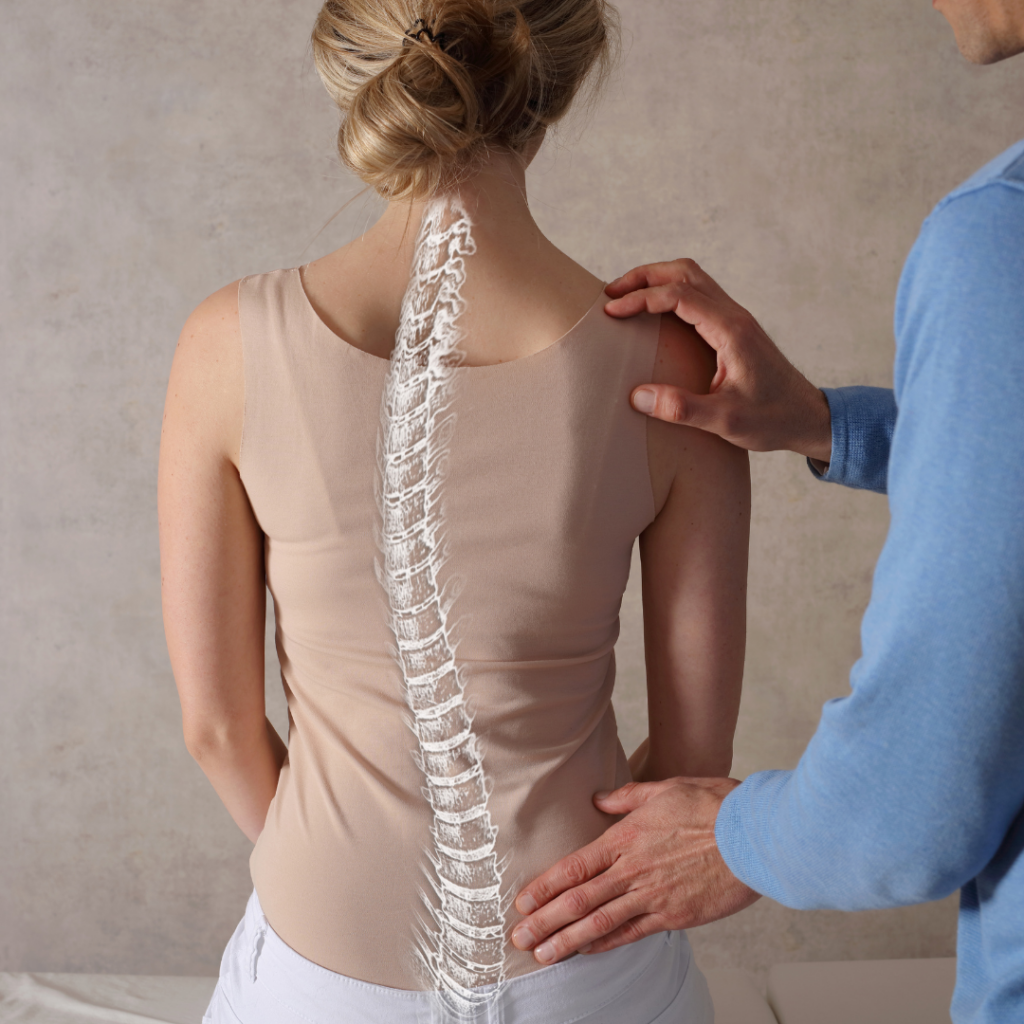
Arm pain in athletes refers to discomfort, aching, weakness, tingling, or sharp sensations occurring anywhere from the shoulder down through the elbow, forearm, wrist, or hand. It can stem from overuse injuries, nerve compression, joint dysfunction, or muscle imbalances — and it often has roots in the neck and upper spine, not just the arm itself.
Why Arm Pain Happens in Athletes
The arm is a complex kinetic chain. Every throw, stroke, pedal, or press relies on a carefully coordinated sequence of muscle activation, joint mobility, and nerve signaling. When even one link in that chain is off — whether it’s a tight rotator cuff, a stiff thoracic vertebra, or an irritated cervical nerve root — the whole system can start to break down.
Here in Dubuque, IA, we see athletes from a wide range of sports come through the doors at Tri-States Chiropractic. What’s interesting is that many of them assume their arm pain started in the arm. But quite often, the root cause lies somewhere else entirely — in the neck, the shoulder blade, or even how they’re breathing and holding their posture during activity.
Repetitive motion is one of the biggest culprits. Athletes who perform the same movement thousands of times — pitching, rowing, throwing, typing at a desk between training sessions — gradually place cumulative stress on the same soft tissues and joints. Over time, that stress can overwhelm the body’s ability to recover, and pain becomes the signal that something needs attention.

Common Causes of Arm Pain in Active People
Understanding what’s causing your arm pain is the first step toward recovering from it. While a thorough evaluation is always necessary to pinpoint the exact source, there are several frequently seen contributors in athletic populations.
Cervical Radiculopathy (Pinched Nerve in the Neck)
The nerves that control sensation and motor function in the arm exit the spinal cord through spaces between the vertebrae in the neck. When one of those spaces narrows — due to a misalignment, disc bulge, or inflammation — the nerve can become irritated or compressed. This often produces pain, tingling, or numbness that radiates down one or both arms. Athletes who play contact sports or those who maintain prolonged neck positions (cyclists, for example) are particularly susceptible.
Shoulder Impingement and Rotator Cuff Strain
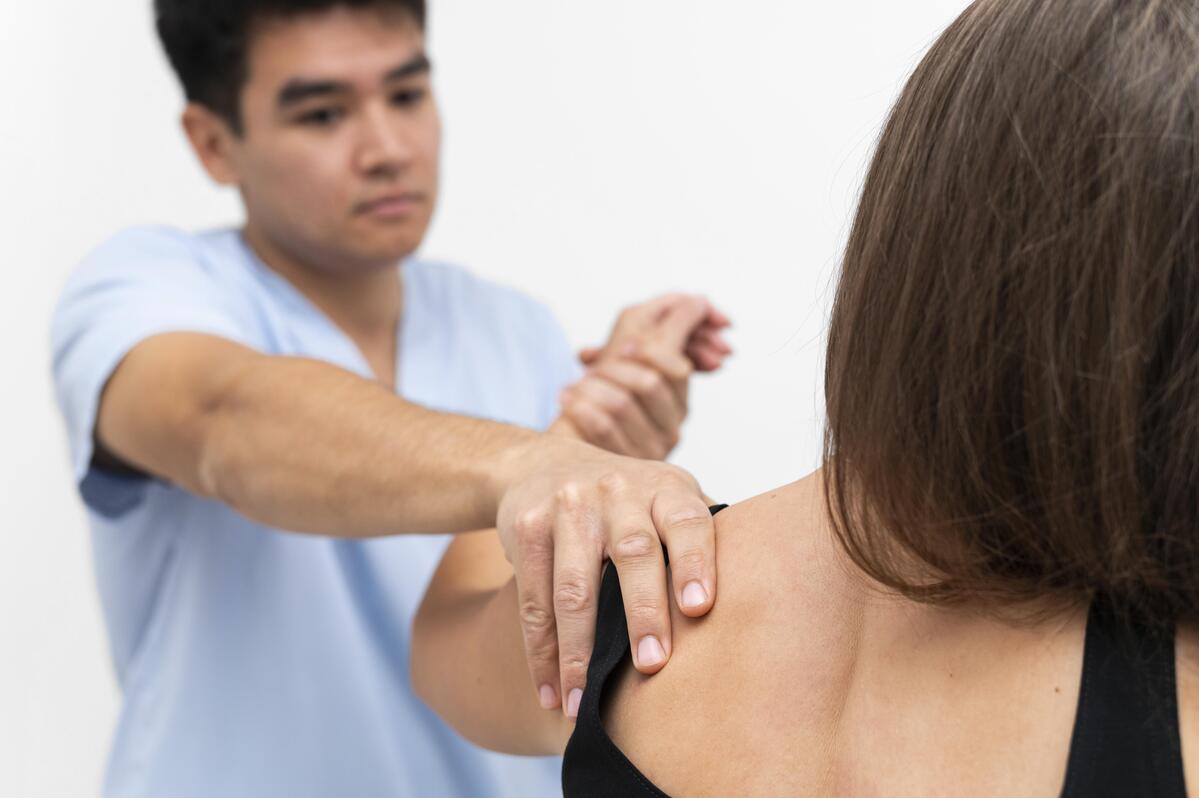
The rotator cuff is a group of four muscles and tendons that stabilize the shoulder joint. Overhead athletes — swimmers, baseball players, volleyball players — frequently develop irritation in this area due to repetitive overhead motion. When the tendons become inflamed or compressed within the shoulder joint space, pain can radiate down into the upper arm and even the elbow.
Lateral and Medial Epicondylitis (Tennis Elbow and Golfer’s Elbow)
These are overuse injuries affecting the tendons that attach to the bony prominences on either side of the elbow. Despite the names, you don’t have to play tennis or golf to develop these conditions. Any sport or activity that involves repetitive gripping, twisting, or wrist movement can trigger them. They’re common complaints that Dr. Peter Lynch evaluates regularly at Tri-States Chiropractic.
Thoracic Outlet Syndrome
This condition occurs when nerves or blood vessels passing between the collarbone and the first rib become compressed. It can produce arm pain, weakness, and numbness — particularly in throwing athletes or those who carry heavy loads frequently. It’s easy to misdiagnose and often overlooked without a careful clinical assessment.
Wrist and Forearm Overuse
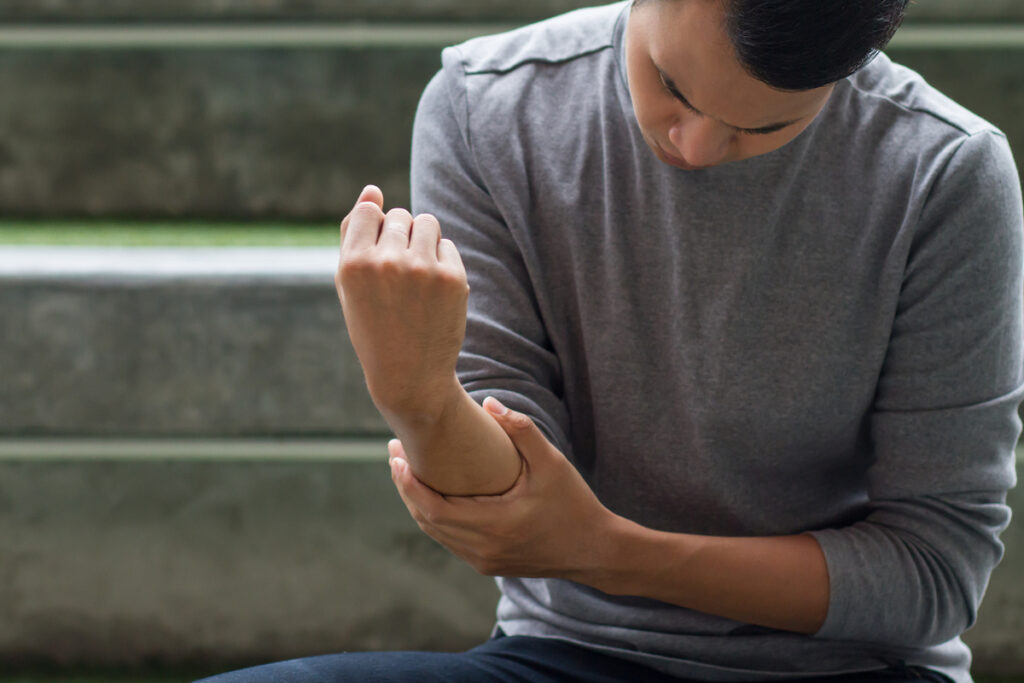
Cyclists, racquet sport athletes, and even weightlifters can develop forearm and wrist pain from gripping, stabilizing, or absorbing impact repeatedly. These issues often respond well to conservative care when addressed early.
Signs and Symptoms You Shouldn’t Ignore
Not all arm pain is the same, and the location, quality, and behavior of the pain can offer important clues. Dr. Peter Lynch uses a detailed intake and physical examination at Tri-States Chiropractic to help distinguish between different pain patterns.
You may notice aching or throbbing pain after activity that becomes more persistent over time. Some athletes describe a sharp, electric-like sensation that shoots from the neck or shoulder down through the arm. Others experience a dull, deep ache near the elbow or forearm that never fully goes away. Weakness in grip strength, difficulty reaching overhead, or a sense of heaviness in the arm are also important indicators that something is mechanically off.
Tingling or numbness in the fingers — particularly in specific finger groupings — can help identify which nerve root may be involved. For example, tingling in the thumb and index finger often points to involvement of the C6 nerve root, while tingling in the ring and pinky fingers may suggest involvement of the ulnar nerve or C8 nerve root. These patterns matter, and they’re exactly why a professional evaluation is so important rather than guessing.
How Chiropractic Care Fits Into Your Recovery
Chiropractic care offers a non-surgical, drug-free approach to arm pain that focuses on identifying and addressing the root cause — not just masking symptoms. At Tri-States Chiropractic in Dubuque, IA, Dr. Peter Lynch takes a thorough, individualized approach to each patient’s situation.
One of the core tools in chiropractic care is spinal manipulation, which involves applying controlled force to specific joints to restore proper movement, reduce nerve irritation, and improve overall function. When arm pain stems from cervical nerve compression or upper thoracic dysfunction, restoring proper spinal motion can have a meaningful impact on arm symptoms. Research published through organizations like the American Chiropractic Association and reviewed by bodies such as the NIH’s National Center for Complementary and Integrative Health suggests that spinal manipulation may be an effective conservative option for musculoskeletal conditions, including those affecting the upper extremity.
Beyond spinal adjustments, chiropractic care often incorporates soft tissue therapies that address muscle tightness, trigger points, and fascial restrictions contributing to arm pain. Joint mobilization of the elbow, wrist, and shoulder can restore proper mechanics and reduce irritation at the site of injury. Dr. Peter Lynch may also use techniques that address nerve mobility — helping the nervous system move freely through its surrounding tissues, which is especially important in cases of nerve-related arm pain.
What makes chiropractic care particularly well-suited for athletes is its emphasis on restoring function rather than simply reducing pain. The goal isn’t just to get you through the day — it’s to help you move better, perform better, and stay active with less risk of re-injury. Tri-States Chiropractic works to fit naturally into your broader recovery plan, complementing any other care you may be receiving.
Practical Tips for Managing Arm Pain
While professional evaluation and care are important, there are meaningful steps you can take on your own to support recovery and reduce the likelihood of arm pain getting worse.
First, pay close attention to load management. One of the most consistent contributors to overuse arm injuries is doing too much, too soon, or too frequently without adequate recovery time. If you’ve recently increased your training volume or intensity, scaling back temporarily and allowing tissues to recover is often the most important change you can make.
Posture during both athletic activity and rest matters more than most people realize. Rounded shoulders and a forward head position — very common among athletes who spend time at desks or on phones between training sessions — can place ongoing strain on the cervical spine and the nerves and blood vessels traveling into the arm. Being mindful of upright posture and taking movement breaks throughout the day can reduce that baseline tension significantly.
Warm-up and cool-down routines are not optional. Properly preparing the shoulder, elbow, and wrist joints before activity — and taking the time to allow tissues to recover afterward — makes a meaningful difference in long-term tissue health. Gentle mobility work for the cervical spine and thoracic spine is especially useful for upper-extremity athletes.
Sleep position is another underappreciated factor. Sleeping with an arm folded under the head, or on the side with the arm overhead, can compress nerves and reduce circulation. Experimenting with a neutral sleep position and a supportive pillow often provides noticeable relief in athletes dealing with arm tingling or numbness.
When to See a Chiropractor for Arm Pain
A good rule of thumb is this: if arm pain is affecting your ability to train, compete, sleep, or perform daily tasks, it’s worth getting evaluated. Athletes often have a high pain tolerance, which is admirable — but it can also lead to pushing through warning signs until a manageable issue becomes a more serious one.
You should consider scheduling an evaluation at Tri-States Chiropractic if your arm pain has persisted for more than a week or two without improvement, if it’s worsening despite rest, or if you’re experiencing neurological symptoms like tingling, numbness, or unexplained weakness. These are signs that the body needs more than time and ice to resolve the problem.
There are also red flags that warrant prompt medical attention rather than chiropractic care as a first step. Sudden, severe arm pain following trauma, arm pain accompanied by chest pain or shortness of breath, and any loss of bladder or bowel function should be evaluated by an emergency medical provider immediately. Dr. Peter Lynch and the team at Tri-States Chiropractic are always attentive to these signs and will refer patients to appropriate medical providers whenever the situation calls for it. Your safety is always the priority.
Arm Pain: Common Conditions Compared
|
Condition |
Common Location of Pain |
Primary Trigger |
May Respond to Chiropractic? |
|---|---|---|---|
|
Cervical Radiculopathy |
Neck, shoulder, arm, fingers |
Nerve compression in the cervical spine |
Yes — spinal manipulation and mobilization may help |
|
Rotator Cuff Strain |
Shoulder, upper arm |
Overhead repetitive motion or acute strain |
Yes — soft tissue work and joint mobilization may help |
|
Lateral Epicondylitis (Tennis Elbow) |
Outer elbow, forearm |
Repetitive gripping or wrist extension |
Yes — elbow and wrist mobilization, soft tissue therapy |
|
Thoracic Outlet Syndrome |
Shoulder, arm, hand, fingers |
Nerve/vascular compression near collarbone |
Potentially — requires thorough evaluation first |
|
Wrist/Forearm Overuse |
Forearm, wrist, hand |
Repetitive gripping, impact, or stabilization |
Yes — conservative care often effective early on |
Myths vs. Facts About Arm Pain and Chiropractic Care
Myth: Arm pain always comes from the arm itself.
Fact: Arm pain frequently originates in the cervical spine, thoracic spine, or shoulder complex. Treating only the area where you feel the pain — without investigating the source — is one reason many athletes struggle to find lasting relief. A thorough chiropractic evaluation looks at the entire kinetic chain, not just the symptomatic area.
Myth: Chiropractors only treat the back and neck.
Fact: Chiropractors are trained to assess and treat the entire musculoskeletal system, including the shoulder, elbow, wrist, and hand. At Tri-States Chiropractic, care extends well beyond spinal adjustments to include joint mobilization, soft tissue work, and functional rehabilitation guidance for upper extremity conditions.
Myth: You should wait until the pain is severe before seeking care.
Fact: Early intervention tends to produce better outcomes. Addressing arm pain when it first appears — rather than pushing through until it becomes disabling — often means a shorter, simpler recovery process. The longer tissue irritation, nerve compression, or joint dysfunction is present without care, the more entrenched those patterns can become.
Myth: Rest alone will fix overuse arm injuries.
Fact: While rest can reduce acute inflammation, it doesn’t address the mechanical dysfunctions that caused the injury in the first place. Without correcting joint movement, muscle imbalances, and contributing postural habits, many athletes return to activity too soon — and the problem returns. Chiropractic care helps address those underlying factors during the recovery window.
Myth: Chiropractic adjustments are dangerous for arm and neck conditions.
Fact: Chiropractic care for musculoskeletal conditions is widely recognized as a safe, evidence-informed option when provided by a licensed professional following a proper evaluation. Dr. Peter Lynch conducts a thorough assessment before any care is delivered to ensure that the approach is appropriate and comfortable for each individual patient.
Final Thoughts from Tri-States Chiropractic
Arm pain doesn’t have to be the thing that keeps you out of the sport or activity you love. Here in Dubuque, IA, Dr. Peter Lynch and the team at Tri-States Chiropractic are committed to helping athletes of all levels understand what’s driving their pain and how to move forward with a clear, effective recovery plan.
Whether you’re a competitive athlete dealing with a nagging elbow issue, a recreational cyclist with persistent forearm aching, or a weekend warrior whose shoulder pain has started traveling into the arm, you deserve answers — not just temporary relief. Chiropractic care offers a thoughtful, individualized approach that considers your whole body, your sport-specific demands, and your long-term goals.
We believe that the best care happens when patients feel informed, empowered, and heard. If arm pain has been slowing you down, we’d encourage you to reach out to Tri-States Chiropractic and take the first step toward understanding what’s really going on. The Dubuque community deserves quality conservative care that helps people stay active and feel their best — and that’s exactly what we’re here to provide.
Frequently Asked Questions
Can a chiropractor help with arm pain caused by a pinched nerve in the neck?
Yes. Cervical radiculopathy — a pinched nerve in the neck — is a well-recognized cause of arm pain, and chiropractic care including spinal manipulation and mobilization has been shown to help in many cases. Dr. Peter Lynch will evaluate your specific nerve involvement and develop a care approach tailored to your presentation.
How long does it take for arm pain to improve with chiropractic care?
Recovery timelines vary depending on the cause and severity of the condition, how long it’s been present, and individual factors like activity level and overall health. Some patients notice improvement within a few visits, while others with more chronic conditions may require a more extended care plan. A realistic timeline will be discussed during your evaluation at Tri-States Chiropractic.
Is chiropractic care safe for athletes with arm pain?
Yes, when provided by a licensed chiropractor following a proper evaluation, chiropractic care is considered a safe and non-invasive option for musculoskeletal arm pain. Dr. Peter Lynch reviews each patient’s history and symptoms carefully before beginning any treatment to ensure the approach is appropriate and well-suited to their condition.
Should I stop training completely while receiving chiropractic care for arm pain?
Not necessarily. Dr. Peter Lynch will provide guidance on activity modification based on your specific situation — which may mean reducing intensity or volume rather than stopping entirely. Keeping the body moving in a controlled, pain-guided way is often beneficial for recovery, and complete rest is not always necessary or recommended.
Can chiropractic care help with tennis elbow or golfer’s elbow?
Chiropractic care, including elbow and wrist joint mobilization and soft tissue therapies, can be a helpful part of managing lateral and medial epicondylitis. These conditions are often related to both local tendon irritation and contributing dysfunction higher up the kinetic chain, which a chiropractor is well-positioned to assess and address.
What should I expect on my first visit to Tri-States Chiropractic for arm pain?
Your first visit will typically involve a detailed health history, a discussion of your symptoms and athletic demands, and a physical examination of the affected area and related structures. Dr. Peter Lynch will explain his findings clearly and outline a recommended care approach before any treatment begins, so you always know what to expect and why.
TL;DR Summary
-
Arm pain in athletes is often rooted in the cervical spine, shoulder, or upper thoracic region — not just the arm itself.
-
Common causes include cervical nerve compression, rotator cuff strain, tennis/golfer’s elbow, thoracic outlet syndrome, and forearm overuse.
-
Chiropractic care offers a non-surgical, drug-free approach that addresses the root cause and supports long-term recovery.
-
Dr. Peter Lynch at Tri-States Chiropractic in Dubuque, IA provides individualized care for athletes dealing with upper extremity pain.
-
Early evaluation and conservative care typically lead to better outcomes than waiting until pain becomes severe or disabling.