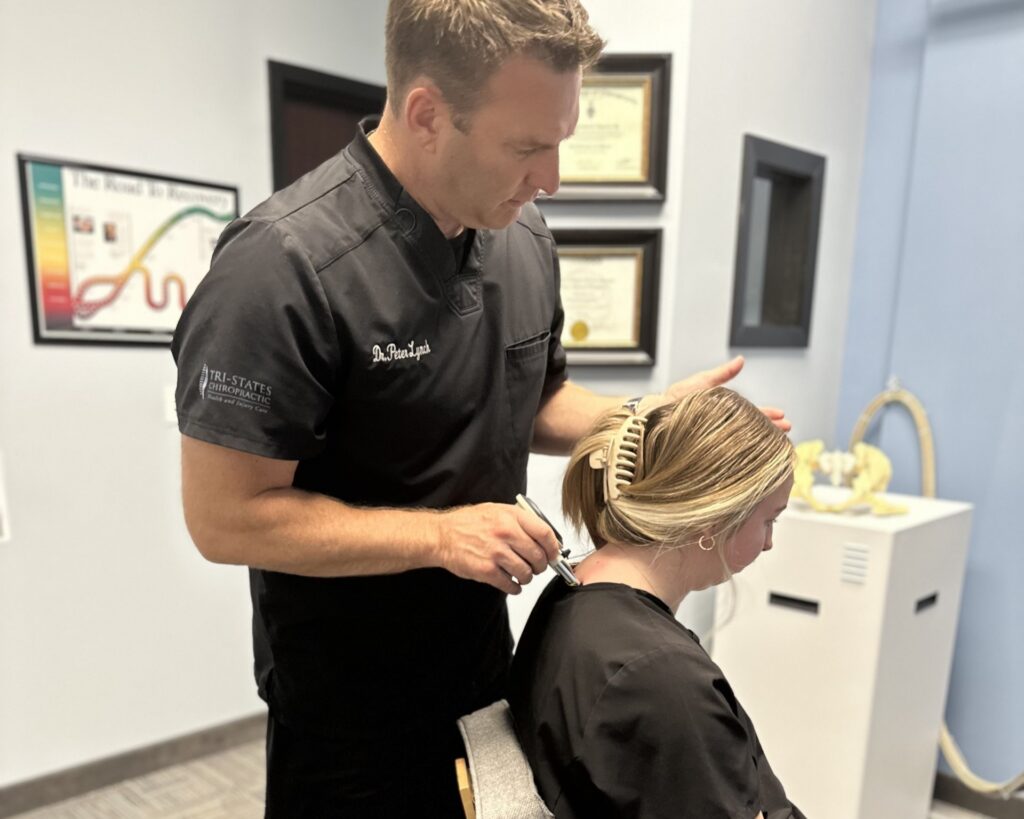
When it comes to managing headaches, you may have tried various quick fixes that only mask the pain. But have you thought about how natural solutions, particularly chiropractic care, can help address the root causes instead? Many people overlook the benefits of chiropractic treatment, yet it offers a holistic approach that can provide lasting relief without the risks associated with medications.
Chiropractic care focuses on aligning the spine and improving overall body function, which can significantly reduce headache frequency and intensity. By correcting spinal misalignments, we can alleviate tension in the muscles and nerves that often contribute to headaches. This natural healing approach not only helps in managing pain but also enhances your overall well-being.
In addition to chiropractic adjustments, there are simple tips you can incorporate into your daily life to further support headache relief. Staying hydrated, practicing good posture, and incorporating stress management techniques like deep breathing or gentle stretching can make a big difference.
So, if you’re looking for a better way to manage your headaches, consider exploring the benefits of chiropractic care. It could transform your approach to headache management and lead you to a healthier, pain-free life. Remember, addressing the underlying issues is key to achieving optimal health!
Key Takeaways
Why Choose Natural Solutions for Headache Management?
- Natural solutions, particularly chiropractic care, target the underlying causes of headaches, fostering overall wellness instead of merely covering up the symptoms. By addressing spinal alignment and nervous system function, chiropractic adjustments can significantly reduce headache frequency and intensity.
- Utilizing natural methods minimizes the risk of developing a dependency on pain medications and avoids rebound headaches that often result from long-term drug use. Chiropractic care not only offers immediate relief but also helps prevent future headaches by promoting better spinal health.
- Holistic approaches like chiropractic adjustments and relaxation techniques can enhance your overall health and well-being. These methods help relieve tension, improve blood flow, and support the body’s natural ability to heal.
- One of the great advantages of chiropractic care is that it typically has fewer side effects compared to over-the-counter medications. This means you can manage your headaches without worrying about unwanted health risks.
- Simple lifestyle adjustments can play a crucial role in headache prevention. Staying hydrated, getting regular exercise, and practicing stress-relief techniques can all contribute to fewer headaches. As your chiropractor, I encourage you to incorporate these habits into your daily routine for better health.
By choosing chiropractic care and embracing a natural approach, you can take control of your headache management and enhance your overall quality of life. Remember, a healthy spine is key to a healthy body!
Understanding the Causes of Headaches
Headaches can strike unexpectedly, often leaving you searching for relief. Gaining a deeper understanding of what causes your headaches is a crucial first step towards finding effective natural solutions, and chiropractic care can play a pivotal role in this journey.
Stress is a common trigger for tension headaches, often manifesting as tightness in the neck and shoulders. By seeking chiropractic care, you can address these tension points through spinal adjustments and therapeutic techniques, helping to alleviate the stress that contributes to headaches.
Dehydration is another frequent culprit; when your body lacks sufficient water, it can lead to discomfort. Staying hydrated is essential, but incorporating chiropractic care can further support your overall well-being and help your body function optimally.
Certain foods and beverages, such as aged cheese or too much caffeine, can also trigger headaches. By observing your diet and lifestyle, you may identify specific triggers. Chiropractic care can help you improve your digestive health, which may also reduce the likelihood of diet-related headaches.
Hormonal changes, particularly in women during their menstrual cycles, can influence headache frequency and intensity. Regular chiropractic adjustments can help balance your body’s systems and reduce the impact of hormonal fluctuations on your health.
Sleep disturbances, whether due to insufficient rest or oversleeping, can be another factor contributing to headaches. Chiropractic care can enhance your sleep quality by addressing spinal alignment and relieving tension, making it easier for you to achieve restorative sleep.
By recognizing these factors and considering chiropractic care, you can take proactive steps to manage your headaches naturally. This holistic approach can pave the way for a healthier, headache-free life, empowering you to feel your best every day.
The Risks of Over-the-Counter Medications
When you experience a headache, it’s tempting to reach for over-the-counter medications for quick relief. However, it’s crucial to consider the potential risks associated with these drugs. They can cause side effects, lead to dependency, and even contribute to long-term health issues if used too often.
Instead of relying on medications, I encourage you to explore natural healing methods, such as chiropractic care, which focuses on aligning the spine and promoting overall wellness. Chiropractic care not only addresses the root causes of headaches by improving spinal function but also supports your body’s natural ability to heal itself.
Regular chiropractic adjustments can help reduce headache frequency and intensity, allowing you to enjoy a more vibrant life.
Here are some simple tips to manage headaches naturally:
- Stay Hydrated: Dehydration can trigger headaches, so make sure to drink plenty of water throughout the day.
- Practice Good Posture: Poor posture can strain your neck and back, leading to headaches. Be mindful of your sitting and standing posture.
- Limit Screen Time: Take regular breaks from screens to reduce eye strain and tension headaches.
- Incorporate Relaxation Techniques: Mindfulness, deep breathing, or gentle yoga can help alleviate stress, a common headache trigger.
- Regular Chiropractic Visits: Make chiropractic adjustments a regular part of your health routine to maintain proper spinal alignment and overall wellness.
Side Effects Risks
While many people turn to over-the-counter medications for quick relief from headaches, it’s important to consider the potential side effects that can accompany these drugs. These side effects can vary greatly depending on the medication. Here’s a brief overview of some common risks:
| Medication | Potential Side Effects |
|---|---|
| Ibuprofen | Stomach pain, nausea, dizziness |
| Acetaminophen | Liver damage (with overuse), rash |
| Aspirin | Gastrointestinal bleeding, tinnitus |
| Naproxen | Headache, drowsiness, heartburn |
Understanding these risks is crucial before reaching for these medications. Instead of relying on pills, consider exploring chiropractic care as a natural and effective way to relieve headaches and promote overall wellness. Chiropractic adjustments not only target the root causes of headaches, such as spinal misalignments, but also help in reducing tension and stress in the body.
Here are some general tips for headache relief that you can incorporate into your daily routine:
- Stay Hydrated: Dehydration can lead to headaches, so make sure to drink plenty of water throughout the day.
- Practice Good Posture: Maintaining proper posture can reduce strain on your neck and spine, which may help prevent headaches.
- Manage Stress: Techniques such as deep breathing, meditation, or yoga can help reduce stress levels and prevent tension headaches.
- Get Regular Exercise: Physical activity can improve circulation and reduce headache frequency.
- Prioritize Sleep: A good night’s sleep is essential for overall health and can help stave off headaches.
If you’re experiencing frequent headaches, consider visiting a chiropractor. They can provide personalized care that focuses on your unique needs, helping you find relief naturally and improve your overall health. Remember, your well-being is worth investing in!
Dependency Concerns
Many individuals turn to over-the-counter medications for relief from headaches, but this can sometimes lead to dependency over time. You may find yourself reaching for that familiar pill more often, thinking it’s the easiest fix.
However, your body can get used to these medications, meaning you might need to take more to feel the same relief. This can create a cycle of reliance on medication, making it challenging to manage headaches without it. Additionally, when you attempt to cut back, withdrawal symptoms can arise, worsening your discomfort.
Instead of relying on medications, consider exploring natural alternatives, such as chiropractic care. Chiropractic adjustments can help alleviate tension in your spine and improve your overall alignment, which may reduce the frequency and intensity of headaches.
Incorporating relaxation techniques, such as deep breathing exercises or gentle stretches, can also help relieve headache tension naturally. Staying hydrated, maintaining a balanced diet, and getting regular exercise are simple yet effective ways to support your body’s natural healing processes.
By embracing these natural methods and prioritizing chiropractic care, you can break free from the cycle of dependency on medications and take charge of your headache management.
Long-Term Health Impacts
While over-the-counter medications may offer quick relief for headaches, relying on them over a long period can lead to serious health issues. Many people don’t realize that frequent use can cause rebound headaches, trapping you in a cycle of dependency.
Furthermore, long-term use of pain relievers may contribute to gastrointestinal problems, liver damage, or kidney issues. Often, these side effects go unnoticed until they escalate into more significant concerns. You might also develop a tolerance, needing larger doses to achieve the same relief, which can increase the risk of overdose.
Instead of turning to medications, consider chiropractic care as a natural solution for managing your headaches. Chiropractic adjustments can help realign the spine, reducing nerve irritation that may be contributing to your pain. This approach not only addresses the root cause of your headaches but also promotes overall wellness.
Here are a few tips to help you manage headaches naturally:
- Stay Hydrated: Dehydration can trigger headaches, so make sure you’re drinking enough water throughout the day.
- Maintain Good Posture: Poor posture can lead to tension in the neck and shoulders. Be mindful of your sitting and standing positions, especially when working at a desk.
- Regular Exercise: Engaging in regular physical activity can help reduce stress and tension, both of which are common headache triggers.
- Practice Relaxation Techniques: Incorporating methods like deep breathing, meditation, or yoga can help alleviate stress and tension.
- Get Adequate Sleep: Ensure you’re getting enough rest each night, as sleep deprivation can be a significant contributor to headaches.
By focusing on these natural methods and considering chiropractic care, you can effectively manage headaches while supporting your overall health without the hidden dangers associated with long-term medication use.
Embrace a healthier lifestyle and let your body heal naturally!
Benefits of Herbal Remedies
Herbal remedies can be a natural and effective way to help manage headaches, offering relief without the side effects that often come with conventional medications. However, it’s essential to remember that while these remedies can be beneficial, incorporating chiropractic care into your routine can provide even greater support for headache relief and overall wellness.
Here are some benefits of using herbal remedies along with why chiropractic care should be your go-to option for optimal health:
- Accessibility: Many herbal remedies can be found at local health stores or prepared at home, making them a convenient choice. However, visiting your chiropractor can also help you understand how to integrate these remedies effectively into your wellness routine.
- Holistic Support: Herbs may help address the underlying causes of headaches, but chiropractic care goes a step further by focusing on the spine and nervous system. Proper spinal alignment can alleviate tension and improve overall body function, potentially reducing the frequency and intensity of headaches.
- Gentle on the Body: Most herbal treatments are milder than pharmaceuticals, which is a plus. Chiropractic adjustments are also gentle and non-invasive, promoting healing without the risk of dependency or withdrawal symptoms often associated with pain medications.
- Variety of Options: There are countless herbs available for headache relief, but your chiropractor can help you identify other natural methods tailored to your specific needs. For example, they may suggest lifestyle changes, stretches, or exercises that can complement herbal remedies and enhance your overall health.
Using both herbal remedies and chiropractic care can empower you to take control of your headache management in a natural and effective way.
The Power of Essential Oils
Incorporating natural remedies like herbal treatments can be a great starting point for managing headaches, but have you considered the benefits of essential oils? These plant-derived oils can offer soothing relief not just through their pleasant aromas, but also through their therapeutic properties. As a chiropractor, I believe that finding holistic, non-invasive methods for pain relief is essential for achieving optimal health.
Integrating essential oils into your daily routine can be simple and effective. You can use them through inhalation, topical application, or even diffusion in your living space. Here’s a handy reference table of essential oils that may help alleviate headaches:
| Essential Oil | Benefits | How to Use |
|---|---|---|
| Peppermint | Relieves tension and pain | Apply diluted to temples |
| Lavender | Reduces stress and anxiety | Inhale or use in a diffuser |
| Eucalyptus | Opens airways, promotes relaxation | Inhale or mix in bath |
| Rosemary | Enhances circulation | Massage into neck |
| Chamomile | Soothes tension and promotes sleep | Brew as tea or inhale |
While these oils can support your well-being, it’s important to remember that chiropractic care is one of the best ways to address the underlying causes of headaches. Regular adjustments can help ensure your spine is properly aligned, reducing tension and improving your overall health.
In addition to using essential oils, here are some general tips to enhance your headache management strategy:
- Stay Hydrated: Dehydration can lead to headaches, so make sure you’re drinking plenty of water throughout the day.
- Maintain Good Posture: Poor posture can contribute to headaches. Being mindful of your body alignment, especially during long hours at a desk, can help.
- Manage Stress: Incorporating relaxation techniques, such as deep breathing or yoga, can help reduce stress-related headaches.
- Regular Chiropractic Care: Frequent visits to your chiropractor can keep your spine aligned and your nervous system functioning optimally, helping to minimize headache occurrences.
Dietary Adjustments for Headache Relief
When it comes to managing headaches, making dietary adjustments can play a crucial role in finding relief. Your diet can significantly affect how often you experience headaches and how intense they are. Here are some simple dietary changes to consider, along with how chiropractic care can complement your journey to wellness:
- Stay Hydrated: One of the most common triggers for headaches is dehydration. It’s essential to drink plenty of water—aim for at least eight glasses a day. Proper hydration supports overall spinal health and can reduce tension in your body.
- Limit Caffeine: While some individuals find that a little caffeine can help alleviate headaches, too much can actually cause rebound headaches. Pay attention to how your body responds and try to keep your caffeine intake moderate. Chiropractic adjustments can also help your body better cope with fluctuations in energy.
- Avoid Processed Foods: Processed foods contain preservatives and additives that can trigger headaches for many people. Focus on whole, fresh foods, which not only promote better health but can also support your spine and overall well-being. A balanced diet can enhance the effectiveness of chiropractic care.
- Incorporate Magnesium-Rich Foods: Foods such as spinach, nuts, and whole grains are rich in magnesium, which can help reduce headache frequency. Magnesium plays a role in muscle relaxation, which is critical for spinal health. Regular chiropractic adjustments can further help maintain muscle balance and reduce tension.
By making these simple dietary changes and incorporating chiropractic care into your health routine, you can take proactive steps toward reducing headaches and enhancing your overall wellness.
Mindfulness and Stress Reduction Techniques
When stress creeps in, it can lead to tension in your neck and back, often resulting in headaches. As a chiropractor, I want to emphasize the importance of addressing the root causes of your discomfort through natural healing methods.
Mindfulness techniques can be a valuable addition to your wellness routine, but don’t forget that chiropractic care is an essential part of achieving optimal health.
Incorporating deep breathing exercises, guided meditation, and progressive muscle relaxation can help you unwind and reduce stress. These practices work well alongside regular chiropractic adjustments, which can help align your spine and relieve tension in your body, ultimately leading to fewer headaches and improved overall well-being.
To enhance your health, consider the following tips:
- Regular Chiropractic Visits: Schedule routine adjustments to keep your spine aligned and minimize stress-induced tension.
- Practice Deep Breathing: Take a few moments each day to breathe deeply, focusing on expanding your abdomen. This can help relax your muscles and calm your mind.
- Stay Active: Engage in gentle exercises like walking or yoga, which can help alleviate tension and improve your posture.
- Create a Relaxation Space: Designate a quiet area in your home for mindfulness practices, where you can comfortably meditate or perform relaxation exercises.
- Hydrate and Nourish: Drink plenty of water and eat a balanced diet to support your body’s natural healing processes.
By integrating these practices with chiropractic care, you’ll be on your way to a healthier, more balanced life.
Deep Breathing Exercises
Deep breathing exercises can be an excellent way to alleviate headaches, particularly when they stem from stress and tension. As a chiropractor, I often emphasize the importance of holistic approaches to health and wellness, and deep breathing fits perfectly into a natural healing regimen.
By concentrating on your breath, you can foster relaxation, which may help diminish headache symptoms. Let’s explore how to incorporate deep breathing into your routine:
- Find a peaceful environment: Locate a cozy spot where you can unwind without interruptions.
- Take a deep breath: Inhale slowly through your nose, filling your lungs all the way. This not only helps with relaxation but also encourages proper spinal alignment as you sit or stand tall.
- Pause for a moment: Hold your breath for a few seconds at the top of the inhale. This gives your body a chance to release built-up tension.
- Exhale gently: Breathe out slowly through your mouth, visualizing stress leaving your body with each exhale.
Integrating these deep breathing exercises into your daily routine can enhance your ability to manage headaches, promote a sense of calm, and support your overall health.
Guided Meditation Practices
How can guided meditation practices enhance your ability to manage headaches? These practices promote mindfulness and significantly reduce stress, allowing you to reconnect with your body and alleviate tension naturally. By focusing your mind, you can visualize a peaceful place, which helps release stress and discomfort.
| Technique | Benefits |
|---|---|
| Breath Awareness | Calms the nervous system and promotes relaxation |
| Body Scan | Helps identify and release areas of tension in your body |
| Visualization | Enhances a sense of tranquility and mental clarity |
Incorporating guided meditation into your daily routine can complement your chiropractic care and empower you to manage headaches more effectively. Regular practice can deepen your sense of relaxation, making it easier to face daily stressors with resilience.
Additionally, consider these general tips to enhance your wellness journey:
- Stay Hydrated: Dehydration can contribute to headaches, so drink plenty of water daily.
- Posture Awareness: Maintain good posture, especially while sitting for long periods, to prevent tension in your neck and shoulders.
- Regular Chiropractic Visits: Routine chiropractic adjustments can help align your spine, reduce tension, and improve overall wellness, potentially reducing headache frequency and intensity.
- Mindful Breathing: Take a few moments each day to focus on your breath. Inhale deeply through your nose, hold for a moment, and exhale slowly through your mouth. This can be a quick way to relieve stress throughout your day.
Progressive Muscle Relaxation
As a local chiropractor, I understand that many people often overlook the physical tension building up in their bodies, which can contribute to stress and headaches. One effective method to help manage this tension is Progressive Muscle Relaxation (PMR). Practicing PMR not only promotes relaxation but also supports your overall spinal health and wellness.
Here’s how you can incorporate this beneficial technique into your daily routine:
- Find a quiet space: Look for a comfortable area where you can sit or lie down without interruptions. This will help you focus on your body and mind.
- Breathe deeply: Take slow, deep breaths in through your nose and out through your mouth. Deep breathing is essential in promoting relaxation and can enhance the effects of PMR.
- Tense each muscle group: Begin at your toes and gradually move up to your head. As you focus on each muscle group, tense it for a few seconds—this helps increase awareness of tension in your body.
- Release and relax: After tensing, allow yourself to fully relax each muscle group. Notice how your body feels lighter and more at ease. This practice can help relieve stress that may be impacting your spinal health.
Incorporating PMR into your routine can be a simple yet powerful way to support your overall wellness and naturally alleviate pain.
Remember, chiropractic care plays a crucial role in helping your body function optimally, so consider scheduling regular visits to ensure that your spine and nervous system are in top shape.
The Role of Hydration in Headache Prevention
Staying properly hydrated is a key component in preventing headaches, as even mild dehydration can lead to discomfort. When your body is low on water, it can start to feel the effects, often resulting in tension and pain. Recognizing the signs of dehydration—like dry mouth, fatigue, and dizziness—is crucial for your well-being.
To support your hydration needs, aim to drink at least eight 8-ounce glasses of water each day, adjusting this based on your activity level and the climate you’re in. Carrying a water bottle with you can serve as a great reminder to sip throughout the day and keep your hydration levels up.
In addition to drinking water, consider adding water-rich foods such as fruits and vegetables to your meals. Not only do these foods help with hydration, but they also provide essential nutrients that are important for your overall health.
As a chiropractor, I believe that optimal hydration is just one part of a holistic approach to health. When you prioritize hydration, you help your body function at its best, which can reduce the risk of headaches and improve your overall wellness.
Remember, when your body is well-hydrated, it’s more resilient and better equipped to handle stressors, including those that can lead to discomfort.
Chiropractic care can also play a vital role in maintaining your health. Regular adjustments can help keep your spine aligned, which supports your nervous system and overall bodily functions.
Creating a Personalized Natural Headache Management Plan
Creating a personalized natural headache management plan is essential for understanding your unique triggers and finding effective strategies that fit your lifestyle. As a chiropractor, I believe that chiropractic care is a powerful tool for achieving optimal health and relieving headaches. Here’s how you can create a plan that focuses on natural wellness:
- Track Your Symptoms: Begin by keeping a headache diary. Write down when your headaches occur, their intensity, and any potential triggers you notice. This will help you identify patterns and understand what might be causing your discomfort.
- Consider Chiropractic Care: Regular chiropractic adjustments can help align your spine, relieving tension and pressure that may contribute to headaches. By optimizing your spinal health, you can enhance your body’s natural ability to heal and reduce headaches effectively.
- Explore Natural Remedies: Alongside chiropractic care, consider trying natural remedies such as essential oils (like peppermint or lavender) and herbal teas (like chamomile or ginger) to soothe your symptoms. Acupuncture may also be a beneficial option to explore, as it can promote relaxation and alleviate pain.
- Adopt Healthy Habits: Make sure you prioritize regular sleep, balanced nutrition, and consistent hydration. These foundational aspects of health support your overall well-being and can significantly impact the frequency and intensity of headaches.
- Practice Relaxation Techniques: Incorporate relaxation techniques into your daily routine. Activities such as yoga, meditation, or deep breathing exercises can help reduce stress and tension in your body, which are common headache triggers.
By focusing on these natural strategies and incorporating chiropractic care into your wellness plan, you can take meaningful steps toward managing your headaches and improving your overall health.