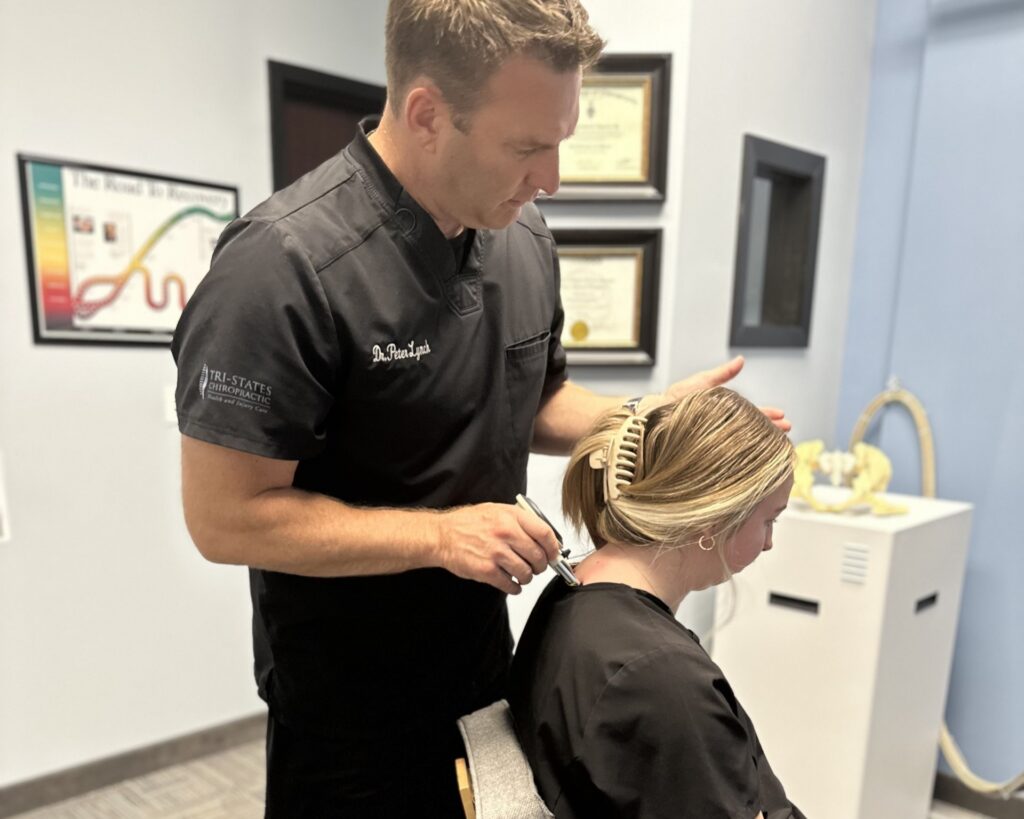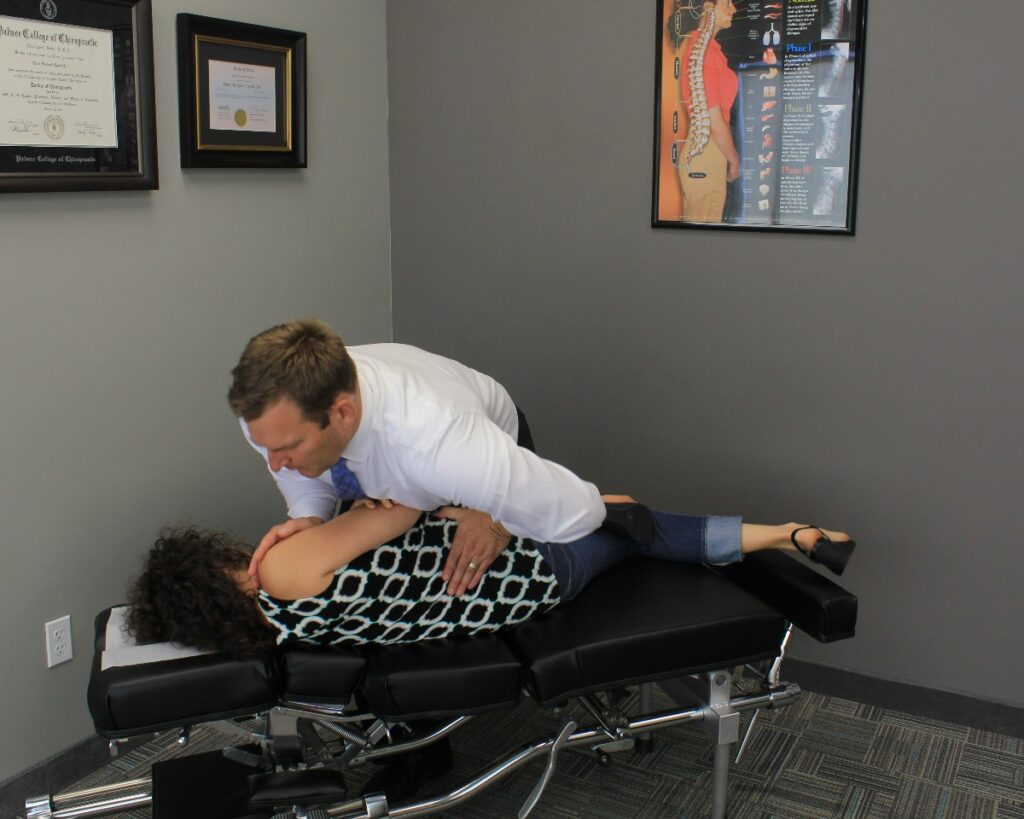
If you’re dealing with tension headaches, you’re certainly not alone. Many individuals experience this discomfort due to stress, poor posture, or muscle tension. Fortunately, there are several effective techniques that can help you find relief, and chiropractic care is one of the best options available. By focusing on spinal health and overall wellness, chiropractic care addresses the root causes of tension headaches, helping you achieve lasting relief.
In addition to chiropractic adjustments, here are some practical strategies you can incorporate into your daily routine to alleviate tension headaches:
- Posture Awareness: Pay attention to your posture, especially if you spend long hours sitting at a desk. Make sure your workstation is set up ergonomically to reduce strain on your neck and back.
- Regular Stretching: Gentle neck and shoulder stretches can help relieve tension. Try rolling your shoulders back and forth or gently tilting your head from side to side.
- Hydration: Staying well-hydrated is essential for overall health, including headache prevention. Be sure to drink plenty of water throughout the day.
- Stress Management: Incorporate relaxation techniques such as deep breathing, meditation, or yoga into your routine. These practices can help reduce stress and alleviate headache symptoms.
- Heat Therapy: Applying a warm compress or heating pad to your neck and shoulders can help relax tight muscles and ease tension.
- Regular Chiropractic Visits: Regular adjustments by a chiropractor can help maintain proper spinal alignment and reduce the frequency and severity of tension headaches.
By focusing on these strategies and incorporating chiropractic care into your wellness routine, you can take significant steps towards relieving tension headaches and enhancing your overall health. Remember, small adjustments can lead to a big difference in how you feel!
Key Takeaways
- Practice deep breathing exercises to help reduce stress and promote relaxation. This simple technique can alleviate headache symptoms and is a natural way to support your overall well-being.
- Engage in regular physical exercise and gentle stretching, especially focusing on the neck and shoulders. This not only helps release endorphins but also relieves muscle tension, which can be a major contributor to headaches. Chiropractic care can further enhance your physical activity by ensuring your spine is properly aligned.
- Incorporate progressive muscle relaxation techniques into your routine. This method helps you systematically relax the tension in your body, which can significantly reduce the intensity of headaches. A chiropractor can guide you on how to integrate these techniques with spinal health.
- Maintain proper posture and ergonomics at your workspace to minimize strain on your neck and spine. This is crucial in preventing headache triggers. Regular chiropractic adjustments can support good posture and help prevent headaches from occurring in the first place.
- Stay hydrated and be mindful of your diet by avoiding foods that might trigger headaches. Consistent sleep patterns also play a vital role in your overall health and headache prevention. Chiropractic care can assist in improving your sleep quality by ensuring your body is in optimal alignment.
By incorporating these tips and considering chiropractic care, you can take proactive steps toward relieving tension headaches and promoting a healthier, more balanced lifestyle.
Understanding Tension Headaches
Tension headaches, often described as a dull, aching pain around your head, are among the most common types of headaches experienced by many. You might feel tightness in your forehead, temples, or the back of your neck, which can lead to significant discomfort. These headaches can arise from various factors, such as stress, poor posture, and muscle tension. They often develop gradually, building in intensity throughout the day.
As a chiropractor, I believe that understanding the triggers of tension headaches is key to managing and preventing them. When you’re under pressure or feeling anxious, your body tends to tense up, leading to discomfort. Additionally, factors like lack of sleep, dehydration, or even skipping meals can contribute to the onset of these headaches. By paying attention to your habits and environment, you can start to recognize patterns that lead to tension headaches.
Chiropractic care can be a powerful tool in addressing the root causes of tension headaches. Regular spinal adjustments help to relieve muscle tension, improve posture, and promote better alignment of the spine, which can significantly reduce the frequency and intensity of headaches. Not only does chiropractic care aim to alleviate pain, but it also fosters a holistic approach to wellness.
Here are some general tips to help you manage tension headaches and improve your overall well-being:
- Stay Hydrated: Ensure you’re drinking enough water throughout the day to prevent dehydration, which can trigger headaches.
- Practice Good Posture: Be mindful of your posture, especially when sitting for long periods. Consider ergonomic furniture to support your spine.
- Incorporate Relaxation Techniques: Engage in relaxation practices such as deep breathing, yoga, or meditation to help reduce stress and tension levels.
- Get Regular Exercise: Regular physical activity can relieve stress and improve muscle tension, contributing to headache prevention.
- Prioritize Sleep: Aim for a consistent sleep schedule and ensure you’re getting quality rest to help your body recover and reduce tension.
- Consider Chiropractic Care: Regular visits to a chiropractor can help keep your spine aligned and reduce tension in your muscles, leading to fewer headaches.
By understanding the factors that contribute to tension headaches and incorporating these healthy habits into your routine, you can empower yourself to take control of your health. Chiropractic care stands out as an effective, natural method of achieving optimal wellness and pain relief.
If you’re struggling with tension headaches, consider scheduling a consultation to explore how chiropractic care can help you feel better and live healthier.
Relaxation Techniques
When tension headaches strike, incorporating relaxation techniques can be a great complement to chiropractic care. These methods not only help alleviate pain but also promote overall well-being.
Deep breathing exercises can help you center your thoughts and reduce stress. Progressive muscle relaxation allows you to release tension throughout your body, which may contribute to headache relief. Guided imagery techniques can also be effective, helping you visualize a peaceful place to escape the discomfort.
In addition to these techniques, it’s essential to maintain good spinal health. Regular chiropractic adjustments can help ensure your spine is aligned, which supports your nervous system and can reduce the frequency and intensity of tension headaches.
Here are some general tips to help you manage tension headaches:
- Stay Hydrated: Dehydration can lead to headaches, so drink plenty of water throughout the day.
- Practice Good Posture: Poor posture can contribute to tension in your neck and shoulders. Be mindful of your posture when sitting or standing.
- Take Breaks: If you spend long hours at a desk, take short breaks to stretch and move around.
- Manage Stress: Incorporate stress-reducing activities into your daily routine, such as yoga, meditation, or gentle exercise.
- Sleep Well: Aim for a consistent sleep schedule and ensure your sleeping position supports your spine.
By practicing these relaxation techniques and maintaining good spinal health through chiropractic care, you can find natural relief from tension headaches and enhance your overall wellness.
Deep Breathing Exercises
Deep breathing exercises can be an excellent way to alleviate the discomfort of tension headaches, and they complement chiropractic care perfectly. By focusing on your breath, you not only soothe your mind but also help to relax the muscles surrounding your spine and neck, areas often affected by tension.
Here are three simple techniques you can incorporate into your daily routine:
- Diaphragmatic Breathing: Find a comfortable position, whether sitting or lying down. Place one hand on your chest and the other on your belly. Take a deep breath in through your nose, allowing your belly to rise as you fill your lungs. Then, exhale slowly through your mouth. This method encourages relaxation and can enhance the benefits of your chiropractic adjustments.
- 4-7-8 Technique: This technique is a great way to promote relaxation by regulating your breathing. Inhale deeply for 4 seconds, hold your breath for 7 seconds, and then exhale slowly for 8 seconds. This rhythmic breathing can help calm your nervous system, making it easier to manage stress and tension that often lead to headaches.
- Box Breathing: This technique can help clear your mind and enhance your focus. Inhale for 4 seconds, hold that breath for 4 seconds, exhale for 4 seconds, and hold again for 4 seconds. Repeat this cycle several times. It’s a great way to not only relieve tension but also to prepare your body for the healing benefits of chiropractic care.
Incorporating these breathing techniques into your day-to-day life can help you find relief from tension headaches and improve your overall health.
Progressive Muscle Relaxation
Progressive Muscle Relaxation (PMR) is a fantastic technique that can help you manage tension headaches naturally. As a chiropractor, I believe in empowering you with tools to relieve discomfort and promote your overall well-being. PMR allows you to consciously release muscle tightness throughout your body, which can be particularly beneficial for alleviating headache symptoms.
To practice PMR, start by finding a quiet and comfortable space where you can sit or lie down without distractions. Begin with your feet—tense the muscles for about five seconds and then let them relax completely. Gradually move up to your legs, abdomen, arms, and face, repeating the same process of tensing and relaxing. As you do this, pay attention to the difference between tension and relaxation. This awareness helps you connect with how your body feels, leading to a deeper release of tightness.
As you continue with PMR, you may notice a significant decrease in muscle tension, which can help alleviate your headaches. Incorporating PMR into your daily routine not only promotes relaxation but also supports your journey toward optimal health.
Remember, regular chiropractic care can also play a crucial role in maintaining a healthy spine and overall wellness, further enhancing your ability to manage stress and tension in your life.
In addition to PMR, here are a few simple tips to enhance your relaxation and reduce headache symptoms:
- Stay Hydrated: Dehydration can contribute to headaches, so make sure you’re drinking enough water throughout the day.
- Maintain Good Posture: Poor posture can lead to muscle tension and headaches. Be mindful of how you sit and stand, especially if you work at a desk.
- Take Breaks: If you’re engaged in prolonged activities, take regular breaks to stretch and move around.
- Practice Deep Breathing: Incorporating deep breathing exercises can help reduce stress and promote relaxation.
By embracing these techniques alongside regular chiropractic care, you can take proactive steps toward a healthier, pain-free life.
Guided Imagery Techniques
In addition to Progressive Muscle Relaxation, guided imagery techniques can be a fantastic way to alleviate tension headaches naturally.
As a chiropractor, I understand the importance of holistic approaches to wellness, and guided imagery can complement your journey toward optimal health. This method involves visualizing calming scenes to promote relaxation and reduce pain.
Here’s how you can practice it:
- Choose Your Scene: Picture a peaceful place—whether it’s a serene beach, a tranquil forest, or a cozy mountain cabin. Focus on the details; imagine what you see, hear, and smell in this calming environment.
- Engage Your Senses: As you visualize, fully immerse yourself in the sensations. Feel the warmth of the sun on your skin or the gentle rustle of leaves in the breeze. Engaging your senses helps shift your mind away from pain.
- Breathe Deeply: Inhale slowly and deeply, allowing your body to relax with each breath. As you exhale, visualize tension and discomfort leaving your body. Deep breathing not only calms your mind but also supports spinal health by providing oxygen to your muscles.
Incorporating guided imagery into your routine can be a simple and effective way to manage tension headaches without the need for medications or invasive procedures.
Remember, chiropractic care is also a powerful tool in addressing the root causes of headaches, so consider scheduling an appointment to ensure your spine is aligned and functioning optimally.
Together, we can work towards a healthier, pain-free life!
Lifestyle Modifications
Managing tension headaches can often feel overwhelming, but with some simple lifestyle modifications, you can make a significant impact on your overall well-being. One of the first steps is to focus on your hydration. Drinking plenty of water throughout the day not only keeps you hydrated but also helps to prevent dehydration, a common trigger for headaches.
Next, let’s talk about sleep. Maintaining a consistent sleep schedule is crucial for your body to recharge properly. Aim for a good night’s rest each night, as quality sleep can greatly influence your overall health and help reduce headache frequency.
Stress is another major factor in tension headaches. Incorporating relaxation techniques such as deep breathing exercises or mindfulness practices into your daily routine can help manage stress levels. This is where chiropractic care can also play a vital role; regular adjustments can help alleviate tension in your body, promoting a more relaxed state.
Don’t forget about your posture, especially if you spend long hours at a desk. Proper ergonomics can greatly improve your spinal alignment and reduce strain on your neck and shoulders, which are often contributing factors to tension headaches. Consider visiting a chiropractor for personalized advice on how to set up your workstation for optimal posture.
Lastly, be mindful of your caffeine consumption. While a little caffeine can be beneficial for some, too much can lead to headaches. Finding the right balance is key.
Physical Exercise and Stretching
Engaging in regular physical exercise and stretching is vital for maintaining optimal health and can significantly reduce the frequency and intensity of tension headaches.
As a chiropractor, I believe that chiropractic care, combined with healthy lifestyle choices, is the best approach for natural healing and wellness. Here are three effective strategies you can easily incorporate into your daily routine:
1. Aerobic Exercise: Activities such as walking, jogging, or cycling aren’t only enjoyable but also elevate your heart rate. This increase in activity releases endorphins—your body’s natural pain relievers—which can help ease headache symptoms. Aim for at least 150 minutes of moderate exercise each week.
Remember, consistency is key to reaping the benefits!
2. Stretching Exercises: Pay special attention to your neck, shoulders, and upper back—areas that often hold tension. Gentle stretching can release tightness and promote relaxation.
Consider incorporating simple stretches throughout your day, especially if you spend long hours sitting or working at a desk.
3. Mind-Body Practices: Practices such as yoga or Pilates can be incredibly beneficial. They not only involve physical movement but also incorporate breathing techniques that enhance both your physical and mental well-being.
These practices can complement your chiropractic treatments, helping to align your body and mind for overall health.
By prioritizing these natural methods, you can enhance your wellness journey and reduce headache occurrences.
Remember, regular chiropractic adjustments can further support your body’s alignment and help you achieve a pain-free life.
Embrace these strategies and enjoy the benefits of a healthier, more vibrant you!
Dietary Considerations
Understanding how your diet impacts tension headaches can be a game-changer for managing discomfort and enhancing your overall well-being. As a chiropractor, I believe that natural healing starts with mindful choices, including what we eat. Certain foods might trigger headaches, so it’s essential to pay attention to your diet. Common culprits include aged cheeses, processed meats, and foods containing MSG.
Keeping a food diary can be a helpful tool to identify any patterns between your meals and headache occurrences.
On the flip side, incorporating magnesium-rich foods like spinach, nuts, and whole grains can help reduce headache frequency. These nutrient-dense foods support not just your head but your whole body, promoting a healthier spine and nervous system.
Staying well-hydrated is vital too; dehydration often leads to headaches, so make sure to drink plenty of water throughout the day.
Additionally, maintaining balanced blood sugar levels by consuming regular meals and healthy snacks can prevent energy dips that may trigger tension headaches. This balance supports your body’s natural functions and can help keep discomfort at bay.
By making these mindful dietary choices, you can take significant steps toward alleviating tension headaches.
When to Seek Professional Help
When should you consider seeking professional help for tension headaches? As a local chiropractor, I believe that understanding the signs that indicate it’s time to seek assistance is crucial for your overall wellness. If you find that your headaches are persistent or worsening, it’s wise to explore natural healing options, such as chiropractic care.
Here are three key indicators that suggest you should reach out to a healthcare provider, specifically a chiropractor, for help:
- Frequency: If your headaches occur more than twice a week or are interfering with your daily activities, it’s an excellent opportunity to get evaluated through a chiropractic assessment. Regular adjustments can help alleviate tension and improve your overall well-being.
- Severity: When your headaches become more painful or if you find that lifestyle changes and home remedies aren’t bringing relief, it’s essential to consider the benefits of chiropractic care. Our holistic approach can address underlying issues contributing to your pain.
- Accompanying Symptoms: If you experience other symptoms such as changes in vision, nausea, or sensory disturbances along with your headaches, don’t hesitate to reach out to a chiropractor. We can help assess these symptoms and provide tailored treatment plans that focus on natural healing.
In addition to seeking professional help, there are some general tips you can incorporate into your daily routine to help manage tension headaches naturally:
- Practice Good Posture: Maintaining proper posture can reduce strain on your neck and spine, which may help prevent headaches.
- Stay Hydrated: Dehydration can trigger headaches, so make sure you’re drinking enough water throughout the day.
- Incorporate Relaxation Techniques: Stress is a common trigger for tension headaches. Try mindfulness, deep breathing exercises, or gentle stretching to promote relaxation.
- Prioritize Sleep: Aim for consistent sleep patterns to ensure your body is well-rested and resilient against headaches.
Chiropractic care focuses on the root causes of your discomfort and emphasizes natural, non-invasive treatments to achieve optimal health. If you’re experiencing frequent tension headaches, consider reaching out to a chiropractor for a personalized approach to pain relief and wellness.