Back pain is a common issue, but it doesn’t have to be a part of your life. As a chiropractor, I want you to know that there are simple lifestyle changes you can make to significantly reduce your risk of experiencing back pain. Focusing on your posture, incorporating regular exercise, and establishing better sleep habits can all play a vital role in your overall well-being.
One of the most important steps you can take is to evaluate how you set up your workspace. An ergonomic setup can help maintain proper spinal alignment and reduce strain on your back. Remember, your spine is the foundation of your body’s health, so treating it well is essential.
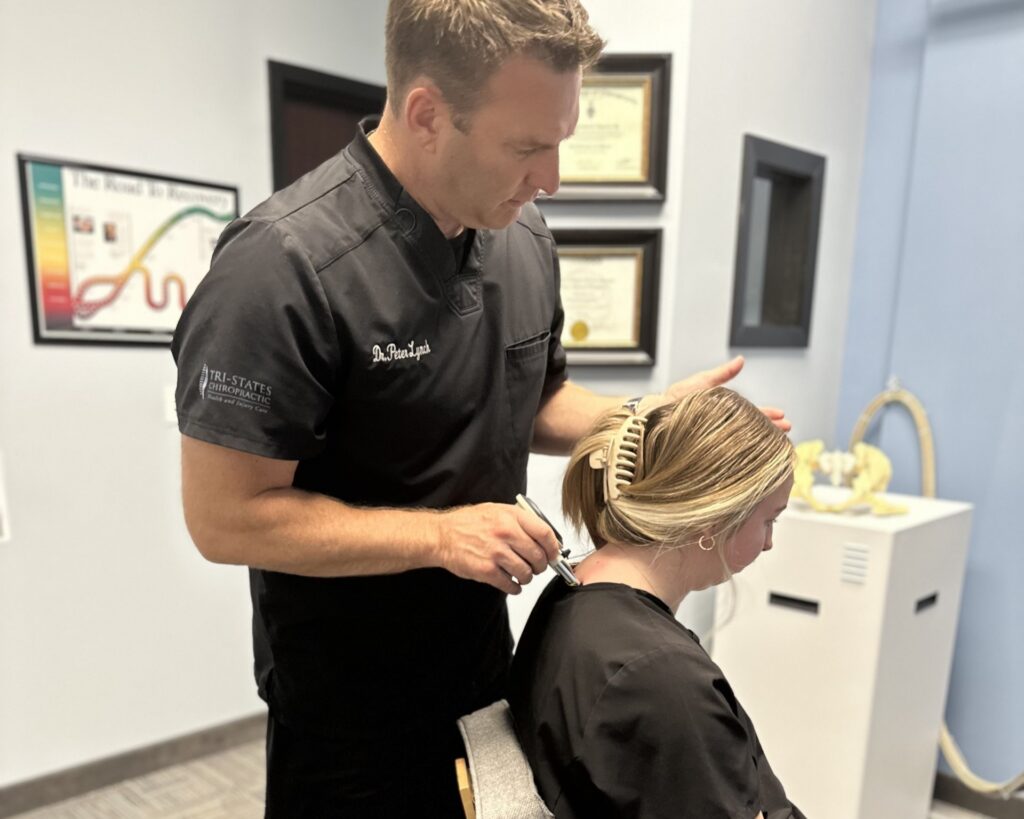
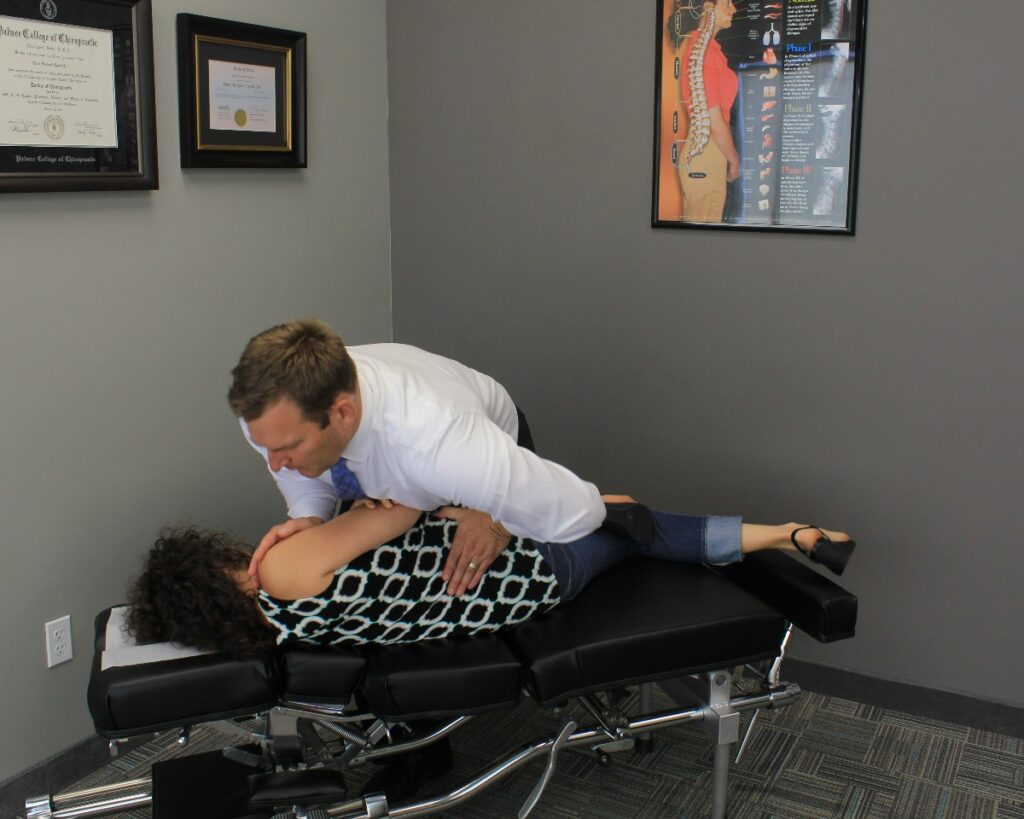
Additionally, regular chiropractic care can help keep your spine in optimal condition, ensuring that your nervous system functions at its best. This natural approach not only alleviates pain but also promotes overall health and wellness.
Let’s explore some simple tips to help transform your daily routine:
- Mind Your Posture: Whether sitting or standing, always be conscious of your posture. Keep your shoulders back, and your spine straight. If you work at a desk, ensure your chair supports your lower back.
- Stay Active: Incorporate regular physical activity into your routine. Gentle exercises like walking, swimming, or yoga can strengthen your core muscles and improve flexibility, which helps support your spine.
- Prioritize Sleep: Aim for a good night’s sleep by investing in a supportive mattress and pillow. Sleep on your side with a pillow between your knees for optimal spinal alignment.
- Regular Chiropractic Visits: Make chiropractic care a regular part of your health routine. Adjustments can help correct misalignments, reduce pain, and improve your overall quality of life.
- Take Breaks: If you’re sitting for long periods, take frequent breaks to stand, stretch, and walk around. This helps reduce tension in your back and promotes better circulation.
By implementing these changes and prioritizing your spinal health through chiropractic care, you can significantly reduce the likelihood of back pain and enhance your overall quality of life. Remember, your spine is your lifeline—take care of it!
Key Takeaways
As a local chiropractor, I want to share some valuable lifestyle changes that can help prevent back pain and promote overall wellness. Making these adjustments not only supports your spine but can also enhance your quality of life.
- Maintain Proper Posture: Be mindful of your posture throughout the day. Engage your core muscles and keep your shoulders back to support the natural alignment of your spine. Good posture can greatly reduce the risk of back pain.
- Ergonomic Workspace: If you spend a lot of time at a desk, make sure your workspace is set up to promote a neutral spine. Your chair should support your lower back, and your desk should be at a height that allows your arms to rest comfortably. This will help you avoid unnecessary strain on your back while working.
- Stay Active: Regular physical activity is essential for a healthy back. Aim for at least 150 minutes of moderate exercise each week. Activities like walking, swimming, or yoga can strengthen your muscles and improve your flexibility, which supports your spine.
- Eat a Balanced Diet and Stay Hydrated: Nourishing your body with a balanced diet and drinking plenty of water can help maintain a healthy weight. This is crucial, as excess weight can put added strain on your spine. Focus on whole foods, such as fruits, vegetables, lean proteins, and whole grains.
- Manage Stress: Stress can lead to muscle tension, which may contribute to back pain. Incorporate stress management techniques into your routine, such as deep breathing exercises, yoga, or meditation. These practices not only promote relaxation but can also help keep your muscles loose and flexible.
Remember, chiropractic care is an excellent way to support your journey to optimal health. Regular chiropractic adjustments can help keep your spine aligned and functioning properly, reducing the risk of pain and discomfort. By making these lifestyle changes and prioritizing your spinal health, you’re taking proactive steps toward a healthier, pain-free life.
Understanding the Importance of Posture
When you sit or stand with proper posture, you not only support your spine but also enhance your overall well-being.
Good posture helps distribute your body weight evenly, reducing strain on your muscles and ligaments.
Many people don’t realize that slouching or leaning forward can lead to muscle fatigue and discomfort. By keeping your shoulders back and your spine aligned, you allow your body to function more efficiently, and this is where chiropractic care can play a vital role.
Chiropractic adjustments can help correct misalignments in your spine, making it easier to maintain good posture. This not only alleviates pain but also promotes a healthier lifestyle.
Proper posture improves your breathing and circulation, which can boost your energy levels. When your spine is aligned, your nervous system works better, leading to increased overall vitality.
Being mindful of your posture also projects confidence and poise, which can positively affect how others perceive you.
Remember, it’s not just about avoiding pain; it’s about embracing a healthier lifestyle overall. Incorporating chiropractic care into your routine can help you achieve this.
Here are some simple tips you can practice daily to improve your posture:
- Check Your Workspace: Ensure your chair and desk are at the right height. Your feet should be flat on the floor, and your screen should be at eye level.
- Take Breaks: If you sit for long periods, take short breaks to stand up, stretch, and reset your posture.
- Engage Your Core: Strengthening your core muscles can provide better support for your spine.
- Use Supportive Seating: When sitting, choose chairs that provide good lumbar support, or consider using cushions designed to promote proper posture.
- Stay Active: Regular physical activity can strengthen your muscles and improve your flexibility, which supports better posture.
By making these small adjustments and considering chiropractic care, you can prevent back pain and promote a more active and engaged life.
Take the time to check in with your posture throughout the day – your body will thank you!
Incorporating Regular Physical Activity
Regularly incorporating physical activity into your daily routine is crucial for preventing back pain and achieving optimal health. As a chiropractor, I can’t emphasize enough how engaging in activities like walking, swimming, or cycling can enhance your flexibility and strengthen the muscles that support your spine. Aim for at least 150 minutes of moderate aerobic exercise each week. You can break this down into manageable sessions that fit your lifestyle.
Remember to include simple stretching exercises before and after your workouts. These stretches can significantly enhance your range of motion and help keep your spine healthy. Even taking a moment to stand up and stretch during long periods of sitting can have a positive impact on your back health.
Choosing low-impact exercises is particularly beneficial, as they reduce strain on your back while still offering significant health benefits. Always listen to your body—if you start to feel discomfort, it’s important to adjust your activities accordingly.
Incorporating chiropractic care into your wellness routine can further enhance these benefits. Regular adjustments can help align your spine and improve your body’s overall function, making it easier for you to stay active and pain-free. By making physical activity a regular part of your life and considering chiropractic care, you not only lessen your risk of back pain but also promote your overall well-being. Stay active, and you’ll be on your way to a healthier, more vibrant lifestyle!
Strengthening Core Muscles
Strengthening your core muscles is essential for maintaining stability and preventing back pain, especially as we navigate our daily lives. A strong core not only supports your spine but also enhances overall body function, making everyday activities easier and more enjoyable. As a local chiropractor, I want to share how integrating specific exercises into your routine, along with healthy habits, can help you build a resilient core and promote natural healing.
Core stability is crucial because it helps protect your spine and reduce the risk of injury. When your core is strong, it provides a solid foundation for movement, allowing you to maintain proper posture and alignment. This is where chiropractic care plays a vital role. Regular chiropractic adjustments can enhance your spinal health, allowing your core muscles to work more effectively.
Here are some effective exercises to help strengthen your core:
- Planks: Hold a plank position for 30 seconds to a minute. This engages multiple core muscles and promotes stability.
- Bird-Dogs: From a tabletop position, extend one arm and the opposite leg, then switch. This helps improve balance and coordination.
- Bridges: Lying on your back with your knees bent, lift your hips towards the ceiling. This targets your glutes and lower back, supporting your spine.
- Seated Russian Twists: Sit on the floor, lean back slightly, and twist your torso side to side. This strengthens the obliques and improves rotational stability.
In addition to these exercises, consider these general tips for nurturing your core health:
- Practice good posture: Whether sitting or standing, maintaining proper alignment can significantly benefit your core and spine.
- Stay active: Incorporate movement into your daily routine, whether it’s walking, stretching, or engaging in physical activities you enjoy.
- Listen to your body: If you experience discomfort or pain, don’t hesitate to consult a chiropractor. They can provide personalized care and guidance tailored to your needs.
Importance of Core Stability
Core stability is essential for preventing back pain and maintaining a healthy spine. When your core muscles are strong and well-coordinated, they provide crucial support for your spine and help improve your overall body mechanics. This support helps you maintain proper posture and alignment, which can significantly reduce the stress placed on your back.
By focusing on strengthening your core, you’ll notice that everyday activities, like sitting at your desk or lifting objects, become much easier. A stable core also enhances your balance and coordination, which can help prevent falls and injuries.
As a chiropractor, I encourage you to prioritize core stability as part of your wellness routine. Not only does it protect your back, but it also boosts your overall physical performance, contributing to a healthier lifestyle.
Here are a few simple tips to help you strengthen your core:
- Practice Good Posture: Sit and stand up straight. Imagine a string pulling your head up toward the ceiling. Good posture engages your core muscles.
- Engage Your Core: When sitting or standing, try pulling your belly button toward your spine. This simple action activates your core muscles.
- Include Core Exercises: Simple exercises like planks, bridges, and gentle yoga poses can help build core strength. You can start with just a few minutes a day.
- Stay Active: Regular physical activity, such as walking or swimming, can help keep your core engaged and your body strong.
- Listen to Your Body: If you experience discomfort while exercising, it’s important to stop and consult a chiropractor to ensure you’re using the right techniques.
Recommended Core Exercises
To effectively build your core muscles and support your spinal health, it’s important to include a variety of targeted exercises in your routine. A strong core not only enhances your overall stability but also helps prevent back pain, making chiropractic care even more beneficial for your well-being.
Start with planks, which are fantastic for engaging multiple muscle groups and improving your stability. These exercises create a solid foundation that can alleviate strain on your spine. Side planks are particularly good for targeting your obliques, which play a crucial role in maintaining balance.
Incorporate bridges into your routine as well; they strengthen your lower back and glutes, both of which are essential for a healthy spine. Bicycle crunches are another great option, as they effectively work your entire core while also enhancing coordination. For those looking to develop their lower abdominal muscles, leg raises can be very effective, while bird-dogs are excellent for improving balance and stability.
Aim for two to three sets of each exercise, holding positions for 20-30 seconds or completing 10-15 repetitions. As you engage in these core exercises, remember that they not only strengthen your muscles but also support your spine, reducing the risk of discomfort.
In addition to these exercises, consider scheduling regular visits with your chiropractor. Chiropractic care can help ensure that your spine is aligned and functioning properly, which enhances the benefits of your core workouts. By integrating these practices into your routine, you’ll be taking significant steps toward achieving optimal health and natural wellness.
Daily Habits for Strength
Incorporating simple daily habits into your routine can significantly enhance your core strength and overall stability, which is essential for maintaining a healthy spine. As a chiropractor, I always emphasize the importance of a strong core in supporting your back and preventing pain. Here are some easy ways to engage your core and promote better spinal health:
- Engage Your Core: Throughout your day, make a conscious effort to pull your belly button toward your spine. This simple action can help activate your core muscles, providing better support for your spine while you stand or sit.
- Mindful Posture: When sitting at your desk, ensure that your chair provides adequate lower back support. This will help you maintain a healthy posture, which is crucial for spinal alignment.
- Walk with Purpose: Aim to walk briskly for at least 30 minutes a day. While walking, focus on keeping a strong posture—shoulders back, head up, and core engaged. This not only benefits your core but also contributes to your overall health.
- Incorporate Short Workouts: Try to include core-strengthening exercises like planks or bridges into your routine 3-4 times a week. These exercises are effective for reinforcing your core and can be done in the comfort of your home.
Here’s a handy table to help you remember these effective habits:
| Habit | Description | Frequency |
|---|---|---|
| Engage Core | Pull in your belly button | All day long |
| Mindful Posture | Use a supportive chair at your desk | Daily at work |
| Walk with Purpose | Maintain strong posture while walking | 30 minutes daily |
| Short Workouts | Include planks or bridges | 3-4 times a week |
Ergonomic Workspaces for Better Support
To effectively alleviate back pain at work, it’s essential to pay close attention to your workspace setup. One of the first steps is to adjust your desk height to ensure that it promotes a neutral spine position. Your chair should also provide proper lumbar support, encouraging the natural curve of your lower back. These ergonomic adjustments can create a more comfortable and supportive environment, reducing strain on your spine.
In addition to optimizing your workspace, consider incorporating regular movement into your day. Taking short breaks to stretch or walk can significantly enhance your overall well-being. Remember, chiropractic care is an excellent choice for addressing back pain and promoting natural healing. By working with a chiropractor, you can gain valuable insights into maintaining spinal health and preventing future discomfort. Prioritizing these healthful practices will lead you toward a more balanced and pain-free life.
Desk Height Adjustment
Adjusting your desk height can significantly contribute to your overall comfort and help prevent back pain, especially during those long hours of work. When your desk is at the right height, it allows your arms to rest comfortably, which in turn reduces strain on your shoulders and neck. Aim for your elbows to form a 90-degree angle while typing, and keep your wrists straight to maintain a healthy posture.
If your desk is too high or too low, you may find yourself slouching or reaching awkwardly, which can lead to discomfort and tension in your spine. A great way to promote natural healing and wellness is to consider using a height-adjustable desk or adding risers to reach that ideal position.
Remember to regularly check your workstation setup to ensure it meets your needs. A well-adjusted workspace not only enhances your productivity but also supports your spinal health. By prioritizing your desk height, you’re taking a proactive step towards a healthier lifestyle, which aligns beautifully with the principles of chiropractic care.
Chiropractic care focuses on maintaining optimal spinal alignment and overall wellness, helping you manage pain naturally without the need for medications or invasive procedures. By making simple adjustments to your workspace, you can complement your chiropractic treatment and improve your quality of life. Keep these tips in mind as you strive for a healthier living environment!
Chair Lumbar Support
Proper lumbar support is crucial for maintaining good posture and preventing back pain, especially during long hours at your desk. A thoughtfully designed chair can significantly contribute to your spinal health. When choosing a chair, look for features that provide the right support for your lower back. This alignment helps keep your spine in its natural position, reducing strain and discomfort.
Here are some key features to consider, along with their benefits:
| Feature | Benefit |
|---|---|
| Adjustable Lumbar | Allows you to customize support to fit your back’s unique curve, promoting better alignment. |
| Firm Cushioning | Encourages proper posture, which is essential for overall spinal health. |
| Height Adjustment | Ensures your chair aligns with your desk height, helping you maintain a neutral spine while working. |
| Recline Function | Helps reduce pressure on your spine during breaks, allowing for natural relaxation. |
Investing in a chair with proper lumbar support is essential for your well-being. While it enhances comfort, it also allows you to focus on your tasks without the distraction of back pain.
Remember, chiropractic care is a natural and effective way to address back pain and improve your overall health. Regular adjustments can help keep your spine aligned, support your body’s natural healing abilities, and contribute to a healthier lifestyle. Additionally, practicing good posture and taking frequent breaks to stretch can work wonders for your back.
Maintaining a Healthy Weight
Maintaining a healthy weight is crucial for preventing back pain, as extra weight can place significant strain on your spine and muscles. When you carry additional pounds, your body has to exert more effort to support your movements, which can lead to increased pressure on your back. One of the best ways to achieve and maintain a healthy weight is through a balanced diet filled with fresh fruits, vegetables, lean proteins, and whole grains.
Regular exercise plays a vital role as well. Aim for a combination of cardio, strength training, and flexibility exercises to keep your body strong and agile. These activities not only help manage your weight but also enhance your overall spinal health. Remember, staying hydrated is essential; drinking enough water supports your overall health and can assist in weight management.
Monitoring portion sizes is another effective strategy to prevent overeating. Setting realistic goals and tracking your progress can help keep you motivated on your journey to better health.
Incorporating chiropractic care into your wellness routine can also be a game-changer. Regular chiropractic adjustments can improve your posture, relieve tension, and enhance your body’s ability to function optimally. By making these lifestyle changes and considering chiropractic care, you’ll not only lower your risk of back pain but also boost your overall well-being. Embrace these tips, and take steps toward a healthier, pain-free life!
Practicing Stress Management Techniques
Achieving a healthy weight is important for your overall well-being, but it’s just one piece of the puzzle when it comes to preventing back pain. One of the most effective ways to support your spine and overall health is by practicing stress management techniques. Stress can lead to muscle tension, especially around your back, which can contribute to discomfort and pain.
Incorporating relaxation practices such as deep breathing, meditation, or yoga into your daily routine can help you effectively manage stress. For instance, try setting aside a few minutes each day to focus on your breath or do some gentle stretches. These practices can help ease tension in your muscles and promote relaxation.
Regular physical activity, such as going for a brisk walk, is also beneficial for stress relief. Movement not only releases endorphins, which are natural mood lifters, but it also helps keep your spine healthy. If you ever feel like stress is becoming too much to handle, consider reaching out to a therapist or counselor who can provide personalized support.
Ensuring Proper Sleep Positioning
As a local chiropractor, I want to share how your sleep position can significantly affect your back health. The way you sleep matters, and making a few adjustments can relieve pressure on your spine and help prevent pain.
If you sleep on your back, placing a pillow under your knees can maintain the natural curve of your lower back, providing better support. For side sleepers, tucking a pillow between your knees helps keep your hips aligned, which is crucial for spinal health. If you’re a stomach sleeper, I encourage you to consider changing your position, as sleeping on your stomach can strain your neck and spine.
Investing in a supportive mattress is also key. It should be firm enough to support your body without causing discomfort. Alongside that, ensure your pillow’s height and firmness keep your neck aligned with your spine, promoting a healthier posture while you sleep.
These small adjustments can greatly reduce your risk of back pain and enhance your overall sleep quality. Remember, chiropractic care is an excellent option for achieving optimal health and wellness. By focusing on natural healing and proper alignment, we can help you live a pain-free life. If you have any questions or need personalized advice, don’t hesitate to reach out!
Staying Hydrated and Eating a Balanced Diet
Staying hydrated and eating a balanced diet are vital steps in supporting your spine and preventing back pain. By nourishing your body with the right foods and ensuring you drink enough water, you can significantly reduce discomfort and enhance your overall well-being. Here’s how you can make a positive impact on your health:
- Load up on fresh fruits and vegetables: These are rich in vitamins and minerals that bolster tissue health, which is crucial for a strong spine. Think of colorful options like berries, leafy greens, and oranges to maximize your intake.
- Incorporate lean proteins: Foods such as chicken, fish, and legumes are excellent for building strong muscles that provide essential support for your back. Strong muscles help maintain good posture and reduce the likelihood of pain.
- Choose whole grains: Foods like brown rice, quinoa, and whole grain bread are packed with energy and fiber that keep your body functioning optimally. A well-fueled body is better equipped to handle daily activities without strain.
- Stay adequately hydrated: Drinking plenty of water is essential for maintaining the health of your spinal discs. Proper hydration ensures flexibility and helps to decrease unnecessary strain on your back.
As a chiropractor, I want to emphasize that these lifestyle choices complement regular chiropractic care, which is an excellent way to achieve optimal health and natural pain relief.
By focusing on a holistic approach that includes diet, hydration, and chiropractic adjustments, you can support your spine, enhance your overall health, and enjoy a pain-free life.