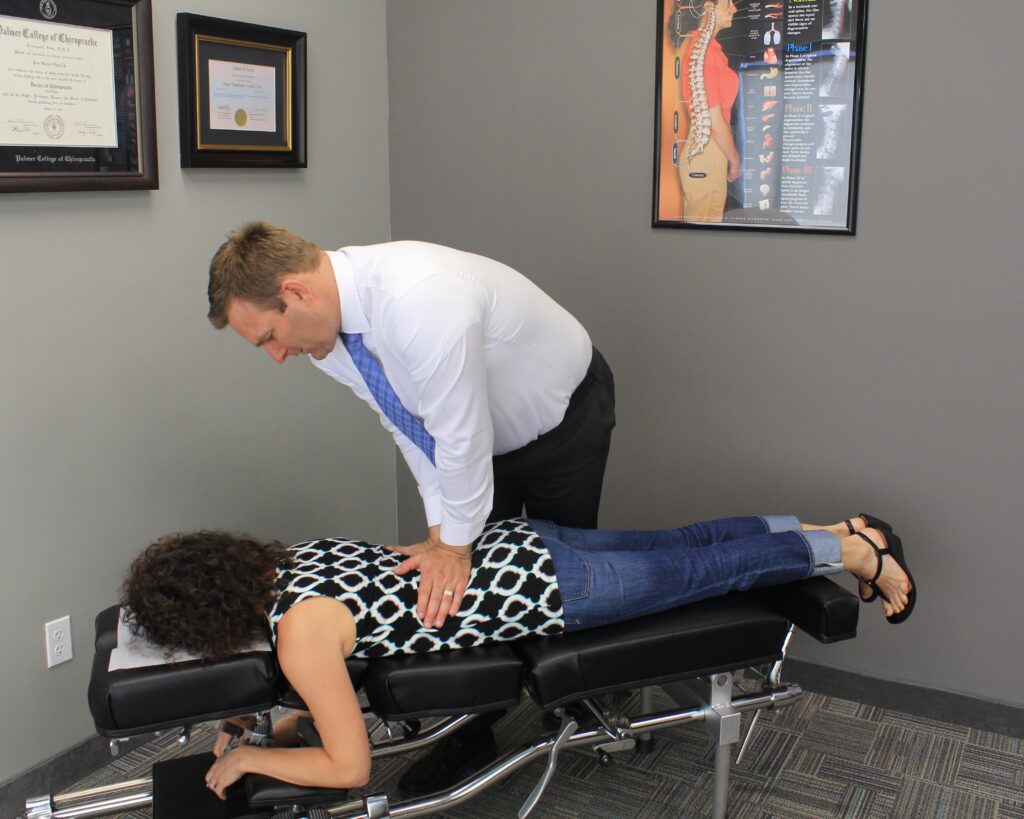
As a local chiropractor dedicated to helping you manage chronic pain, I want to emphasize the importance of preventive care in your journey toward relief.
You may be surprised to learn how proactive measures can significantly reduce flare-ups and enhance your overall quality of life. By incorporating regular assessments, tailored treatment plans, and lifestyle changes, we can make a substantial impact on your pain management.
Many individuals underestimate the power of early intervention strategies, such as chiropractic adjustments and the mind-body connection.
Understanding how these elements work together can be crucial in finding a more effective approach to managing your pain. I encourage you to consider what steps we can take together to improve your health and well-being.
What do you think would be a good starting point for us to explore?
Understanding Chronic Pain
Chronic pain is not just a symptom; it's a multifaceted condition that significantly impacts both your physical and emotional health. As a chiropractor, I want to emphasize that chronic pain often persists even after the initial injury or illness has healed. This can leave you navigating your daily life with discomfort that can be exhausting and isolating. The sources of this persistent pain can vary widely, including injuries, arthritis, fibromyalgia, or conditions like neuropathy, and it can present itself in different ways, such as aching, burning, or sharp sensations.
It's important to understand that chronic pain is not solely a physical experience. It carries substantial emotional repercussions as well. You may find yourself feeling anxious, depressed, or frustrated as you confront the limitations that chronic pain imposes on your daily activities. Acknowledging these emotional aspects is vital, as they can significantly affect your overall quality of life.
Additionally, chronic pain can create a cycle of discomfort and inactivity. The more you shy away from activities that trigger your pain, the more your physical abilities may decline. This, in turn, can lead to increased pain and further avoidance, creating a vicious cycle that can be tough to break.
As your chiropractor, I'm here to help you understand the natural healing processes of your body. Through chiropractic adjustments and holistic approaches, we can work together to address not just the physical symptoms of chronic pain, but also support your emotional well-being. Let's take steps toward breaking that cycle and improving your quality of life together.
The Role of Preventive Care
As a local chiropractor, I want to emphasize the vital role of preventive care in managing chronic pain and improving your overall quality of life. By prioritizing prevention, you can significantly lessen the intensity and frequency of your pain episodes while also promoting better health. This proactive approach allows you to take control of your condition, leading to more effective long-term relief.
One of the cornerstones of preventive care is regular visits to a chiropractor, where we can discuss your pain levels, the effectiveness of any treatments you've tried, and any new symptoms that may arise. Together, we can create a personalized treatment plan that caters specifically to your needs. Staying engaged in your healthcare journey increases the likelihood that you will follow through with recommended treatments and make well-informed choices regarding your wellness.
Another essential component of preventive care is lifestyle modification. Simple changes like adopting a balanced diet, engaging in regular exercise, and ensuring you get enough sleep can have a profound impact on your pain management. By integrating a routine that includes physical activities appropriate for your abilities, you can strengthen your muscles, improve flexibility, and enhance your overall functionality, which often results in decreased pain levels.
Additionally, I encourage you to explore stress management techniques such as mindfulness, yoga, or meditation. Chronic pain can be intensified by stress, so finding effective ways to relax and center yourself can be incredibly beneficial for your pain perception.
As your chiropractor, I'm here to guide you through these preventive strategies, helping you achieve a healthier, pain-free life through natural healing methods.
Early Intervention Strategies
As a local chiropractor, I want to share with you how important it is to incorporate regular physical activity into your daily routine, especially if you're dealing with chronic pain. Engaging in movement can significantly alleviate discomfort and enhance your overall well-being. Alongside this, practicing stress management techniques is crucial for building resilience, which can help minimize the chances of experiencing painful flare-ups. By combining these early intervention strategies, you can take meaningful steps towards finding relief and improving your quality of life. Let's work together to explore these natural healing methods and set you on the path to recovery.
Regular Physical Activity
As a local chiropractor, I understand that many individuals may feel apprehensive about engaging in physical activity, particularly if they are dealing with chronic pain. However, I want to emphasize that regular exercise is one of the most effective early intervention strategies for managing pain and promoting overall health. Incorporating physical activity into your daily routine can significantly enhance your strength, flexibility, and overall function, which can lead to a reduction in pain over time.
I recommend starting with low-impact activities such as walking, swimming, or cycling. These exercises are gentle on your joints and can be a great way to ease into a more active lifestyle. Aim for at least 150 minutes of moderate exercise each week, and try breaking it down into shorter, manageable sessions. It's important to listen to your body; if something feels uncomfortable or painful, please modify your routine or reach out to a healthcare professional, such as myself, for guidance.
Beyond the physical benefits, engaging in regular exercise releases endorphins—your body's natural painkillers—which can also elevate your mood. This combination of physical and emotional benefits can empower you to cope more effectively with chronic pain.
Don't overlook the importance of stretching and strengthening exercises. These are vital for maintaining your range of motion and preventing future injuries, which are key components of chiropractic care. Remember, consistency is crucial; finding activities that you genuinely enjoy will help keep you motivated and committed to your journey of pain management and overall wellness.
If you have any questions about how to safely incorporate exercise into your routine or how chiropractic care can support your healing, please feel free to ask. I'm here to help guide you on your path to better health!
Stress Management Techniques
As a local chiropractor, I want to emphasize that managing chronic pain involves more than just physical adjustments; it's also crucial to address stress, which can significantly influence your experience of pain. To effectively manage stress, I recommend incorporating relaxation techniques into your daily routine. Simple practices like deep breathing, meditation, and progressive muscle relaxation can help calm your mind and alleviate muscle tension, making it easier for you to cope with pain.
Mindfulness is another valuable tool in your healing journey. By focusing on the present moment, you can reduce anxiety and regain a sense of control over your pain. I encourage you to set aside a few minutes each day for mindfulness exercises, such as guided imagery or simply observing your environment.
In addition to these techniques, engaging in physical activities like yoga or tai chi can enhance your flexibility and strength while also promoting relaxation and stress relief. These gentle movements connect your body and mind, contributing to your overall well-being.
Lastly, I can't stress enough the importance of social support. Sharing your experiences with friends, family, or a therapist can provide emotional relief and offer new perspectives on your challenges. By actively managing your stress and incorporating these practices, you can create a more balanced approach to living with chronic pain, ultimately improving your quality of life. Remember, chiropractic care can be a part of this holistic approach, helping to align your body and support your healing process.
Lifestyle Modifications for Pain Relief
As a local chiropractor, I want to share some essential lifestyle modifications that can help you alleviate chronic pain and improve your overall well-being. One of the most effective ways to manage discomfort is by incorporating regular exercise into your daily routine. This doesn't mean you need to engage in intense workouts; even gentle activities like walking or stretching can make a significant difference in how you feel.
In addition to exercise, mindful nutrition plays a crucial role in your health. By choosing whole, nutrient-dense foods, you can reduce inflammation and support your body's natural healing processes. These lifestyle changes not only help in managing pain but also set the foundation for a healthier, more active life.
Exercise and Physical Activity
As a local chiropractor, I want to share how regular exercise and physical activity can be an essential part of alleviating chronic pain. Movement is not just beneficial for your body; it also triggers the release of endorphins, which are your body's natural pain relievers. By incorporating activities like walking, swimming, or yoga into your daily routine, you can enhance your flexibility, strength, and overall physical function, making everyday tasks more manageable and less painful.
It's important to take a gradual approach to exercise. Start with low-intensity activities and slowly increase the intensity and duration as your body adapts. Discovering activities that resonate with you personally will help you stay committed to your routine. I recommend aiming for at least 150 minutes of moderate aerobic exercise each week, along with strength training exercises on two separate days. Consistency is vital; even short periods of activity, when done regularly, can yield positive results.
Listening to your body is crucial. If you notice an increase in pain, please don't hesitate to adjust your activities or reach out to a healthcare professional. The goal here is to improve your well-being, not to endure pain. By prioritizing exercise and physical activity, you can take significant strides toward effectively managing your chronic pain and enhancing your overall quality of life. Remember, chiropractic care can further support your journey by addressing alignment and function in your body, helping you move better and feel better.
Nutrition and Diet Choices
As your local chiropractor, I want to emphasize the significant role nutrition plays in managing chronic pain. The right dietary choices can greatly aid your body in reducing inflammation, boosting your immune system, and enhancing your overall well-being. It's important to focus on incorporating anti-inflammatory foods into your meals. These include fatty fish that are high in omega-3 fatty acids, leafy greens, nuts, seeds, and berries. Such foods are beneficial in combating inflammation, which is often a key contributor to chronic pain.
On the other hand, I encourage you to avoid processed foods, refined sugars, and excessive saturated fats. These can aggravate inflammation and discomfort. Instead, consider incorporating whole grains, lean proteins, and a variety of fruits and vegetables into your diet. These nourishing foods support your body's natural healing processes. Don't forget the importance of staying hydrated as well; drinking plenty of water throughout the day helps flush out toxins and keeps your joints lubricated.
I also recommend keeping a food diary to monitor how different foods influence your pain levels. This practice can help you identify any specific dietary triggers or items that may provide relief. Lastly, I encourage you to consult with a healthcare provider or a nutritionist for personalized dietary guidance tailored to your unique needs. By making mindful nutrition choices, you can significantly influence your journey toward effective pain management and overall health.
Importance of Regular Check-ups
Regular check-ups with a chiropractor are crucial for effectively managing chronic pain and enhancing your overall well-being. These appointments provide a unique opportunity for you and your chiropractor to assess your condition, track any changes, and adjust your treatment plan as needed. By committing to regular visits, you ensure that your pain management strategies remain tailored to your individual needs as they evolve.
During these sessions, I will evaluate your pain levels, discuss any new symptoms, and monitor the effectiveness of the chiropractic adjustments and therapies you are receiving. This ongoing communication fosters a collaborative relationship between you and me, allowing us to address any concerns or questions you may have promptly. Understanding your condition and the natural healing treatments available can empower you on your journey to recovery.
Moreover, routine check-ups can help prevent complications that may arise when chronic pain is left untreated. For instance, if you notice an increase in pain or discomfort, I can make necessary adjustments to your care plan before these issues escalate. Regular evaluations also help identify any underlying conditions that may be contributing to your pain, allowing us to take a more comprehensive approach to your health and wellness.
Lastly, staying on top of your scheduled chiropractic visits cultivates a proactive mindset. It demonstrates your commitment to taking charge of your health and finding the most effective natural methods to manage your pain. By prioritizing these appointments, you are not only addressing your chronic pain; you are actively working toward an improved quality of life. So, remember the significance of regular chiropractic check-ups—your future self will appreciate the positive impact on your health!
Mind-Body Connection
As a chiropractor, I want to help you understand how the mind-body connection can significantly influence your experience of chronic pain. This connection is essential in how you perceive and manage your discomfort. Your thoughts, emotions, and overall mental state can have a profound impact on your physical sensations. For instance, when you experience stress or anxiety, your body often responds with increased tension and sensitivity, making your pain feel even more intense. On the other hand, maintaining a calm mind can often lead to a reduction in pain perception.
Recognizing this connection empowers you to take proactive steps in managing your chronic pain. Techniques such as mindfulness, meditation, and deep breathing can be incredibly beneficial. These practices help you focus your thoughts, lower anxiety levels, and encourage relaxation. By calming your mind, you are also sending positive signals to your body, which can reduce muscle tension and alleviate pain.
Additionally, I encourage you to consider cognitive behavioral therapy (CBT) as a complementary approach. CBT can assist you in reframing negative thoughts about your pain. By shifting your perspective, you can change your experience of pain, giving you more control over how you feel.
Moreover, don't underestimate the importance of social connections. Engaging with supportive friends and family can elevate your mood and provide much-needed emotional relief, which can, in turn, lessen your pain.
Nutrition and Chronic Pain
As a local chiropractor dedicated to helping you manage chronic pain, I want to emphasize the important role nutrition plays in your overall well-being. The foods you choose to consume can significantly influence your pain levels and your body's ability to heal. Adopting a balanced diet that is rich in anti-inflammatory foods can help alleviate discomfort and enhance your quality of life.
Incorporating a variety of fruits and vegetables into your diet—such as berries, leafy greens, and tomatoes—can provide essential vitamins and antioxidants that fight inflammation. Additionally, consider adding fatty fish like salmon and mackerel to your meals. These fish are high in omega-3 fatty acids, which are known for their anti-inflammatory properties.
It's also important to be mindful of what you're limiting in your diet. Processed foods, refined sugars, and trans fats can trigger inflammation and exacerbate pain. Instead, focus on whole grains, lean proteins, and healthy fats. Foods like nuts, seeds, and avocados are excellent sources of the healthy fats your body needs to support its healing process.
Hydration is another key factor in managing pain effectively. Drinking plenty of water is crucial for maintaining optimal bodily functions, including pain management. You might also find herbal teas to be a comforting alternative to regular beverages, as they can provide additional anti-inflammatory benefits.
I recommend keeping a food diary to help pinpoint any specific foods that may be contributing to your pain. By tracking what you eat, you can identify patterns and make informed decisions about what to include or avoid in your diet.
Ultimately, paying attention to your nutrition is a powerful tool in your journey to manage chronic pain. By making thoughtful food choices, you can strengthen your body's resilience and potentially reduce discomfort, paving the way for a healthier, more comfortable life. As your chiropractor, I'm here to support you in this process and help you discover the natural healing solutions that work best for you.
Physical Activity and Exercise
As your local chiropractor, I want to share an important perspective on managing chronic pain. Many people believe that rest is the best remedy, but I want to emphasize that incorporating physical activity and exercise into your daily routine can truly transform your pain management journey. Regular physical activity not only helps reduce discomfort but also boosts mobility and enhances your overall well-being. The key is to find activities that resonate with you and seamlessly fit into your lifestyle.
Here are some valuable benefits of integrating physical activity into your routine:
- Boosts Endorphins: Exercise triggers the release of endorphins, which are your body's natural pain-relieving chemicals. This can lead to a more positive mood and a lower perception of pain.
- Improves Flexibility and Strength: Engaging in consistent exercise helps build muscle strength and flexibility. This is crucial for better support of your joints and improved posture, both of which can significantly alleviate pain.
- Reduces Stress: Physical activity serves as a powerful stress reliever. Since stress can worsen chronic pain, finding time to move your body allows you to clear your mind and concentrate on your physical health.
You don't need to jump straight into high-intensity workouts. Start with gentle, low-impact activities such as walking, swimming, or yoga. It's essential to listen to your body and gradually increase the intensity and duration of your workouts as you feel comfortable. Remember, consistency is vital. Aim for at least 150 minutes of moderate exercise each week. By prioritizing physical activity, you can make remarkable progress in managing your chronic pain in a natural and holistic way.
Holistic Approaches to Pain Management
As a local chiropractor dedicated to your well-being, I want to introduce you to holistic approaches to pain management that go beyond traditional methods. These approaches recognize that pain affects not only your body but also your mind and spirit. By taking a comprehensive view of your health, we can create a personalized pain management plan tailored specifically to your needs.
One of the foundational elements of holistic pain management is mindfulness and meditation. As you practice mindfulness, you'll become more attuned to your body and thoughts, enabling you to manage pain in a more effective way. Many of my patients find that regular meditation helps reduce stress, which can often heighten discomfort.
Nutrition plays another crucial role in managing pain. A balanced diet filled with anti-inflammatory foods can significantly influence your pain levels. I encourage my patients to include leafy greens, fatty fish, and nuts in their meals. Additionally, staying well-hydrated is vital for your overall health and can aid in pain relief.
Incorporating physical therapies, such as chiropractic care, can greatly enhance your pain management strategy. Chiropractic adjustments aim to restore balance within your body, often providing relief without the need for medications. You may also want to consider practices like yoga or tai chi, which promote movement, flexibility, and relaxation—key components in managing pain.
Don't forget the importance of social support. Engaging with others who understand your journey can offer emotional comfort and practical insights. By embracing these holistic approaches, you can take control of your pain and improve your quality of life. Remember, finding the right combination of strategies may take time, so I encourage you to be patient with yourself as we explore what works best for you.
Conclusion
As your local chiropractor, I want to emphasize the importance of incorporating preventive care into your chronic pain management. This approach can significantly improve your overall quality of life. By focusing on early interventions, making lifestyle adjustments, and scheduling regular check-ups, you can take control of your pain more effectively.
It's essential to recognize the powerful connection between your mind and body—this relationship plays a crucial role in your overall well-being. I encourage you to explore holistic approaches, which often include chiropractic care, to support your journey toward better health.
Making small, consistent changes to your daily routine can lead to substantial improvements in how you feel. By embracing these proactive steps, you can work towards a healthier, pain-free future. If you're curious about how chiropractic care can fit into this picture, I'm here to help guide you on this path.