Managing chronic pain goes beyond just relying on medication; it involves a comprehensive strategy that encompasses various facets of your life. As a local chiropractor, I want to emphasize the importance of holistic approaches to pain management.
Keeping a pain diary can be incredibly beneficial, as it helps you identify patterns and triggers that contribute to your discomfort.
In addition to tracking your pain, focusing on a balanced diet can play a crucial role in your overall well-being. Nutrient-rich foods can support your body's natural healing processes and reduce inflammation.
Furthermore, incorporating mindfulness practices, such as meditation or yoga, can help you connect with your body and manage stress, which often exacerbates pain.
Understanding your pain and its triggers is just the starting point. There are numerous effective strategies we can explore together to develop a personalized management plan that addresses your specific needs.
As we work together, you'll discover how chiropractic care can enhance your quality of life by addressing the root causes of your pain and promoting natural healing.
Are you ready to take the next steps toward a healthier, pain-free life?
Understand Your Pain
Understanding Your Pain with Chiropractic Care
As a chiropractor, I want to help you effectively manage your chronic pain by first guiding you to understand it better. Chronic pain is not merely a symptom; it's a multifaceted condition that can significantly affect both your physical and emotional well-being. To start, it's essential to pinpoint the specific characteristics of your pain. Is it sharp, dull, or throbbing? Does it come and go, or is it persistent? Keeping a pain diary can be a valuable tool in this process. Document when your pain intensifies, its severity, and any activities that might trigger or relieve it.
Next, let's explore the underlying causes of your pain. Chronic pain can arise from various conditions, including arthritis, fibromyalgia, or past injuries—many of which can benefit from chiropractic care. Understanding the root of your pain allows us to work together effectively, tailoring a management plan that suits your needs. Don't hesitate to ask questions or seek clarity regarding your diagnosis; knowledge is a powerful ally in your healing journey.
It's also important to recognize that chronic pain can affect your mood and mental health. Feelings of frustration or anxiety are common, and acknowledging these emotions instead of suppressing them is a crucial step in your healing process.
Finally, remember that each person's experience with chronic pain is unique. What may work for one individual might not be effective for you. As we work together, I encourage you to remain open to exploring different chiropractic techniques and natural healing approaches. By actively participating in understanding your pain, you empower yourself to discover effective management strategies tailored to your specific situation. Let's embark on this journey to wellness together!
Maintain a Healthy Diet
As a local chiropractor, I want to share how important a healthy diet can be in managing chronic pain. Many people may not realize that what you eat can significantly influence your body's inflammation levels, energy, and overall well-being. By incorporating nutrient-rich foods into your diet, you can actively work to reduce pain and enhance your quality of life.
A great place to start is by filling your plate with plenty of fruits and vegetables. These foods are not only delicious, but they are also rich in antioxidants and possess anti-inflammatory properties that can help alleviate pain. I recommend focusing on dark leafy greens, vibrant berries, and cruciferous vegetables like broccoli. Whole grains such as brown rice and quinoa are also fantastic choices, as they provide essential nutrients and fiber that support healthy digestion.
Don't overlook the importance of healthy fats! Foods that are high in omega-3 fatty acids, like salmon, walnuts, and flaxseeds, can play a significant role in reducing inflammation. Incorporating spices such as turmeric and ginger into your cooking can also provide powerful anti-inflammatory benefits.
Staying hydrated is crucial as well. Drinking enough water helps support your body's functions and can contribute to pain relief. It's wise to limit processed foods, added sugars, and excessive salt, as these can increase inflammation and discomfort.
Lastly, I encourage you to listen to your body. Keeping a food diary can be a helpful tool to track how different foods impact your pain levels. By making mindful dietary choices, you can take significant steps toward managing chronic pain more effectively. Remember, the foods you choose to consume have the power to influence your health, and I'm here to guide you on this journey of natural healing.
Practice Regular Exercise
As a local chiropractor, I want to emphasize the importance of regular exercise in managing chronic pain and enhancing your overall well-being. You might think that exercise means high-impact workouts, but that's not the case! Low-impact activities can be just as beneficial, especially for those who are new to exercise or dealing with pain.
Incorporating a consistent exercise routine into your life can be a powerful tool in your pain management strategy. It helps to strengthen muscles, improve flexibility, and promote better circulation, which can alleviate discomfort. Remember, you don't have to push yourself to extremes; even simple activities like walking, swimming, or gentle stretching can make a significant difference.
As you begin to establish this routine, you'll find that physical activity not only helps with pain relief but also enhances your overall health. It's an essential part of a holistic approach to wellness that I advocate for in my practice. Let's work together to find the right exercise plan that suits your individual needs and helps you feel your best!
Benefits of Physical Activity
As a local chiropractor, I want to share with you the incredible benefits of incorporating physical activity into your routine, especially if you are dealing with chronic pain. Engaging in regular movement can significantly enhance your overall experience and quality of life. When you engage in physical activity, your body releases endorphins—natural chemicals that act as pain relievers. These endorphins can help diminish your perception of pain while also lifting your mood, making it easier to navigate through daily challenges.
Moreover, regular exercise helps improve your strength and flexibility. As you work on building muscle and expanding your range of motion, you'll likely find that everyday tasks become more manageable. This enhanced mobility is vital for improving your function and can lead to a better quality of life.
Staying active also plays a crucial role in weight management. Carrying excess weight can place additional stress on your joints, which may worsen your pain. By incorporating physical activity into your routine, you can effectively manage your weight and alleviate some of that strain on your body.
In addition to these physical benefits, regular exercise can significantly improve your sleep quality. Quality rest is essential for effective pain management, as fatigue can heighten your sensitivity to pain. Lastly, don't underestimate the power of social interaction that can come from being active. Connecting with others during your workouts or group activities fosters a sense of community, which is vital for emotional well-being. Feeling supported can make a world of difference in your journey toward managing pain naturally.
Here at our chiropractic clinic, we believe in the holistic approach to healing, and incorporating physical activity is a key component of that. Let's work together to create a plan that includes movement tailored to your needs!
Low-Impact Exercise Options
As a chiropractor, I often see patients who are dealing with chronic pain, and one of the most effective strategies I recommend is incorporating low-impact exercises into their daily routine. These activities can be an invaluable tool for staying active while minimizing discomfort. Low-impact exercises not only help improve flexibility, strength, and endurance, but they also protect your joints from unnecessary strain.
Swimming and water aerobics are fantastic options because the buoyancy of the water supports your body, allowing you to move freely without putting additional pressure on painful areas. This makes it a safe and enjoyable way to engage in physical activity.
Walking is another excellent choice for maintaining mobility. I encourage my patients to start at a pace that feels comfortable, gradually increasing their distance as they build stamina. Cycling, whether on a stationary bike or out in nature, is also a gentle way to elevate your heart rate without causing jarring impacts on your body.
Yoga and tai chi are wonderful practices for promoting relaxation, balance, and flexibility. These activities focus on breathwork, which can be especially beneficial for managing pain and stress. They encourage a mind-body connection that supports overall wellness.
In addition to these exercises, I emphasize the importance of stretching. Regular stretching can alleviate tension and enhance your range of motion, which is crucial for those experiencing chronic pain. Always listen to your body, and if something feels off, don't hesitate to modify the activity or consult with a healthcare professional.
Establishing a Routine
As a local chiropractor, I want to emphasize the importance of establishing a consistent exercise routine to help manage chronic pain effectively. Integrating regular movement into your daily life can significantly enhance your physical well-being, alleviate stress, and boost your mood. It's important to start with realistic goals—aim for short sessions that seamlessly fit into your schedule. Even dedicating just 10 to 15 minutes to low-impact activities, such as walking or gentle stretching, can yield positive results.
Discovering activities you genuinely enjoy is crucial for maintaining motivation. Whether it's swimming, yoga, or even dancing, the key is to keep your body in motion without overexerting yourself. I recommend a balanced routine that includes cardiovascular, strength, and flexibility exercises to support overall health.
Consistency is vital in any routine. I encourage you to treat your workout sessions like important appointments—schedule them at a specific time each day. Before long, exercising will feel like a natural and integral part of your life. Always listen to your body; it's perfectly acceptable to take breaks or adjust your activities based on how you're feeling. Remember, your comfort and well-being are paramount in your journey to better health.
Explore Mindfulness Techniques
As a local chiropractor, I want to share with you some mindfulness techniques that can be incredibly beneficial in managing chronic pain. Many people are not aware of how effective these natural healing methods can be. By incorporating simple practices like breathing exercises, guided imagery, and body scan techniques into your daily routine, you can cultivate a sense of calm and significantly alter your perception of pain.
These mindfulness techniques are not only complementary to chiropractic care but can also enhance your overall well-being. Breathing exercises help regulate your body's stress response, while guided imagery allows you to visualize a state of comfort and relaxation. Body scans enable you to connect with your body, recognizing areas of tension and pain, which is essential for healing.
Let's delve into how these methods can support you on your journey towards pain relief and improved quality of life. Embracing these practices alongside chiropractic care can lead to a more holistic approach to your health.
Breathing Exercises Benefits
As a local chiropractor, I want to share with you the transformative benefits of practicing breathing exercises, especially for those dealing with chronic pain. Many individuals may not realize that focusing on your breath can significantly foster relaxation and reduce stress, which are crucial components of pain management. By directing your attention to your breathing, you can create a calming effect that helps diminish discomfort.
Engaging in deep, slow breaths activates your body's natural relaxation response, which can lead to lower heart rates and decreased muscle tension—both of which are vital for alleviating pain. I encourage you to incorporate techniques such as diaphragmatic breathing and box breathing into your daily routine.
With diaphragmatic breathing, you take a deep breath in through your nose, allowing your belly to rise as you fill your lungs completely, and then slowly exhale through your mouth. This method promotes full oxygen exchange and fosters a sense of peace that can be incredibly beneficial.
On the other hand, box breathing is another effective technique. It involves inhaling for four counts, holding your breath for another four counts, exhaling for four counts, and then pausing for four counts before repeating the cycle. This rhythmic practice not only helps establish a sense of control but also enhances mindfulness, which is particularly useful in managing pain.
Guided Imagery Practices
As a local chiropractor, I want to share some valuable techniques that can complement your pain management journey, alongside the chiropractic care we provide. One such technique is guided imagery, which can be a powerful addition to your toolkit for managing discomfort naturally.
Guided imagery harnesses the power of your imagination to visualize peaceful and calming scenes. This practice can significantly reduce tension and promote relaxation, effectively allowing you to create a mental escape from pain.
To get started with guided imagery, find a quiet space where you can sit comfortably without distractions. After closing your eyes, take a few deep breaths to center yourself. Now, envision a serene location—perhaps a tranquil beach or a lush forest. Focus on the intricate details of this scene: what you see, the sounds you hear, and the sensations you feel. By immersing yourself in this vivid imagery, you can shift your focus away from discomfort and ease your mind.
For those who prefer guidance, there are numerous recordings and apps available that can lead you through these visualizations. Listening to a soothing narration can enhance the experience, making it even easier to relax. As you delve into these calming images, allow any tension or pain to gradually fade into the background.
Incorporating guided imagery into your routine can be a powerful complement to your chiropractic care. It not only encourages relaxation but also helps reduce stress, ultimately enhancing your overall well-being. I encourage you to give it a try and see how it can work hand-in-hand with the natural healing methods we focus on in our practice.
Body Scan Techniques
As a chiropractor dedicated to helping you manage chronic pain, I encourage you to explore the benefits of body scan techniques as part of your overall wellness journey. This practice can significantly enhance your mindfulness and help you develop a deeper connection with your body, fostering awareness and acceptance of any pain you may be experiencing. Here's a straightforward approach to get you started:
- Find Your Comfort Zone: Begin by lying down or sitting in a relaxed position. Close your eyes and take a few deep breaths, allowing yourself to feel grounded and present in the moment.
- Tune Into Each Body Part: Start from your toes and work your way up to your head. Pay close attention to any sensations, tension, or discomfort that you notice. It's essential to acknowledge these feelings without judgment—just observe them as they are.
- Breathe Into Areas of Tension: When you identify areas of discomfort, visualize your breath moving towards those spots. Imagine your breath soothing and relaxing the tension, helping your body to release built-up stress.
Incorporating regular body scans into your routine can create a sense of peace amid the challenges of chronic pain. Over time, you may find that this technique not only enhances your mindfulness practice but also equips you with better tools to manage your pain naturally. Remember, chiropractic care is all about supporting your body's innate ability to heal, and mindfulness practices like these can be a valuable complement to your healing process.
Utilize Physical Therapy
At our chiropractic clinic, we believe that utilizing chiropractic care can significantly improve your ability to manage chronic pain naturally. This holistic approach focuses on enhancing your mobility, strength, and overall physical function, which can lead to a substantial reduction in pain levels. As a chiropractor, I will conduct a thorough assessment of your specific condition and develop a personalized treatment plan tailored to your individual needs.
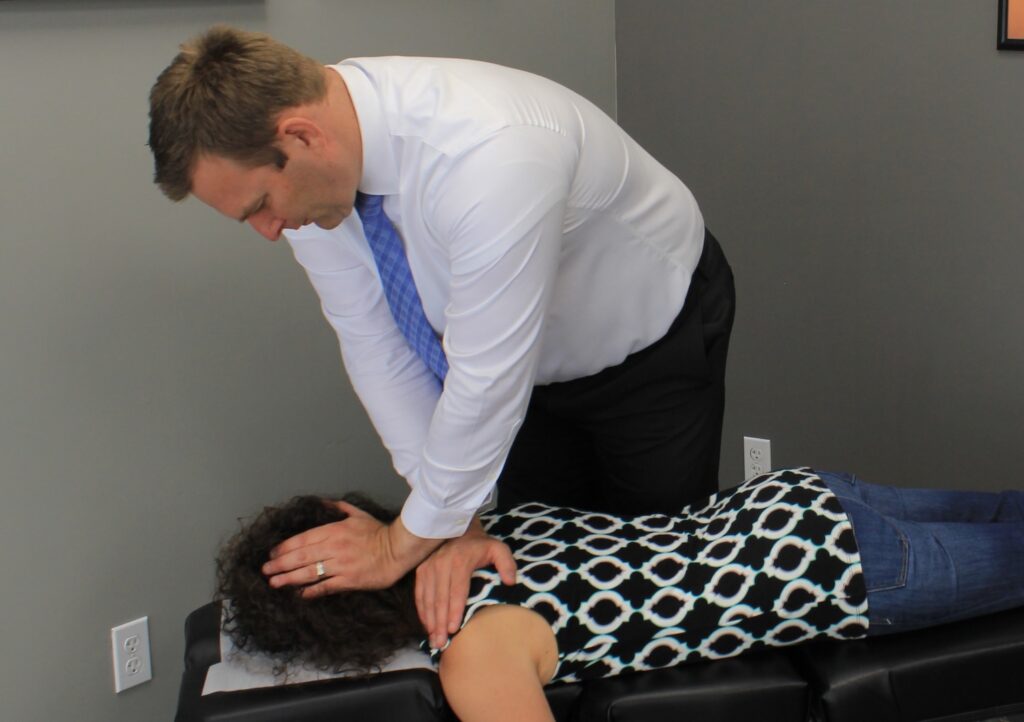
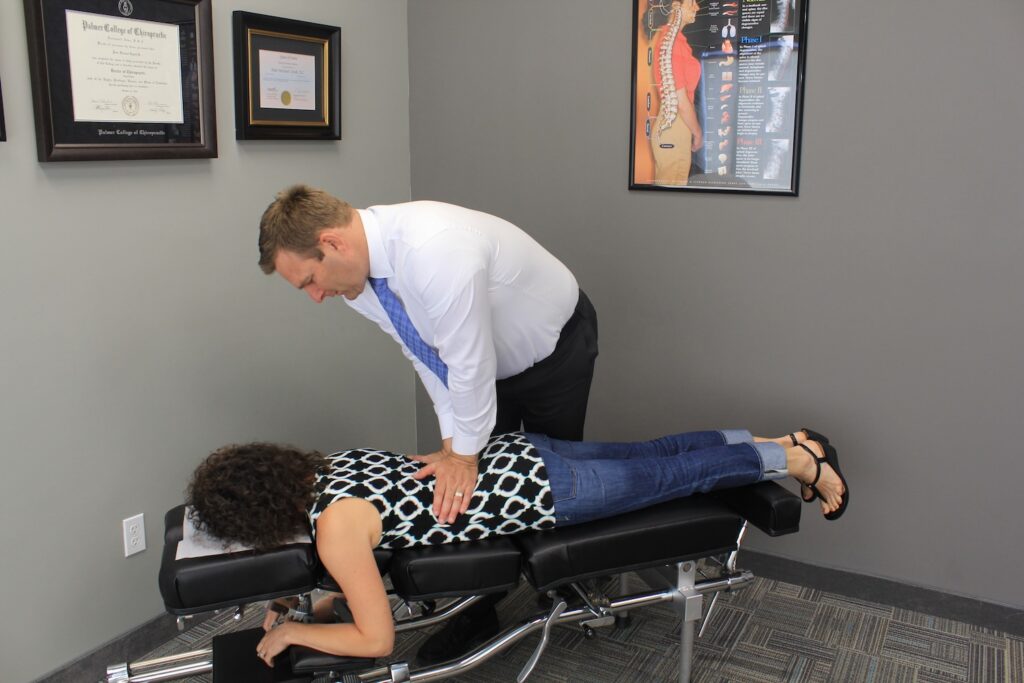
A fundamental aspect of chiropractic care is spinal adjustments. These gentle, hands-on techniques help to realign the spine, reduce nerve interference, and promote optimal function throughout your body. By restoring proper alignment, we can alleviate pressure on painful areas, allowing you to experience relief and improved movement.
In addition to spinal adjustments, we also incorporate various therapeutic exercises into your treatment plan. These targeted exercises are designed to build strength, flexibility, and stability, which are essential for reducing pain and preventing future injuries. I may recommend low-impact activities, such as walking or yoga, to help you stay active while minimizing discomfort.
Another important component of chiropractic care is education about proper body mechanics and posture. By learning how to move correctly and maintain good posture, you can prevent further injury and reduce pain triggers in your daily life. I will provide you with valuable tools and strategies to effectively manage flare-ups and enhance your overall well-being.
Consistency is key when it comes to your chiropractic treatment plan. Regular visits can lead to lasting improvements in your pain management. I encourage open communication about your progress and any challenges you encounter, as this feedback will allow me to adjust your plan to ensure you achieve the best possible results. By actively engaging in your chiropractic care journey, you are taking a significant step toward reclaiming your life from chronic pain and embracing a healthier, more vibrant lifestyle.
Consider Medication Options
When it comes to managing chronic pain, exploring medication options is just one piece of the puzzle. As a chiropractor, I want to emphasize the importance of a holistic approach to pain management. While the right medication can provide relief, incorporating natural healing techniques can significantly enhance your quality of life and help you engage more fully in daily activities.
Here are three medication categories to consider, along with some natural alternatives that may complement your treatment:
- Nonsteroidal Anti-Inflammatory Drugs (NSAIDs): Common over-the-counter options like ibuprofen and naproxen can help reduce pain and inflammation. While these can be effective, I encourage you to also consider chiropractic adjustments, which can address the underlying causes of pain without the side effects associated with long-term NSAID use.
- Acetaminophen: Another widely used over-the-counter medication, acetaminophen is great for pain relief but does not tackle inflammation. If NSAIDs aren't suitable for you, I recommend looking into natural anti-inflammatory options such as dietary changes, exercise, and chiropractic care, which can aid in pain management.
- Prescription Medications: If over-the-counter options fall short, your doctor may suggest stronger medications like opioids or muscle relaxants. While these can provide temporary relief, they come with risks, including dependence. Instead, I advocate for exploring natural healing methods, like spinal adjustments, massage therapy, and physical rehabilitation, which can help address pain without the potential side effects of prescription drugs.
Implement Stress Management
As a local chiropractor, I want to emphasize the importance of managing stress, especially when it comes to alleviating chronic pain. Many of my patients may not realize how interconnected stress and pain can be. There are several effective techniques that can help you find relief and improve your overall well-being.
Breathing exercises are a fantastic starting point. They can help calm your nervous system and reduce tension in your body. Mindfulness meditation is another powerful tool; it encourages you to focus on the present moment, which can significantly lessen anxiety and stress. Additionally, incorporating yoga into your routine can enhance flexibility, promote relaxation, and improve your physical health.
Breathing Techniques Benefits
As a local chiropractor, I want to share some insights on how incorporating breathing techniques into your daily routine can significantly benefit your overall health, especially when it comes to managing chronic pain and stress. Focusing on your breath isn't just a relaxation exercise; it can create a profound calming effect on both your body and mind. Here are three key benefits of practicing these techniques:
- Enhanced relaxation: By engaging in controlled breathing, you can activate your body's natural relaxation response. This helps lower your heart rate and blood pressure, allowing you to feel more at ease. It's a simple yet effective method to foster a state of calm, which is essential for your healing process.
- Pain modulation: Studies have shown that deep, rhythmic breathing can influence how we perceive pain. When you practice slow breathing, your brain releases endorphins—natural pain relievers that can help ease discomfort. This can be particularly beneficial for those dealing with chronic pain conditions, as it offers a non-invasive way to manage sensations of pain.
- Improved focus: Mindful breathing keeps you anchored in the present moment, which can help reduce anxiety and distracting thoughts. This mental clarity not only enhances your overall well-being but also equips you with the tools to manage your chronic pain more effectively.
Integrating these breathing techniques into your life isn't solely about seeking immediate relief; it's about developing resilience and taking an active role in your healing journey. I encourage you to take a moment today to focus on your breath. You may discover a powerful ally in your quest for better health and pain management. Remember, at our chiropractic practice, we're here to support you on this path to natural healing and wellness.
Mindfulness Meditation Practices
As your local chiropractor, I want to share how incorporating mindfulness meditation into your daily routine can significantly improve your ability to manage stress and enhance your overall well-being. Just a few minutes each day dedicated to this practice can help you cultivate a deeper sense of awareness and acceptance, which is especially useful in coping with chronic pain issues that many of my patients face.
To begin, I recommend finding a quiet and comfortable space where you can sit or lie down without any distractions. Gently close your eyes and focus on your breathing, paying attention to the natural rhythm of your inhalations and exhalations. It's common for your mind to wander, but when it does, simply redirect your focus back to your breath. This process of bringing your attention back is a key element of mindfulness meditation.
For those who are new to meditation, there are many guided meditation apps and online resources available. These can provide structured sessions that are perfect for beginners and help you stay motivated on your journey. As you incorporate these practices into your routine, you may start to notice that the overwhelming feelings of stress diminish and that you feel more in control of your emotions.
Integrating mindfulness meditation with chiropractic care can create a powerful synergy that promotes natural healing and enhances your overall health. I encourage you to give it a try and see how it can complement your chiropractic treatments.
Yoga and Stretching Benefits
As a local chiropractor, I want to share with you the incredible benefits that yoga and stretching can offer, especially when it comes to managing stress. While many people recognize the physical advantages of these practices, their impact on stress relief is just as important. Engaging in yoga and stretching can help you release tension and promote a sense of tranquility, which is crucial if you are dealing with chronic pain. Stress can amplify discomfort, so finding effective coping strategies is essential for your overall well-being.
Here are three compelling ways that yoga and stretching can assist you in managing stress:
- Mind-Body Connection: Yoga encourages you to concentrate on your breath and movements, creating a deeper awareness of your body. This connection is vital as it allows you to tune into areas of discomfort and respond to them calmly rather than with anxiety.
- Tension Release: Stretching is a fantastic way to loosen tight muscles that often harbor stress. By releasing this tension, you may experience an immediate feeling of relief and relaxation, which can be incredibly beneficial for your physical and mental state.
- Improved Mood: Incorporating regular yoga and stretching into your routine can enhance your body's production of endorphins—natural chemicals that elevate your mood. This boost can significantly improve your mental well-being, making it easier to navigate the challenges of daily life.
Incorporating yoga and stretching into your routine can be a transformative approach to managing both physical pain and emotional stress. As your chiropractor, I encourage you to explore these practices as part of a holistic approach to healing and wellness.
Seek Support Networks
Finding a supportive community can be a transformative experience when it comes to managing chronic pain, and as your local chiropractor, I want to emphasize the importance of not facing this journey alone. Connecting with others who share similar struggles can provide not only emotional relief but also practical advice that complements the care you receive in my office.
I encourage you to consider joining local or online support groups that focus on chronic pain management. These groups often consist of individuals who understand the unique challenges you face. By sharing your experiences, discussing coping strategies, and exploring treatment options together, you may discover valuable insights that can enhance your healing process. Moreover, expressing your story can be an important part of your therapeutic journey.
Don't forget to lean on your family and friends as well. They can be a great source of encouragement and empathy, helping you navigate the tougher days. Sometimes, simply talking about your experiences can significantly lighten your emotional burden. Be open with them about how they can assist you—whether it's accompanying you to appointments, helping you with daily tasks, or just spending quality time together.
In addition to traditional support networks, I recommend exploring online forums or social media groups dedicated to chronic pain. These platforms can connect you with a wider community, allowing you to engage with individuals from diverse backgrounds and experiences. Remember, you are not alone in this journey. Seeking support is a proactive approach to managing your pain and improving your overall quality of life. Embrace these connections; they can play a vital role in your healing process and complement the chiropractic care I provide.
Keep a Pain Journal
As a local chiropractor dedicated to promoting natural healing, I want to emphasize the importance of keeping a pain journal in managing chronic pain. This simple yet effective tool can provide you with invaluable insights into your condition and enhance your communication with healthcare providers, including those of us in chiropractic care. By documenting your experiences, you can track patterns, identify triggers, and evaluate the effectiveness of various treatments, ultimately empowering yourself on your journey to wellness.
Here are three key reasons why maintaining a pain journal can significantly impact your health:
- Identify Triggers: Taking note of when your pain intensifies can help uncover specific activities, dietary choices, or stressors that may be exacerbating your discomfort. With this awareness, you can make more informed decisions about your lifestyle and treatment options, allowing you to avoid or manage those triggers effectively.
- Monitor Progress: A pain journal serves as a valuable record of your symptoms over time, enabling you to observe any improvements or worsening of your condition. Recognizing these trends can instill a sense of empowerment and hope, as you learn what strategies work best for you in conjunction with chiropractic care and other natural healing methods.
- Express Emotions: Living with chronic pain can significantly impact your mental well-being. By journaling, you create a constructive outlet for your thoughts and feelings, helping to process frustrations and fears associated with your condition. This emotional release can be quite therapeutic and may alleviate feelings of isolation that often accompany chronic pain.
I encourage you to incorporate a pain journal into your daily routine. You may find that it deepens your understanding of your condition and enhances your overall health journey. Ultimately, it can become an essential component of your path toward effectively managing chronic pain through chiropractic care and natural healing practices.
Explore Alternative Therapies
As a local chiropractor, I want to share with you some valuable insights about managing chronic pain through alternative therapies, particularly chiropractic care. Many individuals come to us after finding that traditional methods haven't provided the relief they seek. That's where we step in, focusing on treating the whole person rather than just masking symptoms.
Chiropractic care is built on the understanding of the relationship between your body's structure and its function. By performing regular adjustments, we can help restore proper alignment to your spine and joints, which in turn can improve your mobility and significantly reduce discomfort. It's a natural approach that emphasizes the body's ability to heal itself.
In addition to chiropractic adjustments, I recommend considering complementary practices such as acupuncture. This ancient technique involves inserting thin needles into specific points on the body to help balance your energy and alleviate pain. It's a wonderful adjunct to chiropractic care.
Mind-body practices, including yoga and meditation, can also play a crucial role in your healing journey. They help reduce stress, improve flexibility, and build strength, making your body more resilient to pain. If you're open to it, we can discuss dietary changes or herbal supplements that may support your overall health—just remember to consult with a healthcare professional before making any significant changes.
Massage therapy is another effective alternative that many of my patients find beneficial. It promotes relaxation, enhances circulation, and reduces muscle tension—providing both immediate relief and long-term pain management.
Lastly, don't overlook the importance of support groups. Connecting with others who share similar experiences can offer both emotional comfort and practical advice. By exploring these alternative therapies, including chiropractic care, you may uncover new strategies to enhance your quality of life and more effectively manage chronic pain. I'm here to guide you on this journey towards natural healing and wellness.
Conclusion
As a local chiropractor, I want to emphasize that managing chronic pain goes beyond just medications; it involves taking an active role in your overall health. By understanding the root causes of your pain and how your body functions, you can make significant progress in enhancing your quality of life.
Incorporating a healthy diet and regular exercise into your routine is crucial. These lifestyle choices can support your body's natural healing processes. Additionally, I cannot stress enough the benefits of mindfulness techniques and the importance of having a solid support network.
Exploring alternative therapies, including chiropractic care, can provide relief and promote better mobility. Keeping a pain journal can also be an effective way to track your symptoms and progress over time. Remember, you're not alone in this journey—many strategies are available to help you thrive, and I'm here to guide you every step of the way.