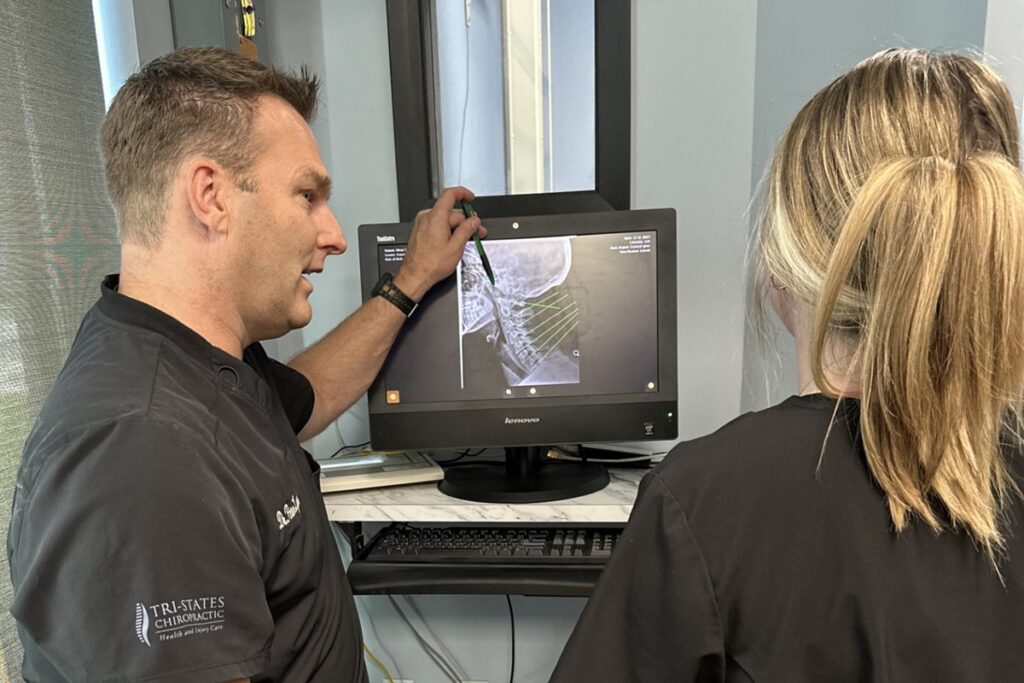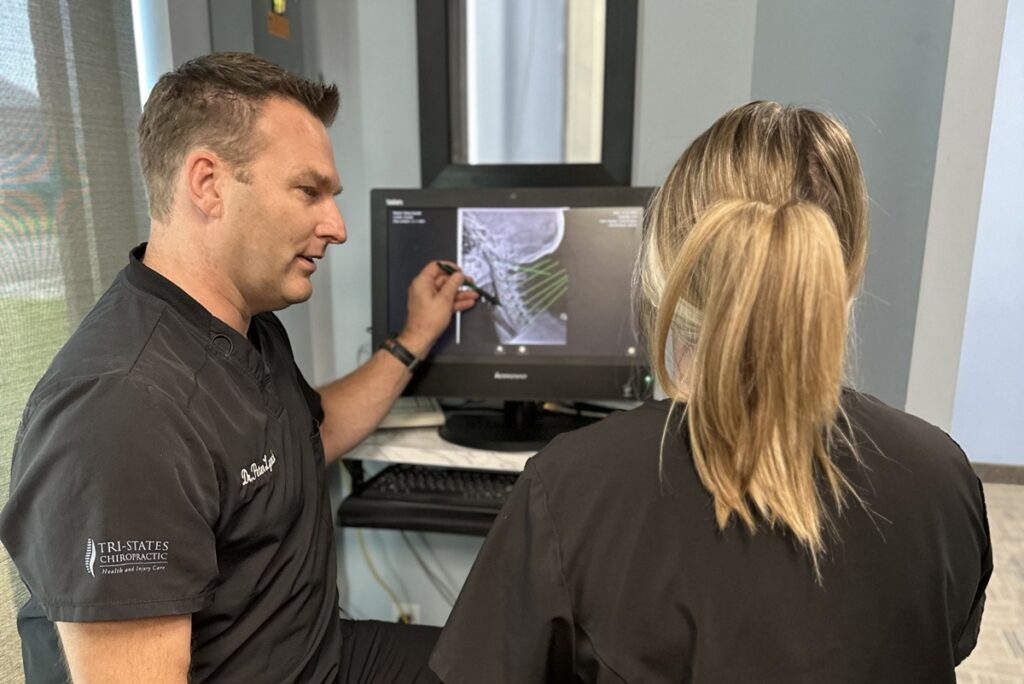
As a local chiropractor, I understand that living with chronic pain can be daunting, especially when faced with conventional treatment options. I want to introduce you to a holistic approach to managing your pain through preventive wellness.
By embracing chiropractic care alongside key lifestyle factors like nutrition, exercise, mindfulness, and community support, you can develop a personalized strategy that not only alleviates your pain but also enhances your overall well-being.
Imagine incorporating simple dietary changes or mindfulness practices into your daily routine—these small adjustments, combined with regular chiropractic adjustments, can lead to significant improvements in your quality of life.
Chiropractic care focuses on aligning your spine and optimizing your nervous system function, which can play a vital role in pain management.
So, what specific steps can you take to embark on this journey towards better management of chronic pain?
Schedule an appointment with me to discuss how we can integrate chiropractic techniques with tailored wellness practices to help you feel your best!
Understanding Chronic Pain
Chronic pain can significantly interfere with your daily life, often making even the simplest tasks feel daunting. As your local chiropractor, I want to help you understand that chronic pain is more than just a symptom; it's a complex condition that can deeply impact both your physical and emotional health. This type of pain typically lingers for three months or longer, even after an injury has healed. It can arise from various sources, such as arthritis, fibromyalgia, or past injuries, and may present itself in different sensations, including sharp, dull, or throbbing feelings.
It's crucial to recognize that chronic pain affects more than just your body. It can influence your mood, disrupt your sleep, and diminish your overall quality of life. Many individuals experience heightened levels of anxiety or depression due to their pain, which can exacerbate the discomfort they feel. Understanding the nature of your pain is vital for effective management. It's not solely about alleviating physical discomfort; it's also about acknowledging its impact on your emotional well-being and daily activities.
As part of your journey toward healing, I encourage you to listen to your body's signals. Keeping a pain diary can be a valuable tool in identifying triggers and patterns. This record can facilitate meaningful discussions with me or other healthcare providers, helping us work together on a tailored approach to your care. By taking this proactive step, you empower yourself to regain control over your health.
Understanding the multifaceted nature of chronic pain will better equip you to explore various management strategies, including chiropractic care and natural healing techniques. Together, we can work towards improving your daily functioning and overall well-being, helping you to lead a more fulfilling life free from the constraints of chronic pain.
The Role of Nutrition
As a local chiropractor, I want to emphasize the crucial role that nutrition plays in managing chronic pain. Many of my patients are surprised to learn that the foods they eat can significantly influence their pain levels and overall health. By incorporating anti-inflammatory foods and nutrient-rich options into your diet, you can actively work towards reducing pain and enhancing your well-being.
Let's delve into how these dietary changes can positively affect your health and complement your chiropractic care. A well-balanced diet not only supports your body's healing processes but also aids in maintaining a healthy weight and reducing inflammation, which can contribute to discomfort. By making mindful food choices, you can empower yourself on the journey to better health.
Anti-Inflammatory Foods
As a local chiropractor, I want to share an important aspect of natural healing that many people might not be aware of: the significant impact of the foods you consume on inflammation within your body. If you're experiencing chronic pain, making adjustments to your diet by incorporating anti-inflammatory foods can truly be transformative.
I encourage you to focus on whole, nutrient-dense foods such as fruits, vegetables, nuts, seeds, and whole grains. These foods are rich in antioxidants and essential nutrients that can help reduce inflammation and support your overall health.
For example, berries, particularly blueberries, are packed with antioxidants that can combat inflammation. Leafy greens like spinach and kale are also fantastic choices, as they provide essential vitamins and minerals that work against inflammatory processes. Additionally, including fatty fish such as salmon and mackerel in your diet can be beneficial, as they are high in omega-3 fatty acids, known for their ability to lower inflammatory markers in the body.
Spices also play a crucial role in an anti-inflammatory diet. Turmeric and ginger, for instance, are renowned for their strong anti-inflammatory properties and can be easily incorporated into various meals. On the other hand, I advise steering clear of processed foods, sugary snacks, and trans fats, as these can worsen inflammation and contribute to your pain.
Nutrient-Dense Choices
As a local chiropractor dedicated to promoting natural healing and overall wellness, I want to emphasize the importance of incorporating nutrient-dense foods into your diet. These foods not only support your health but can also play a significant role in managing chronic pain, which is a focus of my practice. By prioritizing nutrient-rich options, you're supplying your body with vital vitamins, minerals, and antioxidants that can help reduce inflammation and enhance your overall well-being.
Here are four nutrient-dense choices that I encourage you to consider adding to your meals:
- Leafy Greens: Options like spinach, kale, and Swiss chard are loaded with essential vitamins A, C, and K. These nutrients are crucial for bolstering your immune system and minimizing inflammation, which can be beneficial in alleviating pain.
- Berries: Blueberries, strawberries, and blackberries are not only delicious but also packed with antioxidants. These powerful compounds help combat oxidative stress, which is often linked to increased pain levels.
- Fatty Fish: Incorporating salmon, mackerel, and sardines into your diet can be incredibly beneficial. These fish are rich in omega-3 fatty acids, known for their strong anti-inflammatory effects, making them a great choice for those experiencing chronic discomfort.
- Nuts and Seeds: Foods like almonds, walnuts, and chia seeds are excellent sources of healthy fats, protein, and fiber. These nutrients are essential for maintaining your energy levels and supporting your overall health, which is vital for anyone looking to improve their quality of life.
Benefits of Regular Exercise
As a local chiropractor, I want to share with you the incredible benefits of regular exercise, especially for those of you who are dealing with chronic pain. Engaging in physical activity can be a game-changer in managing discomfort and enhancing your overall quality of life.
When you participate in regular exercise, you're not just moving your body; you're strengthening your muscles and improving flexibility. This can significantly alleviate pressure on your joints, which is crucial for reducing pain. Additionally, regular movement promotes better circulation, ensuring that oxygen and nutrients reach your tissues more effectively, which aids in recovery.
One of the most fascinating aspects of exercise is its ability to release endorphins, the body's natural painkillers. These chemicals not only help relieve pain but also boost your mood and create a sense of well-being. This is particularly important for those of you coping with the emotional challenges that chronic pain can bring. Aerobic activities like walking or swimming can be especially beneficial, as they help manage pain while also improving your cardiovascular health, which is vital for your overall wellness.
Establishing a consistent exercise routine can also lead to better sleep quality. Quality sleep is essential for healing and pain management, as it allows your body to recover and rejuvenate. When you're well-rested, you become more resilient to pain and stress, making it easier to navigate daily challenges.
Moreover, regular exercise can significantly enhance your energy levels. When you feel more energized, you're more likely to engage in daily activities, breaking the cycle of inactivity that often exacerbates pain. Setting and achieving fitness goals can also provide a sense of accomplishment, which can greatly improve your mental health and outlook on life.
I encourage you to incorporate exercise into your routine. It's a powerful tool that can help you take charge of your health and well-being. If you have any questions or need guidance on how to start, feel free to reach out. Together, we can explore the best exercise strategies tailored to your needs.
Mindfulness and Stress Reduction
As a local chiropractor, I want to share how integrating mindfulness practices into your daily routine can significantly help in managing chronic pain and reducing stress. Many of my patients find that mindfulness allows them to stay present and acknowledge their pain without letting it control their emotions. By focusing on the current moment, you can ease the mental burden of anticipating pain or reliving past discomfort. Here are four effective mindfulness techniques that I often recommend to my patients:
- Breathing Exercises: I encourage you to spend a few minutes each day focusing on your breath. Inhale deeply through your nose, hold for a moment, and exhale slowly through your mouth. This straightforward practice can calm your nervous system and relieve tension, which is essential in supporting your overall well-being.
- Body Scan Meditation: Find a comfortable position, either lying down or sitting, and mentally scan your body from head to toe. Take note of any areas of tension or discomfort and consciously relax those muscles. This technique not only enhances your awareness of physical sensations but also complements the adjustments and treatments we provide in our chiropractic care.
- Mindful Walking: I recommend taking walks in a peaceful environment, focusing on each step you take. Pay attention to how your feet connect with the ground and the rhythm of your breath. This practice can help ground you, distract from pain, and improve your posture, which is crucial in maintaining a healthy spine.
- Gratitude Journaling: At the end of each day, try jotting down three things you're grateful for. Shifting your focus to the positive aspects of your life can help foster a more optimistic mindset, ultimately promoting relaxation and reducing stress levels—a key component of your healing journey.
Incorporating these mindfulness techniques into your routine can complement the chiropractic care you receive, leading to a more holistic approach to managing pain and enhancing your overall health.
Importance of Sleep Hygiene
As a local chiropractor, I want to emphasize the vital role that quality sleep plays in managing chronic pain and promoting overall wellness. When you prioritize sleep hygiene, you create an environment that supports restorative rest, which can significantly reduce your discomfort. Establishing a consistent sleep schedule is key; it helps regulate your body's internal clock, making it easier to drift off to sleep and wake up feeling rejuvenated. I encourage you to go to bed and rise at the same time every day, even on weekends.
Your sleep environment is crucial to achieving restful sleep. I recommend keeping your bedroom dark, quiet, and cool. Consider utilizing blackout curtains, earplugs, or a white noise machine to limit any disturbances. Investing in a comfortable mattress and supportive pillows tailored to your body can make a remarkable difference in your sleep quality.
It's also important to limit your exposure to screens at least an hour before bedtime. The blue light emitted by devices like phones and computers can disrupt your ability to fall asleep. Instead, consider engaging in calming activities, such as reading or practicing relaxation techniques, to help you unwind. Additionally, steer clear of caffeine and heavy meals close to bedtime, as these can interfere with your natural sleep cycle.
Never underestimate the benefits of a pre-sleep routine. Incorporating calming practices, such as meditation or gentle stretching, can signal to your body that it's time to relax. By focusing on sleep hygiene, you're not only enhancing your sleep but also taking a significant step toward better managing your chronic pain and improving your overall health. Make sleep a priority, and you'll likely experience a positive transformation in your daily life. If you have questions about how chiropractic care can further support your wellness journey, feel free to reach out.
Alternative Therapies and Practices
As your local chiropractor, I want to emphasize that while prioritizing sleep hygiene is crucial in managing chronic pain, exploring alternative therapies and practices can significantly enhance your journey toward wellness. These holistic approaches complement traditional treatments and empower you to take control of your pain. Here are four alternative therapies I recommend considering:
- Acupuncture: This ancient practice from China involves the insertion of thin needles into specific points on the body. Many of my patients have found acupuncture to be effective for reducing pain and improving overall well-being. It works by stimulating the body's natural healing processes.
- Yoga: Incorporating yoga into your routine can greatly benefit your physical health. It helps increase flexibility, strength, and relaxation. Through gentle movements and focused breathing techniques, yoga can ease tension in your muscles and promote a sense of calm, which is essential for pain management.
- Massage Therapy: Regular therapeutic massages can be a valuable addition to your pain management plan. They help alleviate muscle tension, improve circulation, and provide relief from discomfort. Not only does massage therapy enhance your physical health, but it also contributes to emotional well-being.
- Mindfulness Meditation: Practicing mindfulness meditation can be a game changer for managing stress and pain perception. By focusing on the present moment, you can cultivate a sense of inner peace that helps you navigate your pain more effectively.
I encourage you to explore these alternative therapies as part of your overall treatment plan. They can play a vital role in your healing journey and help you achieve a better quality of life.
Building a Support System
As a local chiropractor, I want to emphasize the importance of building a strong support system when it comes to effectively managing chronic pain. It begins with recognizing the key individuals in your life, such as friends and family. Open communication with them about your needs can play a crucial role in your healing journey.
Additionally, participating in group activities not only strengthens these vital connections but also fosters a sense of community. This support can enhance your overall well-being and complement the natural healing methods we focus on in chiropractic care. By surrounding yourself with understanding and supportive individuals, you create a positive environment that encourages healing and pain management.
Identify Key Support Roles
As a local chiropractor, I understand that managing chronic pain can feel overwhelming, but establishing a strong support system is crucial for your journey toward wellness. Identifying key support roles can significantly enhance your experience with chiropractic care and natural healing. Surrounding yourself with the right people not only fosters understanding but also provides practical assistance when you need it most. Here are four vital roles to consider:
- Family Members: Your loved ones play a crucial role in your healing process. They can offer emotional support and help with daily activities, especially on difficult days. Their understanding and encouragement can foster a greater sense of belonging and motivation.
- Friends: Connecting with empathetic friends can be invaluable. They can help alleviate your emotional burden by providing companionship and encouraging you to engage in enjoyable activities, which can promote a sense of normalcy and positivity during your recovery.
- Healthcare Professionals: Building relationships with healthcare providers, including chiropractors, physical therapists, and pain management specialists, is essential. We are here to provide you with expert guidance, tailored treatment options, and holistic approaches that address not just the pain but the root causes.
- Support Groups: Finding a community of individuals who share similar experiences can be incredibly beneficial. Support groups allow you to connect with others, offering insights, coping strategies, and a safe space to share your challenges and successes as you navigate your path to wellness.
Together, with the right support roles in your life, you can enhance the effectiveness of chiropractic care and natural healing methods, ultimately leading to a more fulfilling and pain-free life.
Foster Open Communication
Establishing open communication with your chiropractor is essential for fostering a strong support system as you navigate your journey towards managing chronic pain. When you share your experiences and feelings about your condition, it helps us understand your unique situation better. Don't hesitate to express your needs—whether you require specific adjustments, advice on lifestyle changes, or simply someone to listen to your frustrations about your pain.
Encouraging you to share your thoughts creates a two-way dialogue between us. This openness not only strengthens our therapeutic relationship but also builds trust, allowing you to feel more comfortable discussing your pain and progress. Remember, I want to help you, but I can only do so effectively if you communicate your needs clearly.
I encourage you to set aside regular time to check in with me during your appointments. Whether it's discussing your treatment plan, asking questions about your progress, or sharing your daily challenges, this open communication fosters an environment where you feel valued and understood. Ultimately, a solid support system, including your chiropractor, can empower you to manage your chronic pain more effectively, making your journey toward healing a bit easier and less isolating.
Engage in Group Activities
As a local chiropractor, I want to emphasize the importance of engaging in group activities to enhance your support system while managing chronic pain. Connecting with others who understand your challenges can provide not only comfort but also motivation on your healing journey. These activities foster camaraderie and create a strong sense of belonging within the community. Here are four valuable ways to benefit from group activities:
- Join a Support Group: Being part of a chronic pain support group allows you to connect with individuals who are navigating similar experiences. Sharing your stories and listening to others can significantly alleviate feelings of isolation, reminding you that you're not alone in this journey.
- Participate in Exercise Classes: Look for low-impact exercise classes specifically designed for those with chronic pain. These classes can help you stay active while surrounded by supportive peers, and as a chiropractor, I can help recommend exercises that are safe and beneficial for your condition.
- Volunteer Together: Engaging in community service can provide a welcome distraction from pain and instill a sense of purpose. When you work alongside others for a common cause, it can strengthen relationships and foster lasting friendships, which are crucial for emotional well-being.
- Attend Workshops or Seminars: Joining educational sessions focused on pain management can equip you with valuable insights and strategies. These gatherings not only provide information on chiropractic care and natural healing but also allow you to meet others who are on a similar path to wellness.
Participating in these group activities can significantly enhance your healing process, and I encourage you to take advantage of the support and camaraderie they offer. Together, we can work towards a healthier and more fulfilling life.
Conclusion
As your local chiropractor, I'm here to help you understand how preventive wellness strategies can empower you to manage chronic pain and improve your overall quality of life. One of the first steps you can take is to nourish your body with anti-inflammatory foods, which can help reduce pain and inflammation naturally. Staying active is also crucial; gentle exercise can strengthen your muscles and improve mobility, making a significant difference in how you feel.
In addition to physical activity, practicing mindfulness techniques can help you manage stress, which often exacerbates pain. Prioritizing good sleep hygiene is equally important, as restorative sleep plays a vital role in your body's healing processes. I also encourage you to explore alternative therapies, including chiropractic adjustments, which focus on aligning your spine and improving your nervous system function.
Don't overlook the value of a supportive community, whether it's friends, family, or local support groups. Connecting with others who understand your journey can provide encouragement and valuable insights. Together, these holistic approaches can empower you to take charge of your pain management, leading to a healthier, happier you. I'm here to guide you every step of the way on this journey to wellness.