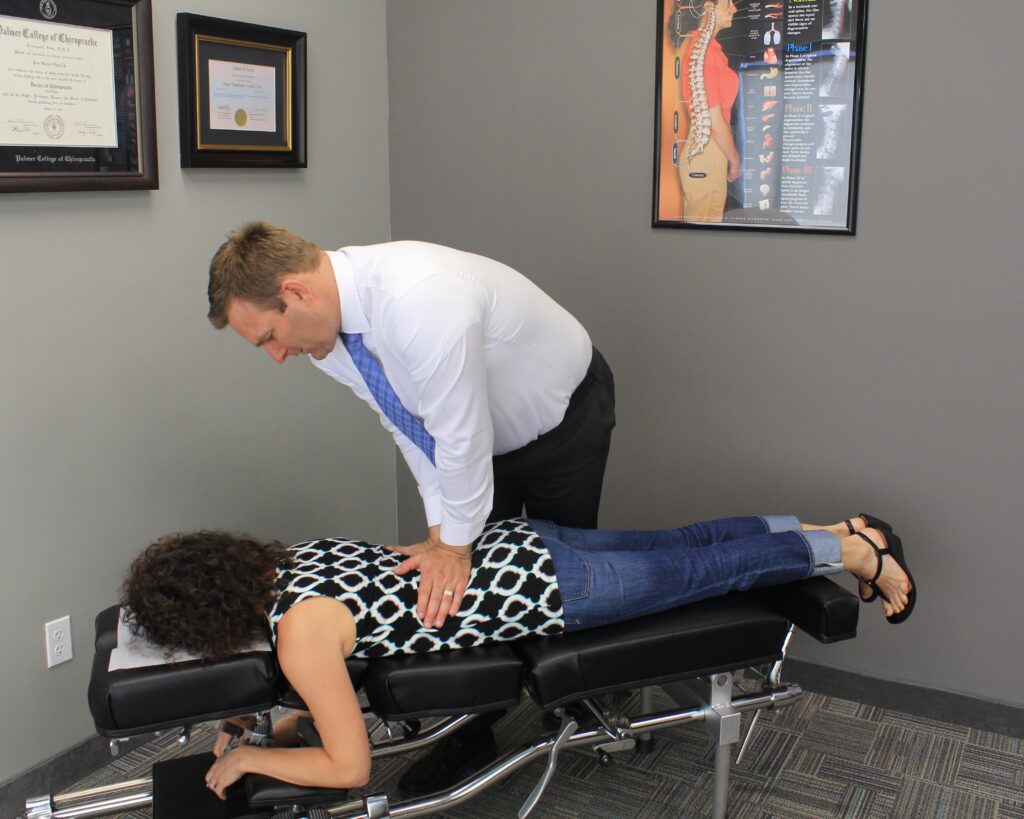
As a local chiropractor, I understand that dealing with lower back pain can be incredibly frustrating. Many patients come to me seeking answers about what truly works for relief. From my experience, I often see that a combination of chiropractic care, physical therapy, and thoughtful lifestyle adjustments can lead to significant improvements.
It's important to recognize that each treatment approach has its own strengths and considerations. Chiropractic care, for example, focuses on aligning the spine and improving overall function, which can alleviate pain and enhance mobility.
Physical therapy complements this by strengthening the muscles that support your back and improving your posture.
However, finding the right approach for your specific situation can be challenging. That's why I encourage you to prioritize understanding these options and how they can work together.
By exploring the nuances of chiropractic care and natural healing, we can create a personalized treatment plan that sets you on the path to recovery and helps you regain your quality of life.
Your journey to wellness starts with informed choices, and I'm here to guide you every step of the way.
Understanding Lower Back Pain
As a local chiropractor, I want to shed some light on the prevalent issue of lower back pain that many of you might be experiencing. It's important to understand that this pain can stem from a variety of causes such as muscle strain, herniated discs, and even poor posture. By recognizing these underlying factors, we can work together to address your discomfort more effectively.
For instance, if you've recently lifted something heavy or twisted in an awkward way, you may have strained the muscles in your lower back. Typically, this type of pain responds well to rest and self-care techniques that I can guide you through during our sessions.
Conversely, if you find yourself sitting for long periods at a desk without adequate support, this can lead to more chronic issues. Your spine is supported by a delicate balance of muscles, ligaments, and discs, and any disruption in this balance can result in pain. Together, we can assess your daily activities, the ergonomics of your workspace, and even your stress levels to identify what might be contributing to your discomfort.
It's also essential to consider your lifestyle habits, such as your level of physical activity and weight management. Regular exercise not only strengthens the muscles that support your back but also enhances flexibility, which is vital for preventing pain. If weight is a concern, it can place additional stress on your lower back, intensifying your discomfort.
Lastly, I want to emphasize the connection between emotional and mental well-being and pain perception. High levels of stress and anxiety can intensify your experience of pain, creating a challenging cycle. By addressing not only the physical aspects of your lower back pain but also the emotional factors, we can work towards effective relief together.
Physical Therapy Techniques
As a local chiropractor dedicated to helping you alleviate lower back pain, I want to share how chiropractic care can be incredibly effective in addressing your discomfort. Our approach focuses on enhancing your overall well-being by strengthening your muscles, improving flexibility, and increasing your mobility—all of which are key to managing pain naturally.
One of the main techniques we use is therapeutic exercise. This method emphasizes building strength in your core and back muscles, which not only supports your spine but also plays a significant role in reducing pain. You may find yourself engaging in movements like bridges, planks, and customized stretching routines that specifically target tension relief and flexibility improvement.
In addition to exercise, we also incorporate manual therapy into our treatment plans. This hands-on approach includes techniques like chiropractic adjustments, massage, and joint mobilization, all of which are designed to alleviate stiffness and increase blood flow to the affected areas. Many of our patients experience substantial pain reduction and improved range of motion through these methods.
Education is another critical aspect of our chiropractic care. I will work with you to understand body mechanics, posture, and ergonomics—essential knowledge for preventing future injuries. Learning how to move correctly during your daily activities can significantly impact your pain management and overall health.
Chiropractic Adjustments
As a local chiropractor, I want to share how chiropractic adjustments can play a vital role in managing lower back pain effectively. If you are experiencing discomfort, I encourage you to consider visiting a chiropractor for significant relief. Our adjustments focus on realigning the spine and enhancing overall function, which can help reduce the tension and pain you may be feeling.
During your initial visit, I will assess your condition and discuss your specific symptoms in detail. Together, we will create a personalized treatment plan tailored to your unique needs. The adjustments themselves involve applying controlled force to the spine, aiming to restore proper alignment. This process can improve your mobility and decrease inflammation, leading to a notable reduction in pain.
Many of my patients report experiencing immediate relief following their adjustments. Regular sessions can also help strengthen the muscles surrounding your spine, which can prevent future injuries. Additionally, I often provide recommendations for exercises and lifestyle changes that complement the adjustments, promoting long-term health and well-being.
You may have questions about the safety of these treatments. Rest assured, as a trained professional, I prioritize your safety and well-being. Chiropractic adjustments are generally considered safe for most individuals. However, it is essential for you to communicate openly with me about your medical history and any concerns you may have, so we can ensure a safe and effective treatment plan for you.
Medications for Pain Relief
If you're struggling with lower back pain, it's essential to explore various relief options, including chiropractic care and natural healing methods. While medications can provide temporary relief, understanding the root cause of your pain is crucial for long-term wellness. Here's a look at some common approaches you might consider:
- Chiropractic Adjustments: As a chiropractor, I focus on spinal alignment and joint mobility. Adjustments can alleviate pain by improving function and reducing nerve interference, which often contribute to discomfort in the lower back.
- Physical Therapy Techniques: Exercises designed to strengthen the core and promote flexibility can be invaluable. Incorporating these techniques into your routine can help prevent future pain and improve overall strength.
- Nonsteroidal Anti-Inflammatory Drugs (NSAIDs): While I often recommend natural alternatives first, over-the-counter options like ibuprofen or naproxen may be suggested in some cases to help reduce inflammation and provide temporary relief.
- Natural Pain Relief Methods: Techniques such as heat therapy, cold packs, or topical herbal remedies can help manage pain without the risks associated with pharmaceuticals.
- Lifestyle Adjustments: Making changes to your daily habits, such as improving posture, staying active, and maintaining a healthy weight, can significantly impact your back health.
While medications can play a role in your pain management, I encourage you to consider a holistic approach. By consulting with a healthcare professional, including your chiropractor, you can create a comprehensive treatment plan tailored to your needs. Remember, combining chiropractic care with other therapies can enhance your recovery and promote a healthier, pain-free lifestyle. Always feel free to reach out to your healthcare team to discuss the best strategies for effectively managing your lower back pain.
Alternative Therapies
As a local chiropractor, I want to share how alternative therapies can be invaluable in managing lower back pain. Many patients are often unaware of the unique benefits that techniques like chiropractic adjustments, acupuncture, and massage therapy can provide. Chiropractic care focuses on the alignment of your spine, which can significantly alleviate discomfort and promote healing.
Integrating these alternative therapies with traditional treatments can enhance your overall well-being. I encourage you to consider these natural healing methods as a complement to your pain management plan. Together, we can work towards not just relieving your pain, but also improving your quality of life.
Acupuncture Benefits
As a local chiropractor, I want to share with you the benefits of acupuncture, particularly for those suffering from lower back pain. This ancient therapy has been used for centuries and can be an excellent complement to chiropractic care. Acupuncture involves the insertion of thin needles into specific points on the body, which can stimulate healing and alleviate discomfort. Here are some significant benefits you may experience from acupuncture:
- Pain Relief: One of the most notable benefits of acupuncture is its ability to release endorphins, which are your body's natural pain-relieving chemicals. This can lead to significant relief from your lower back pain.
- Improved Mobility: Regular acupuncture sessions can enhance your flexibility and range of motion, making daily activities much easier and more comfortable.
- Reduced Stress: Acupuncture promotes relaxation, which can help lower stress and anxiety levels. Reducing stress is essential, as it can often contribute to increased pain and tension in the body.
- Holistic Approach: Unlike some treatments that focus solely on symptoms, acupuncture looks at the whole person. It addresses not just the pain but also the underlying issues, promoting overall health and balance in your body.
If you're dealing with persistent lower back pain, considering acupuncture as part of your treatment plan may be beneficial. I encourage you to consult with a qualified practitioner who can tailor the approach to your unique needs and help you on the path to recovery. Together with chiropractic care, acupuncture can support your journey to better health and well-being.
Chiropractic Adjustments
As a local chiropractor, I want to share how chiropractic adjustments can be a powerful natural therapy for those struggling with lower back pain. Many individuals are not aware that our approach focuses on identifying and addressing the root causes of discomfort. When you come to my office, I'll thoroughly assess your spine's alignment and mobility, looking for any misalignments, or subluxations, that could be contributing to your pain.
Through hands-on manipulation, I can help restore proper alignment in your spine. This not only alleviates your pain but can also enhance your overall function, allowing you to move more freely and comfortably.
You may find that regular chiropractic sessions do more than just relieve your current pain; they can also play a key role in preventing future episodes of discomfort. Many of my patients report experiencing improved range of motion and reduced muscle tension after their adjustments. I also take the time to provide personalized advice on posture, ergonomics, and exercises suited to your specific needs. This empowers you to take an active role in your recovery and overall health.
While everyone's experience with chiropractic care is unique, research shows that it can be an effective option for managing lower back pain. I encourage open communication, so please feel free to discuss your symptoms and any concerns you may have during our sessions. By working together, we can create a tailored approach that addresses your individual situation, helping you regain control over your health and well-being.
Massage Therapy Efficacy
As a local chiropractor, I want to introduce you to the benefits of massage therapy as a valuable alternative for managing lower back pain. Many of my patients have found that it complements chiropractic care beautifully. Massage therapy can help relieve muscle tension, improve blood circulation, and enhance flexibility, making it a favored option for those seeking relief from discomfort. Here's how massage therapy can play a role in your healing journey:
- Pain Reduction: Regular massage sessions can significantly lower pain levels, leading to a more comfortable daily life.
- Muscle Relaxation: Techniques like deep tissue or Swedish massage effectively relax tight muscles, helping to reduce stiffness and improve overall muscle function.
- Improved Mobility: By stretching and loosening muscles, you may experience increased ease in movement, which is essential for maintaining an active lifestyle.
- Stress Relief: The soothing effects of massage therapy can diminish stress, which is often a contributing factor to physical pain.
While everyone's experience with massage therapy can differ, many individuals report positive outcomes. I encourage you to communicate openly with your massage therapist about your pain and preferences to ensure you receive the best care tailored to your needs.
Integrating massage therapy into your overall pain management plan can be highly beneficial, especially when combined with chiropractic adjustments or physical therapy. However, it's crucial to consult with a healthcare professional before starting any new therapies to ensure they align with your specific health needs. Here at our practice, we believe in a holistic approach to healing, and I'm here to guide you every step of the way.
Lifestyle Modifications
As a local chiropractor, I want to share some valuable insights on managing lower back pain through lifestyle modifications that can greatly enhance your comfort and overall well-being. Many of my patients find that simple adjustments in their daily routines can not only alleviate pain but also prevent future issues from arising.
One of the most effective changes you can make is to incorporate regular physical activity into your routine. I recommend low-impact exercises such as walking, swimming, or cycling. These activities help to strengthen your back and core muscles without placing excessive strain on your spine.
It's also crucial to be mindful of your posture throughout the day. Whether you're working at a desk or standing in one spot for an extended period, maintaining proper alignment can significantly reduce the pressure on your spine. Consider investing in ergonomic furniture or using supportive cushions to help promote better posture.
Another key aspect to consider is your weight. Maintaining a healthy weight is vital in reducing the strain on your back. If you find yourself carrying extra weight, I encourage you to evaluate your diet and increase your physical activity to achieve a healthier balance.
Sleep quality plays a significant role as well. Ensure you have a supportive mattress, and try to sleep in a position that keeps your spine aligned—lying on your side with a pillow between your knees is often a good choice.
Lastly, don't overlook the impact of stress on your body. High stress levels can lead to muscle tension, which may exacerbate your discomfort. Mindfulness practices such as yoga or meditation can be beneficial in managing stress and promoting relaxation.
Home Remedies
As a local chiropractor, I often see patients struggling with lower back pain, and I want to empower you with knowledge about effective home remedies that can complement chiropractic care. You don't have to rely solely on medications or professional treatments; many simple solutions can be found right in your home. By making a few adjustments and utilizing common household items, you can alleviate discomfort and promote healing.
Here are some home remedies that I recommend for managing lower back pain:
- Heat Therapy: Using a heating pad or warm compress on your lower back can effectively relax tight muscles and enhance blood circulation. This is especially beneficial after a long day or following physical activity.
- Cold Therapy: Applying ice packs can significantly help reduce inflammation and numb any sharp pain. Just remember to wrap the ice in a cloth to protect your skin from frostbite.
- Gentle Stretching: Incorporating simple stretches into your daily routine can work wonders. Exercises like knee-to-chest or cat-cow can relieve tension and enhance flexibility. Consistency is key, so aim to stretch every day.
- Over-the-Counter Pain Relievers: While I emphasize natural healing, nonsteroidal anti-inflammatory drugs (NSAIDs) like ibuprofen or naproxen can provide temporary relief for pain and swelling when needed.
These remedies can be quite effective for mild to moderate lower back pain. However, it's crucial to pay attention to your body. If your pain continues or worsens, I encourage you to consult with a healthcare professional. By integrating these home remedies into your routine, along with regular chiropractic care, you can take proactive steps towards managing your back pain and improving your overall well-being. Remember, my goal is to help you understand and embrace natural healing methods to support your health.
Surgical Options
If you're dealing with persistent lower back pain that hasn't improved with conventional treatments, you may be considering surgical options. However, as a local chiropractor, I want to emphasize the importance of exploring non-invasive approaches to healing before resorting to surgery.
Many patients find relief through chiropractic care, which focuses on the body's natural ability to heal itself. Techniques such as spinal adjustments, soft tissue therapy, and personalized exercise plans can effectively address underlying issues contributing to your pain. These methods not only aim to alleviate discomfort but also promote overall wellness and mobility.
In cases where conservative treatments like chiropractic adjustments, physical therapy, or lifestyle changes don't yield sufficient results, it's crucial to consult with a specialized spine expert to discuss your options. While surgical procedures such as discectomy or spinal fusion can provide relief for some, they come with inherent risks, including infection and potential complications.
Before making any decisions about surgery, I encourage you to consider the holistic approach that chiropractic care offers. Many patients experience significant improvements in their quality of life through natural healing methods. If surgery is ultimately necessary, it's important to approach it with realistic expectations and understand that recovery often requires a comprehensive rehabilitation plan, which can include continued chiropractic support.
If you're curious about how chiropractic care can help alleviate your back pain, I invite you to reach out. Together, we can explore natural healing options that prioritize your well-being and aim to restore your body's function without the need for invasive procedures.
Conclusion
As a local chiropractor dedicated to helping you manage lower back pain, I want to emphasize that effective relief often requires a multifaceted approach tailored to your individual needs. One of the key components of this is chiropractic care, which can help realign your spine and alleviate pain through gentle adjustments.
In addition to chiropractic adjustments, I encourage you to consider physical therapy, which can strengthen the muscles supporting your back, improve flexibility, and enhance your overall mobility. Making certain lifestyle changes, such as incorporating regular exercise and maintaining a healthy weight, can also play a significant role in your recovery and pain management.
Don't overlook the benefits of alternative therapies, such as acupuncture or massage, which can complement chiropractic care and provide additional relief. Remember, it's important to consult with healthcare professionals like myself to receive personalized advice and a treatment plan that suits your specific condition.
Taking proactive steps now can pave the way for long-lasting relief and a healthier, more active lifestyle. You're not alone in this journey—I'm here to support you every step of the way!