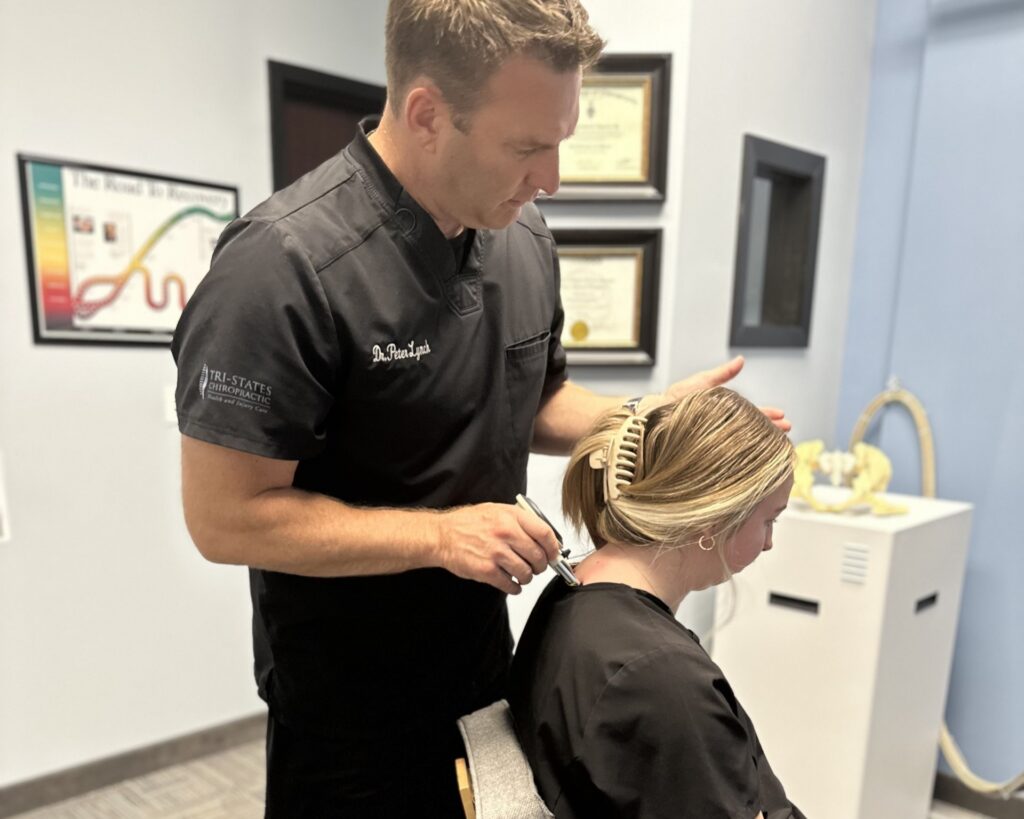
As a local chiropractor, I often see patients struggling with lower back pain and the significant impact it can have on their everyday lives. If you're experiencing this discomfort, you may be curious about the most effective treatments available to you.
One of the benefits of chiropractic care is that it offers a holistic approach to pain relief, addressing issues at their source rather than just masking the symptoms.
From gentle chiropractic adjustments to alternative therapies like acupuncture, there are numerous options to consider that can help alleviate your pain in unique ways.
It's essential to understand these treatments so you can make informed decisions regarding your care and well-being.
So, what are the top ten treatments I recommend for lower back pain relief? Let's dive into these options together to find the best solution tailored to your specific needs. Your journey to feeling better starts here!
Physical Therapy
When it comes to alleviating lower back pain, chiropractic care can play a significant role in your recovery journey. As a chiropractor, I focus on a holistic approach that aims to restore balance and function to your spine and nervous system. By addressing the root cause of your discomfort, we can create a pathway to healing without the need for invasive procedures.
One of the primary techniques used in chiropractic care is spinal adjustments. These gentle manipulations help align the vertebrae, reducing pressure on nerves and improving overall spinal function. This realignment can lead to a decrease in pain and an increase in mobility, allowing you to move more freely and comfortably.
In addition to spinal adjustments, we often incorporate exercises tailored to strengthen the core muscles that support your spine. A strong core enhances stability and helps alleviate strain on your lower back. I will guide you through specific exercises designed to improve strength and endurance, empowering you to regain confidence in your movements.
Flexibility is another crucial aspect of our approach. Tight muscles can lead to pain and restrict your range of motion, which is why we incorporate stretching techniques into your treatment plan. By relieving muscle tension and enhancing flexibility, we not only help with pain relief but also work to prevent future injuries.
Education is a vital part of our chiropractic care. During your visits, I will teach you about proper posture, body mechanics, and ergonomic practices that can help you avoid exacerbating your pain. Understanding how to move and lift correctly can have a profound impact on your daily activities and overall well-being.
Chiropractic Adjustments
As a local chiropractor, I'm here to help you understand how chiropractic adjustments can be one of the most effective approaches to addressing lower back pain. If you're experiencing discomfort, I encourage you to consider visiting a chiropractor; it could truly be a transformative experience for you. Our focus is on the alignment of your spine and how it directly affects your overall health and well-being.
When you come in for your first visit, I will conduct a thorough assessment of your condition through a physical examination and a discussion about your medical history. This information is vital as it allows me to create a personalized treatment plan that meets your specific needs. Once we establish a plan, you'll undergo manual manipulation of the vertebrae, which often results in immediate relief. Many of my patients report a significant decrease in pain and an increase in flexibility after just a few sessions.
It's important to understand that chiropractic care goes beyond merely treating symptoms; our goal is to address the underlying causes of your lower back pain. Regular adjustments help maintain proper spinal alignment, which can prevent future issues from arising. Additionally, I will provide you with guidance on exercises and lifestyle changes that will further support your recovery journey.
Whether your pain stems from poor posture, an injury, or stress, chiropractic adjustments can play a critical role in your pain management strategy. By integrating this holistic approach into your life, you're taking proactive steps to enhance your quality of life and achieve long-lasting relief from lower back pain. I'm here to support you on this journey toward better health!
Massage Therapy
As a local chiropractor, I often see patients seeking relief from lower back pain. One effective approach to consider is massage therapy, which can be a valuable complement to chiropractic care. Massage therapy offers numerous benefits, such as reducing muscle tension and enhancing circulation, both of which are crucial for your overall well-being.
Let's delve into some techniques that can help alleviate your discomfort. By incorporating these methods into your wellness routine, you may experience significant improvements in your lower back pain. Remember, a holistic approach to healing—combining chiropractic adjustments with massage therapy—can lead to more effective and lasting results.
Benefits of Massage Therapy
As a local chiropractor, I want to share with you the incredible benefits of massage therapy for finding relief from lower back pain. Many people are unaware of how complementary it can be to chiropractic care. One of the key advantages of massage therapy is its ability to reduce muscle tension. When you experience pain, your muscles often tighten up, which can exacerbate discomfort. A skilled massage therapist can pinpoint these tight areas, helping to promote relaxation and alleviate tension.
In addition to muscle relaxation, massage therapy plays a crucial role in improving circulation. Enhanced blood flow delivers essential nutrients and oxygen to your muscles, which can significantly aid in the healing process and reduce inflammation. Many patients find that this increased circulation helps them feel better faster. You may also experience lower stress levels, as massage stimulates the release of endorphins—your body's natural pain relievers.
Furthermore, incorporating regular massage sessions can enhance your overall mobility and flexibility. This means you can engage in everyday activities with less discomfort, which is vital for maintaining a healthy lifestyle. By addressing both the physical and emotional components of pain, massage therapy offers a holistic solution for your lower back pain relief.
If you're seeking a natural approach to ease your discomfort, I encourage you to consider adding massage therapy to your wellness routine. It could be the missing piece to achieving a more pain-free life, allowing you to enjoy your daily activities to the fullest. Let's work together towards your health goals!
Techniques for Pain Relief
As a local chiropractor, I'd like to share some effective techniques that can help with lower back pain relief. One method I often recommend is deep tissue massage. This technique focuses on the deeper layers of muscle and connective tissue, using firm pressure to relieve tension and break down knots that can contribute to chronic pain.
Another approach that many find beneficial is Swedish massage. This style is known for its gentle strokes, which promote relaxation and increase blood circulation, aiding in the healing of sore muscles. If you're seeking more targeted relief, trigger point therapy may be an excellent option. This method pinpoints and releases tight areas in the muscles that can cause pain to radiate to other parts of your body.
Additionally, myofascial release is a technique worth considering. It involves gentle stretching of the fascia, the connective tissue surrounding your muscles, which can enhance flexibility and reduce discomfort. For those who enjoy warmth, hot stone massage is a fantastic choice. The soothing heat relaxes muscles and improves circulation, making it particularly effective for alleviating back pain.
Heat and Cold Therapy
As a local chiropractor, I want to share some valuable insights on how heat and cold therapy can significantly aid in managing lower back pain. Many of my patients are surprised to learn just how effective these natural techniques can be.
Heat therapy is a wonderful way to relax tight muscles and enhance blood circulation in the affected area. When you apply heat, it helps to soothe discomfort and promote healing by allowing more oxygen and nutrients to flow to the muscles. This is particularly beneficial if you're experiencing stiffness or tension in your lower back.
On the other hand, cold therapy serves a different but equally important purpose. It can effectively reduce inflammation and numb any sharp pain you might be feeling. By applying cold, you're helping to constrict blood vessels, which can alleviate swelling and provide immediate relief from acute pain.
Understanding how to use these therapies properly can truly transform your experience with pain management. Whether you're new to chiropractic care or seeking natural healing options, incorporating heat and cold therapy into your routine can make a significant difference in your journey toward relief.
Benefits of Heat Therapy
As a local chiropractor, I want to share with you the significant benefits of heat therapy for relieving lower back pain, a common issue many of my patients face. When you apply heat to your lower back, it enhances blood circulation in the area, which is crucial for promoting healing and relaxation. This increased blood flow helps to alleviate muscle tension and stiffness—two common culprits behind your discomfort.
There are several effective methods for applying heat therapy, such as using heating pads, warm towels, or even indulging in a hot bath. Each of these options can provide soothing relief, making it easier for you to engage in daily activities without experiencing as much pain. Moreover, heat therapy can stimulate the release of endorphins, your body's natural painkillers, which can elevate your mood and enhance your overall sense of well-being.
For those dealing with chronic pain or muscle spasms, I recommend applying heat for about 15-20 minutes for optimal results. However, it's essential to monitor the duration and temperature to prevent burns or further irritation. Always pay attention to your body; if you feel any discomfort, adjust the heat intensity or the time you spend using it.
Incorporating heat therapy into your routine can be a valuable part of your pain management strategy. It can help you regain mobility and enjoy life to the fullest. As your chiropractor, I encourage you to consider how heat therapy, alongside other natural healing practices, can support your journey toward better health.
Advantages of Cold Therapy
As a local chiropractor, I want to share with you the unique benefits of cold therapy, especially if you're dealing with lower back pain. While many people are familiar with heat therapy, incorporating cold therapy into your pain management routine can provide significant advantages. Here are three key benefits of cold therapy that I encourage my patients to consider:
- Reduces Swelling: Cold therapy works by constricting blood vessels, which effectively minimizes swelling and inflammation in the affected area. This is particularly important right after an injury, as it helps to control the initial inflammatory response and promotes a quicker recovery.
- Numbs Pain: Applying cold to the painful area can provide immediate relief from sharp or acute pain. This numbing effect is especially helpful during flare-ups, allowing you to carry out your daily activities with reduced discomfort. It's a simple yet effective way to manage pain in the moment.
- Decreases Muscle Spasms: Cold therapy can also help reduce muscle spasms by calming overactive nerves. This relaxation can enhance your overall mobility and decrease tension in your lower back, making it easier for you to move freely and comfortably.
Incorporating cold therapy into your healing journey can greatly enhance your overall pain relief strategy. It's essential, however, to use it correctly to maximize its benefits while ensuring your comfort. If you're unsure how to incorporate cold therapy into your routine, I'm here to guide you through the process. Remember, natural healing methods like this can play a vital role in your recovery!
Application Techniques Explained
As a local chiropractor, I often see patients who are unsure about how to effectively use heat and cold therapy for relief from lower back pain. Understanding these techniques can play a significant role in your healing journey.
When it comes to heat therapy, there are several options you can consider. Using a heating pad, a warm towel, or enjoying a warm bath can be incredibly beneficial. The key is to ensure that the heat you apply is comfortable and not too hot, as we want to avoid any risk of burns. Aim to apply the heat for about 15-20 minutes. This duration allows your muscles to relax and promotes increased blood flow to the affected area, facilitating the healing process.
On the flip side, cold therapy is particularly effective for reducing inflammation and numbing pain. You can utilize an ice pack, a bag of frozen vegetables, or a cold compress. It's important to wrap the cold source in a cloth to protect your skin from direct contact and potential frostbite. Similar to heat therapy, apply the cold for about 15-20 minutes. After this, it's best to wait at least an hour before reapplying to give your body a chance to adjust.
Over-the-Counter Medications
As a local chiropractor, I often see patients seeking relief from lower back pain, and I want to share some insights into how over-the-counter medications can play a role in your healing journey. While these medications can provide quick relief, it's important to understand how they fit into a more holistic approach to health and wellness.
- Nonsteroidal Anti-Inflammatory Drugs (NSAIDs): Medications like ibuprofen and naproxen are commonly used to reduce inflammation and alleviate pain. They can be effective in the short term and are readily available at most pharmacies. However, relying solely on them may not address the underlying issues causing your back pain.
- Acetaminophen: This is another pain reliever option that can help ease discomfort without the anti-inflammatory effects of NSAIDs. It's particularly beneficial for individuals who may be sensitive to NSAIDs. Nonetheless, it's essential to consider how these medications interact with your overall health.
- Topical Analgesics: Products like creams or gels containing menthol or capsaicin can be applied directly to the skin over painful areas. They offer localized relief and can complement other treatments you may be exploring, such as chiropractic adjustments or physical therapy.
Before taking any medication, I encourage you to read the labels carefully and adhere to the recommended dosages. If you have existing health conditions or are on other medications, it's wise to consult with your healthcare provider to avoid potential interactions.
While over-the-counter medications can be helpful, they should be part of a more comprehensive pain management strategy. Incorporating chiropractic care, gentle stretching, and physical therapy can lead to more sustainable relief. Always listen to your body and be open to adjusting your approach as needed. Your path to wellness is a journey, and I'm here to help guide you along the way.
Prescription Medications
When it comes to managing lower back pain, many people may think of prescription medications as their first line of defense. However, as a local chiropractor, I want to introduce you to an alternative perspective focused on natural healing and holistic care.
While prescription medications can provide temporary relief, they often address only the symptoms rather than the root cause of your pain. Many patients find that chiropractic care can be a highly effective way to alleviate lower back pain without the need for medications. Instead of relying on nonsteroidal anti-inflammatory drugs (NSAIDs) or opioids, which can come with risks and side effects, consider the benefits of natural methods like spinal adjustments, soft tissue therapies, and targeted exercises.
Chiropractic adjustments can help restore proper alignment in your spine, reducing inflammation and alleviating pain. By addressing misalignments, we can often reduce muscle tension and improve overall mobility. In cases where muscle spasms are contributing to your discomfort, we use techniques that promote muscle relaxation and enhance your body's healing abilities.
It's also worth noting that while corticosteroids might be prescribed for quick relief, they often mask pain rather than treat the underlying issues. In contrast, chiropractic care focuses on strengthening your body and improving function, leading to more sustainable results.
As you explore your options for managing back pain, I encourage you to communicate openly about your experiences and concerns. Understanding the interconnectedness of your body's systems is key to effective healing. Together, we can create a personalized treatment plan that emphasizes natural healing and helps you regain your mobility and improve your quality of life. Remember, your health is a journey, and chiropractic care is here to support you every step of the way.
Acupuncture
As a local chiropractor, I want to introduce you to an effective method for alleviating lower back pain known as acupuncture. This ancient practice involves targeting specific points on your body to help relieve discomfort and promote overall wellness. While you may be more familiar with traditional chiropractic adjustments, acupuncture can be a complementary approach to your care.
Let's delve into how acupuncture works, its benefits for managing back pain, and what you can expect during a treatment session. By understanding these aspects, you can make informed decisions about your health and explore the holistic options available for pain relief and well-being.
How Acupuncture Works
As a local chiropractor, I want to share with you the benefits of acupuncture as a complementary approach to alleviating lower back pain. This ancient practice has been used for centuries to promote healing and restore balance in the body. Let me explain how acupuncture can work alongside chiropractic care to enhance your well-being:
- Energy Flow: Acupuncture focuses on the body's meridians, which are pathways that facilitate the flow of your life force, known as Qi. By strategically placing thin needles in specific points, we can help restore balance and remove blockages that may be contributing to your pain.
- Pain Relief: The insertion of needles stimulates your body to release endorphins—natural chemicals that act as pain relievers. This can significantly diminish your perception of pain, making it an effective tool for managing discomfort.
- Muscle Relaxation: Acupuncture promotes improved blood circulation and helps relax tight muscles in your lower back. This not only alleviates pain but also enhances your mobility, allowing you to engage in daily activities with greater ease.
If you're struggling with lower back pain, acupuncture presents a unique, drug-free option for healing. It's important to consult with a licensed practitioner who can customize the treatment to meet your individual needs. By integrating acupuncture with chiropractic care, we aim to provide you with a safe and effective path to relief and recovery.
Benefits for Back Pain
As a local chiropractor, I want to share with you the unique benefits of acupuncture in managing back pain and enhancing your recovery journey. While there are various treatments available, acupuncture stands out for its ability to address pain at its source and promote overall well-being. One of the key benefits of this ancient practice is its capacity to stimulate your body's natural healing processes. By strategically placing thin needles at specific points, acupuncture can increase blood flow and reduce inflammation, which is essential for effective healing of your back.
Moreover, acupuncture serves as a powerful tool for pain management. It stimulates the release of endorphins—your body's natural painkillers—leading to sustained relief from discomfort. Many patients notice that after a session, their lower back feels much looser and more flexible, which is crucial for regaining mobility. Additionally, acupuncture helps alleviate stress and anxiety, both of which can worsen back pain.
Another significant advantage of acupuncture is that it is a non-invasive treatment option. If you're hesitant about medications or surgery, acupuncture may be the perfect alternative for you. Many of my patients report experiencing fewer side effects compared to traditional pharmaceutical treatments, allowing them to focus on their recovery without the worry of unwanted complications.
Treatment Session Overview
As a local chiropractor, I want to share with you the structured approach we take during a typical treatment session, especially when addressing issues like back pain. Understanding what to expect can help ease any apprehensions you might have about chiropractic care and natural healing methods.
Here's a breakdown of what usually happens during a session:
- Initial Consultation: When you arrive, I will conduct a thorough consultation to discuss your pain levels, medical history, and lifestyle. This information is crucial as it allows me to customize the treatment plan specifically for your needs.
- Assessment and Adjustments: After our discussion, I will perform a physical assessment to determine the best course of action. This may include spinal adjustments or targeted therapies aimed at relieving your discomfort. You may hear some gentle popping or cracking sounds, which is a normal part of the adjustment process.
- Relaxation and Recovery: Following the adjustments, I often recommend some time for you to relax. This allows your body to respond to the treatment effectively, facilitating healing and pain relief.
At the end of the session, I will provide you with guidance on follow-up appointments and lifestyle modifications that can support your recovery and enhance your overall well-being. By understanding what to expect during your visit, you can approach your journey towards back pain relief through chiropractic care with confidence and peace of mind.
Exercise and Stretching
As a local chiropractor, I often see patients who are burdened by lower back pain. It can feel overwhelming at times, but I want to emphasize that incorporating exercise and stretching into your daily routine can be incredibly beneficial for relief. Regular physical activity not only strengthens your core muscles, which provide vital support to your spine, but it also helps alleviate discomfort over time.
I recommend starting with low-impact exercises like walking, swimming, or cycling. These activities are great for enhancing blood flow to your muscles, which is essential for healing. Additionally, they are gentle on your body, making them suitable for those who may be new to physical activity.
Stretching is another critical component of managing lower back pain. It helps relieve tension and increases flexibility, which can prevent further discomfort. Focus on stretches that specifically target your lower back, hips, and hamstrings. For example, the knee-to-chest stretch is quite effective. Simply lie on your back, pull one knee towards your chest, hold that position for 20-30 seconds, and then switch legs. Another beneficial stretch is the cat-cow stretch; on all fours, alternate between arching your back and rounding it to enhance your spinal mobility.
Consistency is paramount. I encourage you to aim for at least 30 minutes of moderate exercise most days of the week. If you're uncertain about where to begin, consider scheduling a session with a physical therapist or myself. We can work together to create a personalized program that addresses your unique needs and ensures you're engaging in safe and effective movements.
Always pay attention to your body's signals. If an exercise causes pain, it's important to stop immediately and seek guidance from a healthcare professional. Remember, progress takes time, so be patient with yourself. By integrating regular exercise and stretching into your life, you may find that your lower back pain diminishes, allowing you to lead a more active and fulfilling lifestyle. Natural healing through movement can be a powerful ally in your journey to wellness.
Mindfulness and Relaxation Techniques
As a local chiropractor, I believe that mindfulness and relaxation techniques can play a vital role in managing lower back pain. By grounding yourself in the present moment and alleviating stress, you can ease muscle tension and enhance your overall health. Here are three effective techniques that I recommend to my patients:
- Deep Breathing Exercises: I often encourage my patients to dedicate a few minutes each day to practice deep breathing. Inhale deeply through your nose, allowing your abdomen to expand fully, and then exhale slowly through your mouth. This simple yet powerful practice can help calm your mind and significantly reduce muscle tension.
- Progressive Muscle Relaxation: This technique is an excellent way to connect with your body and understand where you may be holding tension. Start at your toes and work your way up to your head, tensing each muscle group for a few seconds before relaxing it. This method not only promotes relaxation but also enhances your awareness of bodily sensations, which can be incredibly beneficial in managing pain.
- Mindfulness Meditation: I recommend setting aside time each day to sit quietly and focus on your breath. If your thoughts begin to wander, that's perfectly normal—just gently bring your focus back to your breathing. Regular meditation can improve your awareness of your body and help you manage pain more effectively.
Incorporating these mindfulness and relaxation techniques into your daily routine can provide significant relief from lower back pain. By practicing these methods consistently, you may notice enhancements in both your physical and mental well-being. As your chiropractor, I'm here to support you on your journey to natural healing and overall wellness.
Surgery Options
When conservative treatments, such as chiropractic care, haven't provided the relief you need for your lower back pain, you might be considering surgery options. While surgical interventions can address specific conditions like herniated discs, spinal stenosis, or degenerative disc disease, it's important to understand that surgery is not always the first or best solution.
As a chiropractor, I focus on natural healing and helping your body restore its function. Before exploring surgical options, I encourage you to consult with a spine specialist who can evaluate your condition thoroughly. They can guide you on whether surgery is the right path or if there are more conservative approaches that may be effective.
For those who are unfamiliar, common surgical procedures include discectomy, where a portion of a herniated disc is removed to relieve pressure on nerves, and laminectomy, which involves removing part of the vertebra to create more space for the spinal cord and nerves. In severe cases, spinal fusion may be necessary, which permanently joins two or more vertebrae to stabilize the spine.
While some patients may find significant relief through surgery, it's essential to be aware of the potential risks involved, including infection, nerve damage, or complications from anesthesia. Additionally, recovery times can be lengthy, and the rehabilitation process may be challenging.
Before making any decisions, I recommend weighing the benefits against the risks and considering a second opinion. While surgery might seem like a quick fix, it's important to explore all available options first. If your quality of life is suffering despite other measures, there may still be holistic approaches that can help you heal naturally. Always ensure that you are fully informed and comfortable with your choices as you navigate your path to recovery.
Conclusion
As your local chiropractor, I want to emphasize how crucial it is to find the right treatment for your lower back pain to achieve lasting relief and promote recovery. Chiropractic care is a fantastic option that focuses on natural healing and restoring proper alignment to your spine. Alongside chiropractic adjustments, we can explore various complementary therapies, such as physical therapy and acupuncture, which can enhance your healing journey.
Don't underestimate the power of simple remedies like heat and cold therapy, as well as over-the-counter medications, to help manage your discomfort on a day-to-day basis. However, if these conservative approaches don't yield the desired results, it's important to have an open conversation with your healthcare provider about potential surgical options.
Remember, prioritizing your health is vital. By taking proactive steps towards a pain-free life and exploring the benefits of chiropractic care, you can empower yourself in the journey towards wellness. Your body deserves the best care, and I'm here to support you every step of the way!