If you're dealing with lower back pain, I want you to know that you're not alone, and finding the right relief is crucial for your well-being.
As a local chiropractor, I often see patients who are unfamiliar with the benefits of chiropractic care and natural healing methods.
One effective approach is physical therapy, which focuses on strengthening your core muscles to support your spine. Additionally, there are medications available that can help reduce inflammation and alleviate pain.
However, I encourage you to consider complementary therapies, such as acupuncture and chiropractic adjustments, which can play a significant role in your recovery.
Chiropractic care specifically targets the musculoskeletal system, helping to realign the spine and improve overall function. Many patients are pleasantly surprised by how these natural treatments can work in harmony with each other to provide relief.
So, what's the best way to find relief from lower back pain?
Let's delve into the most effective treatments available, including those that promote healing without relying solely on medication. Together, we can explore options that will help you regain comfort and mobility in your daily life.
Understanding Lower Back Pain
As a local chiropractor, I want to help you understand lower back pain—its causes, symptoms, and how we can address it naturally. Many of my patients express discomfort that can stem from a variety of reasons, including muscle strains and underlying health issues. Common culprits are poor posture, heavy lifting, and spending long hours sitting. These activities often lead to muscle fatigue and strain, so it's crucial to be mindful of how you move and position yourself throughout the day.
When it comes to the symptoms of lower back pain, they can vary greatly from person to person. You might experience a dull ache, sharp pain, or even a sensation that radiates down your legs. Recognizing whether your pain is acute or chronic is key. Acute pain usually arises from an injury and lasts for a short period, while chronic pain lingers for three months or more and could indicate a more serious condition.
If persistent pain is something you're dealing with, pay attention to any activities or movements that seem to aggravate your symptoms. Certain postures or actions might make your discomfort worse. Additionally, consider how your lifestyle choices—such as your weight, exercise routine, and stress levels—play a role in your back health.
Physical Therapy Options
As a local Chiropractor, I want to share some effective options for relieving lower back pain through natural healing methods. Chiropractic care can greatly benefit you with a focus on stretching and strengthening exercises tailored to your needs. Additionally, we utilize manual therapy techniques that promote healing and alleviate discomfort. Furthermore, we emphasize the importance of proper posture and body mechanics to enhance your overall mobility. By incorporating these holistic approaches, you can experience significant relief and regain your quality of life.
Stretching and Strengthening Exercises
As a local chiropractor, I want to share how incorporating stretching and strengthening exercises into your routine can significantly help alleviate lower back pain and improve your spinal health. These exercises focus on the muscles that support your spine, enhancing flexibility and reducing tension.
To begin, I recommend starting with gentle stretches such as the cat-cow and child's pose. These stretches are effective in relieving tightness in your lower back. Hold each position for 15-30 seconds while breathing deeply to encourage relaxation and ease any discomfort.
Once you feel comfortable with these stretches, we can progress to strengthening exercises. A strong core is vital as it provides stability to your spine. Exercises like planks and bridges are excellent for building strength without putting additional strain on your back. Aim for 2-3 sets of 10-15 repetitions for each exercise to see the best results.
In addition to these specific exercises, you might also consider activities like yoga or Pilates. These practices emphasize both flexibility and core strength, which are essential for maintaining a healthy spine. It's important to listen to your body; if you feel any pain during these exercises, please stop and consult with a professional.
Consistency is crucial—try to incorporate these exercises into your routine several times a week. By dedicating time to both stretching and strengthening, you can not only alleviate your lower back pain but also enhance your overall fitness and well-being. Remember, as your chiropractor, I'm here to guide you on your journey to natural healing and optimal health.
Manual Therapy Techniques
As a local chiropractor, I want to share how manual therapy techniques can be a valuable option for those experiencing lower back pain. These hands-on methods, which I specialize in, involve the careful manipulation of your back's muscles and joints to alleviate tension and enhance mobility. When you come in for a session, I may use various techniques such as soft tissue mobilization, joint mobilization, or myofascial release to specifically target areas that are causing discomfort.
Many of my patients find that these techniques can significantly reduce their pain by promoting better blood circulation, decreasing inflammation, and increasing their range of motion. By applying precise pressure to the affected areas, manual therapy not only helps break down scar tissue but also stimulates the release of endorphins—your body's natural pain-relievers.
In addition to manual therapy, I often guide patients through tailored stretches and exercises during our sessions. This combination of therapies not only aids in your recovery but also helps to prevent future episodes of lower back pain. Open communication is essential; I encourage you to share your symptoms and any concerns you may have. This allows me to customize your treatment plan to meet your individual needs, ensuring you achieve the best possible outcomes on your journey to wellness.
Posture and Body Mechanics
As your local chiropractor, I want to emphasize the importance of improving your posture and body mechanics in alleviating lower back pain. When you maintain proper alignment, you significantly reduce the strain on your spine and the surrounding muscles, which can help you feel better and move more freely.
Start by becoming more aware of how you sit, stand, and move throughout your daily life. For instance, when sitting, make sure your feet are flat on the floor and your back is straight against the chair. It's important to avoid slumping or leaning forward, as these habits can increase pressure on your lower back, leading to discomfort and pain.
In addition, incorporating exercises that strengthen your core and improve flexibility can greatly enhance your posture. In my practice, I often recommend tailored exercise programs that focus on these areas to support your spine and improve your overall body mechanics. Together, we can work on specific stretches and strengthening exercises that can help you achieve better alignment and reduce pain.
I also encourage you to be mindful of how you lift objects. Always remember to bend at the knees instead of the waist and keep the object close to your body. This technique not only minimizes the risk of injury but also helps maintain proper spinal alignment.
Chiropractic Adjustments
As a local chiropractor, I understand that many of you may be unfamiliar with how chiropractic care can help alleviate lower back pain. Chiropractic adjustments are a natural and effective approach to improving your health and well-being. These treatments involve specific techniques designed to realign your spine, which can enhance your overall function and relieve discomfort.
I want to take a moment to share the benefits of chiropractic care with you. By addressing misalignments in the spine, we can help restore balance to your body, improve mobility, and reduce pain. There are various methods that chiropractors use during adjustments, tailored to meet your individual needs and comfort levels.
If you're experiencing lower back pain, I encourage you to consider the positive impact chiropractic care can have on your life. Together, we can work towards a healthier, pain-free future through natural healing methods.
Benefits of Chiropractic Care
As a local chiropractor, I want to share with you the remarkable benefits of chiropractic care, especially for those experiencing lower back pain. When you visit my practice, you're not just seeking relief; you're taking an important step towards understanding and addressing the root causes of your discomfort.
Chiropractic adjustments play a crucial role in realigning your spine, which can lead to an improvement in your range of motion and a reduction in pain. By focusing on the alignment of your spine, we can help enhance your body's natural healing abilities. This optimization can improve circulation and nerve function, both of which are vital for recovery. Many of my patients also notice a reduction in muscle tension, allowing them to move more freely and comfortably throughout their day.
Another significant aspect of chiropractic care is its positive impact on posture. If you find yourself sitting for long periods or in repetitive positions, you may be unknowingly contributing to your lower back pain through poor posture. Regular chiropractic adjustments can help reinforce healthy movement patterns, which not only alleviates current pain but also helps prevent future injuries.
Additionally, many individuals report feeling less stressed and experiencing an overall sense of well-being after their chiropractic sessions. By choosing chiropractic care, you're investing in a holistic approach to managing your lower back pain. My goal is to guide you toward long-term relief and an improved quality of life, helping you feel your best naturally. If you have any questions or are curious about how chiropractic care can benefit you, feel free to reach out!
Techniques Used in Adjustments
As a local chiropractor dedicated to educating my patients about chiropractic care and natural healing, I want to share how various techniques we use in adjustments can help restore proper alignment and function to your spine and joints.
One of the most common methods we employ is spinal manipulation. In this technique, I apply a controlled force to specific areas of your spine. This can help alleviate pain and improve mobility by correcting any misalignments you may have.
You might also hear about the Diversified Technique during your visits. This approach involves quick, precise thrusts to specific joints, which often results in a distinctive popping sound. The goal here is to increase your range of motion and reduce tension in your back.
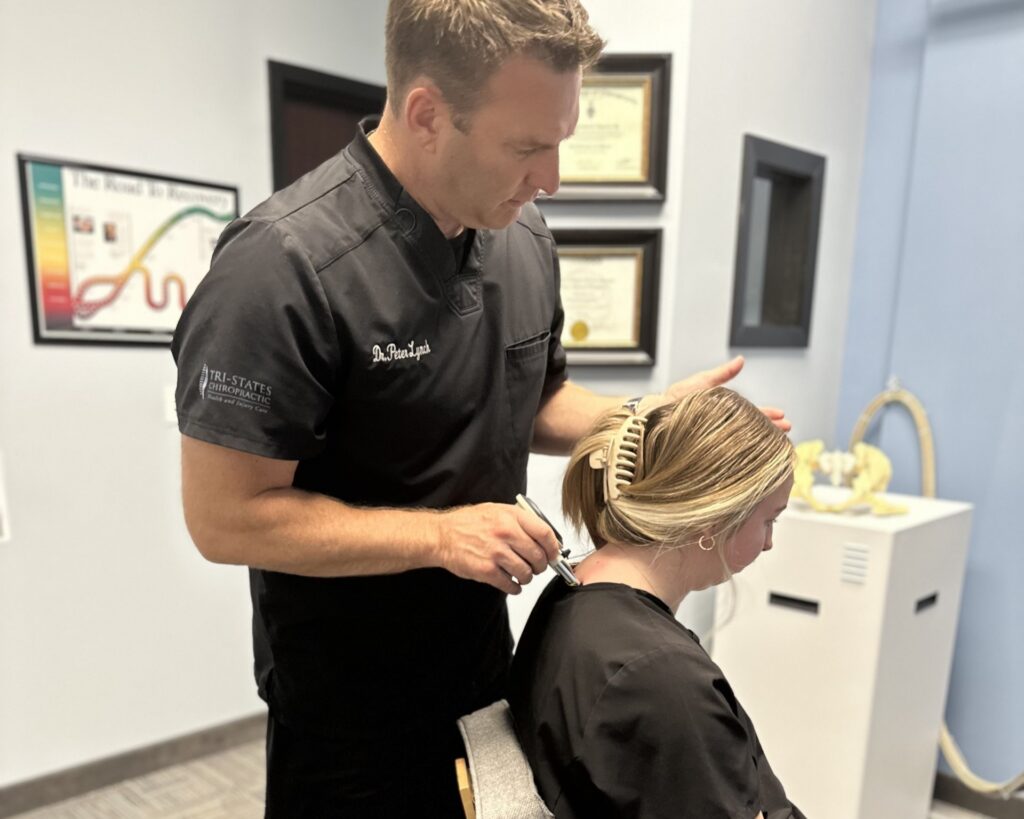
If you prefer a gentler touch, the Activator Method might be more suited for you. This technique utilizes a small handheld device to deliver a gentle impulse to the affected area, making it a fantastic option for those looking for a low-pressure approach to treatment.
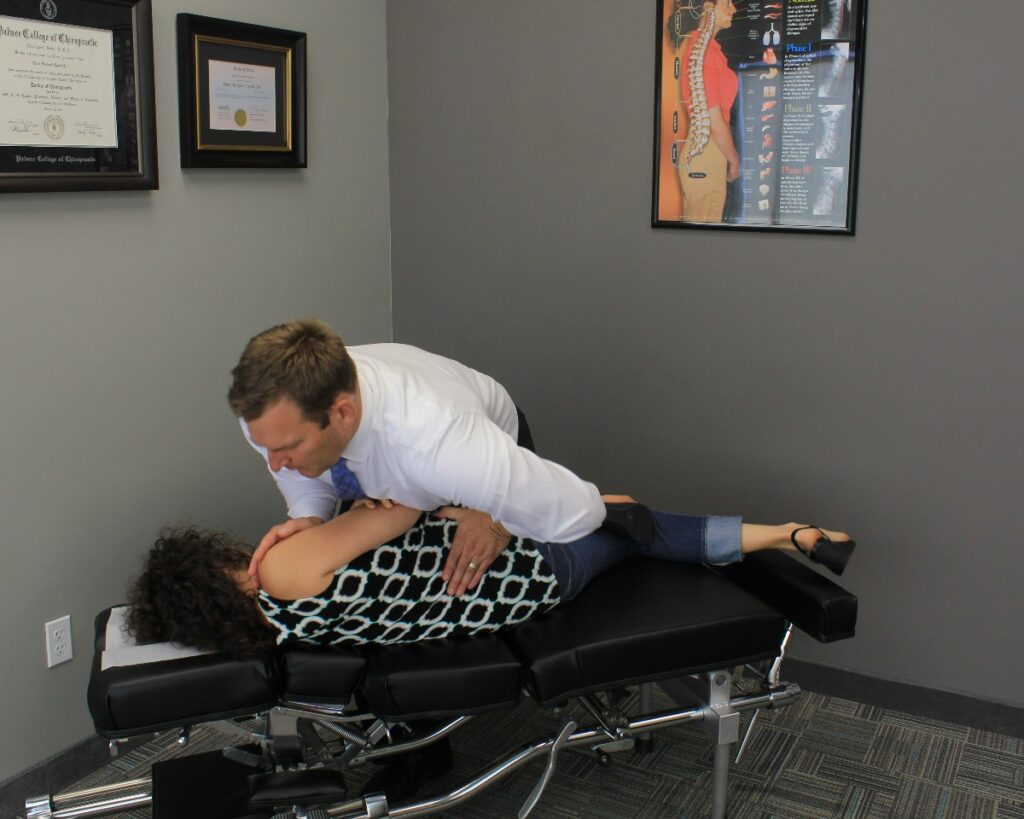
We also use flexion-distraction, particularly for those with lower back issues. This technique involves gently stretching the spine to relieve pressure on your discs and nerves, providing you with much-needed relief.
I encourage you to ask questions about these techniques during your visits so that you can feel more comfortable and informed about the natural healing process through chiropractic care.
Medications for Pain Relief
When lower back pain strikes, it's important to know that there are various ways to enhance your comfort and mobility, beyond just relying on medications. As a chiropractor, I believe in a holistic approach to pain management, which includes understanding the underlying causes of your discomfort.
For those experiencing mild pain, over-the-counter options such as ibuprofen or naproxen can provide temporary relief by reducing inflammation. These nonsteroidal anti-inflammatory drugs (NSAIDs) are often the go-to for acute pain but remember, they only mask the problem without addressing the root cause.
If your pain lingers, acetaminophen may help relieve discomfort, though it lacks anti-inflammatory properties. It's essential to adhere to recommended dosages, as excessive use can lead to serious health issues, including liver damage.
For more pronounced pain, some may turn to muscle relaxants prescribed by their healthcare provider. While these can help ease muscle spasms associated with lower back pain, they can also lead to drowsiness and should be used cautiously.
In chronic cases or severe discomfort, opioids might be suggested, but I advise caution. These medications can provide significant relief but carry a risk of addiction and unwanted side effects, making them a last-resort option in many scenarios.
Don't overlook topical treatments like creams or patches containing lidocaine or capsaicin. These can be effective for localized pain and are often preferred by those looking to avoid systemic medications.
As a chiropractor, I encourage you to consult with your healthcare provider about the best approach for your specific condition. Chiropractic care focuses on restoring proper alignment and function to your spine and joints, which can significantly alleviate pain and improve your quality of life. Remember, the goal is not just to manage pain but to foster long-term wellness and healing.
Alternative Therapies
As a local chiropractor, I want to share some insights on how alternative therapies can play a vital role in managing lower back pain and enhancing your overall health. While medications can sometimes provide temporary relief, exploring natural healing methods can address not only the pain itself but also the root causes contributing to it. Here are some alternative therapies worth considering:
- Acupuncture: This ancient Chinese practice involves the careful insertion of thin needles into specific points on your body. By doing so, it helps to stimulate energy flow and promote your body's natural healing processes.
- Chiropractic care: As a chiropractor, I specialize in spinal manipulation to align your musculoskeletal system. This technique can relieve pressure on nerves, reduce discomfort, and improve overall function, allowing your body to heal more effectively.
- Massage therapy: Therapeutic massage can be incredibly beneficial for relieving muscle tension, enhancing circulation, and promoting relaxation. These effects can significantly contribute to reducing lower back pain.
- Yoga: Integrating gentle stretches and strengthening poses into your routine can be a game-changer. Yoga not only increases flexibility and improves posture, but it also strengthens your core, providing long-term relief from discomfort.
- Mindfulness and meditation: These practices are essential for managing pain, as they help to reduce stress and enhance your mental resilience. By focusing on the present moment, you can change your perception of pain and improve your overall well-being.
Heat and Cold Treatments
As a local chiropractor, I want to share some valuable insights about managing lower back pain effectively through natural treatments. Heat and cold therapies can be incredibly beneficial in your recovery journey. Heat therapy works wonders by relaxing your muscles and enhancing blood circulation, which can help alleviate tightness and discomfort. On the other hand, cold therapy is excellent for reducing inflammation and numbing sharp pain, providing immediate relief.
Benefits of Heat Therapy
As a local chiropractor, I want to share with you the benefits of heat therapy for alleviating lower back pain and promoting healing. Heat therapy is a simple yet effective method that can make a significant difference in your comfort and mobility. When heat is applied to your back, it enhances blood flow, which helps relax tight muscles and relieve discomfort. Here are some key benefits you can expect from incorporating heat therapy into your routine:
- Muscle Relaxation: The application of heat helps soothe stiff muscles, making it easier for you to move without pain.
- Pain Reduction: The warmth can effectively dull the pain signals that reach your brain, providing you with quick relief.
- Improved Flexibility: Increased circulation from heat therapy allows your lower back to become more flexible, enhancing your overall mobility.
- Stress Relief: Heat has a calming effect on the body, which can help alleviate the stress and tension often associated with back pain.
- Enhanced Healing: By promoting better circulation, heat therapy aids in the healing process of injured tissues, helping you recover more quickly.
Whether you choose to use a heating pad, a hot water bottle, or indulge in a warm bath, integrating heat therapy into your wellness routine can significantly improve your quality of life. Just remember to apply heat for about 15-20 minutes at a time and take breaks to avoid overheating. This natural approach can lead to sweet relief, allowing you to resume your daily activities with greater ease and comfort. If you have any questions about how heat therapy can specifically benefit you, feel free to ask during your next visit!
Advantages of Cold Therapy
As a local chiropractor, I want to share with you the benefits of cold therapy for managing lower back pain. This simple yet effective method can significantly reduce inflammation and numb discomfort, helping you feel better faster. When you apply ice packs or cold compresses to the affected area, you'll likely experience a noticeable decrease in both swelling and pain. This technique is especially crucial during the first 48 hours following an injury or flare-up, as it helps constrict blood vessels and limit inflammation.
Cold therapy is not only effective but also easy to incorporate into your daily routine. You can purchase ice packs at local stores, or even make your own by wrapping ice in a cloth. Just remember to apply the cold source for about 15-20 minutes at a time, making sure to allow your skin to return to its normal temperature between applications. This practice not only delivers immediate relief but also helps reduce the risk of further injury.
Moreover, as swelling subsides, you'll likely find it easier to move around and engage in your daily activities. If you're dealing with lower back pain, I encourage you to consider the benefits of cold therapy. It's a straightforward and natural approach that can significantly enhance your recovery journey. As your chiropractor, I'm here to support you in exploring these effective methods for healing.
Combining Heat and Cold
As a local chiropractor, I often see patients who are unfamiliar with how natural healing methods can effectively alleviate lower back pain. One technique that has proven to be beneficial is the combination of heat and cold therapy. This dual approach harnesses the unique advantages of both treatments, providing relief and promoting recovery.
Heat therapy is excellent for relaxing tight muscles and enhancing blood flow to the affected areas, which is crucial for healing. On the other hand, cold therapy works wonders in reducing inflammation and numbing sharp pain, allowing you to manage discomfort more effectively. By alternating between these two therapies, you can create a powerful method for addressing your back pain and supporting your body's natural healing processes.
Here are some key benefits of combining heat and cold treatments that I encourage my patients to consider:
- Improved circulation: Heat increases blood flow, which can significantly aid in the healing process.
- Muscle relaxation: Applying heat can soothe tense muscles, making it easier to move and engage in daily activities.
- Pain relief: Cold therapy not only numbs painful areas but also helps reduce inflammation, providing relief from discomfort.
- Flexibility: The combination of heat and cold can promote a greater range of motion in your back, which is essential for recovery.
- Personalized approach: You can customize this treatment to your specific pain levels and how your body responds.
To effectively utilize this method, I recommend starting with cold therapy for about 15-20 minutes, followed by heat for the same duration. It's important to listen to your body throughout the process and adjust the timing and order based on what feels best for you. This approach not only empowers you to take an active role in your recovery but also aligns with the principles of chiropractic care and natural healing.
Exercise and Stretching
As your local chiropractor, I'd like to share some important insights about how exercise and stretching can play a crucial role in relieving lower back pain. Many people are unaware that engaging in regular physical activity can significantly strengthen the muscles that support your spine, which enhances stability and reduces the likelihood of future discomfort. When starting out, it's essential to choose low-impact exercises to ensure a safe approach. Activities such as walking, swimming, or cycling are excellent options, as they promote blood flow and contribute to the healing process of your lower back.
In addition to exercise, incorporating stretching into your daily routine can provide substantial benefits. Stretching improves flexibility and helps alleviate muscle tension that often leads to discomfort. I recommend focusing on stretches that target the lower back, hips, and hamstrings. Simple movements, like the child's pose or knee-to-chest stretch, can offer immediate relief and help you maintain overall mobility.
Consistency is vital for achieving lasting results. I encourage you to incorporate a mix of exercises and stretches into your daily routine, even if it's just for 10 to 15 minutes. Always listen to your body—if something feels painful, it's perfectly fine to modify the movement or skip it entirely. If you're unsure about which exercises or stretches are right for you, consider working with a physical therapist or myself, as I can guide you through a personalized plan tailored to your specific needs. Together, we can work towards a healthier, pain-free lifestyle.
Injections and Minimally Invasive Procedures
When it comes to finding relief from lower back pain, many people are surprised to learn about the effective options available through chiropractic care and natural healing methods. Injections and minimally invasive procedures can be beneficial, but there are also holistic approaches that may help reduce inflammation, alleviate pain, and improve mobility without resorting to surgery.
As a local chiropractor, I want to share some alternatives that might be worth considering alongside traditional treatments. Here are a few techniques and therapies that can complement your journey toward healing:
- Chiropractic Adjustments: Gentle spinal manipulations can help restore proper alignment, reduce nerve irritation, and promote overall wellness, which may significantly relieve pain.
- Therapeutic Massage: This can help relax tight muscles, improve circulation, and reduce tension, leading to enhanced mobility and comfort in your back.
- Physical Therapy: Tailored exercises can strengthen the muscles that support your spine and improve flexibility, which is essential for long-term relief.
- Acupuncture: This ancient practice can help stimulate the body's natural healing processes and reduce pain by targeting specific points in the body.
- Lifestyle and Nutritional Guidance: Making adjustments to your daily habits and diet can play a crucial role in managing pain and promoting healing.
These natural interventions can be transformative, especially for those who have not found relief through conventional means. I encourage you to consult with a healthcare professional, such as a chiropractor, to explore the best options for your unique situation. By adopting a holistic approach, you can pave the way for a more active lifestyle, allowing you to participate in the activities you love without the burden of pain.
Lifestyle Changes
As a local chiropractor, I understand that making effective lifestyle changes can significantly aid in your journey toward relieving lower back pain. One of the first steps I recommend is to pay attention to your posture. Whether you're seated at a desk or standing, maintaining a neutral spine is crucial. It helps minimize strain on your back. If you spend long hours working, consider investing in ergonomic furniture, and make it a habit to regularly check in on your posture throughout the day.
Incorporating regular physical activity into your routine is equally important. Engaging in low-impact exercises such as walking, swimming, or yoga not only strengthens your core but also promotes flexibility. I advise aiming for at least 30 minutes of activity most days of the week, as this can greatly alleviate tension in your back and help prevent future pain.
Don't forget about the role of nutrition in your overall health. A balanced diet rich in anti-inflammatory foods can aid in pain reduction. Focus on including plenty of fruits, vegetables, whole grains, and lean proteins in your meals. Staying well-hydrated is also essential; dehydration can lead to muscle stiffness, which can worsen discomfort.
Sleep is another critical component of healing. A good night's rest allows your body to repair itself. I suggest investing in a supportive mattress and pillow that promote proper spinal alignment to enhance your sleep quality.
Lastly, managing stress is vital. High stress levels can lead to muscle tension, exacerbating your pain. I encourage you to explore mindfulness practices, meditation, or deep-breathing exercises to help keep stress levels at bay.
At-Home Remedies
As a local chiropractor, I want to share with you some effective at-home remedies that can provide relief from lower back pain. While professional chiropractic treatments are important for addressing the root causes of pain, there are simple strategies you can implement at home to alleviate discomfort and support your healing process. These methods can help you regain mobility and reduce your reliance on medications. Here are some remedies worth trying:
- Heat therapy: Applying a heating pad or warm compress can be incredibly beneficial. Heat helps relax tight muscles and enhances blood circulation to the affected area, promoting healing.
- Cold therapy: If you're experiencing sharp pain or inflammation, consider using an ice pack wrapped in a cloth. Cold therapy can numb the area and significantly reduce swelling. Just remember to apply it for 15-20 minutes at a time.
- Gentle stretching: Incorporating light stretches into your routine is essential for maintaining flexibility and strengthening your back. Simple movements like knee-to-chest stretches can work wonders in relieving tension and improving mobility.
- Over-the-counter pain relief: While I encourage natural healing approaches, nonsteroidal anti-inflammatory drugs (NSAIDs) like ibuprofen can be helpful in managing pain and reducing inflammation. Always adhere to the recommended dosage.
- Proper posture: Your posture plays a crucial role in back health. Be mindful of how you sit and stand throughout the day. Using ergonomic furniture can offer support to your back and help prevent further strain.
Conclusion
As a local chiropractor, I want to emphasize that finding relief from lower back pain often requires a holistic approach. Chiropractic care is a key component in this journey, and when combined with physical therapy, medication, and alternative therapies, you can create a personalized treatment plan tailored to your needs.
Incorporating regular chiropractic adjustments can help to realign your spine, reduce pain, and enhance mobility. Additionally, I encourage you to include exercise and stretching into your routine, as well as making mindful lifestyle changes to support your recovery.
With commitment and the right strategies, you can effectively manage your pain and significantly improve your quality of life. Don't hesitate to take the first step—reach out today to learn how chiropractic care can help you on your path to a healthier back!