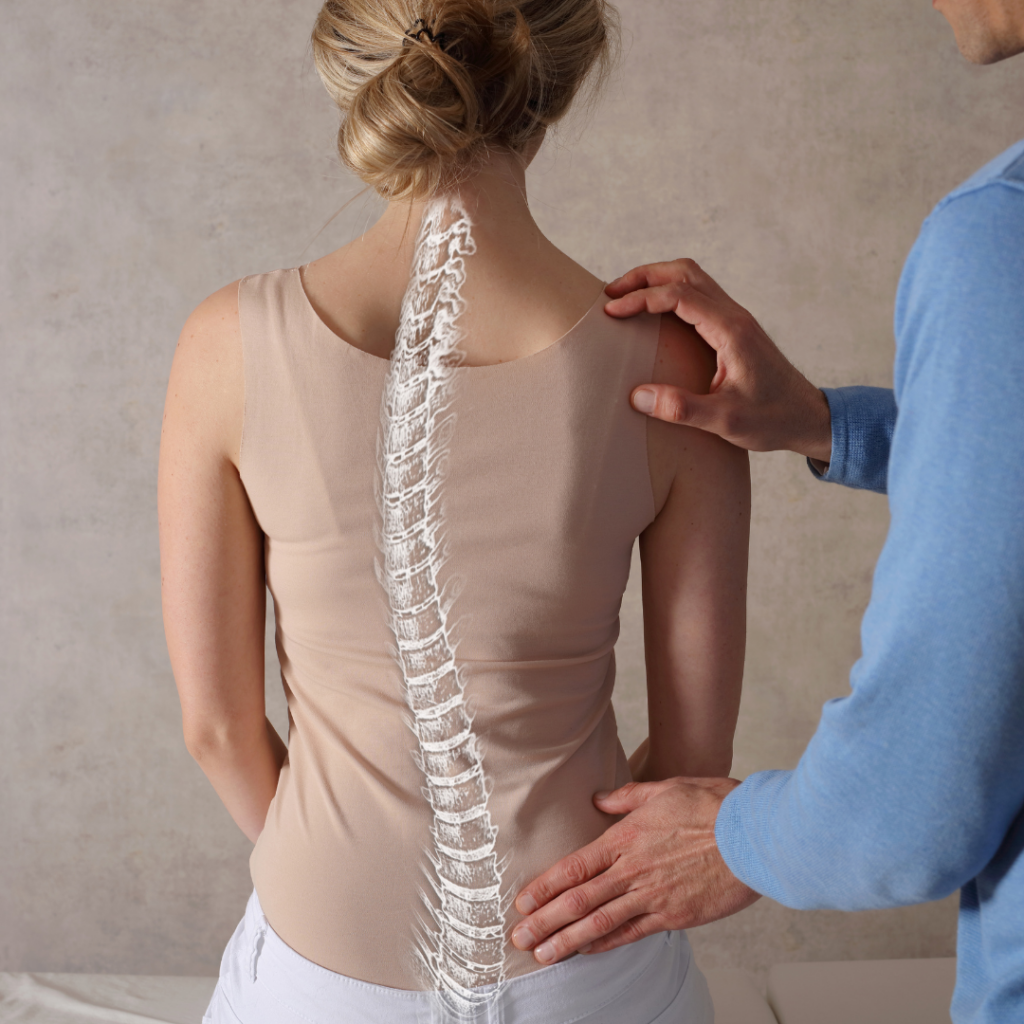
As a local chiropractor, I often see patients who are struggling with the nagging discomfort of back pain after a game or workout. This frustration can really hold you back from pushing your limits and enjoying the sports you love.
It's important to understand that the root causes of back pain can vary, and finding the right approach to relief can significantly enhance both your performance and overall enjoyment of physical activities.
One of the key elements to preventing back pain is a proper warm-up routine. Incorporating targeted exercises into your regimen can also be incredibly effective. However, I know that sometimes these methods might not provide the relief you're looking for.
That's where chiropractic care comes into play. Chiropractic treatment focuses on aligning your spine and improving your overall musculoskeletal health. By addressing any misalignments or restrictions in your body, we can help restore balance and function, which in turn alleviates pain and enhances your ability to perform.
If you're curious about how chiropractic care can change your approach to training and help you manage or prevent back pain, I invite you to learn more. Together, we can create a personalized plan to keep you active and pain-free, so you can fully enjoy your time on the field or in the gym!
Understanding Sports Back Pain
As a local chiropractor, I want to help you understand the crucial connection between sports and back health. Many people underestimate the impact that back pain can have on their athletic performance and overall enjoyment of physical activities. It's essential to comprehend how your body moves to prevent injuries and enhance your experience in your favorite sports.
First and foremost, let's talk about posture. Regardless of whether you're running, jumping, or lifting weights, maintaining proper alignment is key to protecting your spine. Poor posture can lead to unnecessary strain on your back, resulting in discomfort and reduced performance. I encourage you to focus on engaging your core muscles, as they help stabilize your body during any physical exertion.
Next, it's important to consider your technique. Each sport has its own specific movements, and performing them incorrectly can put significant strain on your back. For instance, improper mechanics during a golfer's swing or a swimmer's stroke can create unwanted torque on the spine. Working with a coach or trainer can be beneficial in refining your form, which can significantly lower your risk of injury.
Strength and flexibility are also vital components of back health. By strengthening the muscles surrounding your spine, you can provide better support to your back. Flexibility allows for a greater range of motion, which is essential for athletic performance. I often recommend incorporating exercises such as yoga or Pilates into your training routine to improve both strength and flexibility.
Lastly, it's crucial to listen to your body. If you experience any discomfort, don't simply push through the pain. Addressing these sensations early on can prevent more serious issues from developing later. By understanding these principles, you can not only protect your back but also elevate your performance in the sports you love. Remember, chiropractic care can play a significant role in helping you maintain optimal spine health and promote natural healing.
Common Causes of Back Pain
As a local chiropractor, I want to help you understand the common causes of back pain and how we can work together to address them naturally. One of the main issues I see in my practice is muscle strain. Athletes often push their limits—whether through weightlifting, sprinting, or making sharp movements—and this overexertion can lead to muscle strains that result in discomfort. Often, you may not even realize you've strained a muscle until the pain appears.
Another frequent culprit is poor posture. When engaging in activities like running or cycling, improper alignment can create unnecessary stress on your back. Additionally, spending long hours hunched over a laptop or phone can contribute to this problem. It's crucial to maintain a neutral spine position to reduce strain; being mindful of your body mechanics during any activity can make a significant difference.
Injuries from falls or collisions are also common causes of back pain. These sudden impacts can lead to a range of injuries, from minor sprains to more serious issues like herniated discs. After any injury, giving your body the time it needs to heal is essential; pushing through the pain often leads to chronic problems that can be more challenging to treat.
Repetitive motions in your sport can take a toll on your back over time, too. Whether it's swinging a racket or throwing a ball, the cumulative stress from these actions can lead to overuse injuries. Lastly, I often find that inadequate core strength can worsen back pain. A strong core is vital for supporting your back, and neglecting strength training in this area can leave you susceptible to discomfort.
Importance of Proper Warm-Up
As a local chiropractor, I want to emphasize the importance of a proper warm-up for your overall health and performance. A well-executed warm-up not only enhances your flexibility and mobility but also plays a crucial role in preventing injuries during physical activities. When you take a few moments to prepare your body, you're setting yourself up for success, whether it's in sports, exercising, or even daily tasks. Many people overlook this vital step, but trust me, those extra minutes can make all the difference in how your body feels and functions. Remember, taking care of your body is a key part of natural healing and maintaining optimal health!
Enhances Flexibility and Mobility
As a local chiropractor, I want to emphasize the importance of proper warm-up routines in enhancing flexibility and mobility. These factors are crucial in preventing sports-related back pain, which is something many of my patients experience. When you engage in a thorough warm-up, you are not just going through the motions; you are actively preparing your muscles and joints for the physical demands ahead.
Improving your flexibility allows for a greater range of motion in your body. This increased mobility can significantly reduce the strain on your back during sports activities. I recommend starting with dynamic stretches that specifically target the muscle groups you'll be using. Exercises like leg swings, arm circles, and hip rotations are excellent choices. They not only enhance flexibility but also promote healthy blood flow to those areas. As you perform these stretches, you should feel your body becoming more limber and ready to take on physical challenges.
In addition to stretching, incorporating mobility drills into your warm-up can further optimize your performance and protect your back. These movements help to lubricate your joints, making them more resilient and less prone to injury. Consider exercises like walking lunges and torso twists, which effectively engage your core and lower back, providing extra support during your activities.
Ultimately, taking the time to engage in a comprehensive warm-up routine can make a significant difference in how your body responds to physical stress. By prioritizing flexibility and mobility, you're not only preparing for your sport but also taking proactive steps to safeguard your back from pain and injury. Remember, your body works best when it is well-prepared, so let's work together to ensure you stay healthy and active.
Prevents Injury During Activities
As a local chiropractor, I want to emphasize the importance of a thorough warm-up routine in preventing injuries during your sports activities. Warming up is not just a formality; it plays a crucial role in preparing your body for physical exertion. When you engage in a proper warm-up, you increase blood flow to your muscles, which is essential for getting them ready for the intensity of your workout. This enhanced circulation helps to reduce stiffness and can significantly improve your overall performance.
A well-rounded warm-up should include dynamic stretches and light aerobic exercises. These activities activate your muscles and joints, promoting elasticity and reducing the likelihood of strains or tears. Simple movements like leg swings, arm circles, and torso twists can effectively engage key muscle groups and prepare your body for the demands of your sport.
Additionally, warming up is not just about your physical state; it also prepares you mentally for the game ahead. Setting aside time to focus on your intentions and boost your confidence can enhance your awareness of your body's movements. This mental engagement is vital in reducing the risk of awkward twists or falls that can lead to injury.
Finally, it's important to recognize the value of sport-specific warm-ups. Whether you're gearing up for basketball, soccer, or tennis, tailoring your routine to address the unique demands of your activity can be incredibly beneficial. By prioritizing your warm-up, you're not just protecting your body from injury; you're also investing in your overall health and enhancing your performance. As a chiropractor, I encourage you to incorporate these practices into your routine to promote natural healing and well-being.
Key Preventative Measures
As a local chiropractor, I want to emphasize the importance of preventing sports-related back pain through natural and holistic approaches. A strong core is vital, not just for aesthetics, but as a foundation for stability and movement. By focusing on strengthening your core muscles, you can effectively support your spine, which significantly reduces your risk of injury during sports activities. I recommend incorporating exercises that target your abdominal muscles, lower back, and pelvis into your regular routine to enhance your overall strength and stability.
Equally important is maintaining good posture. Whether you're running, cycling, or lifting weights, ensure that your spine is properly aligned and your shoulders are back. Poor posture can lead to excessive stress on your back, causing pain over time. I encourage you to be mindful of your form, particularly during repetitive movements or high-impact sports, as this can make a substantial difference in your spinal health.
Don't overlook the importance of warming up and cooling down. Before engaging in any sports activity, take the time to stretch and prepare your muscles. This practice increases blood flow and flexibility, helping to prevent strains. After your workout, cooling down is equally crucial; it aids in muscle recovery and can help alleviate potential soreness.
It's also essential to listen to your body. If you experience discomfort, please don't ignore it. Resting and seeking professional advice, such as a chiropractic consultation, can make a significant difference in your recovery. Additionally, staying hydrated and maintaining a balanced diet are fundamental to promoting overall muscle health, so be sure to prioritize these aspects as well.
Lastly, investing in proper footwear tailored to your specific sport is key. The right shoes offer necessary support and cushioning, helping to minimize the impact on your back. By integrating these preventative measures into your lifestyle, you can maintain a healthy back and enhance your performance in sports. Your spine deserves the best care, and I'm here to help guide you on this journey to natural healing and wellness.
Targeted Exercises for Relief
As a local chiropractor, I want to educate you about how targeted exercises can significantly help alleviate sports-related back pain. By focusing on specific muscle groups, these exercises not only strengthen your back but also improve your posture and enhance overall stability. Here are three effective exercises I recommend incorporating into your routine:
- Bird-Dog: Begin on your hands and knees, ensuring your back is flat. Extend your right arm forward while simultaneously extending your left leg back. Hold this position for a few seconds before returning to the starting point. Alternate sides. This exercise is excellent for improving core stability and balance, both of which are crucial for maintaining a healthy spine.
- Bridge: Lie on your back with your knees bent and your feet flat on the floor, positioned hip-width apart. Press through your heels to lift your hips toward the ceiling, engaging your glutes and lower back muscles. Hold this position for a few seconds before lowering back down. Bridges are effective in strengthening the glutes and lower back, which can help relieve pressure on the spine.
- Cat-Cow Stretch: Start on your hands and knees. Inhale deeply as you arch your back and lift your head (this is the Cow position), then exhale as you round your spine and tuck your chin (this is the Cat position). This dynamic movement is great for promoting flexibility and mobility in the spine, alleviating stiffness that can lead to discomfort.
Incorporating these targeted exercises into your daily routine can greatly reduce sports-related back pain. It's important to perform them consistently and always listen to your body. If you experience any pain while doing these exercises, please stop and consult with a healthcare professional, such as myself, who specializes in chiropractic care and natural healing methods. Your well-being is our priority, and together we can find the best approach to manage and alleviate your back pain.
Stretching Techniques for Flexibility
As a local chiropractor, I want to share the importance of incorporating stretching into your daily routine to enhance flexibility and prevent back pain. It's essential to understand the difference between dynamic and static stretching. Dynamic stretching is a great way to prepare your muscles for activity, helping to warm them up and increase blood flow. On the other hand, static stretching is crucial for improving overall flexibility and aiding in recovery after physical activities.
Dynamic Stretching Benefits
As a local chiropractor dedicated to educating my patients about natural healing and wellness, I want to share the benefits of dynamic stretching and how it can positively impact your flexibility and athletic performance. Unlike static stretches that hold positions for extended periods, dynamic stretches involve movement. This type of stretching is instrumental in preparing your muscles and joints for physical activity, which is essential for a healthy lifestyle.
Here are three key benefits of incorporating dynamic stretching into your routine:
- Increased Range of Motion: Dynamic stretching enhances your joint mobility, allowing you to move more freely and efficiently. This improved flexibility is crucial not only for athletes but for anyone looking to maintain their overall physical health.
- Enhanced Muscle Activation: Engaging in dynamic stretches increases blood flow to your muscles, leading to better responsiveness and power output. This means that whether you're working out, playing sports, or simply going about your daily activities, you'll be able to perform at your best.
- Reduced Risk of Injury: One of the most significant advantages of dynamic stretching is its ability to prepare your muscles and joints for intense movement. By doing so, it can lower the risk of strains and sprains during your workouts or games, promoting a safer and more enjoyable experience.
Incorporating dynamic stretching into your warm-up routine not only sets the stage for improved performance but also contributes to a lower chance of injuries. Make it a regular part of your health regimen, and you'll likely experience the benefits in all areas of your physical well-being. As your chiropractor, I encourage you to explore these natural approaches to enhance your overall health and vitality.
Static Stretching Importance
As a local chiropractor, I want to emphasize the significant role static stretching plays in enhancing your flexibility and promoting overall muscle health. Many people are unaware of the benefits of stretching, especially after workouts or physical activities. Taking just a few moments to stretch your muscles can help alleviate tension, improve your range of motion, and importantly, reduce the risk of injury.
It's essential to hold each stretch for 15 to 30 seconds. This duration allows your muscles to relax and effectively lengthen. Incorporating static stretching into your routine can be especially beneficial for recovery. After engaging in intense exercise, your muscles may feel tight and fatigued. Focusing on static stretches can promote blood flow, which aids in the healing process and helps reduce soreness. This aspect is particularly important for those who may experience back pain due to tightness or muscle strain.
To maximize the benefits of static stretching, I recommend targeting the major muscle groups that are relevant to your activities. For instance, if you're a runner, stretching your hamstrings, quadriceps, and lower back can provide significant relief and support your overall well-being. Remember to breathe deeply during each stretch, as this enhances relaxation and helps release built-up tension.
When to Seek Professional Help
As a local chiropractor dedicated to your health and well-being, I want to emphasize the importance of recognizing when it's time to seek professional help for sports-related back pain. It's easy to brush off discomfort, but ignoring persistent pain can lead to more serious injuries and longer recovery periods. Your health should always come first, so understanding when to consult a healthcare professional is crucial.
Here are three key signs that suggest it's time to reach out to a chiropractor:
- Persistent Pain: If your back pain lingers for more than a few days or intensifies despite rest and self-care, it's a clear signal to get professional help. Persistent pain can indicate an underlying issue that warrants a thorough chiropractic evaluation.
- Loss of Mobility: If you're struggling to bend, twist, or carry out daily activities, this could be a sign of a more serious problem. Difficulty with movement or increased pain during certain actions are valid reasons to schedule an appointment with a chiropractor for an assessment.
- Numbness or Tingling: If you experience numbness, tingling, or weakness in your legs or feet, these symptoms may suggest nerve involvement. Such sensations should not be overlooked, as they can point to a serious condition that requires immediate chiropractic attention.
Sports Equipment and Back Health
As a local chiropractor, I want to emphasize how crucial it is to choose the right sports equipment in order to maintain your back health. Whether you're heading to the gym, playing tennis, or enjoying a bike ride, the gear you select can significantly affect your spine's alignment and your overall comfort. For example, investing in quality footwear is essential. Well-fitting shoes with proper support can absorb shock effectively and reduce strain on your back. Ignoring the importance of footwear can lead to discomfort that travels from your feet all the way up to your spine.
When it comes to weightlifting, the right type of weights and equipment is vital for preventing injuries. Lifting incorrectly or using equipment that doesn't suit your body type can pose a risk. It's best to choose equipment that allows you to maintain good posture throughout your workout. Adjustable machines and free weights can give you the flexibility you need to find the most comfortable and supportive position for your body.
Don't underestimate the importance of proper padding and support in your sports gear. If you participate in contact sports, protective padding can help minimize the risk of jarring impacts that may lead to back pain. Similarly, when cycling, selecting a bike with the right seat height and handlebar positioning is essential to alleviate pressure on your lower back.
Lastly, remember to regularly check your equipment for any signs of wear and tear. Old, worn-out gear may not provide the necessary support, which can lead to potential back issues. By being proactive in choosing and maintaining your sports equipment, you take an important step towards protecting your back health. If you have any questions or concerns, don't hesitate to reach out; I'm here to help you on your journey to better health.
Long-Term Pain Management Strategies
As your local chiropractor, I'm here to help you understand that managing back pain goes beyond just caring for your sports equipment. Achieving long-term relief requires a comprehensive approach that combines lifestyle modifications and consistent practices. Here are three essential strategies that I recommend for my patients:
- Regular Exercise: It's crucial to engage in a well-rounded exercise routine that incorporates strength training, flexibility exercises, and cardiovascular activities. I emphasize the importance of core strengthening, as a robust core provides essential support for your spine and can significantly reduce pain.
- Posture Awareness: Good posture is vital, not only during sports but also in your daily life. I encourage you to be conscious of your body alignment while sitting, standing, or lifting. Proper posture helps to minimize unnecessary strain on your back and can prevent injuries from occurring in the future.
- Professional Guidance: Seeking the expertise of healthcare professionals, such as chiropractors and physical therapists, is an important step in your pain management journey. We can offer personalized assessments and tailored treatment plans to meet your specific needs. Regular check-ups allow us to monitor your progress and adapt your care strategy to ensure the best outcomes.
Integrating these long-term pain management strategies into your routine can lead to significant improvements in your back health. It's important to remember that consistency is key; healing takes time, so be patient with yourself during this process. By committing to these practices, you can enhance your athletic performance while effectively managing back pain. Prioritizing your spinal health will enable you to lead a more active and fulfilling life. Let's work together towards a pain-free future!
Conclusion
As a local chiropractor, I want to emphasize the importance of maintaining proper posture, engaging your core muscles, and incorporating effective warm-up and stretching techniques to help prevent sports-related back pain. Many individuals overlook how crucial quality sports equipment is, along with a consistent exercise routine, for sustaining back health. If you find yourself dealing with persistent pain or mobility issues, it's essential to seek professional support, as I can provide you with tailored strategies to promote healing and relief. By understanding these approaches, you can take proactive steps toward enjoying your favorite activities without discomfort. Let's work together to prioritize your back health and enhance your overall well-being!