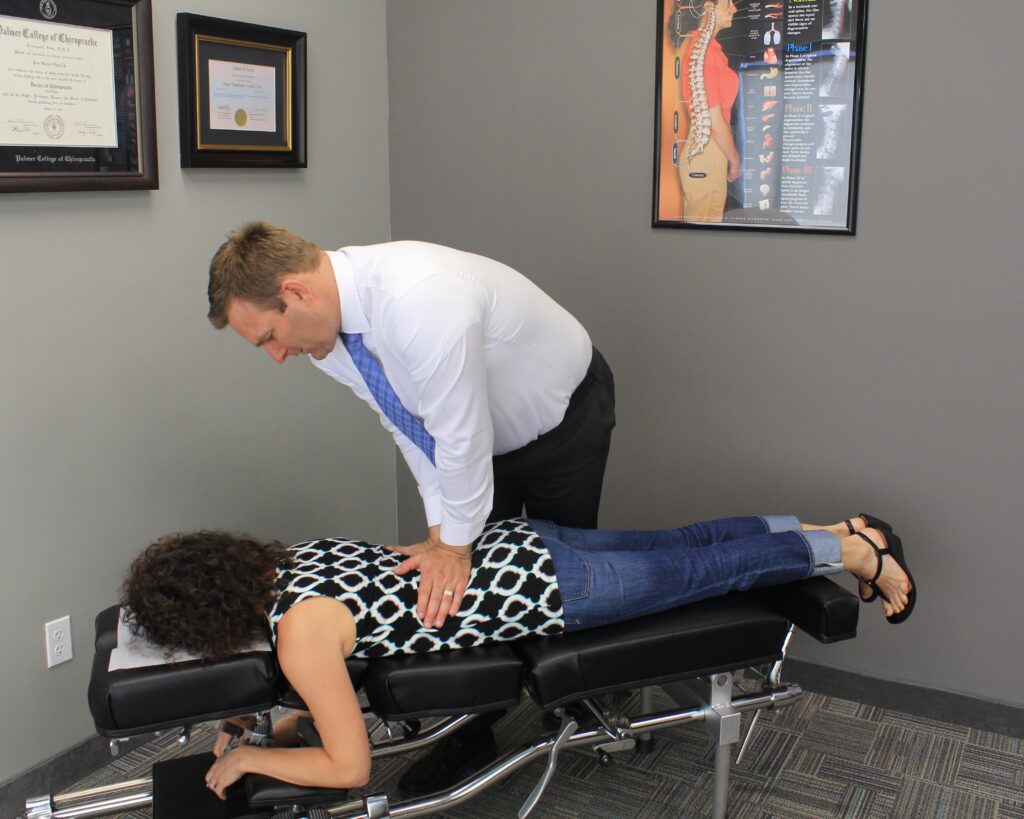
As your local chiropractor, I want to help you understand the various factors that may be contributing to your chronic back pain. Many people are unaware that issues like poor posture, previous injuries, or even stress can significantly impact your comfort and overall well-being. It's essential to recognize that addressing these underlying causes is just as crucial as finding immediate relief from your pain.
In my practice, I focus on a holistic approach to healing, which means we'll work together to identify the root causes of your discomfort. This may involve adjustments to improve your spinal alignment, therapeutic exercises to strengthen your muscles, and lifestyle changes to enhance your posture and reduce stress.
So, what strategies can we implement to effectively reduce your pain and improve your quality of life? Together, we'll explore a combination of chiropractic adjustments, physical therapy, and natural healing methods tailored specifically to your needs. My goal is to empower you to regain control over your health and find lasting relief from your chronic back pain. Let's take this journey together towards a healthier, pain-free life!
Overview of Chronic Back Pain
Chronic back pain is a common issue that affects millions of people, and as your local chiropractor, I understand how overwhelming it can be. Everyday tasks, such as lifting a grocery bag or bending down to tie your shoes, can feel like monumental challenges. This persistent discomfort can linger for months or even years, impacting your quality of life.
It's essential to remember that chronic back pain isn't just about the physical sensations; it can also take a toll on your mental well-being, leading to frustration, anxiety, or even depression.
It's important to recognize that chronic back pain isn't a one-size-fits-all condition. Each individual experiences it differently, with pain levels that can vary from mild to severe. You may find that specific activities trigger your pain, or that it becomes more intense after sitting for long periods. This unpredictability can complicate your daily planning, affecting both your work and social engagements.
There are various factors that can contribute to chronic back pain, including lifestyle choices, past injuries, and even genetic factors. As a chiropractor, I often see how maintaining a healthy weight, staying active, and practicing good posture can significantly alleviate discomfort.
It's vital to strike the right balance between rest and activity; while rest is important, too much inactivity can exacerbate your condition.
Chiropractic care focuses on natural healing and aims to address the root cause of your pain. Through targeted adjustments and personalized treatment plans, we can work together to relieve your discomfort and improve your overall well-being.
If you're struggling with chronic back pain, I encourage you to explore the benefits of chiropractic care as a holistic approach to your health.
Common Causes of Back Pain
As a local chiropractor, I often see patients who are unfamiliar with the various causes of back pain and how natural healing can help alleviate their discomfort. It's important to understand that back pain can arise from multiple factors, and recognizing these can lead to more effective management.
One prevalent cause of back pain is poor posture. Many of us spend long hours sitting at desks or hunched over our smartphones, which puts immense strain on our back muscles as they struggle to support our spine. This can lead to significant discomfort over time.
Additionally, everyday activities such as lifting heavy objects or bending awkwardly can result in muscle strains or sprains, further contributing to back pain.
Age-related changes in the spine are another consideration. As we grow older, our spinal discs can lose hydration and flexibility, making them more vulnerable to injury. Conditions like arthritis can also create inflammation in the joints of the spine, leading to pain and stiffness.
It's worth noting that excess weight can exacerbate back pain by placing additional stress on the spine and surrounding muscles. Maintaining a healthy weight is crucial for supporting your back health.
Moreover, stress is often an overlooked factor. When we're under stress, our bodies tend to tense up, leading to muscle tension in the back. Certain medical conditions, such as scoliosis, herniated discs, or even kidney issues, can also present as back pain.
Lastly, a sedentary lifestyle can weaken your back muscles, making them less effective at supporting your spine. As a chiropractor, I encourage patients to incorporate physical activity into their daily routines to strengthen these muscles.
Understanding these common causes empowers you to make lifestyle adjustments that may alleviate your back pain and enhance your overall well-being. Identifying the triggers of your discomfort is the first step toward finding relief, and our chiropractic care can guide you on this journey to a healthier back.
Role of Injuries and Accidents
As a chiropractor, I want to emphasize how injuries and accidents can significantly affect your back health. Often, these incidents lead to chronic pain that persists long after the injury has occurred.
You may experience common injuries such as sprains or fractures, which can change the way you move and function in your daily life.
Understanding the long-term effects of these injuries is crucial for managing your pain effectively and preventing future complications.
Chiropractic care focuses on natural healing and can help restore balance to your body, improve mobility, and alleviate pain.
Common Types of Injuries
As a local chiropractor, I often see patients who are unfamiliar with the types of injuries that can lead to chronic pain. Understanding these common injuries is the first step toward effective healing and prevention.
One prevalent injury we encounter is a strain. This occurs when muscles or tendons in your back are overstretched or torn, often due to heavy lifting or sudden movements. It's essential to be mindful of your body mechanics to avoid these types of injuries.
Sprains are another type of injury I frequently treat. Similar to strains, sprains involve the stretching or tearing of ligaments, which can happen during falls or awkward landings. Both strains and sprains can lead to discomfort and, if not addressed, may contribute to chronic pain over time.
A herniated disc is a significant concern as well. This condition arises when the soft material inside a spinal disc pushes out, putting pressure on nearby nerves, resulting in pain. It's important to recognize the signs early, as car accidents often lead to whiplash, a neck strain that can also impact your back and lead to prolonged discomfort.
Fractures, whether from falls or traumatic injuries, can cause severe pain and, if not treated properly, may contribute to chronic issues. In addition, repetitive stress injuries caused by poor posture or improper ergonomics can accumulate over time, leading to persistent back pain.
As your chiropractor, I want to emphasize the importance of recognizing these injuries early. By addressing them proactively, we can work together to prevent the progression to chronic pain.
Remember to listen to your body and seek help when needed. Taking care of your back is crucial for your overall health and well-being.
Long-term Impact of Accidents
As a local chiropractor, I want to highlight the often-overlooked long-term impacts accidents can have on your body, particularly when it comes to chronic pain.
Whether you've experienced a car crash or a simple slip and fall, the injuries you sustain can continue to affect you long after the initial incident. You may feel like you've fully healed, but subtle changes in your body can lead to ongoing discomfort and complications that may surprise you.
The spine is especially vulnerable during accidents. Take whiplash, for example; it can cause damage to the vertebrae and the surrounding muscles, leading to stiffness and chronic pain that can persist for years.
Even seemingly minor injuries can result in misalignments or weakened structures in your back, setting the stage for ongoing discomfort.
Moreover, we must consider the psychological ramifications of an accident. The stress and anxiety that often follow can aggravate physical symptoms, creating a cycle that can be difficult to escape.
You might find that your fear of re-injury prevents you from participating in physical activities, which can further intensify your back pain.
It's crucial to recognize and address these long-term effects. Seeking proper chiropractic treatment and rehabilitation can play a vital role in helping you regain control over your body and enhance your quality of life.
Don't let an accident dictate your future health—natural healing is possible, and I'm here to guide you on that journey.
Impact of Poor Posture
As a chiropractor, I want to emphasize how poor posture can quietly lead to chronic back pain, often without you even being aware of it. When you slouch or remain seated for long periods, you're unintentionally putting excessive strain on your spine and the surrounding muscles. This ongoing strain can lead to tightness and discomfort, which, if left unaddressed, can evolve into chronic pain.
Over time, your body may adapt to these unfavorable positions, making it increasingly difficult for you to identify the root cause of your pain.
Here are some common ways that poor posture can affect your back health:
- Increased strain on muscles: When you slouch, your back muscles are forced to work overtime, leading to fatigue and discomfort.
- Misalignment of the spine: Poor posture can cause your vertebrae to shift out of their proper alignment, resulting in discomfort and irritation of the nerves.
- Reduced flexibility: Sitting or standing incorrectly can limit your range of motion, making it challenging to perform everyday activities.
- Tension headaches: Poor posture often contributes to muscle tension in the neck and shoulders, which can lead to headaches.
- Decreased lung capacity: Slouching compresses your lungs, causing shallow breathing and reducing your oxygen intake, which can impact your overall health.
Understanding the relationship between posture and your spinal health is crucial. By correcting your posture and seeking chiropractic care, you can alleviate pain, improve your mobility, and enhance your overall well-being.
Medical Conditions and Back Pain
As your local chiropractor, I want to help you understand the potential medical conditions that could be contributing to your chronic back pain.
Many people may not realize that issues such as injuries or degenerative disc disease can significantly affect your comfort and ability to move. By identifying these underlying factors, we can work together to develop a natural, effective approach to managing your pain.
Chiropractic care focuses on restoring balance and alignment to your spine, which can alleviate discomfort and enhance your overall well-being.
Let's explore how we can address your back pain holistically, promoting healing and recovery without relying solely on medications.
Common Medical Conditions
As a local chiropractor, I often see patients who struggle with chronic back pain, which can significantly impact their daily lives.
It's important to understand that this discomfort can arise from various underlying medical conditions. By identifying these issues, we can work together to manage your pain more effectively and promote natural healing.
Here are some common conditions that may contribute to your back pain:
- Herniated Discs: These occur when the discs that cushion your vertebrae either bulge or rupture, potentially pressing on nearby nerves and causing pain. Chiropractic adjustments can help relieve this pressure and restore proper alignment.
- Arthritis: Inflammation in the joints, particularly in the spine, can lead to stiffness and chronic pain. Chiropractic care focuses on improving joint function and mobility, which can alleviate discomfort associated with arthritis.
- Sciatica: This painful condition arises when the sciatic nerve is compressed, often resulting in radiating pain down one leg. Chiropractic adjustments can help relieve the pressure on the nerve and reduce pain.
- Skeletal Irregularities: Issues like scoliosis can create uneven pressure on your spine, leading to chronic discomfort. Chiropractic care can address these irregularities, promoting better alignment and reducing pain.
- Osteoporosis: When bones become weak and brittle, fractures can occur, leading to significant back pain. While chiropractic care can't treat osteoporosis directly, it can support overall spinal health and help manage pain through gentle adjustments and supportive therapies.
By recognizing these conditions, you can better communicate your concerns during our consultations.
Together, we can develop a personalized treatment plan that not only alleviates your back pain but also enhances your overall quality of life.
Impact of Injuries
As a local chiropractor, I want to help you understand how injuries can significantly impact your overall health, especially if you already have existing medical conditions. When you suffer an injury, whether it's a sprain, strain, or fracture, it can interfere with your body's natural healing process. This interference often leads to increased inflammation and muscle tension, which can exacerbate any back pain you may already be experiencing.
For those of you living with pre-existing conditions like arthritis or scoliosis, injuries can present additional challenges. The pain from an injury might mask the discomfort of your existing condition or even amplify it, making daily activities feel increasingly difficult. This cycle of pain can lead to frustration and limit your quality of life.
Injuries can also alter the way you move. You may find yourself favoring one side of your body to avoid pain, which can create imbalances and additional strain on your back. This is why it's crucial to address both the injury and any underlying medical conditions at the same time.
As a chiropractor, I believe in a holistic approach to healing. If you're struggling with back pain, I encourage you to seek professional guidance. Together, we can explore natural healing methods tailored to your needs, ensuring that both your injury and any pre-existing conditions are effectively managed.
Your journey to recovery and wellness is important, and I'm here to support you every step of the way.
Degenerative Disc Disease
As a local chiropractor, I want to share valuable insights about Degenerative Disc Disease (DDD), a condition that can significantly impact your back health and overall well-being. Many individuals, especially as they age, may not realize how the discs in the spine can change, losing hydration and elasticity over time. This isn't just a natural part of aging; it can lead to discomfort and pain that affects your daily life.
Let's break down what you need to know about DDD:
- Disc Degeneration: The discs serve as cushions between your vertebrae, and over the years, they can deteriorate, leading to stiffness and pain.
- Symptoms: You might experience localized pain in your back, radiating discomfort down your legs, or even numbness in your arms and legs.
- Risk Factors: Factors such as family history, age, being overweight, and certain lifestyle choices can heighten your risk for developing DDD.
- Diagnosis: To understand your condition better, healthcare providers may recommend imaging tests like MRIs or X-rays.
- Natural Treatment Options: As a chiropractor, I focus on natural healing methods. We can explore physical therapy, chiropractic adjustments, and tailored exercise programs to alleviate your symptoms and improve your mobility.
Psychological Factors Involved
As a local chiropractor, I want to shed light on an often-overlooked aspect of back pain: the psychological factors that can significantly influence your experience and recovery. Your thoughts, emotions, and overall mental state can impact not only how you perceive your pain but also how effectively you manage it.
It's common for anxiety and depression to accompany chronic pain, and these feelings can amplify your discomfort. If you're feeling stressed or overwhelmed, your back pain may seem more intense.
How you think about your pain is crucial to your recovery journey. If you view your pain as unmanageable or fear that it will worsen, you might unintentionally avoid certain activities. This can lead to a cycle of inactivity, which often exacerbates discomfort. Maintaining an active lifestyle is vital for recovery and overall health, so fostering a positive mindset is essential.
I also encourage you to explore coping strategies that can help you navigate your pain more effectively. If you find yourself dwelling on negative thoughts or feeling helpless, developing healthier coping mechanisms can be beneficial. Practices like mindfulness can help you stay present, reducing anxiety related to your pain.
Support is another key element in managing back pain. Connecting with family, friends, or professionals who understand your situation can provide not only emotional relief but also practical advice.
Effective Relief Strategies
As a local chiropractor, I believe in the power of combining various natural relief strategies to effectively manage chronic back pain.
It's important to tailor these approaches to fit your unique symptoms and lifestyle, addressing both the physical and emotional facets of your discomfort. Here are some effective strategies I recommend for my patients:
- Chiropractic adjustments: Regular adjustments can help realign your spine, alleviate pressure on nerves, and improve overall mobility, leading to significant pain relief.
- Physical therapy: Incorporating targeted exercises into your routine can strengthen your back muscles and enhance flexibility, which is crucial for reducing pain over time.
- Heat and ice therapy: Applying heat or ice to the painful area can provide immediate relief and help decrease inflammation, making it a simple yet effective method to manage discomfort.
- Mindfulness and relaxation techniques: Engaging in practices such as meditation, yoga, or deep breathing exercises can help you manage stress and alter your perception of pain, promoting a more holistic approach to healing.
- Over-the-counter medications: While I prefer natural methods, I understand that non-steroidal anti-inflammatory drugs (NSAIDs) can be beneficial when used appropriately to alleviate pain and reduce inflammation.
- Lifestyle modifications: Embracing a healthier lifestyle—through regular exercise, maintaining a healthy weight, and improving your posture—can significantly enhance your overall well-being and contribute to better management of your pain.
Remember, each patient is different, and the journey to pain relief is unique.
I'm here to guide you in finding the most effective strategies tailored to your needs.
When to Seek Professional Help
As a local chiropractor dedicated to helping you understand and manage your chronic back pain, I want to emphasize the importance of recognizing when it's time to seek professional help. If your discomfort has been lingering for more than a few weeks, it's a clear sign to reach out to a healthcare provider, such as a chiropractor. Ignoring ongoing pain can lead to more complications and restrict your daily activities significantly.
If you find that your pain is hindering your ability to perform everyday tasks—like walking, standing, or sitting comfortably—it's crucial to seek assistance. A chiropractor can evaluate your condition and develop a personalized treatment plan that addresses the root cause of your pain.
Be mindful of additional symptoms as well. If you experience numbness, tingling, or weakness in your legs, it's essential to get a professional evaluation. These sensations could indicate nerve involvement that requires immediate attention.
Moreover, if your back pain is accompanied by unexplained weight loss, fever, or issues with bowel and bladder control, don't hesitate to seek care. These symptoms could point to a more serious underlying issue that needs urgent evaluation and treatment.
Finally, assess your pain levels regularly. If over-the-counter medications and at-home remedies aren't bringing you relief, or if your pain is escalating despite your efforts, it's time to consult with a chiropractic professional.
We're here to guide you through natural healing methods that can lead to long-lasting relief and improved quality of life.
Conclusion
As a chiropractor, I want to help you understand chronic back pain and how we can address it together. It's important to recognize that both physical and psychological factors can play a significant role in your discomfort. By identifying the underlying causes of your pain, we can work together to develop effective relief strategies tailored to your needs.
Chiropractic care focuses on natural healing and aims to restore proper alignment and function to your spine and nervous system. Incorporating lifestyle changes, such as posture improvement and regular exercise, along with our treatments, can greatly enhance your recovery process.
I encourage you to seek professional help when needed, as I'm here to guide you on your journey toward a pain-free life. Remember, every patient's experience is unique, and together we can explore various approaches that resonate with you. Your proactive steps toward understanding your pain will empower you to take control of your health and well-being.