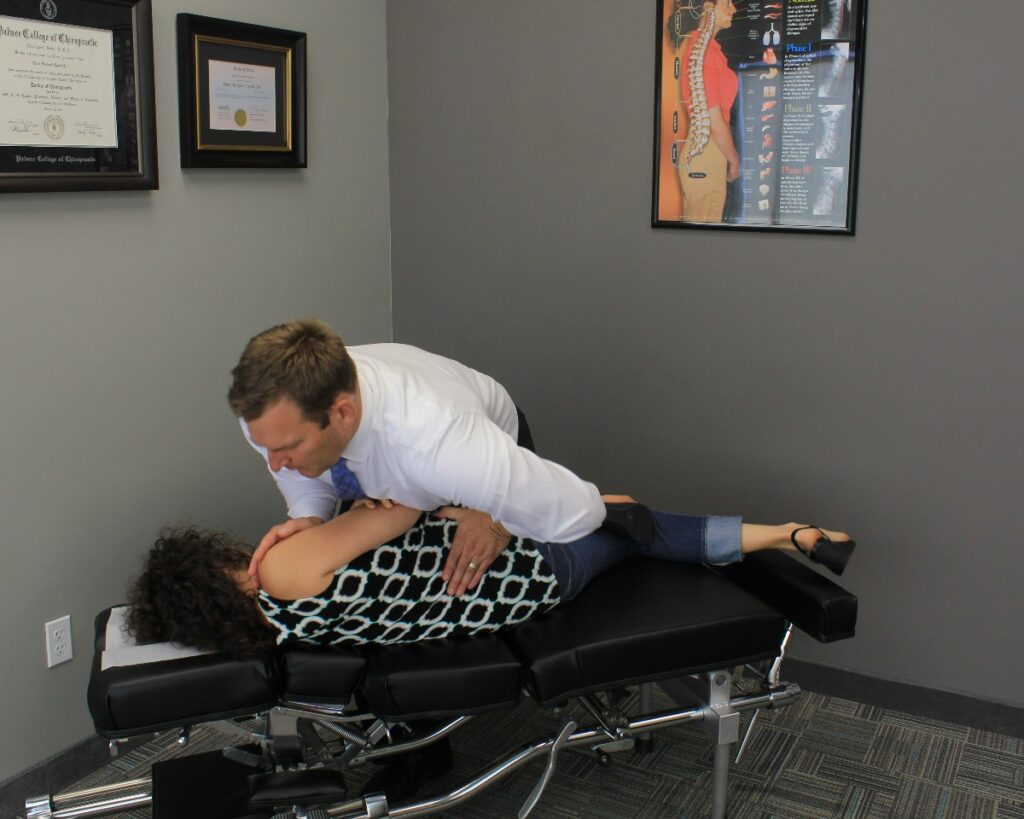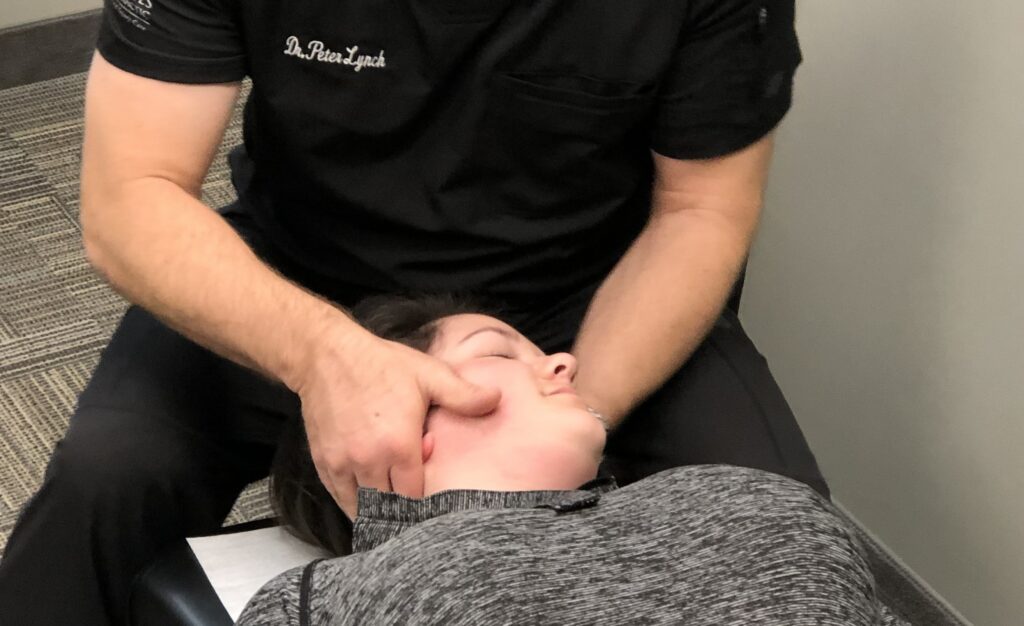
If you're dealing with chronic back pain, know that you're not alone in this struggle. As a local chiropractor, I want to help you understand that pinpointing the root causes of your discomfort is a crucial step towards healing. Common culprits can include muscle strain, herniated discs, and poor posture, all of which I see frequently in my practice.
Many people are unaware of the various treatment options available, including chiropractic care, physical therapy, and alternative therapies. It can feel overwhelming to navigate through these choices, but that's where I come in. My goal is to help you identify the specific cause of your back pain and create a personalized treatment plan that works for you.
Chiropractic care focuses on aligning the spine and improving your body's function, which can lead to significant relief from pain. With a tailored approach, we can work together to address your unique situation and enhance your overall well-being. Remember, the journey to feeling better may not be straightforward, but exploring these options can lead to substantial improvements in your quality of life. Let's take this journey together towards relief and healing.
Common Causes of Chronic Back Pain
As a local chiropractor, I understand that chronic back pain can significantly impact your daily life, and I want to help you explore the common causes behind it. One of the primary issues I see in my practice is muscle or ligament strain. Many of us have experienced this after lifting something heavy incorrectly or twisting our backs in an awkward way. This type of strain can lead to persistent discomfort that seems to linger.
Another frequent contributor to chronic back pain is poor posture. Whether you find yourself sitting at a desk for long hours or slouching on the couch, your spine can suffer as a result. Over time, improper alignment can lead to ongoing pain.
Additionally, your sleep position plays a crucial role. If you sleep on a mattress that doesn't provide adequate support, you might wake up with pain that just doesn't go away.
I also want to highlight how certain conditions, such as arthritis, can affect your back. As we age, the cartilage in our joints may wear down, leading to pain and stiffness. Sciatica is another common issue I encounter, characterized by radiating pain down the leg due to nerve compression, which can also be linked to back pain.
Obesity is another important factor to consider. Carrying extra weight can put additional strain on your back, increasing the likelihood of experiencing chronic pain.
Lastly, I want to mention that stress and anxiety can lead to muscle tension in your back, worsening discomfort.
Recognizing these causes is the first step toward finding relief. As a chiropractor, I encourage you to consider lifestyle changes and seek natural healing options tailored to your needs.
Together, we can work towards alleviating your pain and enhancing your mobility. Let's take this journey to better back health together!
Herniated Discs and Back Pain
If you're struggling with persistent back pain, it's possible that a herniated disc could be the source of your discomfort. This condition can manifest in various ways, such as pain, numbness, or weakness in the areas affected.
As a local chiropractor, I want to educate you on the natural healing methods we offer. There are effective treatment options available that can help alleviate your pain and enhance your overall quality of life, allowing you to return to the activities you love.
Let's explore how chiropractic care can support your recovery and promote long-term wellness.
Symptoms of Herniated Discs
As a local chiropractor, I want to help you understand the impact of herniated discs on your body and daily life. These discs can be a source of significant discomfort, leading to various symptoms that may disrupt your routine.
You might notice sharp or radiating pain in your back, making even simple movements or sitting feel uncomfortable. This discomfort often extends down the legs, a condition known as sciatica, which can bring on tingling or numbness.
You may also experience muscle weakness in your legs or feet, which can make activities like walking or climbing stairs quite difficult. In some unfortunate cases, some individuals may experience a sudden loss of bladder or bowel control, which is a situation that requires immediate medical attention.
Stiffness and reduced flexibility in your back are also common symptoms of herniated discs, which may lead to challenges with everyday tasks. You might find yourself shying away from physical activities you once enjoyed, leading to feelings of frustration and emotional stress.
It's crucial to listen to your body. If you're experiencing any of these symptoms, I encourage you to seek guidance from a healthcare professional, such as a chiropractor.
Treatment Approaches Available
Finding relief from the discomfort associated with herniated discs is absolutely achievable through various natural treatment approaches that we offer here at our chiropractic clinic.
Understanding how your body can heal itself is key to improving your quality of life. Here are three fundamental treatment options we emphasize:
- Chiropractic Adjustments: Gentle spinal adjustments can help realign your vertebrae, relieving pressure on nerves and enhancing your body's ability to heal. Our chiropractors will assess your condition and create a personalized adjustment plan tailored to your needs.
- Rehabilitative Exercises: Alongside chiropractic care, we integrate specific exercises designed to strengthen your back muscles, improve flexibility, and alleviate pain. Our team will guide you through a customized exercise program that complements your chiropractic treatment.
- Lifestyle and Nutritional Guidance: We believe in a holistic approach to healing. In addition to physical treatments, we offer advice on nutrition and lifestyle modifications that support your recovery. Proper nutrition can play a significant role in reducing inflammation and promoting overall health.
It's vital to consult with a chiropractor to determine the most effective approach for your unique situation.
A personalized treatment plan focused on natural healing can lead to significant improvements in your condition and help you regain control of your life.
Don't hesitate to reach out and explore these natural options in your journey toward healing and wellness.
Arthritis and Joint Issues
As a local chiropractor, I want to help you understand how arthritis can significantly affect your chronic back pain, as it impacts your joints and overall mobility.
It's crucial to recognize the different types of arthritis, as this knowledge will empower you to take control of your health.
In our practice, we focus on natural healing methods that can effectively manage your discomfort.
By exploring various pain management strategies, including chiropractic adjustments and holistic approaches, we aim to alleviate your pain and enhance your quality of life.
Together, we can work towards improving your mobility and helping you feel your best.
Types of Arthritis
As a local chiropractor, I want to help you understand the various types of arthritis that can contribute to chronic back pain and joint issues.
It's crucial to recognize these conditions so we can work together to find the best natural healing approaches for you. Here are three common types of arthritis you should know about:
1. Osteoarthritis: This is the most prevalent form of arthritis and is often a result of the natural wear and tear on your joints over time.
It can lead to inflammation and stiffness in your back, which may hinder your mobility.
2. Rheumatoid Arthritis: This type is an autoimmune disorder where your immune system mistakenly attacks your joints, including those in the spine.
This can lead to significant pain and swelling, which can interfere with your daily activities.
3. Ankylosing Spondylitis: This form of inflammatory arthritis primarily impacts the spine, causing severe pain and stiffness.
Over time, it can lead to the fusion of vertebrae, reducing your range of motion and flexibility.
Understanding which type of arthritis you may be dealing with is essential for us to create an effective treatment plan.
Through chiropractic care, lifestyle adjustments, and natural healing methods, we can work together to manage your symptoms and enhance your overall quality of life.
If you suspect that arthritis might be affecting you, I encourage you to reach out for a proper evaluation and personalized guidance.
Your journey to feeling better starts here!
Joint Pain Management
Managing joint pain, particularly when it arises from conditions like arthritis, can be daunting, but you don't have to face it alone. As a chiropractor, I'm here to help you understand your options for natural healing and relief. It all starts with a thorough consultation where we can discuss a personalized treatment plan tailored to your unique needs.
Chiropractic care often serves as an effective first line of defense. By focusing on spinal adjustments and joint manipulation, we can help alleviate pain, reduce inflammation, and improve your overall range of motion.
If symptoms persist, we can explore additional strategies that may include specialized exercises or stretches designed to strengthen the muscles surrounding your joints, enhancing stability and reducing discomfort.
Physical activity is crucial in managing joint pain, and I encourage engaging in low-impact exercises such as swimming or cycling. These activities allow you to stay active while minimizing strain on your joints. It's all about finding the right balance to keep you moving without exacerbating your pain.
Moreover, I advocate for exploring complementary therapies. Practices such as acupuncture or massage therapy can be beneficial in reducing tension and stress, which often contribute to heightened pain levels.
Muscle Strains and Sprains
As a local chiropractor, I want to share some important information about muscle strains and sprains, which can often lead to chronic back pain if not addressed properly.
These injuries commonly occur when individuals engage in physical activities without a proper warm-up or the correct technique. Muscle strains happen when muscles are overstretched or torn, while sprains affect the ligaments that connect bones at a joint. Both conditions can result in inflammation, pain, and limited mobility, making everyday tasks quite challenging.
To help you steer clear of these injuries and maintain a healthy spine, I recommend the following tips:
- Warm Up Properly: Always begin your physical activities with a gentle warm-up. This can include light cardio exercises and dynamic stretching to prepare your muscles for the workload ahead.
- Focus on Technique: Whether you're lifting weights or practicing yoga, it's essential to use the correct form. Improper technique can place unnecessary stress on your back, increasing your risk of injury.
- Listen to Your Body: Pay attention to your body's signals. If you experience any pain or discomfort, it's important not to ignore it. Resting and allowing your body to recover is crucial; pushing through pain can lead to more serious injuries down the line.
If you do find yourself dealing with a muscle strain or sprain, I encourage you to follow the R.I.C.E. method—Rest, Ice, Compression, and Elevation—to effectively manage your symptoms.
In some cases, physical therapy can be extremely beneficial in restoring strength and flexibility to your body.
By prioritizing proper technique and being mindful of your body, you can significantly reduce your risk of these common injuries and promote a healthier back.
As your chiropractor, I'm here to support you in your journey towards natural healing and optimal wellness.
Poor Posture and Back Health
As your local chiropractor, I want to emphasize the significant role that posture plays in your back health. Many people often overlook how poor posture can lead to chronic pain over time. When you slouch or hunch over, you unintentionally place extra strain on your spine, muscles, and ligaments. This misalignment can create tension in your back, leading to discomfort that can become chronic if not addressed.
If you find yourself spending long hours at a desk, glued to a computer screen, or using your phone with a forward head posture, you're not alone. These common habits can't only stress your back but also lead to muscle fatigue and imbalance. Over time, your body can adapt to these unhealthy positions, making it difficult to maintain a neutral spine.
To help improve your posture, I encourage you to be mindful of how you sit and stand throughout the day. Make sure to keep your feet flat on the ground when seated and ensure your chair provides adequate support for your lower back. When standing, try to distribute your weight evenly across both feet and engage your core muscles.
Even small adjustments can lead to significant improvements in your comfort and health.
In addition to being mindful of your posture, incorporating regular stretching and strengthening exercises into your routine can greatly benefit your back health. Focus on exercises that strengthen your back, shoulders, and core to build resilience against discomfort.
If you find it challenging to correct your posture on your own, I highly recommend consulting a chiropractor. We can provide personalized guidance and techniques to help restore alignment and support your back health.
Taking proactive steps now can help prevent chronic pain in the future. Prioritize your posture, and your back will thank you. Remember, maintaining optimal spinal health is a key component of overall wellness!
Lifestyle Factors Contributing to Pain
As a local chiropractor, I want to help you understand how various lifestyle factors can significantly contribute to chronic back pain, often without you even recognizing it. Your daily habits and routines play a crucial role in your overall spinal health.
By identifying and making adjustments to these factors, you can alleviate some of the discomfort you may be experiencing.
Here are three key lifestyle factors to consider that might be impacting your back pain:
1. Sedentary Lifestyle: Many people spend the majority of their day sitting, whether it's at a desk for work or lounging on the couch at home. This inactivity can weaken your back muscles and lead to stiffness and increased pain.
I encourage you to incorporate regular physical activity into your routine—simple activities like walking or stretching can significantly strengthen your back and enhance your flexibility.
2. Weight Management: Carrying extra weight can put additional strain on your spine and back muscles. It's important to maintain a healthy weight through a balanced diet and regular exercise.
Doing so can reduce the pressure on your back, potentially leading to less pain and better mobility.
3. Stress Levels: High stress can lead to muscle tension, particularly in the back and shoulders. Managing your stress is essential for both your mental and physical well-being.
Techniques like yoga, meditation, or even deep breathing exercises can help reduce tension in your body, which may translate into less pain and discomfort.
By being mindful of these lifestyle factors and making conscious adjustments, you can support your chiropractic care and promote a healthier back.
Diagnosing Chronic Back Pain
When it comes to managing chronic back pain, understanding the root cause is essential for effective relief. As a local chiropractor, I emphasize the importance of a comprehensive evaluation to guide your healing journey.
We begin by discussing your medical history and any specific symptoms you're experiencing. This helps us understand your unique situation.
Next, I conduct a thorough physical examination to assess your posture, mobility, and any areas of tension or discomfort.
In some cases, if necessary, I may recommend imaging tests to gain a clearer picture of what's going on with your spine and surrounding structures.
This holistic approach allows us to develop a tailored treatment plan that aligns with natural healing principles, helping you regain your health and well-being.
Medical History Evaluation
As a local chiropractor, I want to emphasize the importance of a thorough medical history evaluation when it comes to diagnosing chronic back pain. This step is vital in helping us understand your unique situation, which guides us in recommending the most effective natural healing options for you.
During our consultation, I'll ask you several questions to get a comprehensive view of your pain and overall health. Here are three key areas we'll focus on:
- Pain Onset: It's important for us to know when your pain began. Was it a sudden occurrence, or did it develop gradually over time? Understanding the timeline of your pain can help us identify potential causes and tailor a treatment plan that suits you.
- Medical Conditions: Do you have any existing health issues, such as arthritis or osteoporosis? These conditions can significantly influence your back pain. Sharing this information is crucial, as it allows us to create a more accurate and personalized approach to your care.
- Lifestyle Factors: Your daily habits and routines play a big role in your back health. I'll ask about your occupation, physical activity levels, and lifestyle choices, such as smoking. All these factors can contribute to your back pain and will help us in crafting a holistic treatment plan focused on natural healing.
Physical Examination Techniques
After we've gathered your medical history, the next step in addressing your chronic back pain is to conduct a comprehensive physical examination. As your chiropractor, I'll closely examine your posture, spinal alignment, and any noticeable irregularities.
I may ask you to perform certain movements to help identify areas where you might be experiencing pain, stiffness, or weakness. During the examination, I might ask you to bend, twist, or lift your legs while lying down. These movements allow me to better understand the source of your discomfort.
I'll also gently press on various parts of your back and surrounding areas to check for tenderness. This technique, known as palpation, helps uncover any muscle tension or inflammation that could be contributing to your pain.
In addition, I'll assess your reflexes and muscle strength, which is crucial for determining if there's any nerve damage or compression that might be affecting your condition.
I'll also evaluate your range of motion to see how far you can move comfortably, as this can provide valuable insights into your overall spinal health and function.
As a chiropractor, my goal is to help you achieve natural healing and restore balance to your body, so you can enjoy a pain-free life.
Imaging and Tests
As your local chiropractor, I want to help you understand the importance of imaging tests and diagnostic procedures in addressing chronic back pain. These tools are essential for visualizing the structures in your back, allowing us to identify potential issues that may be contributing to your discomfort.
Here are some common imaging techniques that we may discuss during your visit:
- X-rays: These provide a foundational view of your spine, enabling us to spot fractures or misalignments that could be causing your pain.
- MRI (Magnetic Resonance Imaging): MRIs give us detailed images of soft tissues, such as discs and nerves, which is crucial for a comprehensive diagnosis of your condition.
- CT Scans: These scans incorporate X-ray images taken from various angles, creating cross-sectional views of your spine. This can help us uncover more complex issues that mightn't be visible through standard X-rays.
Beyond imaging, I may also suggest additional tests, such as blood tests or nerve studies, to gather more information and ensure we've a complete picture of your health.
Remember, an accurate diagnosis is vital for developing the most effective treatment plan tailored to your needs.
If you're experiencing persistent pain, please don't hesitate to reach out and discuss these options with me. The right imaging can lead to deeper insights, guiding us toward natural healing methods that can help you find relief and improve your overall well-being.
Your journey to a pain-free life is our priority!
Physical Therapy as a Treatment
Chiropractic care provides a holistic approach to managing chronic back pain, emphasizing the restoration of movement and the reduction of discomfort through natural healing methods. When you embark on a personalized chiropractic treatment plan, you're not just addressing your pain; you're actively enhancing your strength, flexibility, and overall wellness.
As a local chiropractor, my goal is to assess your unique condition and identify the underlying causes of your discomfort. From there, I'll create a customized treatment plan tailored specifically for you. This may involve spinal adjustments, therapeutic exercises, and education on maintaining a healthy lifestyle.
Initially, we might focus on gentle adjustments to improve your spinal alignment and enhance your range of motion. As you progress, we can incorporate specific exercises designed to strengthen the muscles that support your spine. This not only alleviates pain but also helps to prevent future issues.
Whether we focus on core stabilization or improving your posture, these exercises are essential for enhancing your overall stability and function. In addition to adjustments, I may use manual therapy techniques, such as soft tissue manipulation, to relieve tension in tight muscles and improve mobility.
I'll also educate you on proper body mechanics, which can significantly reduce strain on your back during everyday activities. Education is a crucial component of your chiropractic care. By understanding your condition and how to manage it, you empower yourself to make informed decisions about your lifestyle and activities.
Medications for Pain Relief
As a local chiropractor, I understand how crucial it's for individuals dealing with chronic back pain to find effective relief. While many people might immediately turn to medications, it's important to explore various options, including natural healing methods that can complement your treatment plan.
Here are three common categories of medications that you might hear about, but I encourage you to consider how chiropractic care can also play a pivotal role in your recovery:
- Nonsteroidal Anti-Inflammatory Drugs (NSAIDs): Medications like ibuprofen or naproxen are popular for reducing inflammation and easing pain. However, these can have side effects with long-term use. In contrast, chiropractic adjustments can help address the underlying issues contributing to your pain without the need for medication.
- Acetaminophen: This is another common pain reliever for mild to moderate discomfort. While it can help manage symptoms, it doesn't address the root cause of your pain. Chiropractic care focuses on identifying and treating the sources of your discomfort, promoting natural healing.
- Muscle Relaxants: If muscle spasms accompany your back pain, your doctor might suggest muscle relaxants. While these can provide temporary relief, chiropractic techniques such as spinal adjustments and therapeutic exercises can help reduce muscle tension and improve mobility in a more holistic way.
I encourage you to work closely with a healthcare provider who understands both conventional and alternative approaches. Together, we can find the best path for your specific needs, combining the benefits of chiropractic care with any necessary medical treatments.
Alternative Therapies and Options
As a local chiropractor, I want to share with you some effective ways to ease your chronic back pain that extend beyond traditional medication. Alternative therapies focus on a holistic approach, addressing not only the pain itself but also the underlying factors contributing to your discomfort.
One of the most effective treatments we offer is chiropractic care. This involves gentle adjustments to realign your spine, which can alleviate pressure on nerves and reduce pain. Many of my patients experience significant improvements in their mobility and overall wellness after just a few sessions.
Acupuncture is another alternative therapy that you might find beneficial. This ancient practice uses thin needles inserted into specific points on your body to relieve pain and promote healing. I've seen many patients report substantial improvements in their condition after trying acupuncture in conjunction with chiropractic treatments.
Physical therapy is also an excellent option that we often recommend. It includes tailored exercises and stretches designed to strengthen your back muscles and enhance flexibility. A skilled physical therapist works closely with you to guide you through movements that relieve tension and improve your posture.
Additionally, massage therapy can provide immediate relief by targeting muscle tightness and promoting relaxation. Whether you prefer deep tissue or Swedish massage, this hands-on approach can significantly reduce stress and ease pain, complementing your chiropractic care.
Finally, incorporating mind-body techniques such as yoga and meditation into your routine can further help you manage pain. These practices promote relaxation and mindfulness, which not only enhance your mental well-being but also build your physical resilience against discomfort.
If you're interested in exploring these natural healing options, I invite you to visit our clinic. Together, we can develop a personalized plan that focuses on your specific needs and helps you achieve a pain-free life.
Conclusion
As a local chiropractor, I want to emphasize the importance of understanding the underlying causes of chronic back pain so that we can work together towards effective relief. Common issues such as herniated discs, arthritis, and poor posture often contribute to discomfort. By collaborating with me, we can create a personalized treatment plan that may include spinal adjustments, physical therapy, and other natural healing techniques.
It's crucial to address your pain not only for immediate relief but also for enhancing your overall quality of life. I encourage you to take proactive steps towards better health today, as this can lead to a more active and fulfilling tomorrow. Remember, you don't have to let chronic pain dictate your life—there are natural, holistic options available to help you regain control!