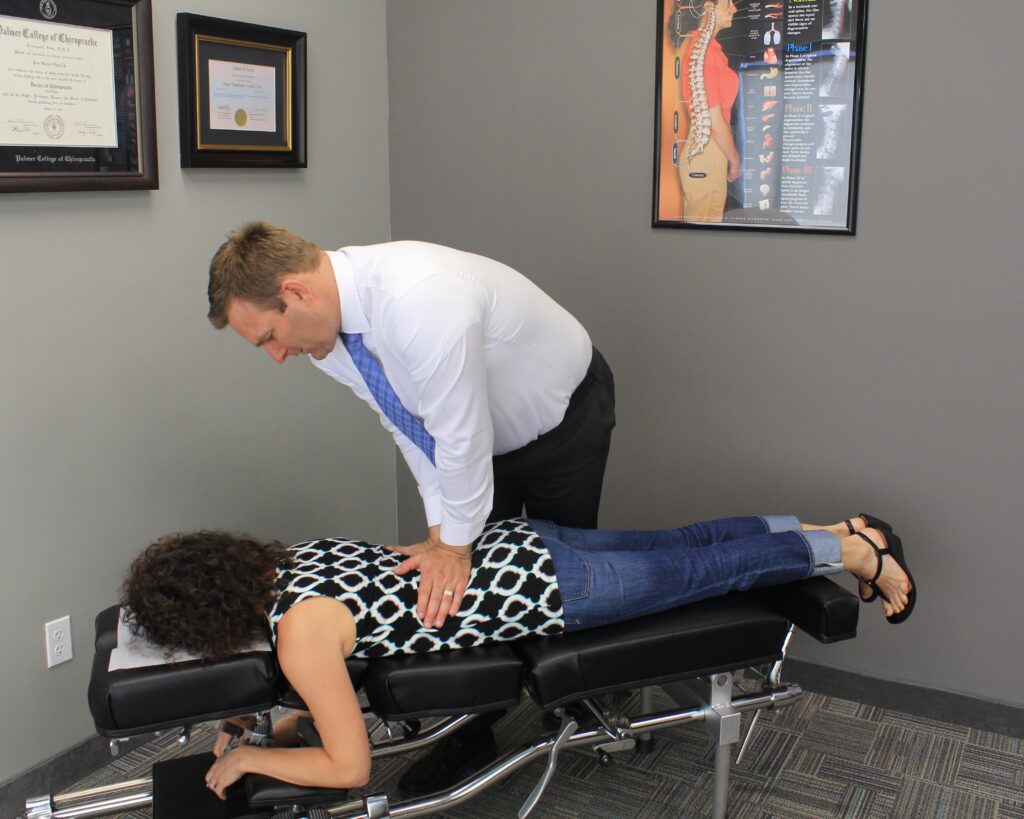
Managing chronic back pain can feel daunting, but as your local chiropractor, I'm here to help guide you through it. You have the power to take control of your discomfort by understanding your pain triggers and adopting strategies that align with your daily routine. One effective method is to keep a pain journal; this can help you pinpoint activities or habits that may be exacerbating your pain.
Incorporating regular exercise and maintaining good posture are also crucial for your overall health and well-being. As you explore these tips, you'll uncover natural ways to manage your pain and enhance your quality of life. So, what's the first step you can take on this journey to relief? Let's work together to find the best approach tailored to your unique needs.
Identify Pain Triggers
As your local chiropractor, I want to emphasize the importance of identifying pain triggers when it comes to managing chronic back pain. It's vital to pay attention to the activities, movements, and even emotional states that may lead to your discomfort. One effective way to do this is by keeping a pain journal. In this journal, you can record when your pain flares up, what you were doing at that moment, and how you were feeling both physically and emotionally. This practice can reveal patterns and specific triggers that may be contributing to your pain.
Take a closer look at your daily routine. Are there particular activities that seem to worsen your back pain? It could be lifting heavy objects, sitting for extended periods, or engaging in repetitive movements that put strain on your back. By identifying these activities, you can start to make modifications. For example, if bending down to pick things up is a trigger for you, think about ways to change that motion or consider asking for assistance when needed.
Also, let's talk about stress. Emotional stress can often manifest as physical pain in your body. Recognizing when you're feeling overwhelmed is crucial for managing your overall well-being. Techniques such as deep breathing exercises, mindfulness practices, or simply talking to someone about your stress can be incredibly helpful.
At our chiropractic office, we're here to guide you through these processes and help you find natural ways to alleviate your back pain. Understanding your triggers is a key step toward achieving better health and wellness.
Improve Posture
As a local chiropractor, I want to share with you how improving your posture can significantly reduce chronic back pain and enhance your overall well-being.
Many people don't realize that poor posture can put unnecessary strain on your spine and the surrounding muscles, leading to discomfort and pain. By making a few conscious adjustments to your posture throughout the day, you can greatly alleviate these issues.
Here are three practical tips to help you improve your posture:
- Be Mindful While Sitting: When you sit, it's important to keep your back straight and your shoulders relaxed. Ensure your feet are flat on the floor and use a chair that supports your lower back. If you spend a lot of time at a desk, consider a chair with lumbar support or adding a cushion to maintain the natural curve of your spine. This small change can make a world of difference.
- Stand Tall: When standing, try to distribute your weight evenly between both feet. Keep your shoulders back and ensure your head is aligned with your spine. Visualize a string pulling you upward from the top of your head; this can help you maintain an upright position and relieve pressure on your back.
- Practice Core Strengthening: A strong core is essential for supporting your spine and improving your posture. Incorporate exercises that target your abdominal and back muscles into your daily routine. Even simple actions like engaging your core while sitting or standing can contribute to better posture and reduced pain.
By following these tips, you can empower yourself to take control of your posture and overall health.
Incorporate Regular Exercise
As a local chiropractor, I want to share how incorporating regular exercise into your daily routine can significantly impact your journey toward managing chronic back pain. Exercise isn't just about getting fit; it plays a crucial role in strengthening your core muscles, which are essential for supporting your spine. Additionally, it enhances your flexibility and improves your overall body mechanics.
When you engage in physical activity, your body releases endorphins—natural pain relievers that can elevate your mood and reduce discomfort.
To get started, I recommend beginning with low-impact exercises such as walking, swimming, or cycling. These activities are gentle on your back while providing vital cardiovascular benefits. Aim for at least 30 minutes of moderate exercise on most days.
If you're uncertain about how to begin, consider scheduling an appointment with a physical therapist or myself. We can work together to create a personalized program that caters to your specific needs and goals.
Strength training is equally important in your exercise regimen. Focus on exercises that engage your abdominal and back muscles, as these will help stabilize your spine. Effective options include planks, bridges, and gentle yoga poses.
Always listen to your body—if something feels off, it's crucial to stop and seek professional advice.
Don't forget to incorporate stretching into your routine as well. Stretching enhances flexibility and alleviates muscle tension, which can be instrumental in preventing further injury.
Use Heat and Cold Therapy
As your local chiropractor, I want to share some valuable insights about managing chronic back pain through heat and cold therapy. Many of my patients find these techniques to be incredibly effective in enhancing their comfort and mobility.
Heat therapy works by relaxing and loosening tense muscles and connective tissues, which can ease stiffness and promote better blood flow to the affected area. This can be particularly beneficial before engaging in physical activity or stretches.
On the other hand, cold therapy is excellent for reducing inflammation and numbing sharp pain. It can provide relief after activities that might aggravate your back, helping to minimize swelling and discomfort.
By understanding how to properly incorporate both heat and cold therapies into your routine, you can take significant strides towards alleviating your pain and improving your overall well-being.
If you have any questions or would like personalized advice on using these methods, feel free to reach out during your next visit!
Benefits of Heat Therapy
As a local chiropractor, I want to share with you how heat therapy can be an effective method for managing chronic back pain. Many patients are unaware of the natural healing benefits that heat can provide, so let's explore how this simple technique can enhance your recovery.
- Enhanced Circulation: When you apply heat to your back, it increases blood flow to the affected muscles. This surge of circulation delivers essential nutrients and oxygen, which are crucial for healing and recovery.
- Muscle Relaxation: Heat therapy is excellent for relaxing tense and tight muscles. By soothing these areas, you can reduce stiffness and improve your overall range of motion, making everyday activities much easier and more comfortable.
- Pain Relief: The warmth generated from heat therapy can effectively diminish the pain signals that your brain receives, providing a comforting sensation that can help you feel more at ease.
You can easily incorporate heat therapy into your routine using various methods, such as heating pads, warm baths, or hot towels. I recommend applying heat for about 15-20 minutes at a time. It's essential to ensure that the heat isn't too intense to avoid burns.
By integrating heat therapy into your pain management strategy, you can significantly enhance your comfort and improve your quality of life.
If you're interested in learning more about how chiropractic care and natural healing practices can benefit you, I encourage you to reach out for a consultation. Together, we can explore the best options for your wellness journey.
Advantages of Cold Therapy
As your local chiropractor, I want to share with you the benefits of cold therapy in managing chronic back pain. This method offers unique advantages that can enhance your recovery, especially when combined with heat therapy.
When you apply cold to an injured area, it can help numb the pain and reduce inflammation. This is particularly helpful right after you've strained a muscle or experienced an unexpected surge of discomfort. Cold therapy acts as a natural pain reliever, providing immediate relief during those challenging flare-ups.
One of the remarkable effects of cold therapy is its ability to constrict blood vessels, which decreases blood flow to the affected region. This reduction in circulation can significantly minimize swelling and bruising, helping you recover more swiftly.
I often recommend applying a cold pack or ice wrapped in a cloth for about 15-20 minutes at a time. Remember to take breaks to protect your skin from frostbite.
Another benefit of cold therapy is its potential to improve your sleep quality. By alleviating pain and discomfort, using cold therapy before bedtime might help you relax and achieve deeper, more restorative sleep.
Incorporating cold therapy into your pain management routine can truly be transformative. When paired with heat therapy, you can maximize your pain relief and support the healing process.
I encourage you to explore these natural approaches to better understand how they can work together for your overall well-being.
Explore Physical Therapy
Chiropractic care can be a transformative approach for managing chronic back pain. When approached correctly, it not only alleviates your current discomfort but also empowers you with strategies to avoid future issues.
You'll collaborate closely with a skilled chiropractor who understands your individual circumstances and can design a treatment plan specifically for you.
Here are three essential benefits of considering chiropractic care:
- Enhanced Strength and Flexibility: A chiropractor will guide you through tailored adjustments and exercises aimed at strengthening your back and core muscles. This increased strength can provide better support for your spine and enhance your flexibility, thereby lowering your risk of injury.
- Customized Treatment Plans: Every individual's experience with back pain is unique. A chiropractor will evaluate your condition and develop a personalized treatment plan that addresses your specific challenges and aspirations. This bespoke approach can yield more effective results.
- Education on Body Mechanics: Chiropractors educate you on how to move safely and effectively in your everyday life, helping to prevent additional strain on your back. You'll learn proper lifting techniques and postural adjustments that can significantly improve your overall well-being.
Practice Mindfulness Techniques
As a local chiropractor, I want to share with you how practicing mindfulness techniques can be a valuable addition to your pain management strategy, especially for chronic back pain.
By incorporating deep breathing exercises and guided meditation sessions into your daily routine, you can effectively reduce stress and promote relaxation.
These techniques not only help to alleviate your discomfort but also enhance your overall sense of well-being.
Embracing these natural healing practices, alongside chiropractic care, can lead to a more holistic approach to your health.
Deep Breathing Exercises
As a local chiropractor dedicated to helping you achieve optimal health and wellness, I'm excited to share one effective method for managing chronic back pain: deep breathing exercises that promote mindfulness.
These exercises not only help you focus and relax your body, but they also play a crucial role in reducing tension in your back. By incorporating deep breathing into your daily routine, you can create a calming atmosphere that supports your pain management journey.
Here are three simple deep breathing exercises to help you get started:
- Diaphragmatic Breathing: Find a comfortable position, whether sitting or lying down. Place one hand on your chest and the other on your abdomen. Take a deep breath in through your nose, allowing your diaphragm (rather than your chest) to expand fully. Hold this breath for a moment, then exhale slowly through your mouth. Repeat this process for several minutes to enhance relaxation.
- Box Breathing: This technique can be particularly helpful for clearing your mind and promoting relaxation. Inhale deeply through your nose for a count of four, hold your breath for another count of four, then exhale for four counts, and finally hold your breath again for four counts. Repeat this cycle a few times to help calm your nervous system.
- Alternate Nostril Breathing: This exercise can help balance your mind and body. Begin by closing your right nostril with your thumb and inhaling through your left nostril. Then, close your left nostril with your ring finger and exhale through your right nostril. Alternate this pattern for a few minutes, allowing yourself to experience a sense of calm and balance.
I encourage you to try these exercises as part of your wellness routine. They can enhance your mindfulness and contribute to alleviating back pain, complementing the benefits of chiropractic care and natural healing practices.
Together, we can work towards a healthier, pain-free life.
Guided Meditation Sessions
As a local chiropractor, I want to share with you the incredible benefits of guided meditation sessions, especially in relation to managing chronic back pain. Many of my patients are often unfamiliar with how mindfulness practices can complement their chiropractic care, so let me explain.
Guided meditation is a powerful tool that allows you to focus your attention and eliminate distractions. By dedicating just a few minutes each day to this practice, you can cultivate a sense of calm and awareness, which can significantly alleviate pain. Through these sessions, I encourage you to explore how mindfulness can enhance both your mental and physical well-being.
During guided meditation, you'll typically follow a narrator who leads you through visualization techniques and relaxation exercises. This practice helps you learn to recognize your pain without judgment. By responding to discomfort with compassion rather than anxiety, you can create a more positive relationship with your body. This shift in mindset can help reduce the stress surrounding your pain, making it easier to cope with daily challenges.
To get started, I recommend finding a quiet space where you can relax and not be disturbed. You can use various apps or online videos specifically designed for pain relief. As you engage in this practice, focus on your breath and consciously release any tension in your body.
Over time, many of my patients notice an increased ability to manage their pain and a boost in emotional resilience. I encourage you to embrace guided meditation as an opportunity to enhance your mindfulness and take control of your journey with chronic back pain.
Maintain a Healthy Weight
As a local chiropractor dedicated to helping my patients achieve optimal health, I want to emphasize the importance of maintaining a healthy weight, especially for those dealing with chronic back pain.
Carrying excess weight can place undue stress on your spine and the surrounding muscles, leading to increased pain and discomfort. By managing your weight, you can significantly alleviate some of that pressure and enhance your overall well-being.
Here are three practical tips to assist you in maintaining a healthy weight:
1. Eat a Balanced Diet: I encourage you to focus on whole foods such as fruits, vegetables, lean proteins, and whole grains. These nutrient-dense options not only nourish your body but also help you feel full longer, which can reduce the urge to reach for unhealthy snacks that may contribute to weight gain.
2. Stay Active: Regular physical activity is crucial for effective weight management and overall health. I recommend aiming for at least 150 minutes of moderate aerobic exercise each week—activities like walking, swimming, or cycling can be enjoyable and beneficial.
Additionally, incorporating strength training exercises can help build muscle, which supports your back and improves your overall strength.
3. Monitor Portion Sizes: It's important to be mindful of how much you're eating. Using smaller plates and controlling serving sizes can help trick your brain into thinking you're consuming more than you actually are.
Also, pay attention to your hunger cues and practice eating slowly; this allows your body to communicate when it's full, preventing overeating.
By integrating these practices into your lifestyle, you can effectively manage your weight and, in turn, reduce the strain on your back, leading to better health and improved quality of life.
Evaluate Your Sleep Environment
As a local chiropractor dedicated to your well-being, I want to emphasize the importance of your sleep environment in managing chronic back pain. Quality sleep is crucial for recovery and overall health, especially when dealing with persistent discomfort.
Let's take a closer look at some key aspects of your sleep setup.
First, let's discuss your mattress. It's essential to assess whether your mattress is too firm or too soft for your needs. An inadequate mattress can worsen back pain, so if yours is more than seven to ten years old, it may be time to consider a replacement.
Look for one that provides the right balance of support and comfort for your body.
Next, your pillow plays a vital role in maintaining proper spinal alignment. A pillow should support your neck adequately. If you're a side sleeper, a thicker pillow may be beneficial, while back sleepers often require a thinner option to keep everything aligned correctly.
Your sleeping position can also significantly impact your back health. I recommend sleeping on your back or side instead of your stomach, as stomach sleeping can lead to neck and spine strain.
If you're a side sleeper, placing a pillow between your knees can help align your hips and reduce tension.
Lastly, don't overlook the overall comfort of your sleep environment. Ensure that your bedroom is dark, quiet, and cool, as these factors can greatly enhance your sleep quality.
A peaceful environment allows your body the chance to rest and recover effectively.
By making these adjustments to your sleep environment, you can support your chiropractic care and natural healing process.
Consider Alternative Treatments
As a chiropractor dedicated to helping you manage chronic back pain, I encourage you to consider the benefits of alternative treatments such as acupuncture and yoga in conjunction with chiropractic care.
Acupuncture works by targeting specific pressure points in your body, which can help relieve pain and promote healing. Meanwhile, incorporating yoga and stretching into your routine can enhance your flexibility and strengthen the muscles supporting your spine.
By exploring these holistic approaches, you may discover a more comprehensive and effective pain management strategy.
Chiropractic care, combined with these alternative treatments, can help restore balance to your body and improve your overall wellness.
Let's work together to find the best solutions for your back pain.
Acupuncture for Pain Relief
As a local chiropractor, I want to share how acupuncture can be a valuable alternative for managing chronic back pain. This ancient practice, which is a key component of Traditional Chinese Medicine, is designed to restore balance in your body's energy, known as "qi," by using thin needles to stimulate specific points.
Many of my patients have experienced significant pain relief through acupuncture, making it a worthwhile option for those looking for alternatives to conventional treatments.
Here are three compelling reasons to consider acupuncture for your chronic back pain:
- Pain Reduction: Research indicates that acupuncture can effectively alleviate pain by promoting the release of endorphins—your body's natural pain relievers. This means that not only can acupuncture provide relief, but it can also help manage pain in a holistic way.
- Improved Mobility: Numerous patients have shared their experiences of increased flexibility and a broader range of motion following acupuncture sessions. This improvement can greatly enhance your daily activities and overall quality of life, allowing you to move more freely and comfortably.
- Minimal Side Effects: One of the benefits of acupuncture is that it generally comes with fewer side effects compared to some medications. This makes it a safer choice for those seeking long-term management of pain without the risks associated with pharmaceuticals.
If you're considering alternative treatments for chronic back pain, I encourage you to explore acupuncture as a potential solution.
As always, it's important to consult with your healthcare provider to ensure that it aligns with your individual health needs and circumstances. Together, we can work towards finding the best approach for your pain management.
Yoga and Stretching Benefits
As a local chiropractor, I want to share how yoga and stretching can serve as valuable tools in managing chronic back pain, offering both physical and mental benefits. These practices play a vital role in enhancing flexibility, strengthening core muscles, and improving posture, all of which help alleviate pressure on your spine.
When you engage in yoga and stretching, you stimulate increased blood flow to your back, which promotes healing and reduces stiffness. This can be particularly beneficial for those experiencing chronic pain.
Incorporating yoga into your daily routine not only addresses the physical aspects of pain but also fosters mindfulness. This mindfulness can be a powerful ally in coping with the emotional challenges that often accompany chronic pain. By focusing on your breath and staying present, you can effectively reduce anxiety and stress levels.
Additionally, many yoga poses are designed to gently release tension in the back, allowing for greater mobility and comfort.
I encourage you to include a variety of static stretches and dynamic movements in your practice. Poses like Child's Pose, Cat-Cow, and Downward Dog are especially effective for relieving back discomfort.
Remember to start slowly, listen to your body, and modify poses as needed to suit your individual capabilities.
Consistency is crucial; even dedicating just a few minutes each day to these practices can significantly impact your ability to manage back pain.
However, I always recommend consulting with a healthcare professional before starting any new exercise routine, particularly if you have chronic back issues. Together, we can create a holistic approach to your healing journey.
Stay Hydrated and Nourished
As a local chiropractor, I want to emphasize the importance of staying hydrated and nourished for effectively managing chronic back pain. Your body requires the right fuel and hydration to function optimally, especially when you're dealing with discomfort. Proper nutrition not only supports your overall health but can also play a significant role in reducing inflammation and enhancing muscle function.
Here are three essential strategies to ensure you stay hydrated and nourished:
1. Stay Hydrated: It's crucial to drink plenty of water—aim for at least eight 8-ounce glasses a day. Adequate hydration helps maintain the elasticity of your spinal discs and can reduce stiffness in your back. If plain water doesn't excite you, consider enjoying herbal teas or infusing your water with fresh fruits for a refreshing twist.
2. Incorporate Anti-Inflammatory Foods: Focus on including foods that are rich in omega-3 fatty acids, such as salmon, walnuts, and flaxseeds, in your meals. These nutrients can help combat inflammation and may ease some of the discomfort linked to chronic back pain.
Additionally, don't overlook the benefits of colorful fruits and vegetables; they're packed with antioxidants and vitamins that are crucial for your healing process.
3. Aim for a Balanced Diet: It's important to maintain a well-rounded diet that includes a good mix of carbohydrates, proteins, and healthy fats. Whole grains, lean meats, and legumes will provide the necessary energy to keep you active while also supporting muscle strength.
Be mindful to limit processed foods that are high in sugar and unhealthy fats, as they can contribute to increased inflammation.
By adopting these habits, you can support your body in its healing journey and work toward alleviating your back pain.
Conclusion
As your local chiropractor, I want to emphasize the importance of a holistic approach to managing chronic back pain. It's essential to identify your individual pain triggers, and I encourage you to incorporate regular exercise into your routine. This can greatly enhance your recovery and overall well-being.
Good posture is fundamental—it's something we focus on during your visits. Additionally, utilizing heat and cold therapy can provide relief and support your healing process. I also recommend exploring alternative treatments, including chiropractic adjustments, which can be very effective in addressing the root causes of your pain.
Maintaining a healthy weight is crucial, as excess weight can put added strain on your back. Also, consider your sleep environment; it should foster comfort and promote restorative rest. Staying hydrated and eating well will further support your body's healing capabilities.
By embracing these strategies and working together, we can take control of your pain and significantly improve your quality of life through natural healing methods. Remember, you're not alone on this journey—I'm here to help you every step of the way.