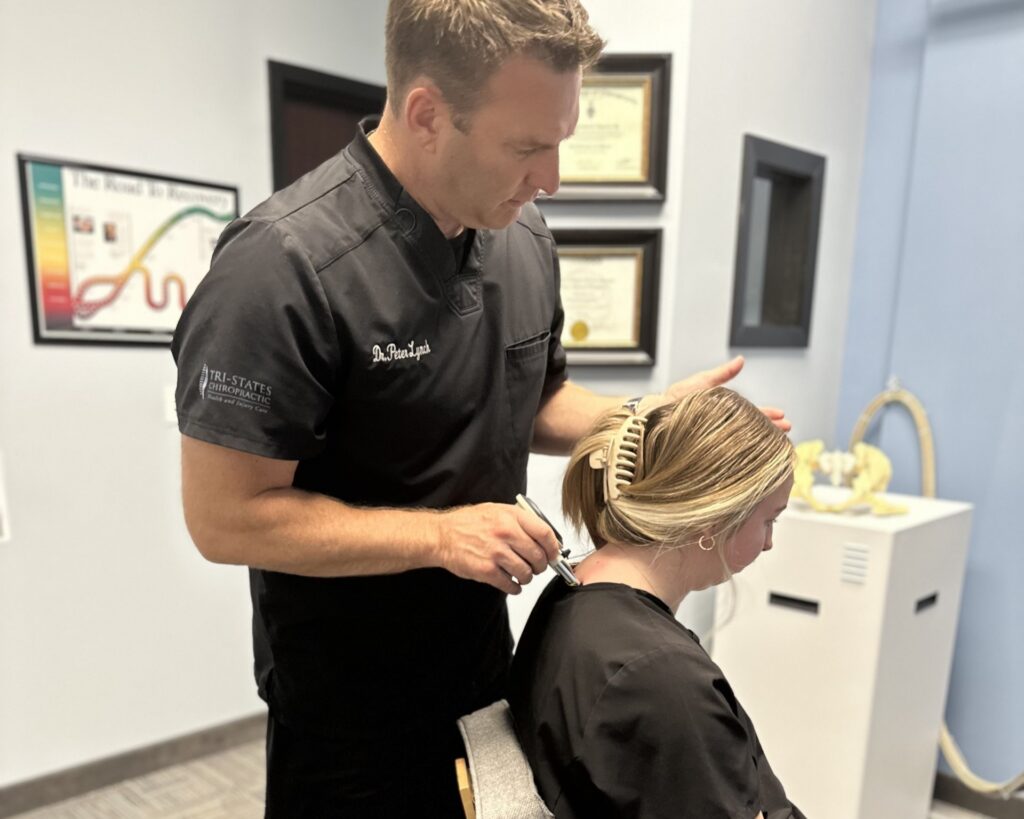
As a local chiropractor, I want to share some surprising insights about managing back pain that you might not have considered. Many people often think relief comes solely from medications or physical therapy, but there are alternative methods that can be incredibly effective. For instance, techniques such as acupuncture and mindfulness can provide significant relief, especially when combined with chiropractic care.
Imagine using the natural healing properties of herbs or engaging in yoga to enhance your overall well-being and alleviate discomfort. Each of these approaches offers unique benefits, and together, they can create a powerful strategy for pain relief. You might discover that the answer to your back pain is more accessible than you ever thought. By exploring these natural healing options alongside chiropractic adjustments, you can find a tailored approach that truly works for you.
Mindfulness and Meditation
As a local chiropractor, I want to share how mindfulness and meditation can be invaluable tools for managing back pain and enhancing your overall well-being. These practices allow you to reconnect with your body and develop a deeper awareness of your physical state, helping you to recognize areas of tension and discomfort.
By focusing on your breath and remaining present in the moment, you can divert your attention away from the pain and create a mental space that fosters relaxation and healing.
To begin incorporating mindfulness into your routine, find a quiet place where you can sit undisturbed. Start by sitting comfortably, closing your eyes, and taking several deep breaths. As you inhale, visualize a sense of calmness filling your body; as you exhale, picture the release of any tension you're holding.
This straightforward exercise will help ground you and improve your understanding of your bodily sensations, which is essential for effective healing.
In addition to meditation, I encourage you to integrate mindfulness into your daily activities. Consider practicing mindful walking or gentle stretching, paying close attention to each movement and how it affects your back.
This practice not only enhances physical flexibility but also promotes mental clarity and well-being.
For those who are new to these techniques, guided meditation apps or videos focused specifically on back pain relief can be incredibly beneficial. These resources often provide visualizations and techniques aimed at effectively managing discomfort and supporting your healing journey.
Acupuncture and Dry Needling
As a local chiropractor, I want to help you understand the options available for managing back pain, particularly acupuncture and dry needling.
These two techniques, while both beneficial, take different approaches to healing.
Acupuncture is a holistic practice that focuses on promoting overall wellness and alleviating pain by stimulating specific points on the body. It can help balance your body's energy and enhance your overall health.
On the other hand, dry needling is a more targeted technique that specifically addresses muscle knots and trigger points. This method can provide relief from tightness and discomfort in specific areas.
By understanding the unique benefits of each approach, you can make an informed decision about which technique may be best suited to your individual needs.
As your chiropractor, I'm here to guide you through these options and support you on your journey to better health.
Differences Between Techniques
As a local chiropractor dedicated to educating my patients about natural healing methods, I'd like to explore the differences between acupuncture and dry needling, particularly in relation to back pain relief.
While both techniques involve the use of needles, their philosophies and approaches are quite distinct.
Acupuncture is deeply rooted in Traditional Chinese Medicine and emphasizes the importance of balancing the body's energy, known as "qi." Practitioners of acupuncture insert needles at specific points on the body to alleviate pain and restore harmony. This approach takes into account your overall well-being, making it a more holistic option for those seeking to address not just the symptoms but the underlying causes of pain.
In contrast, dry needling is a technique that aligns more with Western medicine and is primarily focused on treating muscle trigger points. Chiropractors and physical therapists use this method to target tight bands of muscle, helping to relieve tension and improve function. This approach is based on anatomical understanding and is often used in conjunction with other physical therapy modalities.
Both acupuncture and dry needling can provide effective relief for back pain, and the best choice ultimately depends on your personal preferences and specific pain conditions.
If you're looking for a more holistic treatment that considers your overall health, acupuncture may resonate with you. However, if you prefer a targeted method aimed specifically at muscle tension, dry needling could be the better fit.
Understanding these differences is crucial as you navigate your journey toward back pain relief. As your chiropractor, I'm here to guide you in making informed decisions about your health and wellness.
Benefits of Acupuncture
As a local chiropractor, I want to share with you the incredible benefits of acupuncture, particularly for those dealing with back pain. This ancient healing practice can be a fantastic option for managing discomfort and enhancing your overall wellness. Many of my patients have found acupuncture to be an effective alternative or complement to traditional chiropractic care.
Here's why you might consider incorporating acupuncture into your back pain treatment plan:
- Pain Relief: Acupuncture works by stimulating specific points in your body, which promotes the release of endorphins—your body's natural painkillers. This can lead to significant relief from back pain.
- Reduced Inflammation: The acupuncture technique can help decrease inflammation around the spine and back muscles, resulting in less pain and greater mobility for you.
- Muscle Relaxation: By targeting areas of tightness, acupuncture can enhance muscle relaxation and alleviate tension, making you feel more comfortable and at ease.
- Improved Circulation: This holistic practice encourages better blood flow, which is crucial for healing. Enhanced circulation delivers essential nutrients to the affected areas, aiding in your recovery.
If you're experiencing chronic back pain, I encourage you to consider acupuncture as part of your pain management strategy.
Effectiveness of Dry Needling
As a local chiropractor dedicated to helping you find natural relief for your back pain, I want to introduce you to a treatment option that has shown significant promise: dry needling. This technique involves the careful insertion of thin needles into specific trigger points within your muscles.
By focusing on these targeted areas, dry needling aims to alleviate muscle tension and enhance blood circulation, which can ultimately lead to reduced pain and improved mobility.
Many patients I've worked with have reported experiencing immediate relief after just one session. The way it works is by interrupting painful signals and encouraging the healing process in the affected regions.
It's also beneficial for addressing muscle spasms and stiffness, making it a versatile method for managing back pain.
However, it's important to understand that dry needling may not yield the same results for everyone. Some individuals may require multiple sessions to notice significant improvement.
That's why it's crucial to collaborate with a qualified practitioner—like myself—who can assess your unique situation and customize the treatment to meet your specific needs.
My goal is to empower you with knowledge about natural healing options so you can make informed decisions about your health.
Herbal Remedies
As a local chiropractor, I often see patients seeking natural ways to alleviate their back pain. One approach you might consider is incorporating herbal remedies into your wellness routine.
Herbs like turmeric and ginger are renowned for their anti-inflammatory properties, which can help reduce discomfort and promote healing.
Turmeric contains curcumin, a compound that has been shown to have significant anti-inflammatory effects. You can enjoy it as a spice in your meals, or take it in supplement form for a more concentrated dose.
Ginger, similarly, possesses compounds that can help soothe inflammation and pain. You can consume it fresh, in teas, or even as a supplement.
By integrating these herbs into your daily life, you may find relief from your back pain while also supporting your overall health.
Remember, though, that while herbal remedies can be beneficial, they work best in conjunction with proper chiropractic care and a holistic approach to your wellness.
If you're interested in learning more, I'm here to guide you on how to combine these natural remedies with effective chiropractic treatments for optimal results.
Popular Herbal Options
As a local chiropractor, I often encounter patients seeking relief from back pain who may not be familiar with the benefits of chiropractic care and natural healing. Many individuals find that herbal remedies can complement their treatment and provide additional support in managing discomfort.
These options have been utilized for centuries and can offer a holistic approach to your wellness. Here are some herbal remedies you might consider integrating into your routine:
- Turmeric: This vibrant spice is renowned for its powerful anti-inflammatory properties, which can help mitigate swelling and pain, making it a great ally in your recovery journey.
- Ginger: Another fantastic root, ginger has been shown to alleviate pain and is often prepared in soothing teas or taken as a supplement. Its warming qualities can be particularly comforting for back pain.
- Willow Bark: Often dubbed "nature's aspirin," willow bark is known for its effectiveness in providing pain relief, especially for chronic back issues. It's a natural alternative worth exploring.
- Devil's Claw: This herb is celebrated for its pain-reducing and anti-inflammatory effects, making it a favored choice among those dealing with back discomfort.
Incorporating these herbs into your lifestyle may enhance your overall well-being and support the healing process. They come in various forms, including capsules, teas, and tinctures, so you have options to suit your preferences.
However, it's essential to consult with a healthcare professional, such as myself, before starting any new herbal regimen, especially if you're on medication or have existing health concerns.
Application Methods Explained
As a local chiropractor dedicated to helping patients understand natural healing methods, I want to share some effective ways to incorporate herbal remedies into your routine for back pain relief.
Firstly, let's talk about topical applications. Herbal oils and salves can be applied directly to the affected area through gentle massage. This approach not only delivers the beneficial properties of the herbs right where you need them, but it also encourages increased blood flow, which can significantly reduce pain.
If you prefer to take your herbs internally, herbal teas or capsules can also be quite beneficial. Brewing a tea with ingredients like ginger, turmeric, or willow bark and consuming it daily may offer relief. Just be sure to adhere to the recommended dosages if you opt for capsules, as some herbs can be quite potent.
For a more holistic experience, consider trying herbal baths. By adding essential oils or herbal infusions to warm water, you can soak for 20-30 minutes. The heat from the water helps to relax your muscles, while the herbs contribute to your overall comfort.
Another effective method to consider is the use of herbal poultices. By crushing fresh herbs and mixing them with a bit of water to create a paste, you can apply this directly to your back. Covering it with a cloth for about 30 minutes can provide targeted relief.
I encourage you to explore these different methods and see which ones resonate with you the most. As always, if you have any concerns or questions about incorporating these remedies into your care, please don't hesitate to reach out or consult with a healthcare professional. Your well-being is our priority!
Yoga and Stretching
As a local chiropractor, I want to share how integrating yoga and stretching into your daily routine can significantly alleviate back pain and enhance your overall well-being. These practices not only improve flexibility and strengthen your core but also promote relaxation, creating a holistic approach to managing discomfort.
When you engage in yoga and stretching, you'll experience several key benefits:
- Improved Flexibility: Regularly practicing these techniques increases your range of motion, which helps to release tight muscles that may be contributing to your back pain.
- Strengthening Core Muscles: A strong core is essential for supporting your spine. By strengthening these muscles, you reduce the strain on your back and lower your risk of future injuries.
- Enhanced Posture: Yoga emphasizes proper alignment and body mechanics, which can correct postural imbalances that often lead to discomfort and pain.
- Stress Reduction: The meditative aspects of yoga encourage relaxation and mindfulness, helping to manage stress that can exacerbate physical pain.
Incorporating a few simple poses, such as Child's Pose, Cat-Cow, or Downward Dog, into your daily routine can yield remarkable results. These stretches not only target the back but also enhance overall body awareness and promote a mind-body connection.
It's important to listen to your body and avoid pushing your limits, especially if you're new to these practices. With consistent effort, you may find significant improvements in both your physical health and mental clarity.
Hot and Cold Therapy
As a chiropractor dedicated to helping you find relief from back pain, I want to share the importance of incorporating hot and cold therapy into your healing routine. While practices like yoga and stretching are beneficial, these simple yet powerful therapies can significantly enhance your recovery process. They can help reduce inflammation, alleviate pain, and promote overall healing.
Applying heat to your back is a wonderful way to increase blood flow to the area. This process helps relax tense muscles and eases stiffness. You can use a heating pad, hot water bottle, or even a warm towel. Just be sure to keep the heat at a comfortable level to avoid burns, and limit each session to about 15-20 minutes. Many of my patients find it particularly helpful to use heat before engaging in activities that may put a strain on their back.
Conversely, cold therapy is incredibly effective for reducing swelling and numbing sharp pain. Ice packs or cold compresses work by constricting blood vessels, which decreases inflammation and provides temporary relief. I recommend applying cold therapy for 10-15 minutes at a time, making sure to wrap the ice pack in a cloth to protect your skin. This method is especially beneficial after any physical activity that might exacerbate your back pain.
Understanding when to use hot or cold therapy is crucial for effective pain management. If your back pain is the result of a recent injury, cold therapy may be your best first step. On the other hand, if you're dealing with chronic pain or muscle tension, heat can work wonders to soothe your discomfort.
Chiropractic Adjustments
As your local chiropractor, I want to help you understand how chiropractic adjustments can be a powerful tool in relieving back pain. These adjustments work by realigning your spine, which can lead to improved mobility and overall comfort.
There are various techniques we use, each specifically designed to meet your unique needs and address your specific issues.
It's important to recognize the numerous benefits of chiropractic care, not just for back pain but for overall wellness. By choosing chiropractic treatment, you're taking a proactive step towards natural healing and empowering yourself to make informed decisions about your health.
I'm here to guide you through this journey and answer any questions you may have about how we can work together to improve your well-being.
Benefits of Chiropractic Care
As a local chiropractor, I often encounter individuals seeking relief from back pain who are unsure of the best treatment options available. Chiropractic care is a highly effective solution that I want to introduce to you. This holistic approach centers on spinal alignment, which can significantly alleviate discomfort and enhance your overall well-being.
Here are some key benefits you can expect from chiropractic care:
- Pain Reduction: Through regular adjustments, we can help reduce your pain levels, allowing you to engage in your daily activities with greater ease and comfort.
- Improved Mobility: By addressing any misalignments in your spine, chiropractic care can enhance your range of motion, making it easier for you to move freely and participate in the activities you love.
- Enhanced Posture: I work with patients to correct spinal positioning, which not only helps you maintain better posture but also reduces unnecessary strain on your back.
- Natural Healing: One of the core principles of chiropractic care is to promote your body's natural healing processes. This means you can decrease your reliance on medications, avoiding potential side effects while still finding relief.
Whether you're grappling with chronic pain or experiencing occasional discomfort, chiropractic care offers a non-invasive solution tailored to your unique needs.
Techniques Used in Adjustments
As a local chiropractor dedicated to your wellness, I want to take a moment to educate you about the various techniques we use in chiropractic adjustments, especially if you're new to this form of natural healing. Understanding these methods can empower you to make informed decisions about your back pain relief.
One of the most commonly used techniques in our practice is the Diversified Technique. This method involves applying precise thrusts to specific vertebrae in your spine. The goal is to realign your spine, which can significantly improve your motion and overall function. Many patients find this technique effective in alleviating discomfort.
If you prefer a gentler approach, the Activator Method might be right for you. We use a handheld device that delivers a gentle impulse to the affected area. This targeted adjustment allows us to achieve results without the high-velocity thrusts, making it an excellent option for those who may feel apprehensive about traditional adjustments.
Another method we utilize is the Gonstead Technique. This involves a detailed examination of your spine, often complemented by X-rays. By focusing on your unique spinal structure, we tailor our adjustments to your specific needs, ensuring a personalized approach to your back pain relief.
Lastly, we may employ the Thompson Drop Table Technique. This method uses a specially designed table that drops slightly during the adjustment. This feature minimizes the force needed while maximizing the effectiveness of the treatment, making your experience more comfortable.
I encourage you to ask me about these techniques during your visit. Understanding how we work can help you feel more confident in your treatment plan and the journey toward restoring balance and enhancing your overall well-being.
Your health is our priority, and we're here to support you every step of the way!
Essential Oils
As a local Chiropractor, I want to introduce you to a natural and effective approach to relieving back pain through the use of essential oils.
These powerful plant extracts can offer therapeutic benefits that complement the chiropractic care you may receive in our clinic. By incorporating essential oils into your daily routine, you can help alleviate discomfort and promote relaxation in a holistic way.
Here are a few essential oils that I recommend for back pain relief:
- Peppermint Oil: This oil is well-known for its cooling effect, which can help reduce inflammation and enhance circulation in the affected areas of your back.
- Lavender Oil: Not only does lavender promote relaxation, but it also helps relieve muscle tension and pain, making it a great addition to your pain management toolkit.
- Eucalyptus Oil: With its anti-inflammatory properties, eucalyptus can assist in easing soreness and stiffness, which are common complaints among those with back pain.
- Ginger Oil: This oil is known to promote blood flow and can help mitigate pain associated with muscle strain, making it particularly useful when paired with chiropractic adjustments.
To use these essential oils, you can mix a few drops with a carrier oil, such as coconut or almond oil, and gently massage the blend onto the affected area of your back.
Alternatively, you can add several drops to a diffuser or inhaler to enjoy the calming aroma while you unwind.
Always remember to perform a patch test when trying a new oil to ensure you don't experience any adverse reactions.
By integrating these essential oils with your chiropractic care, you can explore a natural alternative to manage your back pain and enhance your overall well-being.
If you have any questions about how essential oils might fit into your treatment plan, feel free to ask during your next visit!
Posture Correction
As your local chiropractor, I want to emphasize the importance of addressing not just the symptoms of back pain, but also the underlying causes. One critical factor that often gets overlooked is posture. Many people are unaware that poor posture can contribute to muscle tension, spinal misalignment, and even chronic back pain. By focusing on correcting your posture, you can relieve existing discomfort and prevent future issues.
Let's start with some foundational habits. Pay attention to how you sit, stand, and move throughout your day. When sitting, ensure that your back is straight, your shoulders are relaxed, and your feet are flat on the ground. Choose a chair that supports your lower back, or consider using a lumbar roll to maintain the natural curve of your spine.
If you find yourself standing for extended periods, distribute your weight evenly between both feet and keep your shoulders back. These simple adjustments can significantly enhance your comfort.
In addition to posture, I recommend incorporating stretching and strengthening exercises that target your back and core muscles. A strong core is essential for supporting your spine and improving your overall posture. Practices like yoga or Pilates not only enhance flexibility but also build strength in those crucial muscle groups.
Lastly, don't forget to take regular breaks during long periods of sitting or standing. A quick stretch or a brief walk can relieve tension and help reset your posture.
Nutrition and Diet
As your local chiropractor, I want to emphasize the crucial role that nutrition plays in maintaining a healthy back. The foods you consume aren't just fuel; they significantly influence your overall wellness and can directly impact how your back feels. By focusing on specific nutrients, you can help reduce inflammation and strengthen your bones, which in turn supports your spine.
Here are some key dietary components I encourage you to consider:
- Omega-3 Fatty Acids: These healthy fats, found in fish like salmon and plant sources like walnuts, are known for their anti-inflammatory properties. Incorporating them into your diet may help alleviate back pain and promote healing.
- Calcium and Vitamin D: These nutrients are vital for maintaining strong bones. Foods such as dairy products, leafy greens, and fortified items can provide the necessary calcium and vitamin D your body needs. Healthy bones are essential for supporting your spine and preventing fractures.
- Antioxidants: Including foods rich in antioxidants, like berries and green tea, can help combat oxidative stress and inflammation, leading to improved overall health and potentially easing discomfort in your back.
- Hydration: Proper hydration is fundamental for maintaining the elasticity of your spinal discs. Make it a habit to drink enough water throughout the day to support your back's health and overall function.
By incorporating these elements into your daily meals, you can make a significant difference in your back health. Rather than reaching for processed snacks that do little for your body, I encourage you to choose whole foods that are rich in nutrients.
Remember, every meal is an opportunity to nourish your body, and by making mindful food choices, you not only support your spine but also enhance your overall well-being.
Massage Techniques
As a local chiropractor, I want to share some valuable insights into how effective massage techniques can play a significant role in relieving back pain. Understanding these methods can greatly enhance your journey toward natural healing and overall wellness.
One of the most popular techniques is Swedish massage. This approach employs long, flowing strokes that not only relax your muscles but also enhance blood circulation. You might consider visiting a professional therapist for this type of massage, or you can practice self-massage at home by gently applying pressure with your palms or fingers along your lower back and spine.
Another effective method is deep tissue massage, which focuses on the deeper layers of muscle and connective tissue. This technique is particularly beneficial for those stubborn knots and chronic pain that many of my patients experience. When you engage in deep tissue massage, use firm pressure with your fingers or a massage ball on tense areas to help release that discomfort.
Trigger point therapy is another valuable tool to consider. This technique targets specific points within your muscles that are often the source of pain. By identifying these trigger points and applying sustained pressure for several seconds, you can release built-up tension, which is especially helpful for tightness in your back.
Lastly, I recommend incorporating a foam roller into your routine. Using a foam roller on your back helps to alleviate tight muscles and can enhance your mobility. Just remember to approach this slowly and listen to your body's signals.
I encourage you to experiment with these techniques to discover what works best for you. Regular massage can have a profound impact on your back pain, fostering relaxation and contributing to your overall well-being.
As you explore these natural healing methods, always keep in mind that chiropractic care can also complement your efforts in achieving a pain-free lifestyle.
Conclusion
As a local chiropractor, I want to share some surprising techniques that can significantly improve your back pain relief strategy and enhance your overall well-being. Many patients are unaware of the holistic approaches available to them. For instance, embracing mindfulness can help you manage pain by reducing stress, which often exacerbates discomfort.
Acupuncture is another valuable option; this ancient practice can stimulate healing and provide relief from pain by targeting specific points in the body. Additionally, herbal remedies can support your healing process and are worth exploring as part of an integrated approach to back health.
Don't underestimate the power of yoga; it not only improves flexibility and strength but also promotes proper alignment, which is crucial for spinal health. Using hot and cold therapy can help alleviate pain and inflammation, while maintaining proper posture throughout your daily activities can prevent further strain on your back.
A balanced diet is essential for overall health and can play a significant role in your recovery. Lastly, regular massage techniques can help relieve tension and improve circulation in your back muscles. By incorporating these natural healing practices into your routine, you can take charge of your back health and work towards a pain-free life. Start your journey to wellness today!