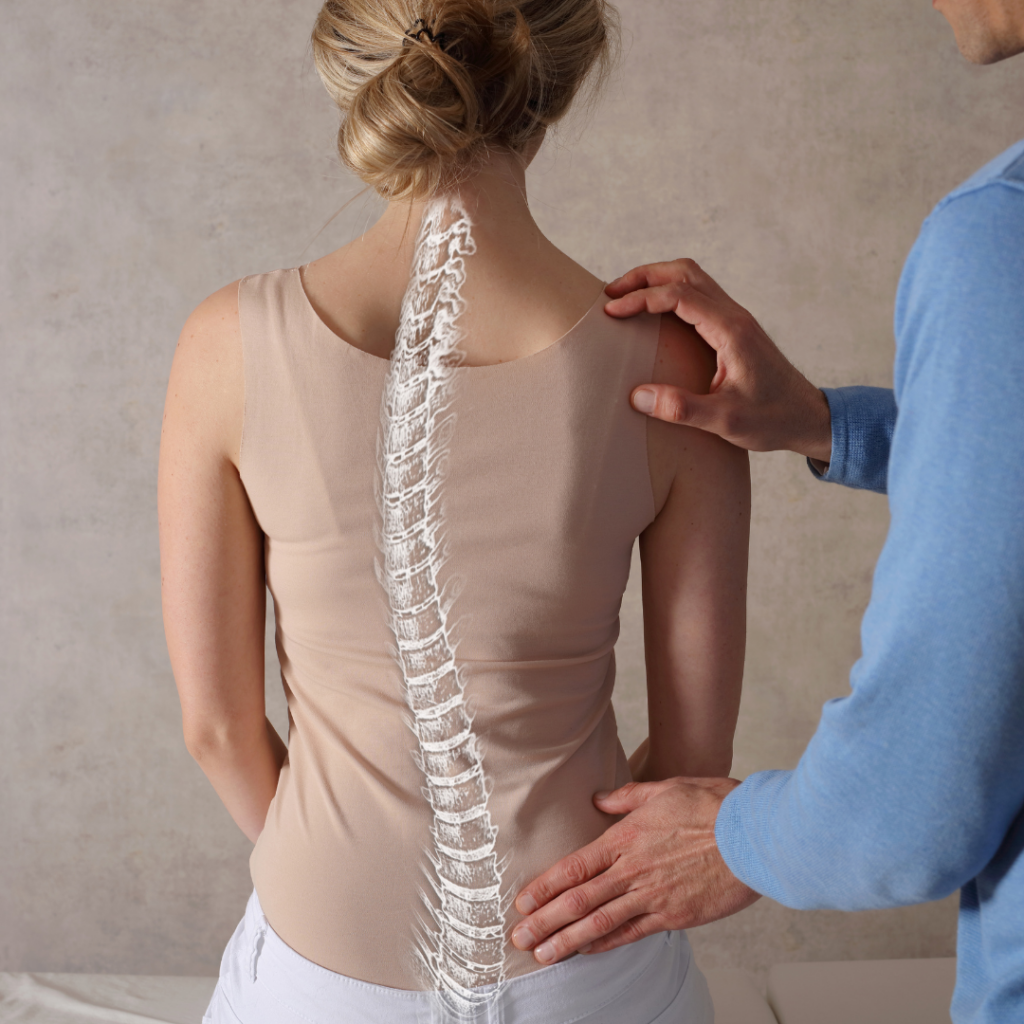
As a local chiropractor, I want to reassure you that if you’re experiencing neck stiffness, you’re certainly not alone. This common issue can arise from a variety of sources, and understanding these causes is often the first step towards finding relief. One of the key aspects I emphasize to my patients is the importance of maintaining proper posture and integrating specific exercises into your daily routine. These foundational practices can significantly enhance your comfort and mobility.
However, that’s just the beginning of your journey to recovery. There are numerous therapeutic approaches and natural healing methods that you may not have considered yet. In our practice, we explore a range of techniques, from spinal adjustments to targeted stretches, aimed at restoring flexibility and alleviating discomfort. Let’s delve into these effective strategies together, so you can reclaim your neck’s health and improve your overall well-being.
Understanding Neck Stiffness: Causes and Symptoms
As a local chiropractor, I want to take a moment to educate you about neck stiffness, a common issue that can affect individuals of all ages.
Often, neck stiffness arises from everyday factors such as poor posture, muscle strain, or injuries. You may notice discomfort or tightness when trying to turn your head, which can disrupt your daily activities and overall quality of life.
It’s also important to consider that stress and anxiety can contribute significantly to muscle tension in the neck. If you spend long hours at a desk, it’s not uncommon for your neck to feel achy and rigid as a result.
In addition to the sensation of tightness, you might experience headaches, a limited range of motion, or pain that radiates into your shoulders and upper back.
If you’ve recently had an accident or slept in an awkward position, these could also be factors contributing to your discomfort.
Recognizing these symptoms is a crucial first step. By understanding the underlying causes of your neck stiffness, you can take proactive measures to address it.
Chiropractic care focuses on natural healing and restoring balance to your body. Through gentle adjustments and personalized treatment plans, we can work together to alleviate your neck stiffness and enhance your overall neck health.
Importance of Posture in Neck Health
As a local chiropractor, I want to emphasize the vital role that good posture plays in maintaining a healthy and pain-free neck. Many individuals may not realize that poor posture—such as slouching or extending your neck forward—can lead to muscle tension and discomfort.
When you adopt a straight posture while sitting or standing, you help distribute weight evenly across your spine, which alleviates unnecessary pressure on your neck.
Your daily habits, including how you use your phone or sit at your desk, can significantly impact your neck health. It’s crucial to keep your head aligned with your spine, as this alignment reduces strain on the muscles and ligaments that support your neck.
I encourage you to make mindful adjustments to your workspace and consider incorporating ergonomic tools designed to promote better posture.
Additionally, remember to take regular breaks throughout the day to reset your posture. Simply being aware of your body position can lead to remarkable improvements.
By prioritizing good posture, you’ll not only enhance your neck health but also contribute positively to your overall well-being.
As part of your journey toward better health, chiropractic care can provide valuable support in achieving and maintaining optimal posture.
Stretching Exercises for Neck Relief
As a local chiropractor, I often encounter patients suffering from neck stiffness and discomfort. One effective way to alleviate these issues is through simple stretching exercises that can easily be integrated into your daily routine.
These stretches not only enhance flexibility but also help reduce tension and contribute to overall neck health. Here are three straightforward stretches that I recommend:
- Neck Tilt: Begin by gently tilting your head toward one shoulder. Hold this position for 15-30 seconds, then switch sides and repeat. This stretch specifically targets the muscles on the sides of your neck, helping to relieve tightness.
- Chin Tucks: While keeping your shoulders relaxed, draw your chin in toward your chest. Hold this position for about 5 seconds before releasing. This exercise is excellent for aligning your spine and relieving pressure that may be contributing to your discomfort.
- Shoulder Shrugs: Raise your shoulders up towards your ears, hold for a brief moment, and then let them drop back down. Repeat this several times. This simple movement can significantly alleviate tension not only in your neck but also in your shoulders.
By incorporating these stretches into your routine on a regular basis, you’re likely to experience a noticeable improvement in neck stiffness over time.
Strengthening Exercises to Support Neck Muscles
As a local chiropractor, I want to emphasize the importance of strengthening exercises for your neck muscles. Many people may not realize that incorporating isometric neck exercises can greatly improve stability, which is crucial for maintaining a healthy neck.
Additionally, don’t overlook the value of stretching; it helps to keep your neck flexible and ensures you can move freely without discomfort. By combining these practices, you’ll not only enhance your neck’s resilience but also improve its overall function.
Isometric Neck Exercises
As a local chiropractor, I often see patients struggling with neck stiffness, which can be quite uncomfortable. One effective way to address this issue is by incorporating isometric neck exercises into your daily routine.
These exercises are designed to strengthen the muscles that support your neck without requiring any movement of your head. This makes them a safe and effective option for enhancing strength and stability.
Here are three straightforward isometric neck exercises you can easily add to your routine:
- Wall Push: Begin by standing in front of a wall and pressing your forehead against it. Apply gentle pressure for about 5-10 seconds. This exercise helps engage the muscles in the front of your neck.
- Side Resistance: Place your hand on the side of your head. Gently push your head against your hand while resisting the pressure. Hold this position for 5-10 seconds to strengthen the lateral neck muscles.
- Back Push: With your hands positioned at the back of your head, press the back of your head into your hands. Maintain this gentle resistance for 5-10 seconds to work on the muscles in the back of your neck.
By regularly incorporating these exercises, you can help alleviate stiffness and enhance your overall neck strength.
Stretching for Flexibility
As a local chiropractor, I want to share the importance of incorporating stretching into your daily routine to enhance neck flexibility and alleviate stiffness. Many of my patients have found that regularly practicing neck stretches significantly improves their range of motion, reduces discomfort, and promotes relaxation.
One simple yet effective stretch is the neck tilt. By gently tilting your head toward each shoulder, you can help loosen tight muscles that often contribute to neck pain. I recommend holding each tilt for about 15 to 30 seconds while focusing on your breath; this can enhance the relaxation effect.
Another beneficial stretch is the chin tuck. This exercise helps strengthen the neck muscles. To perform it, simply pull your chin back toward your neck, creating a double chin effect, and hold for a few seconds.
I encourage you to incorporate these stretches into your daily routine, particularly after long periods of sitting or looking down at screens.
Consistency is crucial for achieving lasting relief and improved flexibility. By making these stretches a regular part of your self-care routine, you can better support your neck health and overall well-being.
If you have any questions about these stretches or how they fit into a comprehensive chiropractic plan, feel free to reach out during your next visit.
Heat and Cold Therapy: Which Is Right for You?
As your local chiropractor, I want to help you understand how to effectively manage neck stiffness using heat and cold therapy. Knowing when to apply each type can significantly enhance your comfort and healing process.
Cold therapy is your go-to option when you’re dealing with inflammation or sharp pain. This method is particularly beneficial right after an injury occurs, as it can help numb the area and reduce swelling. You might consider using ice packs or cold compresses for these situations.
On the other hand, heat therapy can be incredibly effective for relaxing and loosening tight muscles. If you’re experiencing chronic stiffness or tension in your neck, applying warmth can provide soothing relief. Options for this therapy include warm towels, heating pads, or even a relaxing warm bath.
To help you navigate these therapies, here’s a quick reference:
- Cold Therapy: Use it for acute injuries, swelling, or sharp pain. Ice packs and cold compresses are ideal.
- Heat Therapy: Best for muscle relaxation and comfort. Try warm towels, heating pads, or warm baths.
- Combination Therapy: In some cases, alternating between heat and cold can yield the best results, especially for persistent issues.
By understanding when to use heat or cold therapy, you can better manage your neck stiffness and enhance your overall well-being.
If you have any questions or need personalized advice, don’t hesitate to reach out during your next visit!
Massage Techniques for Neck Stiffness
As a local chiropractor dedicated to educating my patients about natural healing, I understand how uncomfortable neck stiffness can be. It’s important to recognize that effective massage techniques can significantly alleviate tension and improve your mobility.
To begin, gently apply pressure with your fingers along the muscles on either side of your neck. Incorporating circular motions can help target tight spots, and you can gradually increase the pressure as you feel more comfortable.
Another beneficial technique is kneading; gently grasp the muscle, squeeze, and then release. This method promotes blood flow and can help reduce tightness in the area. Remember, your shoulders often hold a lot of tension that can contribute to neck stiffness, so don’t overlook them during your massage.
For a more focused approach, consider using a tennis ball against a wall to roll out any knots in your upper back and neck area. This can be an effective way to relieve tension and improve your overall comfort.
Additionally, I encourage you to incorporate deep breathing into your routine while massaging. Deep breathing enhances relaxation and can further help in releasing tension.
Regularly practicing these massage techniques can make a significant difference in your neck’s mobility and comfort, ultimately supporting your overall well-being. If you’re interested in learning more about how chiropractic care can complement these practices, I’m here to help!
Ergonomic Adjustments for Your Workspace
As a local chiropractor, I want to share some important tips for reducing neck stiffness that you can easily implement in your workspace.
Making ergonomic adjustments is key to enhancing your comfort and preventing strain on your body. Begin by ensuring that your desk is at the right height, allowing your arms to rest comfortably as you work.
It’s also crucial to have a chair that provides proper support for your back, promoting good posture throughout the day.
Additionally, positioning your monitor at eye level is vital; this helps keep your neck in a neutral position, reducing the risk of discomfort.
Desk Height Optimization
As a local chiropractor, I want to share some important insights on how optimizing your desk height can significantly enhance your comfort and well-being while you work.
Many people may not realize that poor desk ergonomics can lead to discomfort, including neck stiffness. Here are some key points to consider for creating an ideal workspace:
- Elbow Angle: Aim for your elbows to be at a 90-degree angle while typing. This positioning allows your arms to rest naturally and helps prevent strain on your shoulders and neck.
- Screen Position: It’s crucial that the top of your monitor is at eye level. This will help you avoid unnecessary neck strain, as you won’t be looking up or down excessively, which can lead to discomfort over time.
- Feet Position: Ensure your feet are flat on the ground or resting on a footrest. This promotes proper posture and helps distribute your weight evenly, reducing the risk of back pain.
By making these adjustments, you can create a more comfortable and supportive work environment, which is essential for maintaining your overall health.
Chair Support Importance
As a local chiropractor, I want to emphasize how crucial proper chair support is for your overall health and well-being, especially when it comes to preventing neck stiffness and promoting comfort in your daily activities.
A well-designed chair can significantly influence your posture, which in turn helps reduce strain on your neck and shoulders.
When selecting a chair, look for features such as adjustable height, lumbar support, and armrests. These features are essential for keeping your body aligned and supported throughout your workday.
It’s important to ensure that your chair allows you to sit with your feet flat on the ground and your knees at hip level. This positioning helps distribute your weight evenly, minimizing pressure on your spine and reducing the risk of discomfort.
If you find that your current chair lacks adequate support, consider incorporating cushions or a lumbar roll for added comfort.
Taking the time to choose the right chair can lead to a more comfortable work environment and enhance your productivity without the burden of discomfort.
Monitor Positioning Tips
As a local chiropractor dedicated to promoting natural healing and overall well-being, I want to emphasize the importance of proper monitor positioning in your workspace. Many of my patients come in with complaints of neck stiffness, which can often be traced back to poor ergonomic practices.
Here are some essential tips to help you create a more comfortable and health-conscious work environment:
- Eye Level: It’s crucial to position your monitor at eye level. When your screen is too high or too low, it can force your neck into uncomfortable positions, leading to strain and discomfort. By keeping the monitor at eye level, you’ll maintain a neutral neck position.
- Distance: Aim to place your monitor about an arm’s length away from you. This distance not only helps reduce eye strain but also encourages a more relaxed posture. A comfortable viewing distance allows your body to stay aligned and reduces the risk of developing tension in your neck and shoulders.
- Tilt: Consider tilting your monitor slightly backward, between 10 to 20 degrees. This small adjustment can make a significant difference by helping to keep your neck in a neutral position, which minimizes tension and promotes better alignment.
By following these simple guidelines, you can improve your posture, reduce discomfort, and enhance your overall productivity during the day.
Alternative Therapies: Acupuncture and Chiropractic Care
As a local chiropractor, I want to share with you the benefits of alternative therapies like chiropractic care and acupuncture for alleviating neck stiffness. Many individuals are unfamiliar with how these methods work, and I believe it’s important to shed some light on them.
Chiropractic care is centered around the alignment of the spine and the overall mechanics of your body. When you come to see me, I’ll assess your posture and spinal health to identify any misalignments or areas of tension. Through gentle, hands-on adjustments, I can relieve pressure on nerves, improve mobility, and help restore proper function to your neck and spine.
This approach is particularly effective for neck stiffness that stems from musculoskeletal issues.
Acupuncture, while different from chiropractic care, can also play a significant role in alleviating neck discomfort. This technique involves the insertion of fine needles into specific points on the body to relieve tension and enhance circulation. Many of my patients find acupuncture to be a valuable complementary therapy, as it promotes relaxation and reduces discomfort.
Both chiropractic care and acupuncture aim to restore balance and tap into your body’s natural healing abilities. By incorporating these treatments into your wellness routine, you may find the relief you’ve been looking for.
I always recommend consulting with a qualified practitioner to determine which approach is best suited to your individual needs. Your health and comfort are my top priorities!
When to Seek Professional Help
When should you think about reaching out to a chiropractor for neck stiffness? If your neck stiffness continues or even gets worse despite trying some home remedies, it may be time to get professional advice. Ignoring specific symptoms could lead to more serious concerns, and it’s important to be aware of when to seek help.
Consider visiting a chiropractor if you notice:
- Severe pain that travels down into your arms or hands.
- Numbness or tingling sensations in your fingers, arms, or shoulders.
- Stiffness that sticks around for more than a week without any signs of improvement.
These symptoms could indicate nerve involvement or point to a more serious underlying issue.
As a chiropractor, I can perform a thorough assessment to identify the root cause of your discomfort and create a customized treatment plan that aligns with your body’s natural healing processes.
If you’re ever unsure about your symptoms or how to proceed, don’t hesitate to reach out. Your neck health is vital, and addressing these issues early on can help prevent further complications down the road.
Preventative Strategies for Long-Term Relief
As a local chiropractor, I want to share some important strategies to help you prevent neck stiffness and promote long-term relief.
One of the most effective methods is to incorporate regular stretching exercises into your daily routine. These stretches can significantly improve your flexibility and reduce tension in your neck muscles.
Additionally, setting up an ergonomic workspace is crucial. This means ensuring that your chair, desk, and computer are positioned in a way that supports proper posture, which can greatly alleviate neck discomfort throughout your day.
Finally, managing stress is essential for overall well-being. Stress can lead to muscle tension, which often contributes to neck pain. Implementing relaxation techniques, such as deep breathing or mindfulness, can help you maintain a relaxed state and reduce discomfort.
If you have any questions or want to learn more about how chiropractic care can support your neck health, feel free to reach out!
Regular Stretching Exercises
As a local chiropractor, I want to emphasize the significant benefits of incorporating regular stretching exercises into your daily routine. Many of my patients come in with neck stiffness and discomfort that can often be alleviated through simple yet effective stretches.
By dedicating just a few minutes each day to these exercises, you can help relax your neck muscles and prevent future issues.
Here are a few stretches I recommend for beginners:
- Neck Tilts: Begin by gently tilting your head toward each shoulder. Hold the position for a few seconds on each side. This can help relieve tension and improve flexibility in your neck.
- Chin Tucks: Practice pulling your chin back toward your neck. This creates a double chin effect and helps strengthen the muscles that support your head. Hold for a few seconds to reap the benefits.
- Shoulder Rolls: Roll your shoulders in a circular motion, both forward and backward. This exercise can release built-up tension and improve your overall posture.
Engaging in these simple stretches can keep your body limber, enhance your posture, and significantly reduce neck stiffness.
I encourage all my patients to make stretching a daily habit for long-term relief and to support your overall wellness journey. Remember, your body deserves the care!
Ergonomic Workspace Setup
As a local chiropractor, I want to emphasize the importance of setting up an ergonomic workspace to help prevent neck stiffness and promote long-term relief from discomfort.
First and foremost, ensure that your chair is adjusted properly—your feet should be flat on the floor, and your knees should form a 90-degree angle. This foundation is crucial for maintaining proper alignment.
Next, it’s vital that your computer screen is positioned at eye level and about an arm’s length away. This setup helps to minimize strain on your neck and eyes, reducing the risk of discomfort.
Opt for a chair that offers good lumbar support to help you maintain a healthy posture throughout your workday.
When it comes to your keyboard and mouse, position them within easy reach to avoid straining your wrists. Your wrists should remain straight, and your hands should be at or below elbow level to further reduce the likelihood of injury.
I encourage you to take regular breaks to stand, stretch, and move around. These small actions can significantly alleviate tension in your muscles and joints.
Additionally, consider investing in an adjustable desk that allows you to alternate between sitting and standing. This flexibility can greatly enhance your comfort and help prevent stiffness over time.
By implementing these ergonomic practices, you can create a workspace that not only supports your body but also promotes a natural healing environment.
Your long-term health is worth the effort!
Stress Management Techniques
As a local chiropractor, I often see patients who are unaware of how stress can impact their physical health, particularly in the form of neck stiffness.
Managing stress effectively is crucial not only for your mental well-being but also for your overall physical health. Here are three natural stress management techniques that can help alleviate tension and improve your quality of life:
- Mindfulness Meditation: I encourage my patients to dedicate a few minutes each day to mindfulness meditation. By focusing on your breath and clearing your mind, you can significantly lower your stress levels, which can help reduce the discomfort you may feel in your neck.
- Physical Activity: Regular exercise is vital for maintaining a healthy body. Activities such as walking or yoga not only release endorphins, which enhance your mood, but they also help alleviate tension in the neck and shoulder areas.
I often recommend incorporating these activities into your routine as a natural way to combat stress.
– Deep Breathing Exercises: Deep, slow breathing can be a simple yet powerful tool. Practicing these exercises helps calm your nervous system and relaxes your muscles, which can contribute to reducing stiffness and tension in your neck.
By integrating these stress management techniques into your daily life, you can experience lasting relief and enhance your overall well-being.
If you’re struggling with neck stiffness or stress, I’m here to help guide you on your journey to better health.