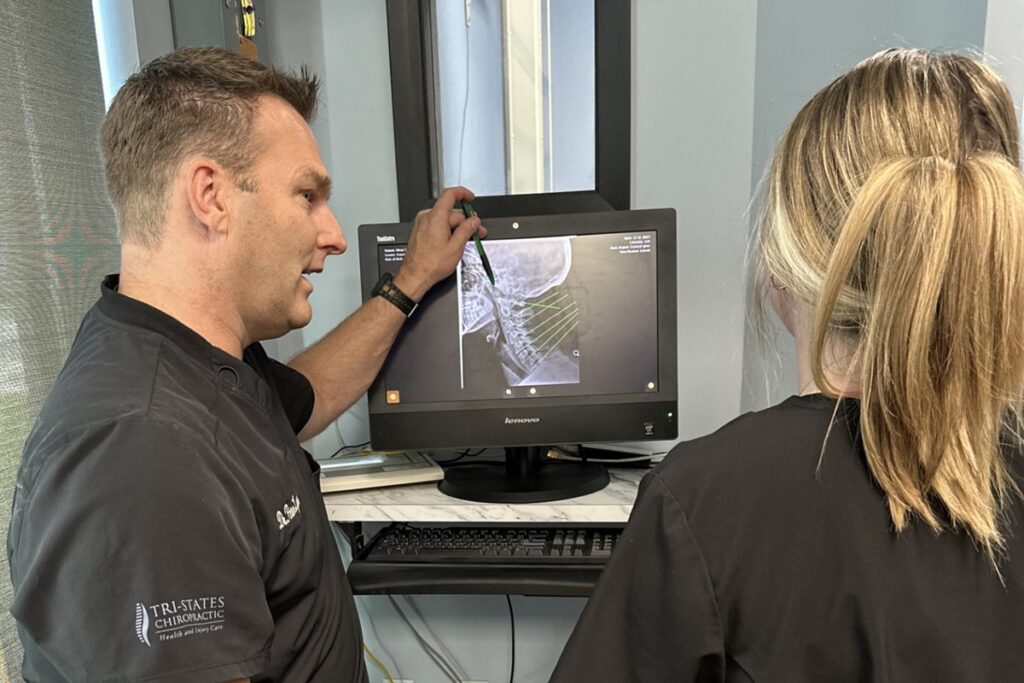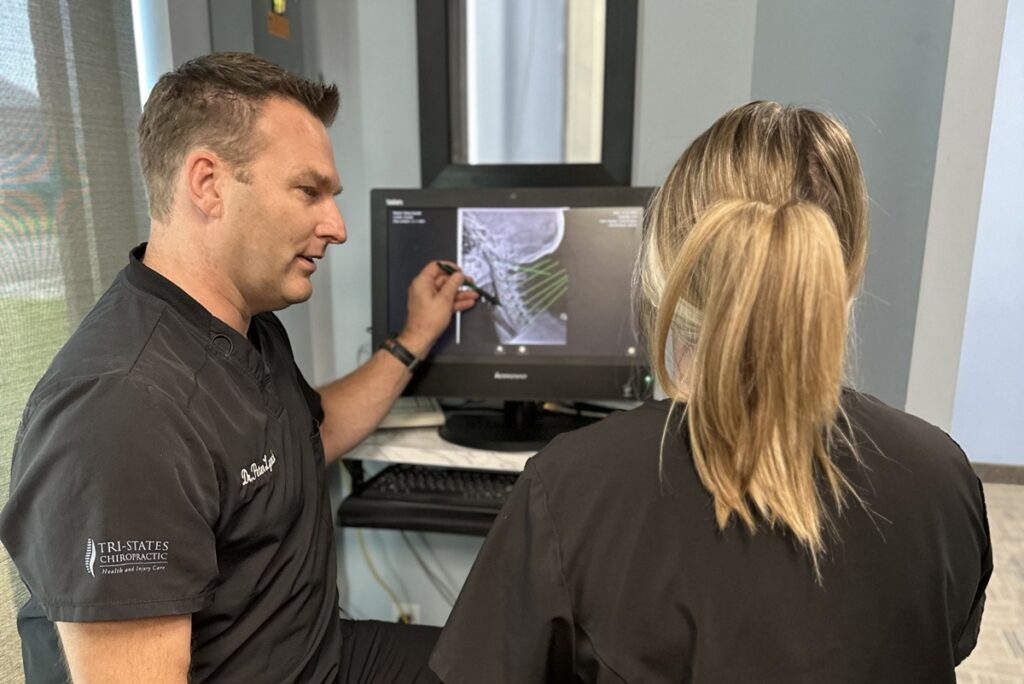
As a local chiropractor, I understand how debilitating back pain can be and how it can interfere with your everyday activities. It's crucial to implement effective solutions for enhancing your spinal health and overall well-being. One of the first steps is to assess your posture and make minor adjustments in your workspace. It's not just about sitting up straight; it's about recognizing how your body interacts with your surroundings and making changes accordingly.
However, there's more to managing back pain than just posture corrections. Incorporating specific exercises and holistic practices into your routine can significantly aid in your recovery. Many patients are surprised by how these simple yet effective methods can transform their lives. Are you curious to learn more about how chiropractic care and natural healing can support your journey to a healthier spine? Let's explore this together!
Understanding Back Pain
As a local chiropractor, I want to help you understand the many factors that contribute to back pain, a common issue affecting millions of individuals. Recognizing the underlying causes is essential for finding effective, natural treatments that can alleviate discomfort.
One prevalent cause of back pain is improper lifting techniques. If you frequently lift heavy objects without bending your knees or engaging your legs, it can lead to unnecessary strain on your back. Additionally, repetitive movements—like twisting while carrying a load—can cause muscle fatigue and injury.
You may also notice discomfort if you spend prolonged periods sitting or standing in one position, as this can result in stiffness and pain.
Injuries from accidents or sports activities can lead to acute back pain. A sudden jolt or impact can strain your muscles or even harm your spine. If you've recently experienced such an incident, it's crucial to seek a professional evaluation to accurately diagnose your condition.
It's also important to consider how your weight may be impacting your back health. Carrying extra weight can place added stress on your spine, making it more susceptible to pain. Engaging in regular physical activity and maintaining a healthy weight are key components in both preventing and managing back pain.
At our chiropractic practice, we focus on holistic approaches to healing, emphasizing the importance of a healthy spine and overall well-being. Through gentle adjustments and lifestyle advice, we aim to empower you to take control of your health and find lasting relief from back pain.
Importance of Good Posture
As a local chiropractor, I want to emphasize the vital role that good posture plays in maintaining your spinal health and preventing back pain. When you sit, stand, or move with proper alignment, you help distribute your body weight evenly across your spine. This reduces strain on your muscles and ligaments, leading to less tension in your back and fewer aches and pains.
Many people may not realize it, but poor posture can trigger a series of problems. Slouching or hunching over can compress your spinal discs, resulting in discomfort and potentially causing long-term damage. Additionally, muscle imbalances can arise when some muscles become overly tight while others weaken, creating a cycle that can worsen back pain. By being mindful of your posture, you can break this cycle and promote a healthier spine.
Practicing good posture extends beyond simply standing tall; it requires awareness of your body mechanics throughout the day. Whether you're working at a desk, driving, or even walking, maintaining spinal alignment is crucial.
I recommend using ergonomic furniture, adjusting your workspace for comfort, and taking regular breaks to move around. These habits can significantly enhance your overall posture and, in turn, your well-being.
If you're interested in learning more about how chiropractic care can support your posture and spinal health, I'm here to help guide you on your journey to wellness.
Effective Stretching Techniques
As a local chiropractor, I want to emphasize the importance of stretching for maintaining a healthy spine. Many of my patients are surprised to learn how simple techniques can make a significant difference in their overall well-being.
For instance, gentle neck stretches can effectively release tension that builds up throughout the day. Additionally, specific lower back relief techniques can help alleviate any discomfort you may be experiencing.
Incorporating these stretches into your daily routine can lead to improved flexibility and a noticeable reduction in pain.
Gentle Neck Stretches
As a local chiropractor, I want to emphasize the importance of your neck's flexibility and strength for maintaining overall spinal health. Incorporating gentle neck stretches into your daily routine can truly make a significant difference in how you feel.
Let's start with a simple neck tilt. Whether you're sitting or standing, make sure your back is straight and comfortable. Gently tilt your head to one side, bringing your ear toward your shoulder. Hold this position for 15-30 seconds, then switch to the other side. This stretch is excellent for relieving tension in the neck muscles, helping you feel more relaxed and less stiff.
Next, try a neck rotation. Slowly turn your head to the right, as though you're looking over your shoulder. Hold this position for 15-30 seconds before returning to the center and repeating on the left side. This movement encourages better mobility in your neck and can help reduce stiffness, which is particularly beneficial if you find yourself sitting for long periods.
Another effective stretch is the chin tuck. Sit up straight and gently pull your chin back, creating a double chin effect. Hold this position for a few seconds before releasing. This stretch not only strengthens the muscles in your neck but also aids in aligning your spine, which is crucial for overall wellness.
I encourage you to incorporate these gentle stretches into your daily routine, especially if you spend long hours at a desk or in front of screens. You're likely to notice improved flexibility and reduced discomfort, which can significantly contribute to better spinal health.
Lower Back Relief Techniques
As your local chiropractor, I'd like to emphasize the importance of maintaining flexibility in your neck as it plays a crucial role in supporting the rest of your spine, especially the lower back.
When it comes to alleviating lower back pain, incorporating effective stretching techniques into your routine can truly make a significant difference.
To begin, I recommend lying on your back and gently bringing your knees to your chest. Hold this position for about 20 to 30 seconds. You should feel a gentle stretch along your lower spine, which can help relieve tension.
Next, let's explore the supine spinal twist. While lying on your back, extend your arms out to the sides and allow your knees to fall to one side. Hold this position for 20 to 30 seconds before switching to the other side. This stretch is excellent for releasing tension in your lower back and enhancing your flexibility.
Another beneficial stretch is the cat-cow stretch. Position yourself on all fours, arch your back while inhaling (this is the cow position), and then round your back while exhaling (the cat position). Repeat this sequence for several breaths to help increase mobility and relieve stiffness.
Finally, I encourage you not to overlook the standing forward bend. Stand tall, and then hinge at your hips, allowing your upper body to hang freely. This stretch not only alleviates tension but also promotes overall relaxation in your body.
I recommend incorporating these techniques into your daily routine as part of a holistic approach to achieving lasting relief from lower back pain.
Strengthening Core Muscles
As a local chiropractor, I want to emphasize the importance of strengthening your core muscles for maintaining a healthy spine. A strong and stable core is crucial for supporting your back and enhancing your overall posture, which can make daily activities significantly easier and more comfortable.
Many people may not realize how interconnected core strength is with spinal health.
Let's take a closer look at some effective core exercises and daily routines that can help you build that vital stability. By incorporating these practices into your life, you can't only improve your posture but also reduce the risk of back pain and injury.
Importance of Core Stability
As a local chiropractor, I want to emphasize the importance of having a strong core for your spinal health.
Think of your core as a natural brace for your back. When your core muscles are stable and well-conditioned, they provide essential support that helps you maintain proper posture and alignment. This stability is crucial because it allows your spine to distribute weight evenly, which significantly reduces the risk of injury and alleviates strain on your back.
Many people associate a strong core with the appearance of six-pack abs, but it encompasses much more than that. Your core includes the muscles in your abdomen, lower back, hips, and pelvis.
These muscles work in harmony to stabilize your body during daily activities and movements. When you actively engage these muscles, you not only improve your balance but also protect your spine from unnecessary stress and discomfort.
If your core lacks strength and stability, you may find yourself experiencing discomfort or pain, particularly during physical activities or long periods of sitting. This is why prioritizing core stability is so important.
By focusing on strengthening these muscles, you enhance your overall functional strength, making everyday tasks easier and less taxing on your back.
Remember, a stable core is the foundation for a healthier spine and a more active lifestyle.
As you embark on your journey towards better health, consider incorporating core stability exercises into your routine. Together, we can work towards achieving a stronger, more resilient you!
Effective Core Exercises
As a local chiropractor, I want to emphasize the importance of strengthening your core muscles for enhancing spinal health and overall stability. A strong core not only supports your spine but also plays a crucial role in improving your posture and balance.
Here are three effective exercises that I recommend incorporating into your daily routine:
- Plank: This is a fantastic exercise that helps engage your core muscles. To perform a plank, start in a push-up position, ensuring your body forms a straight line from your head to your heels. It's important to engage your core during this exercise. Aim to hold this position for about 20-30 seconds, and as you build strength, gradually increase the duration.
- Bird-Dog: This exercise is excellent for improving balance and core engagement. Begin on all fours, with your hands positioned directly under your shoulders and your knees aligned under your hips. Extend your right arm forward while simultaneously extending your left leg back, making sure to keep your hips level. Hold this position for a few moments before switching sides.
- Dead Bug: This is a great way to enhance core stability. Lie on your back with your arms pointing straight up towards the ceiling and your knees bent at a 90-degree angle. While maintaining your core engagement, slowly lower your right arm and left leg towards the floor. Then, return to the starting position and alternate sides.
Incorporating these exercises into your routine can significantly strengthen your core muscles and promote better spinal health.
Daily Core Routines
As a local chiropractor, I want to emphasize the importance of incorporating daily core routines into your lifestyle for optimal spinal health and overall stability. A strong core isn't just about looking good; it's essential for supporting your spine and preventing injuries, which is particularly important for maintaining a healthy back.
I recommend starting with just 10-15 minutes each day dedicated to core strengthening exercises. Begin with foundational movements such as planks, bridges, and bird-dogs. These exercises are effective in targeting the various muscles that support your core. For planks, aim to hold the position for 20-30 seconds, gradually increasing the time as you build strength.
Bridges are excellent for strengthening your lower back and glute muscles; try to complete 10-15 repetitions. Bird-dogs are fantastic for improving coordination while engaging your core—perform 10 repetitions on each side.
To keep your routine engaging, it's beneficial to include dynamic movements such as mountain climbers and Russian twists. These exercises not only help elevate your heart rate but also contribute to core stability, which is crucial for preventing back pain.
I encourage you to add variety throughout the week by alternating between different exercises. This approach ensures that you continually challenge your muscles, promoting growth and strength.
Additionally, remember to focus on your breathing during these exercises. Exhaling during exertion can help you maintain proper form and maximize the effectiveness of your workouts.
Ergonomic Workspace Setup
As a local chiropractor, I want to share some important insights on how to create an ergonomic workspace that can significantly reduce the strain on your spine and enhance your overall comfort during those long hours at your desk.
Implementing a few simple adjustments to your workspace can lead to better posture and less discomfort, which is essential for maintaining your spinal health. Here are three key elements to consider when setting up your ergonomic workspace:
1. Chair Selection: It's crucial to choose a chair that offers proper support for your lower back and promotes a neutral spine alignment.
Look for chairs that come with adjustable features like seat height, armrests, and lumbar support. Ideally, your feet should be flat on the floor, or you can use a footrest to achieve this if necessary. A well-chosen chair can prevent many common issues related to poor posture.
2. Desk Height: The height of your desk plays a vital role in how you position your arms while typing. Your elbows should rest comfortably at a 90-degree angle.
If your desk is too high or too low, it can lead to unnecessary strain on your shoulders and wrists, which we often see in our practice. If you find yourself frequently switching between sitting and standing, consider investing in a height-adjustable desk to facilitate better posture.
3. Monitor Position: Your monitor should be set at eye level and approximately an arm's length away from you.
This positioning helps keep your neck in alignment and significantly reduces the risk of slouching. If you work with multiple monitors, arrange them so you can easily view each one without excessive twisting or leaning, which can contribute to discomfort over time.
By incorporating these adjustments into your workspace, you can significantly enhance your comfort levels and protect your spine from the stresses of prolonged sitting.
Remember, the primary goal of an ergonomic setup is to create a work environment that allows you to concentrate on your tasks while minimizing physical strain. Taking these steps can help you maintain your spinal health and overall well-being.
If you have any questions or need further assistance, feel free to reach out!
Daily Movement and Activity
As a local chiropractor, I want to emphasize the importance of regular movement for maintaining a healthy spine. Many people may not realize that simple activities like stretching, taking walking breaks, and incorporating core strengthening exercises into your daily routine can significantly improve your back health.
When we move regularly, we promote blood circulation and flexibility in our spine, reducing the risk of stiffness and discomfort. Stretching helps to lengthen and relax tight muscles, while walking breaks can alleviate the pressure on your spine from prolonged sitting.
Additionally, strengthening your core muscles provides better support for your spine, leading to improved posture and reduced back pain.
I encourage you to consider these simple yet effective activities as part of your daily routine. By doing so, you can enhance your overall well-being and support the natural healing processes of your body.
Let's work together to create a healthier spine and a more active lifestyle!
Importance of Regular Stretching
As a local chiropractor, I often encounter patients who underestimate the importance of regular stretching.
However, I want to emphasize that stretching is a vital component of maintaining a healthy spine and promoting overall well-being. Not only does it enhance flexibility, but it also plays a crucial role in reducing the risk of injury, improving posture, and alleviating muscle tension.
By integrating stretching into your daily routine, you're taking an important step towards achieving a pain-free back and a healthier lifestyle.
Let me share three key benefits of incorporating regular stretching into your life:
- Improves Flexibility: Engaging in regular stretching helps lengthen your muscles, which in turn allows for a greater range of motion in your joints. This increased flexibility is essential for performing everyday activities without discomfort and can help prevent stiffness that often arises from a sedentary lifestyle.
- Reduces Muscle Tension: Stretching is an effective way to release tightness in your muscles, promoting relaxation and lessening discomfort. This is particularly beneficial after long periods of sitting or after engaging in strenuous physical activities, as it helps your body recover and feel more at ease.
- Enhances Posture: Consistent stretching can strengthen the muscles that support your spine, leading to improved alignment and better posture. Maintaining good posture is crucial for spinal health and can help prevent long-term issues that may arise from poor alignment.
By understanding the importance of stretching and incorporating it into your routine, you can enhance your overall health and well-being.
As your chiropractor, I encourage you to make stretching a priority in your daily life for a healthier spine and body.
Incorporating Walking Breaks
As a local chiropractor, I want to share the significant benefits of incorporating walking breaks into your daily routine for your overall health and well-being. Many people are unaware that taking just a few minutes to step away from your desk can alleviate tension in your spine and enhance your circulation.
I recommend aiming for short walks every hour; this not only keeps your body active but also helps keep your mind sharp. If you find yourself at work or home for extended periods, setting a timer can be a helpful reminder to get up and walk around.
Even a brisk five-minute stroll can make a noticeable difference in how you feel. Whenever possible, choose the stairs over the elevator, or take a quick lap around your office or living space. This simple adjustment can effectively interrupt long stretches of sitting, which is a common contributor to back pain.
Walking also promotes good posture; it encourages you to be mindful of your body mechanics. While walking, try to maintain an upright position, keeping your shoulders back and your head aligned with your spine.
Over time, incorporating these walking breaks into your day can boost your energy levels and enhance your mood, ultimately making you feel more productive. As your chiropractor, I encourage you to embrace these walking breaks as a natural way to support your spine and overall health.
If you have any questions or need further guidance, please don't hesitate to reach out to me.
Strengthening Core Muscles
As a local chiropractor, I want to emphasize the importance of a strong core for maintaining a healthy spine and preventing back pain. Strengthening your core muscles is crucial for providing stability and support to your spine, which can lead to improved overall health and well-being.
Here are three effective exercises I recommend for building core strength:
- Planks: This exercise involves holding a plank position, where your body forms a straight line from head to heels. Start by holding the position for 20-30 seconds, and as you become more comfortable, gradually increase your hold time. This exercise helps to activate multiple muscle groups, reinforcing the stability of your spine.
- Bridges: To perform a bridge, lie on your back with your knees bent. Lift your hips off the ground while squeezing your glutes, holding for a few seconds before lowering back down. Aim for 10-15 repetitions. This exercise not only strengthens the core but also targets the glutes and lower back, which are integral for a healthy spine.
- Dead Bugs: For this exercise, lie on your back with your arms extended toward the ceiling and your knees bent at a 90-degree angle. Slowly lower one arm and the opposite leg toward the floor, then return to the starting position. Alternate sides for 10-15 reps. This movement enhances coordination and engages the core muscles effectively.
Incorporating these exercises into your routine just a few times a week can significantly enhance your core strength.
As your core becomes stronger, you'll likely notice an improvement in your posture, which can reduce strain on your back and contribute to better spinal health.
I encourage you to commit to these exercises, as they can make a meaningful difference in your overall well-being. Remember, a strong core is key to a healthy spine!
Heat and Cold Therapy
As a local chiropractor, I want to share some valuable insights about heat and cold therapy—two effective methods for alleviating back pain and supporting spinal health.
If you're new to chiropractic care and natural healing, understanding how to utilize these therapies can significantly enhance your comfort and recovery.
Heat therapy is an excellent way to relax and loosen tight muscles while boosting blood circulation to the affected areas. You can easily apply heat using a heating pad, a hot water bottle, or by enjoying a warm bath.
Just be sure to set the temperature to a comfortable level to avoid any burns. I recommend using heat for about 15 to 20 minutes, as this duration is often enough to help those tense muscles start to relax.
Conversely, cold therapy is particularly effective for reducing inflammation and numbing sharp pain. Ice packs or a bag of frozen vegetables wrapped in a cloth work wonders.
When using cold therapy, aim for about 15 to 20 minutes of application, and remember to allow your skin to return to its normal temperature between sessions. This approach is especially beneficial immediately following an injury or after overexertion.
It's crucial to pay attention to how your body responds to these therapies. Some individuals find that heat provides more relief for their back pain, while others may prefer the soothing effects of cold therapy.
You might even consider alternating between the two methods to optimize your comfort. Additionally, integrating these therapies with core-strengthening exercises will further enhance your overall back health.
Never underestimate the power of heat and cold; they can play a vital role in your back care routine.
If you're unsure about how to use these therapies effectively or have specific questions about your situation, please don't hesitate to reach out. I'm here to guide you on your journey to better spinal health and overall well-being.
Mindfulness and Relaxation
As you embark on your journey to better spinal health, I want to emphasize the importance of incorporating mindfulness and relaxation techniques into your daily routine.
These practices not only help to alleviate stress but also foster a deeper awareness of your body, encouraging you to tune into its needs. Mindfulness can be especially advantageous for managing discomfort in your back, as it teaches you to remain present and acknowledge any sensations without judgment.
Here are three effective mindfulness and relaxation techniques that I highly recommend integrating into your routine:
- Deep Breathing: Dedicate a few minutes each day to deep breathing exercises. Inhale slowly through your nose, allowing your lungs to fill completely, and then exhale gently through your mouth. This straightforward practice helps to reduce stress levels and relax your muscles, promoting a sense of calm.
- Meditation: Carve out time for meditation, even if it's just ten minutes a day. Find a quiet, comfortable space where you can sit and focus on your breath or a soothing mantra. This practice enhances your awareness of bodily sensations, making it easier to identify areas of tension in your spine.
- Gentle Yoga: Incorporate gentle yoga stretches into your daily activities. Focus on movements that promote spinal flexibility and strength, such as cat-cow or child's pose. Yoga not only alleviates physical discomfort but also fosters a mindful connection between your body and your mind.
When to Seek Professional Help
As a local chiropractor, I want to emphasize the importance of recognizing when to seek professional help for your back issues. Your spinal health is crucial, and understanding when to reach out for assistance can make a significant difference in your well-being.
If you've been dealing with persistent back pain that lingers for more than just a few days, it's time to schedule an appointment with a healthcare professional like myself. Those nagging aches are more than just minor inconveniences; they can signal underlying issues that need to be addressed.
Additionally, be mindful of any accompanying symptoms such as numbness, tingling, or weakness in your arms or legs. These can be signs of nerve compression or other serious conditions that require prompt attention. If your pain intensifies with movement or disrupts your daily activities and sleep, don't hesitate to contact me.
In the event of a recent injury—especially from a fall or accident—it's crucial to get evaluated. Sometimes, injuries may not show immediate symptoms, but early intervention is key to preventing long-term complications.
If you've tried home remedies or over-the-counter medications without any relief, I encourage you to consult with me for a more personalized approach to your care.
Lastly, be aware of any changes in bladder or bowel control. These symptoms can indicate serious underlying issues that need urgent attention. Trust your instincts; if something feels off, it's always better to err on the side of caution.
Your spine deserves the best care, and knowing when to seek help is a vital step in maintaining your long-term health. I'm here to help guide you through natural healing and chiropractic care to get you back on track.
Maintaining Long-Term Spine Health
As your local chiropractor, I want to help you understand the importance of maintaining long-term spine health for your overall well-being. Your spine isn't just a structural support; it plays a vital role in your body's function and health. By taking proactive measures, you can prevent future issues and enjoy a better quality of life.
Here are three essential practices I recommend integrating into your daily routine:
- Stay Active: Engaging in regular physical activity is crucial for strengthening the muscles that support your spine. I recommend aiming for at least 30 minutes of moderate exercise most days of the week. Activities such as walking, swimming, or yoga not only enhance your flexibility and strength but also promote spinal health. Remember, a strong spine is a healthy spine!
- Practice Good Posture: Whether you're working at a desk or lifting objects, maintaining good posture is vital. I encourage you to keep your back straight, shoulders relaxed, and feet flat on the ground. When lifting, always bend at your knees instead of your waist. Being mindful of your posture can significantly reduce strain on your spine and prevent discomfort.
- Invest in Ergonomics: Your workspace should support your spine health. Consider using an ergonomic chair that provides proper lumbar support, keeping your monitor at eye level to avoid neck strain, and positioning your keyboard comfortably to maintain a neutral wrist position. Making these adjustments can alleviate unnecessary stress on your back, especially during long hours of work.
By incorporating these practices into your daily life, you can foster a healthier spine and enhance your overall well-being.
If you have any questions or would like to learn more about how chiropractic care can support your spine health, feel free to reach out!
Conclusion
As your local chiropractor, I want to share some trusted strategies that can significantly help you manage back pain. Integrating these fixes into your daily routine can greatly enhance your overall spine health. Start by being mindful of your posture; maintaining proper alignment plays a crucial role in supporting your spine. Additionally, strengthening your core muscles is essential, as a strong core provides stability and support for your back.
Creating an ergonomic workspace is another important step. This means setting up your desk, chair, and computer in a way that promotes good posture and reduces strain on your back. Don't overlook the power of stretching – regular stretching can relieve tension and improve flexibility. I also encourage you to incorporate mindfulness practices into your routine; techniques such as deep breathing and meditation can help alleviate stress, which often contributes to back pain.
If you find that your pain persists despite these efforts, I urge you to seek professional assistance. Chiropractic care can offer tailored treatment options to address your specific needs. By taking these proactive steps now, you can pave the way for long-term spine health, allowing you to lead a more active and pain-free life. Remember, your well-being is our priority, and we're here to guide you on this journey to better health.