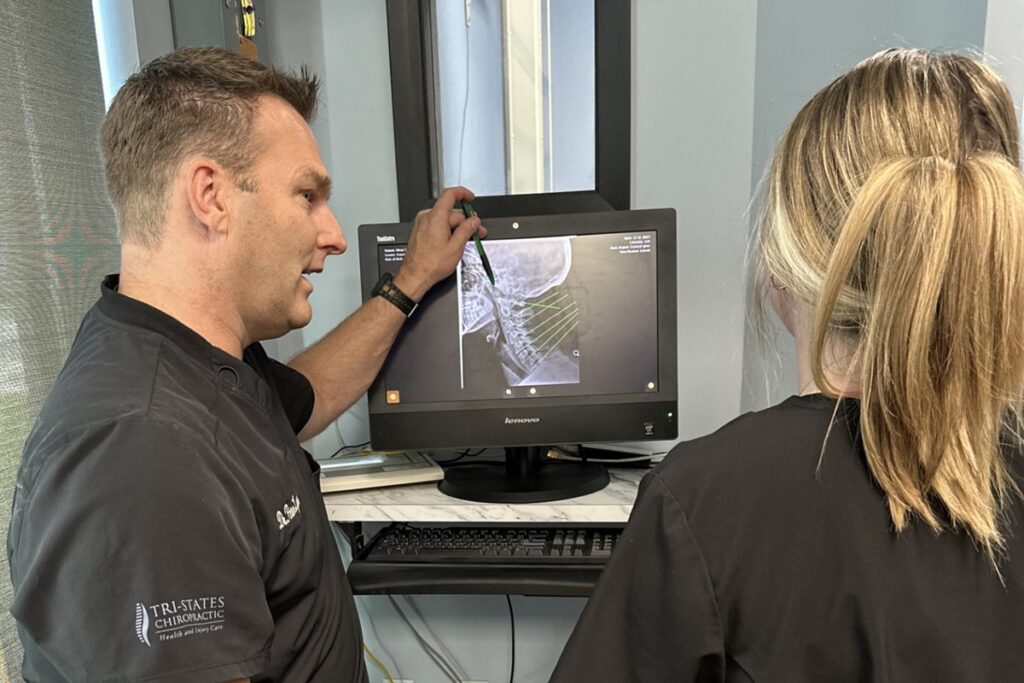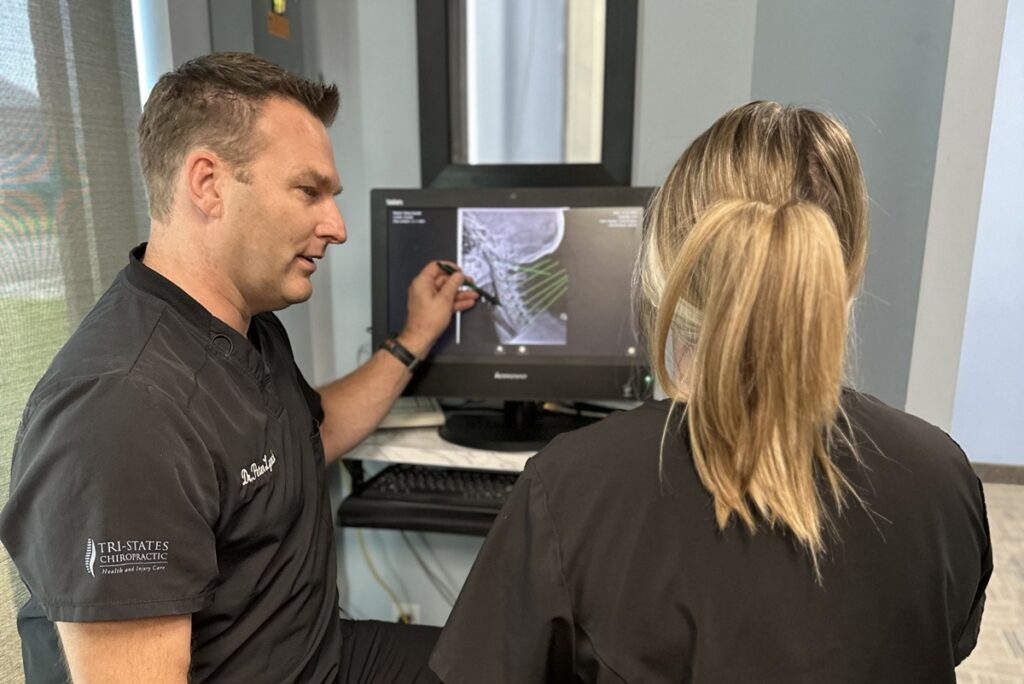
As a local chiropractor, I want to share with you the incredible impact that your posture has on your overall well-being. Many people don't realize that poor alignment can lead to discomfort and chronic pain, which can interfere with your daily activities and diminish your quality of life. The good news is that by making some simple adjustments and being mindful of how you position your body, you can significantly improve your posture and reduce that persistent pain.
Are you curious about how to start? Let's delve into some effective strategies that you can implement right away to enhance your posture and support your body's natural healing processes. Together, we can work towards a healthier, pain-free life!
Understanding Posture's Impact
As a local chiropractor, I often see patients who underestimate the significant impact that posture has on their overall health and well-being. Many people think of posture merely as a cosmetic issue, but it's so much more than that. When you maintain proper alignment while sitting or standing, you're not only projecting confidence; you're also fostering better health. Good posture allows your muscles, ligaments, and joints to function optimally, which reduces strain and helps prevent pain.
Let's take a moment to consider the role of your spine. It's designed to support your body's weight while maintaining balance. When you slouch or lean forward, you're placing undue stress on your spine, which can lead to discomfort and develop into chronic issues over time. By keeping a neutral spine position, you can distribute your weight evenly, making daily activities easier and less fatiguing.
Additionally, it's important to recognize how posture affects your breathing. Hunching over restricts your lung capacity, limiting airflow and diminishing oxygen intake. By practicing good posture—sitting or standing tall—you allow your diaphragm to work effectively, promoting deeper breaths that enhance oxygen flow to your brain and muscles. This simple adjustment can significantly boost your energy levels and sharpen your mental clarity.
Moreover, good posture plays a vital role in digestion. Sitting up straight grants your organs the space they need to function properly, which can lead to improved digestion and even alleviate some gastrointestinal discomfort.
As a chiropractor, I encourage you to acknowledge the importance of posture. Making conscious adjustments can be the first step towards meaningful changes that enhance your overall health and well-being. If you're interested in learning more about how chiropractic care can support your posture and health, I'd be happy to discuss this with you further.
Common Posture Mistakes
As a local chiropractor, I often see patients who may not be aware of how their daily habits, like slouching while sitting, can negatively impact their posture and overall health.
Many people don't realize that an improper desk setup can lead to discomfort and strain on the spine.
It's essential to understand these common posture mistakes and how to correct them for better alignment and well-being.
By making simple adjustments to your workspace and practicing proper sitting techniques, you can significantly improve your posture and reduce the risk of pain and injury.
Let's work together to create a healthier, more supportive environment for your body!
Slouching While Sitting
As a local chiropractor, I often see patients who are unaware of how their sitting posture can significantly affect their overall health. Slouching while sitting is a prevalent issue that can lead to discomfort and potentially long-term health complications. When you hunch over, your spine loses its natural curvature, which can place undue strain on your muscles and ligaments. This strain can result in tension in your neck, shoulders, and back, leading to pain and fatigue.
To help you correct this common habit, I encourage you to pay close attention to your sitting position. Ensure that your feet are flat on the floor and your knees are at a 90-degree angle. Your back should be straight, and your shoulders should be relaxed and aligned over your hips.
If you struggle to maintain this posture, consider using a lumbar support cushion or placing a rolled towel behind your lower back for added support.
In addition to adjusting your sitting posture, it's essential to take frequent breaks to stretch and move throughout the day. Standing up, walking around, and performing gentle stretches can alleviate tension and help reset your posture.
Remember, improving your posture is a gradual process, so be gentle with yourself as you make these adjustments. By prioritizing good posture, you can't only reduce discomfort but also enhance your overall well-being.
Start making these changes today, and you'll notice a positive transformation in how you feel in your daily life!
Improper Desk Setup
As a local chiropractor, I want to emphasize how an improper desk setup can significantly impact your posture and overall comfort during your workday. Many people are unaware that their workstation can contribute to slouching, neck strain, and back pain.
It's crucial to create an ergonomically friendly environment to support your health.
First and foremost, your chair should provide adequate support for your lower back. This is fundamental in maintaining a healthy spine. Make sure your feet are flat on the floor or on a footrest to encourage proper alignment and posture.
Next, let's discuss desk height. When you're typing, your elbows should comfortably form a 90-degree angle, and it's essential that your wrists remain straight. A desk that's too high or too low can create unnecessary tension in your shoulders and arms, which can lead to discomfort over time.
Your monitor's position is also vital. It should be at eye level, allowing you to avoid tilting your head up or down. Ideally, the top of your screen should be at or just below eye level and about an arm's length away. This helps reduce strain on your neck and eyes.
Lastly, consider the placement of your keyboard and mouse. They should be positioned close enough so that you don't have to reach too far, which can cause shoulder strain.
By making these adjustments to your desk setup, you can promote better posture, alleviate pain, and improve your overall comfort while working.
I encourage you to take these steps today for a healthier and more enjoyable work experience. Remember, taking care of your posture now can save you from future discomfort and complications!
Benefits of Good Posture
As a local chiropractor, I want to share with you the incredible benefits of maintaining good posture and how it can significantly enhance your overall well-being. Good posture isn't just about standing tall or sitting straight; it plays a vital role in how your body functions.
One of the most immediate benefits of good posture is the boost it gives to your confidence. When you hold yourself upright, you naturally exude self-assurance. This not only impacts how others perceive you but also influences your own self-image.
Moreover, good posture is key to reducing pain. Many of us spend our days slouched or hunched over, which creates unnecessary tension in our muscles and joints. This often leads to discomfort in areas like your back, neck, and shoulders. By aligning your body properly, you can alleviate this pressure, leading to a more comfortable daily experience and allowing you to enjoy life without the burden of pain.
Another significant advantage of good posture is improved breathing. When you maintain an upright position, your diaphragm has more space to expand, which results in deeper and more efficient breaths. This improvement in your breathing can boost your oxygen intake and energy levels, helping you feel more alert and focused throughout your day.
Good posture also positively affects your digestive health. Sitting or standing correctly allows your internal organs to function effectively, promoting healthy digestion and minimizing issues such as bloating or discomfort.
Finally, I want to highlight that maintaining good posture can enhance your concentration and productivity. When your body is aligned, your mind can focus on tasks without the distraction of discomfort or fatigue. By being mindful of your posture, you're not only taking a step towards a healthier lifestyle but also paving the way for a happier, more productive life.
As your chiropractor, I'm here to help you understand the importance of posture in your overall health and provide guidance on how to achieve and maintain it. Together, we can work towards a more balanced and vibrant you!
Exercises for Better Posture
As a local chiropractor, I want to share with you some valuable insights on how to improve your posture through natural methods.
A strong focus on exercises that support your spine and core can be incredibly beneficial for your overall health. By incorporating targeted stretching routines aimed at enhancing spine health and strengthening your core muscles, you can make significant strides in your posture.
Additionally, developing good daily habits regarding how you sit, stand, and move can greatly transform the way you carry yourself.
Let's delve into the importance of these elements and how they can positively impact your body and well-being.
Stretching for Spine Health
As a local chiropractor, I want to emphasize the vital role that stretching plays in maintaining a healthy spine and improving your overall posture. Many people are unaware that tight muscles can lead to discomfort and misalignments in the spine, which is why incorporating regular stretching into your routine can greatly enhance how you feel and move throughout your day.
Let's start with a foundational stretch known as the cat-cow stretch. Position yourself on all fours, and as you inhale, arch your back like a cow, and as you exhale, round your back like a cat. This simple yet effective movement is excellent for increasing flexibility in your spine and warming up the muscles in your back.
Next, I recommend the seated forward bend. Sit down with your legs extended in front of you, reach towards your toes, and feel the gentle stretch along your lower back and hamstrings. This stretch not only alleviates tension but also promotes relaxation.
Another stretch that I find particularly beneficial is the thoracic spine rotation. While sitting, place one hand behind your head and gently rotate your torso towards the opposite side. This movement enhances mobility in your upper back, which is crucial for maintaining good posture, especially if you spend long hours at a desk.
Don't overlook the chest opener stretch. Stand tall, clasp your hands behind your back, and gently pull your shoulders back and down. This stretch counters the forward hunch that often develops from prolonged sitting and can significantly improve your posture over time.
By integrating these stretches into your daily routine, you can support a healthier spine and enhance your posture. Remember, chiropractic care is all about promoting natural healing and maintaining balance in your body, and stretching is a fundamental part of that process.
If you have any questions or need further guidance, feel free to reach out during your next visit.
Strengthening Core Muscles
As a local Chiropractor, I want to emphasize the importance of strengthening your core muscles for overall spinal health and improved posture. A strong core provides essential support to your spine, helping you maintain proper alignment and stability during everyday activities.
Here are some effective exercises to get you started on your journey to a stronger core.
Let's begin with planks. This exercise positions you face down, with your weight supported on your forearms and toes. It's crucial to keep your body straight and engage your core muscles. Aim to hold this position for 20 to 30 seconds. As you build strength over time, gradually increase the duration to challenge yourself further.
Next, I recommend incorporating bridges into your routine. To perform this exercise, lie on your back with your knees bent and feet flat on the floor. Lift your hips toward the ceiling while squeezing your glutes at the top. Hold this position for a few seconds before gently lowering back down. I suggest aiming for three sets of 10-15 repetitions to really engage those core muscles.
Another excellent exercise to consider is the bird-dog. Start on all fours, focusing on maintaining a stable position. As you extend your right arm and left leg simultaneously, be mindful of keeping your hips steady. This exercise not only strengthens your core but also promotes balance. Alternate sides for a well-rounded workout.
Lastly, don't overlook the dead bug exercise. Lie on your back with your arms extended toward the ceiling and knees bent at a 90-degree angle. Lower one arm and the opposite leg toward the floor while maintaining control, then return to the starting position. Repeat this on the other side to ensure both sides of your core receive equal attention.
Incorporating these exercises into your routine can greatly enhance your core strength, contributing to better spinal health and overall well-being.
Daily Posture Habits
As a local chiropractor, I want to emphasize the importance of establishing daily posture habits for maintaining a healthy spine and enhancing your overall well-being.
It's crucial to start your day with a few simple stretches that can awaken your muscles and prepare your body for the day ahead. I recommend incorporating neck rolls, shoulder shrugs, and gentle back bends into your morning routine.
Throughout the day, it's vital to pay attention to your posture, whether you're sitting at your desk, working from home, or standing in line. Remember to keep your shoulders back, your chest open, and your head properly aligned with your spine. This conscious awareness can have a profound impact on your spinal health.
I encourage you to take mini-breaks every hour to reset your posture. Stand up, stretch, or take a short walk for a few minutes. These breaks not only help improve your posture but also boost circulation and productivity—key elements in a healthy lifestyle.
If possible, invest in ergonomic furniture; a chair that supports your lower back and encourages an upright position can make a world of difference.
At home, you can strengthen your posture by practicing exercises such as wall angels and planks. These movements help reinforce muscle memory for good posture.
Additionally, consider doing gentle stretches before bed to relieve any tension that may have built up during the day.
By consistently integrating these daily habits into your routine, you can improve your posture, reduce discomfort, and enhance your overall quality of life.
Ergonomic Workspace Setup
As a chiropractor dedicated to your well-being, I want to emphasize the importance of creating an ergonomic workspace for your health. Proper posture and a well-designed environment can significantly impact how you feel, especially during those long hours of work. Making some simple adjustments can enhance your comfort and help prevent pain.
First and foremost, let's talk about your chair. It's crucial to have an adjustable chair that provides lumbar support, promoting a natural curve in your lower back. Your feet should rest flat on the floor, and your knees should ideally be at hip level or just slightly below. This position helps maintain proper spinal alignment.
Next, let's address the height of your desk. When typing, your elbows should form a 90-degree angle or be slightly more open. This setup reduces strain on your shoulders and allows for better blood circulation.
Here are four vital components to consider for your ergonomic workspace:
- Chair: Opt for a chair that can be adjusted to provide adequate lumbar support. This will help maintain the natural curve of your spine, reducing discomfort over time.
- Monitor: Position your computer screen at eye level and about an arm's length away. This minimizes neck strain and encourages a more relaxed posture.
- Keyboard and Mouse: Keep your keyboard and mouse at the same level and close to your body. This setup prevents awkward wrist positions and reduces the risk of repetitive strain injuries.
- Lighting: Ensure that your workspace has sufficient lighting to reduce glare on your screen. Proper lighting is essential for minimizing eye strain and maintaining focus.
By making these adjustments, you can create a workspace that supports your body's natural alignment and promotes overall health.
Daily Habits to Improve Posture
As a local chiropractor, I want to share some essential daily habits that can significantly improve your posture and overall well-being.
After you've set up your ergonomic workspace, it's crucial to pay attention to how you sit throughout the day. Always sit fully back in your chair, utilizing the backrest for support. Ensure your feet are flat on the floor and your knees are at a right angle. If you catch yourself slouching, take a moment to realign your spine and engage your core muscles—this simple action can make a world of difference.
Next, let's talk about how you hold your devices. Many people unknowingly strain their neck and shoulders by looking down at their phones or tablets. Instead, raise your device to eye level. This minor adjustment can help alleviate discomfort and prevent injuries.
For those who work on laptops, consider using a stand to elevate your screen to a more ergonomically friendly height.
It's also vital to incorporate regular breaks into your day. Stand up, walk around, and change your position frequently to reset your posture and ward off stiffness. Setting hourly reminders on your phone can serve as a helpful nudge to check in on your posture.
Another beneficial habit is mindful breathing. By taking deep breaths and expanding your diaphragm, you not only relax your mind but also encourage a more upright posture.
Lastly, let's not overlook the importance of proper footwear. Wearing supportive shoes can profoundly affect your posture. I recommend avoiding high heels or overly flat shoes in favor of styles that offer stability and comfort, as this can help maintain proper alignment throughout your body.
Stretching Techniques for Relief
As a local chiropractor, I often see patients struggling with posture-related discomfort. One of the most effective ways to alleviate this pain is through the incorporation of stretching techniques into your daily routine. Stretching can help loosen tight muscles, improve flexibility, and enhance circulation—key components for achieving and maintaining better posture.
By targeting specific areas that are commonly affected by poor alignment, you can relieve pain and promote a healthier stance.
Here are some effective stretching techniques I recommend:
- Chest Stretch: Stand upright and clasp your hands behind your back. Gently pull your arms away from your body, feeling the stretch across your chest. This exercise is beneficial for opening up tight muscles that contribute to slouching.
- Neck Stretch: To relieve neck tension, tilt your head to one side, bringing your ear toward your shoulder. Hold this position for 15-30 seconds before switching sides. This stretch can help alleviate the tightness that often develops due to poor posture.
- Hip Flexor Stretch: Begin by kneeling on one knee, with the other foot in front, forming a 90-degree angle. Lean forward slightly to stretch the hip flexor of your back leg. This stretch is particularly helpful for counteracting the tightness caused by prolonged sitting.
- Upper Back Stretch: Interlace your fingers and extend your arms in front of you, rounding your upper back. This stretch is excellent for counteracting the forward hunch that many of us develop from sitting at desks for extended periods.
By incorporating these stretches into your routine, you can experience significant relief from discomfort and improve your overall posture.
If you're new to chiropractic care or natural healing, I encourage you to reach out for more guidance on how these techniques can support your wellness journey.
When to Seek Professional Help
As a local chiropractor, I want to emphasize the importance of recognizing when it's time to seek professional help for posture-related issues. Your long-term health is paramount, and if you're experiencing persistent pain or discomfort that doesn't improve with self-care methods, it's crucial to consult a healthcare professional like myself. Ignoring these signs can lead to more significant health problems in the future.
Be mindful of any pain that radiates down your arms or legs; this could indicate nerve involvement, which is something we can assess and treat effectively in our practice. If you find that your posture is interfering with daily activities—like work, exercise, or even relaxing at home—it's important to reach out for assistance.
As a trained chiropractor, I can help identify any underlying issues and develop a personalized treatment plan aimed at restoring your posture. It's also vital to seek help if you're experiencing significant muscle weakness, numbness, or tingling, as these symptoms may point to more serious conditions that need immediate attention.
Additionally, if you find yourself relying on pain medication or over-the-counter treatments more frequently, this is a clear indication that you should consult a specialist. If you're uncertain about the effectiveness of your current posture strategies, I encourage you to come in for an evaluation.
As a chiropractor, I can provide valuable insights and hands-on treatment tailored to your specific concerns. Remember, your posture doesn't just affect your physical health; it also plays a significant role in your overall well-being.
Don't hesitate to reach out for the help you need to improve your posture and alleviate pain for good. Your health journey is important to us, and we're here to support you every step of the way.
Conclusion
As your local chiropractor, I want to share that improving your posture is a journey that doesn't have to be daunting. By making simple changes to your daily routines and workspace, you can experience remarkable improvements in your comfort and overall well-being. It's important to be aware of your body alignment—think of it as the foundation of your health. Engaging your core muscles and incorporating gentle stretching exercises can make a world of difference. With dedication and consistency, you can not only alleviate pain but also enhance your overall health. So, let's take proactive steps together—your body will express its gratitude!