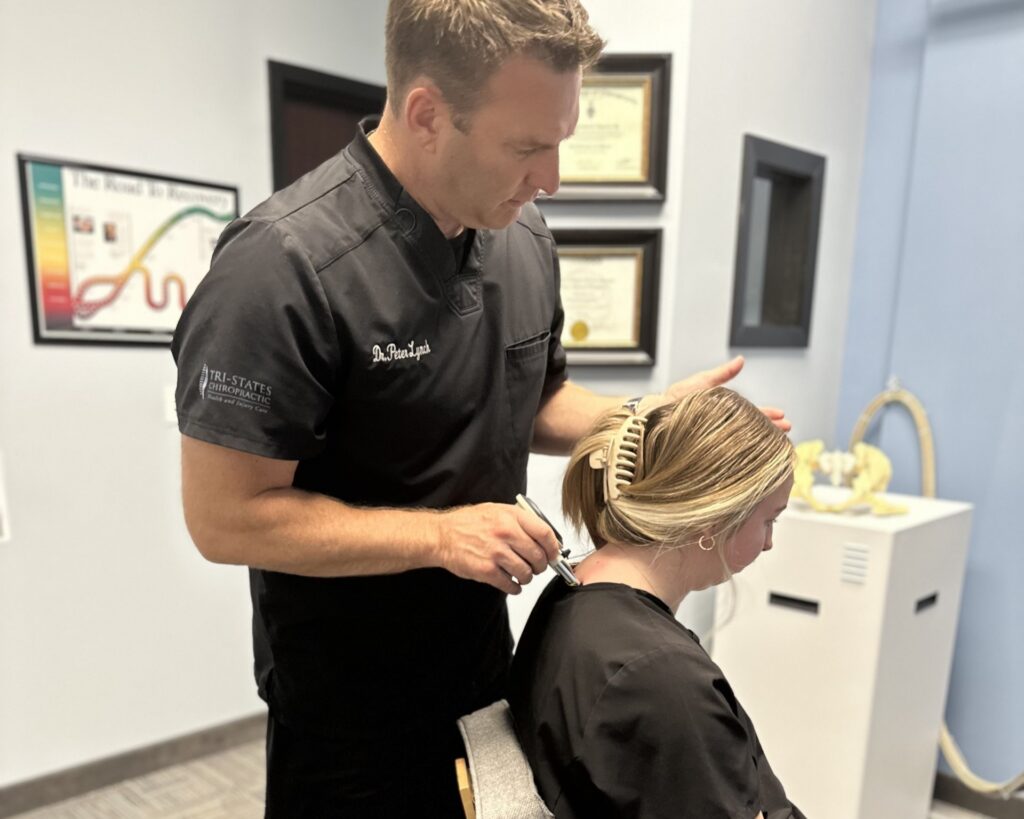
Improving your posture can significantly enhance your comfort and overall well-being. As a chiropractor, I want to emphasize how crucial it is to be mindful of your daily habits and their impact on your spine and muscles. You may be surprised to learn that small adjustments can lead to substantial pain relief. By incorporating chiropractic care into your routine, you can achieve optimal spinal health and enjoy a natural approach to wellness.
Here are some practical tips to help you improve your posture and reduce discomfort:
- Ergonomic Workspaces: Ensure your workspace is set up to support your spine. Your chair should provide good lumbar support, and your computer screen should be at eye level to prevent straining your neck.
- Stretch Regularly: Integrate simple stretching routines into your day. Stretching can alleviate tension in your muscles and improve your flexibility, which is vital for maintaining good posture.
- Mind Your Movement: Pay attention to how you move throughout the day. When lifting objects, bend at your knees rather than your waist, and always engage your core to protect your back.
- Stay Active: Regular physical activity strengthens your muscles and promotes better posture. Consider exercises that focus on your core, back, and shoulders.
- Chiropractic Adjustments: Regular visits to a chiropractor can help align your spine and relieve pain. Chiropractic care addresses the root causes of discomfort, promoting natural healing and enhancing your overall health.
By making these small changes and prioritizing chiropractic care, you can make a positive difference in your daily life. Remember, a healthy spine is key to a healthy body!
Key Takeaways
- Keep your spine in proper alignment by engaging your core muscles and pulling your shoulders back. This simple adjustment can significantly reduce strain and help prevent discomfort.
- Invest in an ergonomic chair that offers lumbar support, which is essential for maintaining the natural curve of your spine and promoting a healthier posture.
- Adjust your desk height so that your elbows can rest comfortably at a 90-degree angle while typing. This promotes a more relaxed position, making it easier to work without strain.
- Remember to take regular breaks every hour to stand up, stretch, and move around. This practice not only improves circulation but also helps relieve tension that can build up throughout the day.
- Incorporate mindful movements and gentle stretches into your daily routine. These practices enhance your body awareness and help support better posture, contributing to your overall well-being.
Chiropractic care is an excellent choice for addressing pain and enhancing your health naturally. By focusing on spinal alignment and overall wellness, you can experience significant relief and improved quality of life.
Understanding Posture and Its Importance
While you mightn’t think about it often, your posture plays a crucial role in your overall health and wellness. It directly affects how you feel physically, and it can even influence your mood and confidence. When you maintain good posture, your body aligns properly, reducing strain on muscles and ligaments. This alignment is essential for preventing pain and discomfort, especially in the back, neck, and shoulders.
It’s easy to overlook the impact of slouching or hunching. These habits can lead to chronic pain and long-term health issues. By being mindful of your posture throughout the day—whether sitting, standing, or walking—you can significantly improve your well-being. Engaging your core muscles and keeping your shoulders back can make a world of difference.
As a chiropractor, I encourage you to prioritize your posture not just for the sake of looking confident, but to support your body’s natural structure. Good posture is essential for optimal spinal health, and regular chiropractic care can help maintain that alignment.
Here are some simple tips you can incorporate into your daily routine to enhance your posture and overall health:
- Sit Smart: Use a chair that supports your lower back. Keep your feet flat on the floor and your knees at a right angle.
- Stand Tall: Distribute your weight evenly on both feet and avoid locking your knees. Engage your core to support your spine.
- Move Often: Take breaks from sitting every hour to stretch and move around. This helps relieve tension and keeps your body aligned.
- Be Mindful: Check in with your posture throughout the day. Adjust your position if you notice yourself slouching or hunching.
- See a Chiropractor: Regular chiropractic adjustments can help keep your spine aligned and address any discomfort you may be experiencing.
Prioritizing your posture can lead to increased energy levels and a more positive outlook on life. Remember, chiropractic care is the best choice for achieving natural health and wellness, helping you live pain-free and stay active.
The Impact of Ergonomics on Your Workspace
Adjusting your desk height, selecting the right chair, and positioning your screen properly can significantly enhance your comfort and productivity. An ergonomically designed workspace not only helps you feel better but also plays a crucial role in maintaining a healthy spine and preventing pain or strain.
As a chiropractor, I can’t stress enough how important it’s to create a workspace that supports your body’s natural alignment. Here are some tips to consider for a healthier work environment:
- Desk Height: Your desk should allow your elbows to be at a 90-degree angle while typing. This helps reduce shoulder and neck strain. If your desk is too high or too low, it can lead to discomfort over time.
- Chair Selection: Choose a chair that supports your lower back. A chair with lumbar support can help maintain the natural curve of your spine, which is essential for preventing back pain. Make sure the chair height is adjustable, allowing your feet to rest flat on the floor.
- Screen Positioning: Your computer screen should be at eye level to avoid straining your neck. If you find yourself leaning forward or tilting your head to see the screen better, it’s time to adjust its height or distance.
- Take Breaks: Regularly standing up, stretching, and moving around can alleviate tension and improve circulation. Consider setting a timer to remind you to take breaks every hour.
- Chiropractic Care: Regular chiropractic adjustments can help keep your spine aligned, reducing the risk of discomfort caused by prolonged sitting. Chiropractic care is a natural and effective approach to maintaining optimal health and well-being.
Incorporating these adjustments into your workspace can greatly enhance your daily routine and support your overall health. Remember, a well-designed workstation not only boosts productivity but also helps you avoid pain and strain, making chiropractic care an excellent choice for achieving lasting wellness.
Desk Height Adjustment
Finding the right desk height is crucial for your overall comfort and spinal health while working. When your desk is set at the right height, your elbows should remain at a 90-degree angle as you type. If your desk is too high, it can cause strain on your shoulders, and if it’s too low, you may experience discomfort in your wrists.
To achieve the ideal desk height, adjust it so that your forearms are parallel to the ground. If your desk isn’t adjustable, you can use a keyboard tray or a sturdy stack of books to achieve the right elevation. Additionally, make sure your feet are flat on the floor or on a footrest to support proper posture, which is essential for maintaining a healthy spine.
These simple adjustments can significantly reduce fatigue and enhance your focus, allowing for a more productive workday. Remember, taking care of your posture and ergonomics isn’t just about comfort; it’s about supporting your spine and overall well-being.
If you find yourself experiencing pain or discomfort despite these adjustments, consider seeking chiropractic care. Chiropractors can help address any underlying issues and guide you toward a healthier, pain-free life. Prioritizing your spinal health is a vital step toward achieving optimal wellness.
Chair Support Features
A supportive chair can significantly enhance your workspace ergonomics and overall health. As a chiropractor, I understand the importance of good posture for spinal health, especially during long hours of sitting. When choosing a chair, focus on features that help maintain proper alignment and support your body.
Here’s a quick overview of essential chair features that can promote spinal wellness:
| Feature | Benefit | Importance |
|---|---|---|
| Adjustable Height | Keeps your feet flat on the ground, aiding in proper posture | Reduces leg strain and promotes circulation |
| Lumbar Support | Supports the natural curve of your lower back | Helps prevent slouching and reduces back pain |
| Armrests | Reduces shoulder tension and promotes a relaxed arm position | Enhances comfort and can alleviate neck strain |
| Seat Depth Adjustment | Accommodates your thigh length for better support | Improves circulation and reduces pressure on the legs |
Investing in a chair equipped with these features can significantly enhance your posture, alleviate discomfort, and promote a healthier work environment. Remember, proper seating is just one part of maintaining a healthy spine. Regular chiropractic care can help you achieve and maintain optimal health, ensuring your body functions at its best. Consider incorporating regular check-ups to address any existing issues and prevent future discomfort. Prioritize your well-being by making smart choices in your workspace and seeking natural solutions for health.
Screen Placement Guidelines
While you may not realize it, proper screen placement is vital for your overall health, especially when it comes to maintaining good posture and reducing strain on your eyes and neck. As a local chiropractor, I want to share some simple tips that can help you feel more comfortable and improve your well-being throughout the day.
Start by positioning your monitor so that the top of the screen is at or just below eye level. This helps keep your neck in a neutral position, which is essential for spinal health. Sitting about an arm’s length away from the screen allows your eyes to focus comfortably without strain, reducing the risk of headaches and eye fatigue.
To further enhance your comfort, tilt the screen slightly back, around 10 to 20 degrees. This reduces glare and promotes a natural line of sight, making it easier for you to stay focused without discomfort. Be sure to adjust the brightness and contrast of your screen to suit your environment, which can help minimize eye fatigue and keep you energized throughout your work.
If you use multiple screens, align them properly to avoid twisting your neck. Keeping your workstation organized and ergonomic is key to preventing unnecessary strain on your body.
Daily Stretching Routines for Better Flexibility
Incorporating a morning stretching routine can set a positive tone for your day, making you feel more agile and prepared to take on daily tasks. These gentle stretches not only help improve your flexibility but also promote spinal health, which is vital for overall wellness.
As your day comes to a close, engaging in evening flexibility exercises can effectively relieve muscle tension and prepare your body for a restful night, enhancing your overall well-being.
Remember, maintaining a healthy spine is essential for optimal body function, and regular stretching can support this goal. Here are some simple tips to get you started on your journey to better flexibility and spinal health:
- Start Slow: If you’re new to stretching, begin with basic movements and gradually increase the intensity as your body becomes accustomed to it.
- Focus on the Spine: Include stretches that specifically target the spine, such as gentle twists and forward bends, to promote flexibility and reduce stiffness.
- Breathe Deeply: Pair your stretches with deep breathing. This not only relaxes your body but also improves oxygen flow to your muscles.
- Consistency is Key: Aim to incorporate stretching into your daily routine. Consistent practice can significantly improve your flexibility over time.
- Listen to Your Body: Pay attention to how your body feels during stretches. If something doesn’t feel right, it’s important to stop and consult with a chiropractor for personalized guidance.
Morning Stretching Routine
Starting your day with a morning stretching routine isn’t only a fantastic way to enhance your flexibility but also a vital part of maintaining your spinal health and overall well-being. Just a few minutes of gentle stretches can help wake up your muscles, improve circulation, and boost your energy levels, setting a positive tone for the day ahead.
Begin with gentle neck rolls to relieve tension, as tightness in the neck can often lead to discomfort in the upper back and spine. Following this, incorporate shoulder stretches to release any stiffness that may have built up overnight. Forward bends are excellent for stretching your hamstrings and lower back, which can often hold tension from daily activities. Consider adding a deep lunge to open your hips, promoting better alignment and mobility.
Finish your routine with a few standing side stretches to elongate your torso. This not only helps improve flexibility but also encourages proper spinal alignment. Remember to breathe deeply throughout each stretch, holding each position for about 15-30 seconds. Deep breathing can enhance relaxation and further increase blood flow to your muscles.
Consistency is key to reaping the benefits of stretching, so aim to make this routine a daily habit. Not only will you feel more limber and energized, but incorporating these stretches into your morning will help support your spine, reduce the risk of injury, and promote natural healing.
As a chiropractor, I encourage you to view your body as a whole. Regular stretching, combined with chiropractic care, can be a powerful way to achieve optimal health. Chiropractic adjustments can help realign your spine, relieve pain, and improve your overall function. By prioritizing both stretching and chiropractic care, you’ll be better equipped to tackle whatever the day brings, with a body that feels strong and capable.
Evening Flexibility Exercises
Consistently practicing evening flexibility exercises can significantly enhance your overall mobility and well-being, complementing the benefits of chiropractic care. As your day comes to a close, these stretches can help release tension built up in your muscles and joints, promoting a healthier spine and body.
Start with gentle neck rolls to alleviate stiffness – this is particularly beneficial for those who spend long hours sitting or working at a desk. Then, move to shoulder stretches by reaching one arm across your body; this helps to relieve tightness in the upper back, an area I often see affected in my chiropractic practice.
Incorporate seated forward bends to elongate your spine and hamstrings. This action not only enhances flexibility but also promotes better posture, which is crucial for spinal health. Don’t overlook your hips; the butterfly stretch is excellent for opening up this area, allowing your knees to fall outward and relieving strain that can lead to discomfort.
Finally, conclude your routine with a calming child’s pose. This position promotes relaxation and helps to decompress the spine, making it a perfect way to end your day. Aim for just 10-15 minutes of these exercises each evening, and you’ll likely notice improved flexibility and reduced discomfort over time.
Integrating this flexibility routine into your evening can enhance the benefits of chiropractic care, helping you wake up feeling refreshed and ready to tackle the day ahead. Remember, consistency is key, and combining these practices with regular chiropractic adjustments can lead to optimal health and wellness.
Strengthening Core Muscles for Support
Strengthening your core muscles is essential for enhancing your posture and relieving pain, particularly in your back. A strong core offers stability and support for your spine, which is crucial for maintaining proper alignment throughout your daily activities. As a chiropractor, I encourage you to integrate core-strengthening exercises into your routine, such as planks, bridges, and abdominal crunches. These exercises target multiple muscle groups, promoting balanced strength and support.
Aim to perform core workouts at least two to three times a week. As you build strength, gradually increase the intensity or duration of your exercises to keep challenging yourself. Consistency is key; it’s important to engage in these exercises regularly for the best results.
Be mindful of your form during exercises, as improper technique can lead to injuries. If you’re unsure about your form, consider consulting with a chiropractor who can provide guidance and ensure you’re performing exercises safely and effectively. Additionally, complement your core workouts with flexibility exercises to enhance your overall stability and support.
Mindfulness Techniques to Maintain Awareness
While you work on building a strong core, incorporating mindfulness techniques can significantly enhance your awareness of posture and body alignment, which is crucial for maintaining spinal health. These techniques help you stay connected to your body, making it easier to recognize and correct any misalignments throughout your day.
Here are three effective mindfulness practices that can complement your chiropractic care and support your journey to optimal health:
- Breath Awareness: Every hour, take a few moments to focus on your breathing. Inhale deeply through your nose, allowing your abdomen to expand, and as you exhale, visualize releasing tension from your shoulders and spine. This simple practice not only grounds you but also helps promote better posture, which is essential for a healthy spine.
- Body Scanning: Periodically check in with your body by mentally scanning from head to toe. Notice any areas of tension or discomfort. This heightened awareness allows you to adjust your posture and address any issues before they develop into pain. Remember, being proactive is key to maintaining your spinal health.
- Mindful Movement: Incorporate gentle stretches or mindful walking into your daily routine. As you move, pay close attention to how your body feels, focusing on maintaining healthy alignment. Mindful movement can enhance your overall well-being and support the benefits of regular chiropractic adjustments.
By integrating these mindfulness techniques into your life, you can foster a deeper connection with your body, which complements the natural healing that chiropractic care provides. Together, they pave the way for a pain-free, healthier lifestyle.
Tips for Proper Sitting Posture
Good sitting posture is crucial for preventing discomfort and promoting spinal health, particularly if you spend long hours at a desk. As a chiropractor, I want to share some simple tips to help you maintain a healthy posture and support your overall wellness.
Start by selecting a chair that provides adequate support for your lower back. This will help maintain the natural curve of your spine. Ensure your feet are flat on the floor; if they’re not, consider using a footrest to achieve the right position. Your knees should be at a 90-degree angle, level with or slightly lower than your hips to promote comfort.
When sitting, position your hips all the way back in the chair. If you need extra lumbar support, a small cushion can make a significant difference. Your arms should rest comfortably at your sides, with elbows bent at about 90 degrees while you type. It’s important to keep your wrists straight, avoiding any bending upwards or downwards, as this can lead to strain over time.
Align your computer screen with your eye level to prevent unnecessary neck strain. This small adjustment can greatly reduce discomfort and promote a healthier posture. Remember to check in on your posture regularly throughout the day; small reminders can help you maintain these healthy habits.
Incorporating these tips can significantly reduce the risk of pain and discomfort. If you find yourself experiencing ongoing issues, consider visiting a chiropractor. Chiropractic care focuses on natural healing and can help restore your body’s balance, leading to a healthier, pain-free life.
The Benefits of Standing and Walking Breaks
Taking regular standing and walking breaks isn’t just a great way to boost your circulation and energy levels, it’s also essential for maintaining a healthy spine and overall well-being. Incorporating these simple movements into your daily routine can significantly reduce muscle tension, which often leads to discomfort and distraction.
When you take a moment to stand up or walk around, you’re not only promoting better blood flow, but you’re also giving your spine a chance to realign and decompress, which is crucial for preventing pain and maintaining proper posture. This is where chiropractic care comes into play. Regular visits to your chiropractor can help ensure that your spine is in optimal alignment, enhancing the benefits of those standing and walking breaks.
To make the most of your workday, I recommend setting a timer to remind yourself to take breaks every hour. During these breaks, take a few minutes to stretch your body, walk around your workspace, or even practice some deep breathing exercises. These small adjustments can lead to a healthier work experience and keep your mind sharp and focused.
Improved Circulation and Energy
When you incorporate standing and walking breaks into your daily routine, you significantly enhance your circulation and energy levels. This simple adjustment can transform how you feel throughout the day and contribute to your overall wellness.
Here are three key benefits that highlight why these breaks are essential, especially in conjunction with chiropractic care:
- Improved Blood Flow: By standing up and moving around, you stimulate blood circulation. This ensures that your muscles and organs receive the oxygen they need to function properly. Good circulation is vital for maintaining a healthy spine and overall body function, which is a core principle of chiropractic care.
- Natural Energy Boost: Short walks or stretches are excellent ways to combat fatigue. They help invigorate your body, keeping your energy levels high and your mind sharp. This is especially important as fatigue can lead to poor posture, which may contribute to spinal misalignments. Chiropractic adjustments can help correct these issues, but incorporating movement into your routine can prevent them from occurring in the first place.
- Enhanced Mental Clarity: Taking regular breaks refreshes your mind, enhancing focus and productivity when you return to your tasks. A clear mind is essential for making healthy choices and maintaining a balanced lifestyle, both of which are crucial for optimal health.
Incorporating these standing and walking breaks into your day isn’t only beneficial for your physical health but also supports your overall well-being. Remember, maintaining a healthy spine is foundational to your body’s ability to function at its best. By adopting these simple practices and considering regular chiropractic care, you can achieve a healthier, more vibrant life without the need for invasive treatments or medications.
Reduced Muscle Tension
Incorporating regular standing and walking breaks into your daily routine can significantly alleviate muscle tension and enhance your overall well-being.
When you remain in one position for an extended period, your muscles tend to stiffen and fatigue, which can lead to discomfort. By taking short breaks to stretch your legs and move around, you can effectively loosen tight muscles and promote relaxation.
This simple practice not only helps your body reset but also eases the discomfort that accumulates from prolonged sitting or standing.
To maximize the benefits, aim for brief intervals of movement throughout your day. Even just a few minutes of walking can invigorate your muscles and improve flexibility. You’ll likely find that these breaks not only relieve muscle tension but also support better posture.
As a chiropractor, I encourage you to embrace the power of movement as part of your wellness journey. Remember, regular activity is essential for maintaining a healthy spine, and chiropractic care can help ensure that your body functions optimally.
Enhanced Focus and Productivity
While it may be tempting to push through long hours of work without pausing, taking standing or walking breaks can significantly enhance both your focus and productivity. These brief intermissions are vital for your health, especially for your spine and overall well-being.
When you incorporate regular breaks into your routine, you promote better blood circulation, sharpen your concentration, and return to your tasks with renewed energy. Here are three important benefits of including these breaks:
- Boosted Energy Levels: A short walk can revive your mind and body, effectively combating fatigue and keeping your spine in better alignment.
- Elevated Mood: Engaging in movement triggers the release of endorphins, natural chemicals that improve your mood and reduce stress, contributing to a healthier state of mind.
- Enhanced Creativity: Changing your surroundings, even briefly, can spark creative thinking, giving rise to fresh ideas while also allowing your spine to stretch and relax.
Incorporating these breaks not only helps maintain good posture but also maximizes your overall work performance. Remember, regular movement is essential for a healthy spine, and chiropractic care can support you in achieving optimal wellness.
Choosing the Right Footwear for Posture
Choosing the right footwear is essential for maintaining good posture and overall comfort, and as a chiropractor, I can’t stress enough how significant this choice is for your spinal health. Start by looking for shoes that offer ample arch support; this is crucial for keeping your feet and spine aligned, preventing discomfort and potential issues down the road.
It’s important to steer clear of high heels and overly flat shoes. These types can create imbalances that lead to strain and pain in your back and joints. Instead, look for shoes with a slight heel and cushioned soles that can absorb impact and provide support.
Make sure your footwear fits well; shoes that are too tight or too loose can disrupt your posture, leading to discomfort. When you’re shopping for shoes, take a moment to walk around in them to ensure they feel comfortable and provide adequate support.
Also, consider materials that allow for breathability and flexibility. This will enhance your comfort, especially if you’re on your feet for long periods. If you find yourself standing or walking a lot, investing in insoles specifically designed for posture support can be a game changer.
Incorporating Yoga and Pilates Into Your Routine
Footwear plays a pivotal role in your posture, but it’s just one piece of the puzzle. As a chiropractor, I emphasize that incorporating yoga and Pilates into your routine can significantly enhance your posture and alleviate pain. Both practices focus on strengthening your core, improving flexibility, and promoting body awareness, all of which are essential for maintaining a healthy spine.
Here are three practical ways to integrate them into your weekly schedule:
- Start with Short Sessions: Begin with 15-20 minutes of yoga or Pilates a few times a week. As you become more comfortable, gradually increase the duration. This gentle approach helps your body adapt and can lead to better results over time.
- Focus on Key Poses: Incorporate foundational poses such as Downward Dog, Cat-Cow, and Child’s Pose in yoga, alongside the Pilates Hundred and Plank. These exercises target important muscle groups that support your spine, helping you build strength and stability.
- Join a Class: Participating in group classes or following online tutorials can provide motivation and ensure you’re using proper techniques. This not only enhances your practice but also encourages a sense of community, which can be beneficial for your overall well-being.
By making yoga and Pilates a regular part of your routine, you can experience noticeable improvements in your posture and overall health. Remember, chiropractic care is also an excellent way to support your journey toward optimal health and pain relief.
A well-aligned spine is crucial for effective movement, so consider regular chiropractic visits as part of your wellness strategy. Together, these practices can lead to a more balanced and healthier life.
Seeking Professional Help: When to Consult a Specialist
When dealing with ongoing pain or discomfort, knowing when to reach out for help is essential for your recovery. If you’ve been trying self-care methods like stretching, yoga, or over-the-counter pain relief without seeing any improvement, it’s a good idea to consult a chiropractor. Look out for signs such as pain that disrupts your daily activities, weakness in your limbs, or numbness. These may signal a deeper issue that chiropractic care can address effectively.
Chiropractors specialize in assessing your condition and creating personalized treatment plans that focus on natural healing and restoring balance to your body. If your pain intensifies or changes in nature, don’t hesitate to seek help. Early intervention through chiropractic care can prevent further complications and promote a quicker recovery.
Remember, your body communicates its needs, and listening to it can lead you to the right support. Prioritizing your health through chiropractic care not only helps alleviate pain but also contributes to better posture and overall well-being.
Here are some general tips to enhance your health and wellness:
- Stay Active: Regular movement helps keep your spine healthy. Incorporate low-impact activities like walking or gentle stretching into your routine.
- Practice Good Posture: Be mindful of your posture whether sitting, standing, or lifting. This can prevent strain on your spine.
- Hydrate: Drinking plenty of water supports spinal health and overall bodily functions.
- Listen to Your Body: If something doesn’t feel right, don’t ignore it. Early chiropractic care can make a significant difference.