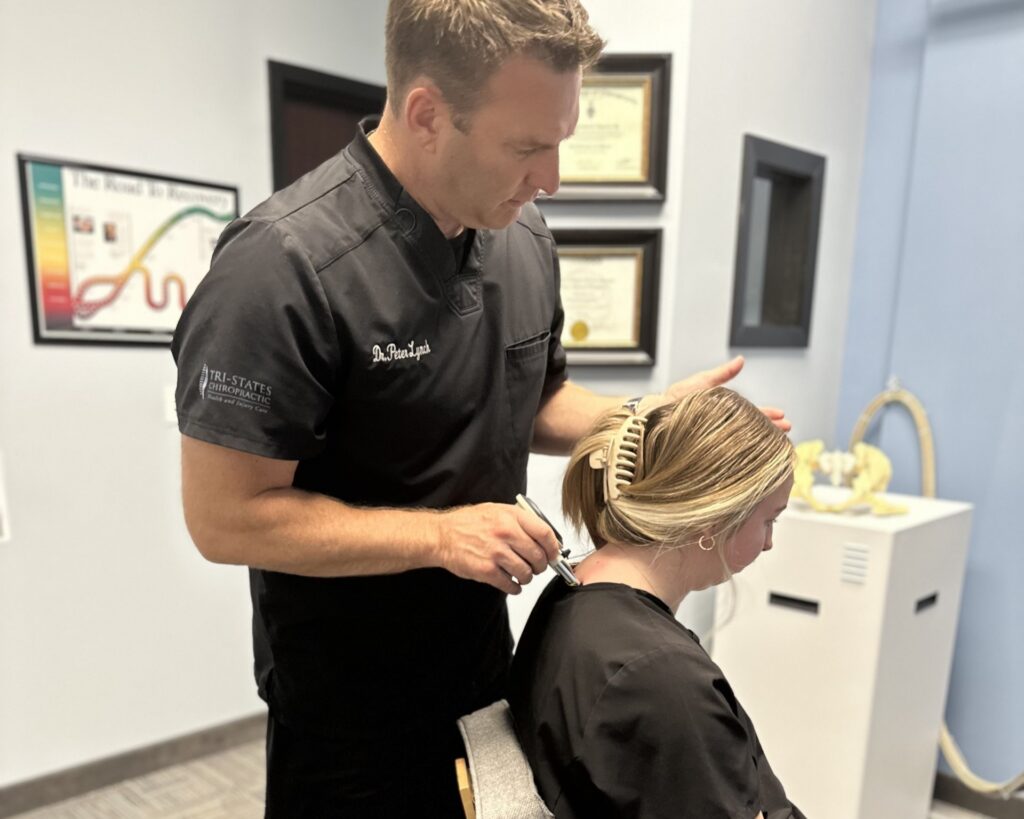
Improving your posture and relieving pain is crucial for maintaining your overall health and wellness. As a local chiropractor, I want to share some simple yet effective strategies that can help enhance your comfort and productivity, all while positioning chiropractic care as your best option for achieving optimal health.
First and foremost, strengthening your core is vital. A strong core supports your spine and helps maintain proper posture. Incorporate exercises like planks and bridges into your routine to build core strength. Additionally, regular chiropractic adjustments can align your spine, improve your posture, and alleviate pain, allowing you to move more freely.
Creating an ergonomic workspace is another key element. Ensure your chair and desk are set at comfortable heights to reduce strain on your back and neck. Position your computer screen at eye level and keep your feet flat on the floor. These adjustments can significantly improve your posture and decrease discomfort throughout your day.
Don’t forget the importance of regular movement. Take breaks every hour to stand, stretch, and walk around. This simple practice can prevent stiffness and promote better circulation. Moreover, incorporating gentle stretches into your daily routine can enhance flexibility and further support spinal health.
Lastly, consider the benefits of chiropractic care as a natural approach to pain relief. Regular visits can help realign your spine, reducing discomfort and promoting overall wellness without the need for medications or invasive procedures.
By implementing these practical strategies and prioritizing chiropractic care, you can transform your habits and foster a healthier posture. Your body will thank you for it, and you’ll enjoy increased comfort and mobility in your daily life.
Key Takeaways
- Ensure your workspace is ergonomically sound by adjusting your chair and monitor to promote proper spinal alignment. This simple adjustment can significantly reduce strain and discomfort, paving the way for a healthier back.
- Remember to take regular breaks from sitting to stretch and move around. This not only helps relieve muscle fatigue but also boosts circulation, enhancing your overall well-being.
- Strengthening your core is essential for maintaining good posture and spinal health. Consider incorporating exercises like planks and bridges into your routine, which can support your spine effectively.
- Mindful breathing can enhance your body awareness, helping you pinpoint areas of tension that may need attention. Practicing deep, intentional breaths can invite relaxation and aid in healing.
- Daily stretching routines focusing on your neck, shoulders, and back are invaluable for improving flexibility and relieving tightness. These stretches can be easily integrated into your daily life and are a wonderful complement to regular chiropractic adjustments.
By focusing on these practices, you’ll be taking proactive steps toward a healthier spine and overall wellness. Remember, chiropractic care is an excellent choice for pain relief and can guide you on your journey to optimal health.
Understand the Importance of Good Posture
As a local chiropractor, I want to emphasize the significant role that good posture plays in your overall health and wellness. You may not be aware, but maintaining proper alignment is crucial not just for your confidence, but also for your physical performance. When you sit or stand upright, you enable your muscles, ligaments, and joints to work together more efficiently, reducing strain and discomfort.
Good posture also has a positive impact on your breathing and circulation. When your body is aligned correctly, your lungs can fully expand, allowing your organs to receive the oxygen they need. This can lead to increased energy levels and improved focus throughout your day.
On the flip side, neglecting your posture can result in chronic pain, fatigue, and a host of musculoskeletal problems. That’s why I encourage you to become aware of your posture and make small adjustments in your daily life. Simple practices like sitting with your feet flat on the floor, keeping your shoulders back, and using ergonomic furniture can make a big difference.
Strengthen Your Core Muscles
Strengthening your core muscles is crucial for maintaining good posture and preventing discomfort in your daily life. A strong core supports your spine, which not only helps you stand tall but also enables you to move freely and comfortably.
As a chiropractor, I want to emphasize that a well-functioning spine is key to overall wellness, and building core strength can play a major role in achieving that.
Here are some simple, effective exercises that can enhance your core strength while also promoting spinal health:
- Planks: Start by holding a plank position for 30 seconds to a minute. Focus on engaging your abdominal muscles and keeping your back straight. This exercise helps stabilize your spine.
- Bridges: Lie on your back with your knees bent. Lift your hips towards the ceiling while squeezing your glutes. Bridges strengthen your lower back and improve pelvic alignment, which is beneficial for spinal health.
- Russian Twists: Sit on the floor and lean back slightly. Hold a light weight and twist your torso side to side. This exercise not only works on your core but also promotes flexibility in your spine.
- Leg Raises: Lie flat on your back and lift your legs towards the ceiling, ensuring your lower back stays pressed into the floor. This strengthens your abdominal muscles and supports lower back stability.
- Bicycle Crunches: While lying on your back, bring your knees to your chest and alternate touching your elbows to your knees in a pedaling motion. This exercise engages multiple core muscles and helps improve coordination.
Incorporating these exercises into your routine can significantly enhance your core strength, leading to better posture and less discomfort. Remember, a strong core is vital for a healthy spine, and regular chiropractic care can further support your journey to optimal health.
If you’re experiencing pain or discomfort, don’t hesitate to reach out to a chiropractor who can provide personalized care and guidance tailored to your needs. Taking steps towards a stronger core and maintaining spinal health is a natural and effective way to achieve overall wellness.
Set Up an Ergonomic Workspace
To improve your posture and relieve pain, setting up an ergonomic workspace is essential for maintaining a healthy spine and overall well-being. As a chiropractor, I understand how crucial it’s to create an environment that supports your body. Start by adjusting your desk height so that your elbows are at a comfortable angle and your wrists remain straight while typing. Make sure your chair offers proper lumbar support; this helps maintain the natural curve of your lower back, reducing strain.
Monitor positioning is also vital. Your screen should be at eye level to keep your neck and back aligned, preventing unnecessary stress on your spine. Remember to take regular breaks—stand up, stretch, and move around every hour. This helps promote circulation and reduces stiffness.
Incorporating chiropractic care into your routine can enhance the benefits of an ergonomic workspace. Regular adjustments can help improve your posture, alleviate pain, and promote natural healing.
Desk Height Adjustment
Adjusting your desk height is a vital step in creating an ergonomic workspace that promotes better posture and helps reduce discomfort, which is essential for your spinal health.
When your desk is at the correct height, you can work more comfortably, minimizing the risk of pain and strain. Here are some chiropractic-friendly tips to help you find the perfect desk height for your needs:
- Keep your elbows at a 90-degree angle while typing. This position helps maintain a neutral spine and reduces tension in your shoulders and neck.
- Ensure your feet are flat on the floor or supported by a footrest. This alignment helps distribute your weight evenly and supports your lower back.
- Position your monitor at eye level to prevent unnecessary neck strain. Your eyes should naturally align with the top of the screen, allowing you to keep your neck in a relaxed position.
- Maintain a straight wrist position while typing. This prevents undue stress on the wrist joints and supports overall ergonomic movement.
- Make sure there’s enough space under the desk for your legs to move freely. This allows for proper circulation and prevents stiffness during long periods of sitting.
By making these adjustments, you’re taking proactive steps toward a healthier workspace that supports your spine and overall well-being.
If you experience persistent discomfort, consider consulting with a local chiropractor, who can provide personalized care and strategies to enhance your health naturally.
Chair Support Features
Choosing the right chair is crucial for creating an ergonomic workspace that promotes good posture and reduces discomfort. As a chiropractor, I want to emphasize the importance of supporting your spine to maintain overall health and well-being.
First, look for a chair with adjustable height. This feature ensures that your feet can rest flat on the floor, which is essential for proper blood circulation and spinal alignment. A seat depth that allows you to sit comfortably without putting pressure on your thighs is also important. This helps to prevent unnecessary strain on your lower body.
Lumbar support is another key feature to consider. A chair with good lumbar support helps maintain the natural curve of your spine, which can prevent lower back pain and support your overall health. Additionally, adjustable armrests are beneficial. They allow your shoulders to relax while supporting your arms, reducing tension in your neck and upper back.
Choosing a chair made from breathable fabric can enhance comfort during long hours of sitting, which is vital for maintaining focus and productivity. Lastly, a swivel base can help you reach different areas of your desk without twisting your spine awkwardly, further protecting your back.
Monitor Positioning Tips
While having a comfortable chair is key to your well-being, the way you position your monitor is just as important in creating an ergonomic workspace that supports your spine health. Here are some practical tips to ensure your monitor is set up correctly, promoting better posture and overall wellness:
- Position the top of your monitor screen at or just below eye level. This helps maintain a neutral neck position, reducing strain on your spine.
- Place the monitor about an arm’s length away from you. This distance helps prevent eye strain and encourages proper posture.
- Tilt the screen slightly back (10 to 20 degrees) to reduce glare, making it easier on your eyes and promoting a more relaxed posture.
- Keep the monitor centered in front of you. This will help avoid twisting your neck, which can lead to discomfort and misalignment over time.
- Adjust the brightness and contrast for peak visibility. Good visibility can reduce the tendency to lean forward or hunch over, further supporting your spinal health.
Remember, maintaining an ergonomic workspace is an essential part of caring for your body. Alongside these tips, regular chiropractic care can help address any discomfort you may experience and promote a healthier, pain-free lifestyle.
Take Regular Breaks
Taking regular breaks is vital for maintaining good posture and alleviating discomfort, especially for those of us who spend long hours sitting or standing. Over time, your muscles can become tense and fatigued, leading to strain on your spine and overall discomfort. By stepping away from your desk or changing your position every hour, you can refresh both your body and mind, ultimately supporting your spinal health.
Here’s a simple guide to effective break activities that can help you feel better throughout the day:
| Activity | Duration |
|---|---|
| Stretching | 5 minutes |
| Short walk | 10 minutes |
| Hydration break | 2 minutes |
Incorporating these breaks into your daily routine can improve your overall comfort and contribute to a healthier spine. Consider setting a timer as a reminder to pause and take care of your body. These short intervals not only help with posture but also enhance your productivity and focus.
Practice Mindful Breathing
Practicing mindful breathing can significantly enhance your posture and alleviate pain, especially when paired with regular breaks. This technique enables you to reconnect with your body, helping you identify areas of tension and adjust your posture for better alignment. By concentrating on your breath, you cultivate awareness and foster a sense of calm—beneficial for both your mental and physical health.
Here are some straightforward steps to practice mindful breathing effectively:
- Choose a quiet spot: Find a comfortable place where you won’t be disturbed, allowing you to focus solely on your breathing.
- Sit or stand with intention: Maintain an upright posture with your spine aligned and shoulders relaxed—this sets the stage for effective breathing.
- Inhale deeply: Take a deep breath in through your nose, allowing your abdomen to expand fully, rather than just your chest. This deep breathing helps improve oxygen flow and supports your overall spinal health.
- Exhale gently: Release your breath slowly through your mouth, consciously letting go of any tension you may be holding.
- Practice regularly: Dedicate a few minutes each day to this mindful breathing practice. Consistency is key to reaping the benefits.
Incorporating mindful breathing into your daily routine can greatly enhance your overall well-being and posture, making it an excellent complement to chiropractic care. By focusing on natural techniques like this, you can support your body’s healing process and maintain optimal health without the need for surgeries or medications.
Incorporate Stretching Into Your Routine
Incorporating stretching into your daily routine is an excellent way to enhance your overall health and well-being, especially when it comes to improving posture and alleviating pain. Regular stretching keeps your muscles flexible, which supports proper alignment in your spine and body. As a chiropractor, I often emphasize the importance of maintaining a healthy spine, and stretching plays a crucial role in that.
Begin with simple stretches that focus on key areas such as your neck, shoulders, back, and hips. For example, gentle neck rolls can help ease tension, while a seated forward bend can promote spinal lengthening and relief from tightness.
Aim to dedicate at least 10-15 minutes each day to stretching. You can do this in the morning to wake up your body, during breaks to recharge, or before bed to relax. As you stretch, pay attention to your breathing and hold each stretch for 15-30 seconds. This not only enhances relaxation but also aids in better muscle recovery.
Always listen to your body. If you feel discomfort while stretching, it’s important to ease back rather than push through the pain. By consistently incorporating these stretches into your routine, you can experience improved posture, reduced muscle tightness, and significant relief from pain.
Use Posture-Correcting Devices
Stretching is a fantastic way to improve your posture, but sometimes you need a little extra assistance. That’s where posture-correcting devices come in! These tools can help support your body and encourage proper alignment throughout your daily activities.
As a chiropractor, I believe that a holistic approach, including these devices alongside chiropractic care, can lead to optimal health. Here are some options you might consider:
- Posture braces: These gentle aids can help pull your shoulders back and serve as a reminder to maintain a tall, aligned position whether you’re sitting or standing.
- Ergonomic chairs: Investing in a chair designed to support your spine can make a significant difference. These chairs promote good posture while you work, reducing strain on your back.
- Standing desks: Alternating between sitting and standing during your workday can help reduce fatigue and promote better posture. It encourages movement, which is essential for a healthy spine.
- Foam rollers: Using foam rollers can be beneficial for releasing tension in your back and strengthening your core—two key components for maintaining good posture.
- Posture-correcting shirts: These shirts provide gentle compression to encourage correct alignment without being intrusive, making them a great addition to your wardrobe.
Incorporating these devices into your daily routine can lead to noticeable improvements in how you feel and look. However, it’s important to remember that these tools work best in conjunction with regular chiropractic care.
Chiropractic adjustments can help ensure your spine is in proper alignment, which is crucial for overall health and wellness.
If you’re struggling with pain or discomfort related to poor posture, I encourage you to explore chiropractic care. It’s a natural, effective way to address these issues and support your journey toward healthier living.
Always listen to your body and find what works best for you!
Stay Hydrated
Staying hydrated is a cornerstone of maintaining good posture and overall health, especially when it comes to spinal wellness. When your body is well-hydrated, your muscles and joints operate more efficiently, which can help reduce stiffness and support better alignment. On the flip side, dehydration can lead to fatigue and decreased awareness of your body’s posture throughout the day, which may contribute to spinal discomfort.
To promote good posture and overall well-being, aim to drink plenty of water, particularly if you lead an active lifestyle or spend extended periods sitting. A handy tip is to keep a water bottle within reach; this serves as a constant reminder to sip throughout the day. You might be surprised to learn that even mild dehydration can affect your concentration and energy levels, making it harder to maintain proper posture.
In addition to drinking water, think about incorporating hydrating foods into your meals, such as fruits and vegetables. These foods not only add essential nutrients to your diet but also contribute to your fluid intake. Pay attention to your body’s signals; drink when you feel thirsty, but try not to let too much time pass without hydrating.
Engage in Regular Physical Activity
Hydration is essential for your body to engage in physical activity effectively, especially when it comes to supporting your spine and overall wellness. Regular exercise not only helps strengthen your muscles but also enhances your posture, which can play a significant role in alleviating pain.
You don’t need to commit to the gym every day; even simple activities can greatly benefit your health and spine. Here are some easy ways to incorporate physical activity into your daily routine while promoting natural healing and wellness:
- Take brisk walks during your breaks: This not only gets your blood flowing but also helps relieve tension in your back and neck.
- Try yoga or Pilates: These practices enhance flexibility and strengthen your core, which is crucial for maintaining spinal alignment.
- Use resistance bands for strength training at home: Building strength in your muscles can support your spine and prevent pain.
- Join a dance class: It’s a fun way to stay active while improving your coordination and posture.
- Perform stretches regularly: Stretching helps relieve tension and improve mobility, which can lead to a healthier spine and reduced discomfort.
Incorporating these activities into your daily life can greatly enhance your well-being and support your journey towards optimal health. Remember, chiropractic care is an excellent choice for addressing pain and promoting overall wellness, allowing your body to heal naturally.
Seek Professional Help if Needed
When pain persists despite your best efforts to improve your posture and engage in physical activity, it’s crucial to consider seeking professional help, particularly from a chiropractor. Chiropractic care is a natural and effective approach to pain relief that focuses on aligning your spine and improving your overall wellness.
A qualified chiropractor can assess your situation, offer personalized advice, and develop a tailored recovery plan specifically for your needs. Through spinal adjustments and other holistic techniques, chiropractic care can help alleviate pain, enhance mobility, and promote better posture.
Here’s a quick guide to understanding the benefits of chiropractic care and when you should consider reaching out to a chiropractor:
| Type of Professional | What They Offer | When to See Them |
|---|---|---|
| Chiropractor | Spinal adjustments and holistic care | Persistent pain or discomfort |
| Physical Therapist | Rehabilitation exercises | Limited mobility or stiffness |
| Orthopedic Specialist | Diagnosis for severe conditions | Chronic pain that doesn’t improve |
| Massage Therapist | Muscle relaxation techniques | Stress-related tension |
| Posture Specialist | Guidance on maintaining good posture | Ongoing struggles with posture habits |
Taking the step to consult with a chiropractor can lead you to effective relief and set you on a path toward improved posture and overall well-being. Remember, chiropractic care is centered on natural healing, which means no surgeries or medications—just your body’s own ability to heal itself when properly aligned.
Here are some general tips to consider while you work on improving your health:
- Stay Active: Regular, gentle exercise helps keep your muscles strong and supports good posture.
- Mind Your Posture: Be mindful of your sitting and standing posture throughout the day. Consider ergonomic furniture to support your spine.
- Hydration is Key: Drink plenty of water to keep your body hydrated and support spinal health.
- Stretch Regularly: Incorporate stretching into your daily routine to maintain flexibility and reduce tension.
Don’t hesitate to reach out for the support you need! Chiropractic care can be your first step toward a healthier, pain-free life.