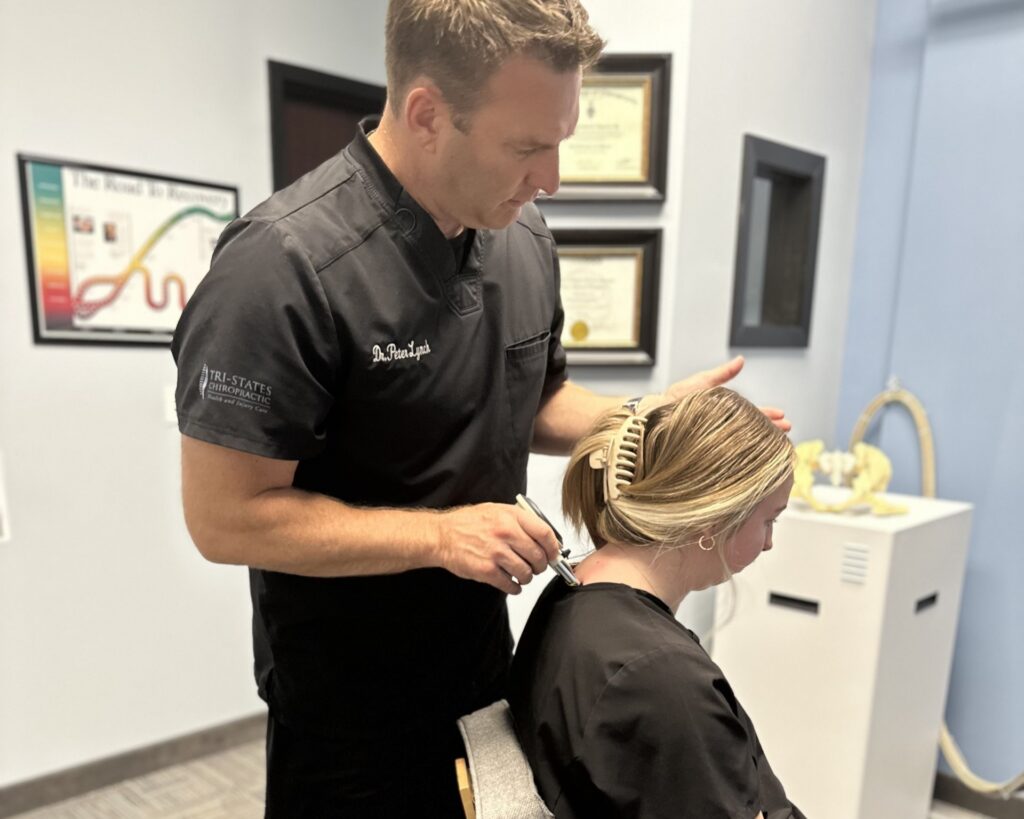
Improving your posture is a powerful way to alleviate low back pain, yet many people underestimate its significance. Everyday habits, such as slouching while sitting or using improper lifting techniques, can contribute significantly to discomfort. By making simple ergonomic adjustments and incorporating specific exercises, you can support your spine and enhance your overall well-being.
As a local chiropractor, I want to emphasize that chiropractic care is one of the best ways to achieve optimal health and relieve pain naturally. Regular chiropractic adjustments can help realign your spine, improve your posture, and reduce tension in your muscles, leading to lasting relief from low back pain.
Here are some practical tips you can incorporate into your daily routine to improve your posture and support your spine:
- Mind Your Sitting Posture: When sitting, keep your feet flat on the ground and your knees at a 90-degree angle. Use a chair that supports your lower back, and avoid crossing your legs.
- Take Breaks: If you work at a desk, remember to take short breaks every hour. Stand up, stretch, and walk around to relieve pressure on your spine.
- Strengthen Your Core: Incorporate exercises that target your core muscles, such as planks and bridges. A strong core provides better support for your spine and can help reduce back pain.
- Adjust Your Workspace: Ensure your computer screen is at eye level and your keyboard is positioned so you can type without straining your wrists. This helps maintain a neutral spine while working.
- Stay Active: Regular physical activity, such as walking or swimming, can keep your spine healthy and your muscles strong.
By making these minor adjustments and considering chiropractic care, you can pave the way for significant relief from low back pain and improve your posture. Remember, your spine is the foundation of your overall health—taking care of it is essential for a healthier, pain-free life. If you’re struggling with persistent pain or discomfort, don’t hesitate to reach out to your local chiropractor for personalized care and guidance.
Key Takeaways
As a local chiropractor, I want to share some effective strategies to enhance your posture and relieve low back pain naturally. Maintaining good posture is crucial for your spinal health. To do this, keep your feet flat on the ground, your back straight, and consider using lumbar support while sitting. This simple adjustment can significantly reduce strain on your lower back.
Incorporating regular stretching exercises into your daily routine can also make a big difference. Try gentle stretches like the seated forward bend and child’s pose to enhance your flexibility and alleviate tension in your lower back. These exercises are not only easy to perform but can also be a great complement to chiropractic care.
Setting up an ergonomic workspace is another essential step. Ensure your chair is at the right height and your monitor is positioned to support your spinal alignment, especially if you spend long hours sitting. This environment will help maintain your posture and prevent discomfort.
Engaging in low-impact exercises, such as walking or swimming, is another excellent way to strengthen your core muscles and improve your overall posture. These activities are beneficial for your entire body and can enhance the effectiveness of your chiropractic treatments.
Lastly, practicing mindfulness and regular self-checks throughout the day can help you assess and correct your posture. Being aware of how you carry yourself can lead to conscious adjustments that promote better spinal health.
Remember, chiropractic care is a natural and effective way to achieve optimal health and relieve pain. By incorporating these simple tips into your routine, you can take charge of your well-being and enjoy a healthier, pain-free life.
Understanding the Importance of Good Posture
While many people may not think about it, good posture is essential for your overall health and wellness. As a chiropractor, I want to emphasize that when you sit or stand with proper alignment, you significantly reduce the strain on your muscles and ligaments, which lowers your risk of injury. Maintaining good posture helps improve circulation and breathing, allowing your body to function at its best.
You mightn’t be aware, but the way you hold your body can also influence your mood and energy levels. Keeping an upright posture can boost your confidence and alertness. On the other hand, slouching can lead to fatigue and even feelings of anxiety.
Incorporating good posture into your daily routine isn’t just about looking poised; it’s a key step toward a healthier lifestyle. Here are some simple tips you can start using today:
- Be Mindful of Your Alignment: Regularly check in with your body, whether you’re sitting at your desk or walking around. Keep your shoulders back, and your head aligned over your spine.
- Ergonomic Workspace: Ensure that your workspace is set up to promote good posture. Your chair should support your lower back, and your computer screen should be at eye level.
- Take Breaks: Stand up and stretch every 30 minutes. This helps to reset your posture and relieve any tension that may have built up.
- Strengthen Your Core: A strong core supports your spine. Incorporate exercises like planks and bridges into your routine to build this essential strength.
- Consult a Chiropractor: Regular chiropractic adjustments can help keep your spine aligned, which supports good posture and overall wellness.
Identifying Common Causes of Low Back Pain
Good posture is essential in preventing low back pain, but it’s important to recognize that several other factors can contribute to this common issue. One significant cause of low back pain is muscle strain, which often occurs when lifting heavy objects incorrectly or making sudden awkward movements. To protect your back, always use proper lifting techniques—bend at your knees, keep the object close to your body, and avoid twisting.
Prolonged periods of sitting can also lead to discomfort by weakening your core muscles and creating imbalances. Consider taking regular breaks to stand, stretch, and move around; this can help maintain your strength and flexibility. Additionally, high levels of stress can physically manifest in your body, causing your muscles to tighten. Techniques such as deep breathing, yoga, or meditation can help relieve that tension and promote relaxation.
Being overweight can put extra strain on your spine, increasing the risk of pain. Focusing on a balanced diet and incorporating regular exercise into your routine can aid in managing your weight and improving your overall health. Furthermore, conditions like arthritis or herniated discs may also contribute to chronic discomfort, but chiropractic care can help address these issues naturally.
Understanding these factors is crucial for effectively managing low back pain. By taking proactive steps—such as maintaining good posture, staying active, managing stress, and seeking chiropractic care—you can alleviate pain and enhance your overall well-being. Remember, chiropractic adjustments can help realign your spine, improve function, and support your body’s natural healing processes. Prioritize your health and consider chiropractic care as a holistic solution for achieving optimal wellness.
Ergonomic Workspace Setup
Creating an ergonomic workspace isn’t only important for enhancing comfort but also plays a vital role in preventing low back pain, which is something I often see in my chiropractic practice. By making a few simple adjustments, you can significantly improve your posture and overall well-being, ultimately leading to a healthier lifestyle.
Start by adjusting your chair height. Your feet should rest flat on the floor, ensuring that your knees are at or just below hip level. This positioning helps maintain the natural curve of your spine, reducing strain on your lower back.
Next, position your monitor at eye level, about an arm’s length away. This setup prevents you from straining your neck and shoulders, which can lead to discomfort and misalignments. If your monitor is too low, consider using a monitor stand or stack of books to elevate it.
Finally, arrange your desk in a way that keeps frequently used items within easy reach. This minimizes the need to twist or stretch excessively, further protecting your spine.
In addition to these adjustments, remember to take regular breaks to stand, stretch, and move around. These small actions can greatly contribute to your spinal health.
Chiropractic care can also be a fantastic partner in your journey to optimal health. Regular chiropractic adjustments help align your spine, relieve tension, and enhance your body’s ability to heal naturally. By incorporating these ergonomic tips and seeking chiropractic care, you can achieve a pain-free, healthy lifestyle.
Chair Height Adjustment
Adjusting your chair height is an essential aspect of creating an ergonomic workspace that not only supports your posture but also helps prevent discomfort and pain, particularly in the lower back.
When your chair is at the right height, it allows your feet to rest comfortably flat on the floor, which promotes healthy circulation and overall comfort throughout your workday. Here are three important tips to consider when adjusting your chair:
- Knee Position: Aim for your knees to be at a 90-degree angle, or slightly lower than your hips. This alignment helps to reduce stress on your spine and encourages a natural posture.
- Desk Clearance: Ensure there’s ample space between your thighs and the underside of the desk. This prevents any pressure that could lead to discomfort and allows for freer movement, which is crucial for maintaining good spinal health.
- Elbow Angle: Your elbows should rest at about a 90-degree angle when you’re typing. This positioning not only helps to keep your shoulders relaxed but also minimizes the risk of strain, making it easier for you to maintain proper alignment.
Monitor Positioning Techniques
Once your chair is properly adjusted, the next step is to position your monitor for ideal viewing, which can greatly impact your spinal health and overall well-being. Your monitor should be at eye level or slightly below to prevent unnecessary strain on your neck. Aim to have the top of the screen at or just below your eye line. This alignment helps maintain a neutral spine position, reducing the risk of discomfort and injury.
Position your monitor about an arm’s length away; this distance not only helps reduce eye strain but also encourages you to maintain good posture. Tilt your monitor back slightly, around 10 to 20 degrees, to enhance comfort and further support your natural spinal alignment.
If you work with multiple monitors, ensure they’re close together and at the same height. This minimizes neck rotation, which can contribute to tension and discomfort.
Lastly, don’t forget to adjust your screen brightness and contrast for easier visibility. These simple adjustments can lead to significant improvements in your posture, helping to alleviate low back pain and promote a healthier work environment.
Desk Arrangement Tips
Creating an ergonomic workspace is essential for maintaining your comfort and enhancing your productivity, especially when it comes to supporting your spinal health and overall well-being.
A well-arranged desk can help prevent low back pain and improve your posture, which are crucial for a healthy lifestyle. Here are three essential tips to consider for your workspace:
- Chair Height: Adjust your chair so that your feet are flat on the floor, your thighs are parallel to the ground, and your knees form a 90-degree angle. This position helps to support your spine and can significantly reduce the risk of discomfort.
- Keyboard Position: Position your keyboard at elbow height. Keeping your wrists straight and your forearms parallel to the floor reduces strain on your body. This setup not only makes typing more comfortable but also helps maintain proper alignment of your spine.
- Desk Items: Keep frequently used items within arm’s reach. This minimizes unnecessary twisting or stretching, which can lead to discomfort and poor posture over time. A more natural posture will support your spine and overall health.
By implementing these tips, you’re not only creating a workspace that prioritizes comfort and efficiency but also one that supports your journey towards optimal health.
Daily Habits to Improve Posture
Improving your posture is essential for maintaining a healthy spine and overall well-being. As a local chiropractor, I want to emphasize that simple daily habits can dramatically enhance how you carry yourself and how you feel throughout the day. By being mindful of your posture in various situations—whether sitting, standing, or walking—you can pave the way for better spinal health.
Here’s a handy reference table to help you remember some daily habits that promote better posture and support your spine:
| Habit | Action |
|---|---|
| Sitting | Keep your feet flat on the floor and your back straight. Consider using a lumbar roll to support your lower back. |
| Standing | Distribute your weight evenly on both feet; try to engage your core muscles for added support. |
| Walking | Keep your head up and shoulders back; imagine a string pulling you upward from the crown of your head. |
| Using Devices | Hold screens at eye level to prevent slouching; take regular breaks to stretch and reset your posture. |
| Sleeping | Use a supportive pillow and try to sleep on your back to maintain the natural curve of your spine. |
Stretching Exercises for Back Relief
Stretching exercises can significantly alleviate low back pain and enhance your overall flexibility. As a chiropractor, I believe that incorporating specific techniques into your daily routine not only helps ease discomfort but also improves your posture and supports your spine’s health. Let’s delve into some effective stretching methods that can truly make a difference for your back.
First and foremost, it’s essential to recognize that stretching should be performed gently and mindfully. Listen to your body and avoid pushing yourself too hard. Here are a few simple stretches that can work wonders:
- Knees to Chest Stretch: Lie on your back and gently pull your knees towards your chest. This stretch helps relieve tension in your lower back and promotes spinal alignment.
- Seated Forward Bend: Sit with your legs extended in front of you. Slowly reach towards your toes, keeping your back straight. This stretch increases flexibility in your hamstrings and lower back.
- Cat-Cow Stretch: Get on your hands and knees. Arch your back (like a cat) and then lower it while lifting your head (like a cow). This dynamic movement helps maintain spinal mobility and reduces stiffness.
- Child’s Pose: Kneel and sit back on your heels, stretching your arms forward on the ground. This is a gentle way to stretch the spine and relax the back muscles.
Incorporating these stretches into your daily routine can help alleviate tension and improve your overall spinal health. It’s also a great way to complement your chiropractic care, which focuses on natural healing and optimal wellness.
Remember, regular chiropractic adjustments can further enhance the benefits of stretching by ensuring your spine is properly aligned. This alignment not only reduces pain but also allows your body to function at its best.
Always consult with your chiropractor before starting any new exercise routine, especially if you’re experiencing pain. They can provide personalized guidance and adjustments to support your journey towards better health.
Benefits of Stretching
Incorporating stretching exercises into your daily routine can significantly help in alleviating low back pain. Stretching not only improves your flexibility but also strengthens the muscles that support your spine, creating a solid foundation for your overall health.
By making stretching a consistent part of your life, you can enjoy numerous benefits:
- Improved Mobility: Engaging in regular stretching increases your range of motion, making everyday tasks easier and more comfortable. This enhanced mobility allows you to move freely without the fear of pain holding you back.
- Muscle Relaxation: Stretching effectively releases tension in tight muscles, which helps reduce discomfort and promotes a sense of relaxation throughout your back. This simple practice can make a world of difference in how you feel day-to-day.
- Enhanced Posture: Stretching targets the muscles that contribute to poor posture. By focusing on these areas, you can encourage proper alignment and support your spinal health, which is essential for overall well-being.
In addition to these benefits, it’s essential to understand how chiropractic care complements your stretching routine. Regular visits to a chiropractor can help ensure that your spine is aligned and functioning optimally, allowing your body to heal naturally.
Chiropractors can provide personalized advice on stretching techniques that best suit your needs, helping you to maximize your results.
To further support your journey toward a pain-free lifestyle, here are some general tips:
- Set a Schedule: Try to dedicate a few minutes each day to stretching. Consistency is key to reaping the benefits.
- Listen to Your Body: Pay attention to how your body feels during stretching. Don’t push through pain; ease into each stretch to avoid injury.
- Combine with Chiropractic Care: Schedule regular appointments with a chiropractor to ensure your spine remains healthy and to receive tailored advice on stretching and overall wellness.
Recommended Stretching Techniques
Incorporating specific stretching techniques into your daily routine can significantly alleviate low back pain and promote overall spinal health. As a chiropractor, I often recommend starting with the cat-cow stretch. This gentle movement warms up your spine and enhances flexibility, providing a great way to start your day or unwind after a long period of sitting.
Next, consider adding the child’s pose to your routine. This stretch gently opens up your back, relieving tension and encouraging a sense of relaxation. Another effective stretch to target both your hamstrings and lower back muscles is the seated forward bend. This stretch not only helps to ease discomfort but also promotes better posture.
Don’t overlook the piriformis stretch, which is vital for those experiencing tightness in the glutes—an often overlooked contributor to back pain. By holding each stretch for 15-30 seconds while taking deep breaths, you can maximize relaxation and increase the effectiveness of your routine.
Aim to perform these stretches daily, especially after prolonged sitting or physical activity. Remember, committing to these simple techniques can markedly improve your posture and reduce discomfort. Embracing chiropractic care alongside these stretches can further enhance your journey to optimal health and wellness, as our approach focuses on natural healing and maintaining the integrity of your spine. Prioritizing your spinal health is a key step towards a pain-free, healthier lifestyle!
Strengthening Exercises for Core Support
Strengthening your core is essential for supporting your lower back and preventing discomfort. A strong core stabilizes your spine, promoting better posture and reducing strain on your back.
As a chiropractor, I encourage you to incorporate these simple yet effective exercises into your routine to enhance your core strength and support your overall spinal health:
- Plank: Begin in a push-up position, ensuring your body forms a straight line from head to heels. Engage your abdominal muscles and hold this position for 30 seconds. As you gain strength, try to extend your hold time. This exercise not only strengthens your core but also improves your overall stability.
- Dead Bug: Lie on your back with your arms pointing straight up toward the ceiling. Slowly lower one arm and the opposite leg while keeping your lower back pressed against the floor. Alternate sides for 10-12 repetitions. This exercise helps enhance coordination and core stability, which are vital for a healthy spine.
- Bridge: Start by lying on your back with your knees bent and feet flat on the ground. Raise your hips toward the ceiling while squeezing your glutes at the top of the movement. Hold for a few seconds before lowering back down. Perform this for 10-15 repetitions. The bridge exercise not only strengthens your core but also targets the muscles in your lower back, providing additional support.
Remember, incorporating these exercises into your daily routine can make a significant difference in your spinal health and overall well-being.
However, it’s also important to listen to your body and consult with a chiropractor if you experience any discomfort. Chiropractic care is an excellent choice for pain relief and natural wellness, focusing on aligning your spine and enhancing your body’s ability to heal itself.
Embrace these practices for a healthier, pain-free life!
Mindfulness and Posture Awareness
Building a strong core is essential for maintaining good posture, but just as important is being aware of how you hold your body throughout the day. By practicing mindfulness, you can significantly improve your posture by recognizing when you’re slouching or tensing up. Take a moment to check in with yourself. Are your shoulders hunched? Is your back straight? Cultivating this awareness allows you to make conscious adjustments that promote better alignment and spinal health.
Incorporating mindfulness into your daily routine is easier than you might think. Set simple reminders to pause and assess your posture throughout the day. Deep breathing exercises can help relax your muscles and reset your alignment—this is a great way to give your spine a break. Additionally, consider engaging in activities like yoga or tai chi, which foster a strong mind-body connection and can further enhance your posture.
When to Seek Professional Help
If you’re dealing with persistent low back pain despite your best efforts to improve your posture, it may be time to consider chiropractic care. Ignoring ongoing discomfort can lead to further complications, and seeking help from a chiropractor can be an excellent step towards natural healing and wellness. Here are three signs that indicate it’s a good idea to consult a chiropractor:
- Severe Pain: If your pain is debilitating or seems to be getting worse over time, it’s important to get a professional evaluation. Chiropractors specialize in assessing spinal health and can help identify the root cause of your discomfort.
- Radiating Symptoms: Experiencing pain that travels down your legs or numbness can indicate nerve involvement, which is something a chiropractor can effectively address. They utilize gentle adjustments to relieve pressure on nerves and restore proper function to your spine.
- Impact on Daily Life: If your pain is interfering with your daily activities or keeping you from a good night’s sleep, seeking chiropractic care can significantly improve your quality of life. Chiropractors focus on holistic methods to alleviate pain and restore balance, allowing you to return to the activities you love.
In addition to seeking chiropractic care, consider incorporating some simple habits into your daily routine to support a healthy spine:
- Maintain Good Posture: Be mindful of your posture when sitting, standing, or lifting. Good posture helps reduce strain on your back.
- Stay Active: Engage in low-impact exercises, such as walking or swimming, to strengthen your back muscles and improve flexibility.
- Stretch Regularly: Incorporate gentle stretching into your routine to alleviate tension and maintain mobility in your spine.
- Use Proper Lifting Techniques: When lifting heavy objects, bend your knees and keep the object close to your body to minimize strain on your back.
Consulting a chiropractor can provide you with personalized care and natural solutions tailored to your specific needs. Your well-being is important, and taking action early can lead to better outcomes and a healthier, pain-free life.