Back pain is a common challenge that many people face, affecting their daily activities and overall quality of life. As a local chiropractor, I want to share effective techniques that can help alleviate your discomfort and promote natural healing. One of the best ways to manage back pain is through chiropractic care, which focuses on spinal health and overall wellness.
Incorporating simple stretching exercises into your daily routine can significantly ease tension in your back. Gentle movements like cat-cow stretches or child’s pose can help improve flexibility and reduce tightness. Additionally, practicing mindful relaxation techniques, such as deep breathing or meditation, can help alleviate stress, which often contributes to back pain.
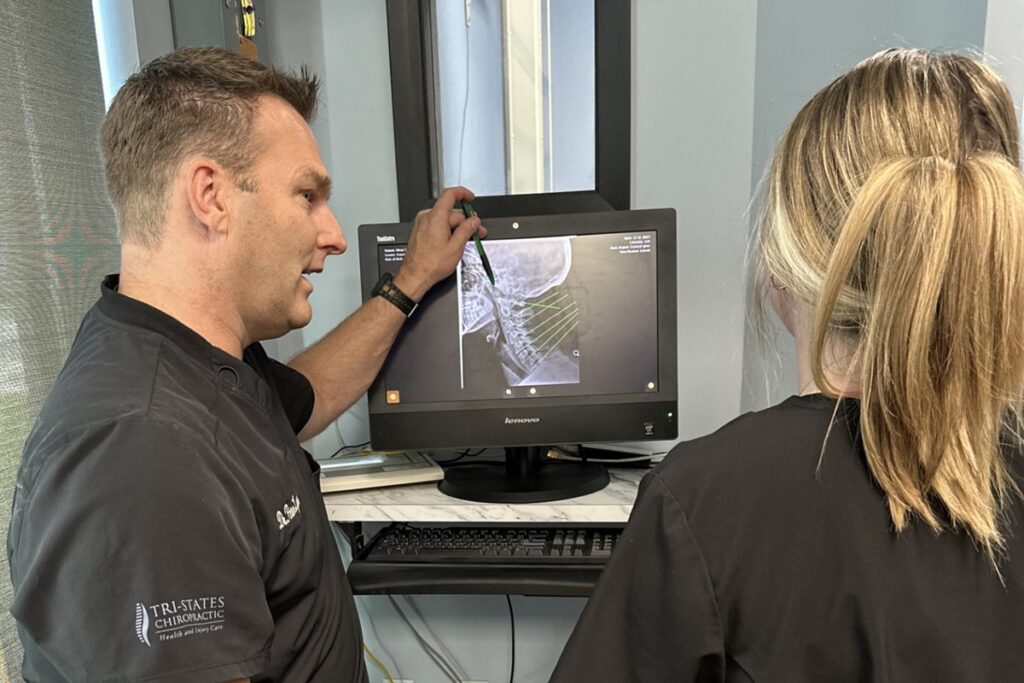
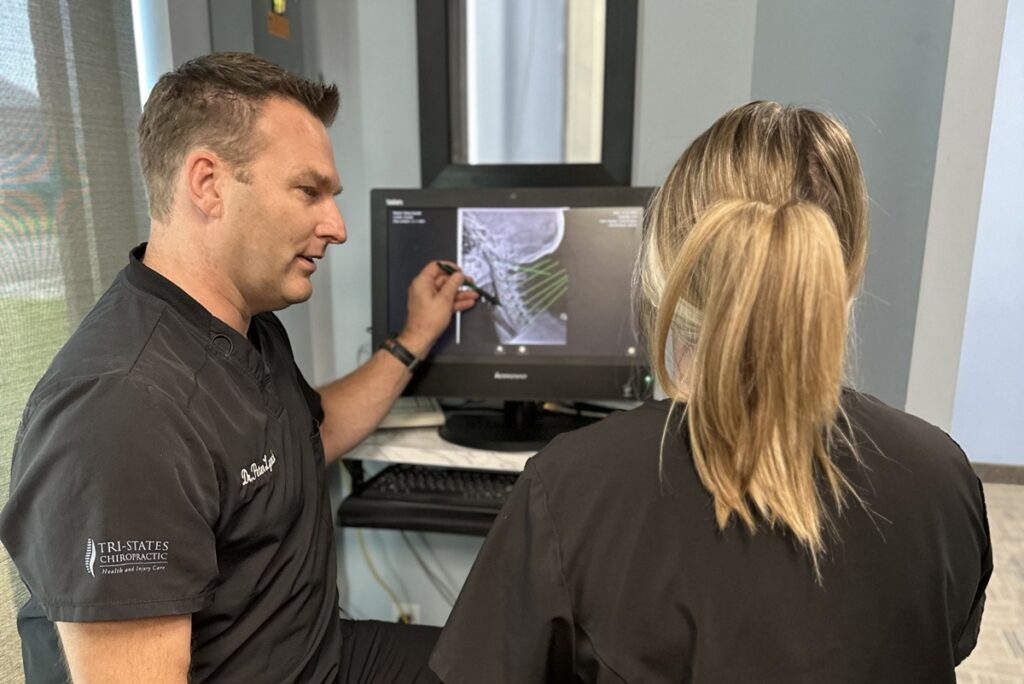
Understanding the root causes of your pain is crucial, and that’s where chiropractic care shines. A thorough assessment from a chiropractor can identify misalignments in your spine and help restore proper function. By addressing these issues, you not only find relief from pain but also promote long-term health and wellness.
So, what’s the best approach for you? Start by incorporating these simple tips: maintain good posture while sitting or standing, take regular breaks to move around if you sit for long periods, and consider regular chiropractic adjustments to keep your spine in optimal condition. Remember, you don’t have to live with back pain. Embrace a healthier lifestyle with chiropractic care as your go-to solution for pain relief and wellness.
Key Takeaways
- Maintaining good posture is essential for spinal health. By distributing body weight evenly, you can reduce strain on your spine, especially if you find yourself sitting or standing for long periods. A chiropractor can provide guidance on proper posture techniques to ensure your spine remains aligned.
- Incorporating gentle stretching exercises into your daily routine can greatly improve flexibility and ease muscle tightness that may contribute to back pain. Simple stretches can be taught during chiropractic sessions and can be tailored to your specific needs.
- Heat therapy can be a wonderful way to relax tight muscles and improve blood flow, while cold therapy can help reduce inflammation and numb pain. Your chiropractor can recommend the best approach for your situation, ensuring you find relief in a natural way.
- Strengthening your core muscles is vital for supporting your spine and enhancing your overall posture. A chiropractor can guide you through targeted exercises that not only strengthen your core but also promote a healthier back.
- Staying active with low-impact activities like walking and stretching is crucial for maintaining back health. Remember to listen to your body; if you experience persistent pain, it’s important to consult with your chiropractor, who can provide personalized care and support for your recovery. Embracing chiropractic care can be a key step toward achieving optimal health and wellness.
Understanding the Causes of Back Pain
Understanding the causes of back pain is crucial for your health and wellness journey, especially if you’re seeking natural relief. Back pain can arise from a variety of factors, and knowing these can empower you to take proactive steps toward feeling better. Common culprits include poor posture, muscle strains, and injuries. For instance, sitting for extended periods without proper support can misalign your spine, leading to discomfort and pain. Heavy lifting or sudden movements can also put a strain on your muscles.
Lifestyle choices play a significant role in back pain as well. Being sedentary or carrying extra weight places additional stress on your spine. Moreover, stress and tension can cause muscle tightness, further exacerbating discomfort.
As a chiropractor, I believe in the power of understanding these causes to help you make informed decisions about your health. By identifying what might be causing your back pain, you can explore natural ways to alleviate it. Chiropractic care is an excellent choice for addressing these issues, focusing on spinal alignment and overall wellness without resorting to medications or surgeries.
Here are some general tips you can incorporate into your daily routine to help prevent and relieve back pain:
- Practice Good Posture: Be mindful of your posture while sitting, standing, and walking. Keeping your spine aligned can significantly reduce strain.
- Stay Active: Engage in regular physical activity, such as walking or gentle stretching, to strengthen your back muscles and improve flexibility.
- Lift Correctly: When lifting heavy objects, bend your knees and keep your back straight to avoid unnecessary strain.
- Manage Stress: Techniques such as deep breathing, yoga, or meditation can help reduce stress and tension in your body.
- Seek Chiropractic Care: Regular visits to a chiropractor can help ensure your spine is properly aligned and can provide personalized strategies for maintaining your spinal health.
Stretching Exercises for Flexibility
Stretching is a fundamental practice for maintaining flexibility and alleviating back pain, which is where chiropractic care shines as a natural and effective solution.
By integrating specific stretching routines into your daily life, not only can you enhance your mobility, but you can also promote overall comfort and well-being.
As a chiropractor, I encourage you to view stretching as a vital component of your health routine. It complements chiropractic adjustments by keeping your muscles and ligaments flexible, which can aid in maintaining proper spinal alignment.
Here are some effective stretches that can help you feel better and support your journey towards optimal health:
- Cat-Cow Stretch: This gentle stretch helps to maintain spinal flexibility. Start on all fours, arch your back upwards (Cat), and then dip it downwards while lifting your head (Cow). Repeat several times to ease tension in your spine.
- Child’s Pose: This restorative stretch can help relax your back and shoulders. Kneel down, sit back on your heels, and extend your arms forward on the ground. Take deep breaths and feel the gentle stretch along your spine.
- Hamstring Stretch: Tight hamstrings can contribute to lower back pain. While seated, extend one leg forward and reach toward your toes. Hold for 20-30 seconds and switch legs to keep your back happy.
- Torso Twist: While seated or standing, gently twist your upper body to one side and then the other. This can help improve spinal mobility and reduce tension in the lower back.
Incorporating these stretches into your daily routine can significantly enhance your flexibility and overall spinal health.
Remember, regular chiropractic adjustments can further support these efforts by ensuring that your spine is aligned and functioning optimally.
For best results, consider visiting your chiropractor to discuss how stretching can complement your chiropractic care. Together, we can develop a personalized plan that sets you on the path to natural healing and a healthier, pain-free life.
Stay flexible and take care of your spine!
Importance of Stretching
When it comes to easing back pain, incorporating stretching exercises into your daily routine can truly make a world of difference. Stretching increases flexibility, which is essential for maintaining a healthy range of motion in your spine. By enhancing this flexibility, you can reduce tension in your muscles, thereby minimizing the risk of strain or injury.
Moreover, stretching promotes better blood flow to your muscles, which aids in recovery and helps alleviate soreness. Just by dedicating a few minutes every day to simple stretching exercises, you can significantly improve your posture and support your spine’s natural alignment. This is crucial for overall spinal health.
You may be surprised to learn that regular stretching can also help relieve stress—a common contributor to back pain. Stress can lead to muscle tightness, which in turn can exacerbate discomfort. So, whether you’re at home, at work, or even on a break, make stretching a priority for a healthier, more comfortable back.
As a chiropractor, I encourage you to consider incorporating the following tips into your routine:
- Start Slow: If you’re new to stretching, begin with gentle movements and gradually increase your range of motion.
- Consistency is Key: Try to set aside time each day for stretching, even if it’s just for a few minutes.
- Focus on Major Muscle Groups: Pay special attention to your back, hips, and legs, as these areas often bear the brunt of tension.
- Listen to Your Body: Stretch to the point of mild discomfort, but never to the point of pain. If you experience pain, ease back.
- Consider Chiropractic Care: Regular visits to your chiropractor can complement your stretching routine. We focus on spinal health and can provide personalized advice to enhance your wellness journey.
Recommended Stretching Routines
Incorporating specific stretching routines can significantly enhance the benefits you’ve already experienced from your chiropractic care. Targeted stretches not only improve your flexibility but also help relieve tension in your back, supporting your overall spinal health. Here are three recommended routines that can easily fit into your daily life:
- Cat-Cow Stretch: Begin on all fours, ensuring your hands are directly under your shoulders and your knees under your hips. Arch your back up toward the ceiling (like a cat), then gently dip it down while lifting your head and tailbone (like a cow). This movement helps mobilize your spine and relieve tension. Repeat for 5-10 cycles.
- Child’s Pose: Kneel on the floor and sit back on your heels. Stretch your arms forward, allowing your chest to lower toward the ground. This gentle stretch helps elongate your spine and relax your back muscles. Hold this position for about 30 seconds, breathing deeply to enhance relaxation.
- Seated Forward Bend: Sit on the floor with your legs extended straight in front of you. Reach forward toward your toes while keeping your back straight. This stretch can help alleviate tightness in your lower back and hamstrings. Hold for 20-30 seconds, focusing on relaxing your body with each breath.
By incorporating these simple stretches into your daily routine, you can effectively alleviate back pain and support your journey to optimal health. Remember, chiropractic care is a natural approach to pain relief and wellness, and these stretches complement the adjustments you’re receiving.
Always listen to your body and consult with your chiropractor if you have any concerns or questions about your stretching routine. Your path to a healthier, pain-free life is just a stretch away!
Strengthening Your Core Muscles
Strengthening your core muscles is essential not only for a healthy back but also for overall stability and wellness. As a chiropractor, I often see the difference that a strong core can make in alleviating pain and enhancing posture.
By incorporating effective core exercises into your daily routine, you can support your spine and improve your body’s alignment, which can lead to reduced discomfort.
Here are some tips to help you stay consistent with your core workouts:
- Start Simple: Begin with basic exercises like planks and bridges. These can help you engage your core without putting too much strain on your back.
- Incorporate Movement: Consider adding core exercises into your daily activities. For example, try engaging your core while sitting at your desk or during a walk.
- Set a Schedule: Treat your core workouts like an important appointment. Consistency is key to building strength and stability.
- Listen to Your Body: If you experience pain while doing any exercise, stop immediately. It’s important to differentiate between muscle fatigue and pain indicating a problem.
- Combine with Chiropractic Care: Regular chiropractic adjustments can enhance your core strength by improving spinal alignment, which supports better movement and muscle function.
Importance of Core Strength
Core strength is incredibly important for maintaining a healthy spine and can play a vital role in alleviating back pain. By strengthening your core muscles, you provide essential support for your spine and help to promote good posture.
Here’s why focusing on core strength is crucial for your overall well-being and how chiropractic care can help you achieve optimal health:
- Improves Posture: A robust core helps keep your spine aligned and prevents slouching, which can lead to discomfort. Regular chiropractic adjustments can enhance your posture and complement your core strengthening efforts.
- Reduces Back Strain: Strong core muscles stabilize your torso, which means your back doesn’t have to carry as much strain during everyday activities. Your chiropractor can guide you on exercises that strengthen your core while ensuring your spine remains aligned.
- Enhances Mobility: A well-conditioned core allows for better movement control, making it easier to perform physical tasks without risking injury. Incorporating chiropractic care into your routine can enhance your mobility and flexibility, making it easier to enjoy an active lifestyle.
To support your core strength and spine health, consider these tips:
- Engage in regular core-strengthening exercises, such as planks and bridges.
- Focus on maintaining good posture throughout your day, whether sitting or standing.
- Schedule regular visits with your chiropractor to keep your spine aligned and to receive personalized advice on strengthening your core.
Investing in your core strength, alongside chiropractic care, can lead to significant relief from back pain and promote a healthier, more active life.
Effective Core Exercises
Building a strong core is essential for overall health and wellness, and it doesn’t have to be complicated. Core exercises not only enhance stability but also support your spine, helping to reduce the risk of back pain. As a chiropractor, I encourage you to incorporate some simple exercises into your routine to strengthen your core naturally.
Start with planks, which engage your entire core. Aim to hold a plank for about 30 seconds, gradually increasing your time as you build strength. This exercise not only improves core stability but also promotes proper alignment, crucial for spinal health.
Next, try bridges. Lie on your back with your knees bent and lift your hips while squeezing your glutes. This movement effectively targets your lower back and abdominal muscles, reinforcing support for your spine.
Incorporate Russian twists for rotational strength. Sit on the floor, lean back slightly, and gently twist your torso side to side. This exercise helps improve your core stability and can enhance your overall flexibility, supporting your chiropractic care.
Lastly, don’t overlook bicycle crunches. They effectively engage your obliques and rectus abdominis, promoting a well-rounded core workout.
Aim to perform these exercises 2-3 times a week, focusing on maintaining good form rather than rushing through them. Remember, a strong core is foundational to a healthy spine. By strengthening your core, you not only support your back but also enhance your overall well-being.
If you experience any discomfort or pain, be sure to consult with your chiropractor, who can guide you on the best practices for your unique needs. Embracing these natural methods can lead to optimal health and a pain-free life.
Tips for Consistency
Staying consistent with your exercise routine can be challenging, especially when you’re working on strengthening your core muscles. As a chiropractor, I understand the importance of maintaining a healthy spine and overall well-being. Here are some helpful tips to keep you on track:
- Set a Schedule: Designate specific days and times for your workouts, treating them as essential appointments for your health. This helps create a routine that your body and mind can rely on.
- Start Small: If you’re new to exercising, begin with short sessions that focus on core strengthening. Gradually increase the time and intensity as your body adapts. This approach not only helps prevent injury but also makes it easier to stick with your routine.
- Track Your Progress: Keeping a journal or using fitness apps to monitor your improvements can encourage you to stay consistent. By noting how your core strength enhances your daily activities and can reduce back pain, you’ll feel motivated to continue.
Remember, incorporating chiropractic care into your wellness routine can support your journey to optimal health. Regular adjustments can improve spinal alignment, enhance your body’s function, and help you recover more efficiently from your workouts.
Prioritizing your spine’s health is a crucial step toward achieving your fitness goals and maintaining a balanced, pain-free life.
Importance of Good Posture
Many people often overlook the importance of good posture, but it’s key to maintaining a healthy, pain-free life. As a chiropractor, I can tell you that proper alignment plays a crucial role in alleviating back pain. When you sit, stand, or walk with good posture, you help distribute your body weight evenly, which reduces strain on your muscles and spine. This not only minimizes discomfort but also helps prevent further injuries.
You mightn’t be aware, but slouching or hunching can lead to muscle fatigue and increased tension, making your back pain worse. By consciously adjusting your posture throughout the day, you can significantly enhance your overall well-being.
Consider your daily activities. Whether you’re working at your desk or running errands, being mindful of your body position can make a world of difference. Remember to keep your shoulders back, your chin up, and your back straight. Simple reminders like these can help you maintain a healthier posture.
In addition to being aware of your posture, incorporating exercises that strengthen your core and back can further support your spine. Gentle stretches and movements can promote flexibility and stability, making it easier to maintain proper alignment.
Chiropractic care is an excellent option for those seeking natural methods for pain relief and wellness. Regular chiropractic adjustments can help correct misalignments, improve posture, and promote overall spinal health.
Ergonomic Adjustments at Work
Making ergonomic adjustments at work is crucial for reducing back pain and enhancing your overall comfort, which is essential for achieving optimal health. As a chiropractor, I believe that a supportive workspace can significantly contribute to your well-being and prevent unnecessary strain on your body.
Here are three simple adjustments you can make to create a healthier work environment:
- Chair Height: Adjusting your chair is a vital step. Ensure your feet rest flat on the floor with your knees at hip level. This position supports proper spinal alignment, which is key to avoiding discomfort and maintaining a healthy back.
- Monitor Position: Your computer monitor should be at eye level and about an arm’s length away. This positioning helps reduce neck strain and encourages better posture, allowing your spine to stay in its natural curve.
- Keyboard and Mouse Placement: Keep your keyboard and mouse close together and at elbow height. This adjustment minimizes strain on your shoulders and wrists while typing, making your work experience more comfortable and allowing you to focus on what really matters.
Implementing these straightforward changes can make a significant difference in alleviating discomfort and promoting a healthier work life. Remember, prioritizing your comfort is essential, and these adjustments can empower you to work without the distraction of pain.
If you’re experiencing ongoing discomfort, consider visiting a chiropractor who can provide personalized care and guidance on maintaining your spinal health. Choose natural healing and wellness for a better, pain-free life!
Heat and Cold Therapy
When you’re experiencing back pain, incorporating heat and cold therapy can be a fantastic way to find relief naturally. Heat therapy is particularly effective at relaxing tight muscles and enhancing blood flow, which is essential for easing stiffness. You might consider using a heating pad, a hot water bottle, or even a warm towel. A simple guideline is to apply heat for about 15-20 minutes at a time, allowing your muscles to loosen up and promote healing.
On the flip side, cold therapy is great for reducing inflammation and numbing sharp pain, making it a valuable tool in your self-care arsenal. Ice packs or even a bag of frozen vegetables wrapped in a cloth can serve you well. Just like with heat, aim to apply cold therapy for 15-20 minutes, especially after any activity that aggravates your back or if you notice swelling.
Mindfulness and Relaxation Techniques
In addition to heat and cold therapy, incorporating mindfulness and relaxation techniques can significantly improve your back pain management. These strategies not only help reduce stress—which can worsen discomfort—but also promote a sense of well-being that complements chiropractic care. Here are three effective techniques you can easily integrate into your daily routine:
- Deep Breathing: Take a moment to focus on your breath. Inhale deeply through your nose, allowing your abdomen to rise, then exhale slowly through your mouth. This simple practice can help calm your mind, relax your muscles, and enhance the benefits of your chiropractic adjustments.
- Progressive Muscle Relaxation: Begin by tensing each muscle group for a few seconds, then release. Start from your toes and gradually work your way up to your head. This technique not only alleviates tension but also improves your awareness of your body, helping you to notice areas that may need more attention from your chiropractor.
- Mindfulness Meditation: Spend a few minutes in a quiet space, focusing on your breath or visualizing a peaceful scene. This practice encourages you to stay present, reducing anxiety related to pain. Regular meditation can enhance your overall sense of wellness, which aligns perfectly with the goals of chiropractic care.
Alternative Therapies: Acupuncture and Chiropractic Care
If you’re dealing with back pain, chiropractic care is a fantastic option to consider for natural healing and achieving optimal health. As a chiropractor, I focus on aligning your spine, which is essential for improving overall function and relieving pain.
Unlike other treatments, chiropractic care addresses the root causes of discomfort rather than just masking the symptoms.
Chiropractic adjustments target misalignments in your spine, which can help restore mobility, reduce inflammation, and promote your body’s natural ability to heal. This holistic approach not only alleviates pain but also supports your overall well-being.
For those looking to enhance their recovery, here are some simple tips to incorporate into your daily routine:
- Stay Active: Gentle exercises like walking or stretching can help keep your body moving and reduce stiffness.
- Practice Good Posture: Be mindful of your posture, especially when sitting for long periods. Use ergonomic furniture if possible.
- Hydrate: Drinking plenty of water supports spinal health and helps maintain the elasticity of spinal discs.
- Listen to Your Body: If something doesn’t feel right, don’t push through the pain. Consult with your chiropractor to find the best solution.
Benefits of Acupuncture
Have you ever thought about how chiropractic care can effectively relieve your back pain? As a local chiropractor, I want to share how our approach focuses on natural healing and optimal health.
Here are three key benefits of chiropractic care for back pain relief:
- Pain Reduction: Chiropractic adjustments help realign your spine, which can relieve pressure on nerves and reduce discomfort. This natural approach encourages your body to heal itself without the need for medications.
- Improved Mobility: Regular chiropractic visits can enhance your range of motion and flexibility. By ensuring that your spine is properly aligned, you can experience better movement and less stiffness, allowing you to enjoy your daily activities more fully.
- Stress Relief: Chiropractic care not only addresses physical pain but also promotes relaxation. When your spine is aligned, your body functions better, which can lower stress levels that often contribute to chronic pain.
In addition to chiropractic care, here are some general tips to help maintain your spinal health:
- Stay Active: Incorporate regular exercise into your routine to strengthen your back and improve overall wellness.
- Practice Good Posture: Be mindful of your posture while sitting, standing, and lifting to prevent unnecessary strain on your spine.
- Stay Hydrated: Drinking plenty of water supports the health of your discs and overall spinal function.
Choosing chiropractic care is a proactive step toward achieving optimal health and wellness naturally. If you’re struggling with back pain, consider visiting a chiropractor to explore how this approach can work for you.
Role of Chiropractors
Chiropractors are essential partners in your journey towards holistic health, offering natural therapies that target the underlying causes of pain and discomfort. When you visit a chiropractor, we take the time to assess your spine and joints, looking for misalignments that could be contributing to issues like back pain. Through gentle spinal adjustments and manipulations, we help restore proper function and alignment, which can lead to significant relief.
In addition to spinal adjustments, we often use complementary techniques such as massage, stretching, and personalized exercise recommendations tailored to your specific needs. These methods not only promote healing but also enhance your overall mobility, allowing you to move through life with greater ease.
Choosing chiropractic care means you’re taking a proactive step towards alleviating pain and improving your quality of life. Here are a few simple tips you can incorporate into your daily routine to support your spinal health:
- Practice Good Posture: Whether sitting at a desk or standing, maintaining good posture helps reduce strain on your spine. Keep your shoulders back and your head aligned with your spine.
- Stay Active: Regular physical activity strengthens your back and core muscles. Aim for at least 30 minutes of moderate exercise most days of the week.
- Stretch Daily: Incorporate stretching into your routine to improve flexibility and relieve tension in your muscles. Simple stretches can be done at home or even at your desk.
- Use Supportive Furniture: If you spend long hours sitting, invest in a chair that offers good support for your lower back, and remember to take breaks to move around.
- Stay Hydrated: Drinking plenty of water helps maintain the elasticity of your spinal discs and keeps your body functioning optimally.
Lifestyle Changes for Long-Term Relief
While back pain can feel overwhelming, embracing certain lifestyle changes can lead to long-term relief and promote overall wellness. As your local chiropractor, I believe that you can take charge of your discomfort by adopting healthier habits that support spinal health. Here are three key changes to consider:
- Stay Active: Regular physical activity is essential for maintaining a healthy spine. Engaging in activities that strengthen your core muscles, such as walking, swimming, or practicing yoga, can greatly enhance your overall wellbeing. These exercises not only build muscle strength but also improve flexibility, which is crucial for preventing back pain.
- Improve Your Posture: Good posture plays a vital role in spinal health. Be mindful of how you sit and stand throughout the day. Using ergonomic furniture can make a significant difference, and remember to take regular breaks to stretch, especially if you find yourself sitting for long periods. Simple adjustments can relieve pressure on your spine and promote better alignment.
- Maintain a Healthy Weight: Carrying extra weight can place additional strain on your back, leading to discomfort. Focus on a balanced diet rich in whole foods, combined with regular exercise, to help achieve and maintain a healthy weight. This not only alleviates pressure on your spine but also contributes to your overall health.
In addition to these changes, consider incorporating regular chiropractic care into your wellness routine. Chiropractic adjustments can help align your spine, reduce pain, and enhance your body’s natural ability to heal.
When to Seek Professional Help
Knowing when to seek professional help for back pain is essential for your recovery and overall wellness. If you’ve been dealing with persistent pain for more than a few days or if it seems to be getting worse, it’s a good idea to consult a chiropractor. Our approach focuses on understanding the root causes of your pain and promoting natural healing.
Don’t overlook symptoms like numbness, tingling, or weakness in your legs. These sensations could indicate a more serious issue that deserves attention. If you’re finding it difficult to carry out everyday tasks—like bending, lifting, or even sitting comfortably—don’t hesitate to reach out for chiropractic assistance.
If your pain started after an injury or accident, seeing a chiropractor promptly is crucial. We can help assess your situation and rule out any serious injuries, while guiding your body back to a state of balance and health. It’s important to listen to your body; if you experience pain along with fever, unexplained weight loss, or bladder issues, seeking professional advice is key.
Remember, addressing back pain early can lead to more effective treatment. Chiropractic care is a natural and holistic approach that not only targets pain relief but also promotes overall wellness. Incorporating gentle stretches, maintaining good posture, and engaging in regular physical activity can further support your recovery.
Trust in the power of chiropractic care to help you achieve optimal health and a quicker return to your normal activities!