Lower back pain can be a frustrating and debilitating issue that many people experience. Fortunately, you can find significant relief through simple adjustments to your daily routine. As a chiropractor, I want to share some effective techniques that focus on natural healing and promoting better back health.
One of the most beneficial approaches is incorporating gentle stretching exercises into your day. Stretching not only helps to alleviate tightness in the muscles but also improves flexibility, which is essential for maintaining a healthy spine. Focus on stretches that target the lower back, hips, and hamstrings. Simple movements like cat-cow stretches or child’s pose can work wonders in easing discomfort.
In addition to stretching, strengthening your core is vital for supporting your lower back. A strong core stabilizes your spine and reduces the risk of pain. Incorporate exercises like planks, bridges, and pelvic tilts into your routine. These exercises can be done at home and require no special equipment.
Another crucial element to consider is your posture. Poor posture can contribute significantly to lower back pain. Be mindful of how you sit, stand, and move throughout the day. Make adjustments to ensure your spine is properly aligned. Ergonomic chairs and supportive cushions can help if you spend long hours sitting.
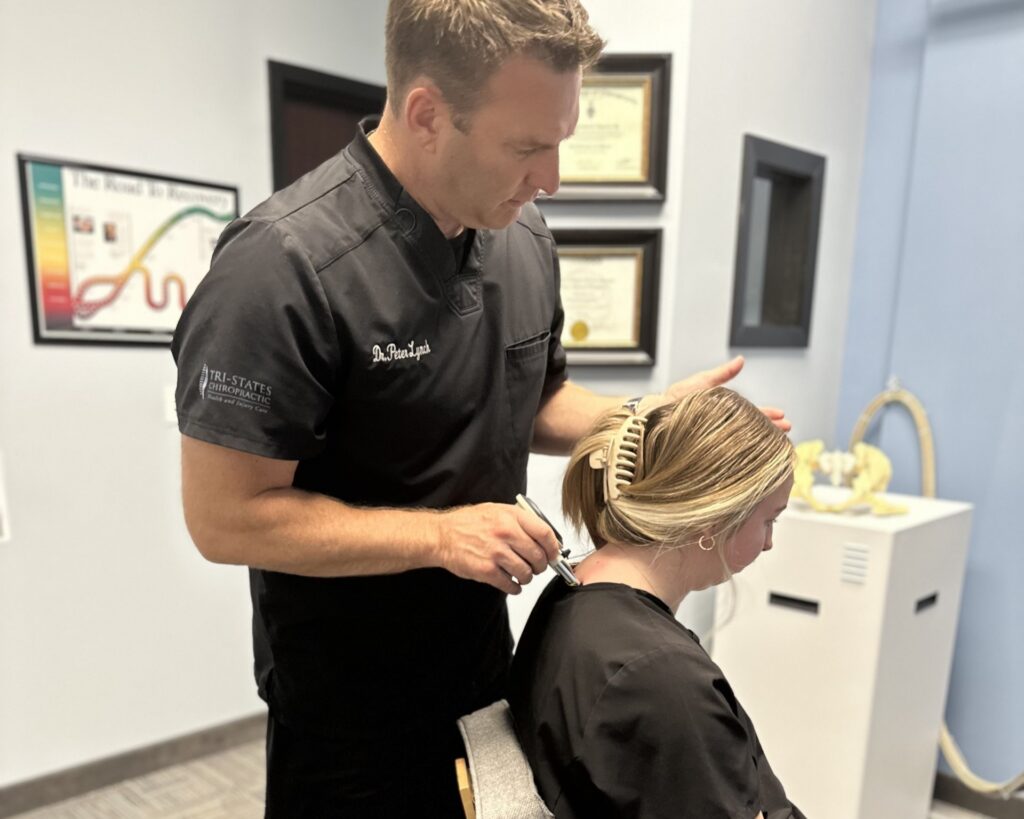
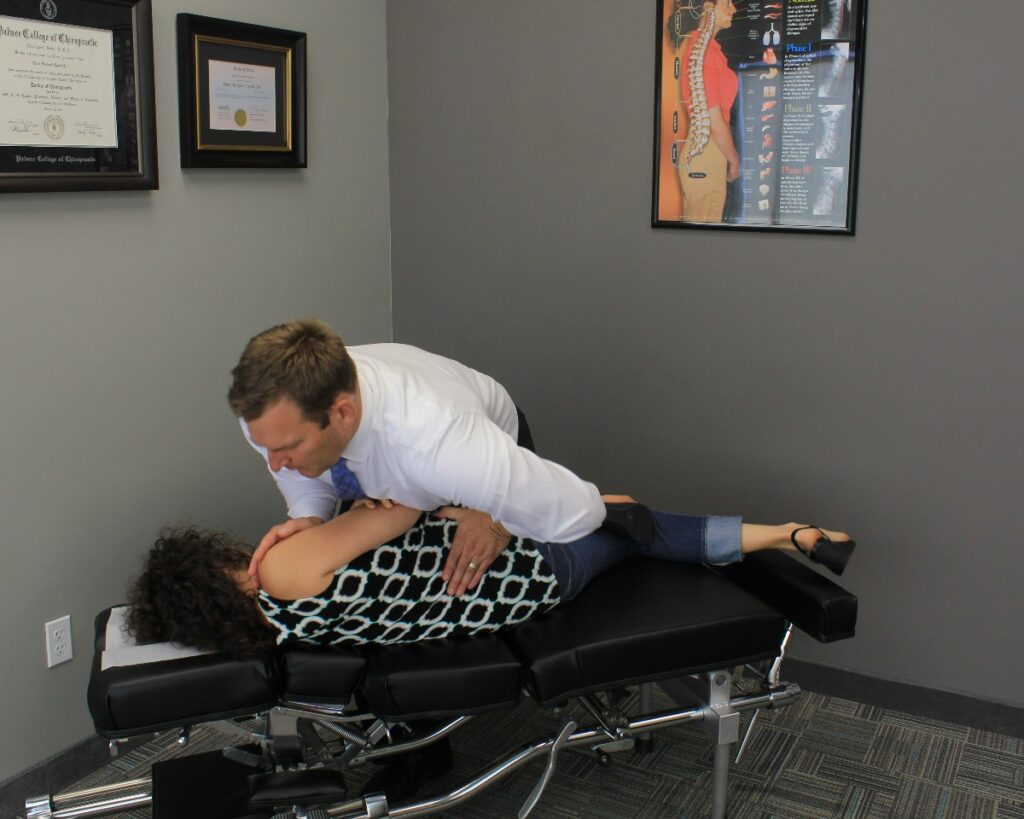
Chiropractic care is an excellent choice for those seeking natural relief from lower back pain. Regular adjustments can help realign the spine, reduce tension, and enhance overall mobility. A chiropractor can also provide personalized advice on exercises and lifestyle changes tailored to your specific needs.
To sum up, if you’re dealing with lower back pain, consider these tips: incorporate gentle stretches and core strengthening exercises, pay attention to your posture, and explore chiropractic care as a holistic approach to achieving optimal health. Remember, taking small steps can lead to significant improvements in your back health and overall well-being.
Key Takeaways
- Maintain good posture by keeping your back straight and utilizing ergonomic furniture to ensure proper spinal alignment. This is vital for preventing and alleviating lower back pain, and a chiropractor can help you learn how to sit and stand correctly.
- Regularly incorporate stretching exercises like Child’s Pose and Cat-Cow into your routine. These stretches not only relieve tension but also enhance flexibility, promoting a healthier spine. A chiropractor can guide you on the best stretches tailored to your specific needs.
- Strengthening your core is essential for supporting your lower back. Exercises such as planks and bridges can help you build a strong foundation. Consider working with a chiropractor who can design a safe and effective exercise plan for you.
- Heat and cold therapy can be beneficial for alleviating pain. Applying heat can relax tight muscles, while cold therapy can reduce inflammation. Your chiropractor can provide personalized advice on how to effectively use these therapies for maximum relief.
- Remember to take breaks every 30 minutes to stand, stretch, and move around. This simple practice can prevent stiffness and help maintain mobility. A chiropractor can also offer guidance on how to structure your daily activities to keep your back healthy.
By focusing on these natural methods and seeking chiropractic care, you can achieve effective pain relief and promote overall wellness. Remember, your spine is central to your health, and taking the right steps can lead to a happier, healthier you.
Understanding Lower Back Pain
Lower back pain is a common issue that can affect anyone, regardless of age. While many might associate it with getting older, it’s important to remember that discomfort in this area can arise from various factors, such as poor posture, muscle strain, or injuries. This pain can manifest as a dull ache or sharp sensations, making it difficult to carry out daily activities. To effectively manage your discomfort, it’s crucial to understand what might be causing it.
Your lifestyle choices significantly impact your lower back health. For instance, spending long hours sitting can weaken your core muscles, which makes you more vulnerable to injuries. Additionally, lifting heavy objects improperly can put unnecessary strain on your back. Stress and anxiety can also lead to muscle tension, making your pain feel worse.
Recognizing these contributing factors empowers you to take proactive steps toward relief. Chiropractic care is an excellent choice for addressing lower back pain naturally. By visiting a chiropractor, you can receive tailored adjustments that help align your spine, reduce tension, and promote healing without the need for medications or surgeries.
Here are some general tips to help you maintain a healthy back:
- Practice Good Posture: Keep your back straight and shoulders relaxed while sitting or standing to reduce strain on your spine.
- Stay Active: Regular exercise strengthens your core muscles, supporting your back. Consider activities like walking, swimming, or yoga.
- Lift Smart: Always bend at your knees and keep the object close to your body when lifting heavy items to avoid straining your back.
- Manage Stress: Incorporate relaxation techniques such as deep breathing or meditation to help decrease muscle tension.
- Seek Chiropractic Care: Regular visits to your chiropractor can help maintain spinal alignment and prevent future pain.
Stretching Exercises for Relief
Incorporating stretching exercises into your daily routine can significantly relieve lower back pain and improve your overall mobility.
Stretching not only helps ease tension in your muscles but also enhances flexibility and supports better posture, all of which contribute to a healthier spine. As a chiropractor, I want to emphasize the importance of natural healing techniques, like stretching, in maintaining optimal health.
Here are some effective stretches you can include in your regimen:
- Child’s Pose: This gentle stretch helps elongate your spine. Start by kneeling on the floor, sitting back on your heels, and stretching your arms forward while lowering your torso. This position can help relieve tension in your lower back and promote relaxation.
- Cat-Cow Stretch: A fantastic way to mobilize your spine! Get on all fours, and as you inhale, arch your back while looking up (Cow Pose). Then, as you exhale, round your back up like a cat. This dynamic movement encourages flexibility in your spine and can help alleviate tightness.
- Seated Forward Bend: This stretch targets your hamstrings and back. Sit with your legs extended in front of you, hinge at your hips, and gently reach for your toes while keeping your back straight. This movement helps improve flexibility and can ease lower back discomfort.
- Knee-to-Chest Stretch: This simple stretch is effective for relieving lower back tightness. Lie on your back and gently pull one knee toward your chest, holding for a few breaths, then switch legs. This stretch helps relax your lower back and encourages spinal alignment.
Incorporating these stretches into your daily routine can provide tremendous benefits for your spine and overall health.
Remember, regular practice is key to maximizing relief. Additionally, consider visiting a chiropractor to further support your journey to wellness through natural healing methods. Chiropractic care focuses on aligning your spine, which can enhance the effectiveness of these stretches and promote lasting pain relief.
Embrace a healthier lifestyle with these simple yet effective techniques!
Strengthening Your Core
To relieve lower back pain, strengthening your core is essential for stability and support. A strong core not only helps alleviate discomfort but also plays a vital role in maintaining proper spinal alignment and overall health. Incorporating effective core exercises and daily activation techniques into your routine can be incredibly beneficial.
As a chiropractor, I’ve seen firsthand how strengthening the core can lead to significant improvements in comfort and movement. When your core muscles are strong, they provide better support for your spine, reducing strain on your lower back. This can help prevent injuries and enhance your daily activities.
Here are some simple tips to get you started on your journey to a stronger core:
- Start with Basic Exercises: Engage in exercises like planks, bridges, and abdominal curls. These can be easily done at home and require no special equipment.
- Focus on Form: Proper form is crucial in every exercise. This not only maximizes effectiveness but also minimizes the risk of injury. If you’re unsure, consider seeking guidance from a chiropractor who can provide personalized advice.
- Daily Movement: Incorporate core activation into your daily routine. Even small movements, like engaging your abdominal muscles while sitting or standing, can make a difference.
- Stay Hydrated and Nourished: A healthy diet and adequate hydration support muscle function and recovery. This is an important aspect of overall wellness that complements your core-strengthening efforts.
- Consult Your Chiropractor: Regular chiropractic care can help ensure your spine is aligned and functioning optimally, making it easier to strengthen your core effectively. Your chiropractor can also provide specialized exercises tailored to your needs.
Importance of Core Stability
Strengthening your core is vital for alleviating lower back pain, as a stable core provides essential support to your spine and enhances your overall posture.
When your core muscles are strong, they help distribute your body weight evenly, reducing strain on your lower back. This stability not only relieves discomfort but also makes everyday movements easier and more efficient.
Here are some key benefits of core stability that highlight the importance of a strong core:
- Injury Prevention: A strong core supports your body during physical activities, significantly lowering the risk of injury. By maintaining stability, you’re better equipped to handle the stresses of daily movements without putting undue strain on your back.
- Improved Balance and Coordination: A well-developed core enhances your balance, which is crucial for avoiding falls. This is especially important as we age or if you’re involved in physical activities that require agility.
- Spinal Alignment: Core stability helps alleviate pressure on your spine, promoting better alignment. This can lead to reduced pain and discomfort, allowing you to enjoy life more fully.
- Enhanced Athletic Performance: For those who enjoy sports or physical activity, a strong core enables more powerful and efficient movements, enhancing your overall performance.
To promote core stability and support your spine, consider integrating these simple tips into your routine:
- Incorporate Core Exercises: Start with basic exercises like planks, bridges, and abdominal crunches. Aim to practice these regularly to build strength.
- Focus on Posture: Be mindful of your posture throughout the day. Whether sitting, standing, or walking, maintaining proper alignment can help engage your core muscles effectively.
- Stay Active: Regular physical activity not only strengthens your core but also contributes to overall wellness. Aim for a mix of strength training, flexibility exercises, and cardiovascular activities.
- Listen to Your Body: Pay attention to any signs of discomfort or pain. If you experience persistent lower back pain, it’s crucial to seek chiropractic care. A chiropractor can provide personalized treatment plans that focus on natural healing and restoring balance to your body.
By prioritizing core stability and seeking chiropractic care, you can achieve optimal health and enjoy a pain-free life.
Effective Core Exercises
Building a strong core is essential for overall health and wellness, as it supports your spine and helps prevent pain. Engaging in effective core exercises can greatly enhance your stability and strength, which is particularly beneficial for those seeking natural healing options. As a chiropractor, I often recommend incorporating a variety of core exercises into your routine to promote spinal health.
Start with planks, which engage your entire core and can be performed by holding the position for 30 seconds. This exercise not only strengthens your abdominal muscles but also supports your lower back. Try side planks as well; they’re excellent for targeting the obliques and improving lateral stability.
Bridges are another fantastic exercise, activating your glutes and lower back. They help create a strong foundation for your spine. Additionally, bird-dogs can enhance your stability and balance, which are crucial for injury prevention.
Begin with a few repetitions of each exercise, focusing on maintaining proper form and alignment. This attention to detail ensures that you gain the maximum benefits while protecting your body from strain. As you get stronger, gradually increase the number of repetitions.
Remember, strengthening your core isn’t just about aesthetics; it plays a vital role in managing and preventing pain. By consistently practicing these exercises, you can build a solid foundation that supports your lower back and enhances your overall stability.
If you’re looking for a natural way to achieve optimal health and wellness, consider incorporating chiropractic care into your routine. It complements your exercise efforts and can help address any underlying issues affecting your spine and core strength. Together, we can work towards a pain-free, healthier life!
Daily Core Activation Techniques
Activating your core regularly throughout the day can greatly enhance your overall strength and stability, contributing to better spinal health. By incorporating these simple techniques into your daily routine, you’ll not only support your lower back but also improve your posture, which is essential for optimal health.
Here are some effective core activation techniques that you can easily integrate into your day:
- Engage your core while sitting: When you’re at your desk or relaxing in a chair, sit up tall and gently pull your belly button toward your spine. Hold this position for several seconds, feeling the engagement of your core muscles.
- Practice standing balance: Stand on one leg while focusing on keeping your core engaged. This won’t only strengthen your core but also improve your balance. Switch legs after about 30 seconds to work both sides.
- Perform pelvic tilts: Whether you’re standing or lying down, gently tilt your pelvis under, engaging your lower abdominal muscles. This simple movement can help relieve tension in your lower back and strengthen your core.
- Incorporate deep breathing: Take a moment to inhale deeply, allowing your diaphragm to expand. As you exhale, tighten your core muscles. This practice not only activates your core but also promotes relaxation and reduces stress.
By consistently applying these core activation techniques, you can strengthen your core, which plays a vital role in preventing lower back pain. Remember, chiropractic care is an excellent way to support your overall wellness journey.
It can help align your spine and improve your body’s function, making it easier for you to engage in these beneficial practices. Embrace these core techniques and consider visiting a chiropractor to further enhance your health and well-being naturally.
Posture Improvement Techniques
Improving your posture is essential for alleviating lower back pain, and it all begins with how you set up your workspace. As a chiropractor, I want to emphasize that creating an ergonomic workspace and practicing proper sitting techniques can greatly support your spine, helping to reduce strain and discomfort.
Here are some simple tips to make your workspace more supportive:
- Chair Choice: Use a chair that supports your lower back. It should allow you to sit with your feet flat on the floor and your knees at or below hip level.
- Screen Height: Position your computer screen at eye level. This helps avoid straining your neck and encourages a more natural sitting posture.
- Keyboard and Mouse Placement: Keep your keyboard and mouse close enough so that you can use them without stretching. Your elbows should be at a 90-degree angle to minimize tension in your arms and shoulders.
- Take Breaks: Remember to stand up and move around every 30 minutes. Gentle stretches can also help alleviate tension and encourage better posture.
- Mind Your Posture: When sitting, try to keep your back straight and shoulders relaxed. Imagine a string pulling you up from the crown of your head to maintain an aligned spine.
By making these adjustments, you’ll find that your comfort levels improve throughout the day.
Additionally, regular chiropractic care can address any underlying spinal issues and enhance your overall well-being. It’s a natural approach to health that can play a significant role in achieving optimal posture and pain relief.
Embrace these changes, and consider visiting your chiropractor for personalized advice tailored to your specific needs!
Ergonomic Workspace Setup
An ergonomic workspace setup can play a significant role in alleviating lower back pain, as it encourages better posture during your daily activities.
As a chiropractor, I believe that creating the right environment not only supports your spine but also enhances your overall health and wellness.
Here are a few simple adjustments you can make to promote a healthier workspace:
- Chair Height: Ensure your chair is adjusted so your feet rest flat on the floor, keeping your knees level with your hips. This helps maintain the natural curve of your spine and reduces strain.
- Desk Position: Your desk should be at elbow height. This allows your arms to rest comfortably while you type, preventing unnecessary tension in your back and shoulders.
- Monitor Level: Position your monitor so that the top of the screen is at or slightly below eye level. This alignment helps avoid straining your neck, which can contribute to discomfort and misalignments in your spine.
- Keyboard and Mouse: Keep your keyboard and mouse close enough that you don’t have to reach too far. This minimizes strain on your back and promotes a more relaxed posture.
Remember, while these adjustments can make a significant difference, regular chiropractic care is essential for maintaining optimal spinal health and overall wellness.
By visiting a chiropractor, you can receive personalized care that addresses your specific needs, helping you to achieve better posture and relief from pain naturally.
Taking these steps towards an ergonomic workspace, combined with chiropractic adjustments, can lead to a healthier, more comfortable life.
Proper Sitting Techniques
When you find yourself sitting for long stretches, applying proper techniques can significantly reduce the risk of lower back pain and promote overall wellness. First and foremost, make sure your feet are flat on the floor or resting on a footrest for stability. Adjust the height of your chair so that your knees sit slightly lower than your hips, allowing for optimal spinal alignment.
As you sit, ensure that you’re fully supported by the back of your chair. Using lumbar support or a cushion can help maintain the natural curve of your spine, which is essential for preventing discomfort. Try to avoid crossing your legs, as this can create unnecessary strain on your back. Instead, keep your knees aligned with your hips to enhance your posture.
Incorporating regular breaks into your routine is crucial. Stand up, stretch, and take a moment to move around every hour. These simple adjustments not only improve your posture but also promote better circulation and overall health.
Heat and Cold Therapy
Heat and cold therapy can be wonderful allies in managing lower back pain, providing relief by reducing inflammation and enhancing blood flow. As a chiropractor, I encourage you to incorporate these methods into your daily routine for quick comfort and better spinal health.
Here are some essential tips for using heat and cold therapy effectively:
- Cold packs: Applying a cold pack for 15-20 minutes can help reduce swelling and numb sharp pain. This is particularly useful right after an injury or during flare-ups.
- Heating pads: For muscle relaxation and improved circulation, use a heating pad or a warm towel for 15-30 minutes. This helps soothe tight muscles and promotes healing.
- Alternating methods: To maximize your relief, consider switching between heat and cold. Start with cold therapy to address inflammation, then follow up with heat to relax your muscles. This combination can be very effective.
- Listen to your body: Always pay attention to how your back responds to these therapies. If something feels uncomfortable or too intense, it’s important to adjust the temperature or the duration of use.
Remember, while heat and cold therapy can provide temporary relief, chiropractic care addresses the root cause of pain and promotes long-term health.
Regular visits to your chiropractor can help ensure your spine stays aligned, enhancing your overall well-being. Embrace these natural healing practices and take steps towards a healthier, pain-free life!
Alternative Therapies
When it comes to relieving lower back pain, exploring alternative therapies can be an excellent way to find natural relief, and chiropractic care stands out as one of the most effective options available. As a local chiropractor, I want to share some insights into how chiropractic care can help you achieve optimal health and wellness.
Chiropractic care focuses on spinal alignment and overall body function. By using gentle spinal manipulation techniques, we help restore proper alignment, which can significantly reduce tension and pain in your lower back. Many patients experience relief after just a few sessions, allowing them to return to their daily activities with greater ease.
In addition to chiropractic adjustments, incorporating complementary practices can enhance your healing journey. For example, massage therapy can work in tandem with chiropractic care by relaxing tight muscles and promoting better circulation. This can further support your recovery and help maintain the benefits of your chiropractic adjustments.
You may also want to consider natural remedies such as turmeric or ginger. These herbs possess anti-inflammatory properties that can aid in your healing process. Additionally, incorporating relaxation techniques like meditation and yoga into your routine can promote flexibility and stress relief, which are essential for managing pain effectively.
Here are some general tips to help you manage lower back pain at home:
- Stay Active: Gentle exercises and stretches can help maintain mobility and strengthen your back.
- Practice Good Posture: Be mindful of your posture when sitting, standing, or lifting to prevent strain on your back.
- Use Heat or Cold Therapy: Applying a heating pad or ice pack can provide temporary relief from pain and inflammation.
- Hydrate: Drinking plenty of water can support your overall health and help keep your muscles functioning well.
Lifestyle Modifications for Prevention
To prevent lower back pain, making proactive lifestyle changes is essential for achieving optimal health and wellness. By adopting healthier habits, you can’t only strengthen your back but also enhance your overall quality of life.
Here are some key modifications to consider:
- Maintain a Healthy Weight: Extra weight puts added strain on your back. Focus on nourishing your body with a balanced diet and engaging in regular physical activity to help manage your weight effectively.
- Stay Active: Incorporate low-impact exercises into your routine, such as walking, swimming, or yoga. These activities help keep your muscles strong and flexible, which is vital for supporting your spine.
- Practice Good Posture: Be mindful of how you sit, stand, and lift throughout your day. Good posture can significantly reduce the strain on your back. Consider using ergonomic furniture and supportive footwear to promote spinal health.
- Limit Sedentary Time: If you find yourself sitting for long periods, make a habit of taking short breaks to move around. Simple stretching can alleviate tension and improve circulation, helping to keep your spine healthy.
Incorporating these lifestyle modifications not only helps prevent lower back pain but also supports your journey toward natural healing and wellness.
Remember, small changes can make a big difference in your daily life. As a chiropractor, I encourage you to explore how chiropractic care can complement these healthy habits, offering you a holistic approach to pain relief and overall well-being.
Prioritize your spinal health, and you’ll be on the path to a happier, healthier you!